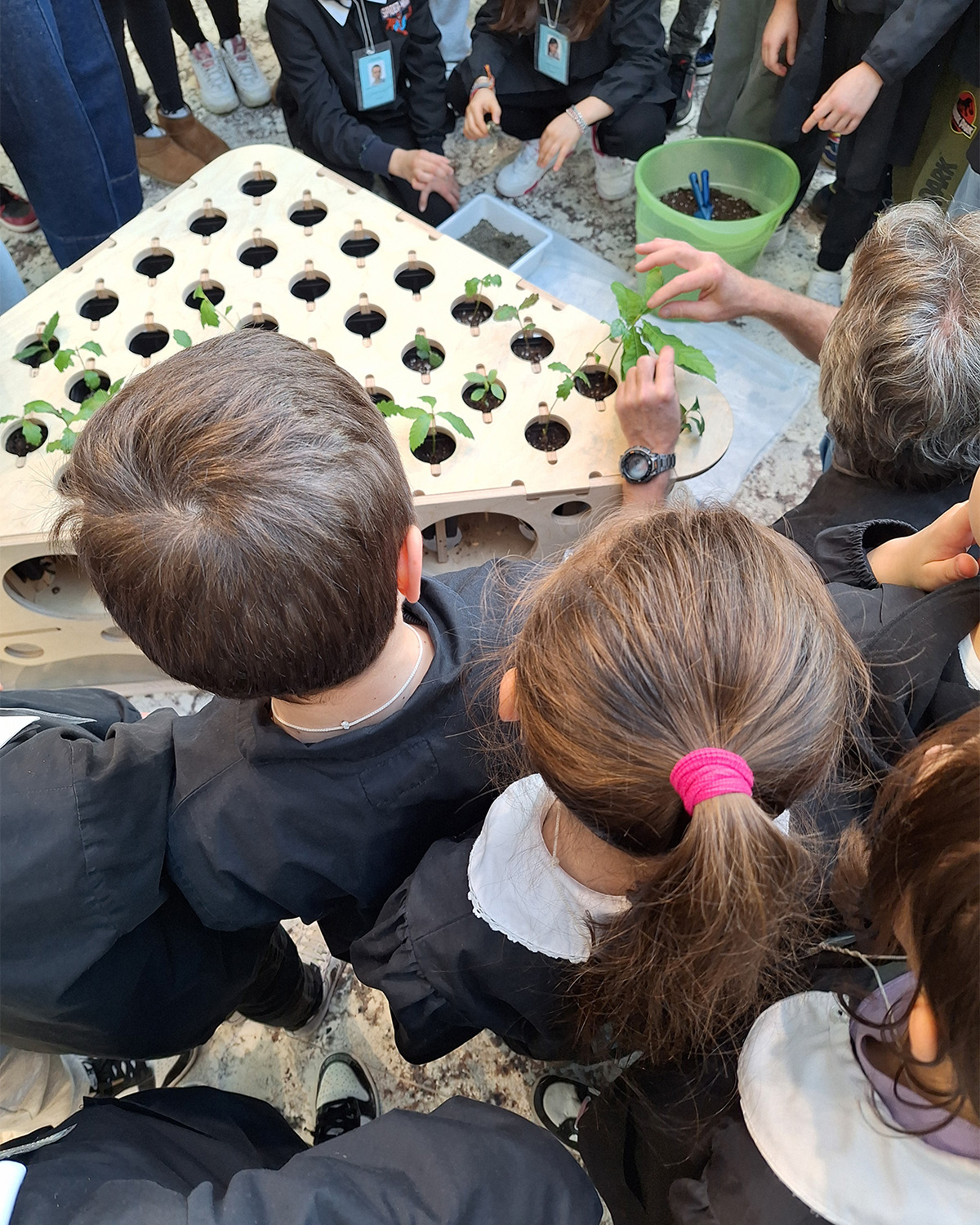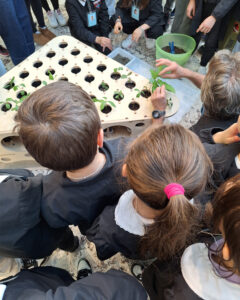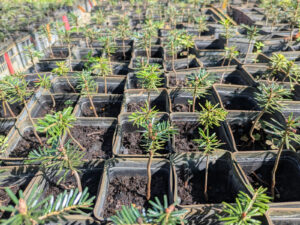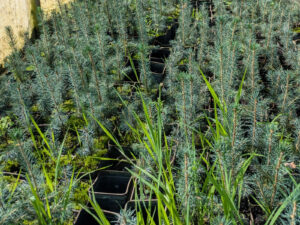


Last year, the pupils of ten primary schools in the provinces of Modena and Reggio Emilia were given some special supplies: pots of earth, gloves, watering cans, a rainwater recovery system and everything they needed to build slot-together natural wood micro-nurseries. The purpose of the supplies, delivered as part of the project Semi di futuro – Crescere insieme per il Pianeta run by the Tuscan-Emilian Apennine National Park with Fondazione Iris Ceramica Group, was to engage children in growing and caring for plants selected according to their ability to withstand climatic stress, which will become even more frequent in the near future.
“We will start to feel the effects of climate change not only with extreme events but also in a more subtle manner,” explains Willy Reggioni, head of the Park’s Humans and Forests Centre and scientific manager of the project. “With longer droughts in the summer, for example, with intense rains concentrated in short periods, so with a different water distribution to what the plants are used to, late frosts and windier days than usual. These events are not all major disasters but will have a significant impact on vegetation.” In this context, preparing our forests to cope with these phenomena, making them more resilient with the help of science and lots of tiny hands, has become imperative.
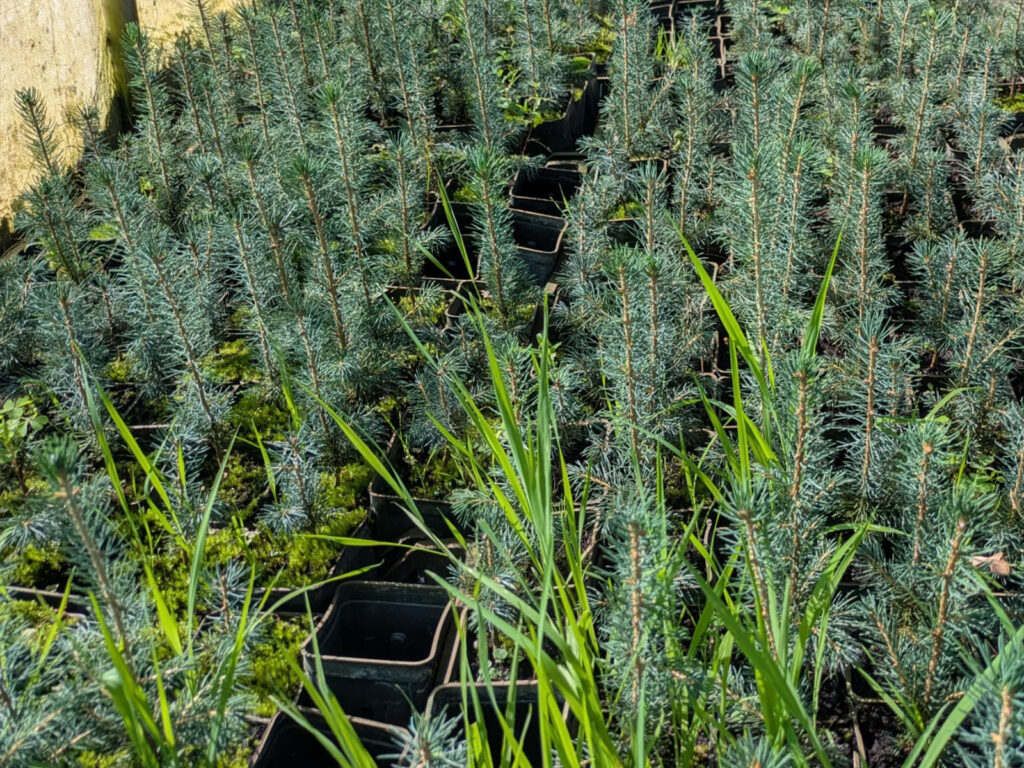
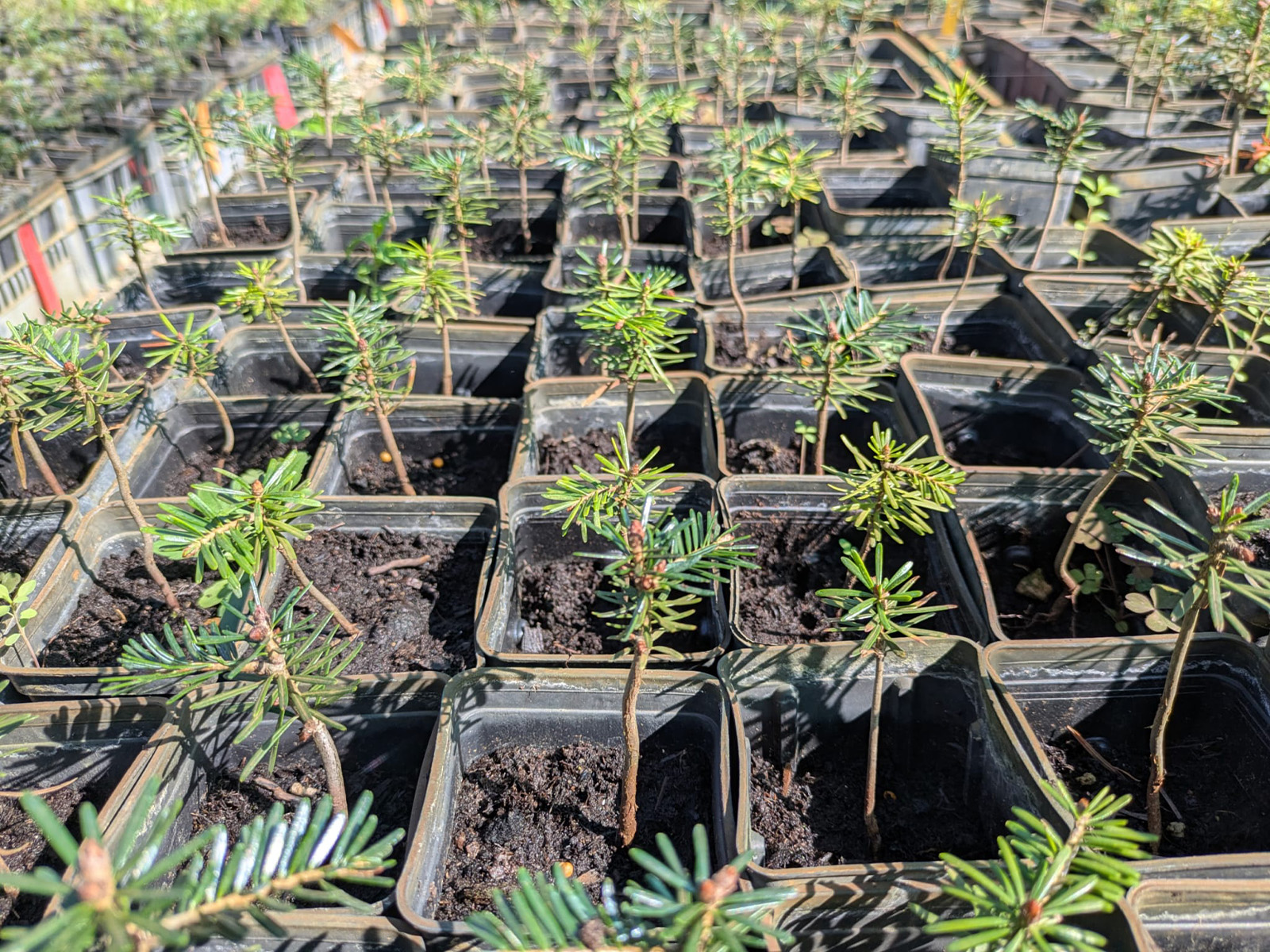
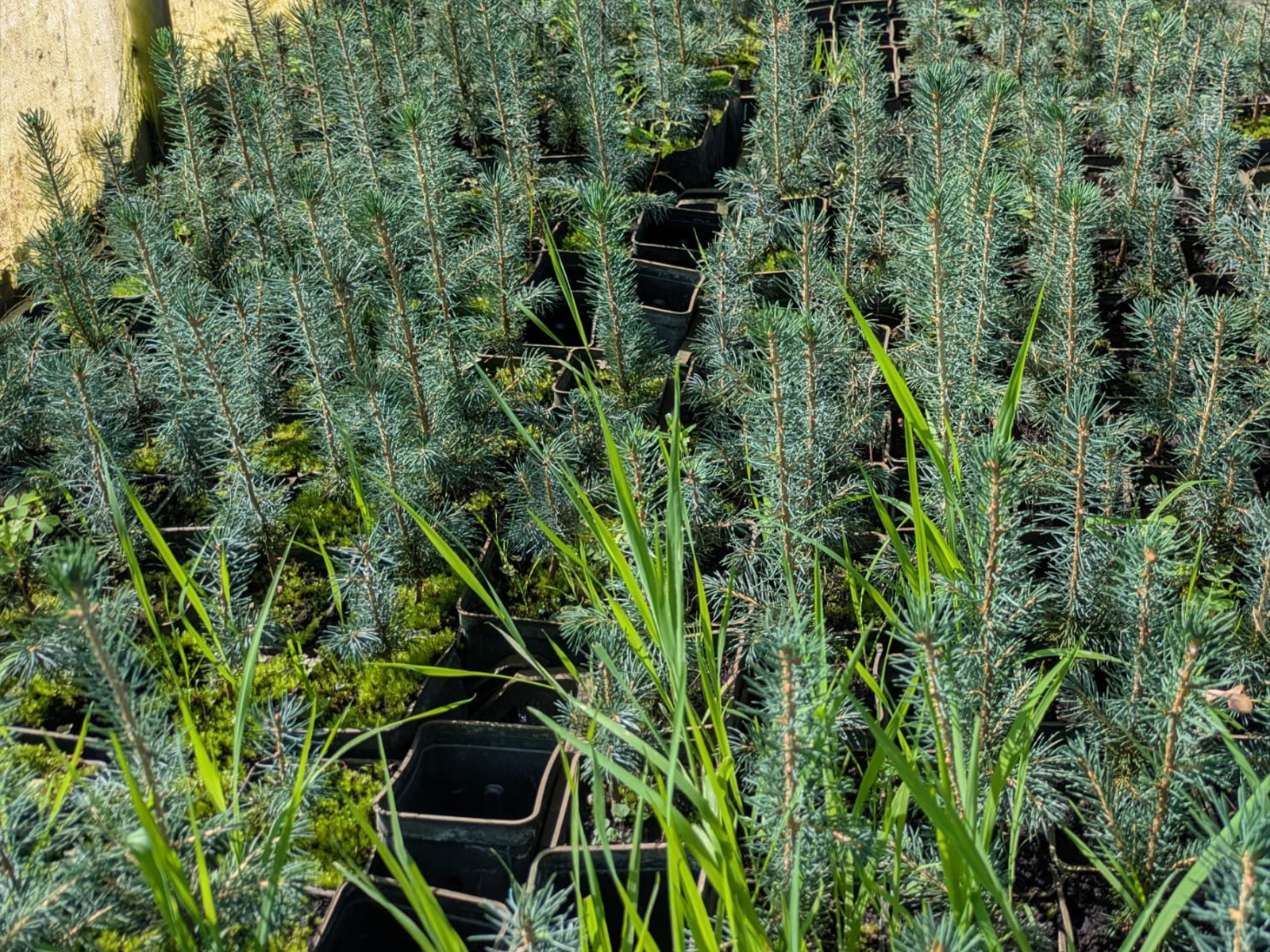
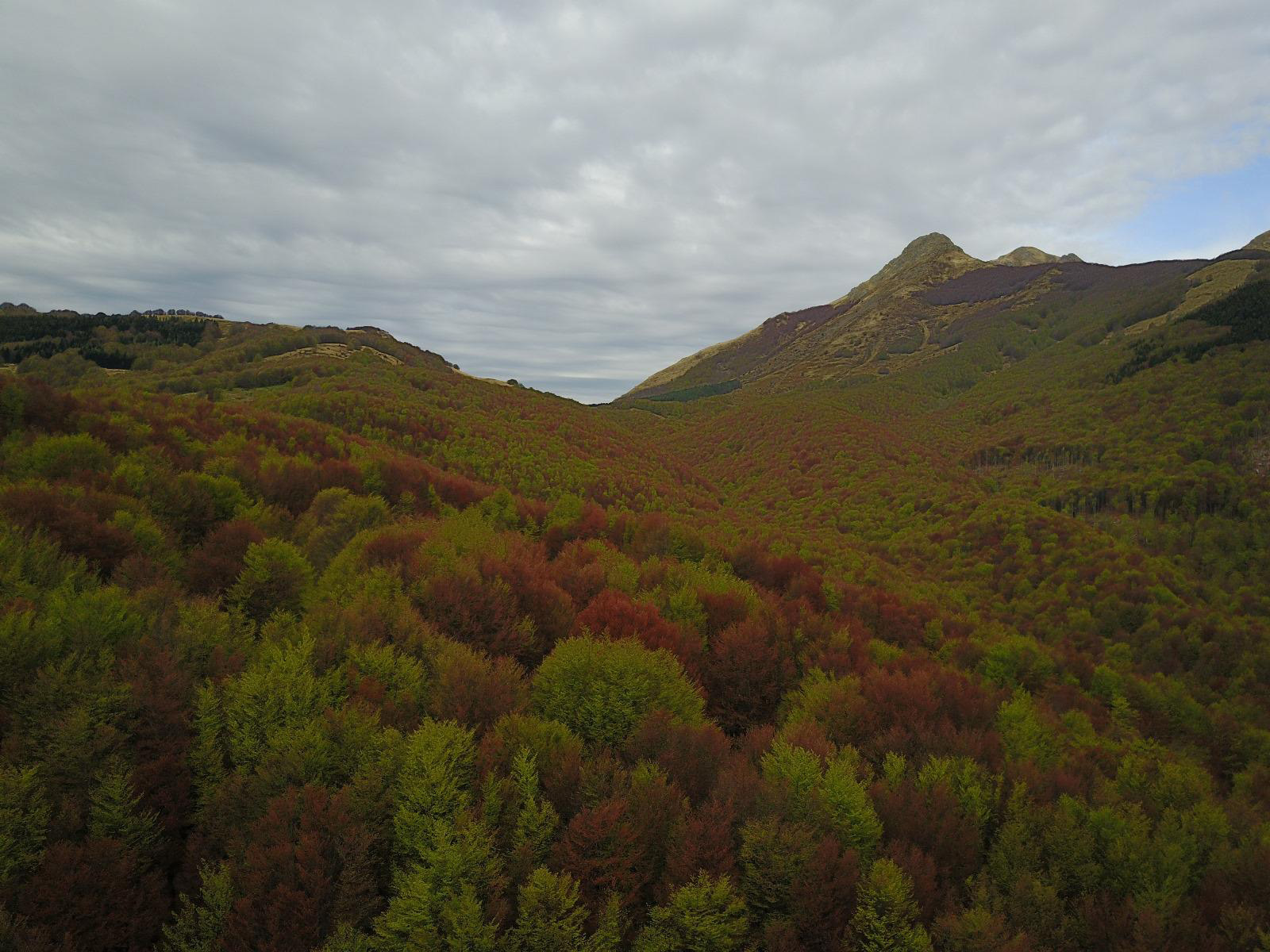
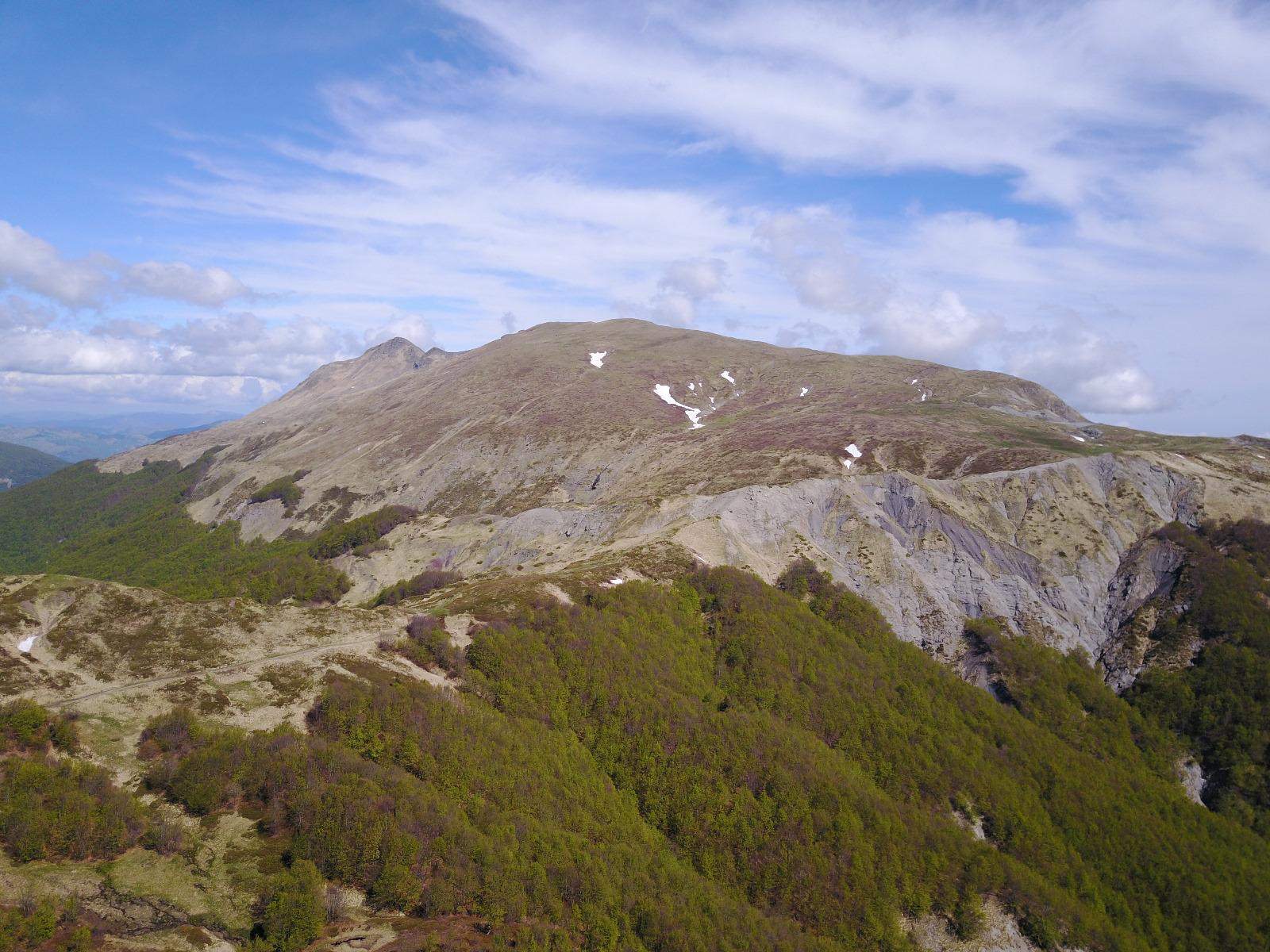
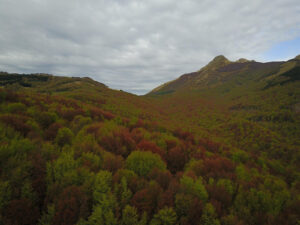
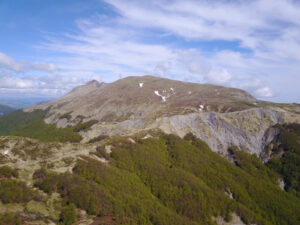
The specialists of the Tuscan-Emilian Apennine National Park, a UNESCO Biosphere Reserve, chose some species native to the upper plains and hills near Sassuolo – oaks, chestnut, maple, ash, the downy oak and the Turkey oak (two oaks, one more heat-loving and one more suited to colder climates) – and studied the genetic profiles of hundreds of mother plants. Then they grew their children and subjected them to climatic stress to study their behaviour. “We tried to build a relationship between the genetic characteristics of each plant and the reaction it had to climate change, to select those that had the greatest ability to react to stress, identifying those most resistant ecotypes,” Reggioni continues. “Then we went back to collect the seeds from our mother plants and decided to devote some of them to a broader nursery project, involving local schools.”
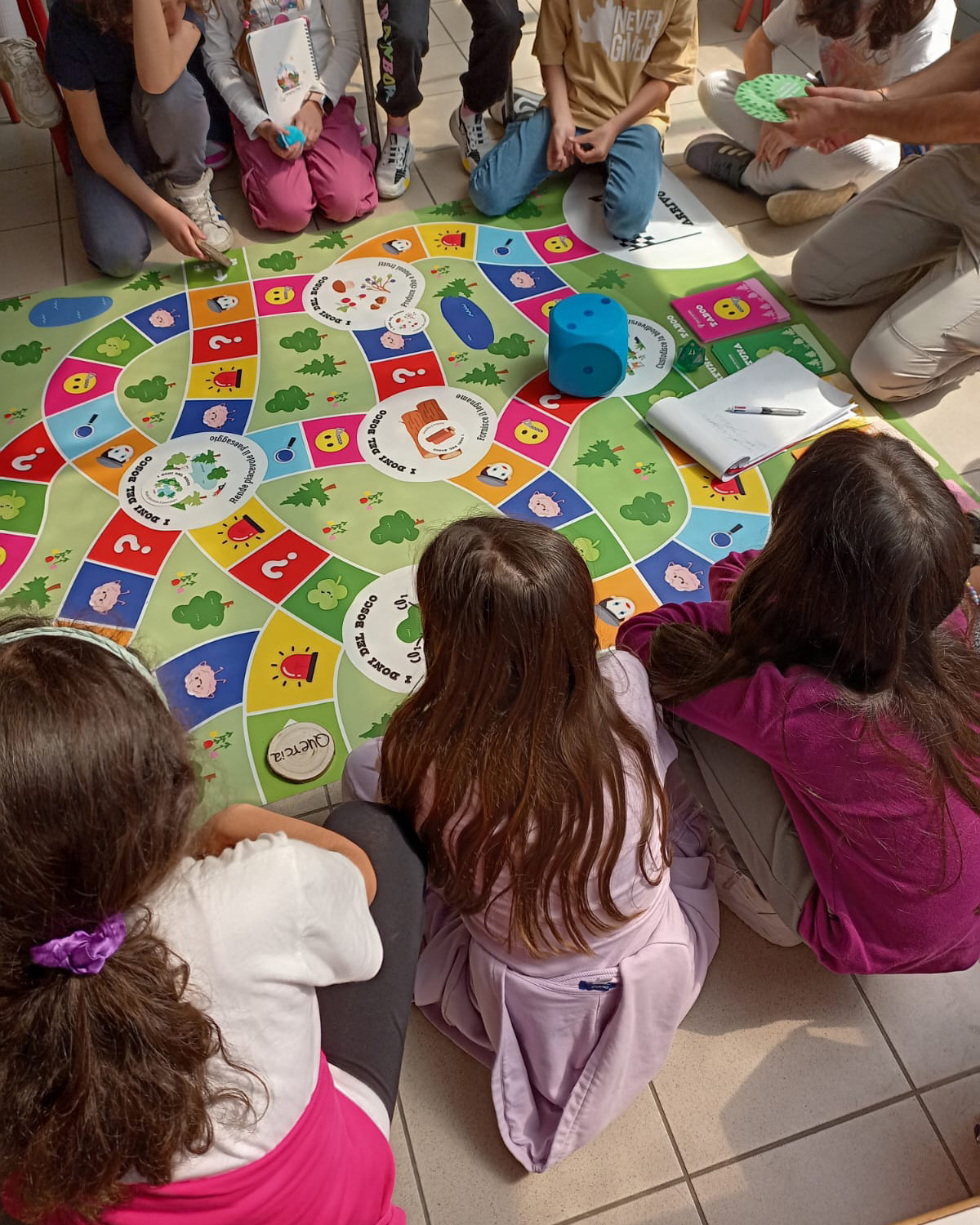
The next phase, growing and planting out the seedlings, is one of the most delicate in reforestation projects. “We thought that if the people caring for the seedlings grew fond of them and became enthusiastic about the project, they would be more motivated to care for the plants later on, in the four or five years after they are planted out. And as children are sources of almost infinite enthusiasm, schools could be a great ally in the project.” The pupils from ten local schools thus become the guardians of these plants, as part of an environmental education project run with the cooperative ‘La Lumaca’ in Modena, which organised lessons and meetings to discuss the topic of climate change. In a few years these young trees will be planted near the schools, in places identified by the municipalities, to set up authentically resilient woods that the children can continue to care for with their families. In addition, by the end of November, ten new schools will be engaged in the operation Semi di futuro, which can now count on a total of sixty classes of young plant lovers.