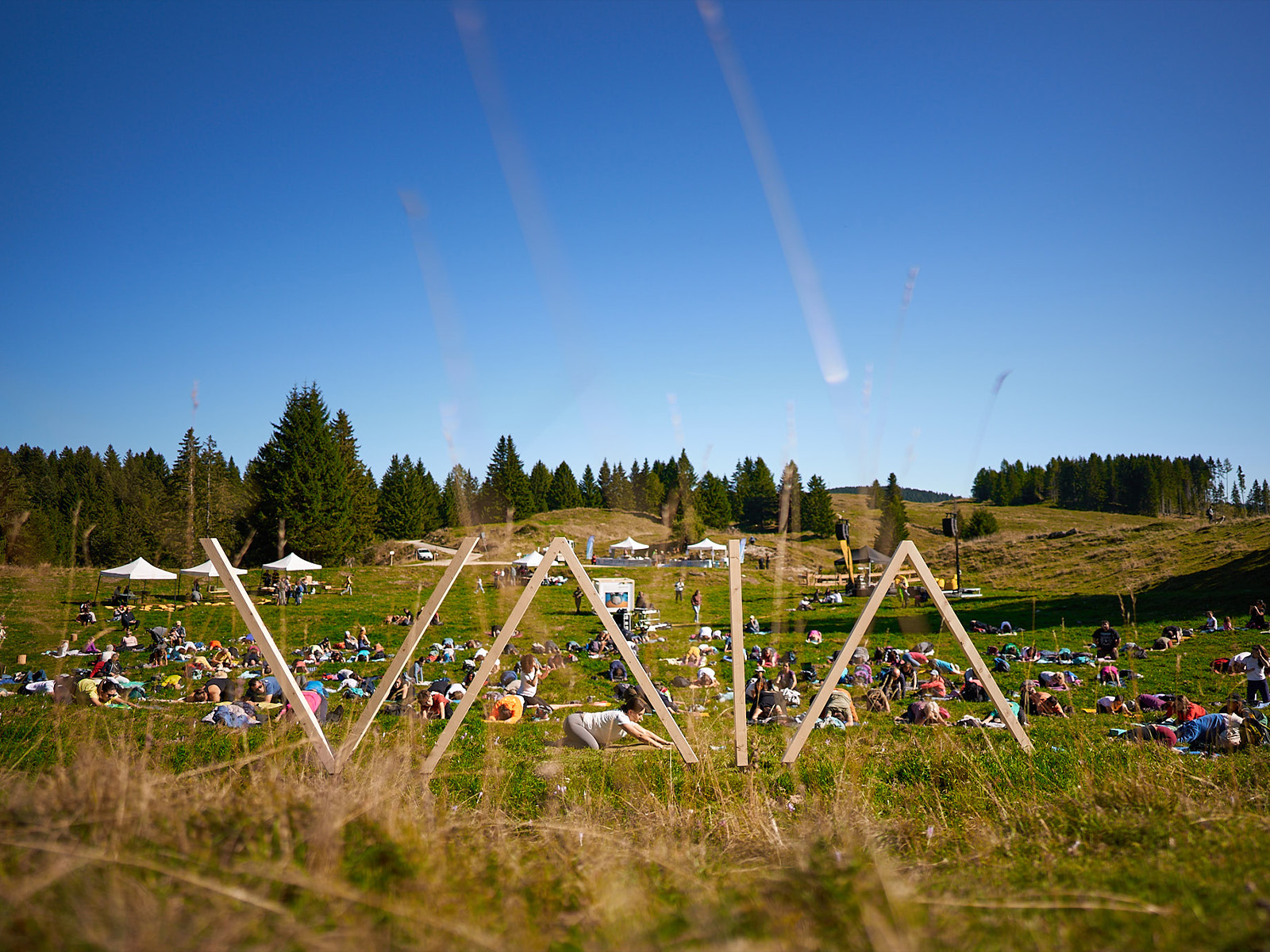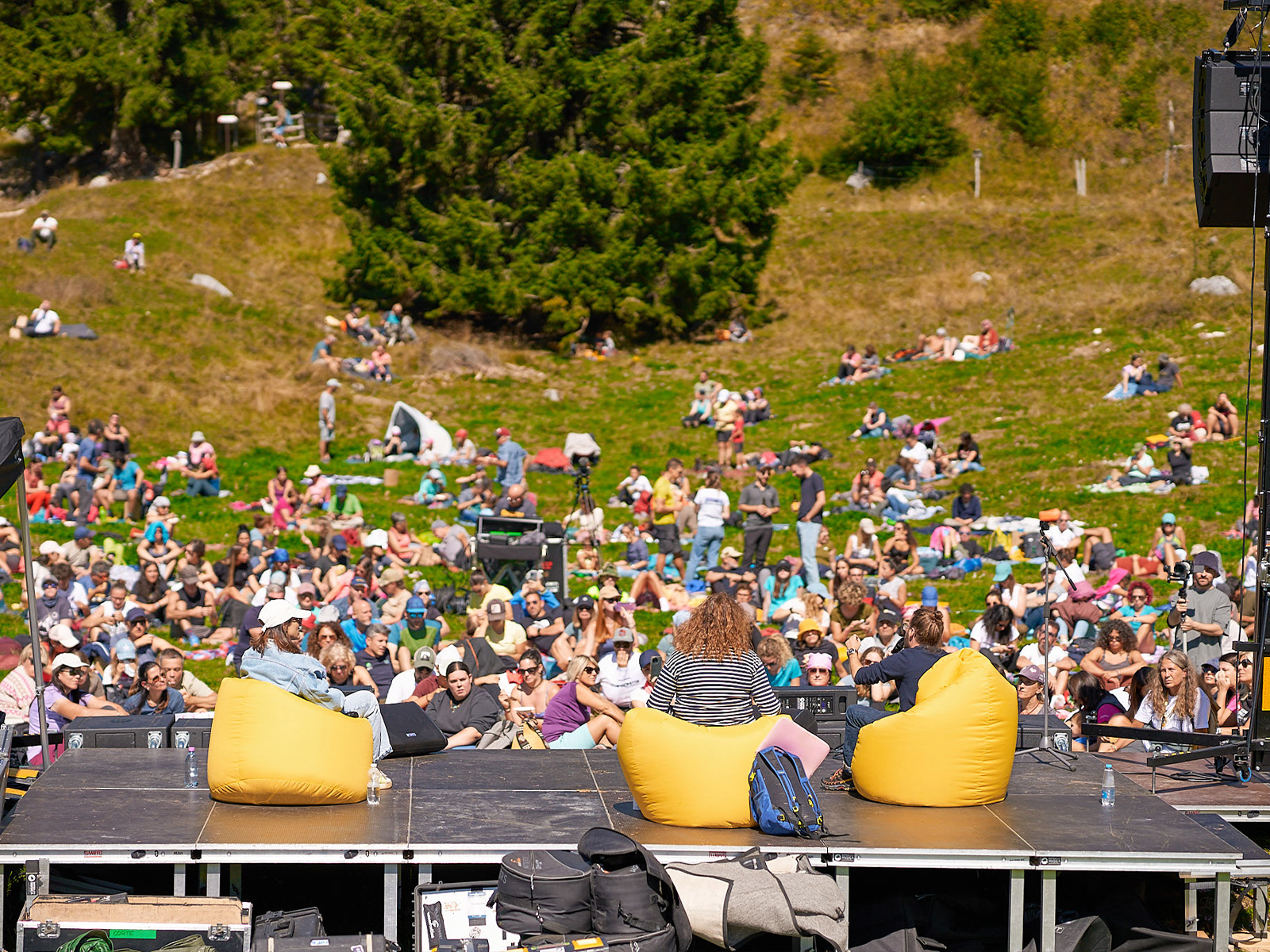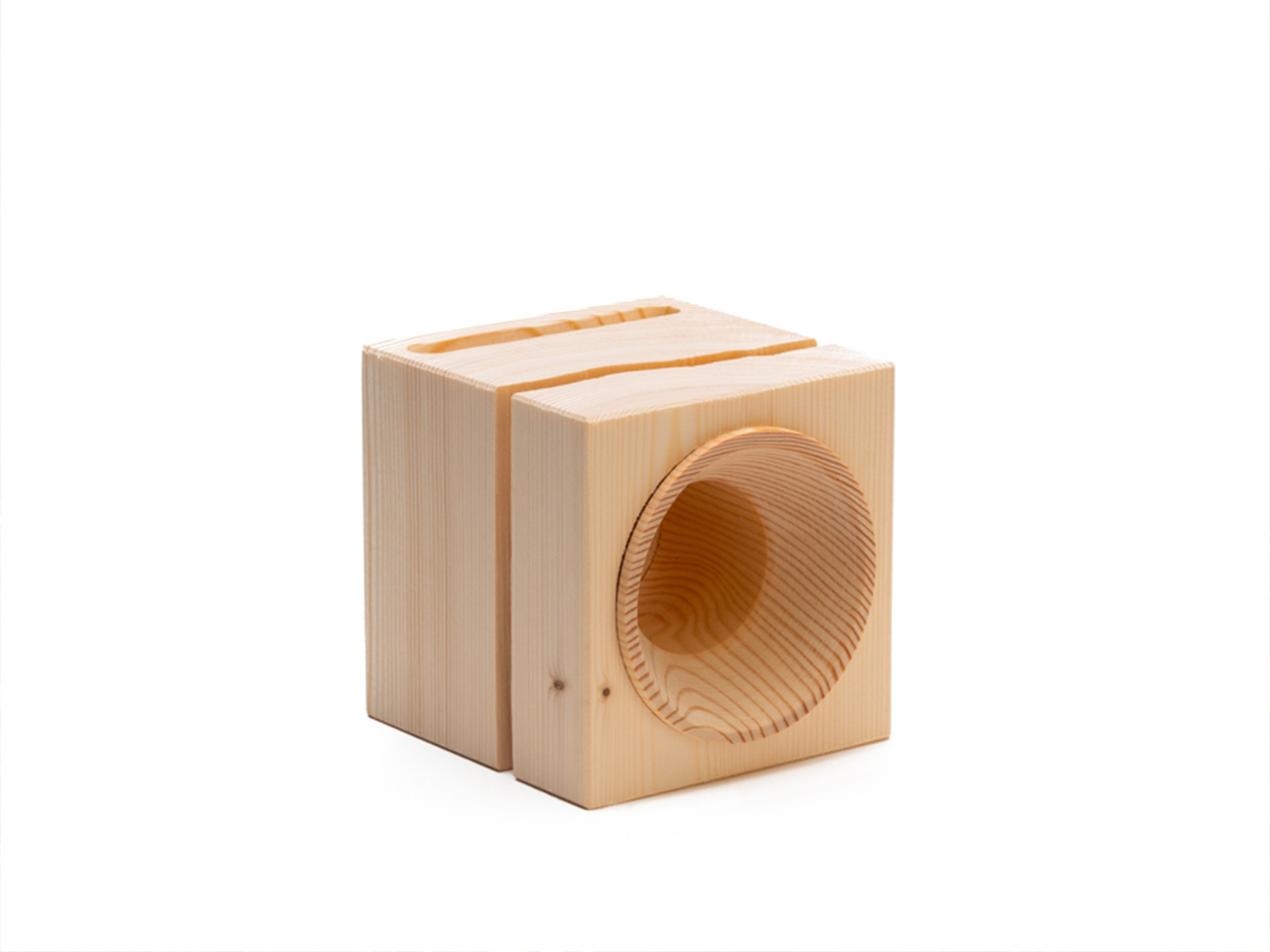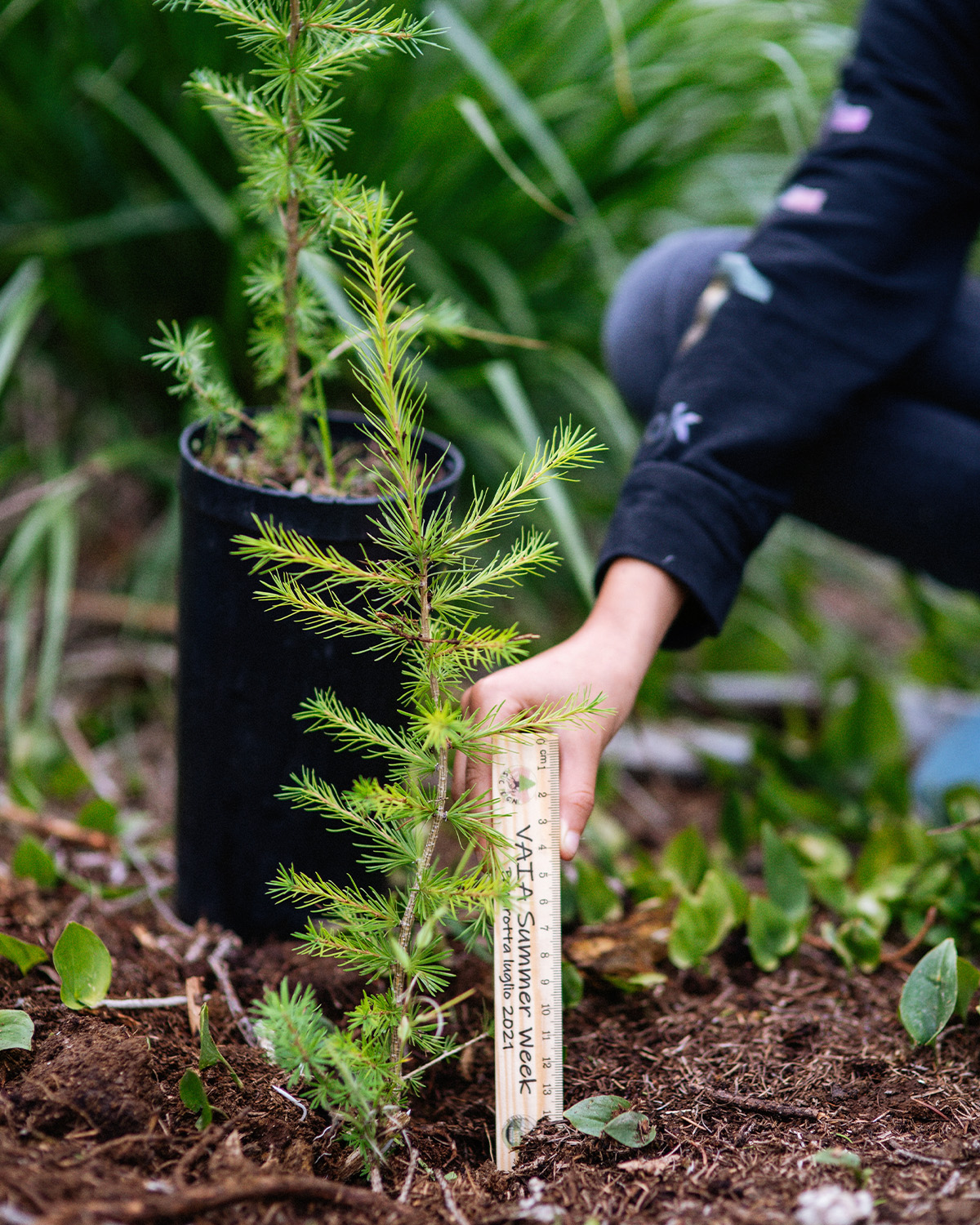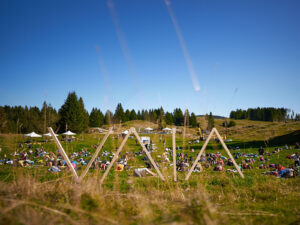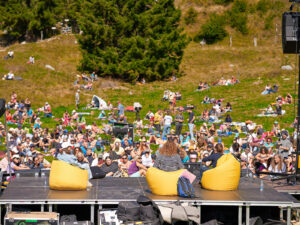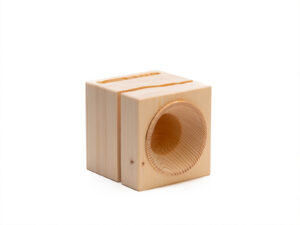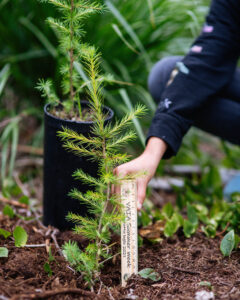


Vaia was a violent storm that in October 2018 hit north-eastern Italy with winds of two hundred kilometres an hour and heavy rain; it left behind a huge problem to solve, also using the weapons of design. 42 million trees were uprooted, and these had to be given some meaning, and where possible a second life. A young management graduate from the Trentino mountains, Federico Stefani, took a cue from a kind of sound box his grandfather had carved for him and, along with his friends Giuseppe Addamo and Paolo Milan, decided to use the wood from the trees destroyed by Vaia, considered unusable, to make designer objects in step with the times. And thus came about the first product made by a start-up named Vaia, in memory of the storm: a cube of solid, precious wood, sculpted by local carpenters and craftsmen that could naturally amplify the sounds coming from a smartphone. For each produced sold, a new tree will be planted, contributing to the reforestation of the areas disfigured by Vaia.

The business adventure of these three young entrepreneurs grew quickly with the launch of other products (a new coloured version of the ‘cube’, a screen amplifier with an optical lens and a docking station), today sold in 38 different countries, and the consolidation of an economic regenerative model that can also be developed in other areas beyond the Dolomites. The latest challenges of Vaia, today a B Corp with a dozen or so staff, are to defend the glaciers, restore the forests affected by the bark beetle, an insect that kills spruce trees by digging tunnels beneath the bark, and the production of hi-tech accessories using bioplastic produced with waste from the Puglia olive groves hit by Xylella, in partnership with the University of Trento. “Our main purpose is to enhance raw materials, engage local supply chains and reinvest in the territory, giving a future to small local communities,” Stefani explains. “Each product is an act of giving back and a commitment to creating value for people and the planet. We want to build a circular economy model for creating products and services that reconnect humans with nature. It is a model that can be applied anywhere.”
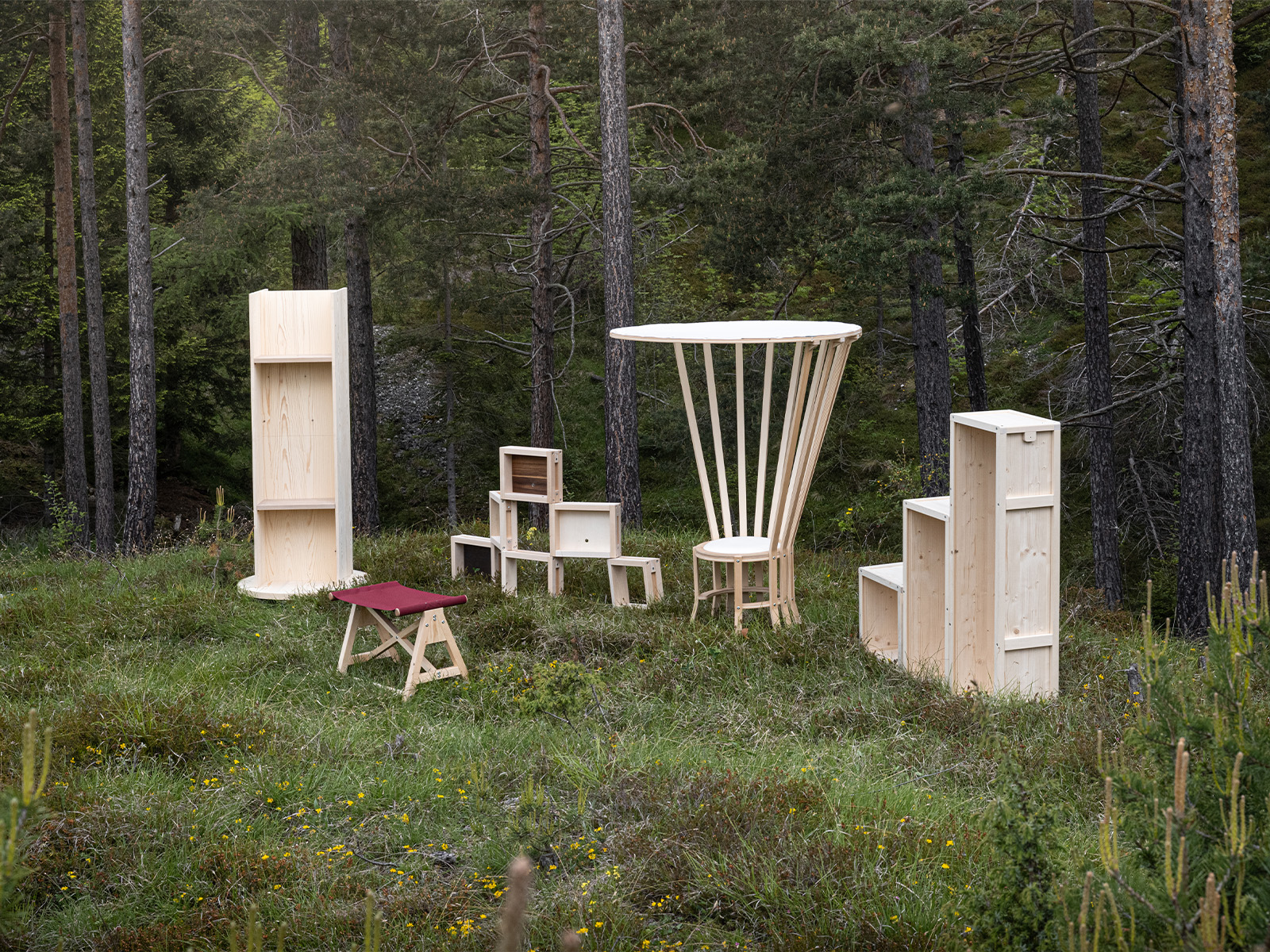
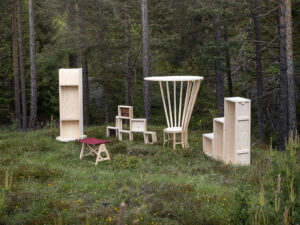
Over the years, thanks also to the media coverage of the 2018 storm, by far the most destructive in recent history, several initiatives have been launched to enhance the value of wood from trees uprooted by extreme weather, or felled due to disease, turning it into designer furnishings. A small part of the approximately 5,000 trees that fell during the violent rains in Milan on 25 July 2023, for example, was recovered by the interior designer Nicoletta Gatti, who asked ten contemporary designers to design as many unique pieces to be sold at auction. The proceeds of Second Life: 10 alberi per 10 totem d’autore were devolved to the municipal fund-raising initiative to finance the planting of new trees. More or less during the same period, the students of the Enaip institute in Tesero, Val di Fiemme, the world’s first PEFC (Programme for the Endorsment of Forest Certification) certified school, worked with the architect Giorgio Caporaso, a key figure in the eco-compatible design field and author of a whole range of cardboard furniture, to create five prototypes using the wood from fir trees attacked by the bark beetle. A school workshop that also became a ‘circularity gym’: the furniture designed by the students had to be modular and flat-packed for easy transportation, repairable when necessary and easily dismantled at the end of their life cycle.

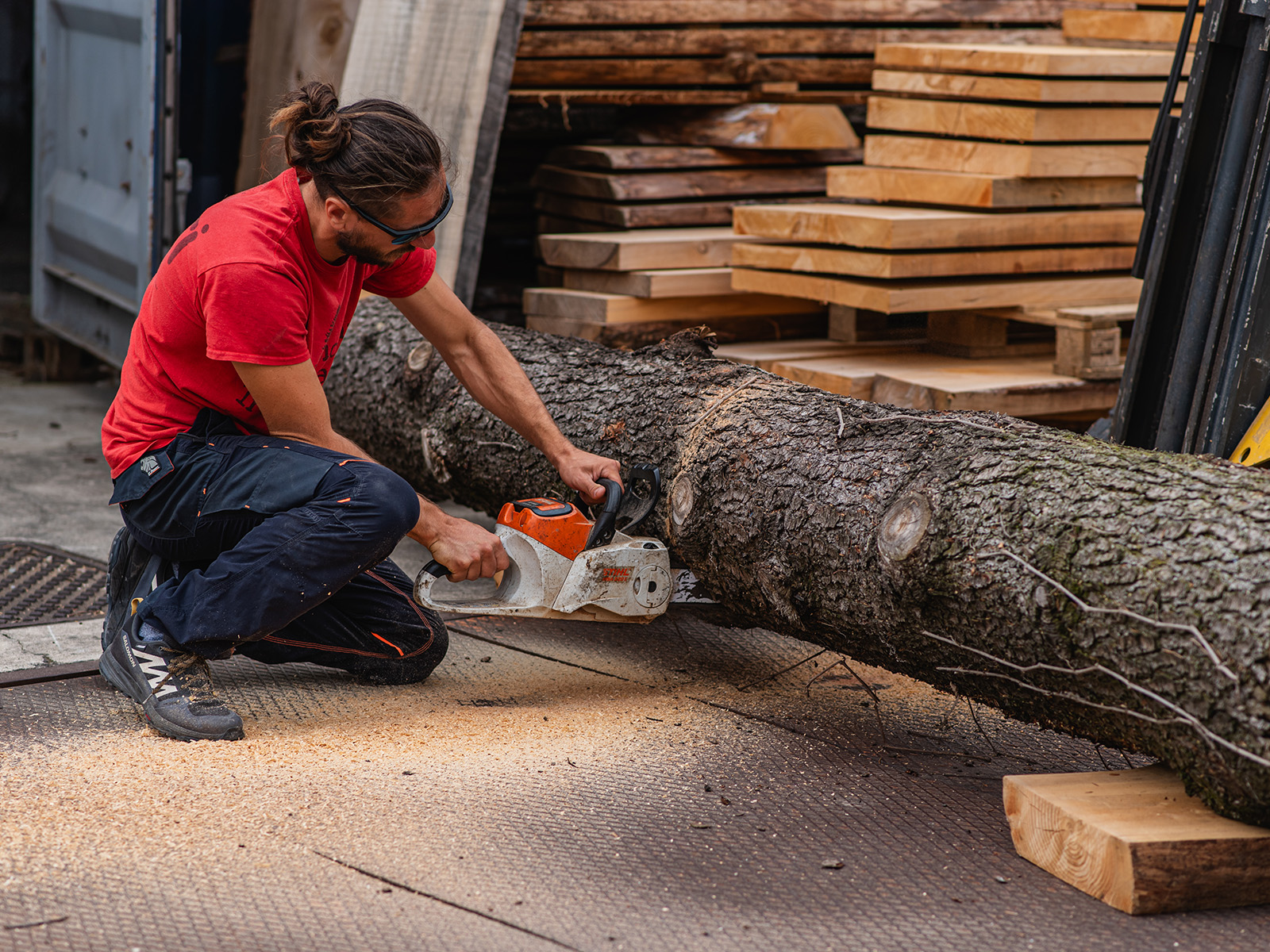
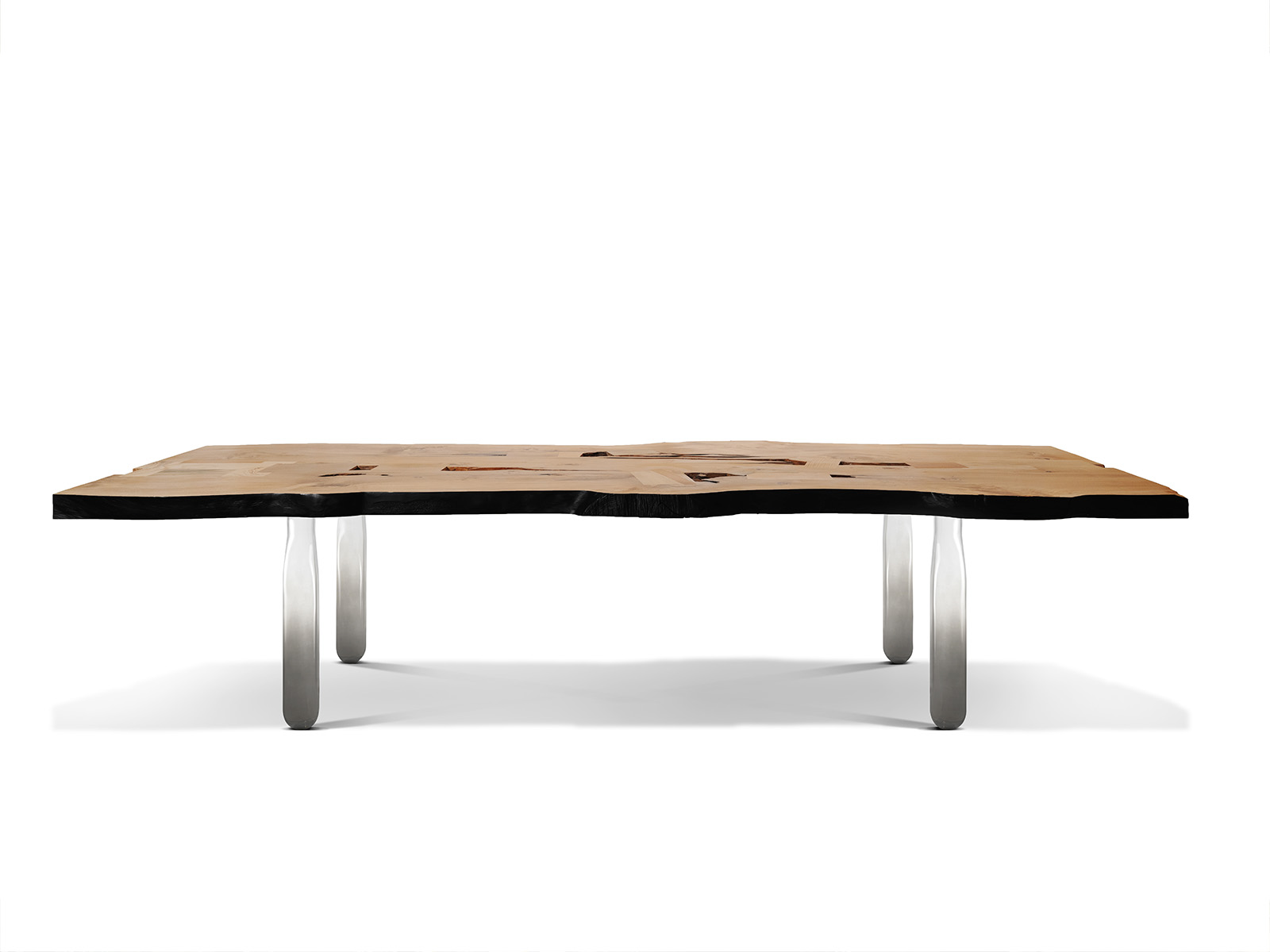
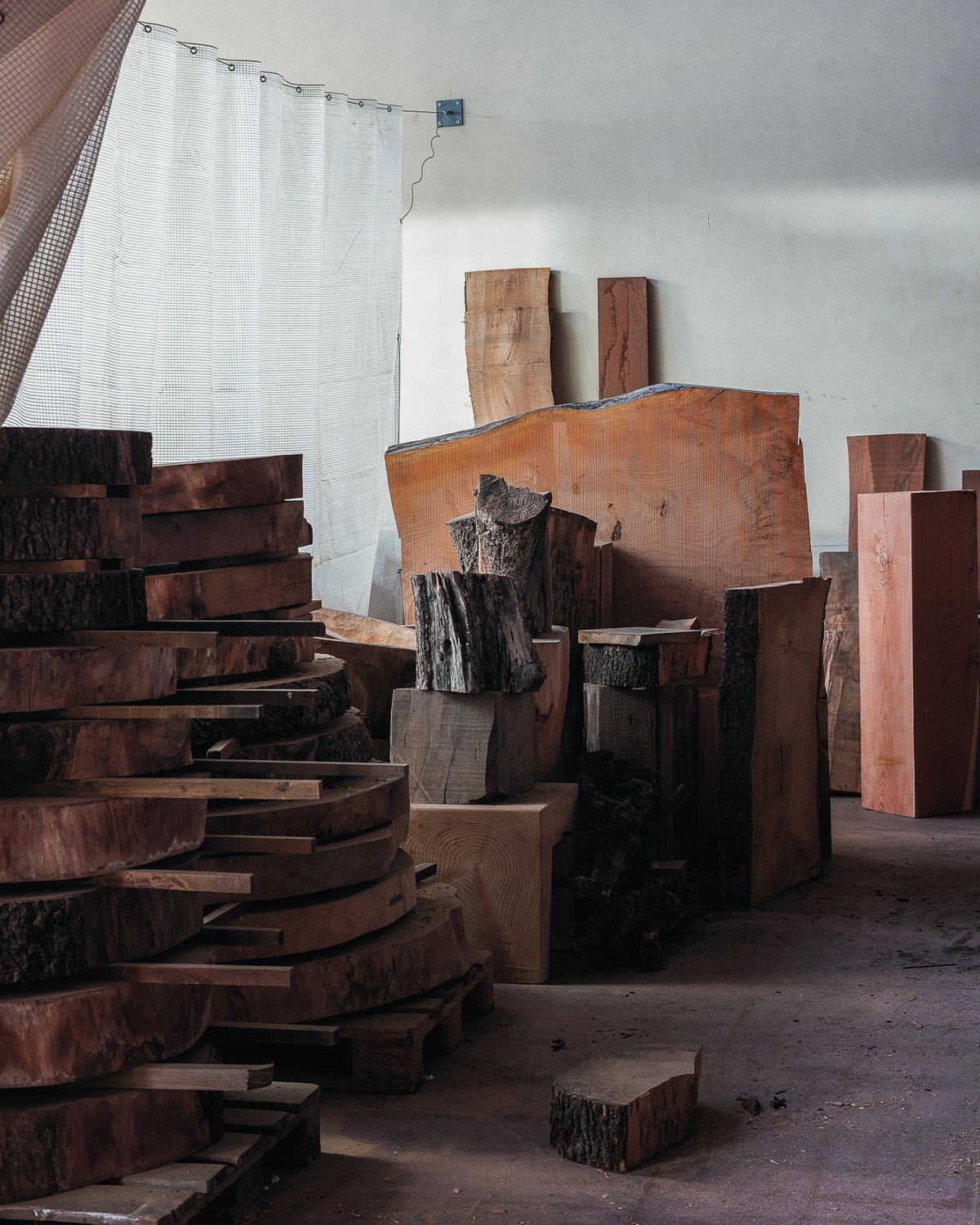
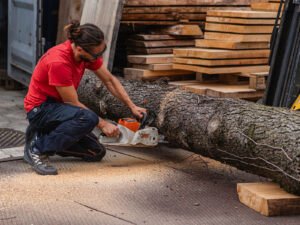
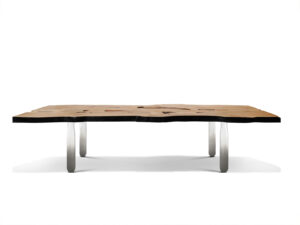
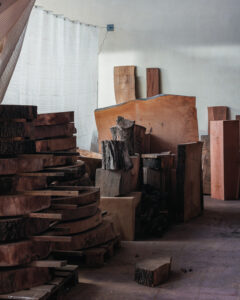
The collectible design sector in particular was one of the first to experiment processes and products with recovered wood. In Turin, Federico Boschiazzi and Francesco Lucchetti first started producing furniture using tree trunks from parks and private gardens in the hills surrounding the city in the mid-2010s. In 2017, wanting to give new life to a material intended for scrap, avoiding the felling of healthy trees to produce furnishings, they set up Studio F, an unusual carpentry atelier which soon made its name in the contemporary design field. “We were able to save a lot of trees, and found ourselves with a whole collection of old trunks, some over a hundred years old, when we realised it wasn’t easy to sell them as machining them involved a series of technical issues,” Boschiazzi states. “We are both economics graduates, but we soon realised that sitting behind a desk wasn’t for us and that we preferred to build something of our own. One of the first major projects is a collection of tables made from the trunk of a cedar tree, almost two hundred years old, that had been struck by lightning. By some miracle it hadn’t been incinerated but had a huge split.” The unique pieces in the collection, called Ven.To, are made from a large wooden plank where the crack produced by the lightning can be seen, supported by blown glass legs designed by the firm Kanz in Venice. After many years working with designers and the creation of custom-madefurniture for private homes, in 2024 Studio F launched its first collection directly with its own brand, by Simone Fanciullacci.
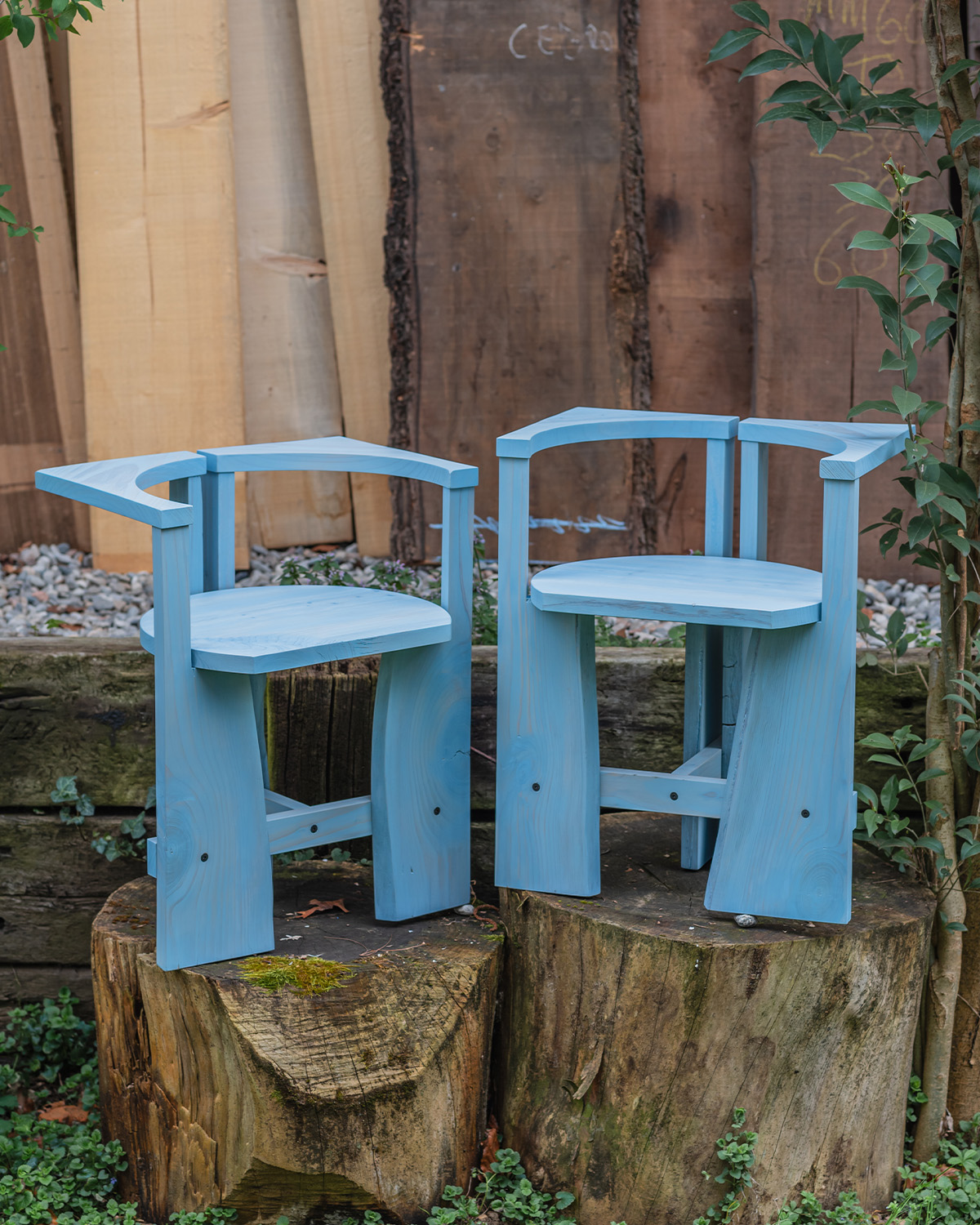
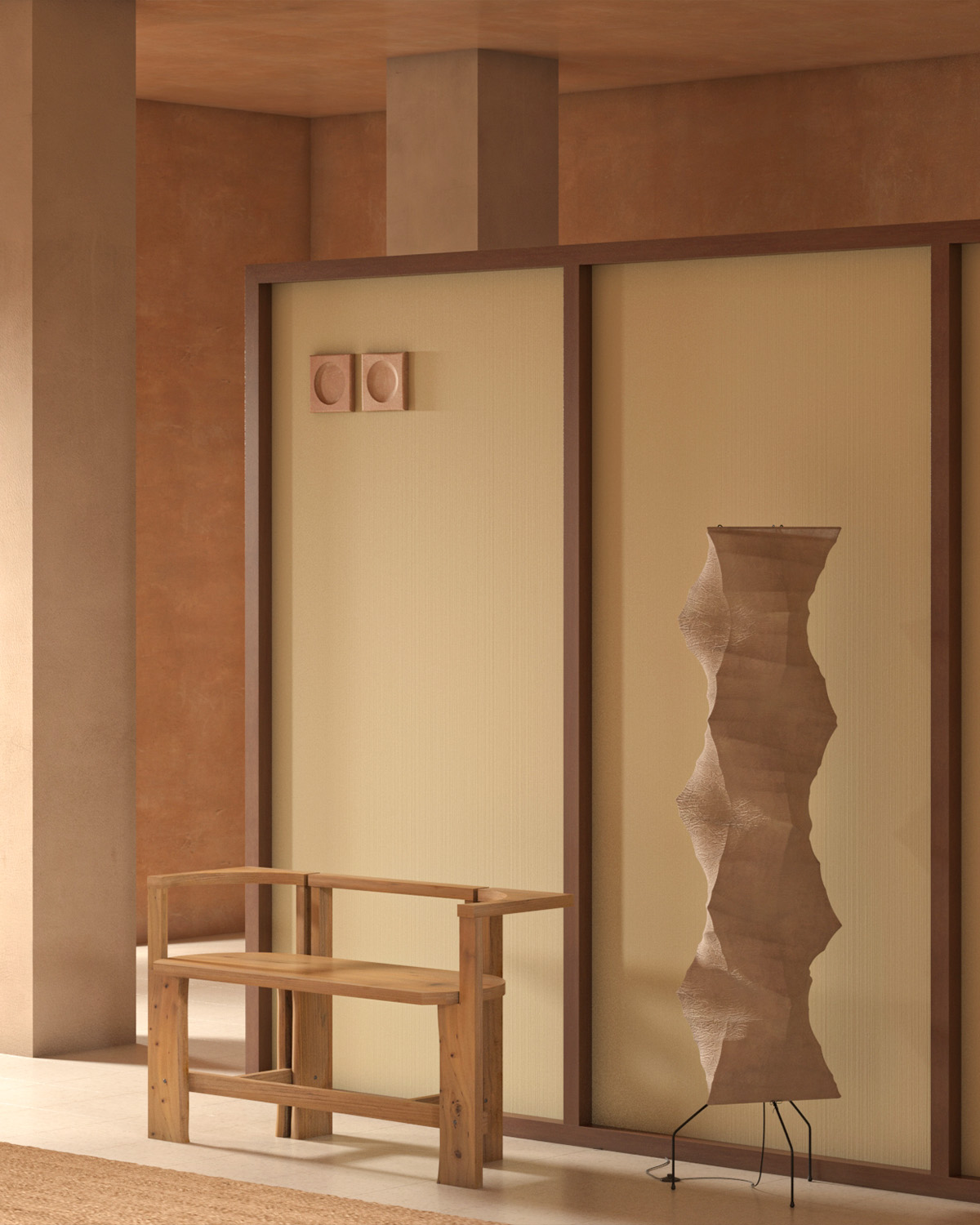
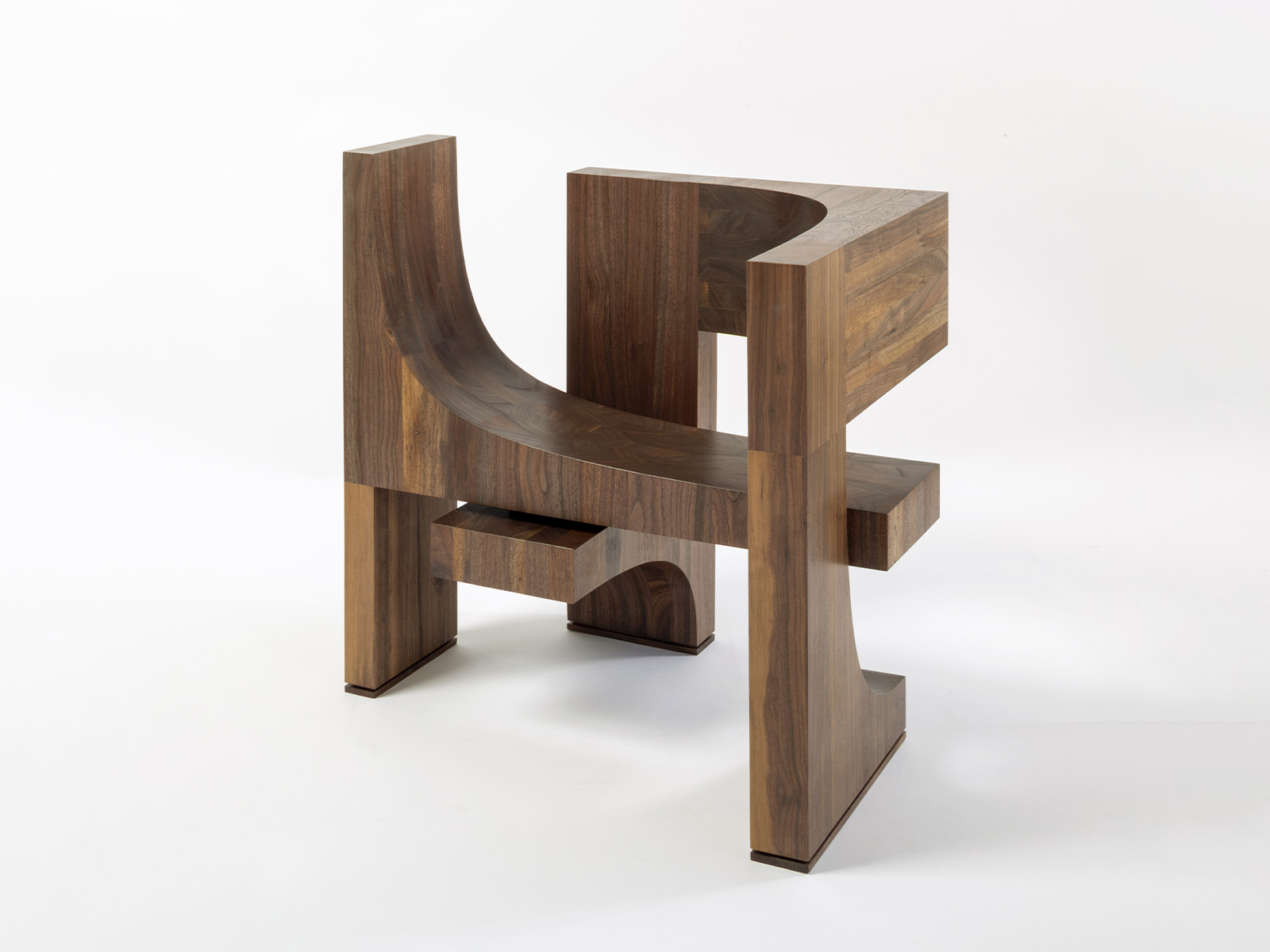
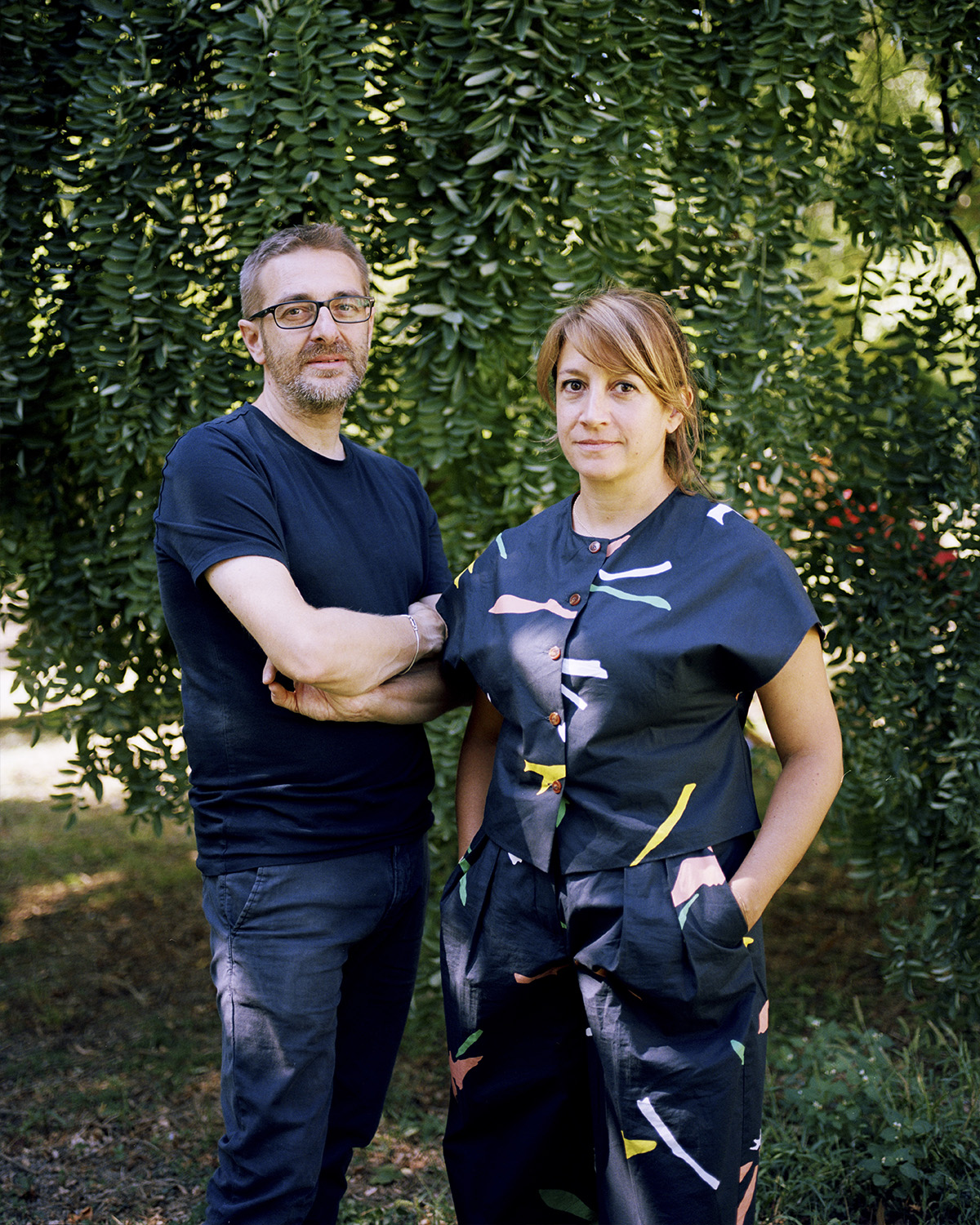
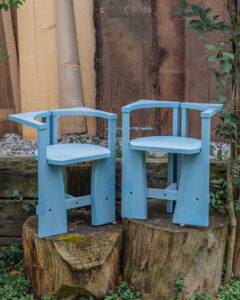
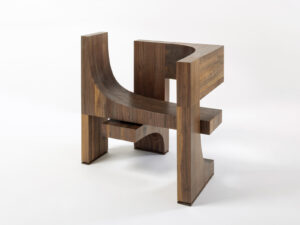
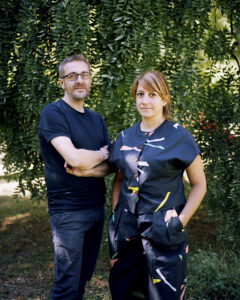
Elisa Evaso and Luca Guglieri from Monostudio Associati, the Milan-based company specialising in interior architecture and product design, have also been thinking about wild solid wood and investigating the most efficient use possible of planks obtained from fallen tree trunks. The design of their chair Tempesta, presented at Edit Napoli in 2024 and the forefather of a series that today also includes a table and a bench, focuses on the respect for the wood’s strongest feature, that of being a living material. “We wanted to simplify the design, starting from cutting the planks and joining the parts in just a few strategic points with screws and dowels,” Elisa Evaso explains. “In this way, the various elements remain fixed to each other but there is some flexibility that allows the wood to adapt to its natural movements without any strain. In practice, the few fixing points act as flexible hinges that give the structure stability while giving the material the freedom to ‘breathe’.”
Both companies can count on a network of landscape designers and gardeners who share their philosophy and tell them where trees can be recovered. “The direct sourcing of raw materials is part of how we work in a short supply chain, with a slow and deliberately primitive approach,” the Monostudio Associati designer continues.