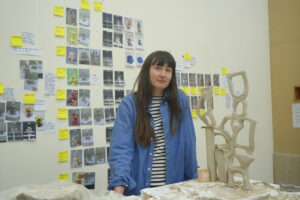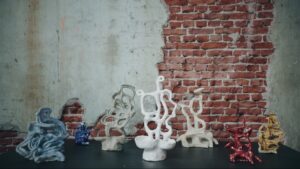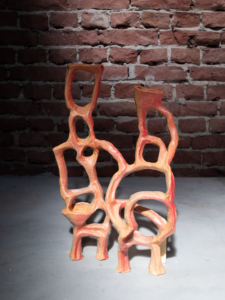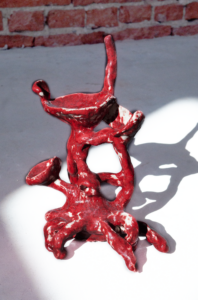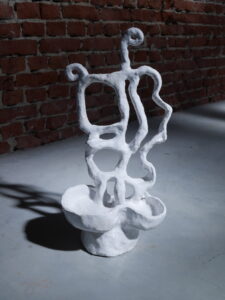


Vera van der Burg is an artist and researcher based in the Netherlands, working at the intersection of ceramics, design, and artificial intelligence. Her practice investigates how machine learning can become a reflective process, much like working with a physical material. By training AI models on ceramic datasets, van der Burg explores the tensions between human intuition and technological mediation, turning the imperfect logic of machines into a source of creative inspiration. In 2025, she received the prestigious Dutch Design Award for Emerging Talent, and she has been named among the 50 emerging talents to watch in 2026 by the Dutch financial newspaper Het Financieele Dagblad. We spoke with her about subjective AI, speculative practices, and why interacting with algorithms can feel less like using a tool and more like learning a craft.
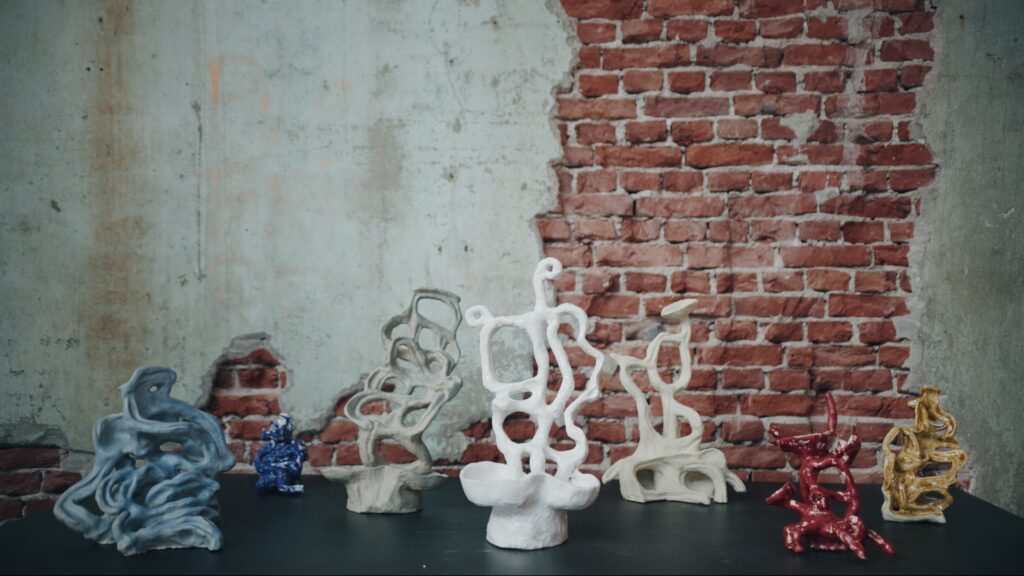
In your project From Text-to-Clayyou explored a circular dialogue between clay and AI by training a model on emotionally annotated datasets from your ceramic work and then returning those imagined forms back into clay. How do you view this negotiation between handcrafted materiality and algorithmic imagination? Do you see it as a useful method for redefining the relationship between human making and machine logic?
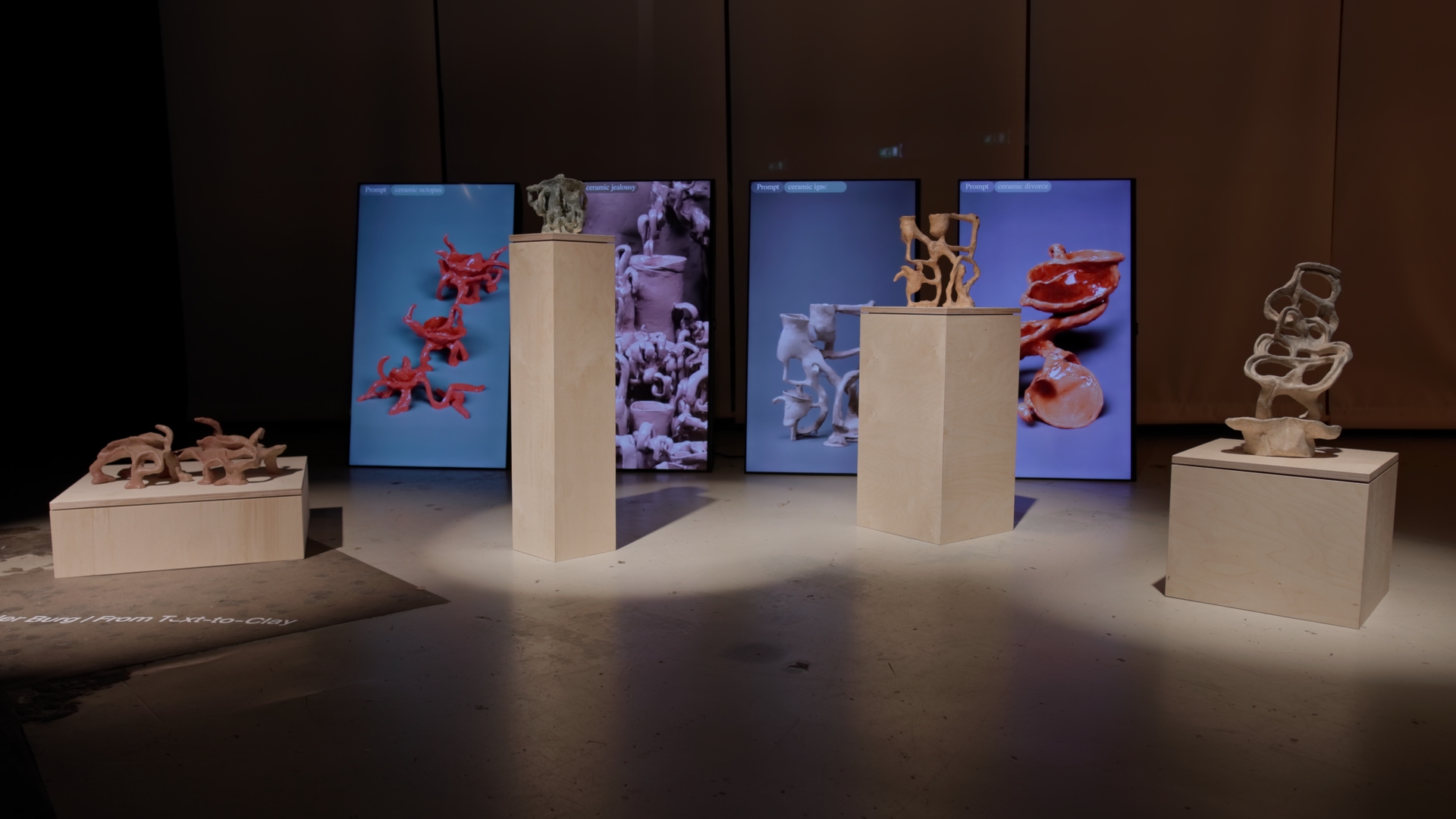
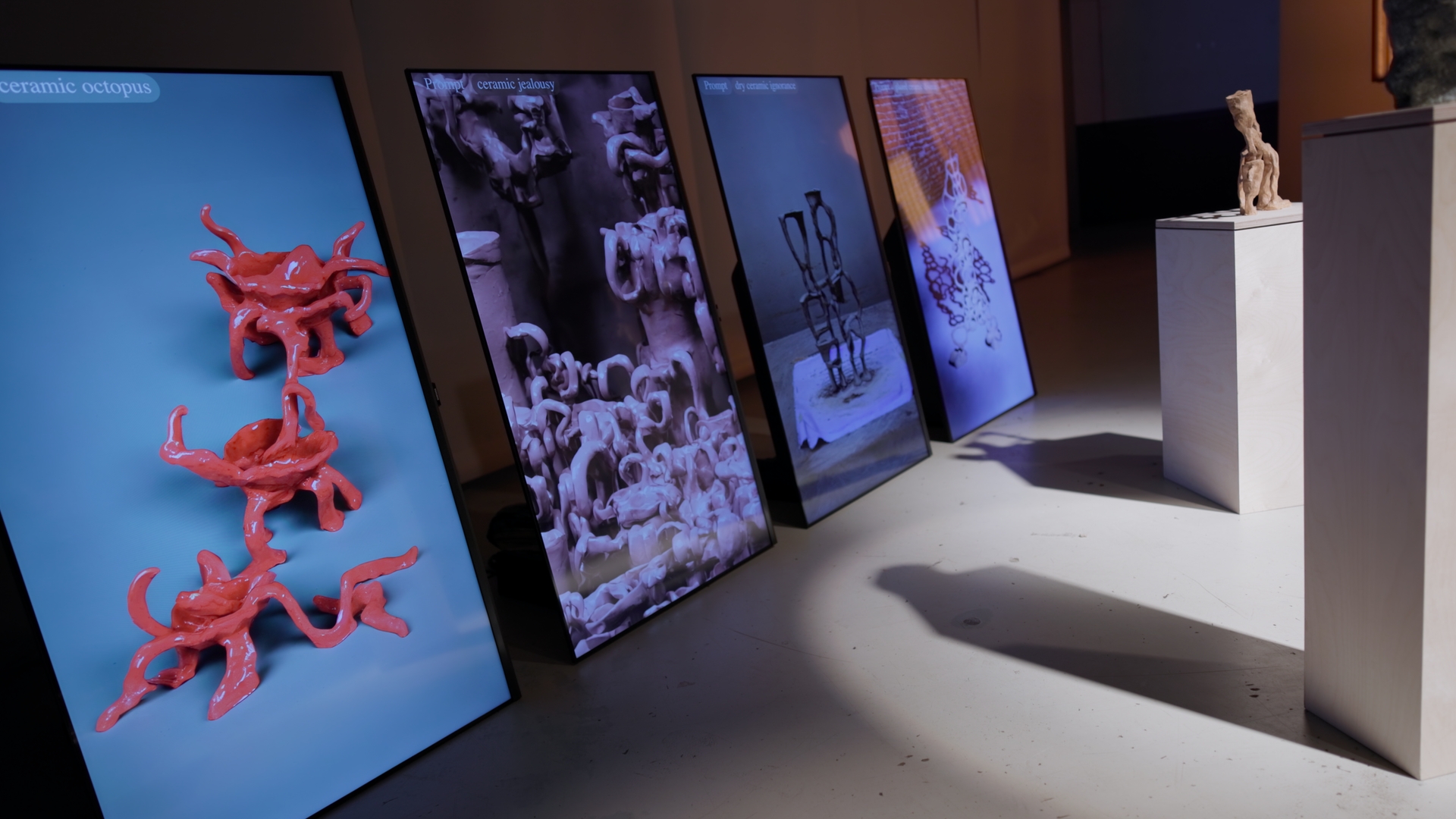
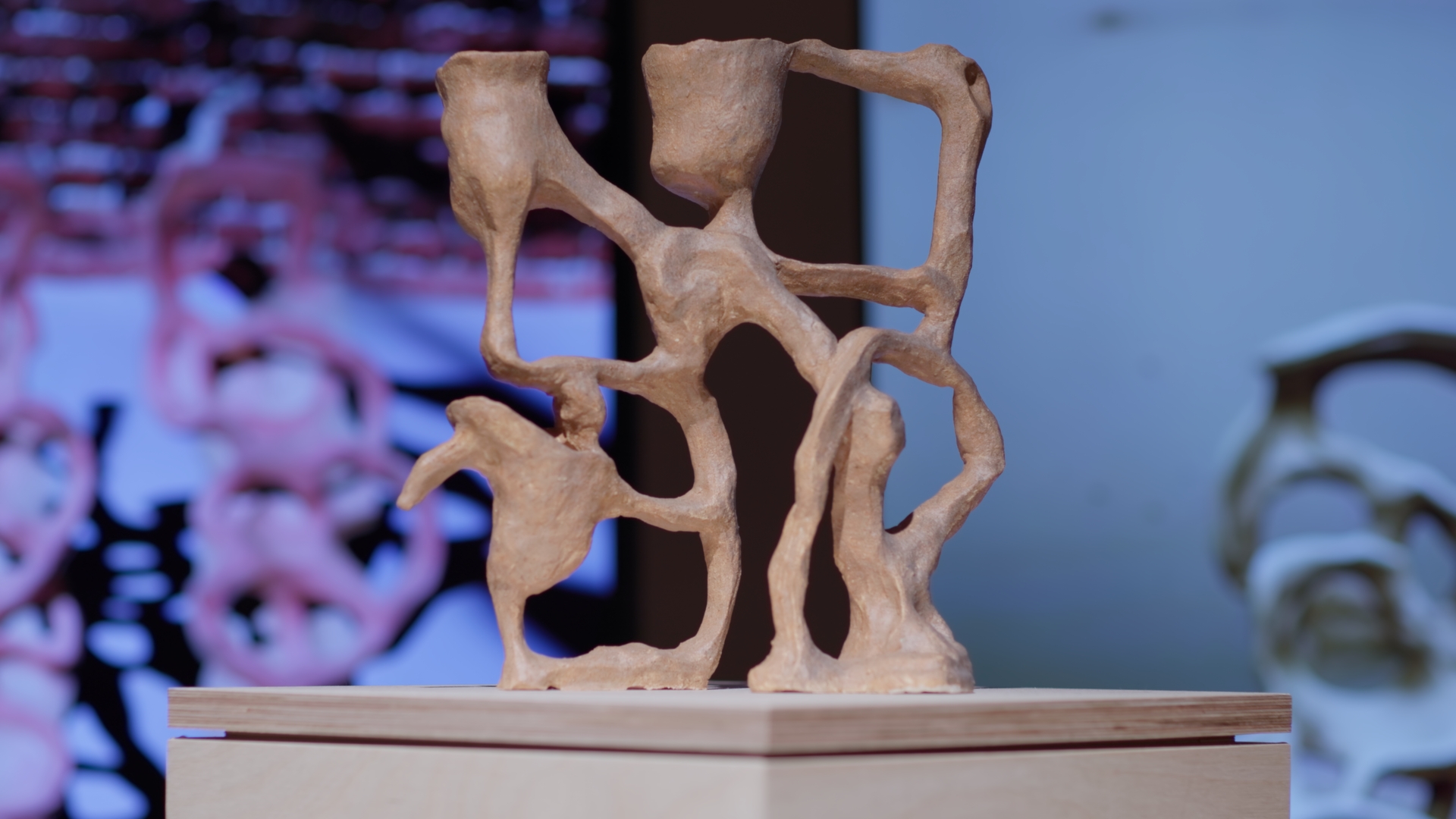
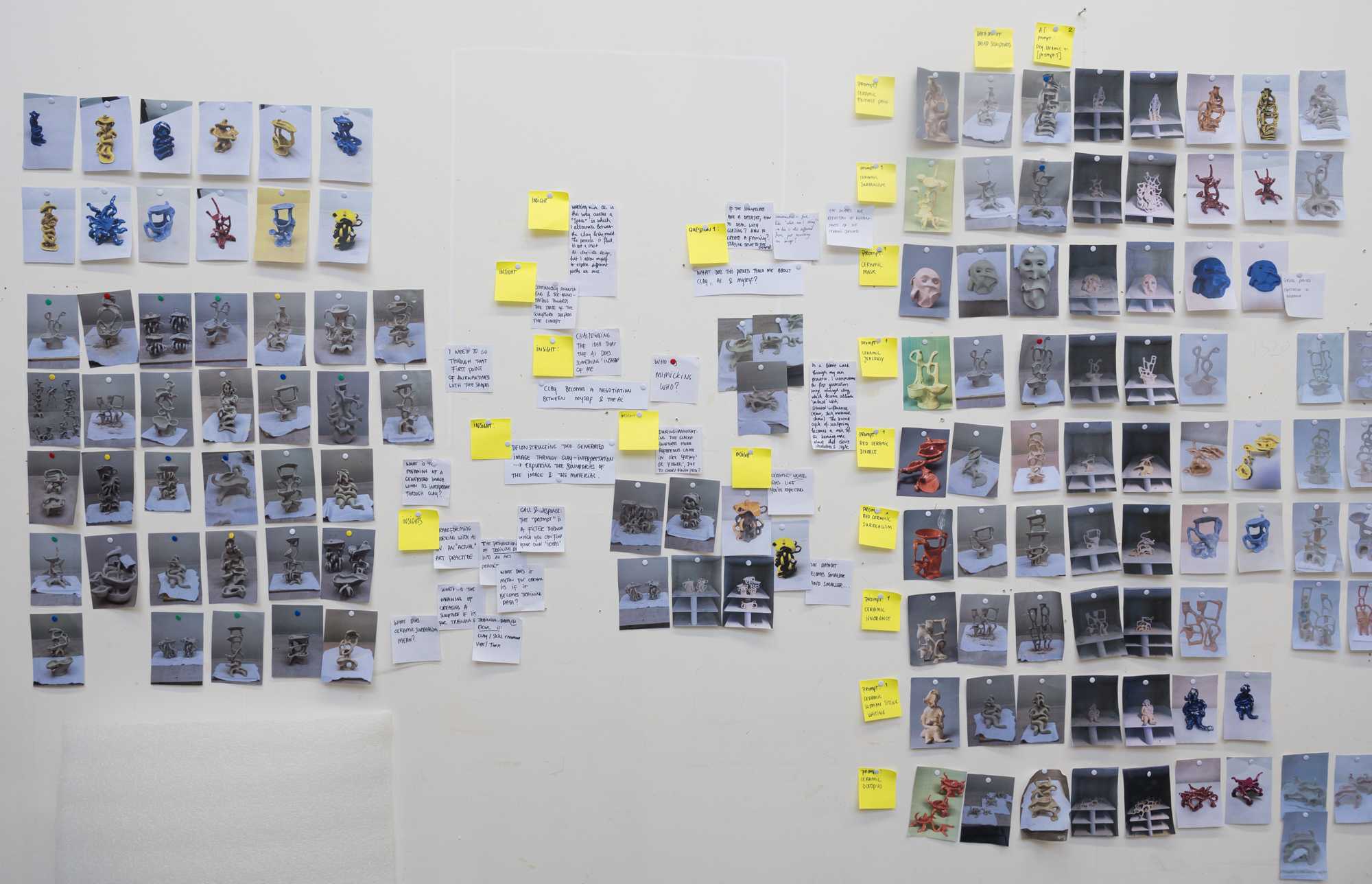
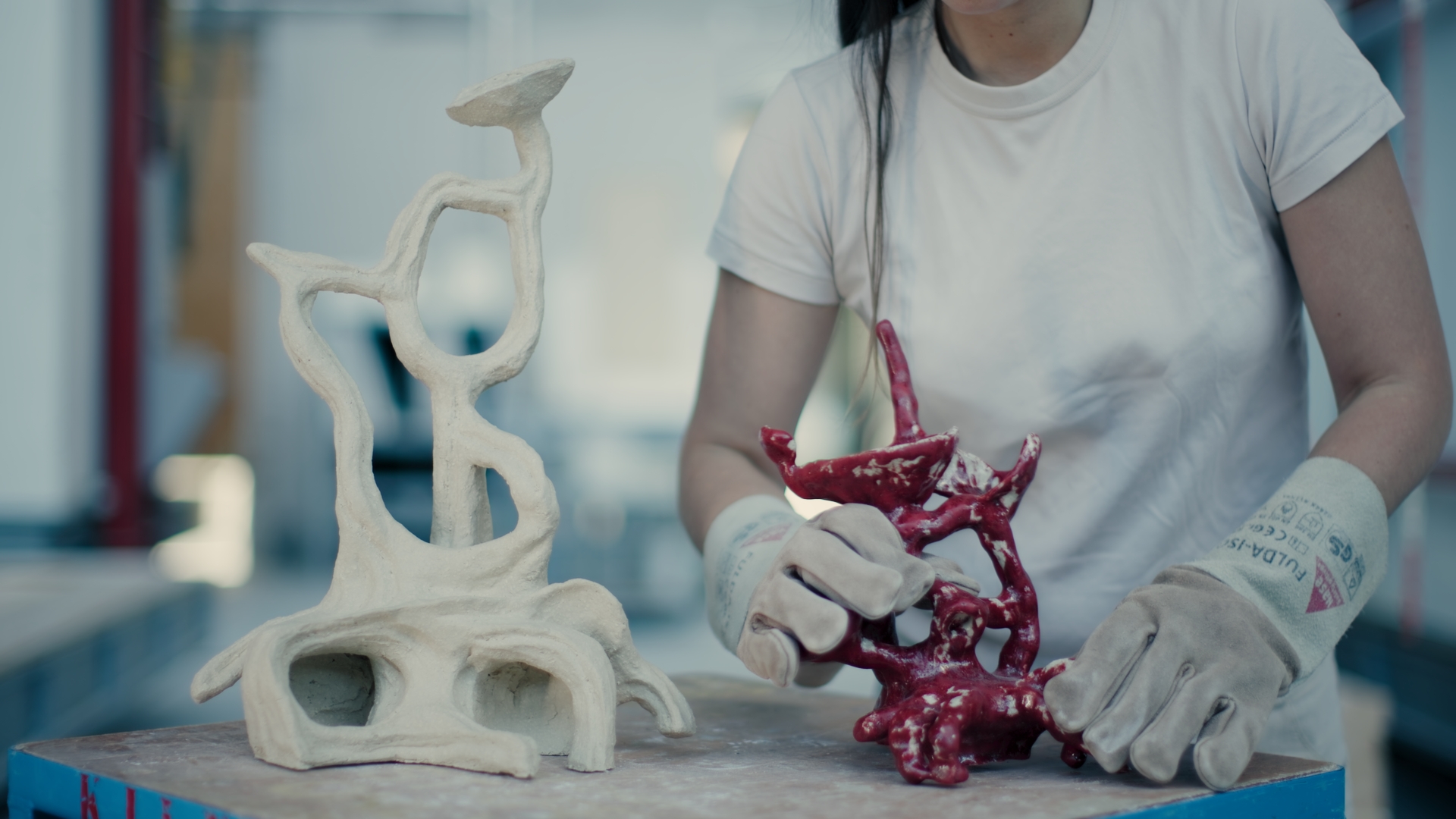
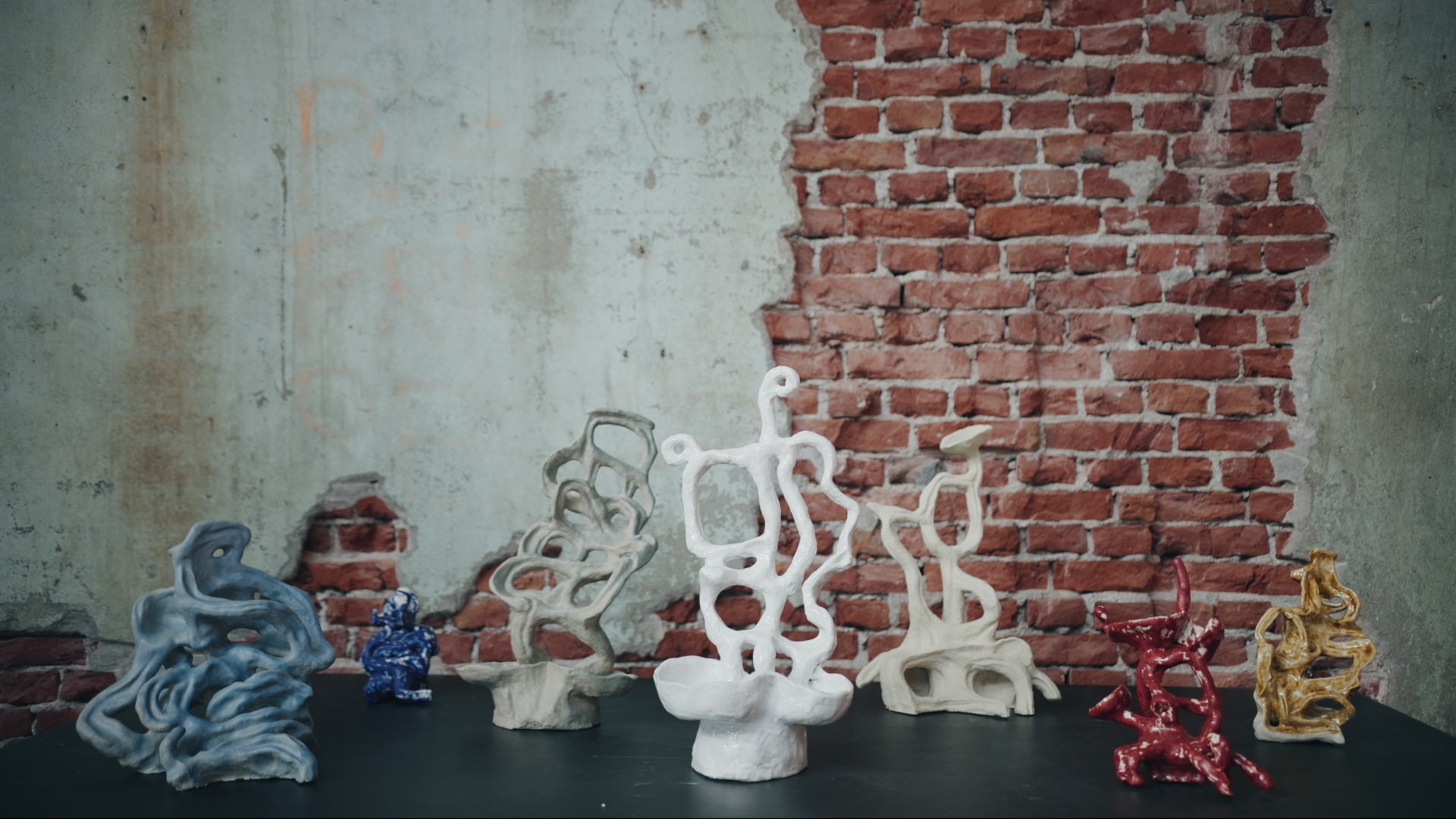
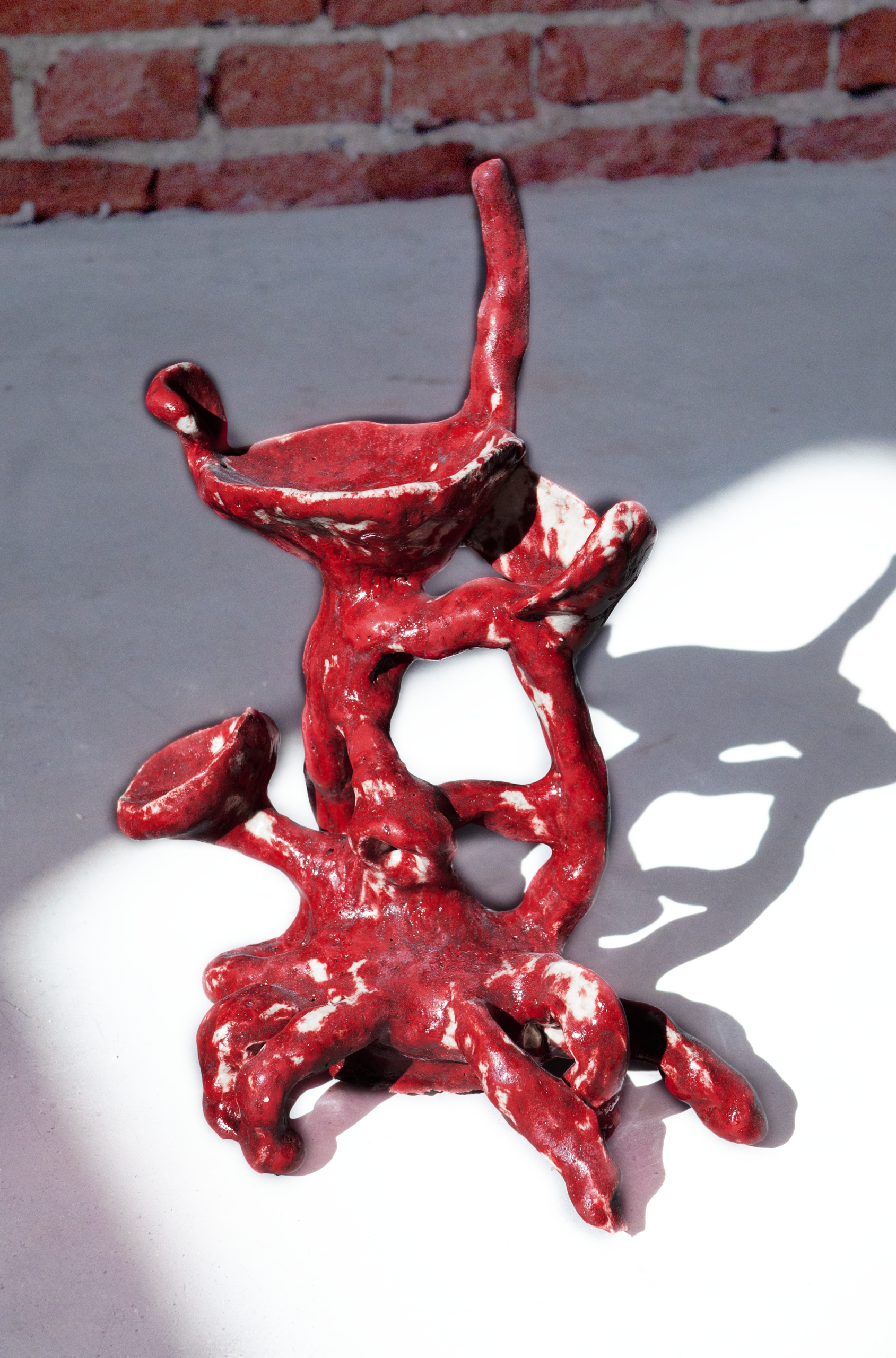
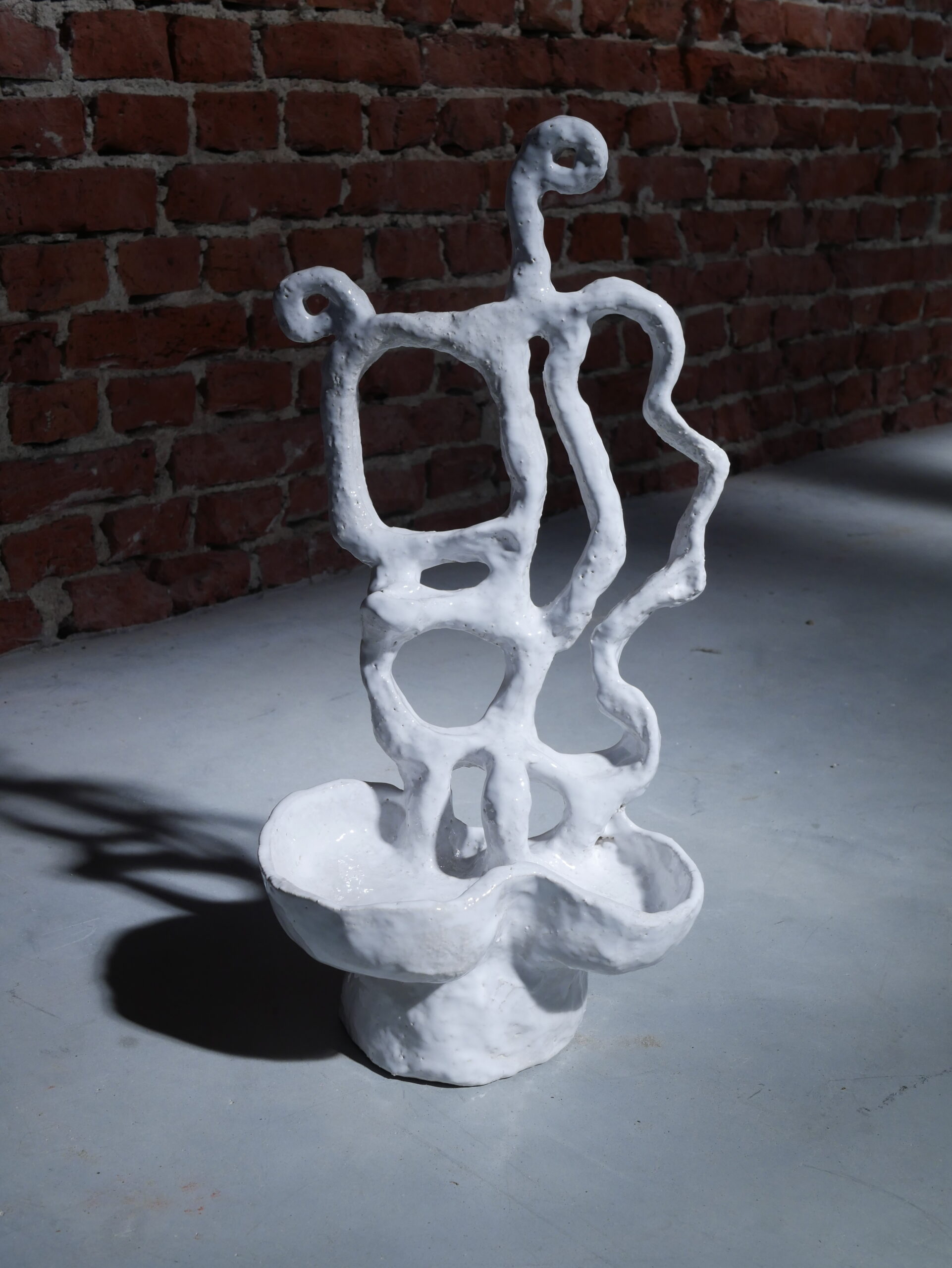
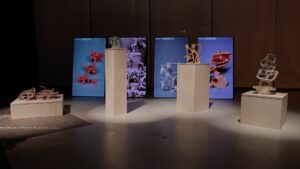
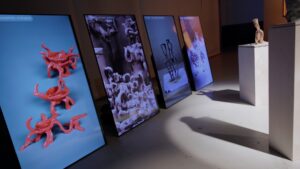
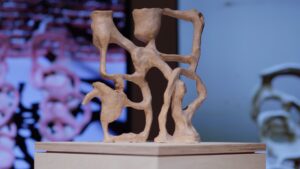
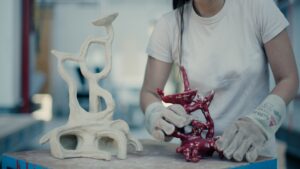
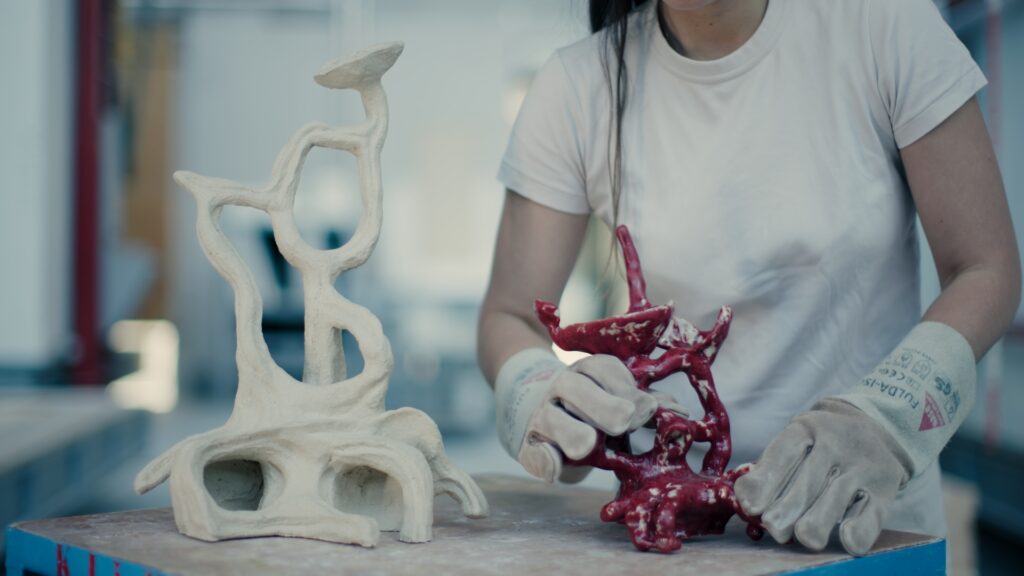
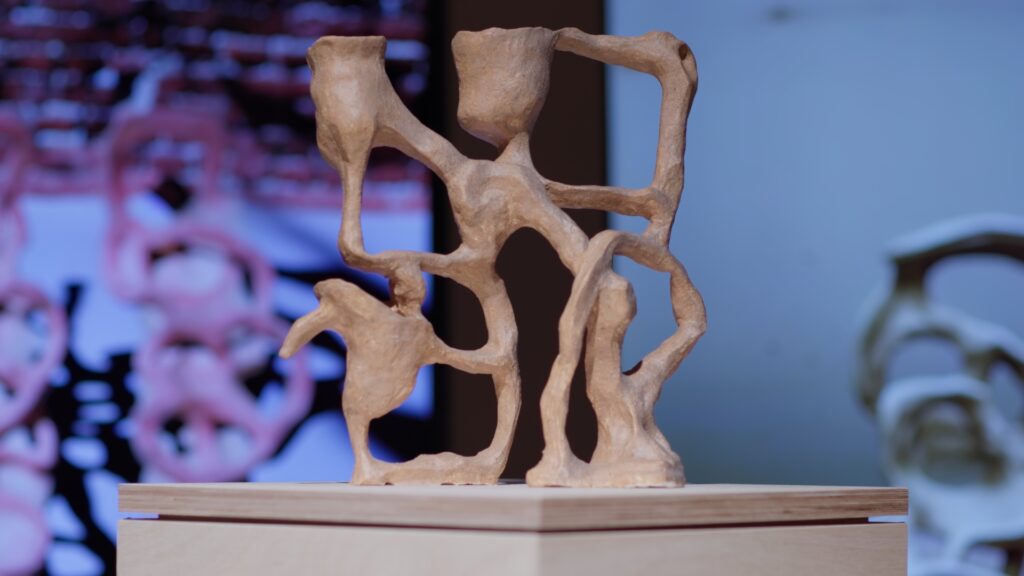
In this project I tried to find a way to relate to the AI model in a way that I would not automate or take something over of me that I as a practitioner could do myself. I wanted to remain the maker, and I wanted the AI model to do what it does best, generating images based on data. These images the model produces though, are made without a making process behind them, they are rather reinterpretations of data that depicts clay but doesn’t know clay. Therefore, many of the shapes that were generated had a lot of unintuitive shapes for clay construction, or they had a lot of mistakes in them, like unclear how some parts would connect or unclear what were cavities or not. Translating this AI models’ interpretations of the aesthetics of clay into actual clay was the moment when the interaction became a negotiation between what AI depicted as clay and what clay actually was in reality. It was precisely within this space that an interesting creative process developed.
Your research at the Delft University of Technology (TU Delft) Designing Intelligence Labfocuses on using AI as a tool for self-reflection in creative practices. Could you explain how integrating AI in this reflective way challenges or expands traditional boundaries between intuitive, embodied making and technological mediation?
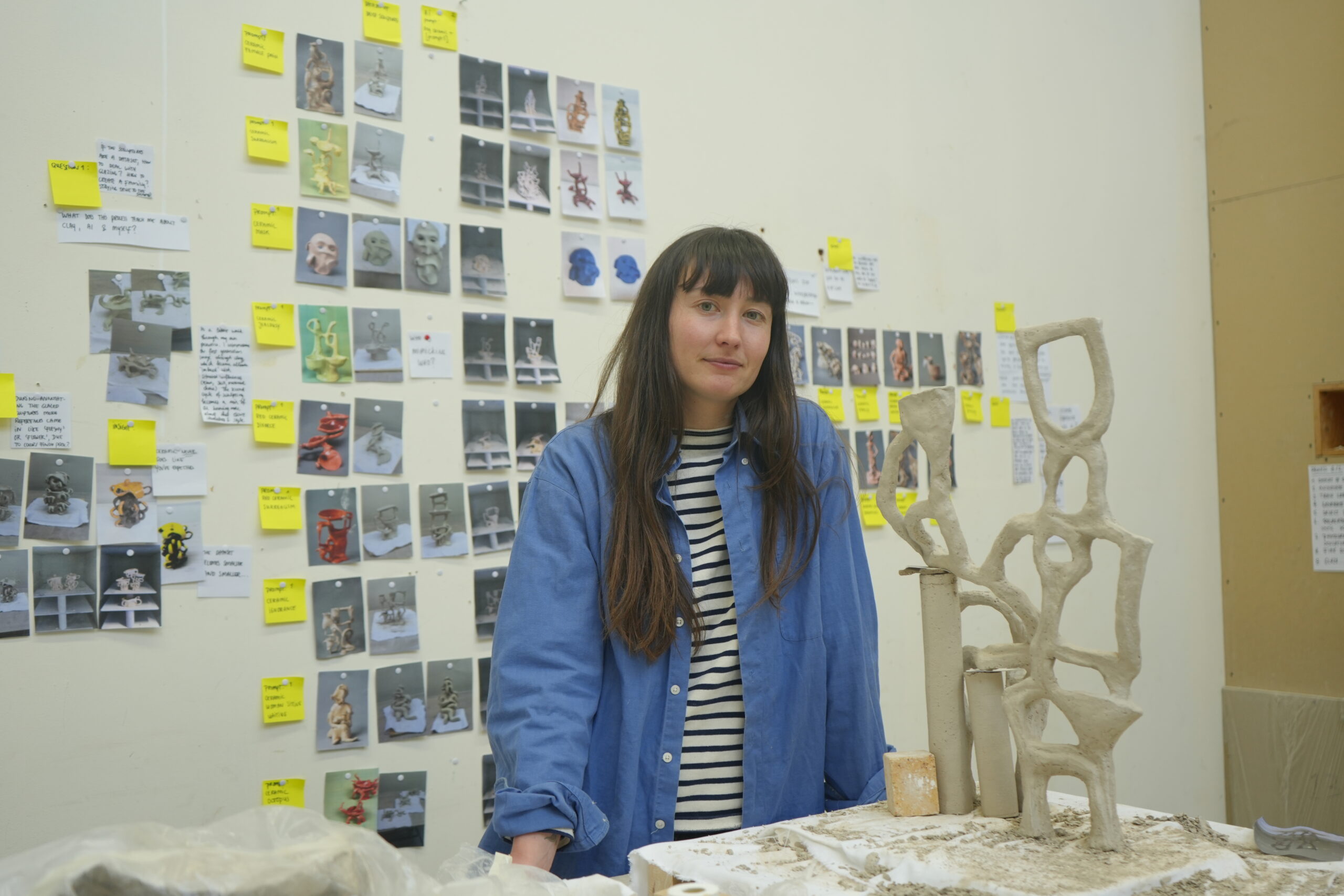
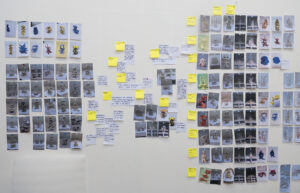
Well, normally technology is seen as something that has to accelerate, take away friction, make things streamlined and fast, to the point where you almost do not notice the technology anymore. In my work, I try to reintroduce friction, by allowing myself to engage with AI as I would engage with a physical material: getting to know its characteristics, allowing it to fail, but also being able to take it apart and make something out of it how I want. This means training my own tools, taking a lot of time for data collection and annotation, not taking the output as truth but rather as speculation points to work from. Reflective AI, as I call it, is a different relationship with AI that allows you to become aware of the technology, but maybe even more so of yourself through interacting with it in this way. The AI mirrors you, because you train it on your own data, and that is how that embodiment or awareness comes about. Just like getting to know clay or wood.
Projects like Objective Portrait and Still Lifeinvestigate subjective machine perception by training algorithms on personal values or emotional categories rather than “objective” labels.In a world where we often seek more efficient or “objective” AI tools, what value do you find in these subjective machine perspectives – and how might they contribute to more sustainable collaborations between humans and technology?
Well first of all, what I realised quite early on in my AI research is that the idea that technology, because it is math or something outside of ourselves, has to be objective or true, is actually false. In my work I realised the opposite is the case, and specifically AI models are extremely subjective because they learn from data that was collected, created and organised by humans. Normally this is seen as something bad, as a flaw, as bias, and it is often framed as AI bias mirroring the worst of us. This is definitely true, however, I also see it as a material characteristic of AI: it can mirror back your subjectivities, from which you can potentially learn something about yourself. By acknowledging this, by acknowledging that AI is always a part of ourselves, and by allowing it not to always be right or tell the truth, but instead to offer you a mediated perspective, I see a more sustainable collaboration with our technological AI-based tools.
Your work addresses the risks and possibilities of AI – from bias to pattern recognition – not just as tools of automation but as mirrors of our own creative and perceptual processes. Looking forward, what do you hope are the most constructive ways designers and artists can engage with AI that avoid both uncritical enthusiasm and dystopian fears, especially within the context of architectural and design practices interacting with emerging technologies?
The uncritical enthusiasm I see is when AI is treated as a shortcut, when the output is taken as finished, when speed is the only measure of success. My hope is that designers and artists treat AI the way they would treat any material they work with: something to study, to resist, to negotiate with, rather than something to obey or to fear.