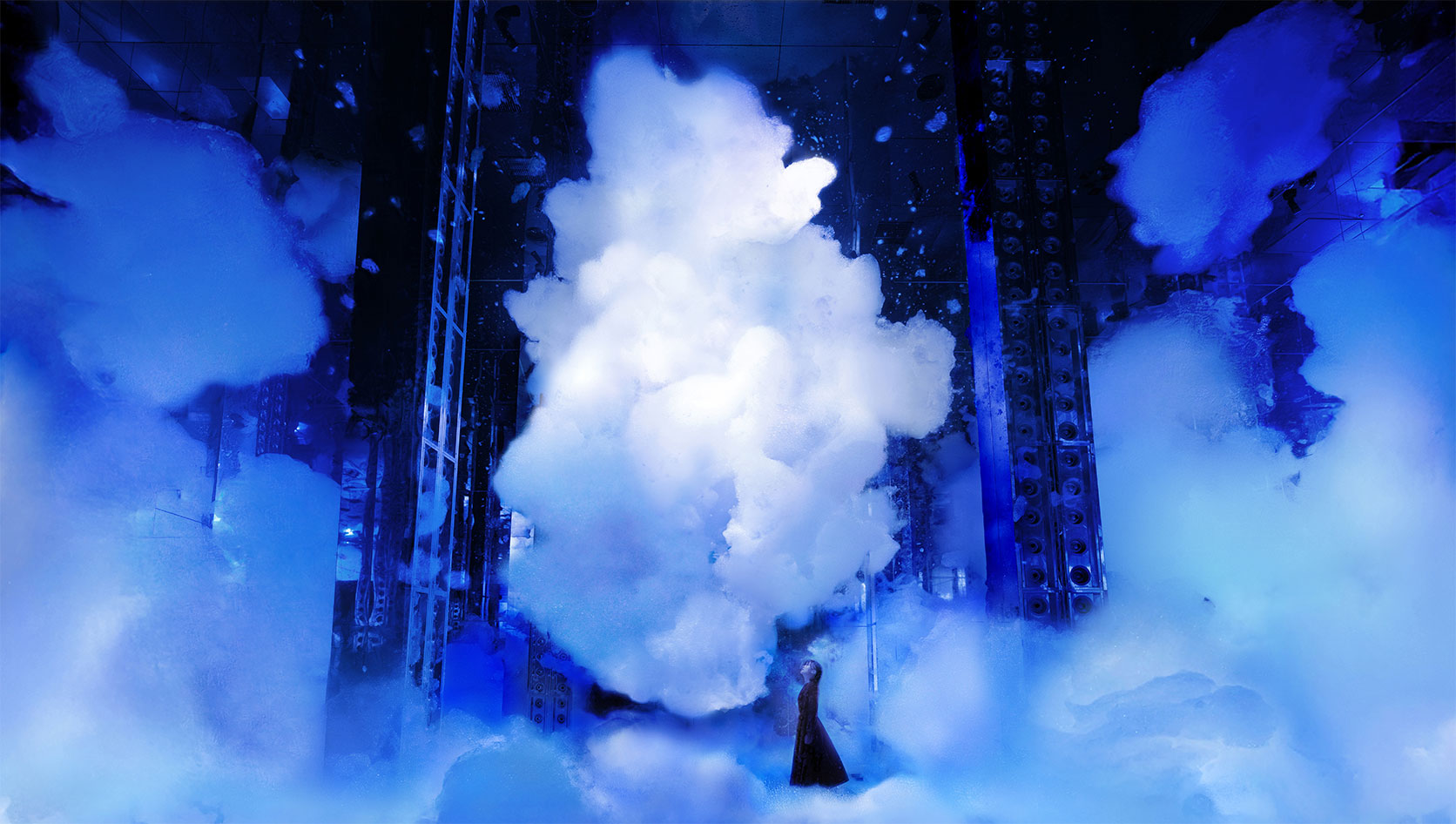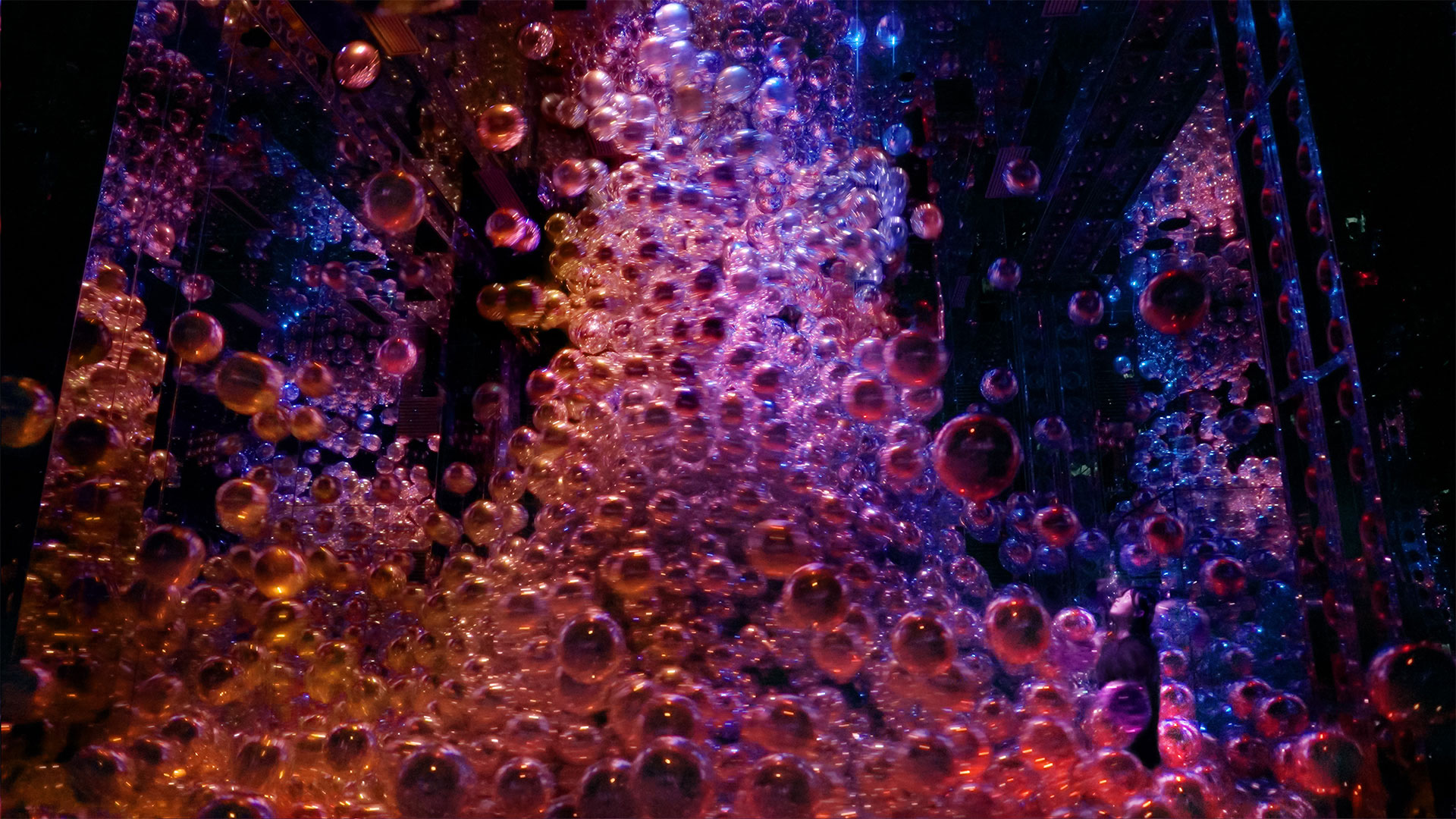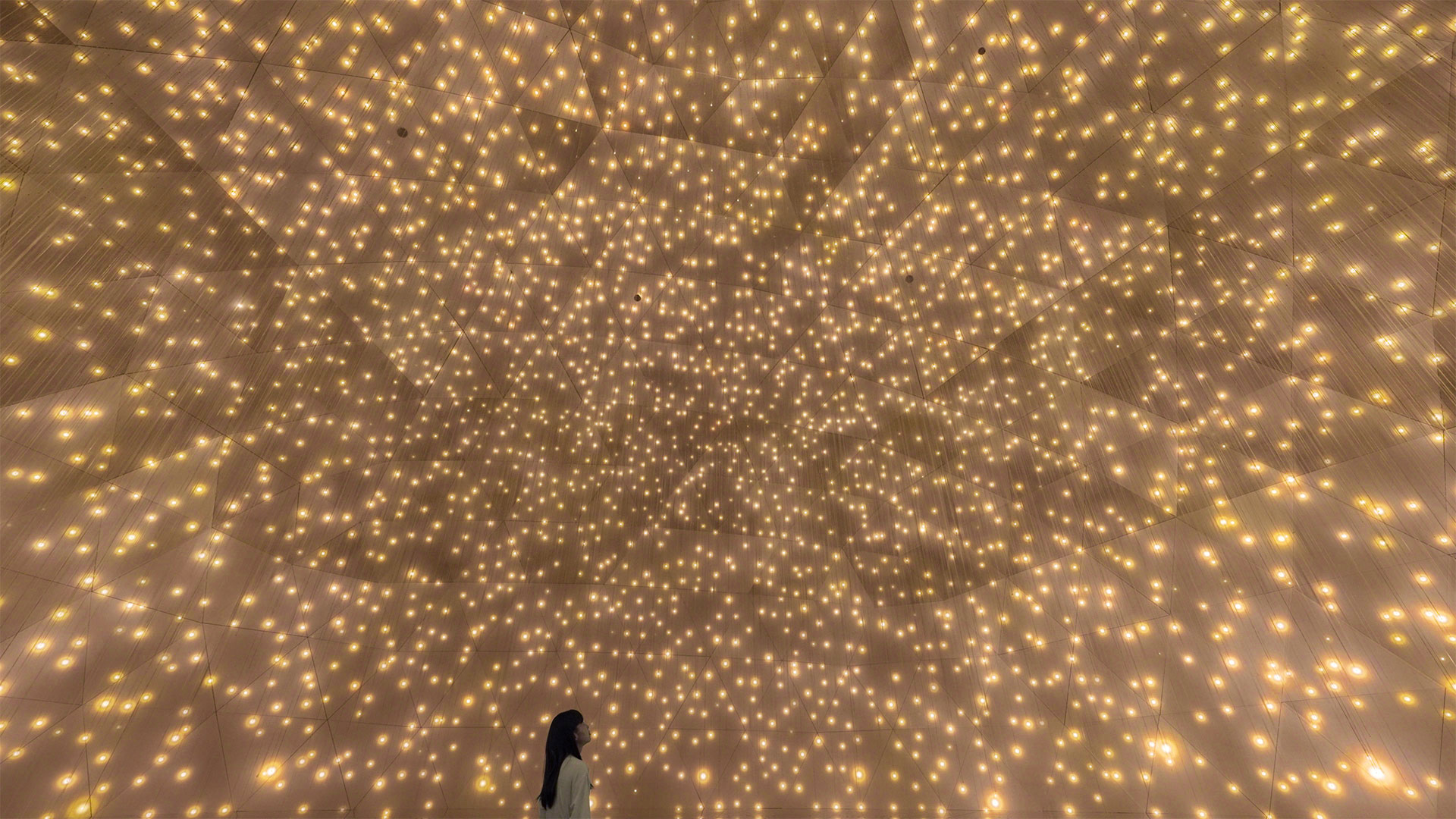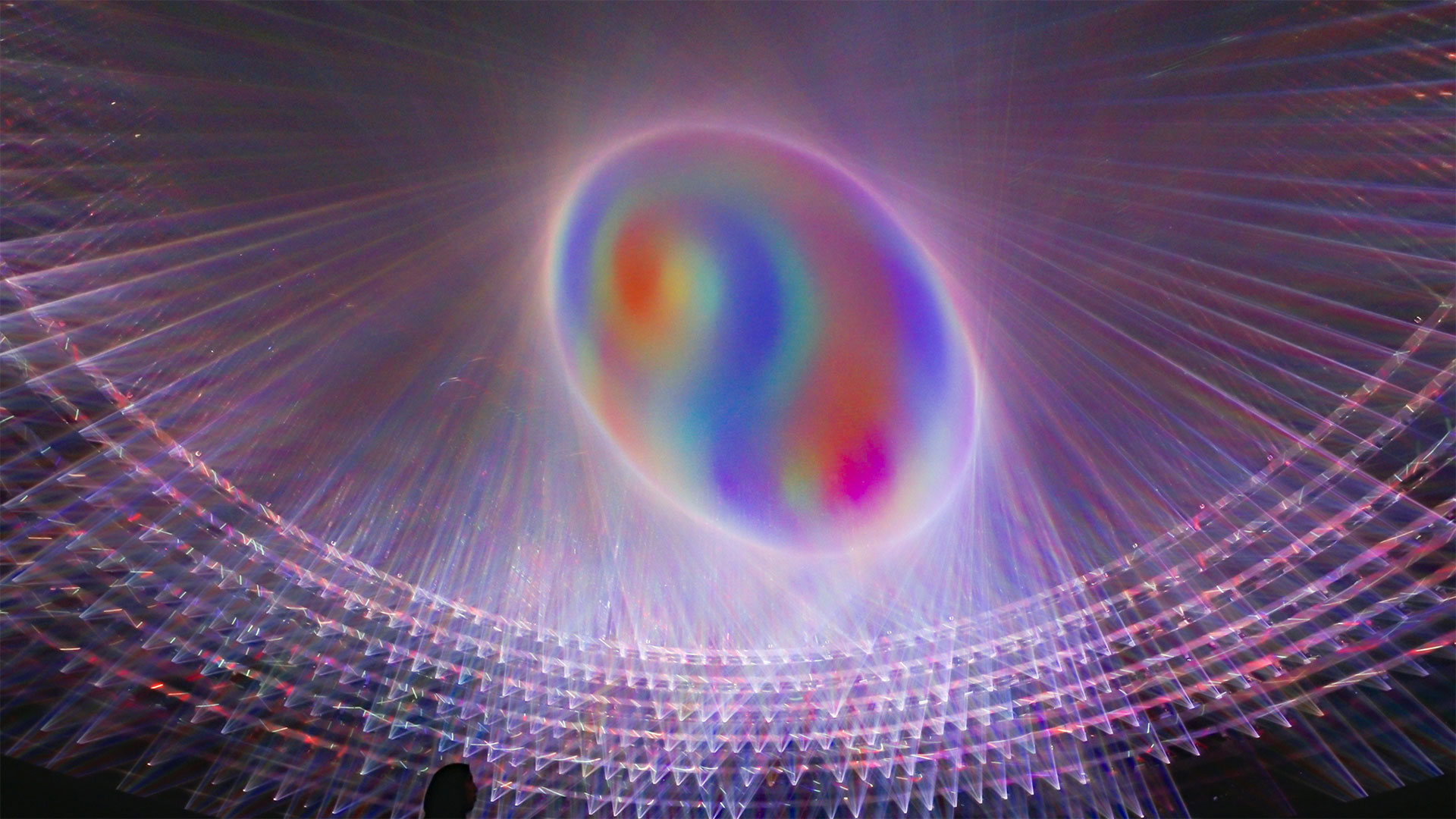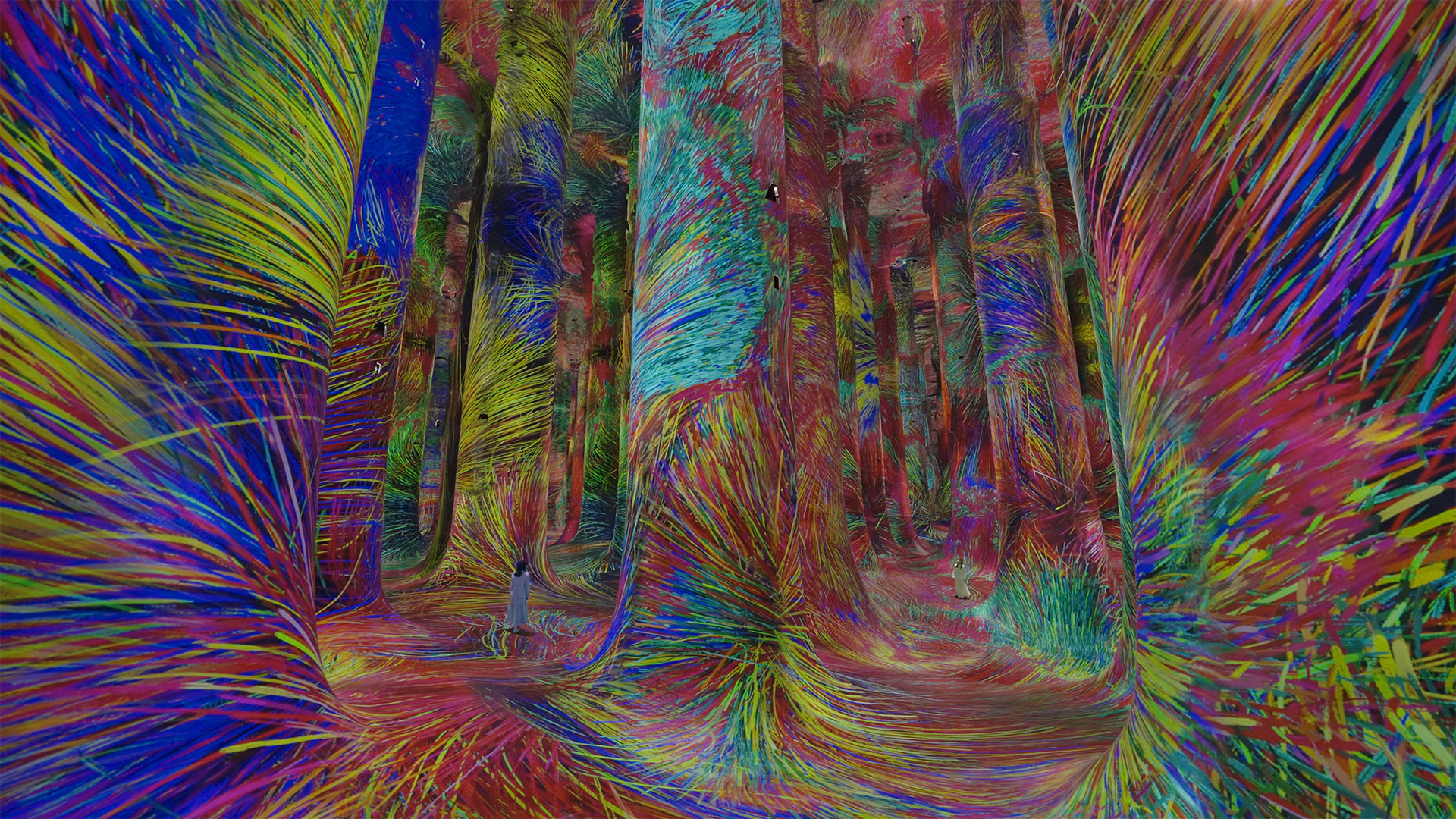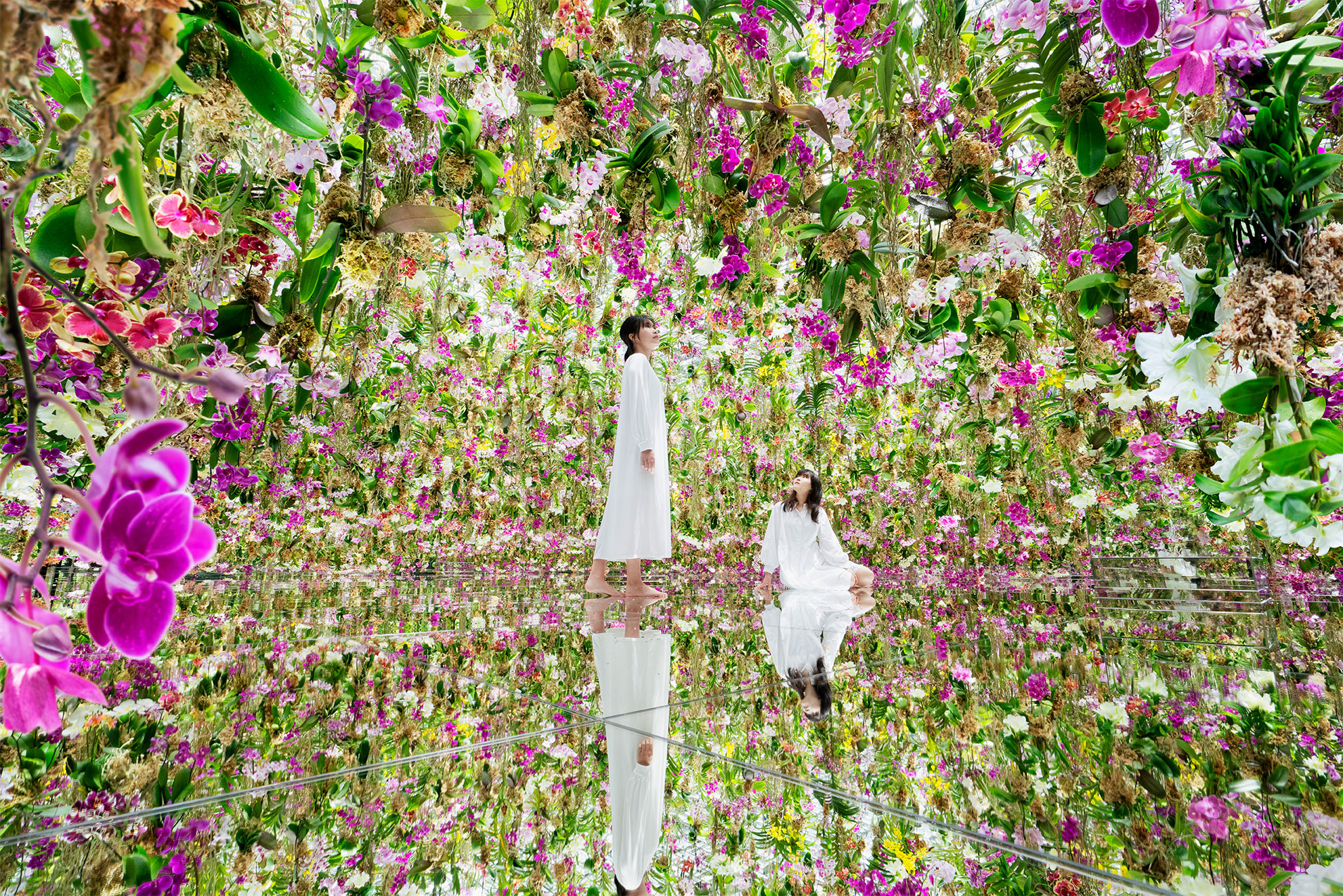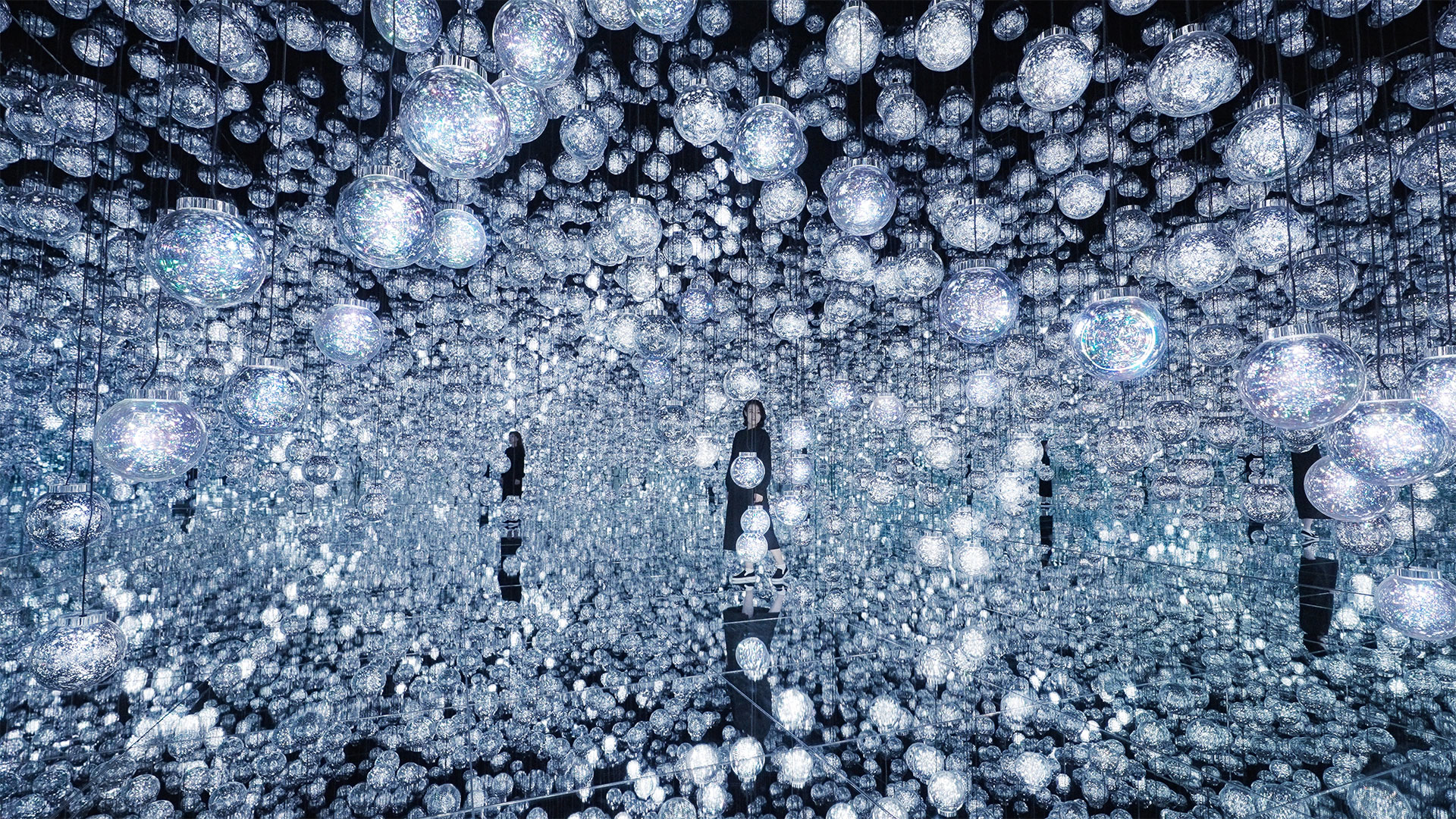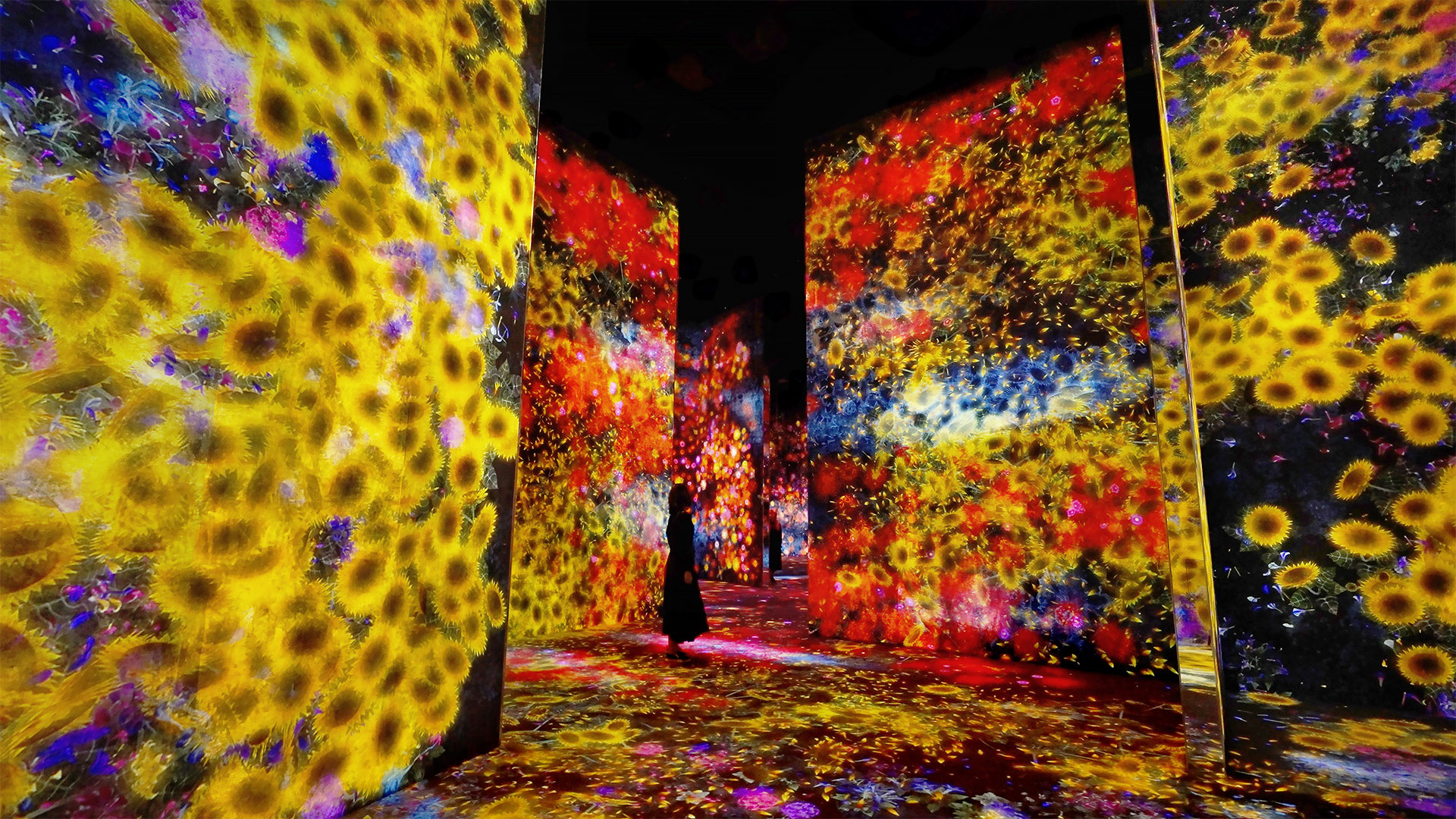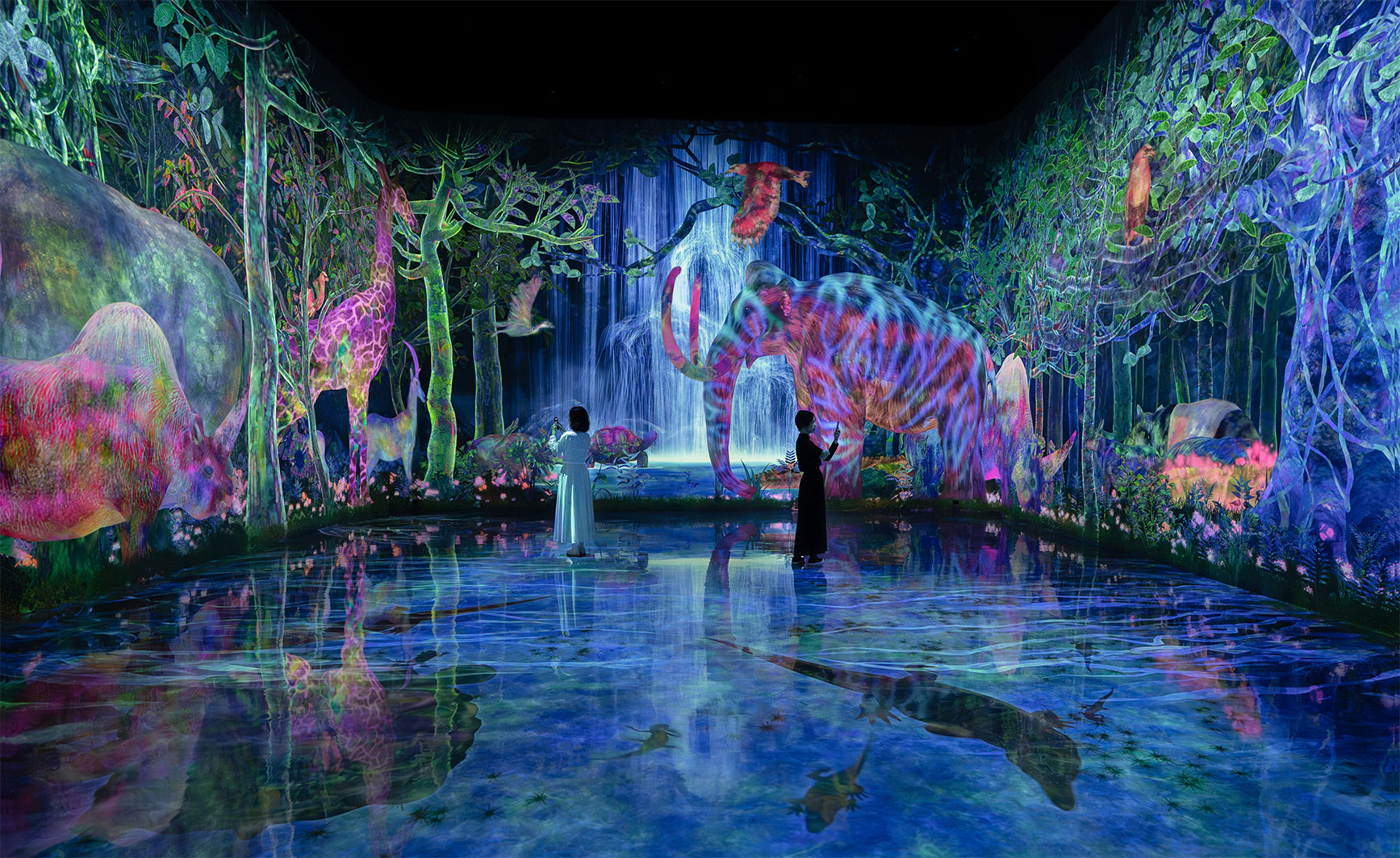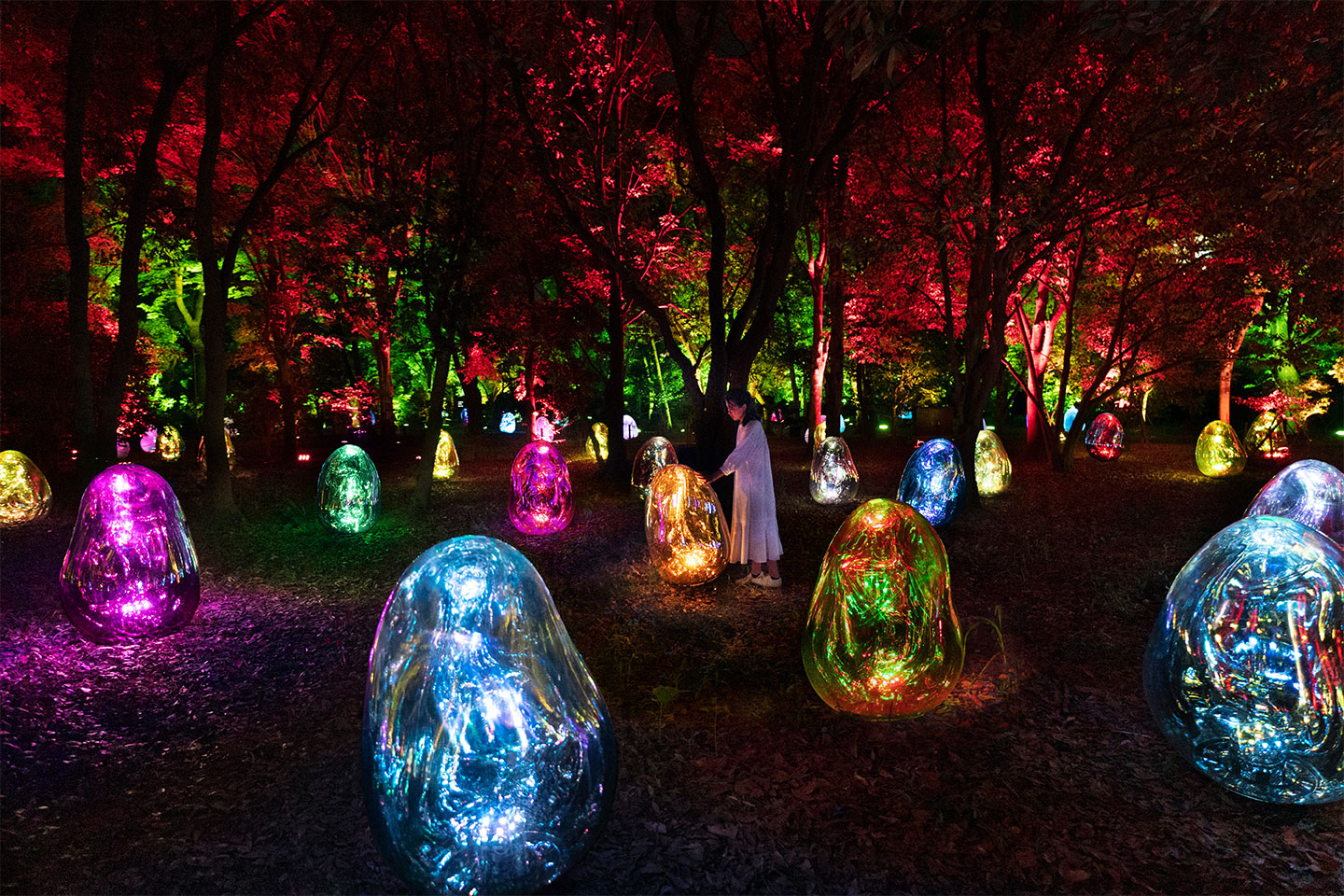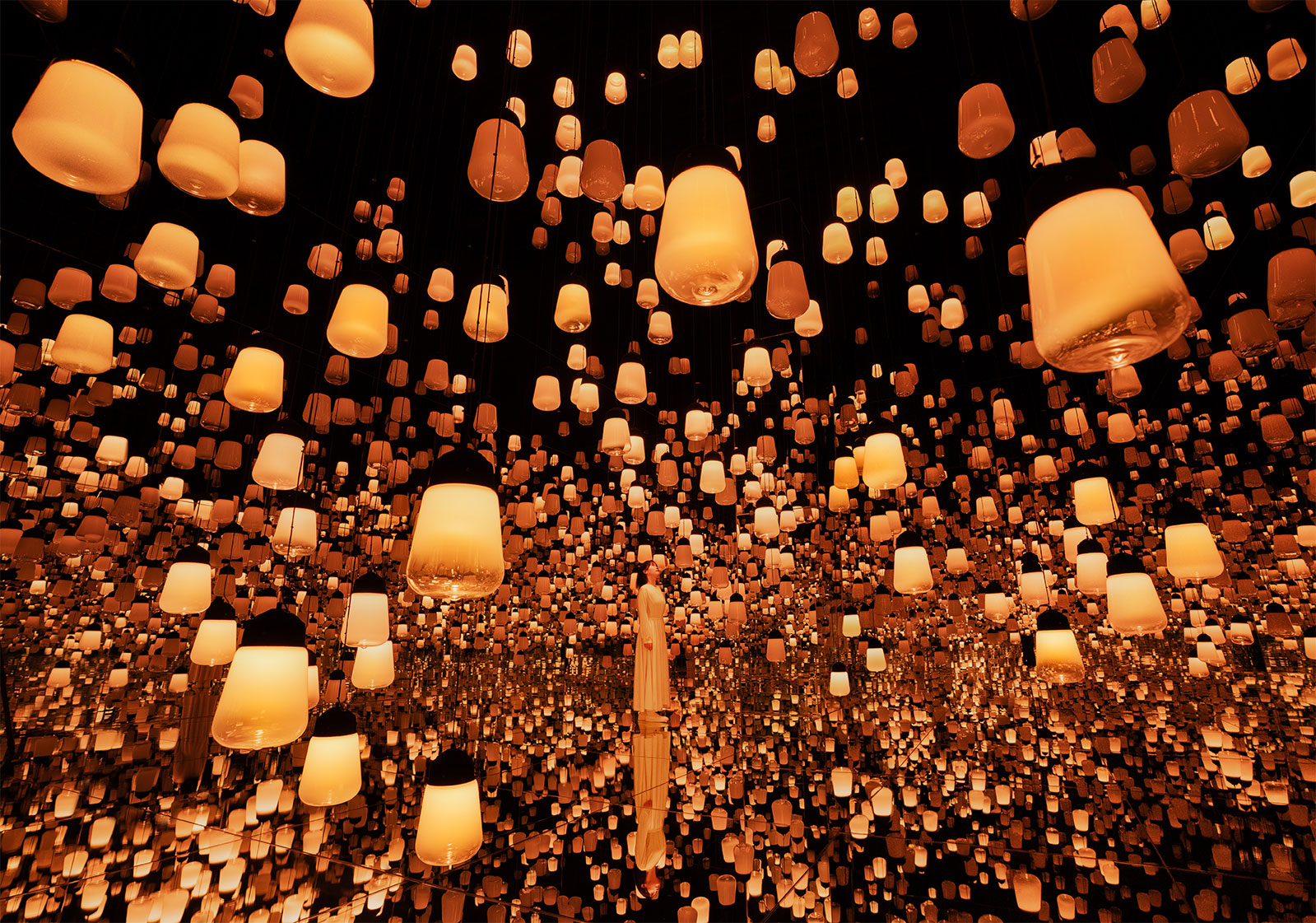


Entering a teamLab exhibition means setting aside, if only for a moment, the traditional idea of the work of art. There are no objects to observe or static images to contemplate. Instead, visitors move through environments made of light, sound, data and digital systems that continuously respond to human presence. The boundaries between space, body and technology become blurred; those between viewer and artwork begin to dissolve.
It is precisely within this liminal space that teamLab, the Japanese collective founded in Tokyo in 2001, has been working for more than twenty years. Today, its research takes shape through a constellation of permanent museums and immersive environments spread across Japan and beyond, from teamLab Borderless and teamLab Planets in Tokyo to more recent projects in Kyoto, Osaka and Abu Dhabi.
Artists, programmers, engineers, CGI animators (Computer Generated Imagery), mathematicians and architects collaborate to create environments in which technology serves as an essential yet invisible infrastructure. What interests teamLab is not demonstrating the power of digital tools but using them to make normally invisible relationships perceptible: between individuals, between human beings and nature, between the self and the world. The collective employs advanced technologies to explore questions that predate the digital age: our relationship with others, the meaning of collective presence, the continuity of nature and the construction of beauty. We discussed these themes with the Japanese collective, for whom art continues to fulfil an essential role: expanding perception and, with it, the world we are able to see.
AI and technology are often described as substitutes for human action or creativity. In your work, by contrast, you create environments that exist only through people’s presence and participation. How do you see the relationship between humans and technology today?
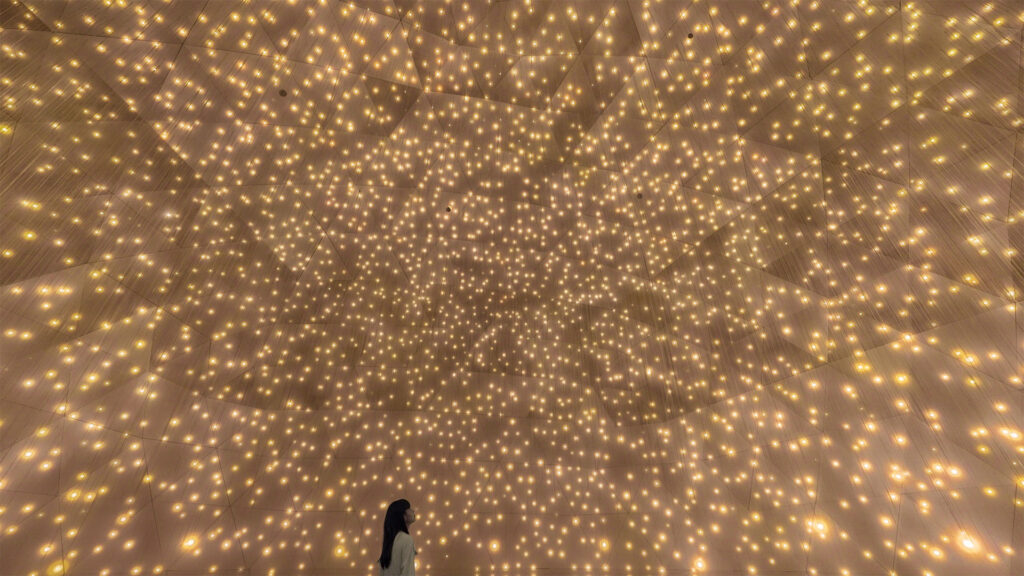
Technology lies at the heart of our work, but it is not the most important aspect. It remains simply a material or a tool for creating art.We have been creating artworks using digital technology since 2001 with the aim of contributing to human development and social progress. Although, in the beginning, we had no idea where we would be able to exhibit our work or how we would financially sustain the collective, we deeply believed in the potential of digital technology and creativity and were genuinely fascinated by them. We wanted to create something new regardless of disciplinary boundaries, and that is exactly what we did.Digital technology allows artistic expression to free itself from the constraints of the material world, acquiring the ability to transform freely. In installations where visitors encounter interactive environments, those environments continuously change in response to the audience’s presence and behaviour. This helps blur the boundaries between the two. Visitors effectively become part of what is happening within the space. People become more aware of those around them. In this way, art acquires the capacity to influence the relationships between those sharing the same experience.
teamLab’s installations are activated through movement, interaction and collective presence. Why is participation such a central element of your work?
The relationship between interactivity and art lies at the core of teamLab’s research. The kind of interactivity we pursue is one in which people’s presence transforms the artwork, whether they intend it or not. Through digital technology, we can indirectly alter the relationships between people within the same space. If the presence of others has the power to transform the environment, then those people become an integral part of it. When the body immerses itself in the artwork, the boundaries between the self, the work and others become less distinct. Because both our own presence and that of others can transform the shared world of the artwork, we may begin to perceive ourselves, other people and the world as a single continuum.
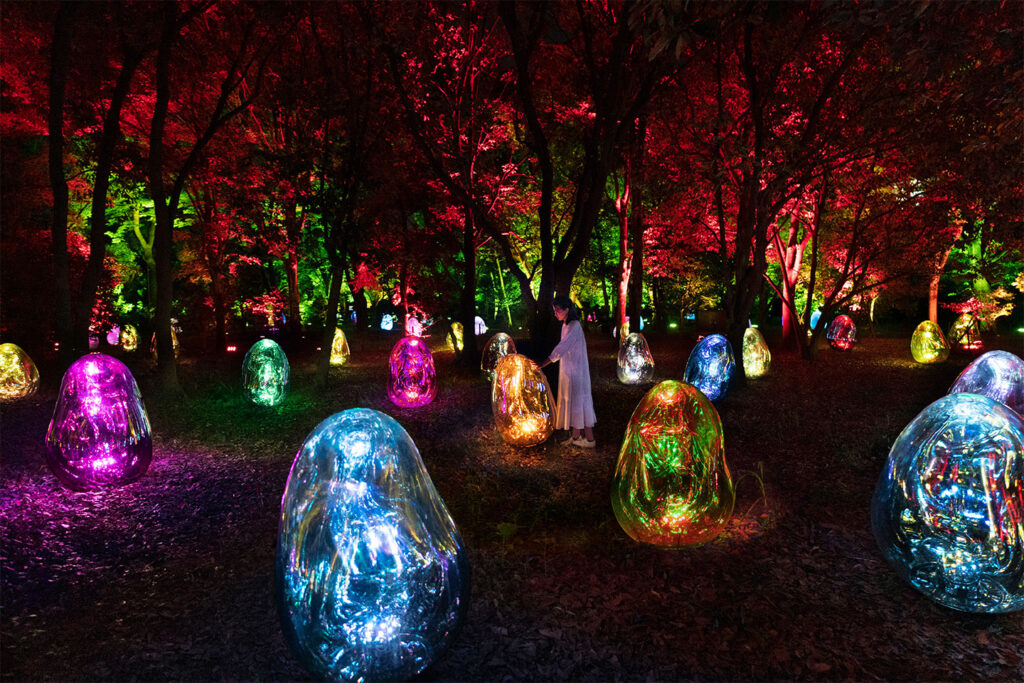
Nature often appears in your work as a dynamic system of relationships, transformations and interdependencies. How does this perspective shape the way you conceive digital environments?
Nature is in constant transformation and possesses its own dynamics of interaction. More than any other human-made medium, digital technology has made it possible to express the subtle transformations and interactions that characterise nature. It has also enabled us to develop new forms of expression that create a deeper sense of connection between people and the artwork.Rather than reproducing nature, we seek to create works that allow people to experience, through their own bodies, the continuity between nature and the world. We do not believe technology stands in opposition to nature; rather, we believe it has the potential to complement it. Through art, teamLab aims to explore a new relationship between human beings and nature. We see no separation between ourselves and nature: each exists within the other. Everything exists within a continuity of life that is extraordinarily long, fragile and, at the same time, miraculous.
Digital technologies are increasingly associated with speed, efficiency and optimisation. Your installations, by contrast, seem to encourage attention, slowness and contemplation. Is this contrast intentional?
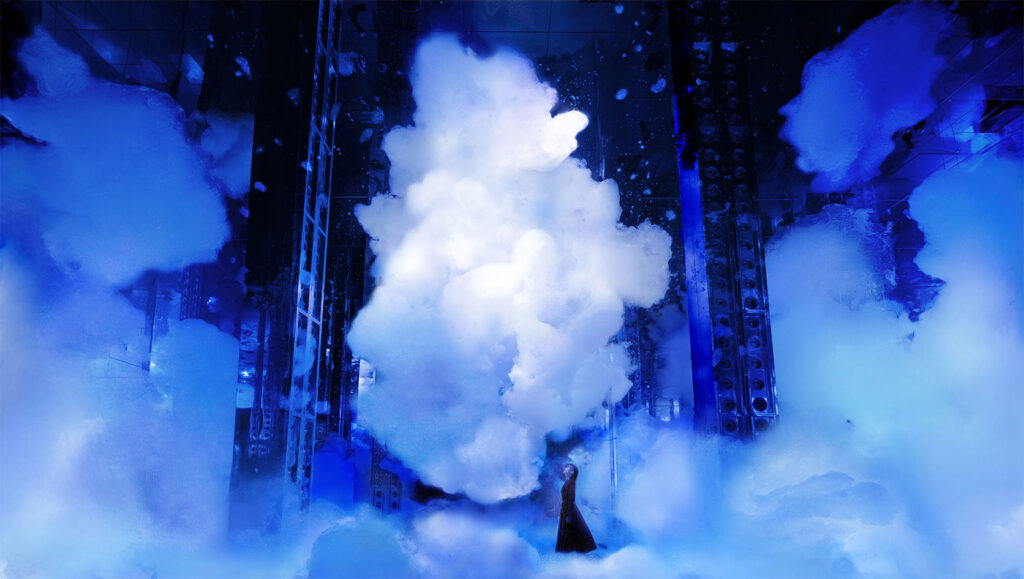
Digital technology certainly possesses that dimension, but what interests us, and what we wish to express, is continuity: between people and the installations, between the artworks themselves, and between the works and the spaces that host them. Speed is not relevant to this kind of expression. What teamLab seeks to do is amplify the experience of physical space through art. More recently, we have developed works based on the concept of Environmental Phenomena, in which the artwork cannot exist independently: its very existence is a phenomenon generated by the surrounding environment.
teamLab brings together artists, programmers, engineers and animators within a single creative practice. How does this interdisciplinary structure shape the way you think and create?
By collective creation, we mean the ability of a group to create something of greater quality while simultaneously strengthening the organisation as a whole. This process is built on two fundamental elements.
The first is collaboration among specialists from different disciplines who move beyond the boundaries of their respective fields to work, think and create together. The second is the discovery of knowledge that emerges through the creative process, its sharing, and its reuse in different contexts to further enhance the group’s creativity. The members of teamLab have very different interests and perspectives. What unites us is the desire to create artworks and exhibitions that no one has ever seen or experienced before. The strength and dynamism of our creative process stem precisely from the fact that these different approaches collide during the development of each project, while ultimately finding a synthesis in the finished work signed by teamLab. Because every project is born from the combination of highly specialised expertise, no artwork could ever be created by a single individual. It is essential for highly skilled professionals to come together and work collectively as a team.
Looking ahead, what kinds of relationships between human beings, technology and the environment do you believe the creative disciplines should help build?
We are interested in exploring the relationship between the self and the world, and in discovering new forms of perception. To understand the world around them, human beings tend to divide it into separate entities, imagining boundaries between them. teamLab seeks to transcend those boundaries in our perception of the world, of the relationship between the self and the world, and of the continuity of time. At some point in history, human beings looked at flowers and recognised them as beautiful. Yet we still do not fully understand the phenomenon of beauty. Evolution explains some aspects of it: from a reproductive perspective, it is natural that we perceive other human beings as beautiful. But this does not explain why we began to recognise beauty in something with no immediate practical function, such as a flower. We believe that art is the act through which contemporary human beings create their own “flowers” and expand the very idea of what beauty can be. Thirty or fifty years from now, these positive expansions of our concept of beauty may lead people to behave in ways that, with our current and still limited understanding, we are not yet capable of imagining, allowing humanity to continue to grow and flourish.
What role can art play today in imagining ‘desirable futures’?
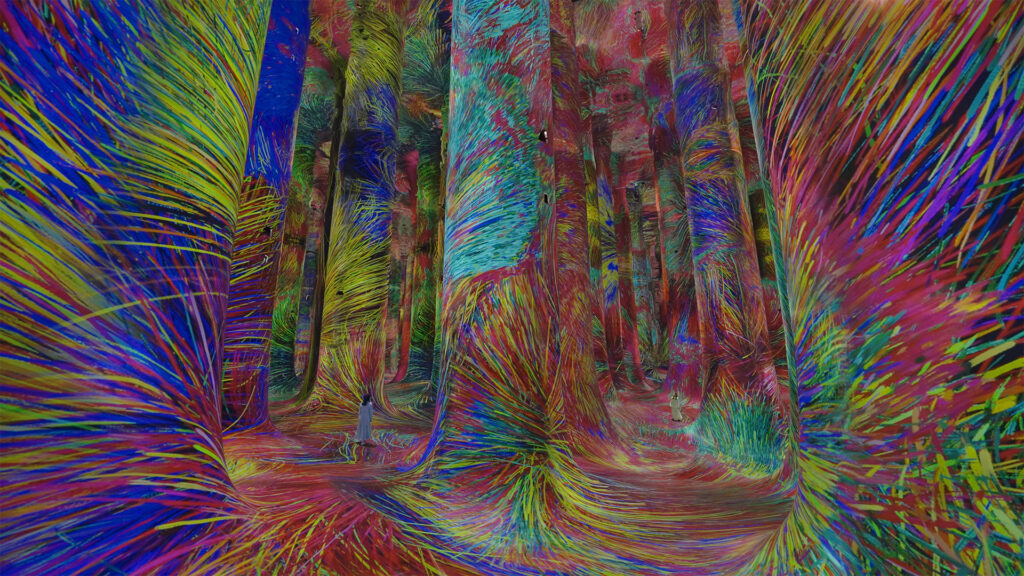
If art has a purpose, we at teamLab believe it lies in its ability to imagine new systems of values or to transform existing ones. This fundamental role remains unchanged, regardless of how quickly tools and materials evolve. Human beings do not perceive the world they see; they see the world they perceive. Expanding perception and, with it, expanding the world we are able to see, is what interests us most, and it is the role that art can play today.