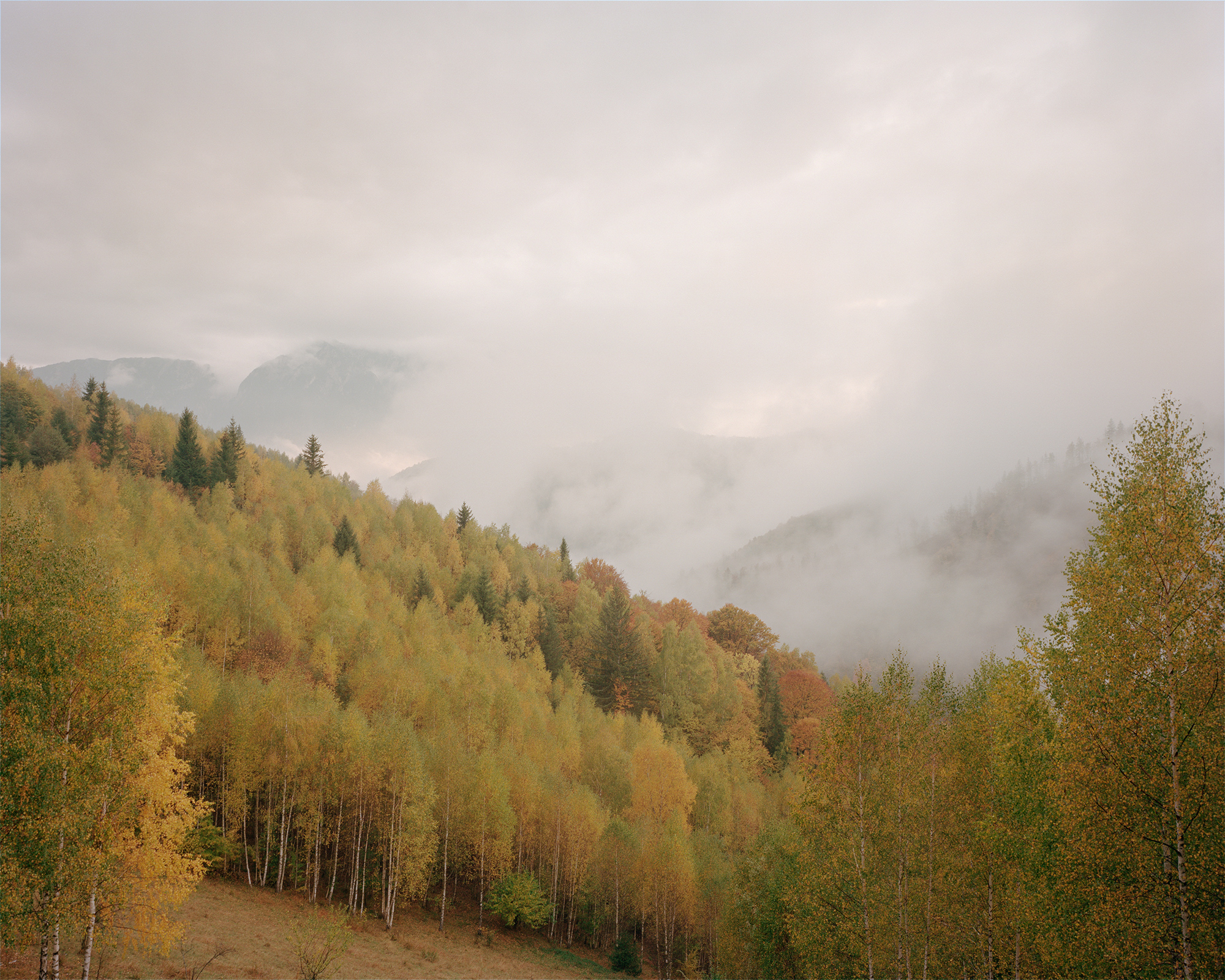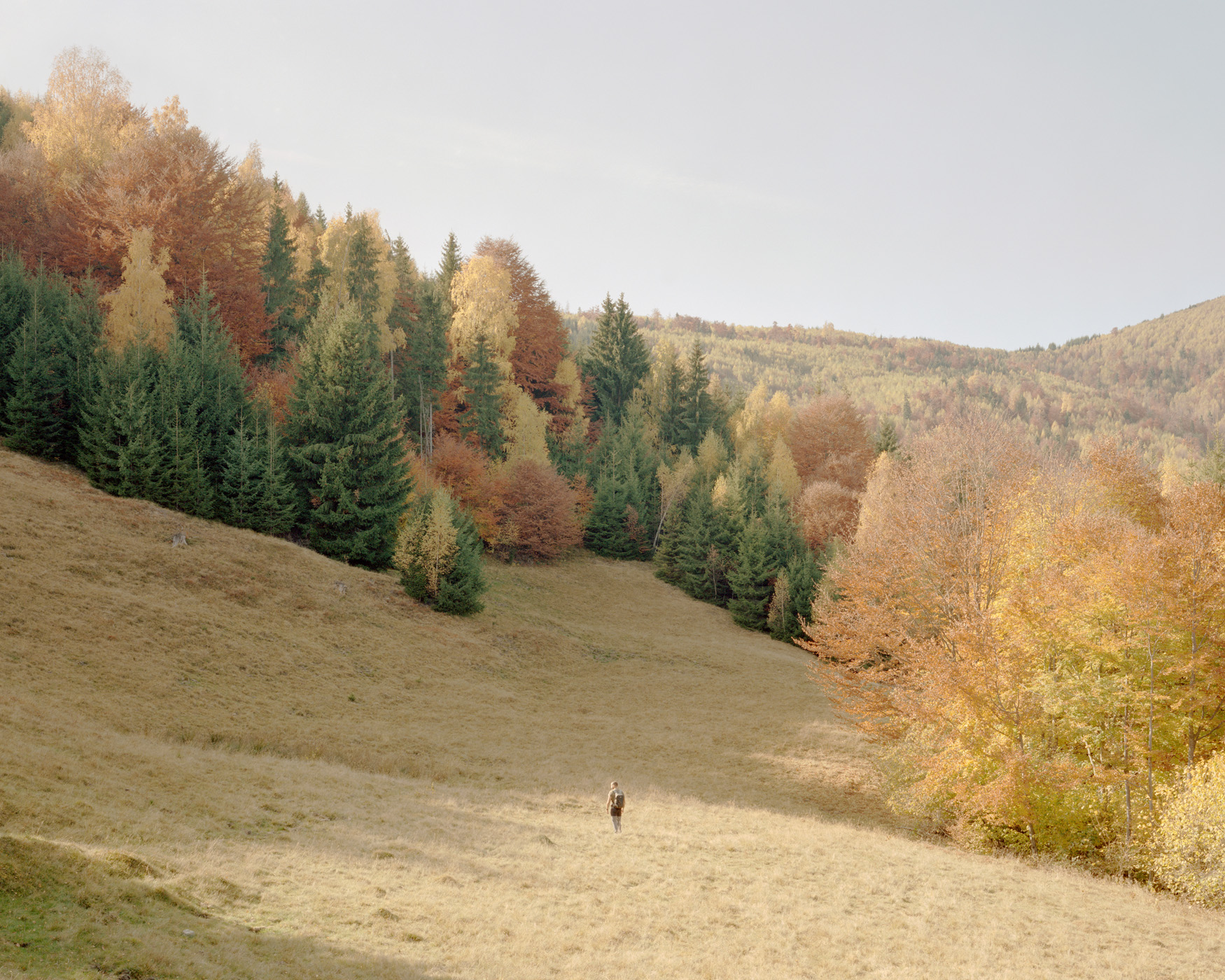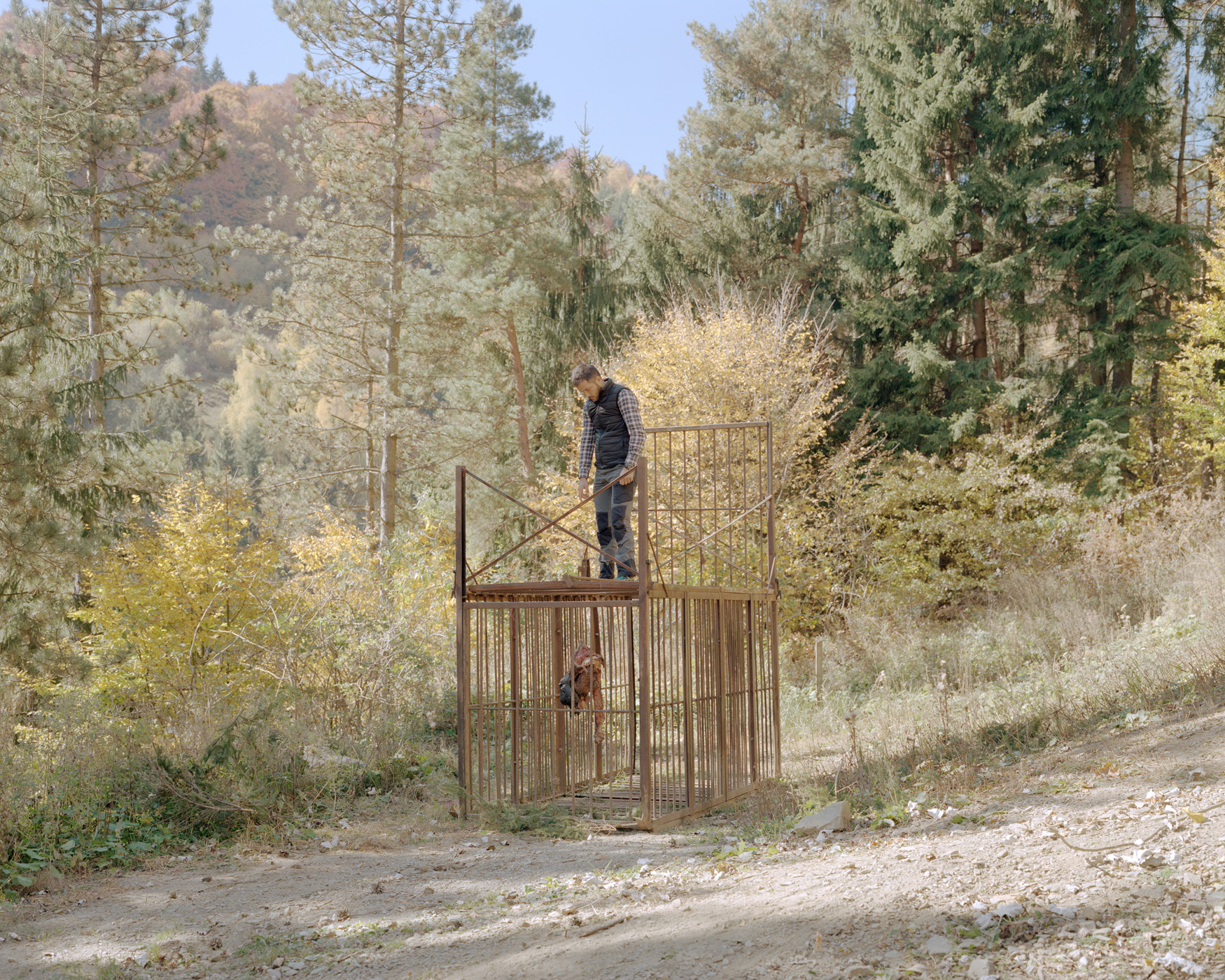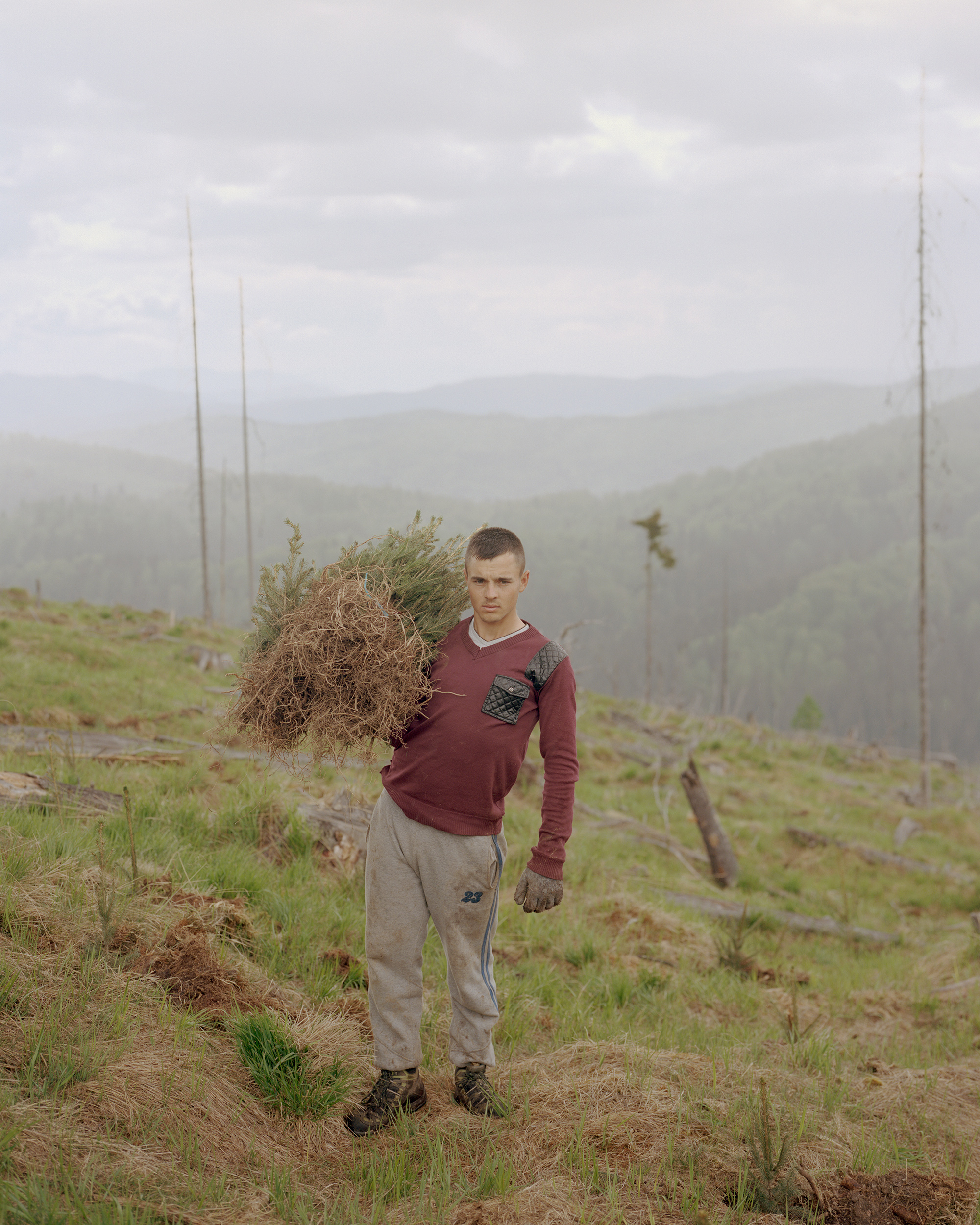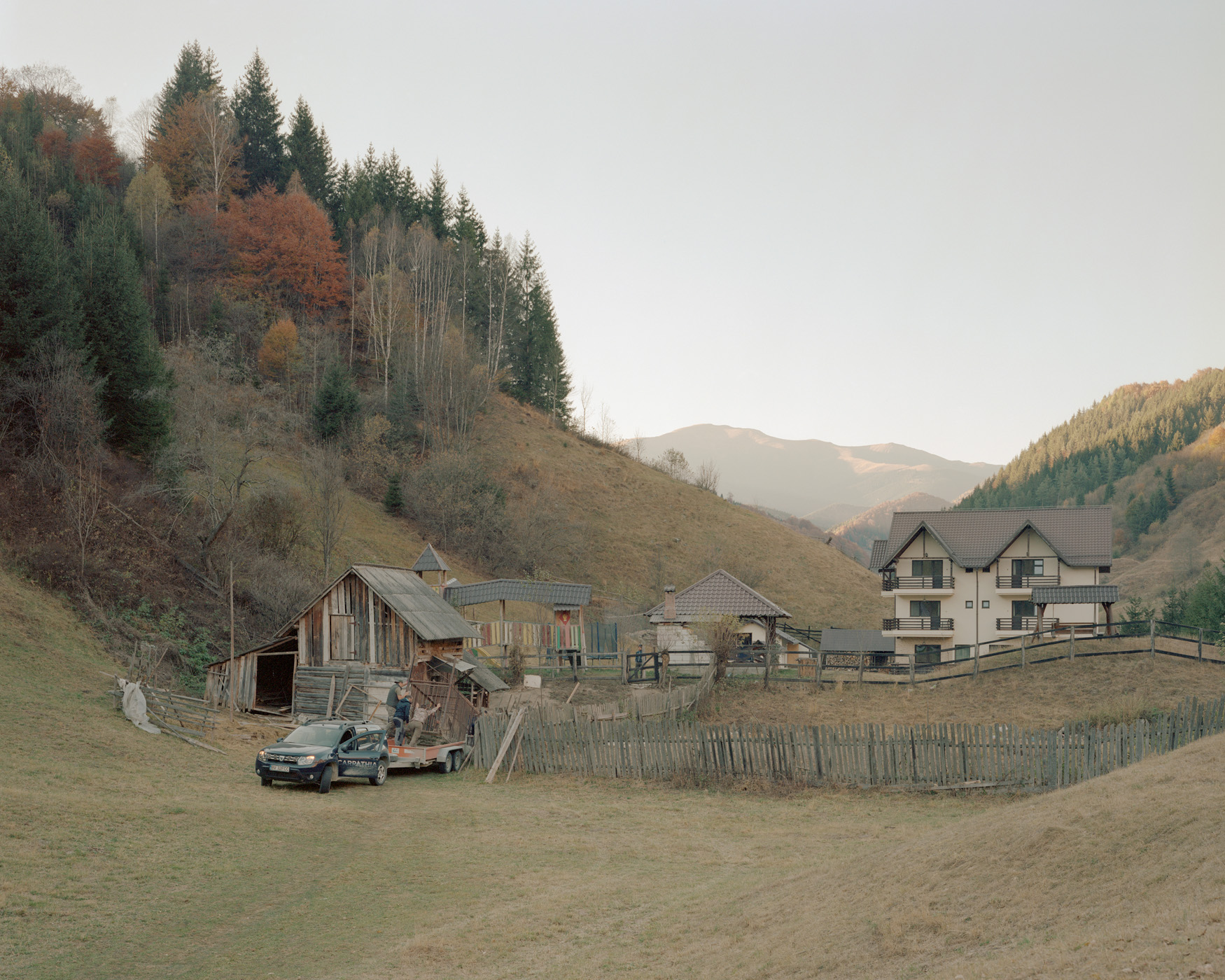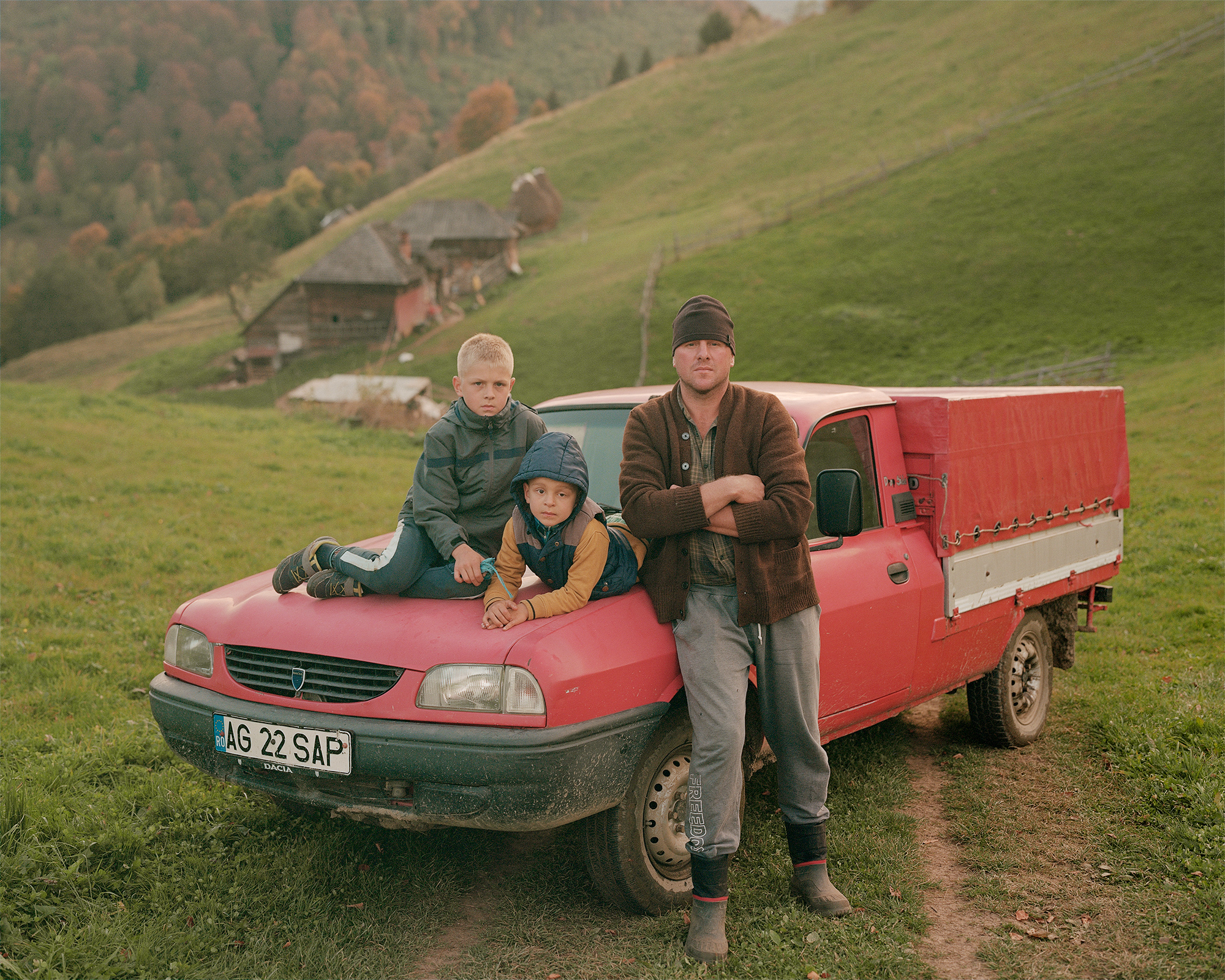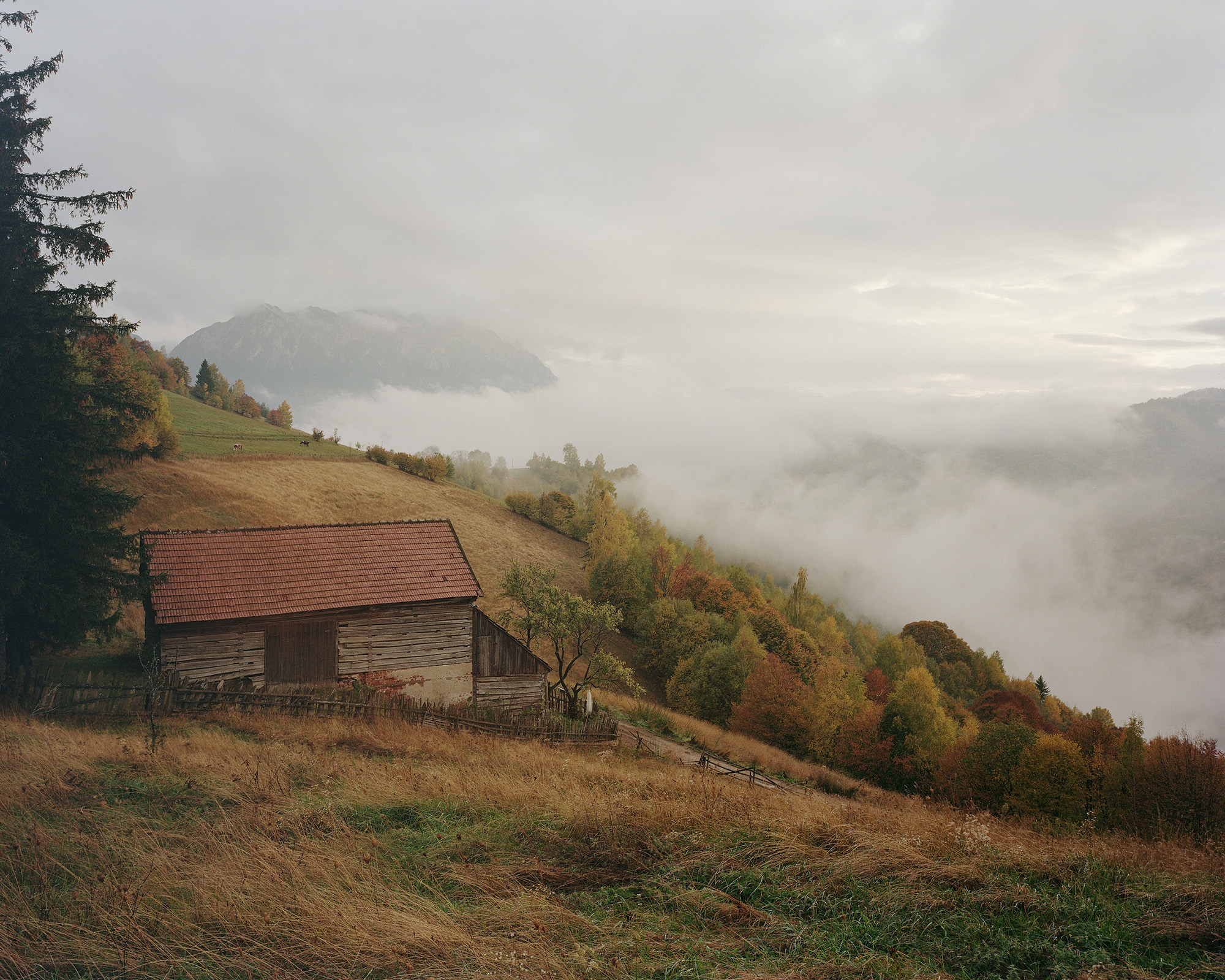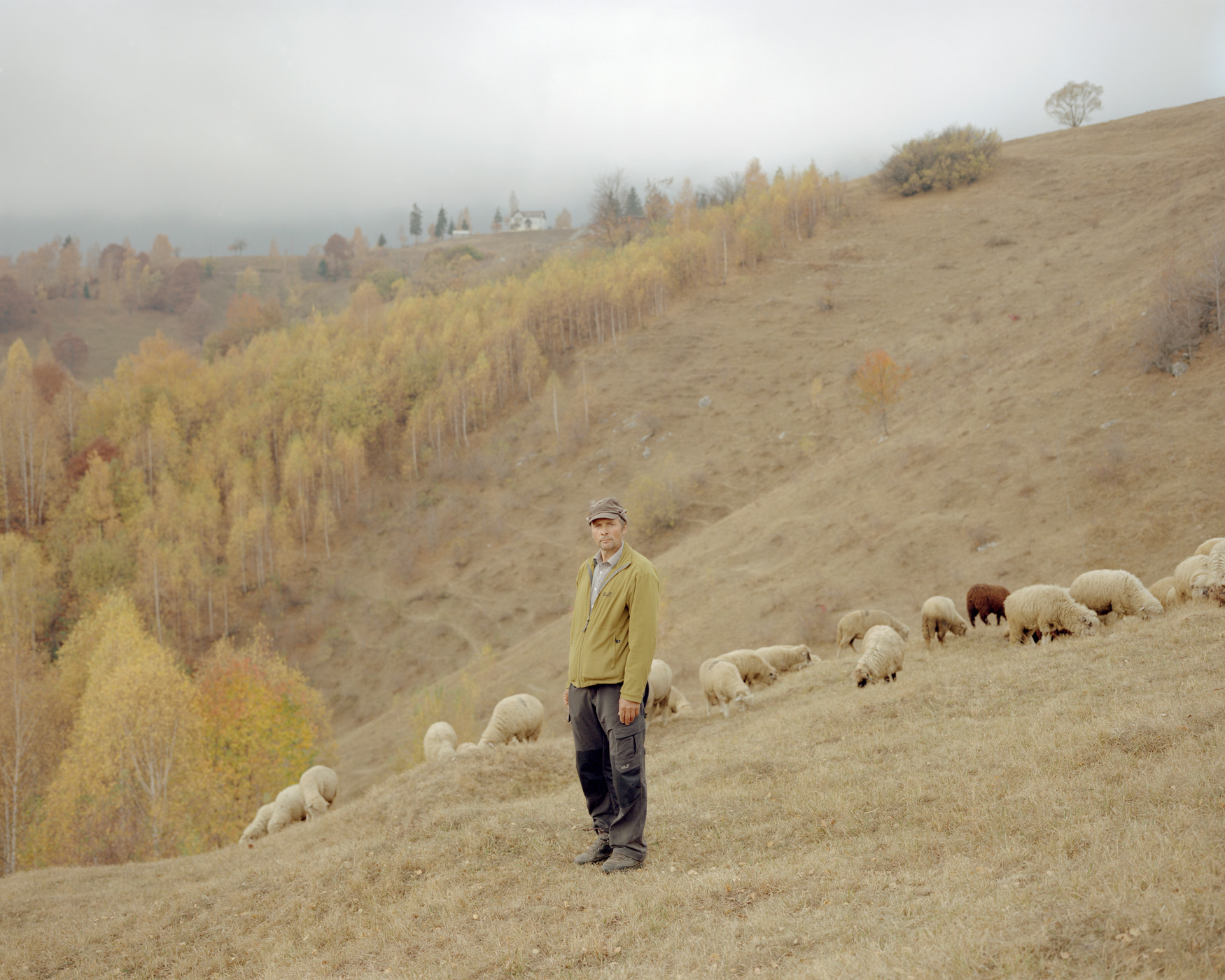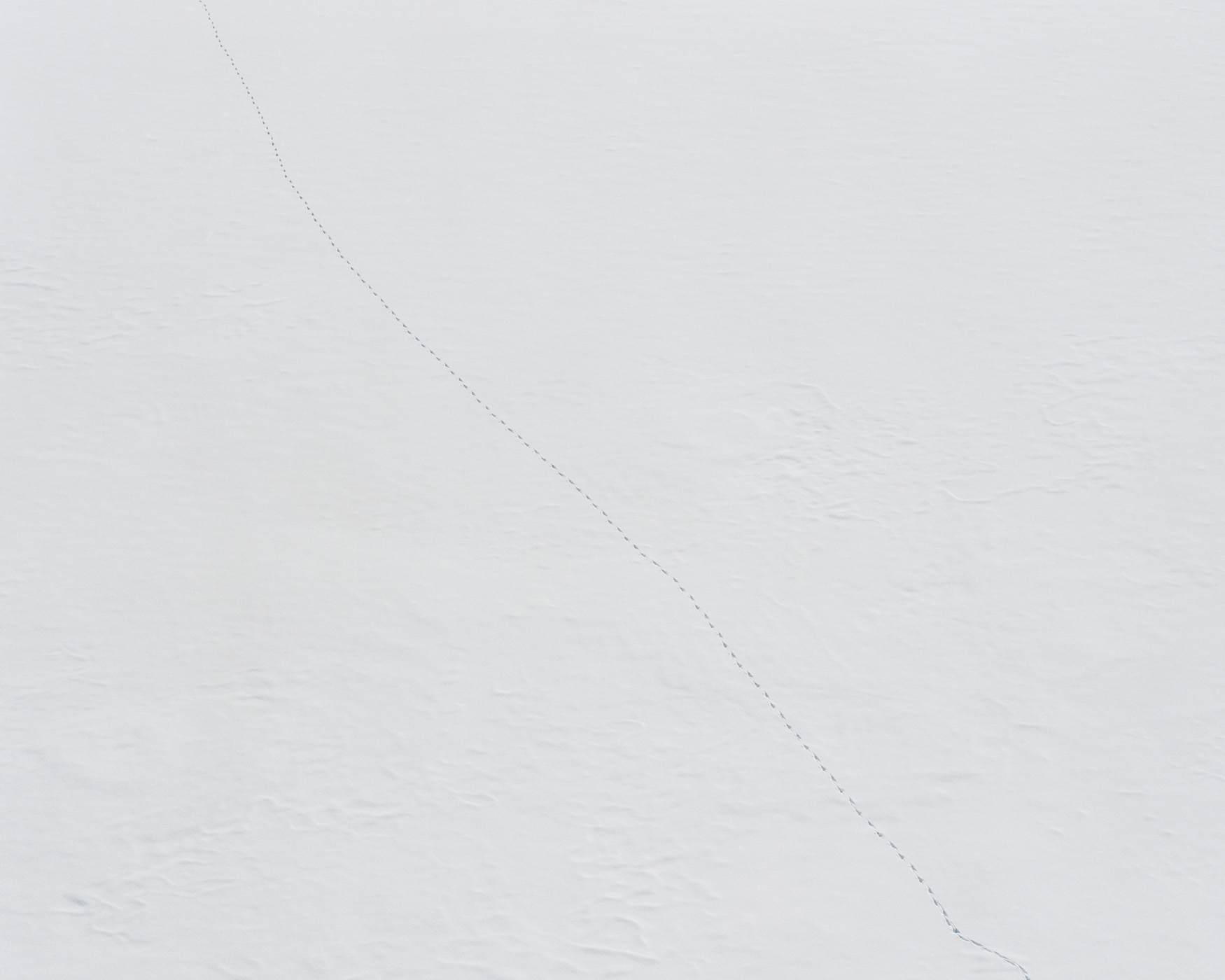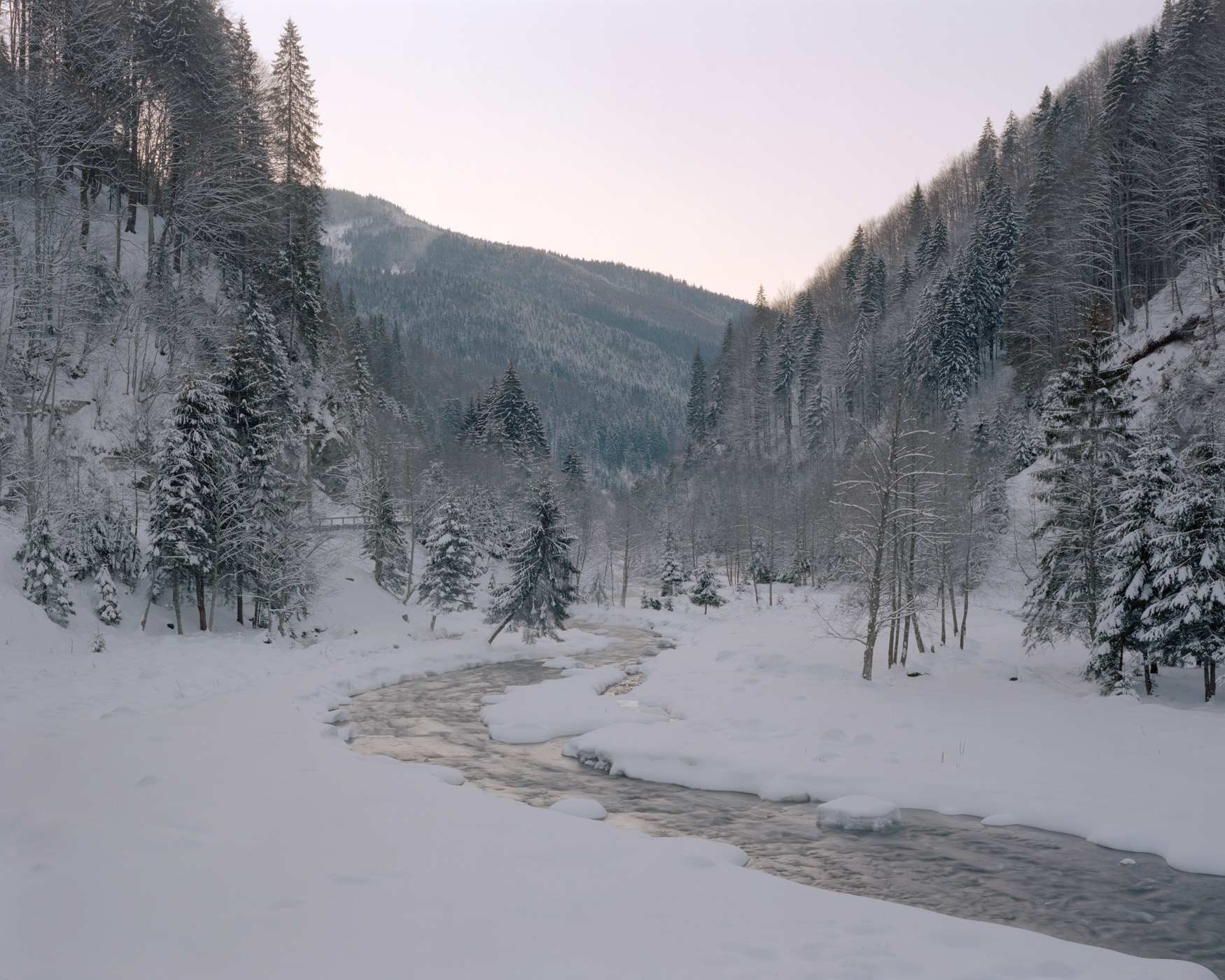


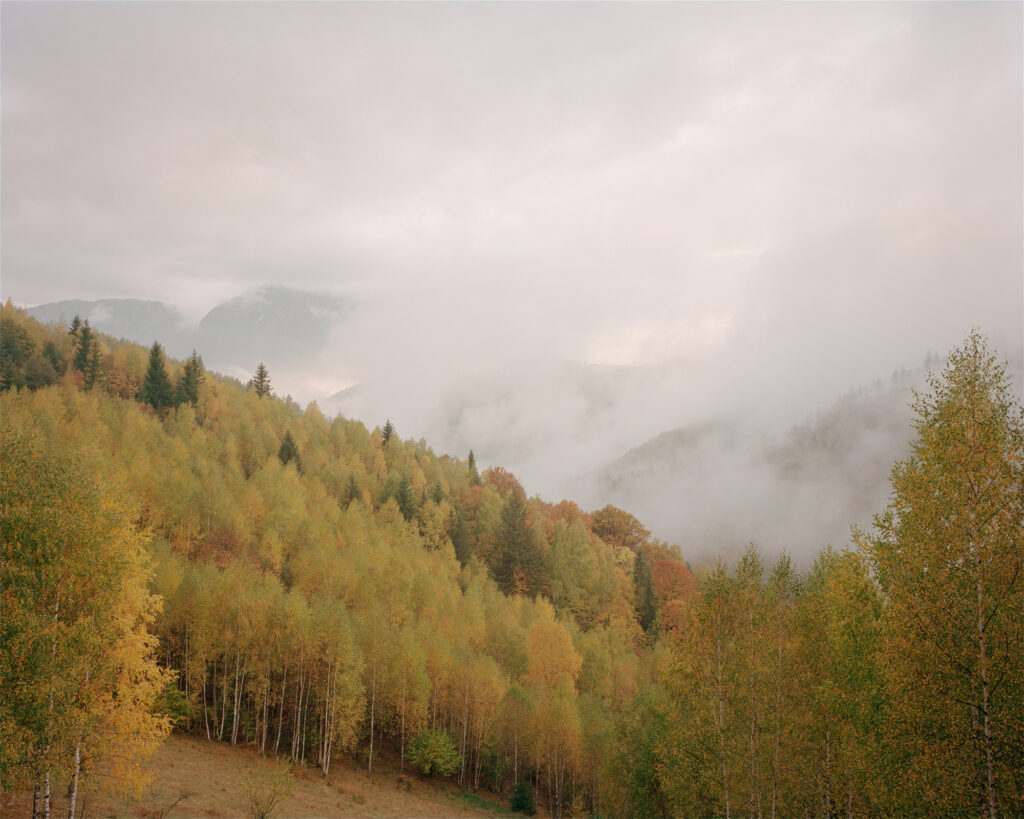
In the centre of Eastern Europe, the Carpathian region is a mosaic of virgin forests, impressive peaks and valleys where life falls in step with the rhythm of nature. Far from the tourist circuits and international news stories, this Romanian region is crucial for understanding the future of our continent’s forests. For the past fifteen years, the Foundation Conservation Carpathia (FCC) has been working in these areas to create an integral, wild nature reserve covering over 250,000 hectares in the sites of Făgăraș Mountains Natura 2000, Piatra Craiului National Park and Leaota Mountain. British photographer Nicholas J.R. White decided to document the creation of the park through a photographic project entitled Carpathia, turning it into a case study: this visual story highlights biodiversity, but also the story of the communities living near the great forest, showing the fragility and resilience of one of Europe’s last large wild landscapes. “I began to work on Carpathia in 2018, and the project is still running,” White says. “It’s very hard to communicate what is happening in the field without devoting whole years to the documentation. The processes for setting up a nature park move very slowly, following the seasons and the years, and my photographic approach must go hand in hand with these efforts.”
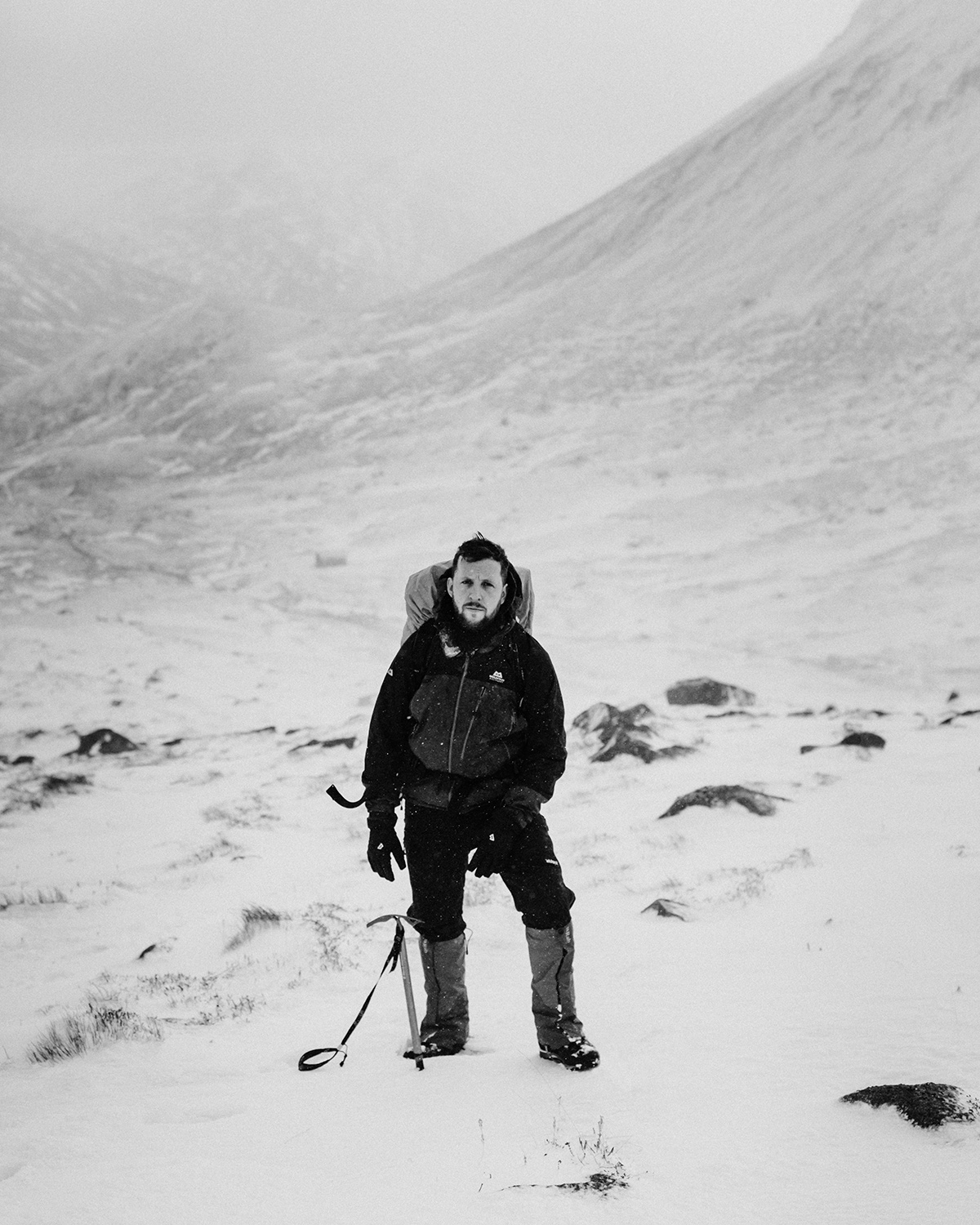
Raised in the county of Devon in the south-west of England, today he lives in the Hebrides, the Inner Islands of the west coast of Scotland. White has always lived in places where nature mixes with the community: “My family has always lived in rural areas, and for me it’s natural for my photographs to be influences by these places and these experiences. Understanding the rhythm of life, traditions, culture and the interweaving of human and non-human worlds is as much part of my work as my personal life.” At the start of the project, White aimed to describe the rewilding initiatives in Romania more broadly. Meeting the conservationists of the Foundation Conservation Carpathia in the Dâmbovița valley marked a turning point. From that moment, the photographer chose to focus his work on that region, documenting the creation of the nature park in an area that preserves the largest unfragmented area of virgin forests in Europe, as well as the largest population of large carnivores, including bears, wolves and lynxes, as well as over 3,700 native plant species.
In addition to data and statistics, his photographs showcase the faces and stories of the 28 communities surrounding the Făgăraș Mountains that the FCC project set out to protect in harmony with the vast wild area. The photos portray rangers, foresters, shepherds, inhabitants: the survival of all these people is linked inextricably to the woodland. Although the Lower Carpathians are one of the few large areas with no human settlements in Europe, human presence is vital for the protection of this extraordinary territory. And so, the photographs follow the actions in the field: the patrols against poaching, monitoring the fauna and replanting areas affected by deforestation. Carpathia looks at crucial debates on soil use and the demands – at times conflictual, at times complementary – of the human and non-human worlds, recognising the difficulties in reconciling protection and traditional activities.
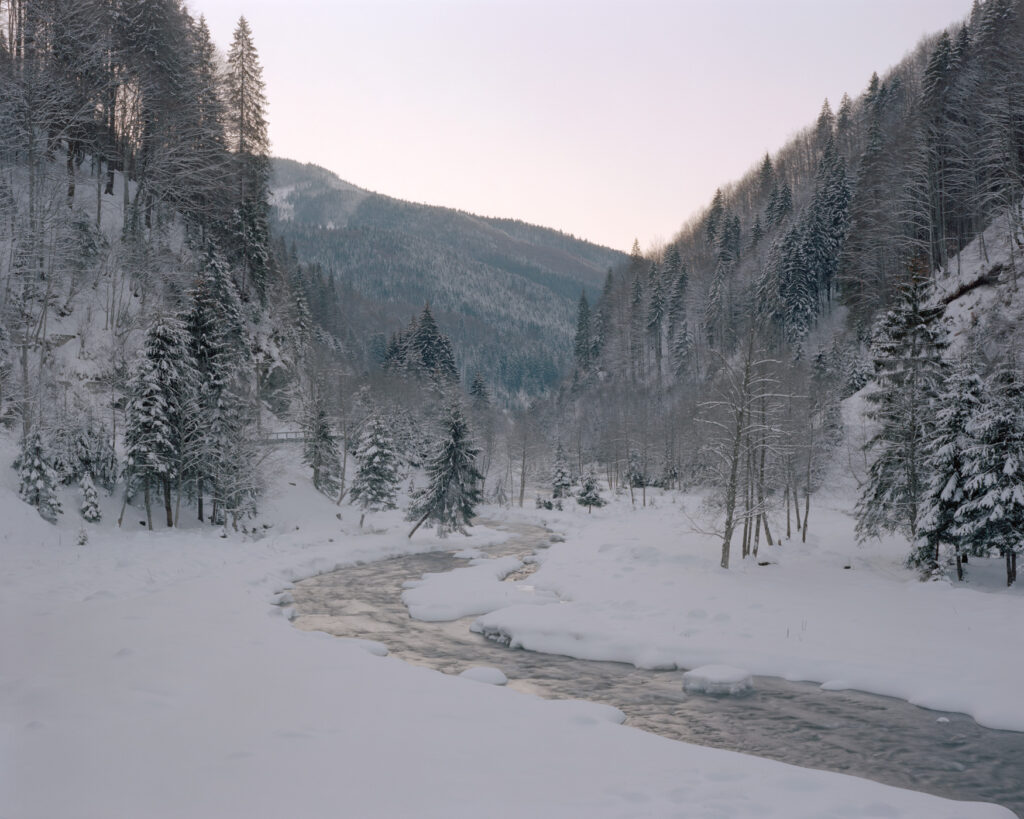
“I go everywhere with a small notebook, and continuously jot down ideas, sketches for projects and potential collaborations. The topics that best describe my work are the landscape and the sense of belonging, time and the passing of time. All that I have ever desired from photography is to live outdoors and spend more time in nature. Nothing more than that.” In a Europe with increasingly rare large unspoiled areas, the project is being run at a crucial time for fighting the loss of biodiversity and environmental degradation. In recent years, rewilding has become a popular strategy for tackling these crises, but White offers a different perspective: “In Carpathia, attention is shifting to the protection of flora and fauna, not just the reintroduction of declining species.” The slow rhythm of the project reflects that of the forest, with all its growth, resistance and regeneration cycles. “Now I’m trying to understand what my new life in the Hebrides means, and I’m sure my work will evolve with me. I’ve got lots of ideas to explore, but I continue to believe that photography must remain my way of being outdoors and listening to the landscape.”