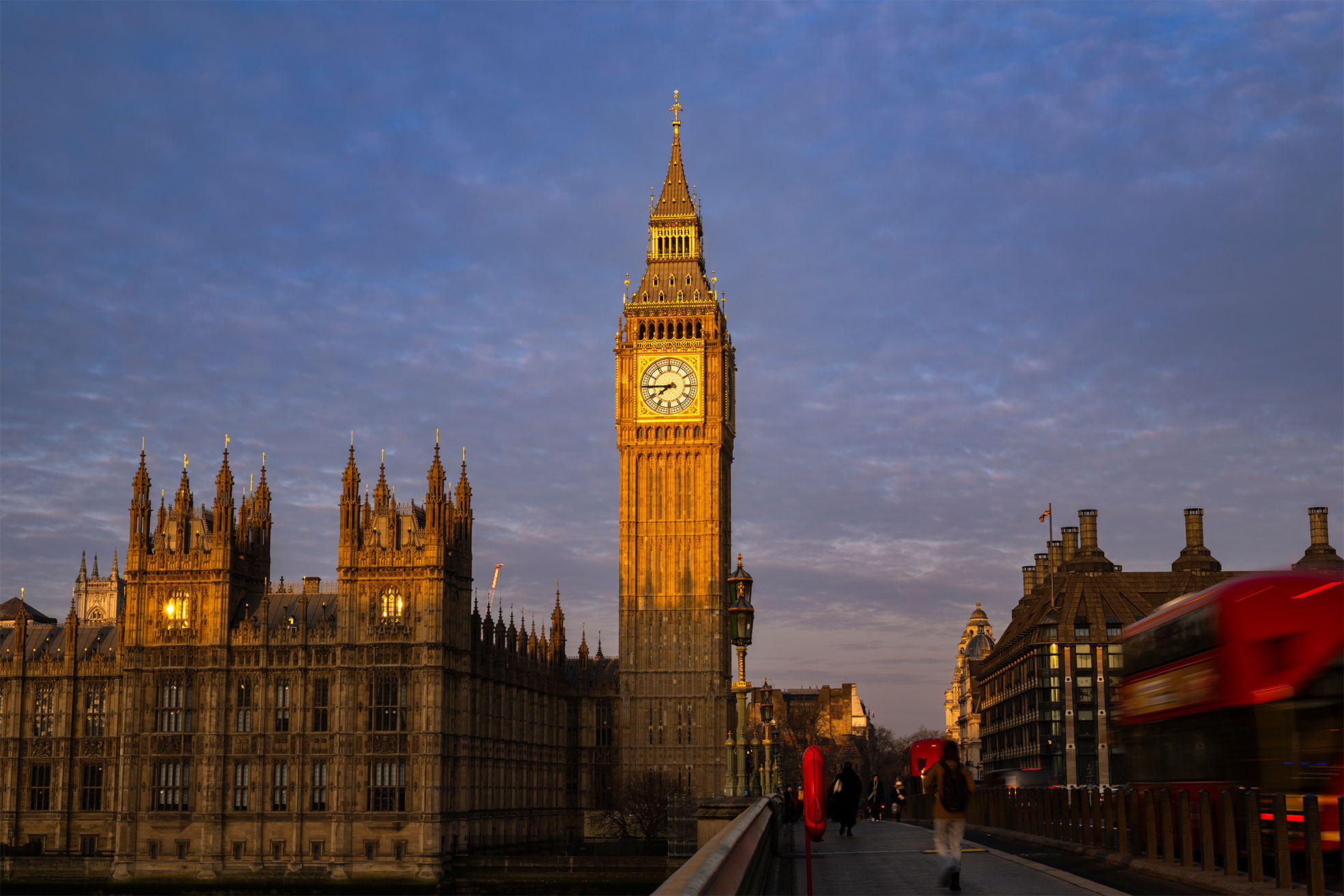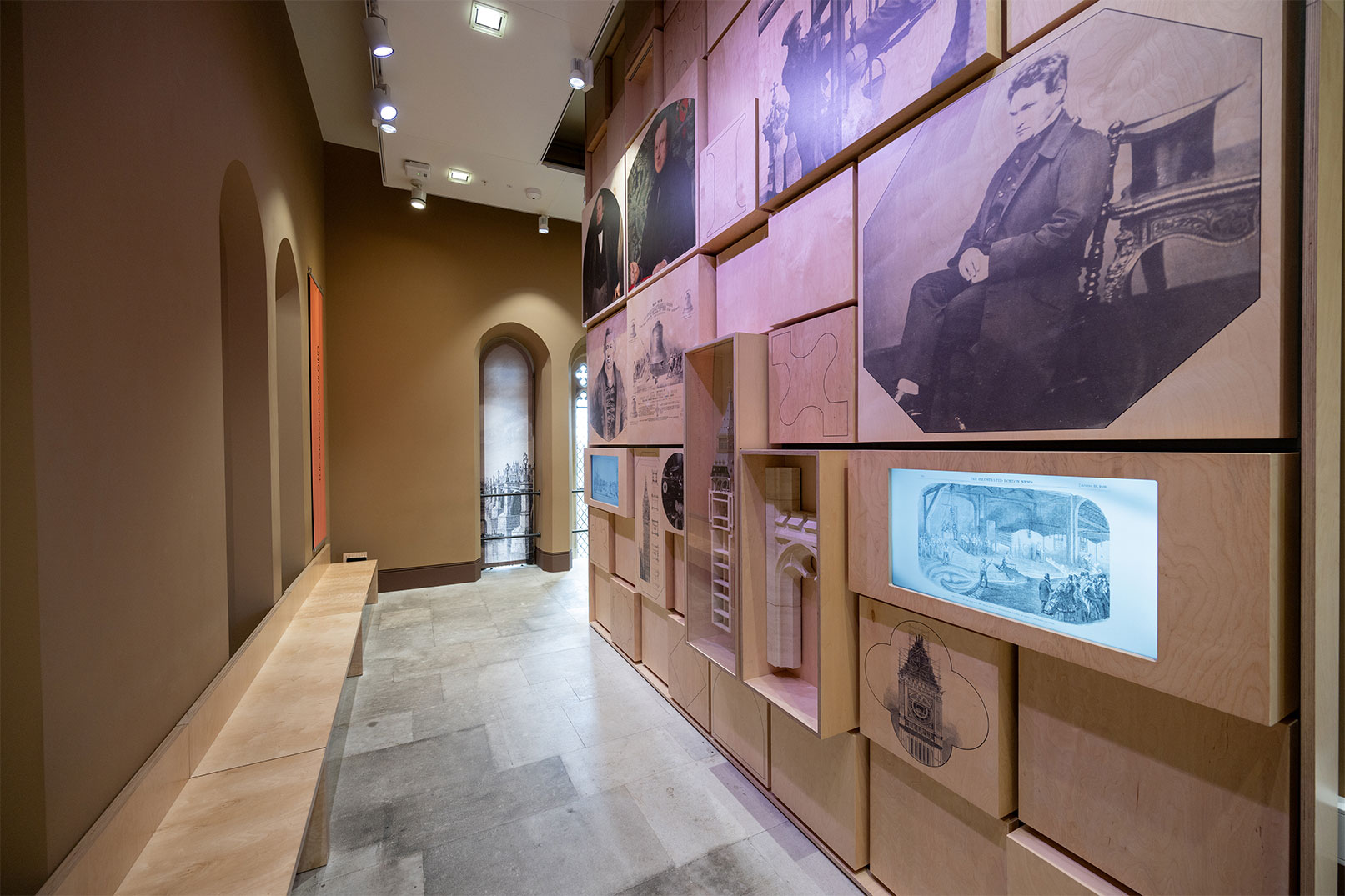


Tom Brigden is an architect and the author of Value in the View: Conserving Historic Urban Views (Riba Publishing, 2018), a comprehensive study of the ideas and philosophies at work in policies of view protection. Brigden studied at the Welsh School of Architecture. He then went on to complete a PhD at Newcastle University before joining Purcell Architects who are notable for their work on iconic heritage projects including the Elizabeth Tower – more commonly known as ‘Big Ben’. “I always knew that I wanted to work with historic buildings because my PhD was in history of architecture,” says Brigden, who is based in the company’s Manchester office in the UK, and he explains how Purcell manages to successfully give even the most desperate cases a new lease of life.
What is Heritage Capital and how can it contribute to strengthening the memory and identity of a city?
Heritage capital is a term gaining traction in discussions about the built environment. It refers to the idea that historic and existing buildings hold value beyond their purely financial worth — something that can’t be captured simply by measuring square footage, rental income, or land prices. There is an inherent value to a building’s impact on wellbeing, the way that they make you feel connected to a place, or proud of the town that you’re from. So in that sense the heritage capital of those buildings is more than their monetary value.
Can you explain what adaptive reuse is and why it plays such a central role in Purcell’s approach to heritage architecture?
People feel really strongly about historic buildings, but many of them have issues in terms of both energy performance and thermal comfort. These buildings are often vacated because they’re difficult to use: they’re really cold in winter and they’re really hot in summer. So for us adaptive reuse is about addressing those issues and ensuring that those buildings still have a life and function in the future.
The buildings are usually protected by laws, what can you do with them when that is the case?
You need to have a very good reason for making changes and a very clear strategy and narrative around why you’re making those changes. We always begin by understanding the heritage significance of a building and keep in mind that alterations to a historic building should support, not erode its heritage significance.
Can you tell me about a project where you’ve successfully made a case for this?
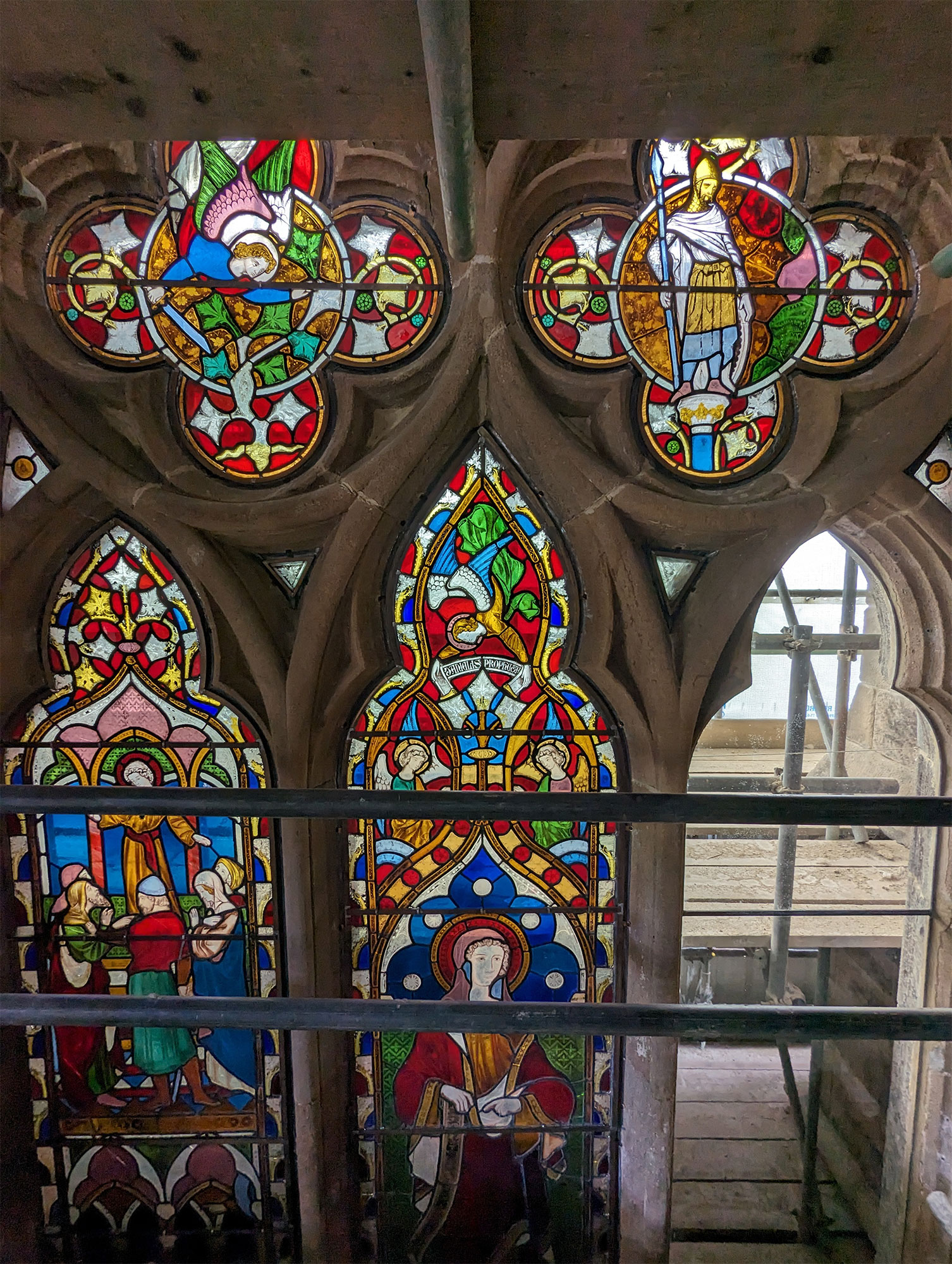
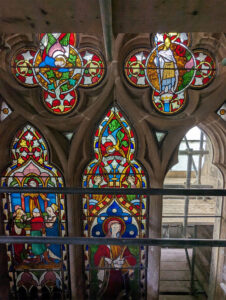
I’m working on a project at Salford Cathedral in Greater Manchester where we have installed environmental protective glazing to all the original Victorian stained glass windows. Because they were historically significant, we used clear glass set in bronze frames, which are visually inconspicuous. The original windows are in the interior environment, making them less susceptible to condensation and weather-related erosion. In this way we are preserving the building for future generations. There is also less heat leakage from the building so we installed a low temperature underfloor heating system when we renewed the flooring throughout.


Was the flooring not significant?
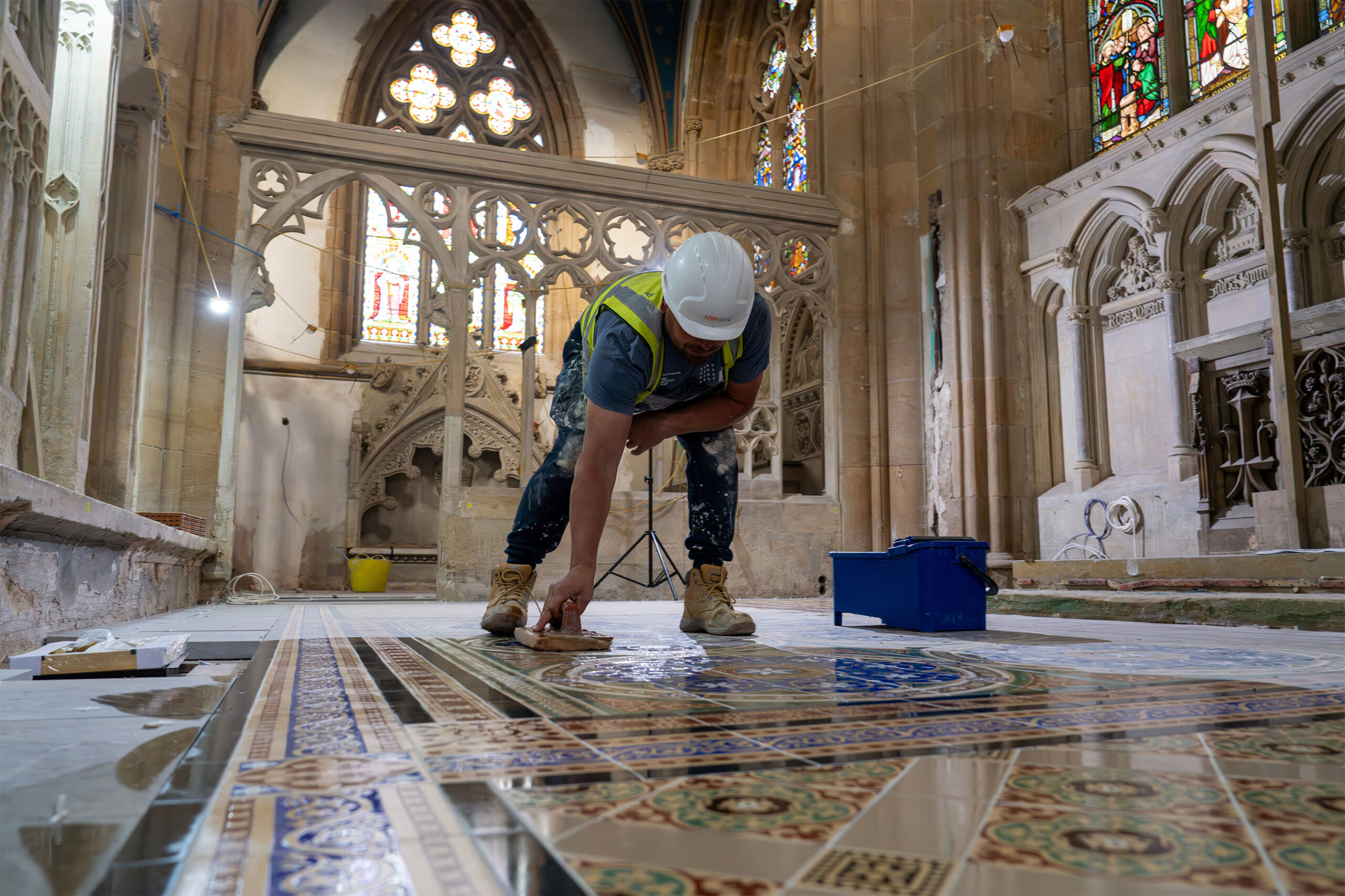
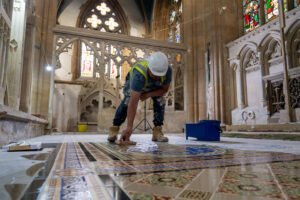
We were lucky in that case because it was an unappealing 1930s terrazzo floor – not the original Victorian floor. It was thought to be detrimental to the building. So our argument was that in replacing the floor with something more sensitive we can also install underfloor heating and insulation, thereby removing the visible pipework and radiators. So now you read the interior of the cathedral without the mess of pipework and heat emitters and at the same time the windows and floor are working together to improve thermal comfort.
How else can adaptive reuse positively affect local communities?
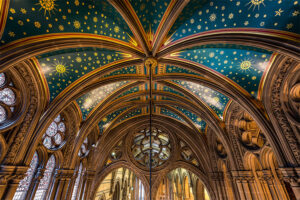
Again at Salford Cathedral for example there are level changes. Here, at the eastern end you’ve got the most significant chapels with carved stonework, encaustic tile floors and beautiful Great East Windows that are in stained glass. So we wanted to get every visitor to that side of the building. Having temporary ramps for people with accessibility issues is not a solution that is fair or equitable – it’s also a bit of an eyesore in a beautiful space. So as part of the internal works we created a slope up one of the aisles, it’s very gradual and this solution doesn’t require handrails so it almost goes unnoticed. If we had installed a lift in this really public setting, it would deter people from entering the building, here we have to accept some loss of historic fabric in order to have level access from the street for all users.
How can architects better engage the public about the social, cultural, and economic benefits of changes like these and investing in heritage?
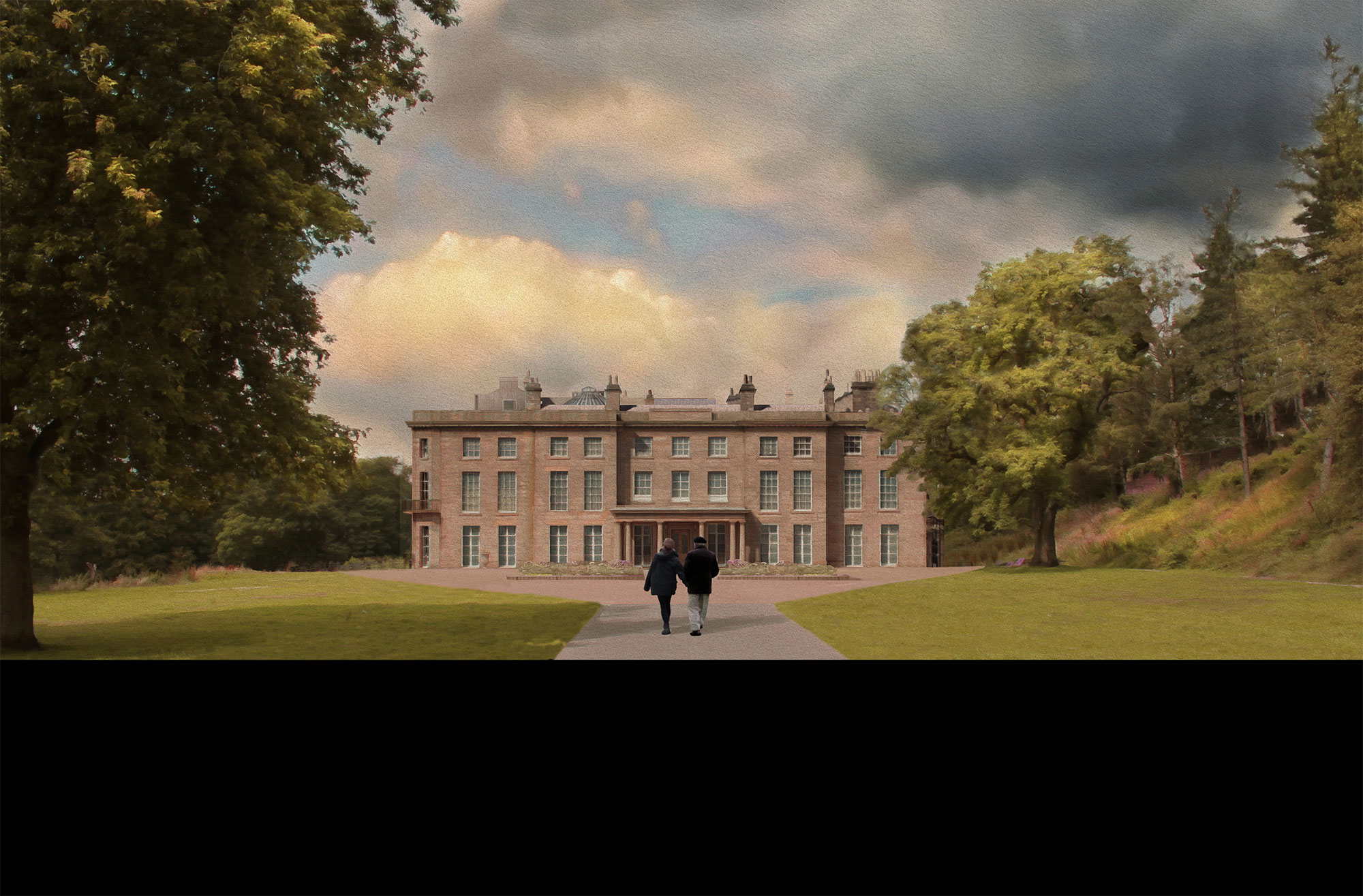
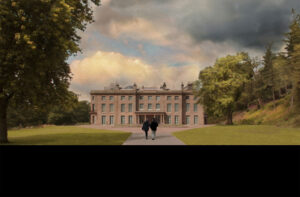
We have social value commitments that we sign up to at the beginning of projects. For example, a project we’re working on — Haigh Hall in Wigan — is a Grade II Georgian-style country house that the Council is converting into a public art gallery. We’ve offered the local community ‘hard hat tours’ of the building during the works. And there has been a great deal of public engagement around the proposals for the project, including an exhibition within the nearby park.

Can initiatives aimed at preserving listed buildings also address the broader social and economic challenges facing the high street?
We prepare what we call conservation area appraisals which examine a high street and its character; what works and what detracts from the street. We set a management plan for that conservation area that provides design guidance on details such as signage, where to place it and so on. In Rochdale we worked on 11 commercial buildings on a high street that had been really neglected. Over 100 years each of those buildings had been adapted in different ways; some lay empty, but many still had functioning businesses. Our scope was to improve that entire street frontage. We did so through research looking at historic photos to create a scheme that gives people civic pride. People look after those spaces better now and there’s more footfall. The town centre feels more vibrant and safer.