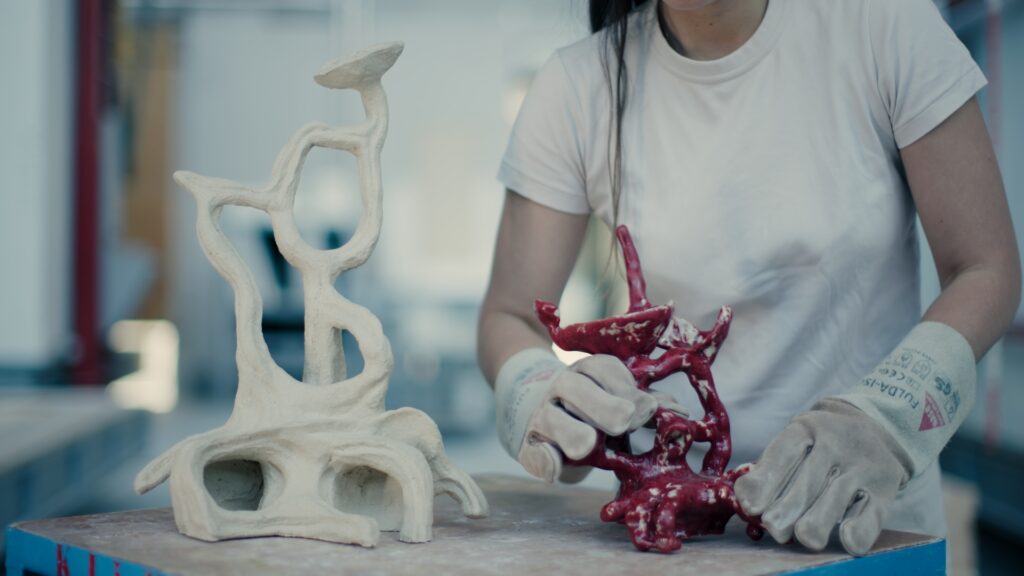


Contemporary debates around artificial intelligence are often framed by two opposing viewpoints. On one side is the enthusiasm for tools capable of accelerating processes, increasing productivity and expanding creative possibilities. On the other is the fear that growing automation may ultimately diminish creativity, standardise visual languages and reduce the role of human agency.
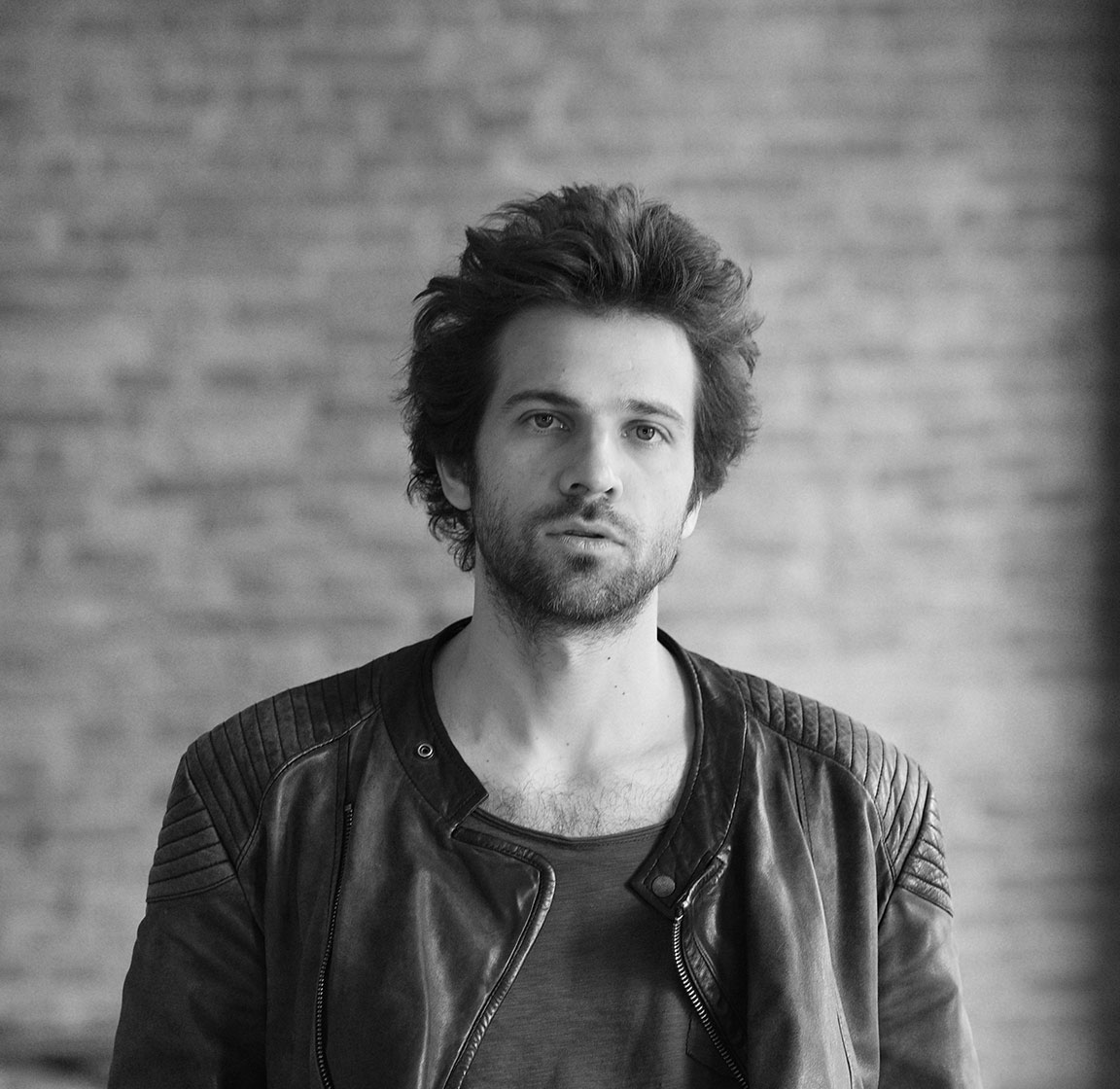
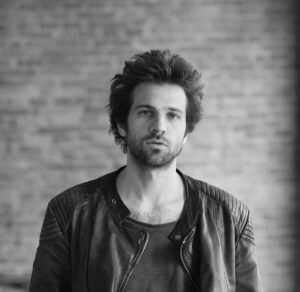
Filippo Nassetti’s work occupies a different space altogether. An Italian designer and artist based in London, Nassetti has spent more than fifteen years working at the intersection of computational design, biological systems and digital fabrication. After studying architecture, co-founding MHOX with Alessandro Zomparelli, and working at Zaha Hadid Design, he developed a research practice that uses algorithms, simulations and emerging technologies to observe nature from new perspectives. In his work, technology is not an end in itself but a means of investigating complex systems, creating unexpected connections across disciplines and imagining forms that resist conventional categories. For several years, his research has centred on the idea of the ‘postnatural’, an ambiguous territory where the boundaries between the natural and the artificial gradually dissolve. To understand how this vision emerged, we began by exploring the origins of his research and the way he now imagines the relationship between humans, machines and matter.
In your work, technology never appears as an end in itself, but as a way of observing and reinterpreting natural systems. When did you realise that computation and biology could genuinely speak to one another?
I think it all begins with a personal fascination. Ever since I was a child, I was captivated by the forms found in nature. I remember coming home from hikes in the mountains with my backpack full of rocks I had collected along the way. My father was a doctor, and I spent hours leafing through anatomy books or looking at microscopic images of tissues. There was a natural curiosity about these worlds. Later I studied architecture and, towards the end of my university years, I encountered an international community of researchers working at the intersection of computational design and natural systems. That was the moment I realised the potential of this dialogue and understood that technology could become a powerful tool for truly grasping the complexity of nature.
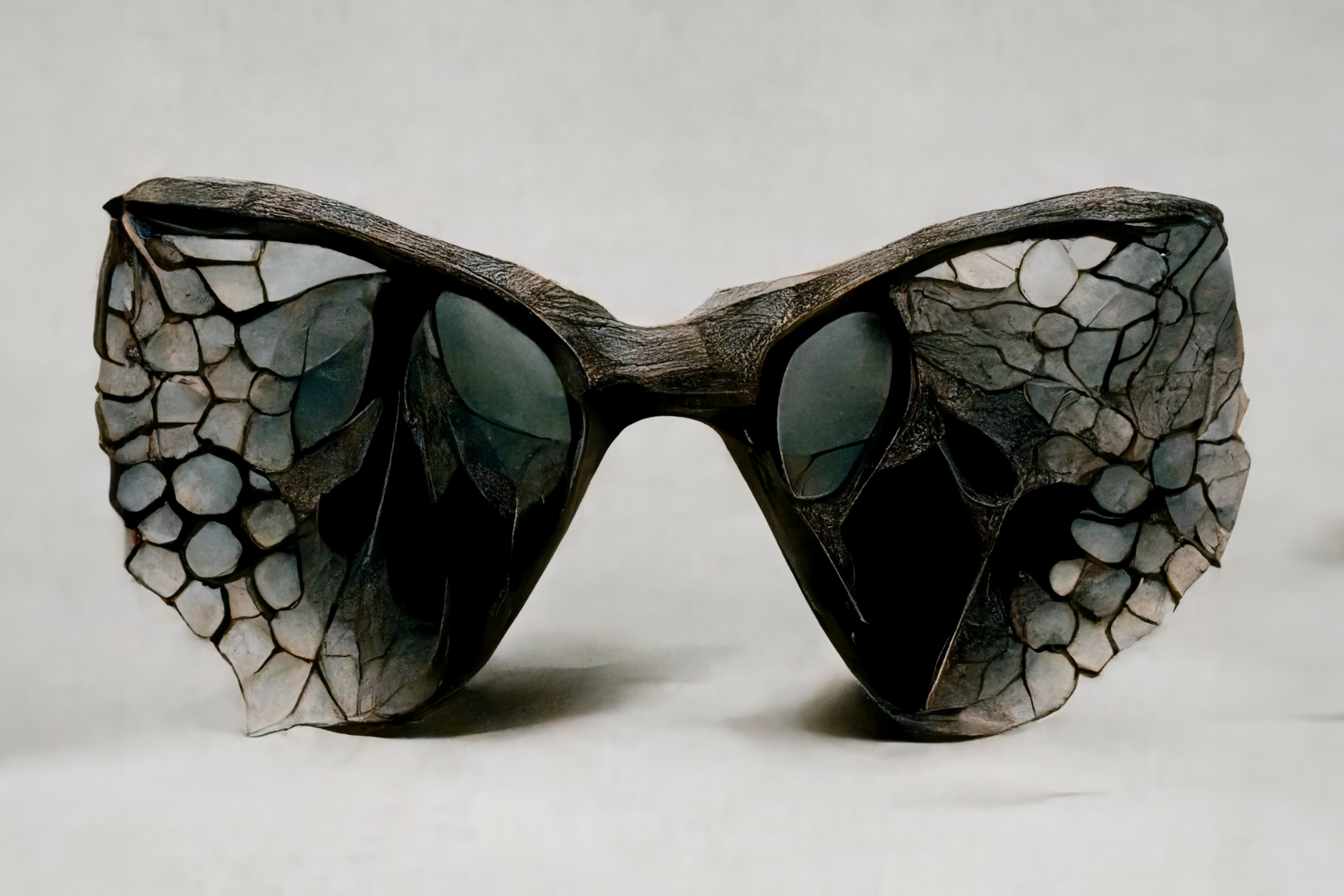
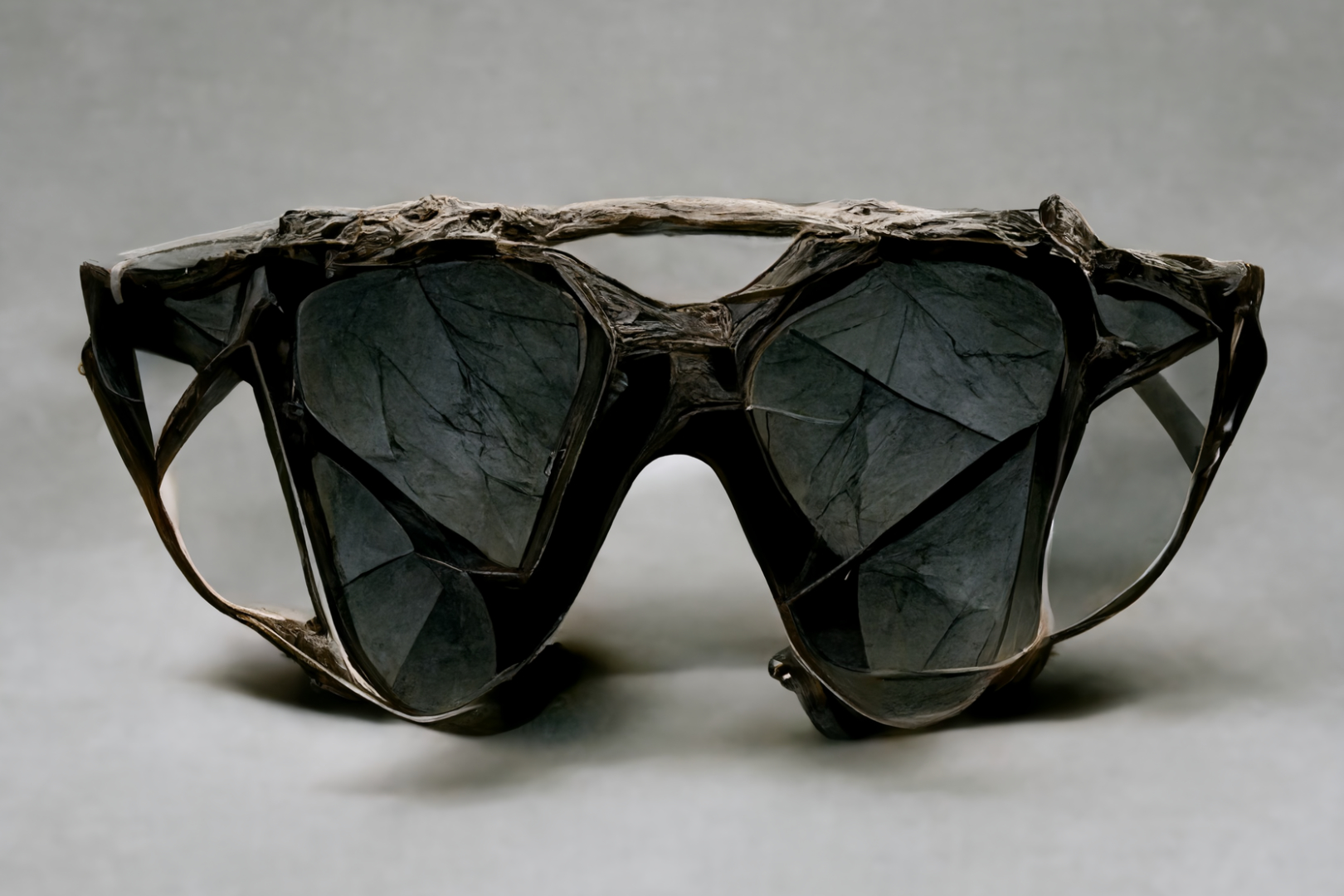
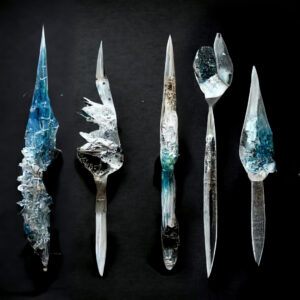
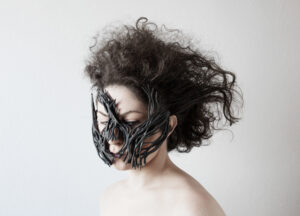
In Postnatural Eyewear, technology seems to generate forms that do not imitate nature but rather suggest an entirely new artificial nature. What does ‘postnatural’ mean to you?
The term ‘postnatural’ emerged from a desire to move beyond a distinction that I find increasingly unhelpful: the one between the natural and the artificial. In our culture these concepts are often presented as opposites. On one side is everything that belongs to nature; on the other, everything produced by humans and technology. My interest has always been to work within the space in between, where those categories begin to blur.
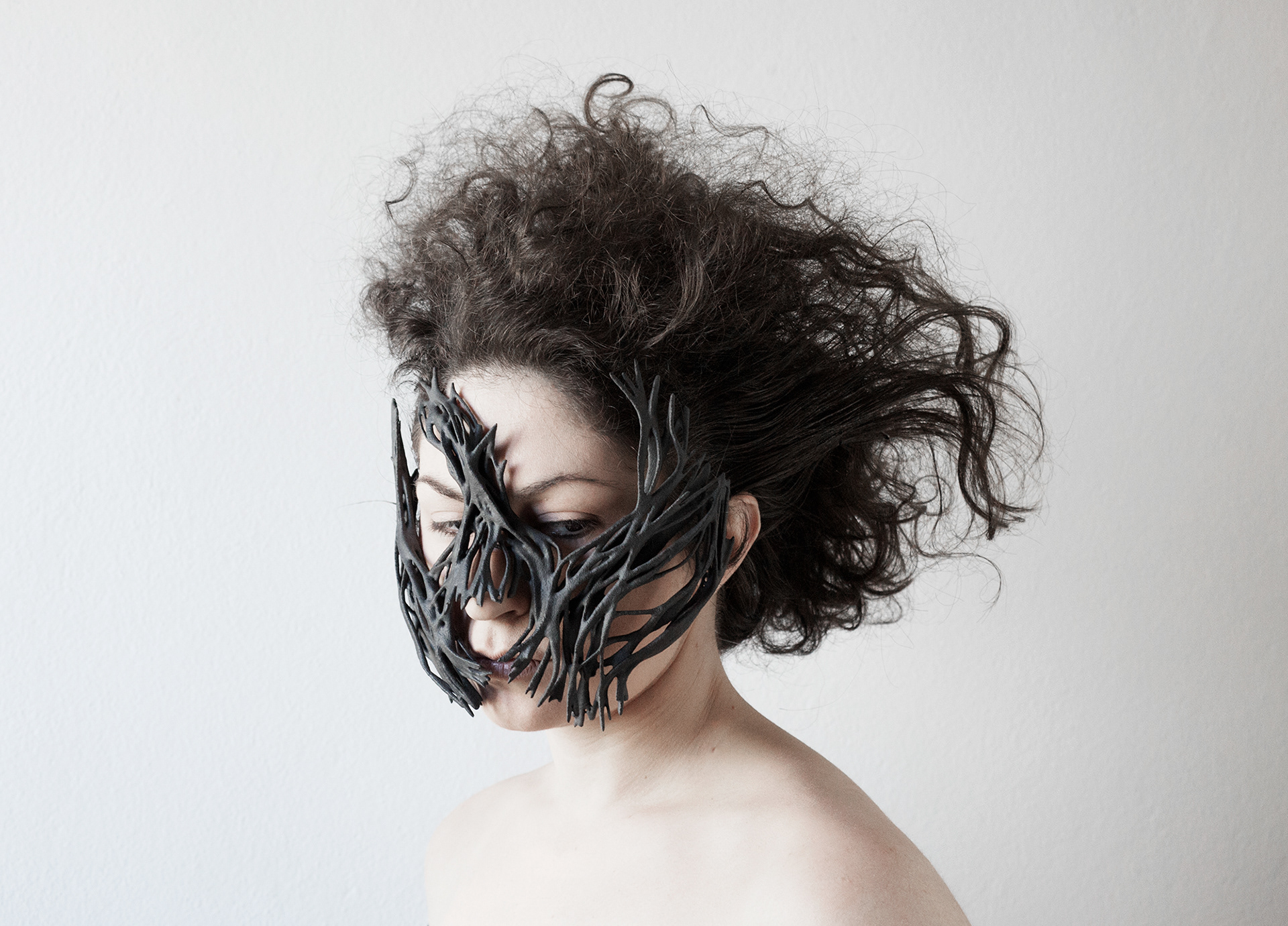
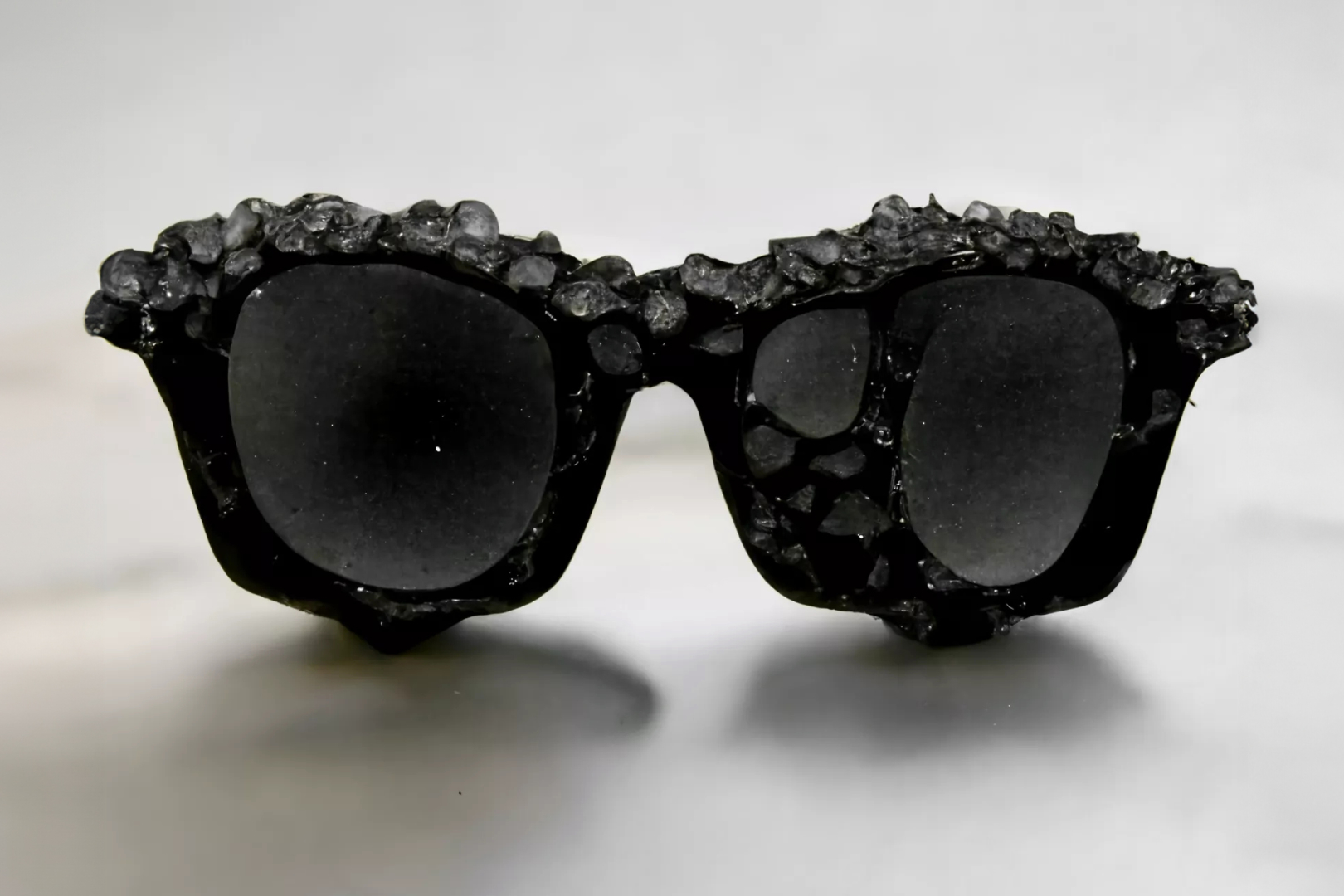
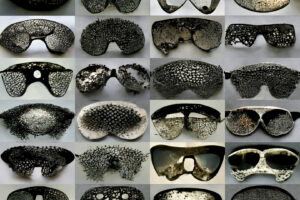
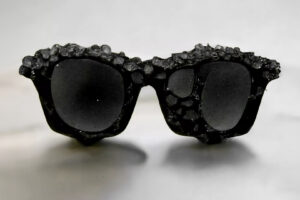
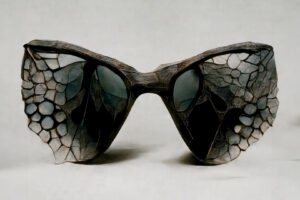
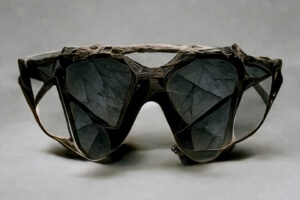
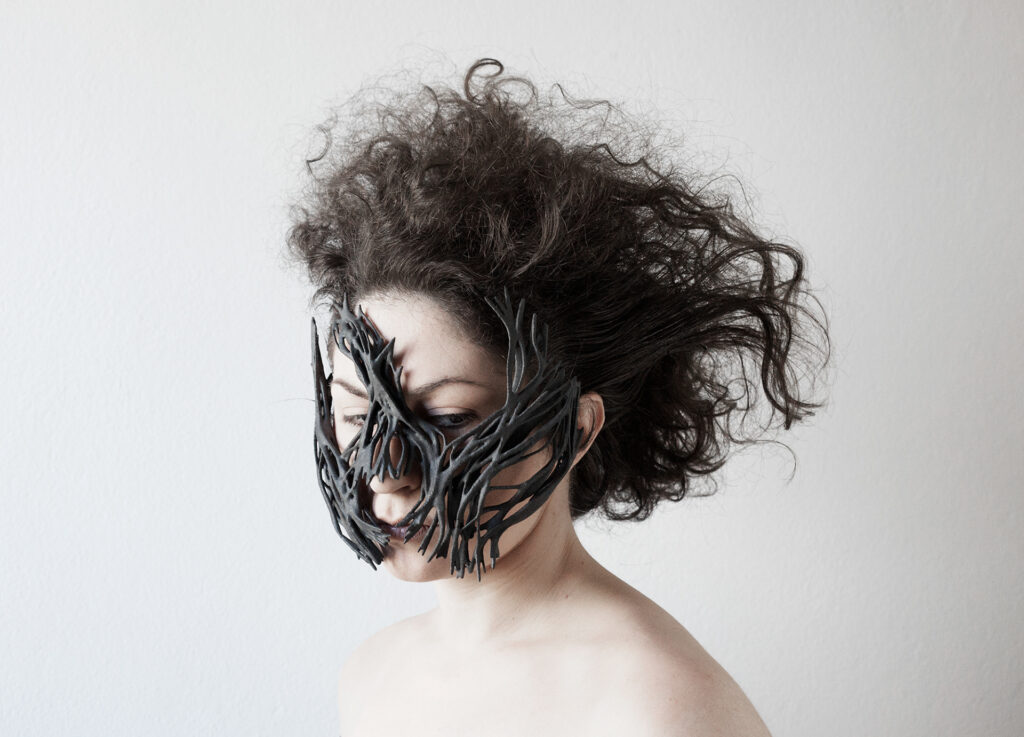
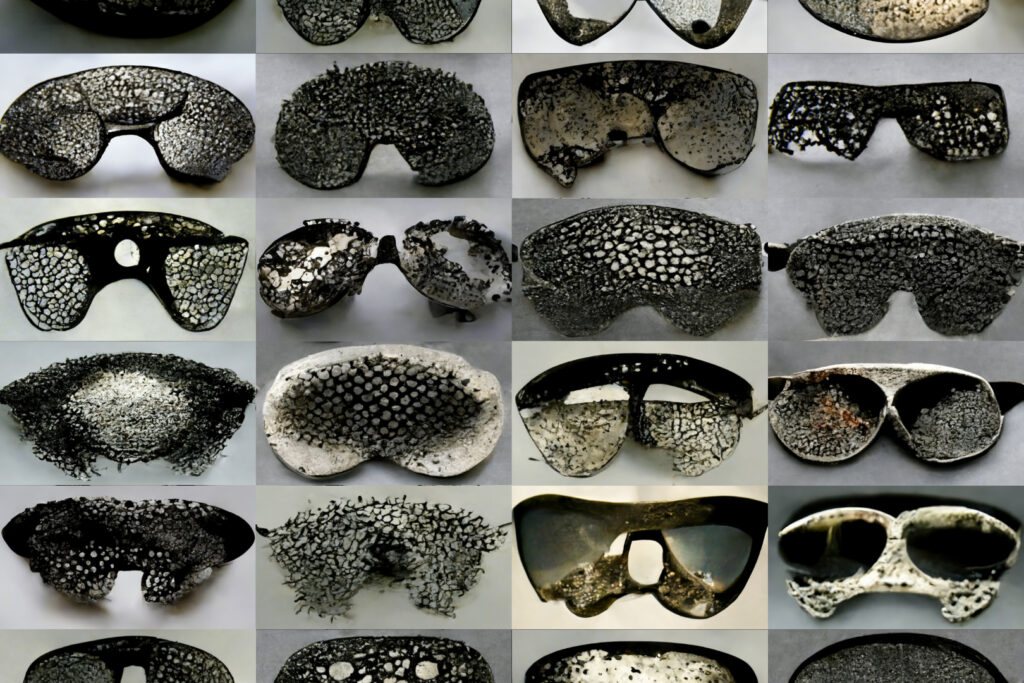
The eyewear developed for Postnatural Eyewear is built around precisely this ambiguity. It doesn’t imitate biological organisms, nor does it aspire to look like a perfectly manufactured industrial product. What interests me is that people looking at these objects experience a moment of uncertainty: Am I looking at a designed object or at a geological formation? Is this a product or an organic structure?It is precisely within that ambiguity that the project finds its meaning.
In many of your projects, matter seems to behave more like a living organism than a static material. Are you interested in establishing a less hierarchical relationship between humans, machines and matter?
Much of my work is driven by aesthetic concerns, in the sense of developing visual languages and an artistic discourse. At the same time, it resonates with a broader current of thought that seeks to rethink the relationships between humans and non-human entities, between the natural and the artificial, and between different forms of intelligence: human, biological and artificial. Within that conversation, the role of matter is fundamental. So yes, my work inevitably touches on ethical and even political questions: finding new ways of balancing our relationship with natural systems and moving towards relationships that are less hierarchical and more horizontal.
Artificial intelligence is changing both the way we design and our aesthetic sensibility. What do we risk losing if design follows efficiency alone?
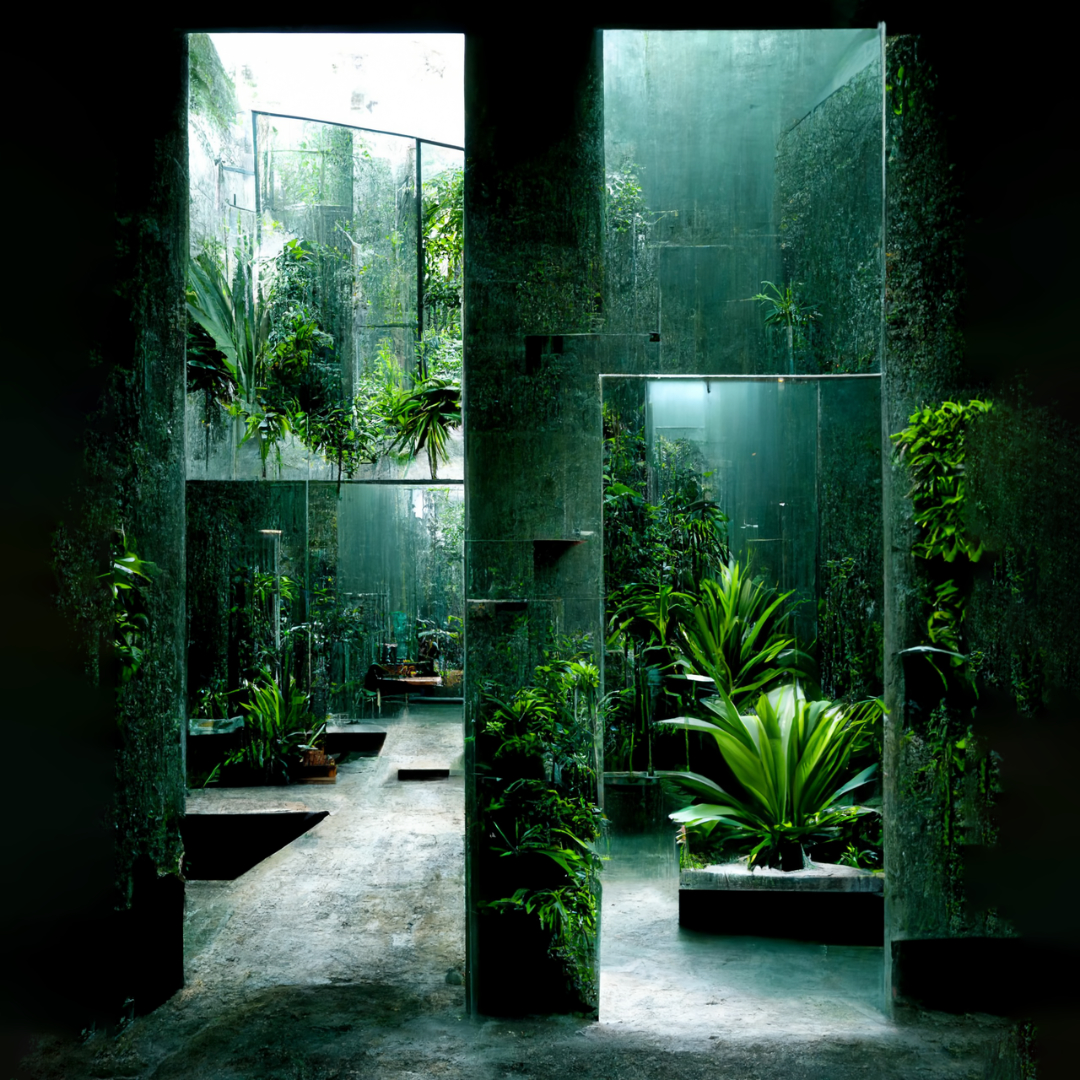
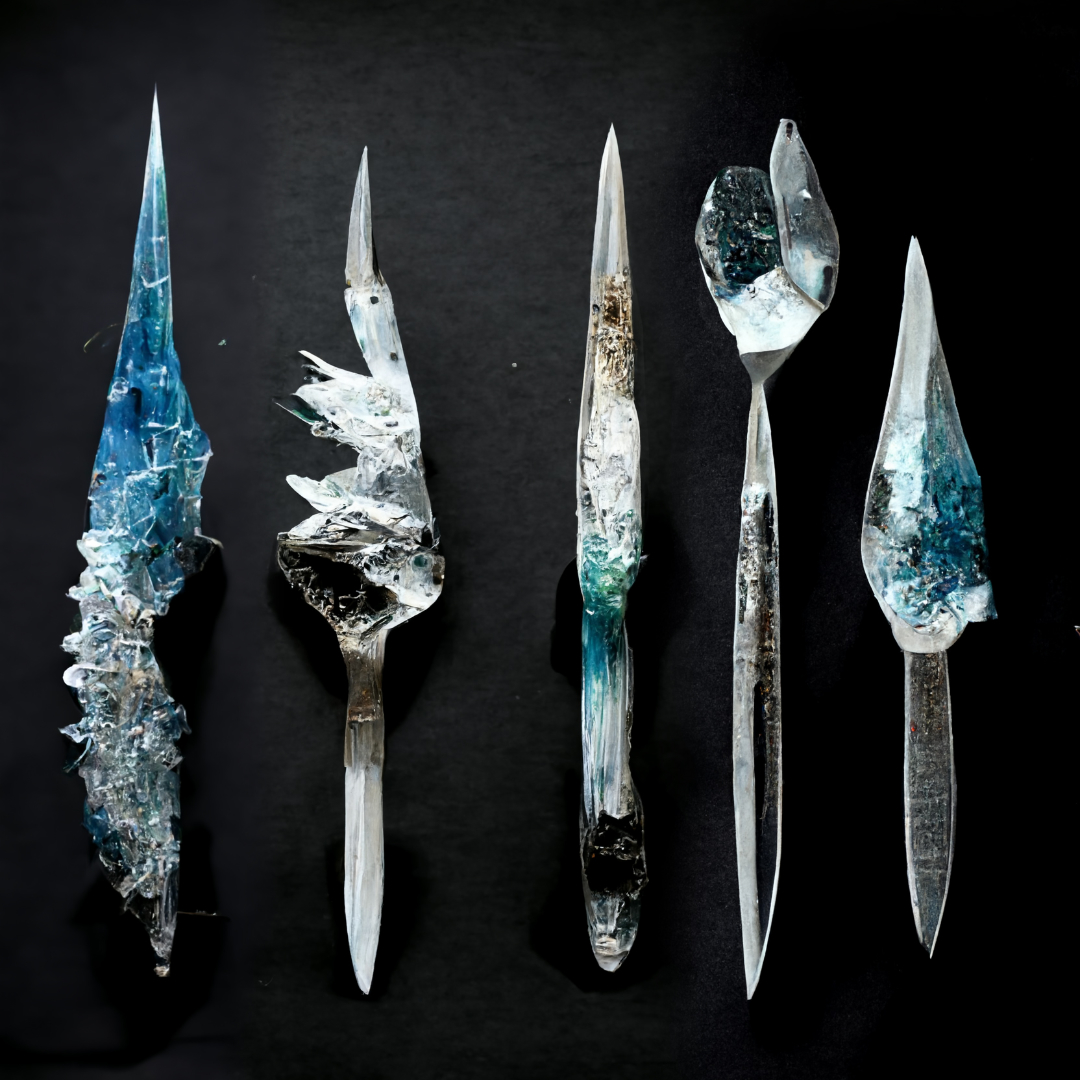
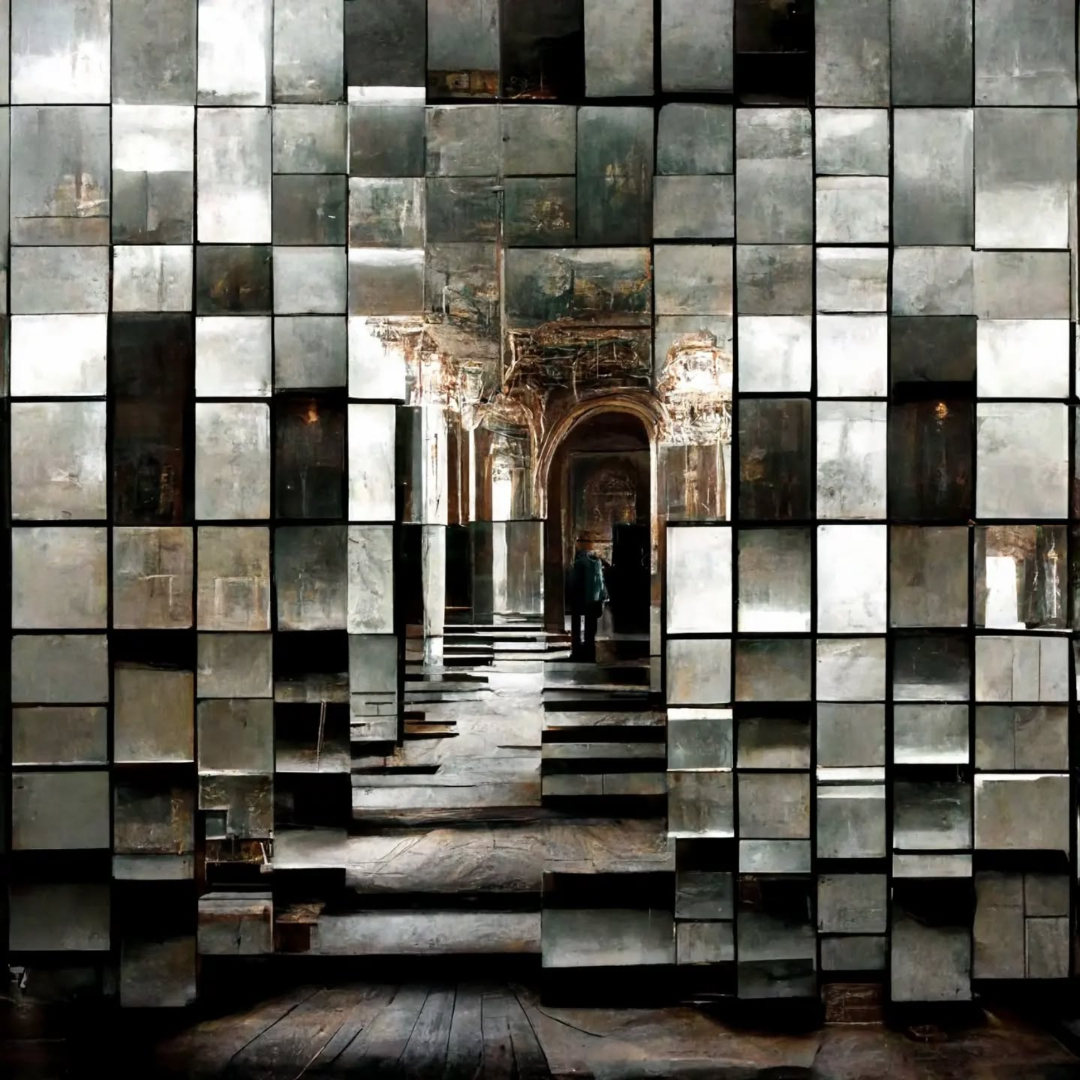
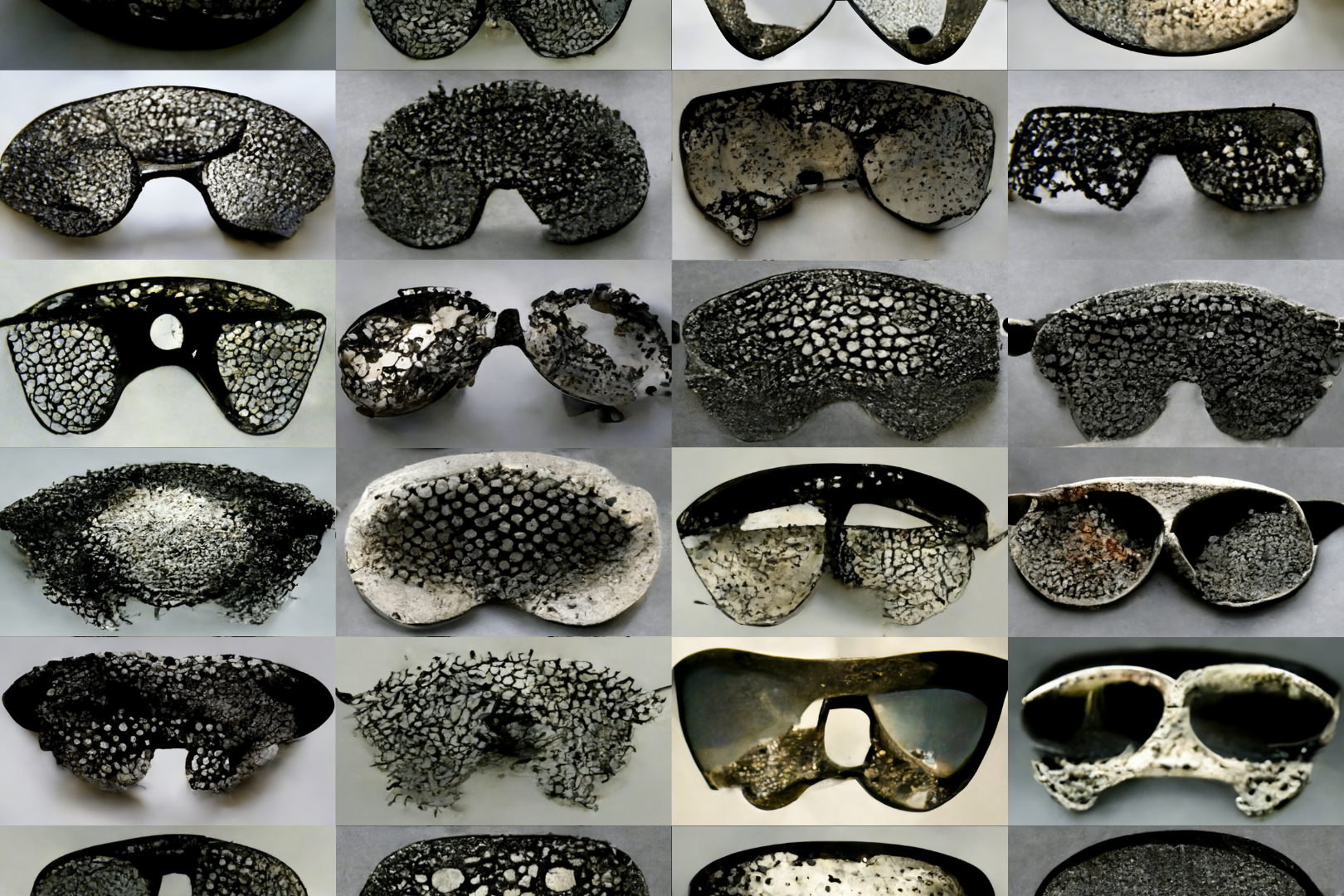
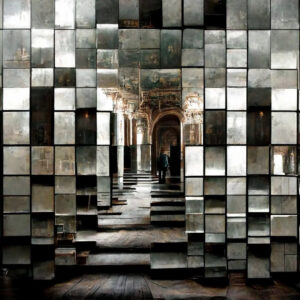
We risk losing the time that ideas need to develop. The creative process doesn’t work the way the rhetoric of productivity would have us believe. Ideas require time to settle. They need variations, mistakes, reflection and patience. Paradoxically, I found the first generation of generative AI more interesting precisely for this reason. It produced imperfect, inconsistent and ambiguous images, and those imperfections opened up unexpected possibilities. Today, the dominant direction is towards coherence and predictability. We gain efficiency, but we lose something much more subtle: the capacity to generate something that doesn’t yet exist. Current AI systems tend to reinforce existing aesthetics, reproduce recognisable styles and evoke familiar visual worlds. They become shortcuts to what we have already seen. And this isn’t just an AI problem; it’s part of a broader cultural tendency that increasingly favours nostalgia over experimentation. We see it in music, fashion, design – in the endless cycle of reissues and revivals. Artificial intelligence simply amplifies this dynamic because reproducing what already exists is easy. Creating something genuinely new is much harder.
Sustainability is often discussed in terms of technical performance or reducing environmental impact. In your work there also seems to be a cultural dimension to sustainability. How would you define it?
I think sustainability is too often reduced to questions of metrics, efficiency and resource optimisation, these are essential issues, but they are not enough. For me, sustainability also has a cultural and imaginative dimension. It means questioning the models that shape the production of objects, reconsidering our relationship with matter, and reflecting on the narratives we build around technology. If we continue imagining the future through the same paradigms that helped create today’s crises, we may achieve technically better results while remaining culturally unchanged. Sustainability is also about our capacity to imagine different ways of inhabiting the world.
Between technological optimism and concerns about AI, where do you see the most constructive space for design today?
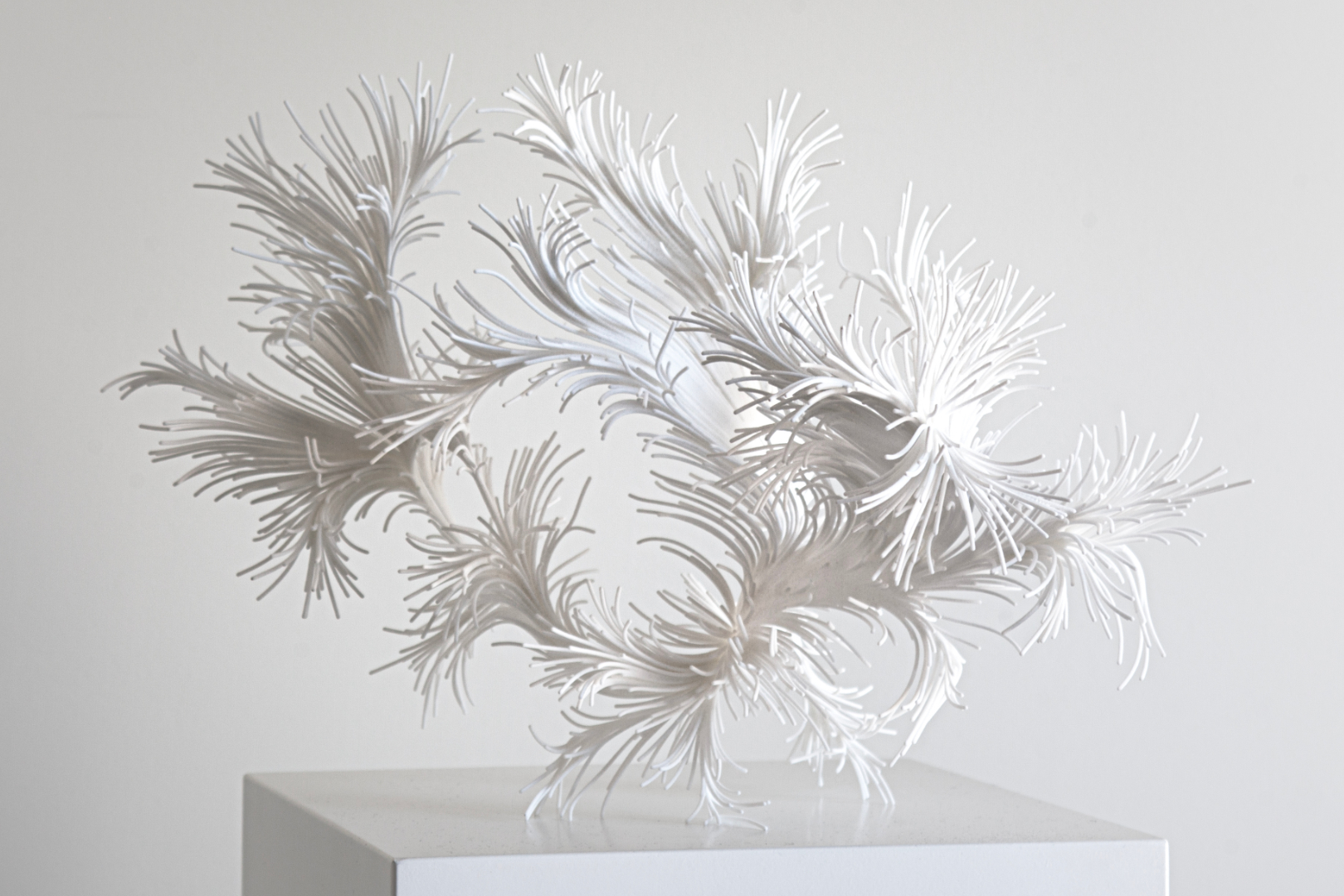
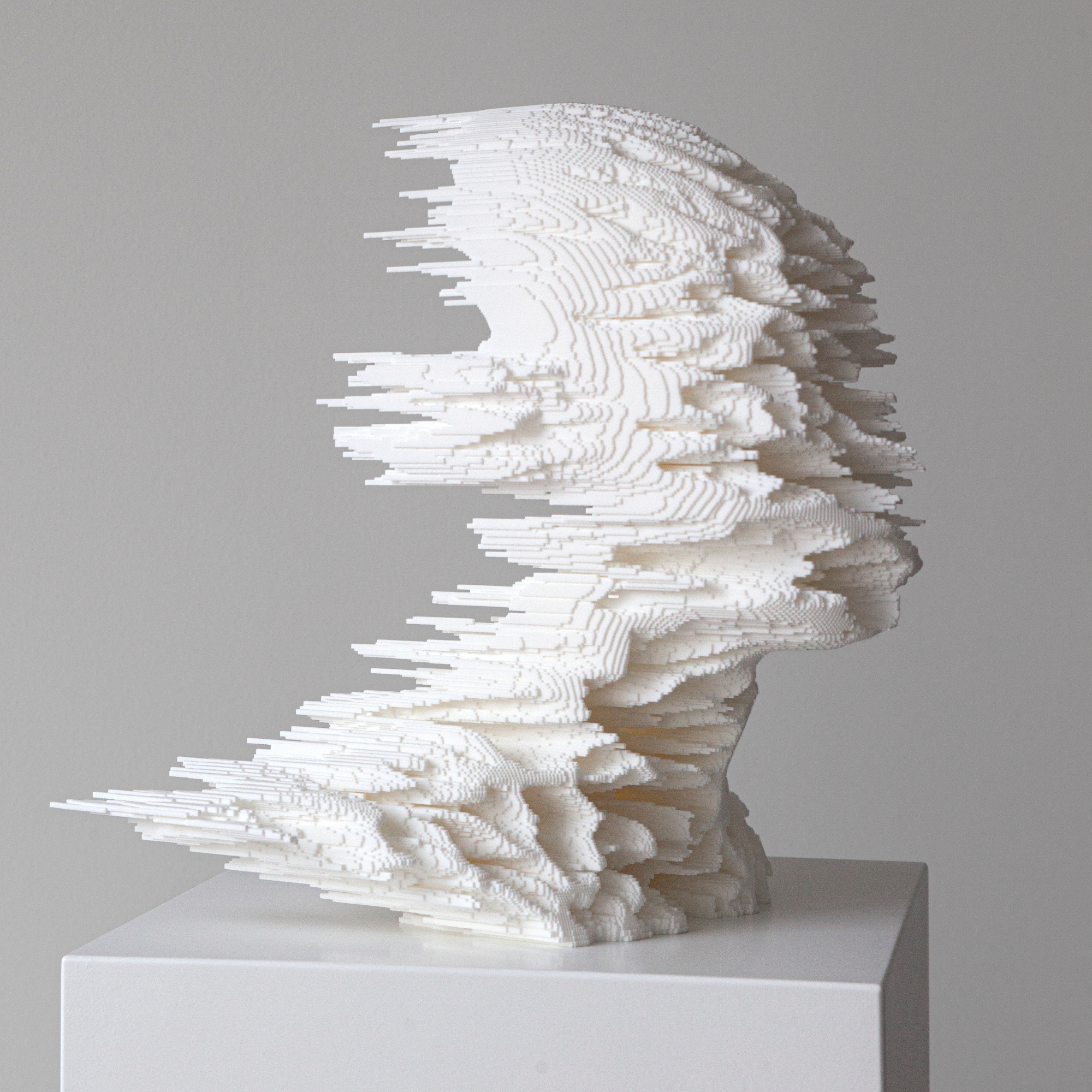
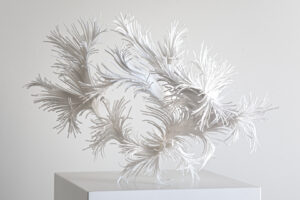
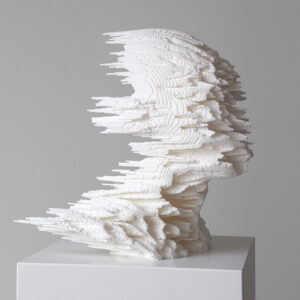
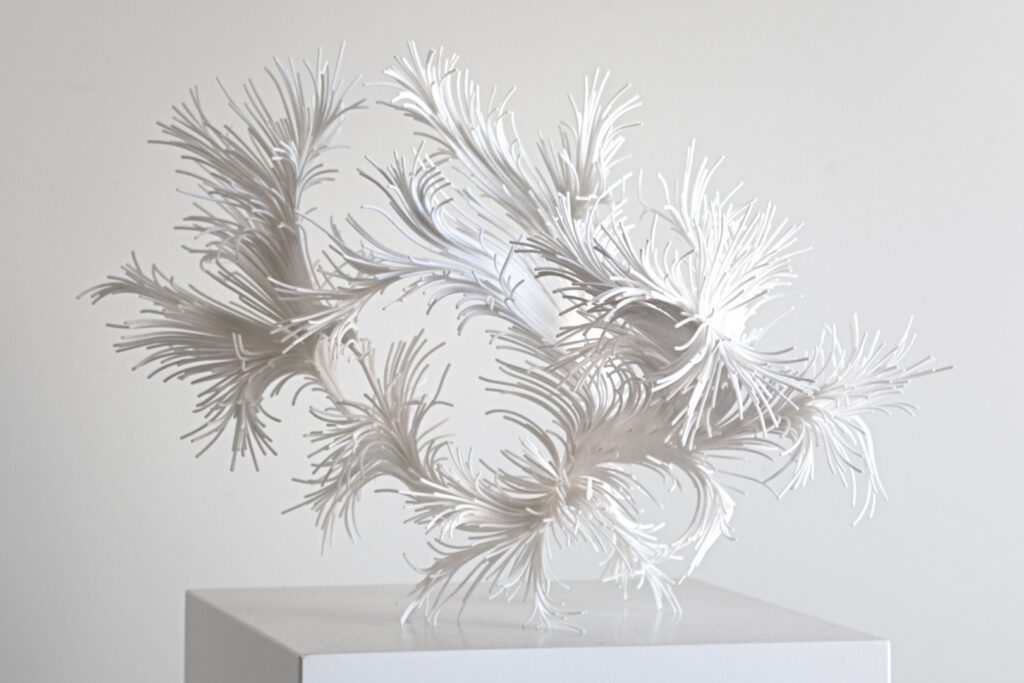
I see it at the boundaries. The most interesting developments happen where different disciplines begin to overlap: design and scientific research, architecture and fashion, art and technology. It is often at these points of intersection that the most meaningful questions emerge. A good example is Breathing Architecture, the project I developed in 2024 during my residency at the Barcelona Supercomputing Center. The research grew out of a collaboration with scientists studying the human respiratory system. Using computational tools, we analysed the microscopic structures of pulmonary alveoli – the tiny air sacs where gas exchange takes place in the lungs – and transformed those scientific datasets into a series of 3D-printed sculptures. The very same datasets researchers use to study the distribution of drugs and pathogens inside the lungs became form, material and physical objects. For me, this represents the most exciting future for design: collaborations between fields that rarely speak to one another, between different forms of expertise, and, in some cases, between humans and machines, expanding what we are capable of imagining.