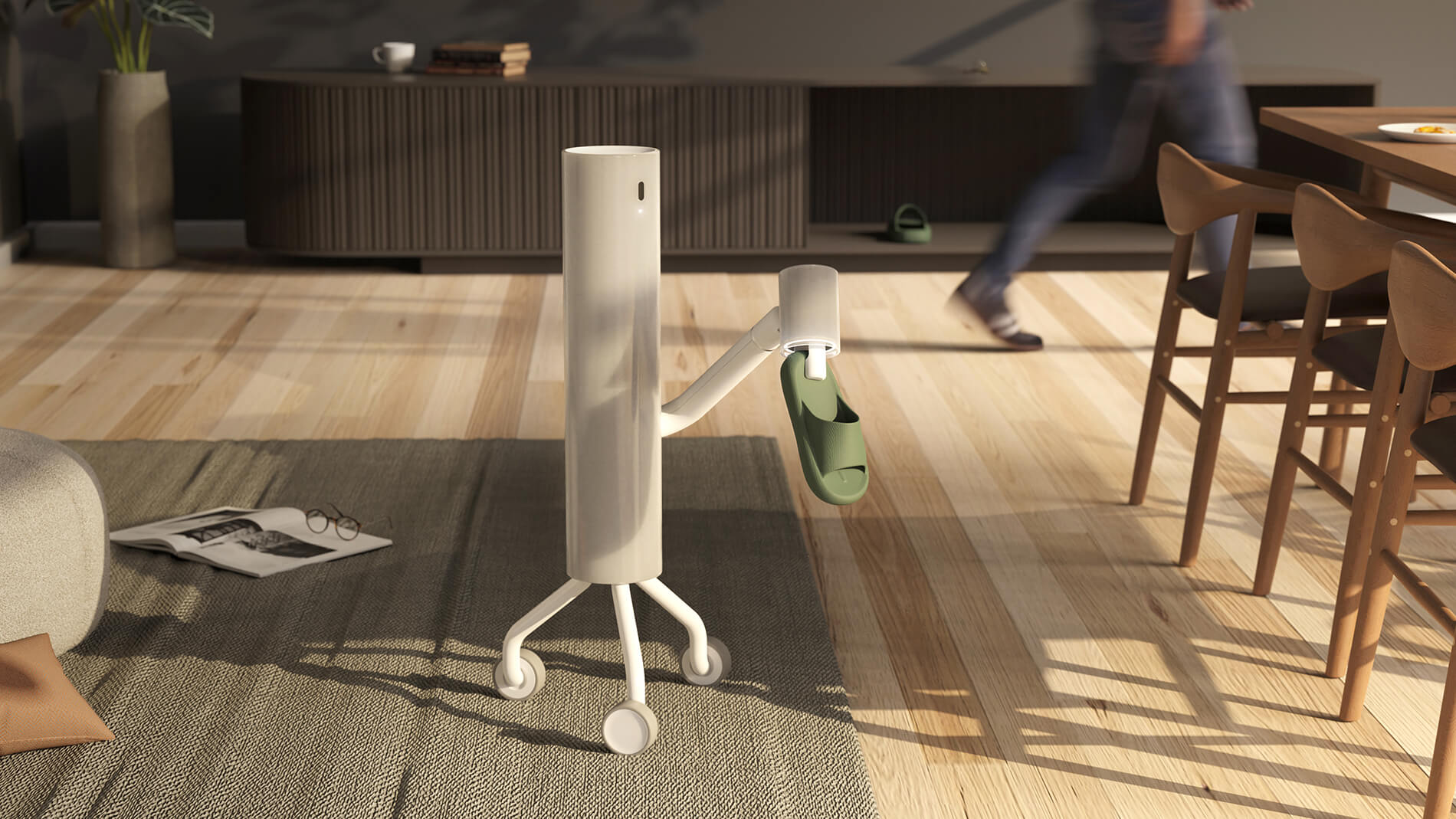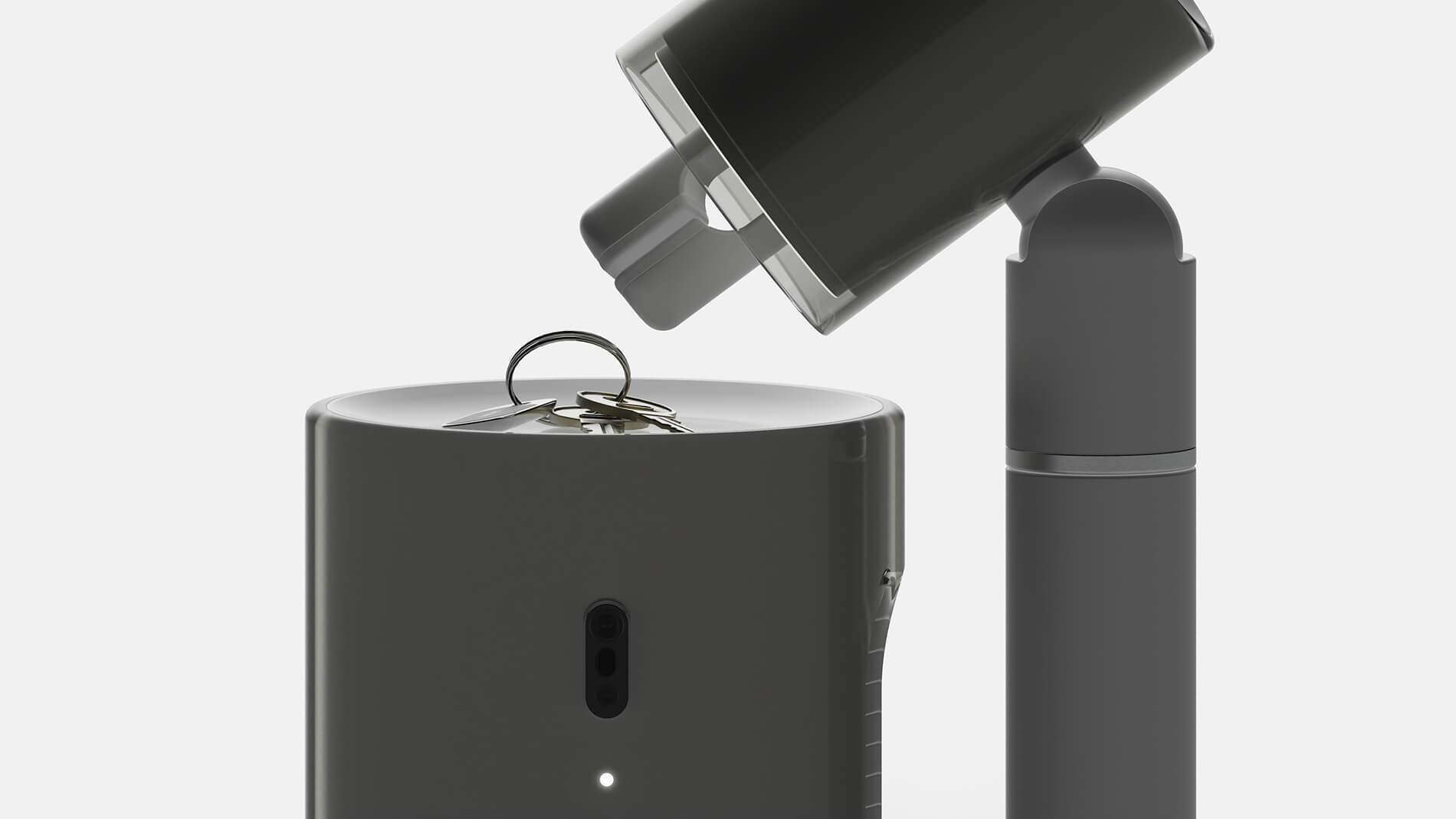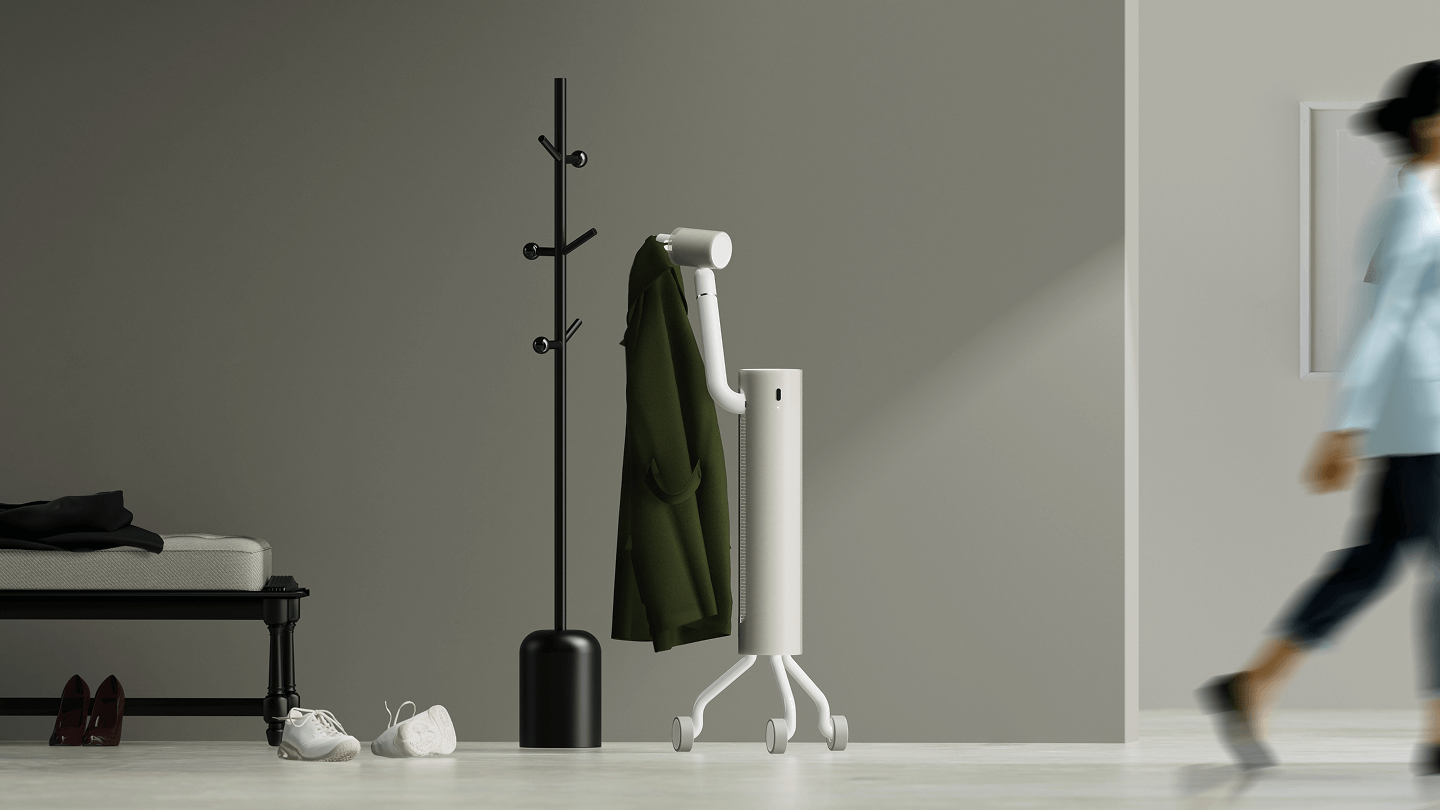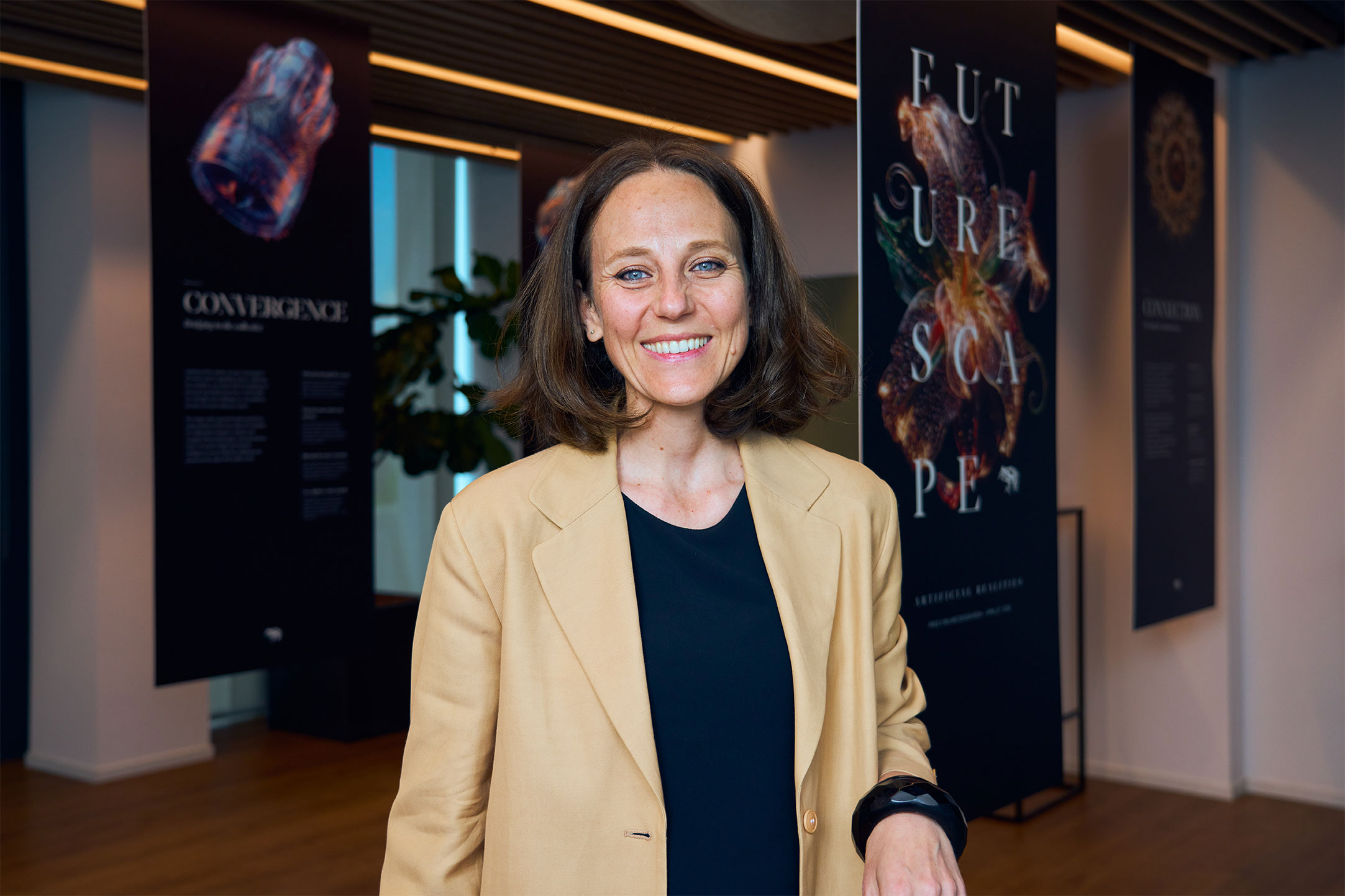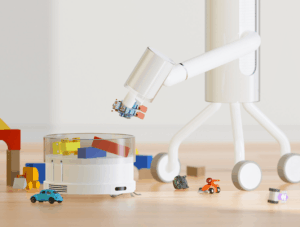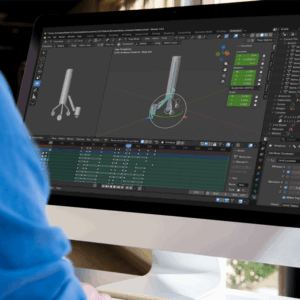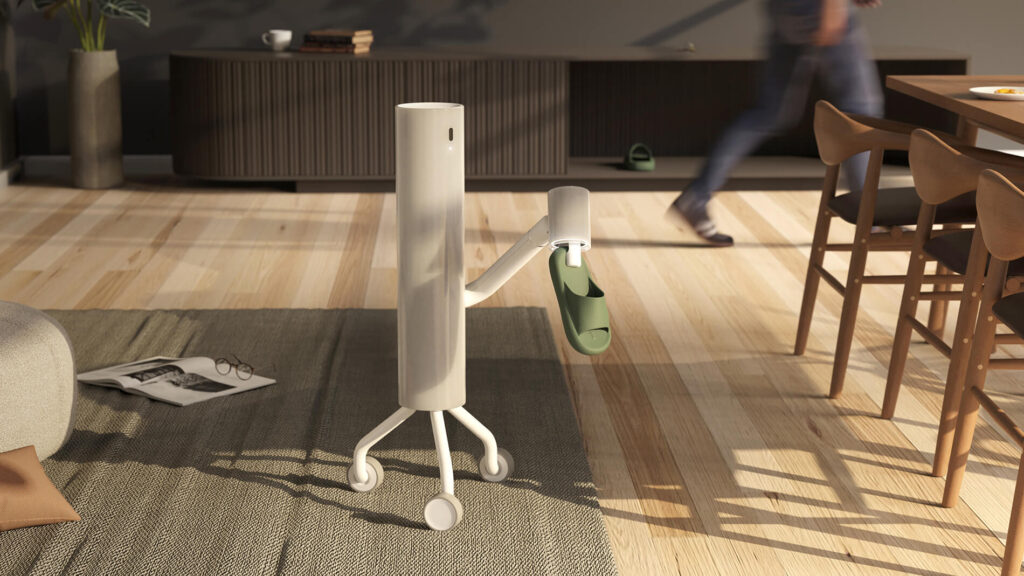


When Spike Jonze’s Her was released in 2014, the story of a lonely writer falling in love with the voice of an operating system belonged firmly to the realm of science fiction. “Today, it feels much more like a design brief”, says Chiara Diana, Vice President, Global Chief Design Officer and Head of the Innovation Team at frog (part of the Capgemini Group), one of the world’s leading creative consultancies working at the intersection of technology, future forecasting and design.
We spoke with her about the integration of AI into the objects that surround us, a highly topical issue. While humanoid robots and robotic dogs tend to dominate headlines, intelligence – or rather the statistical mechanisms we call intelligence – is already embedded in many everyday products, from mirrors and glasses to refrigerators. According to experts, we are standing on the threshold of a major transformation, one in which designers will play a crucial role. They will be responsible for giving form to these new intelligences and shaping the ways, full of opportunities but not without risks, in which they will interact with human beings. This unique moment, when everything is about to change but the direction of that change is still unclear, became the starting point of our conversation.
People are talking a lot about intelligent objects. Why now? What conditions are making their rapid growth possible?
We are undoubtedly living through a moment of profound transformation, both technologically and from the consumer’s perspective. Jensen Huang, CEO of Nvidia, recently described at CES 2026 what he called a turning point for physical AI, comparable to the impact ChatGPT had on generative AI. We are witnessing the convergence of several factors that now allow us to create intelligences capable not only of understanding language, but also of interpreting the physical characteristics of their surroundings and acting appropriately based on that understanding. At the same time, these technologies are becoming both accessible and scalable.

What exactly has changed?
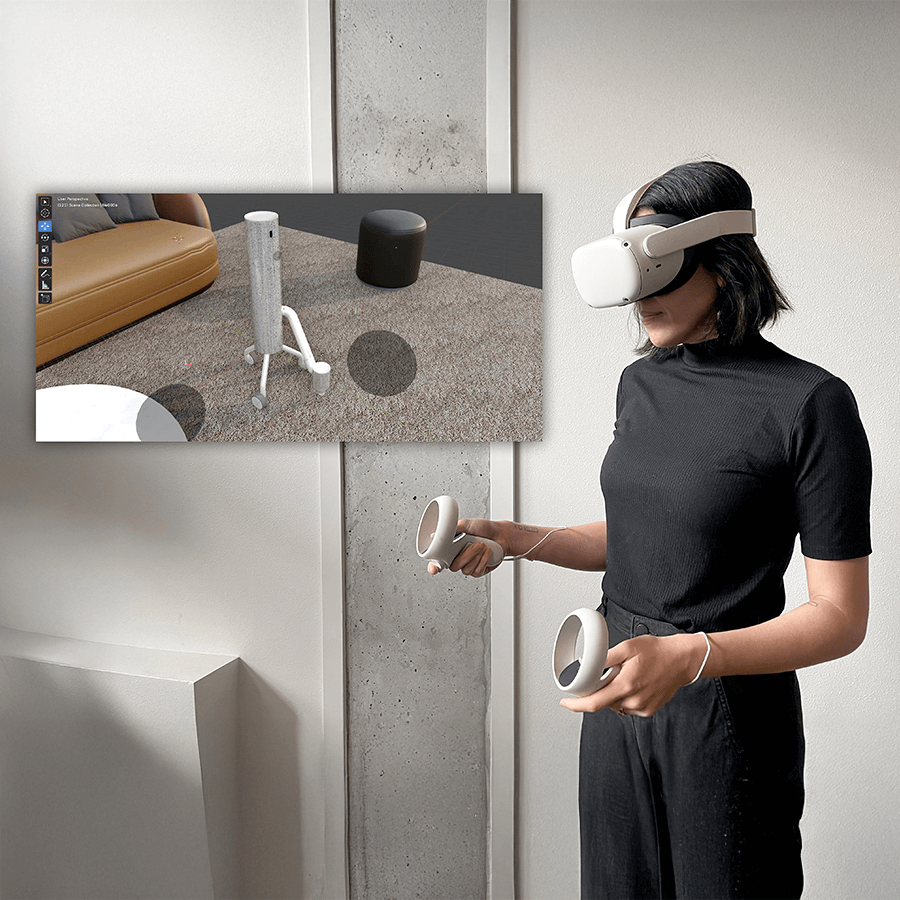
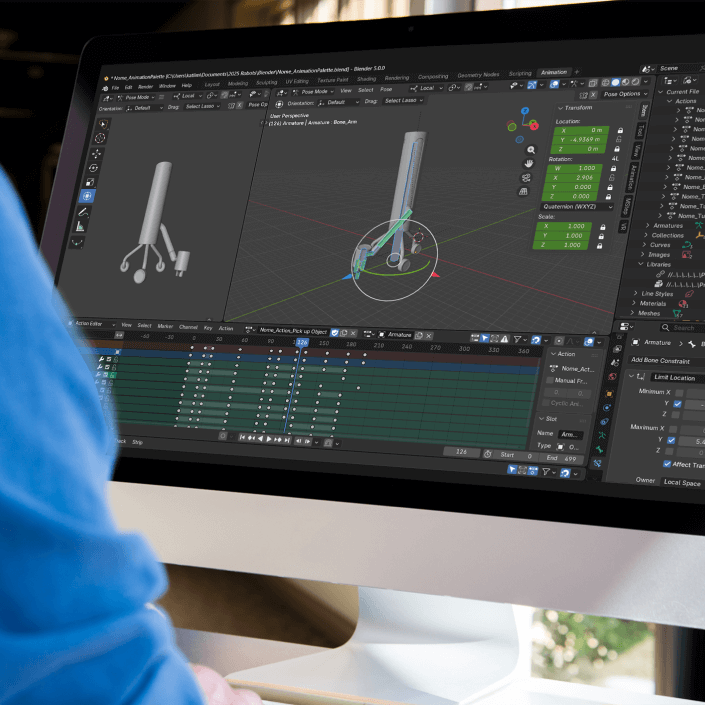
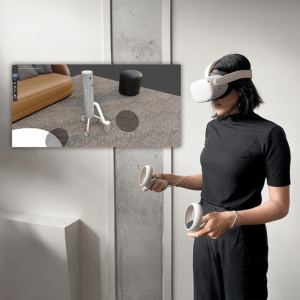
First of all, connectivity has improved dramatically, not only in terms of availability but also in terms of speed and latency, the time that passes between an input and the corresponding response. Then there is the evolution of sensor technology. Sensors that only a few years ago were installed on Google’s mapping vehicles and used in a handful of experimental applications can now be mass-produced and integrated into an enormous variety of products. Miniaturisation gives designers unprecedented formal freedom and flexibility. Smart rings, for example, can now incorporate sophisticated physiological sensors into devices weighing just a few grams. A third, less visible but equally important factor concerns learning capabilities. Today we can train these systems inside virtual environments, where experimentation is both safer and easier to control.
What are the main challenges for designers?
Like any design project, these products present very specific technical complexities. In wearable devices such as smart glasses, for example, material selection is critical because it directly affects how antennas transmit data. Weight distribution is another important challenge: the placement of components such as batteries has a major impact on comfort and balance. The biggest challenge, however, lies elsewhere. When designing intelligent systems, we need to determine how they can interpret an unscripted environment, one that cannot be fully anticipated, as well as understand people’s intentions in real time and decide how to respond.
What do you mean by that?
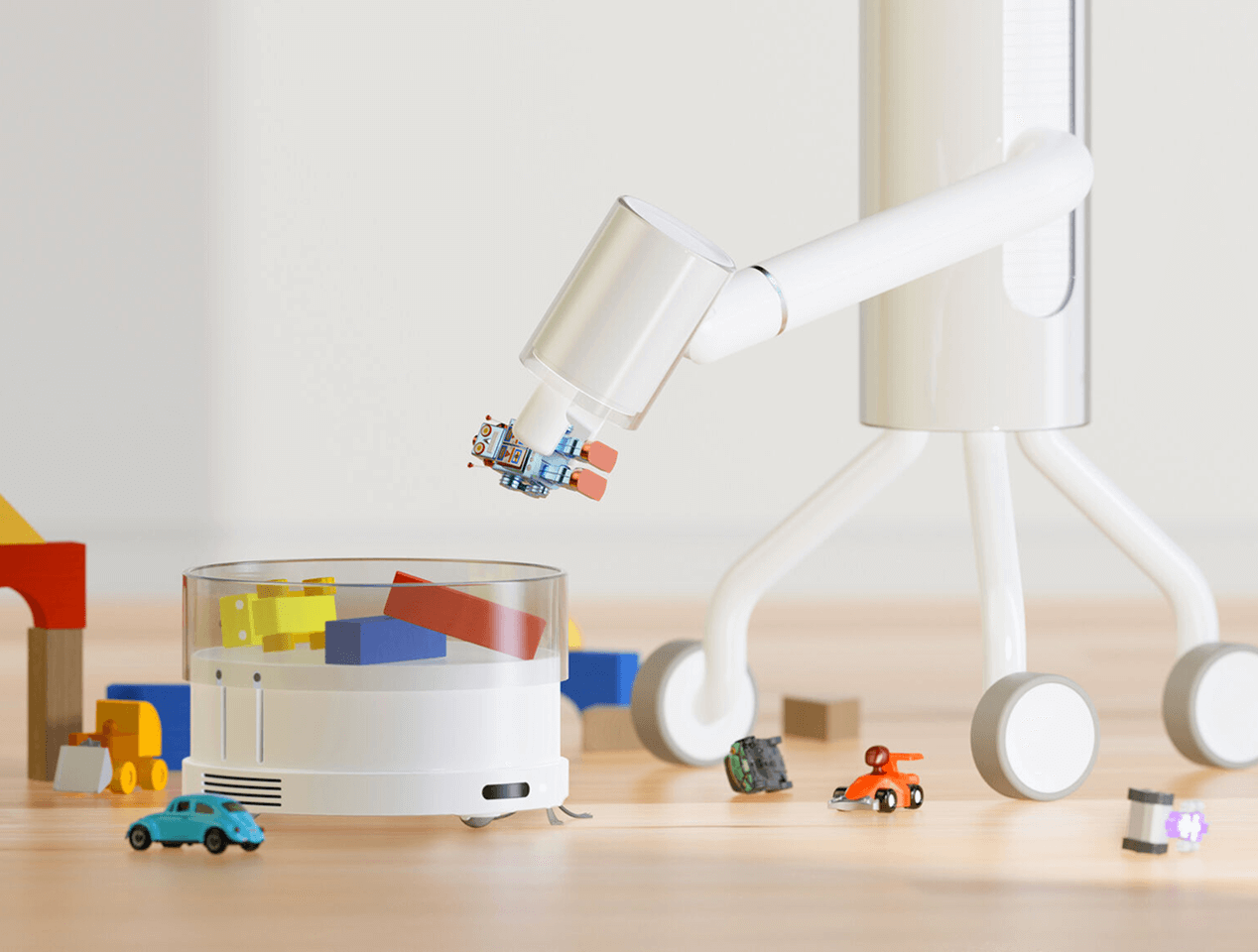
Large Language Models, or LLMs – the AI systems behind tools such as ChatGPT, Claude and Gemini – operate probabilistically. If I begin a sentence with “I’m going to…”, the model is likely to complete it with “home” because statistically that is the most probable continuation. But imagine I am standing in my living room and tell a hypothetical robotic butler, “Turn on the light”. The robot must determine which light I mean among several possible sources and identify the correct bulb within an interconnected ecosystem. This is precisely one of the areas we are exploring together with Cambridge Consultants, another company within the Capgemini Group.
Designing machines that operate in an ‘unscripted’ environment means that not everything can be fully controlled. You design the machine and its behaviour, but then what?
The perspective shifts. We move from designing products to designing the conditions of the system in which those products exist. That means ensuring that those conditions are fair and that control mechanisms are in place to intervene whenever a machine’s behaviour deviates from its intended path. I also believe this shift changes the intellectual tools we use as designers. When we design an intelligent object, we should consider its sustainability for human beings as a functional requirement.
What does that mean?
We need to ask ourselves what kind of cognitive load these always-on systems place on users. Understanding when they should stop interacting, and which spaces they should stay out of, is just as important as designing how they function. We may want empathetic objects, but we do not necessarily want every object to be empathetic, or to be so all the time. Every relationship, however small, requires emotional investment, and the risk of cognitive overload is extremely high.
Younger generations, however, seem increasingly willing to build emotional relationships with AI. What are the risks?
Young people are certainly more open to the idea of forming emotional relationships with AI companions. Compared with a real human being, an AI companion is always available, always responsive and always accommodating. What is missing, however, is the friction that characterises human relationships. That friction is not a flaw in our system, it is how we have evolved as a species, learning to navigate complexity, uncertainty and disorder.The real question is: what might we give up in exchange for these seemingly perfect relationships? AI can support us, care for us and extend our capabilities, but at the same time it may also be gradually eroding some of those very capabilities. Exploring these tensions is part of our responsibility as designers.
Are there situations in which the benefits of an emotional relationship between users and intelligent devices outweigh the potential downsides?
There certainly are promising applications. Since the beginning of the century, we have explored how robotic companion animals can support older adults, offering a more controlled and scalable version of traditional pet therapy.Which sectors do you think will see the most significant developments?
The greatest advances will undoubtedly take place in industry, where automation and robotics offer clearer and more predictable returns on investment.Closer to everyday life, however, I find the intersection between healthcare and consumer products particularly exciting. We are becoming increasingly capable of reading human biology in real time and identifying appropriate responses. That has the potential to radically transform the way we think about prevention, wellbeing and longevity.