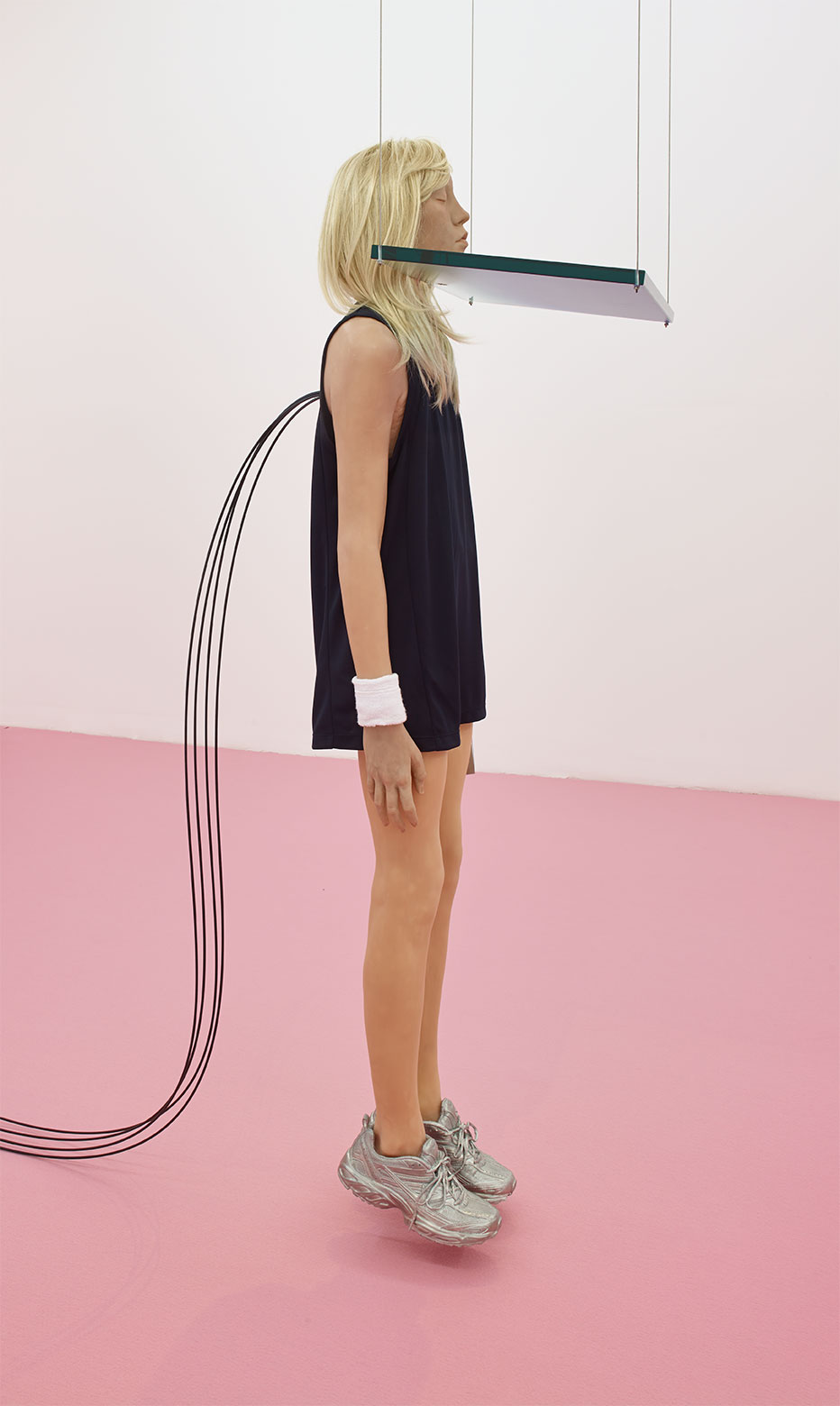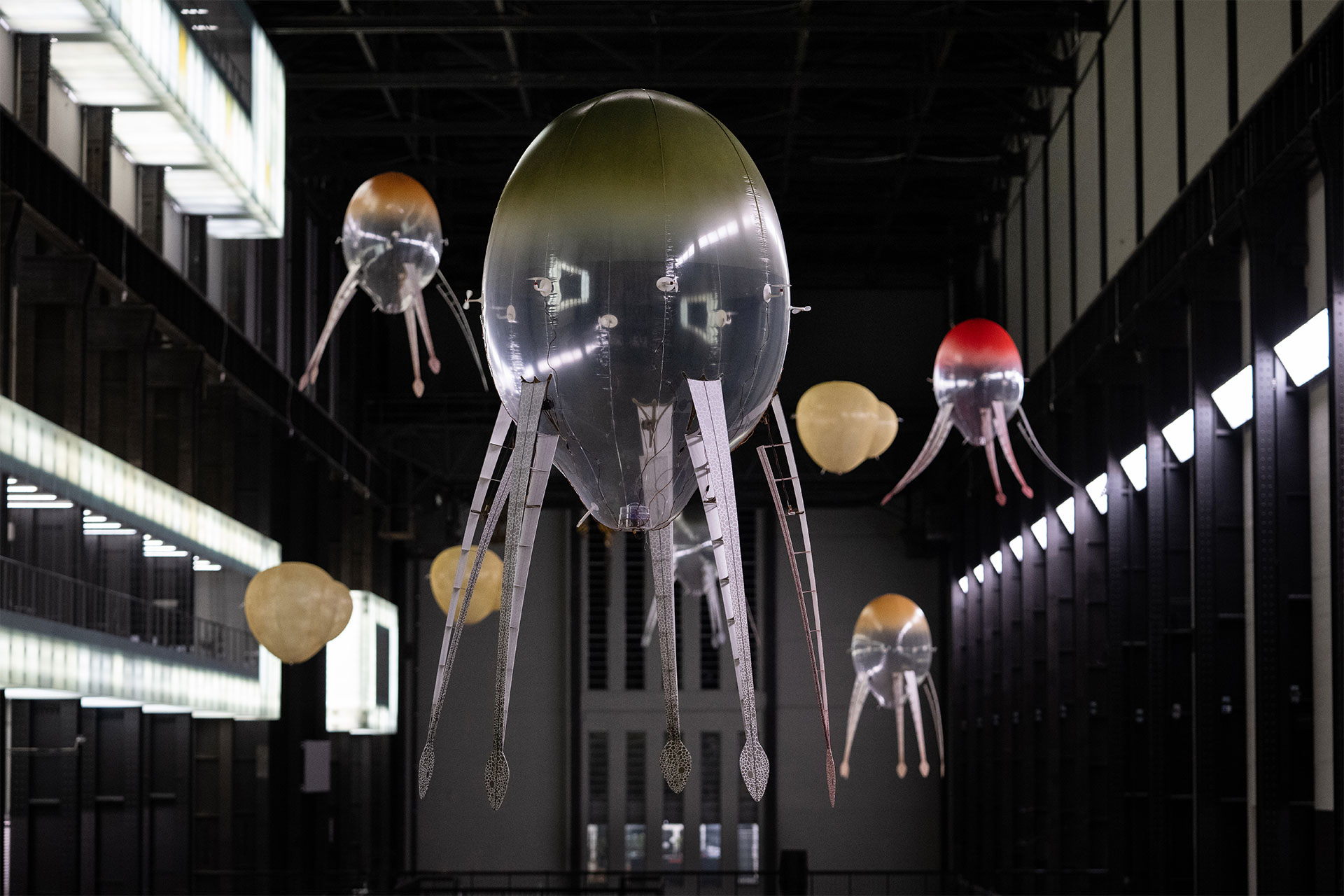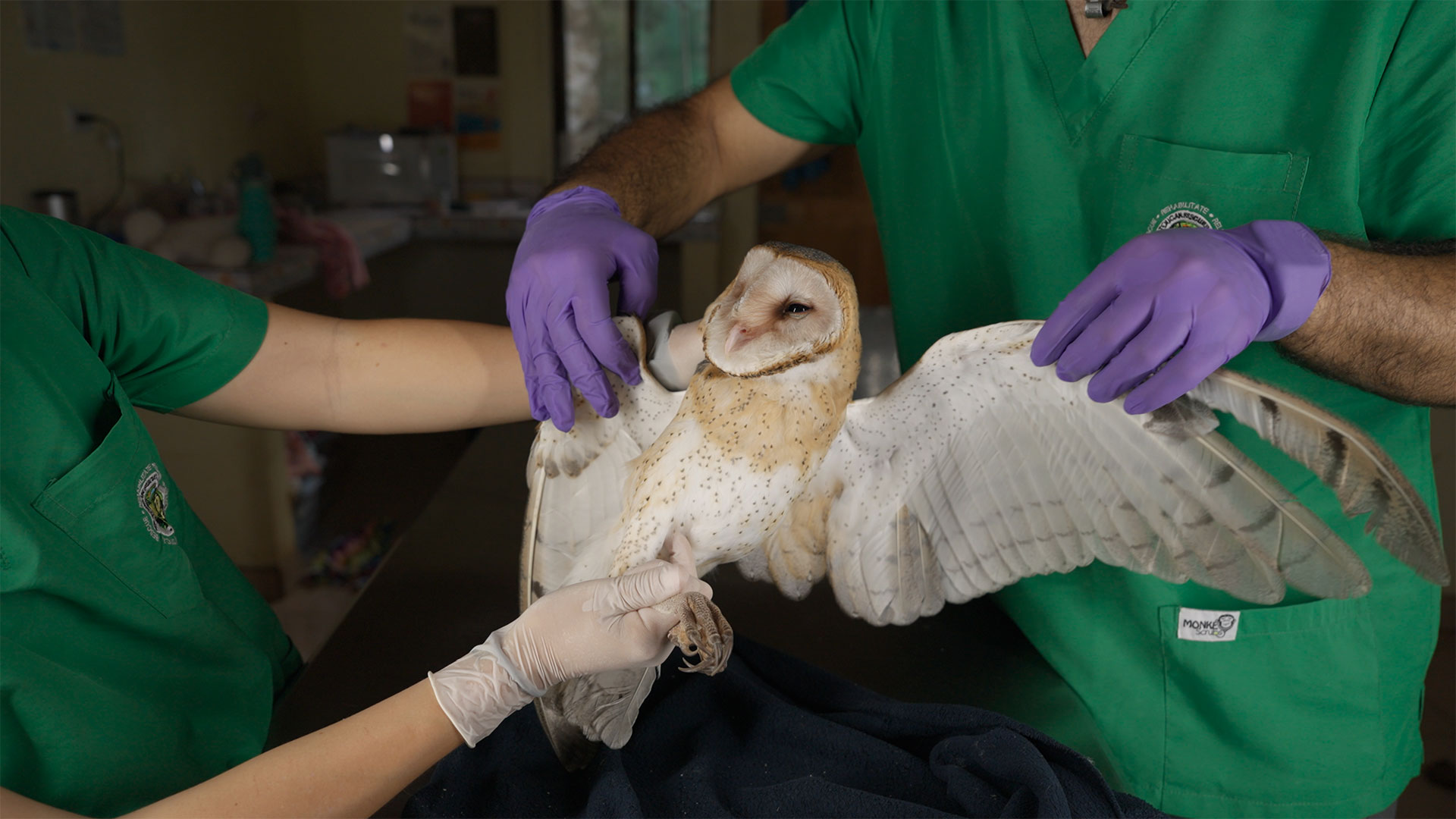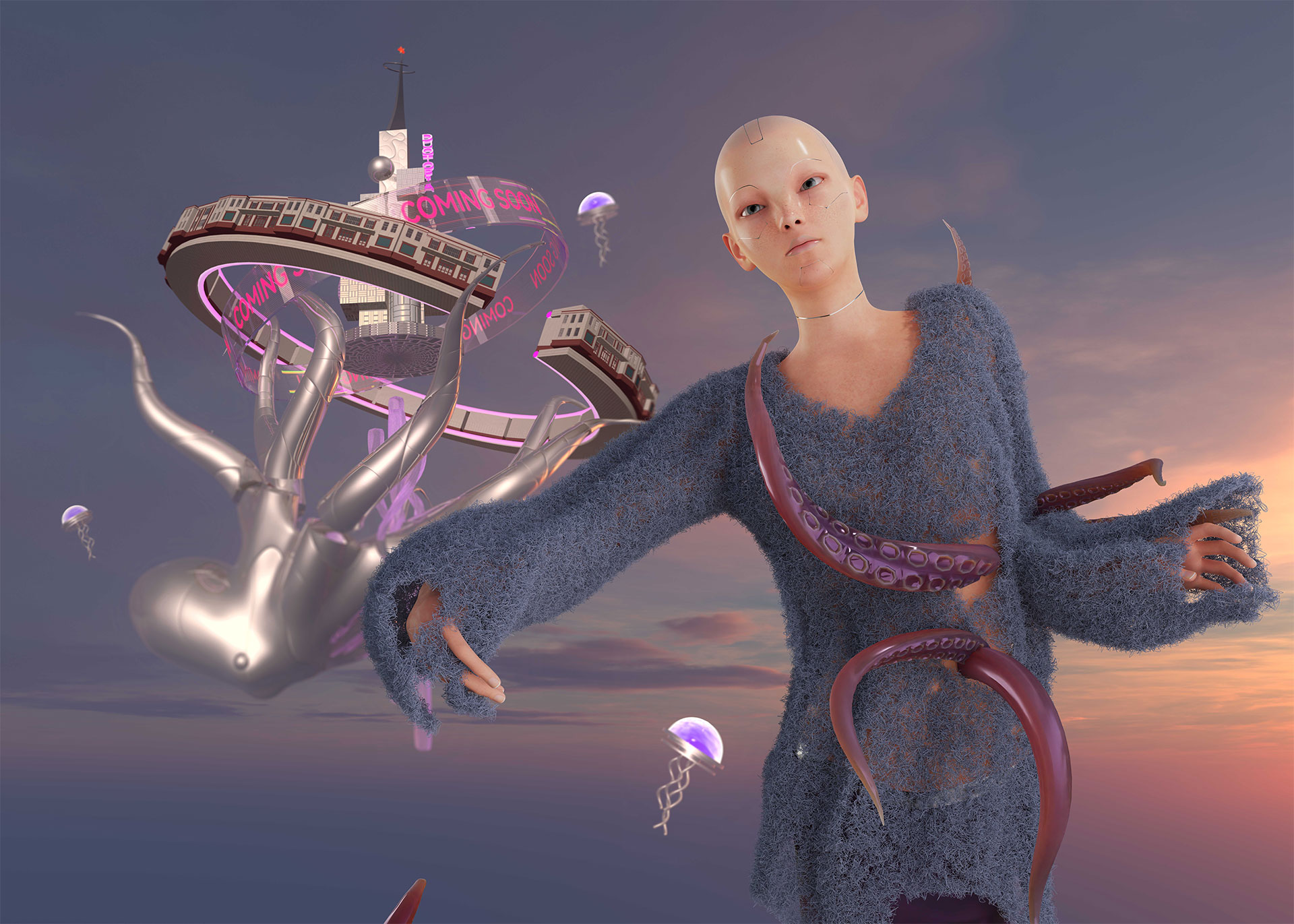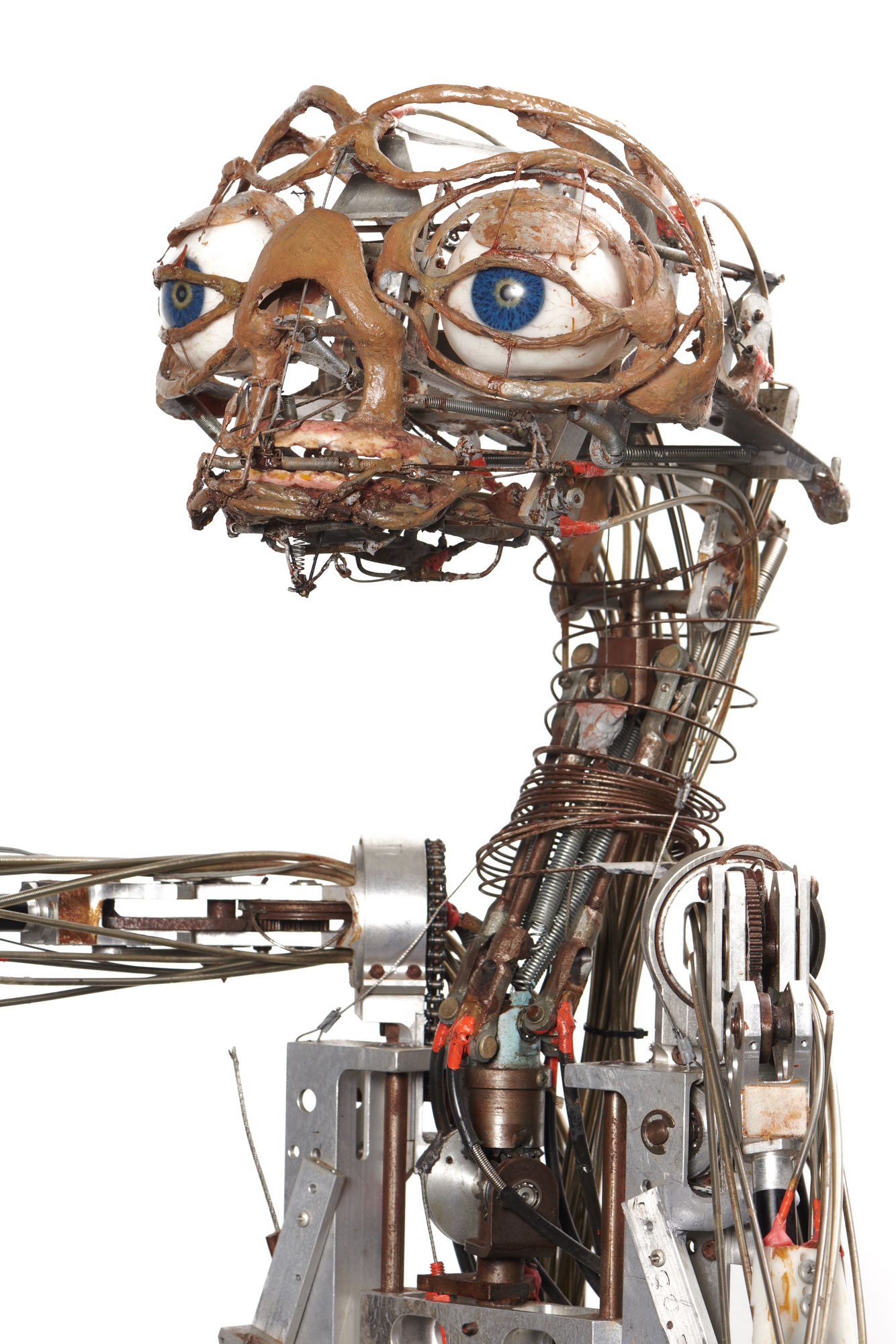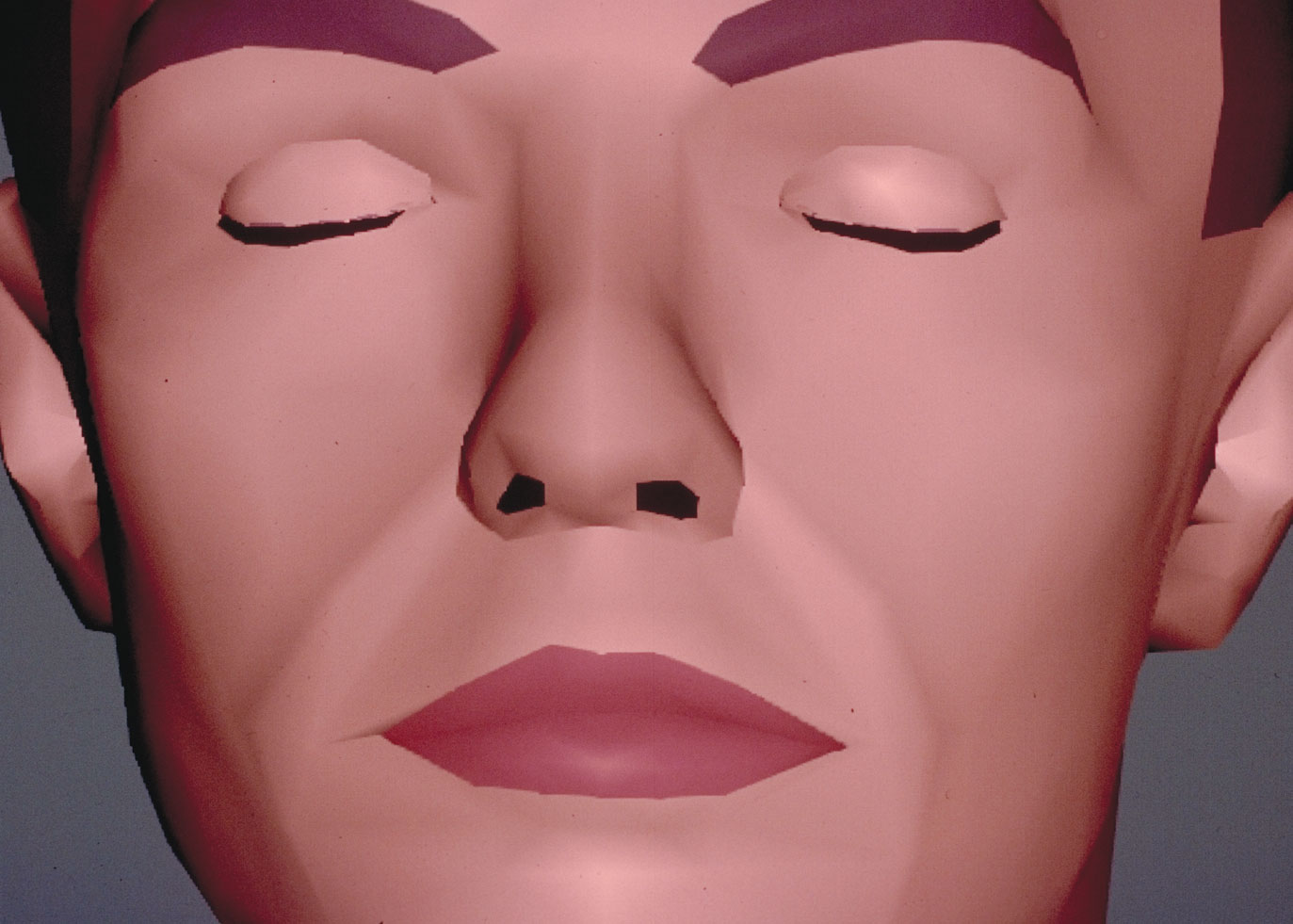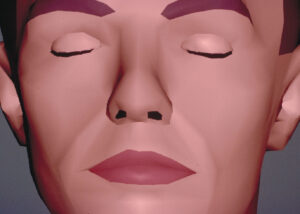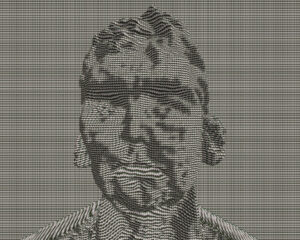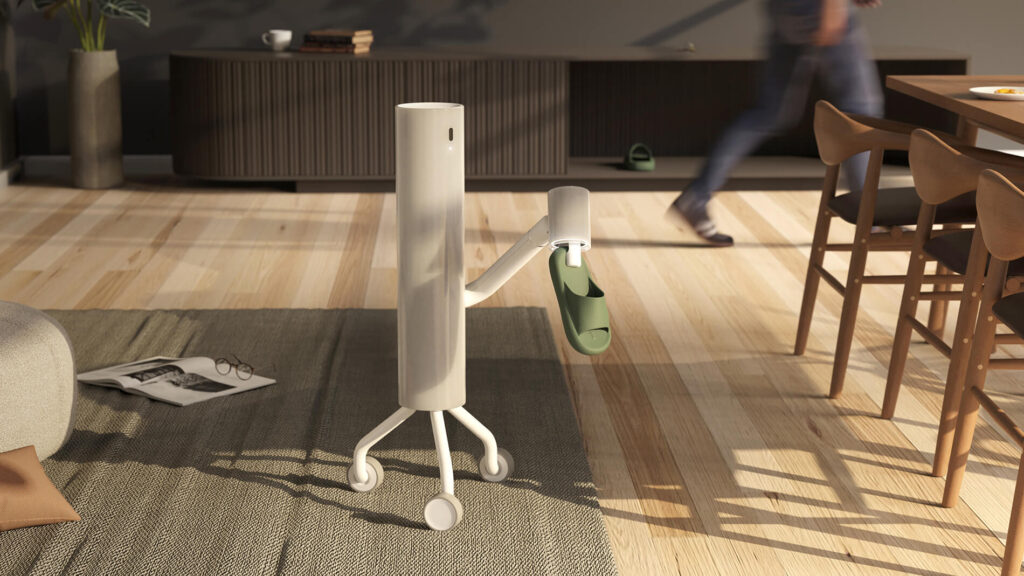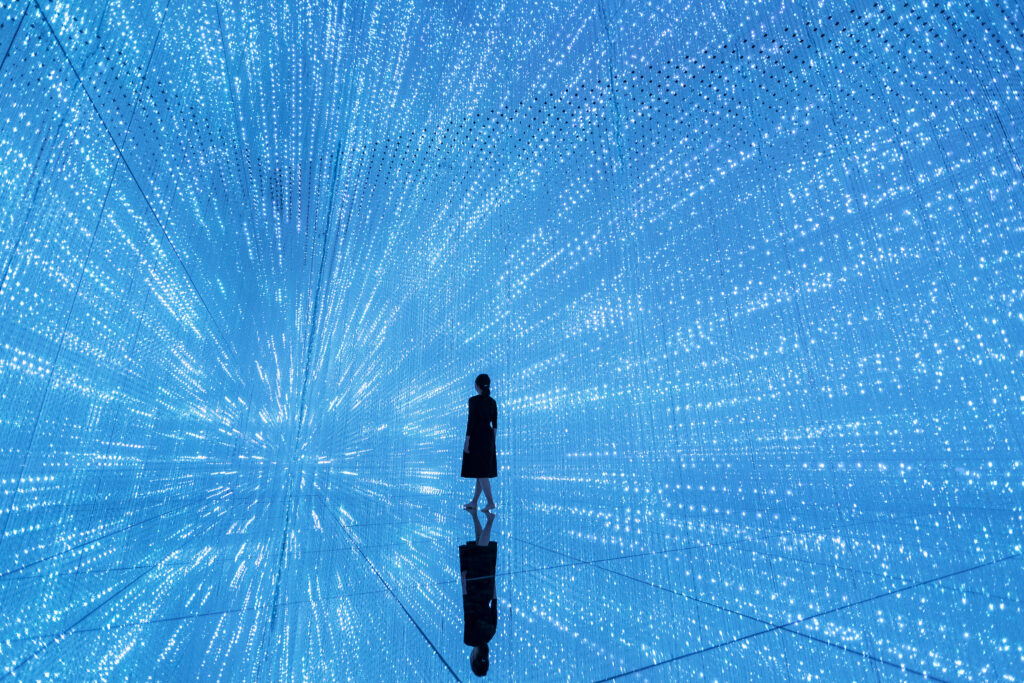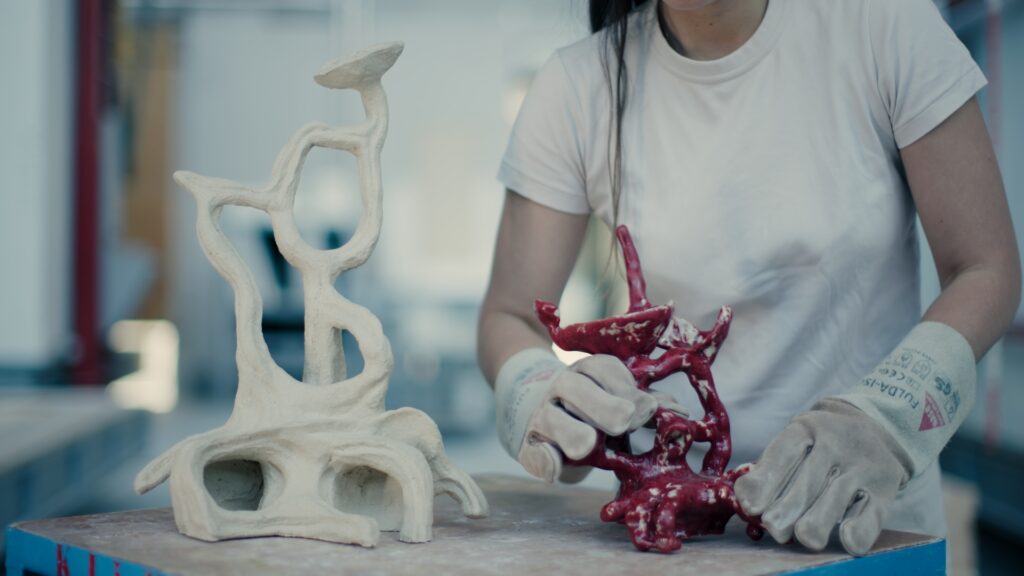


Robots, cyborgs, artificial intelligence, hybrid organisms: long before AI became the defining subject of today’s public debate, artists, architects, writers and scientists were already imagining futures in which the boundary between humans and machines would become increasingly blurred.
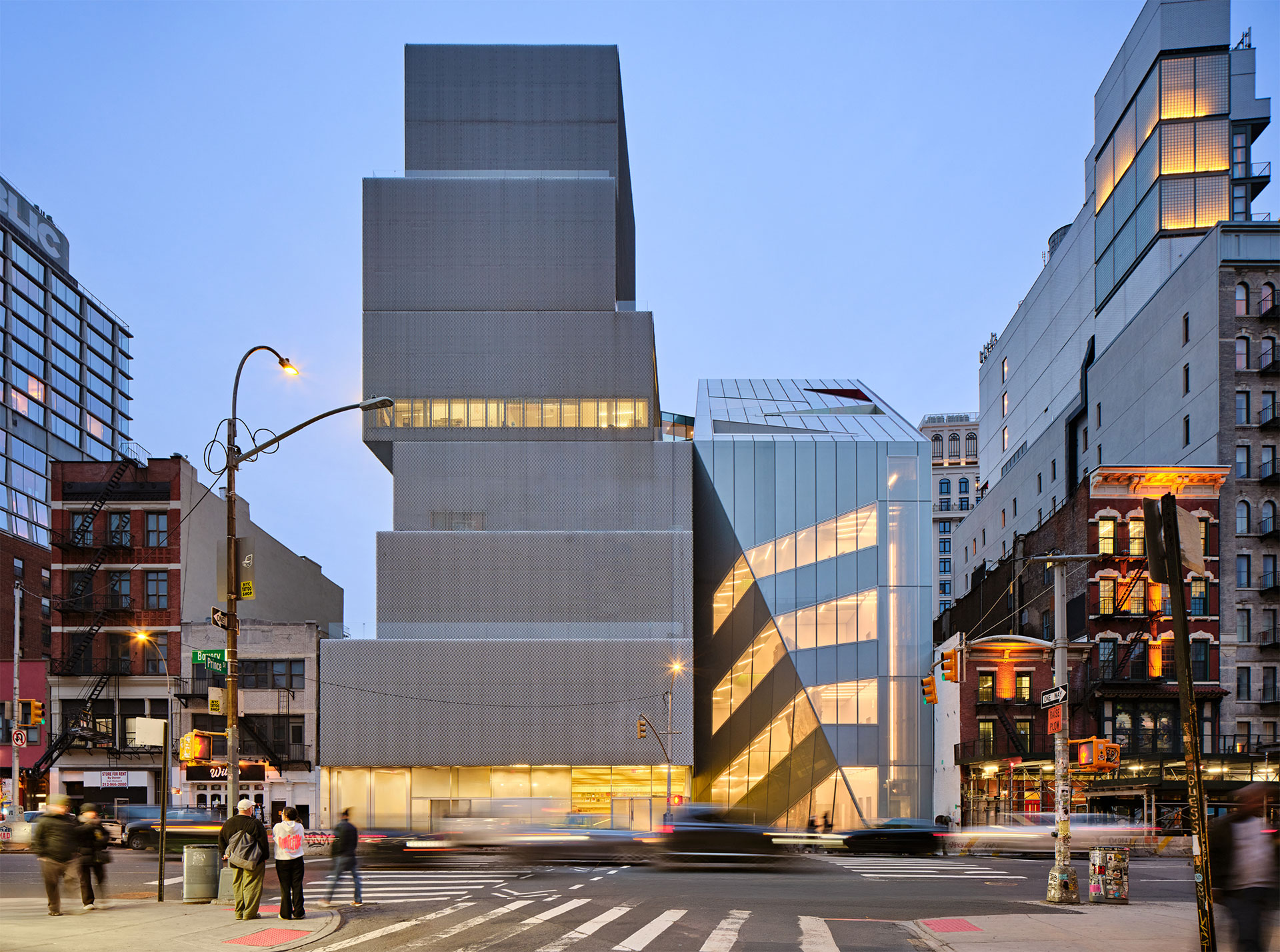
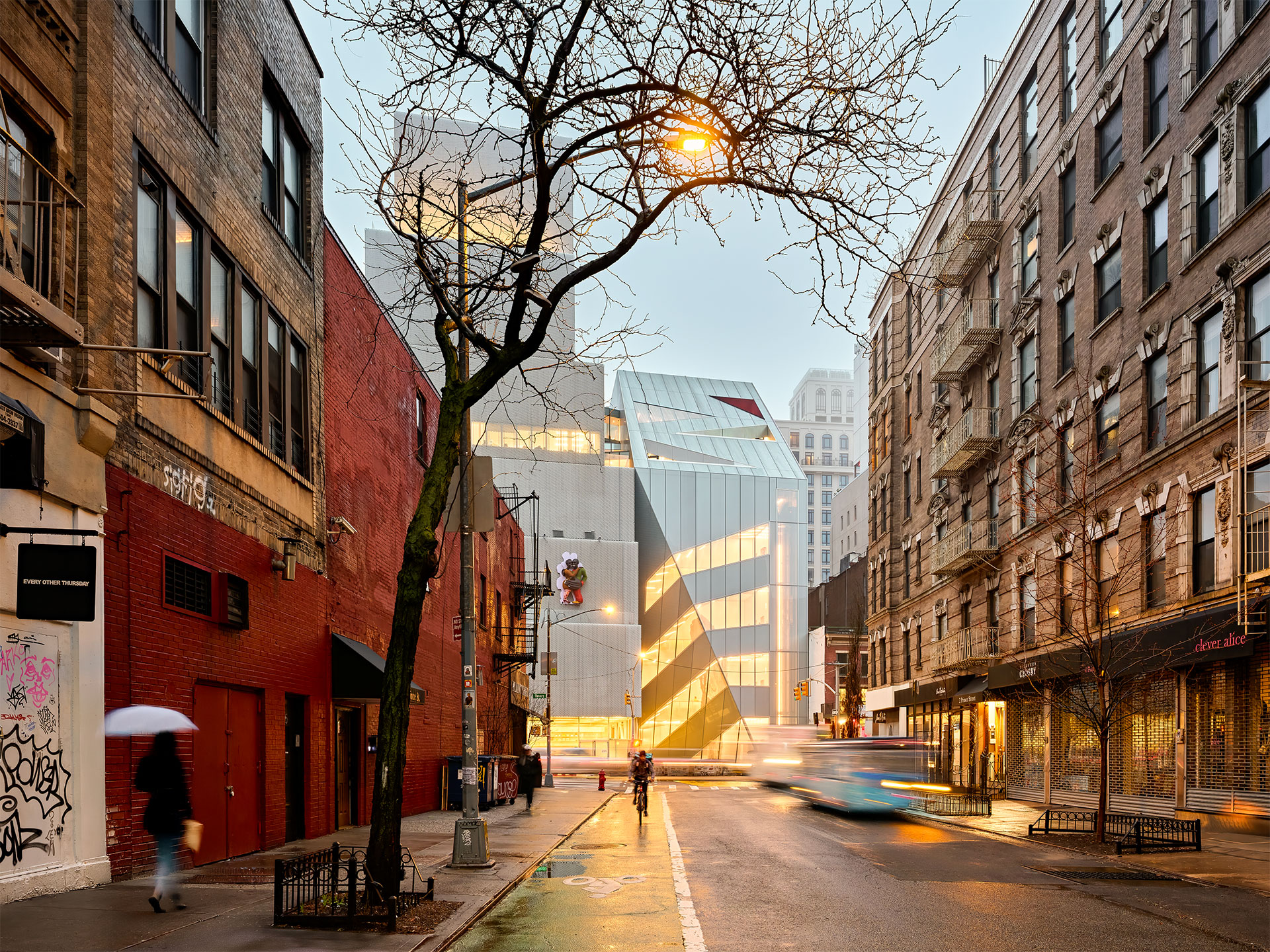
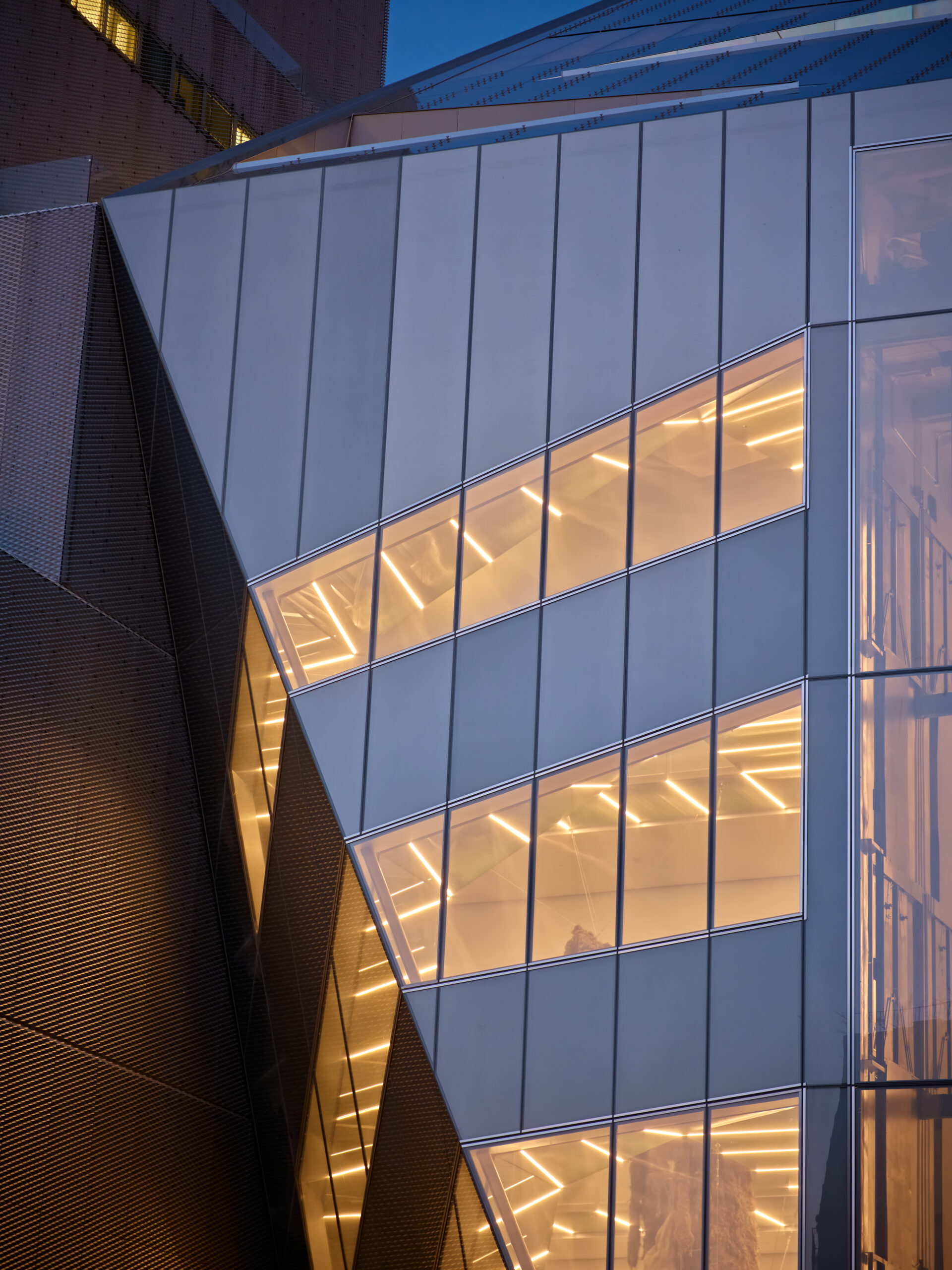
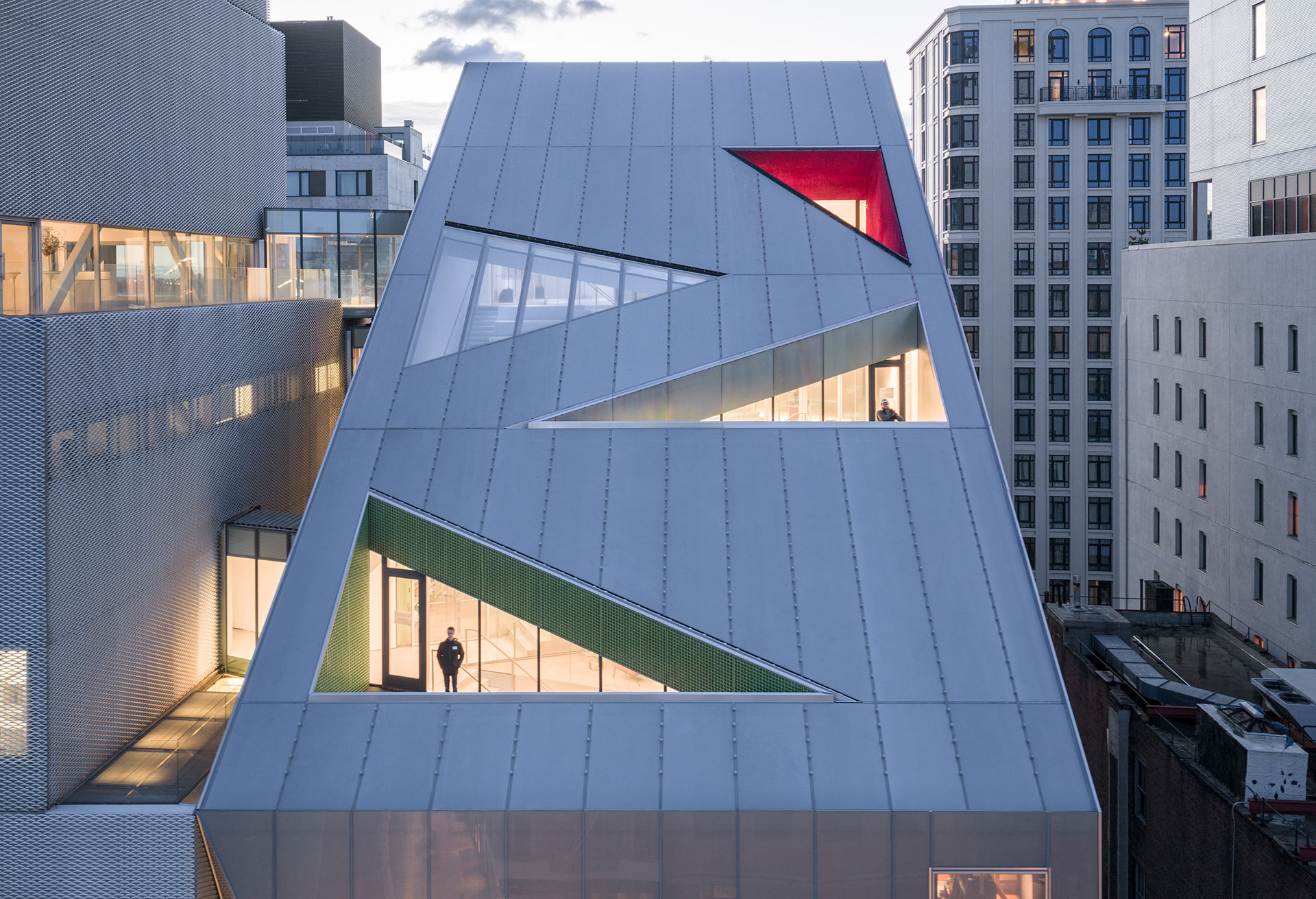
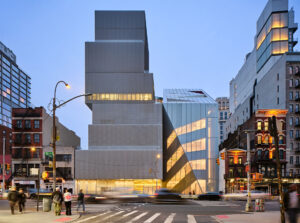
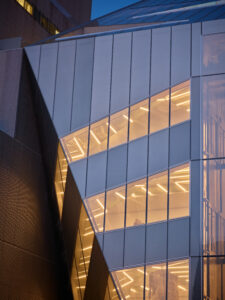
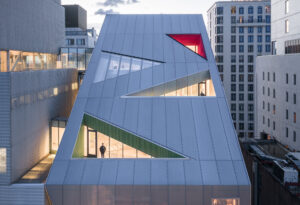
It is from this long genealogy of images and visions that New Humans: Memories of the Future takes shape, the exhibition curated by Massimiliano Gioni to inaugurate the expanded New Museum in New York. The exhibition opened this spring alongside the museum’s major extension designed by OMA / Shohei Shigematsu and Rem Koolhaas, which doubles the institution’s exhibition space while redefining its role as a place for public engagement, research and participation. Added to the original building designed by SANAA in 2007, the new structure reveals staircases, circulation routes and internal activities from the street, transforming the museum into an open civic space conceived as a public infrastructure capable of encouraging new forms of participation. Occupying the museum’s entire building, the exhibition traces more than a century of cultural history through the work of over two hundred artists, writers, filmmakers, architects and scientists from more than fifty countries.
Rather than focusing solely on today’s technologies, New Humans explores how each technological revolution has influenced the ways human beings have understood and represented themselves. As Gioni, new Director of the New Museum, explains: “The exhibition is not really about artificial intelligence. It is about the history of the images humanity has created of itself. AI is simply the latest chapter in a much longer story”.
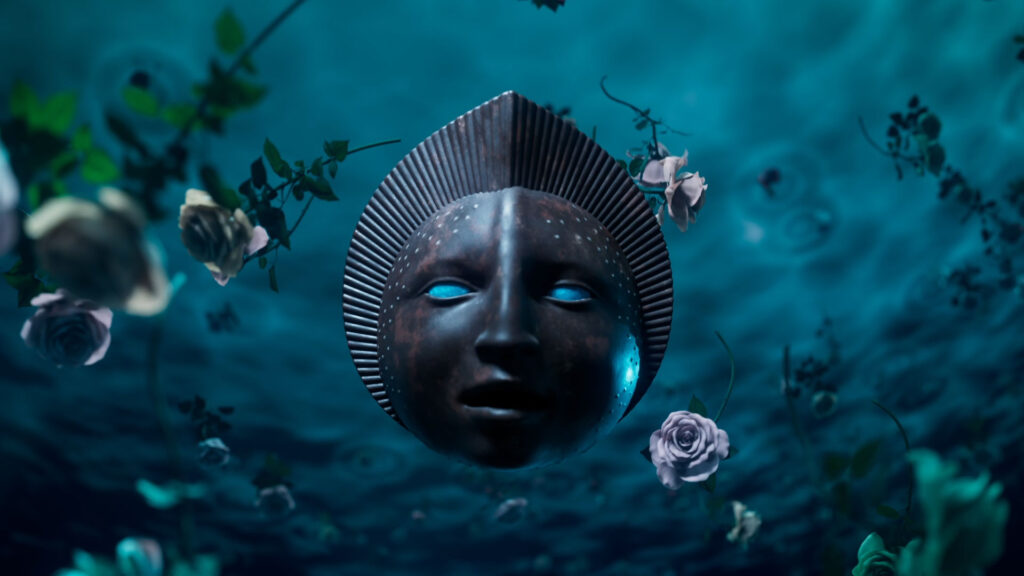
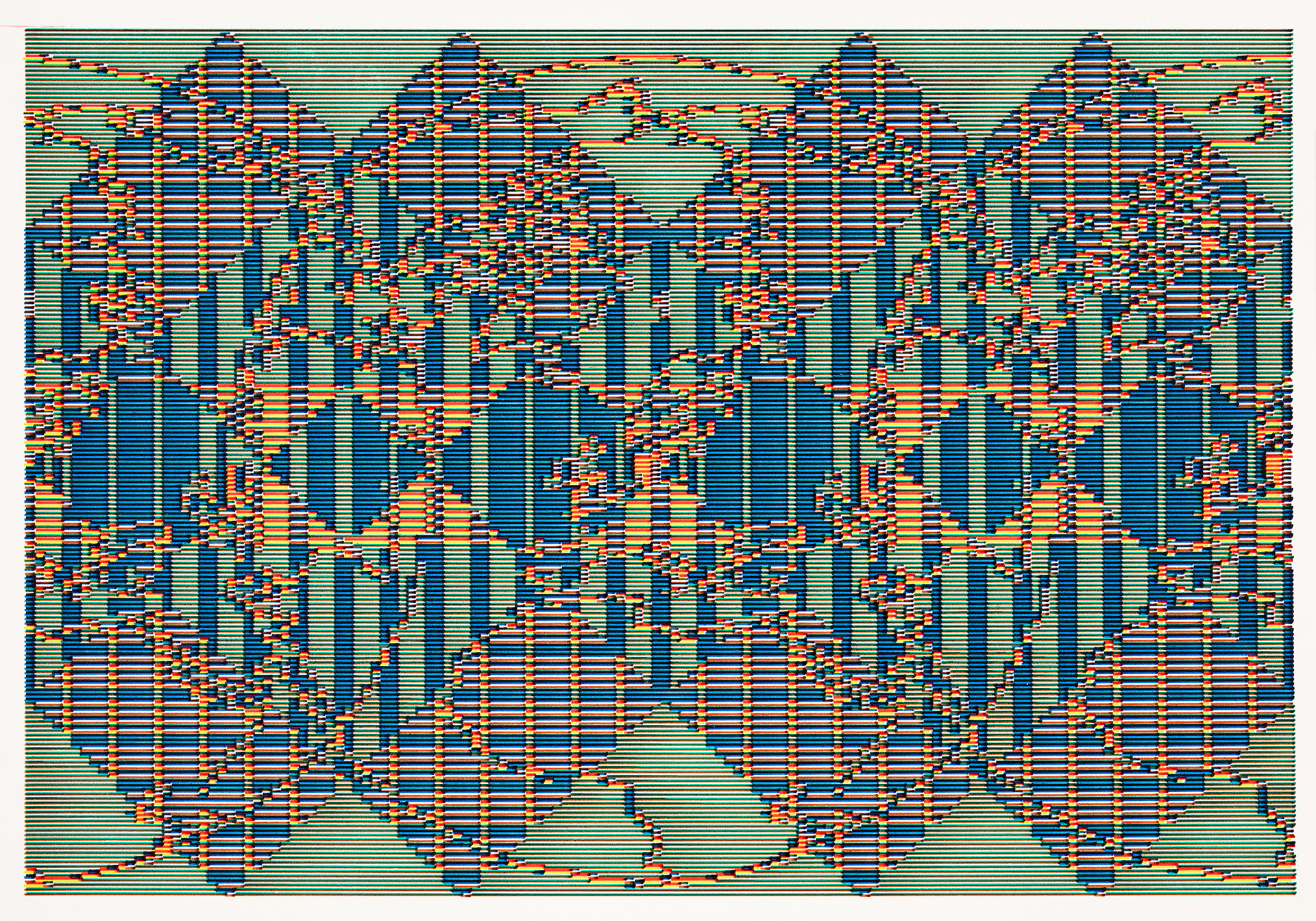
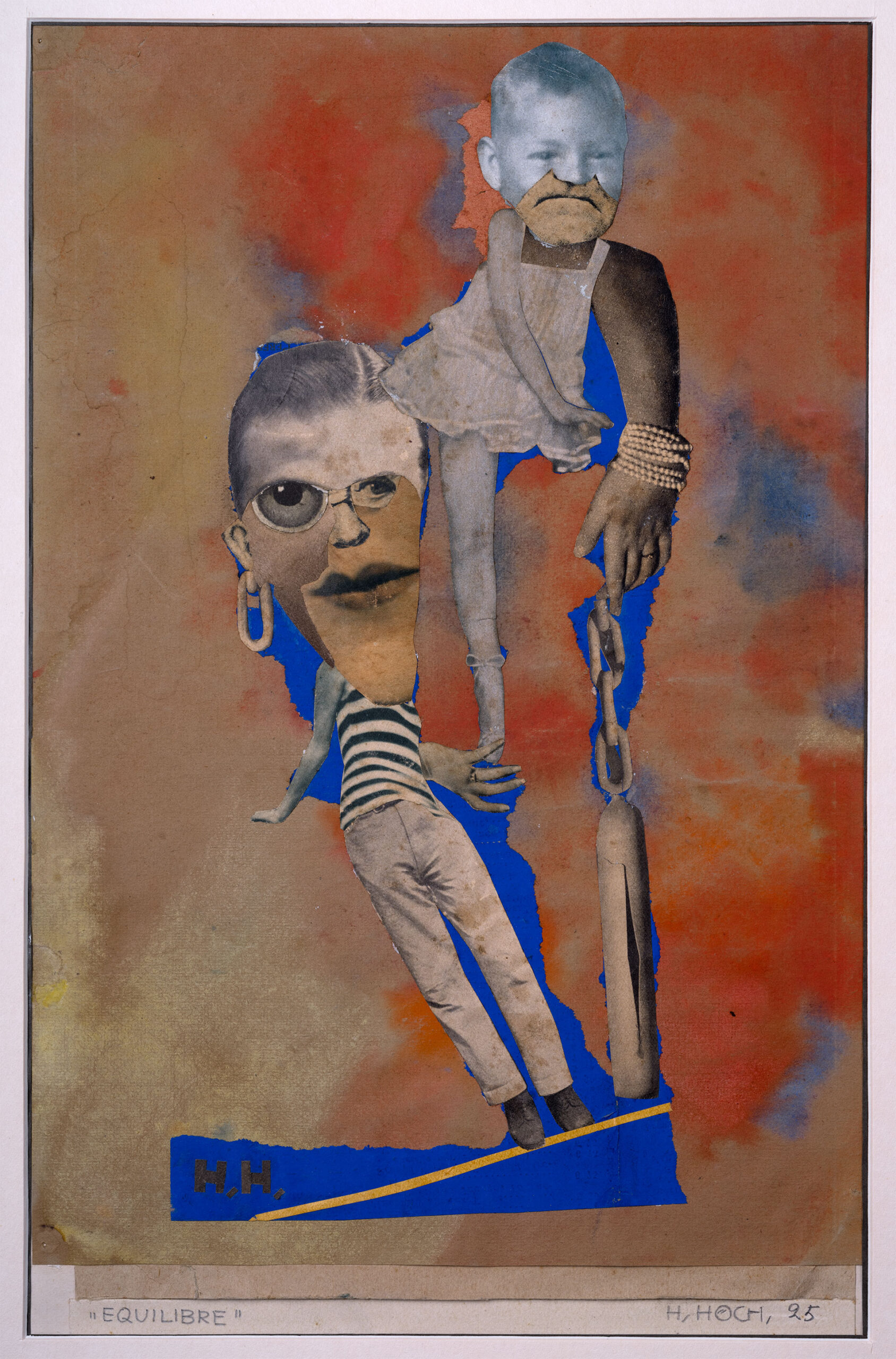
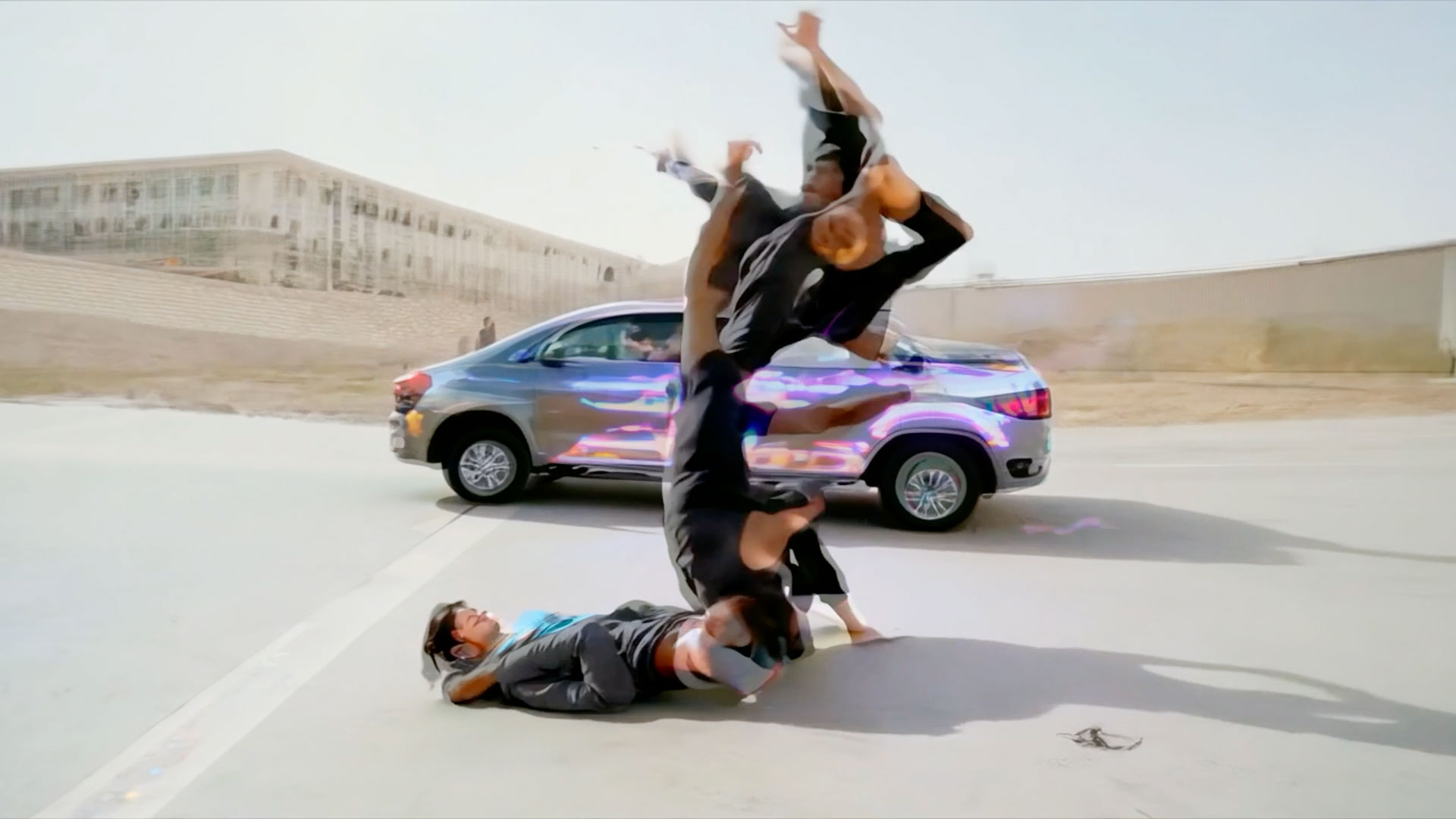
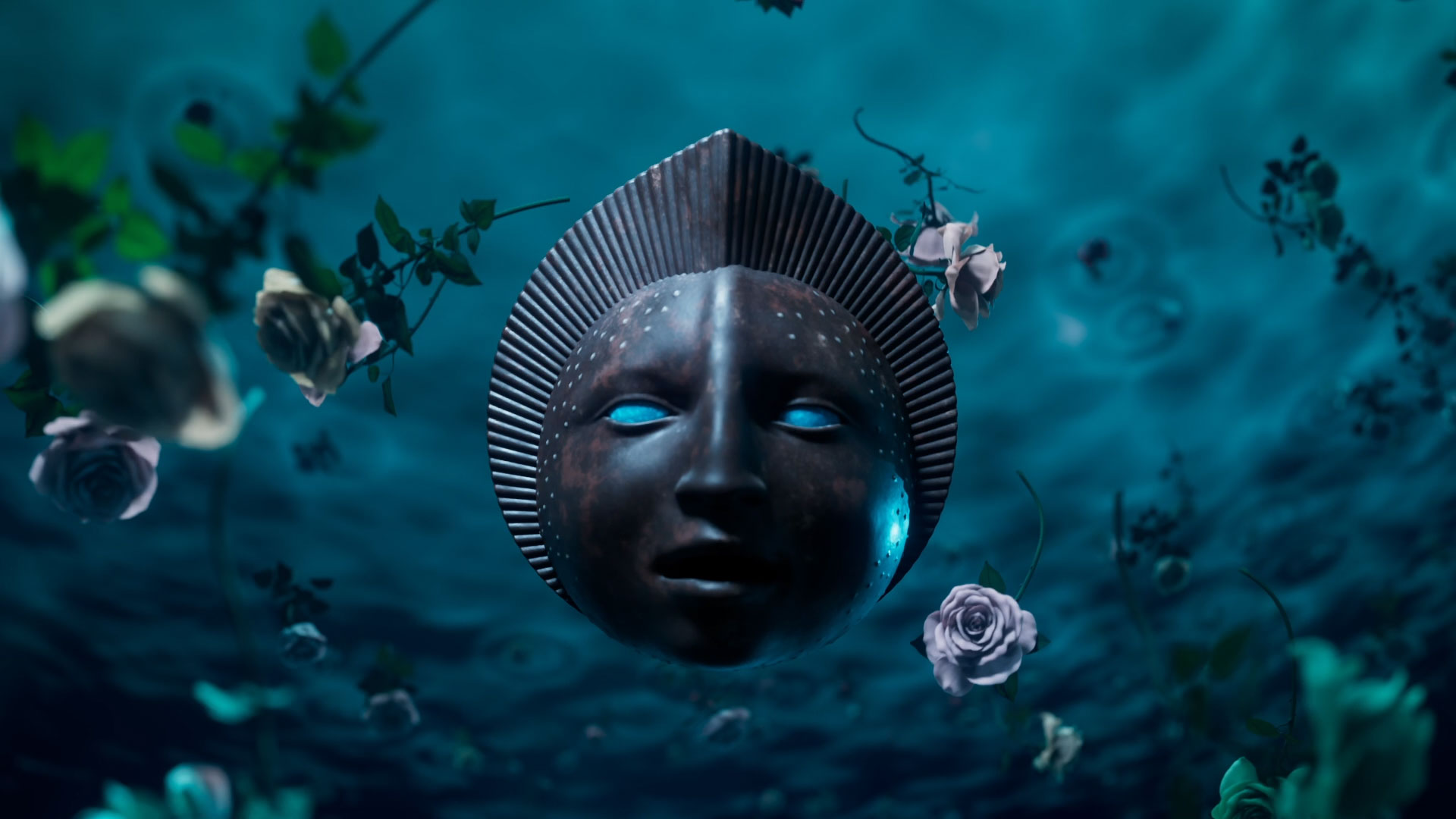
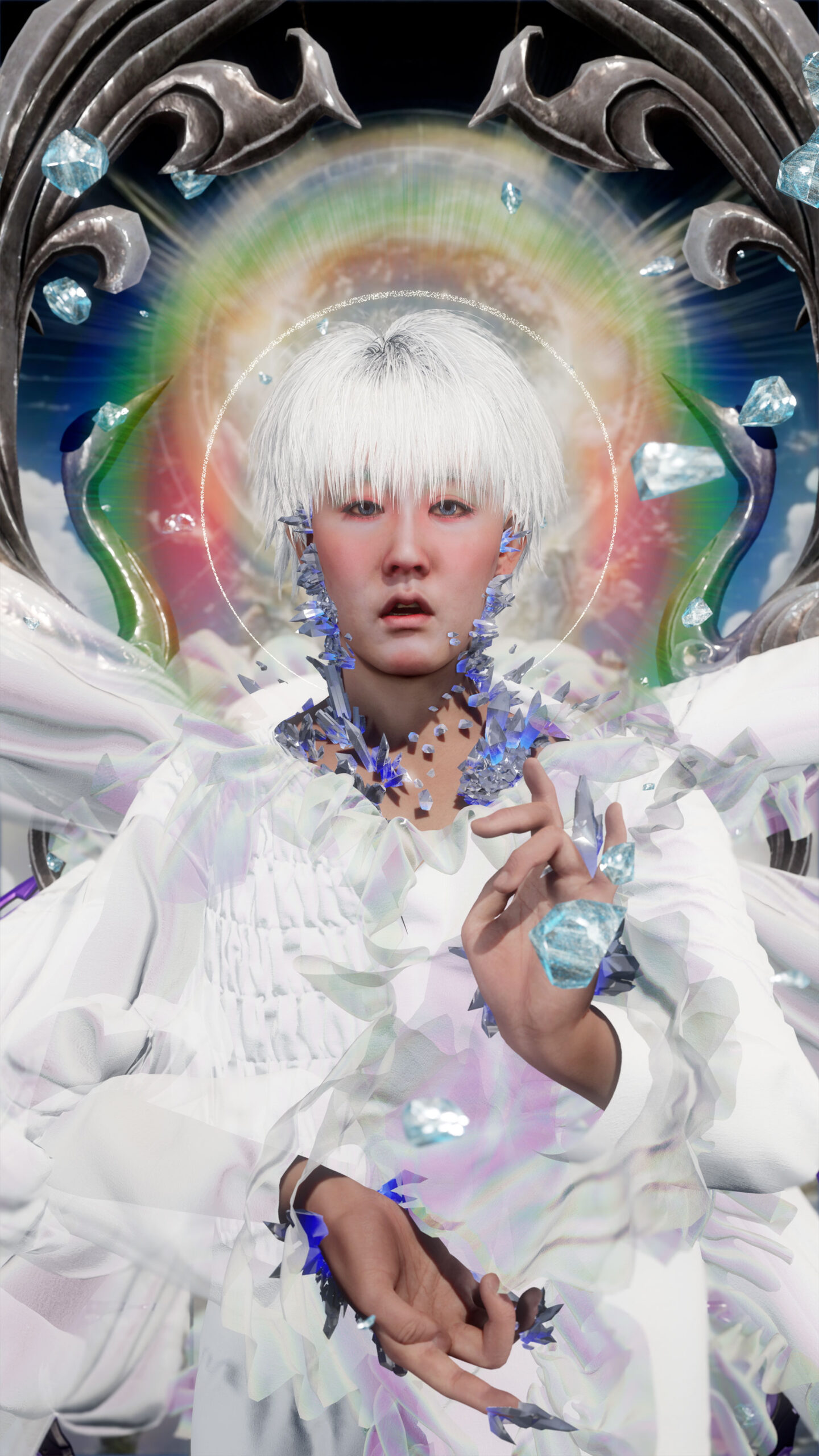
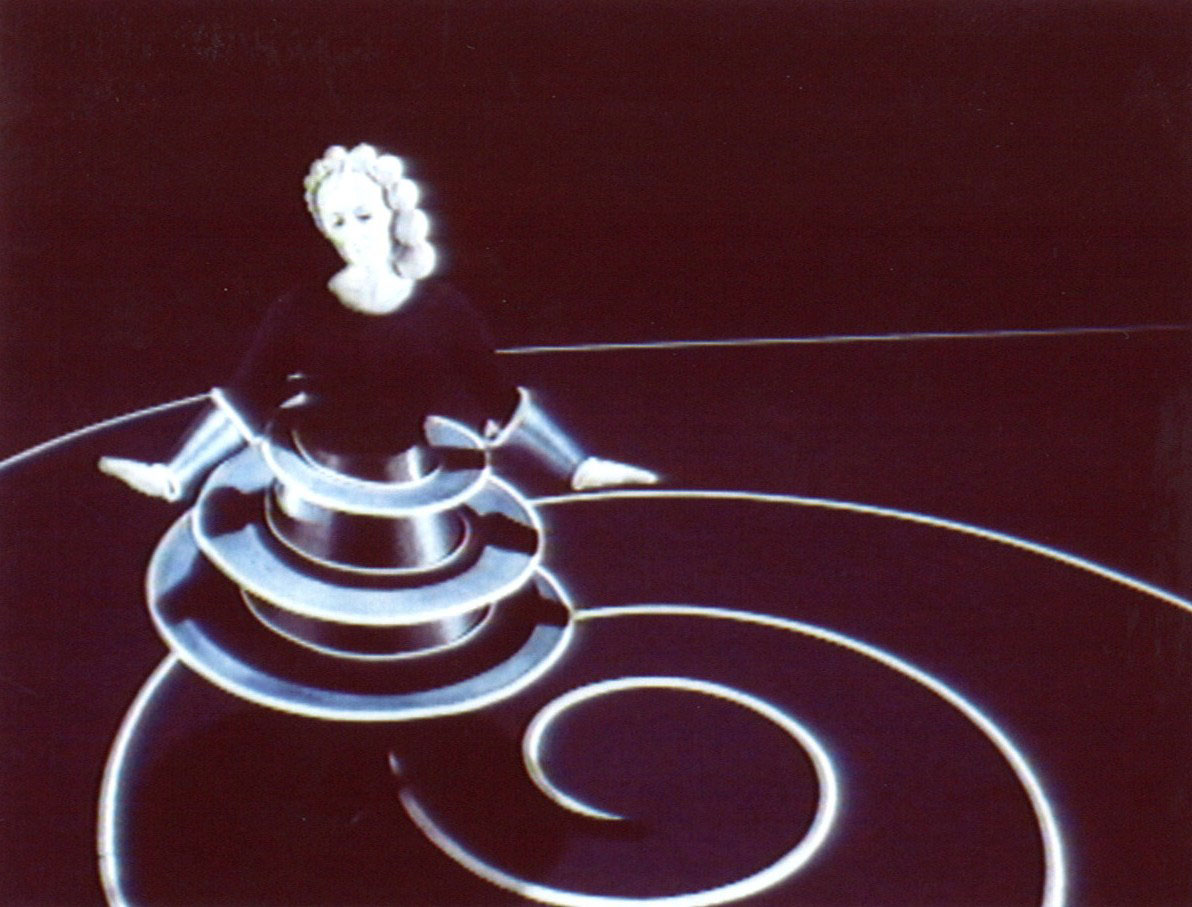
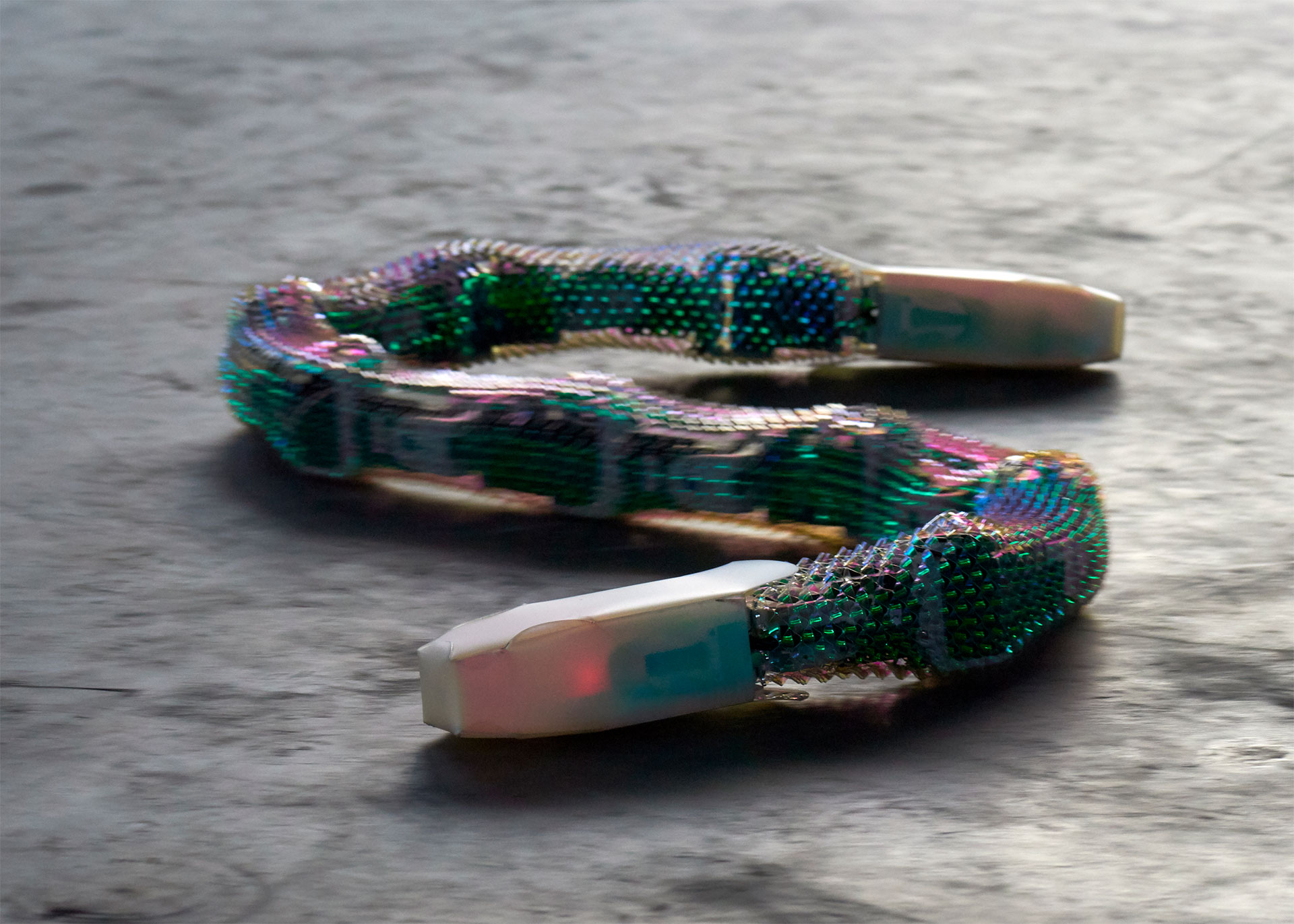
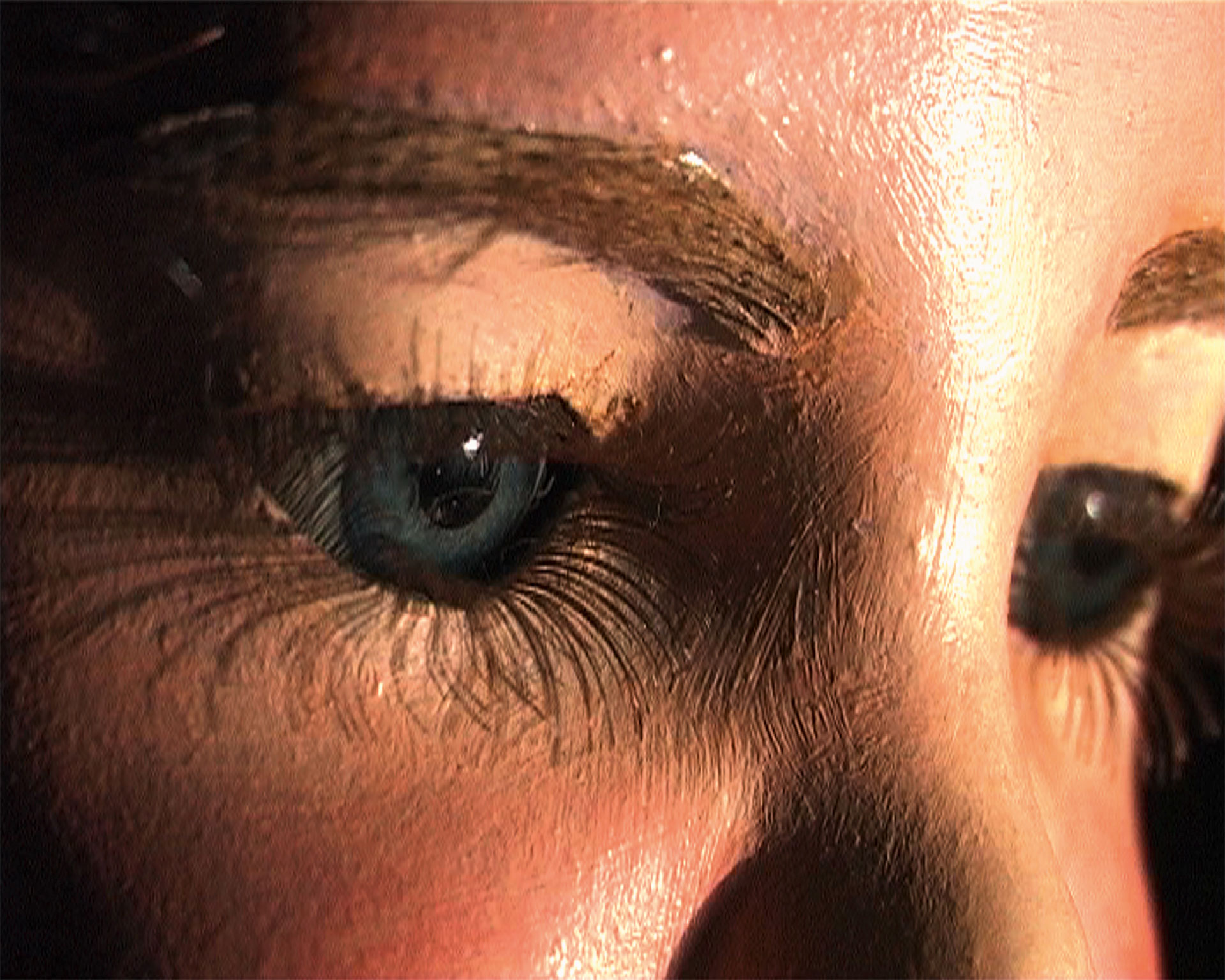
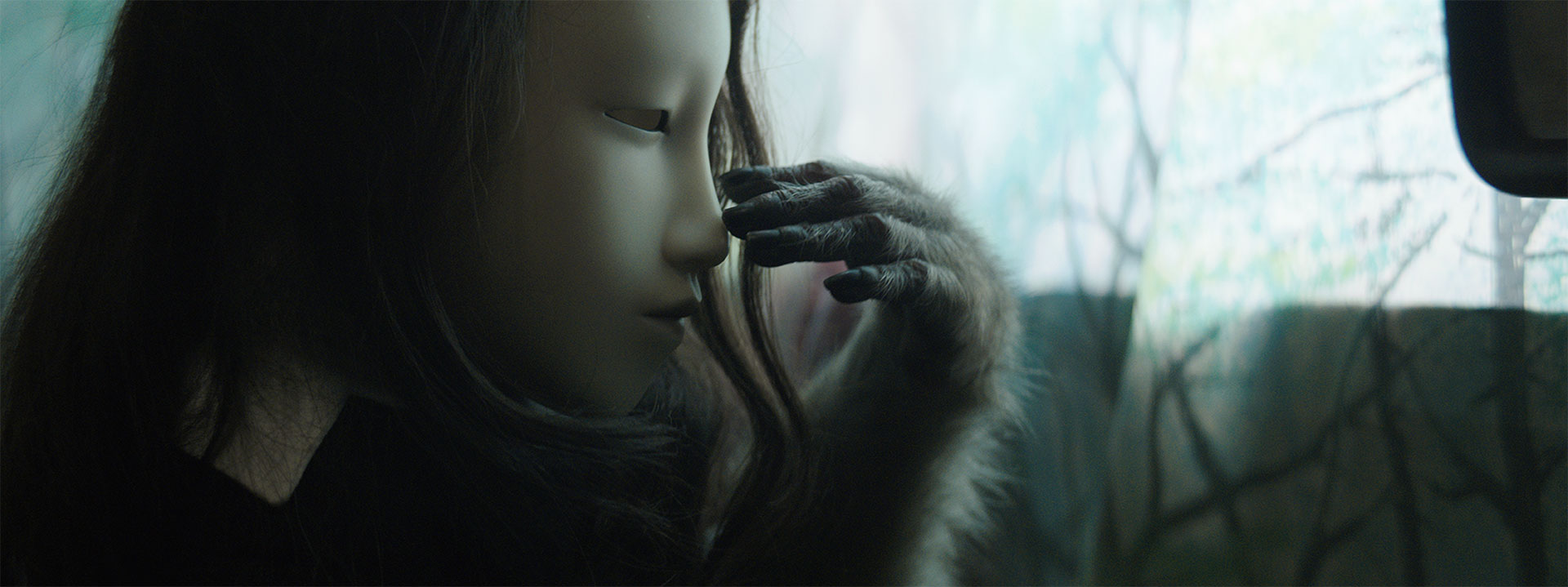
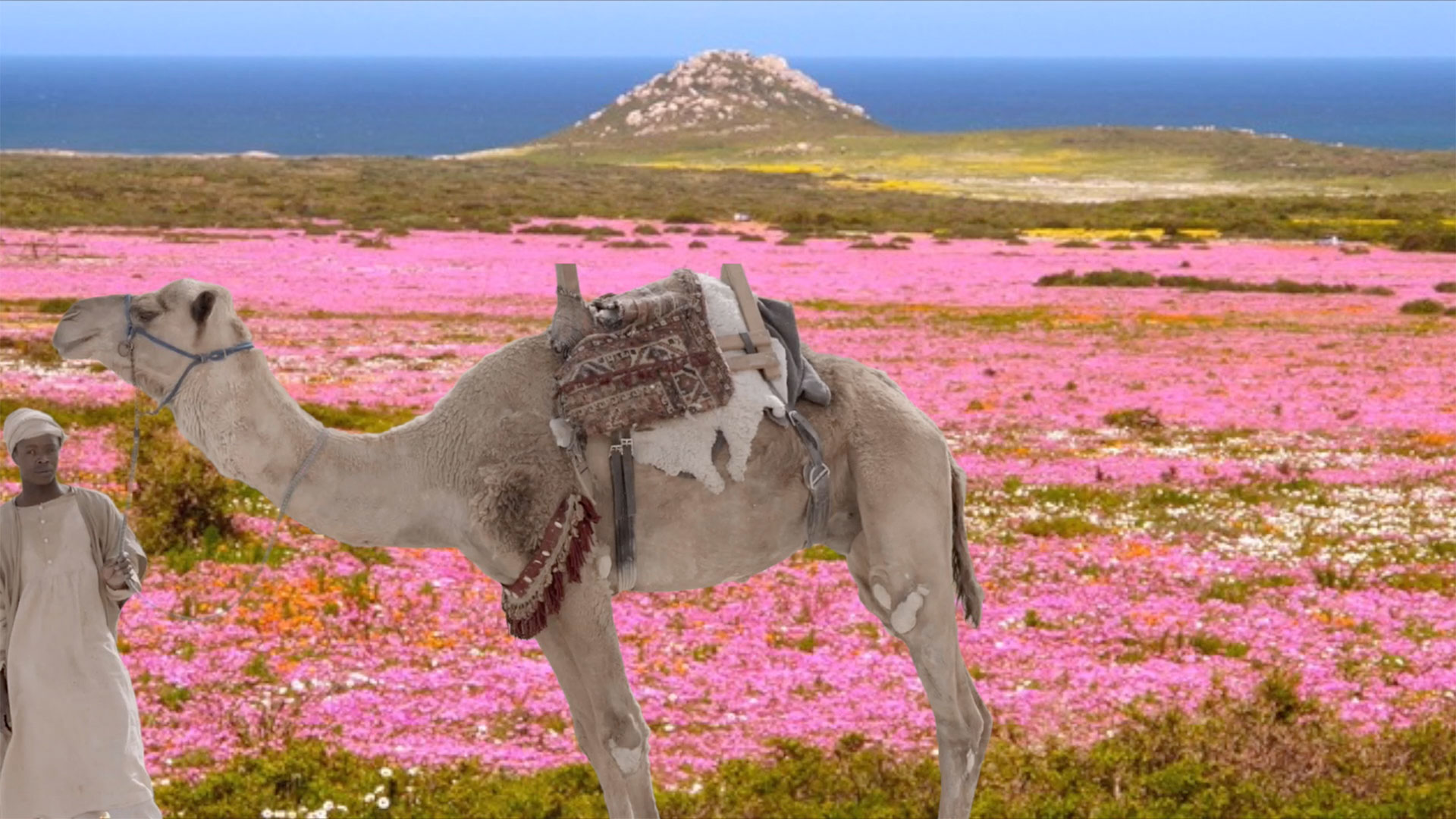
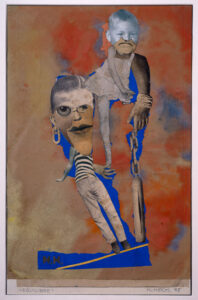
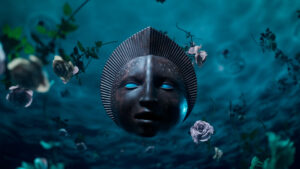
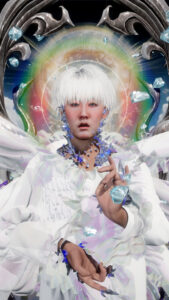
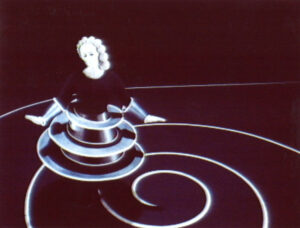
The exhibition begins with the artistic avant-gardes of the early twentieth century before moving through the dreams of industrial automation, the cybernetic utopias of the post-war period, the rise of biotechnology and, finally, today’s developments in artificial intelligence. Throughout this journey, each technological transformation is shown to have generated new ideas about the body, identity and society. Historical figures such as Salvador Dalí, Marcel Duchamp, Constantin Brâncuși and Hannah Höch are presented alongside contemporary artists including Hito Steyerl, Pierre Huyghe, Wangechi Mutu, Anicka Yi and Jamian Juliano-Villani. The result is a non-linear history, one in which many of today’s questions surrounding artificial intelligence can already be found in the artistic avant-gardes of the twentieth century, in post-war technological utopias and in the biological experiments of recent decades.
At the heart of the exhibition lies a striking symmetry between the 1920s and the 2020s, two periods marked by extraordinary technological acceleration. Then, it was the telephone, radio and telegraph that transformed society. Today, artificial intelligence and digital platforms occupy that role. In both cases, technology arrives carrying promises of liberation alongside new sources of anxiety.
Looking back, the exhibition seems to suggest, also helps us put today’s fears into perspective. Every technological revolution has generated both hope and uncertainty, while simultaneously opening unforeseen possibilities. As Gioni explains, the exhibition is not intended to tell a story of inevitable progress, but rather to trace those moments when technological innovation and social change produced “new conceptions of humanity and new visions of its possible futures”. In doing so, New Humans avoids the simplistic narratives that often dominate contemporary discussions of technology. Instead, the works on display reveal a far more complex landscape, shaped by promises and anxieties, emancipation and new forms of control, aspirations to enhance human capabilities alongside profound ethical, social and political questions.
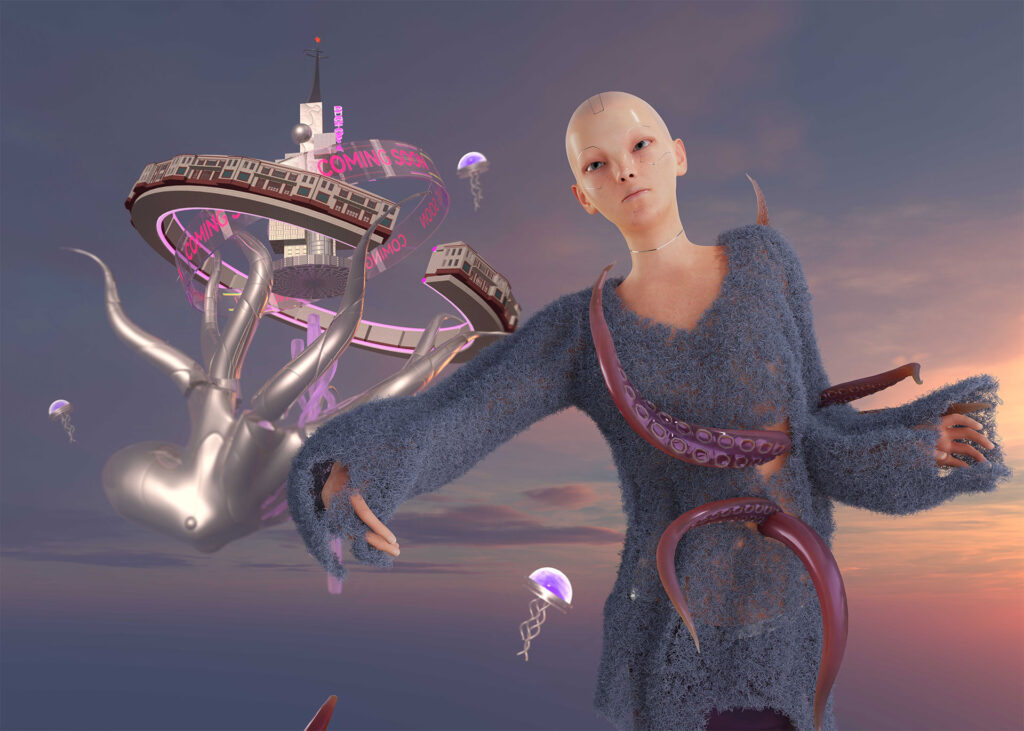
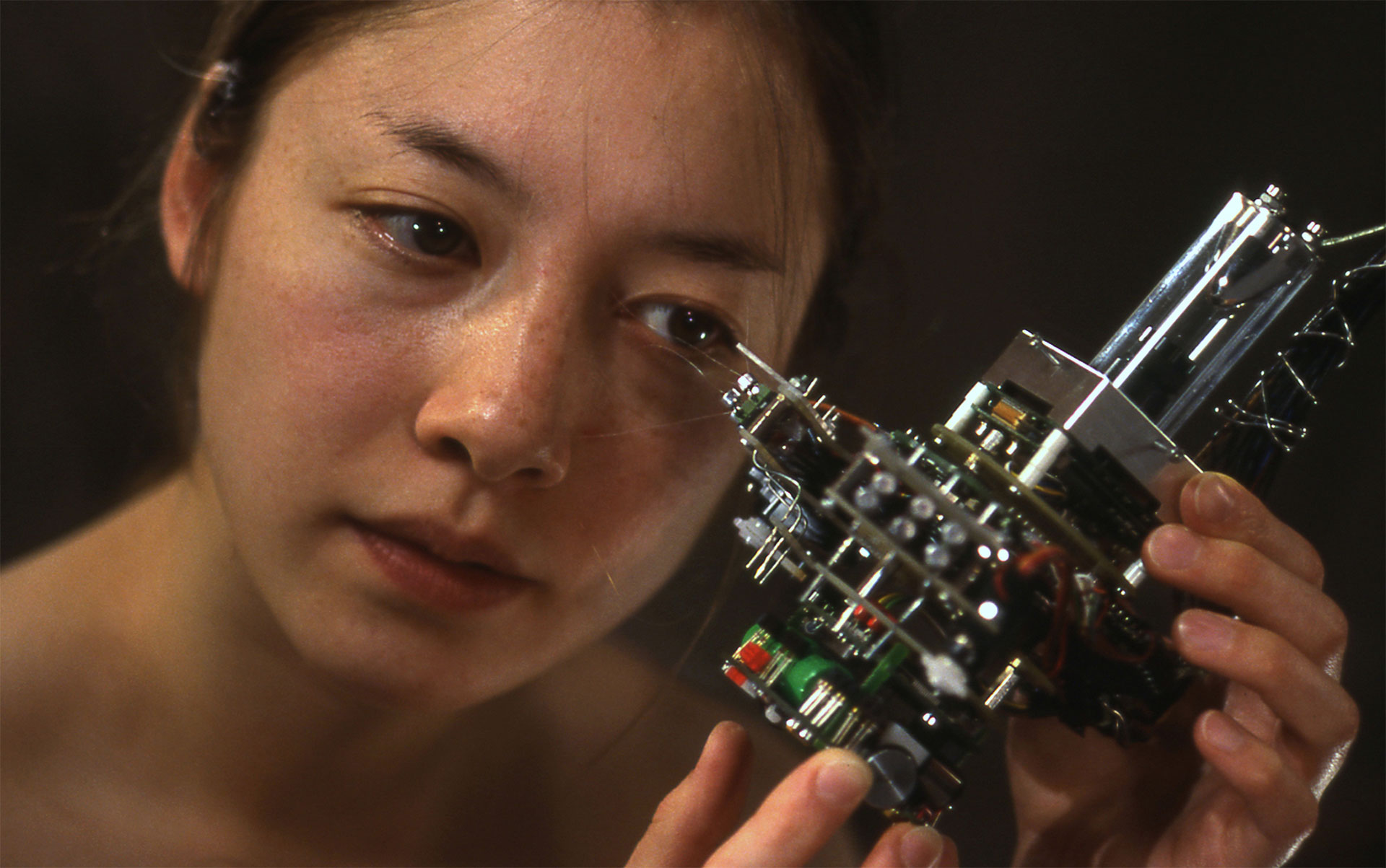
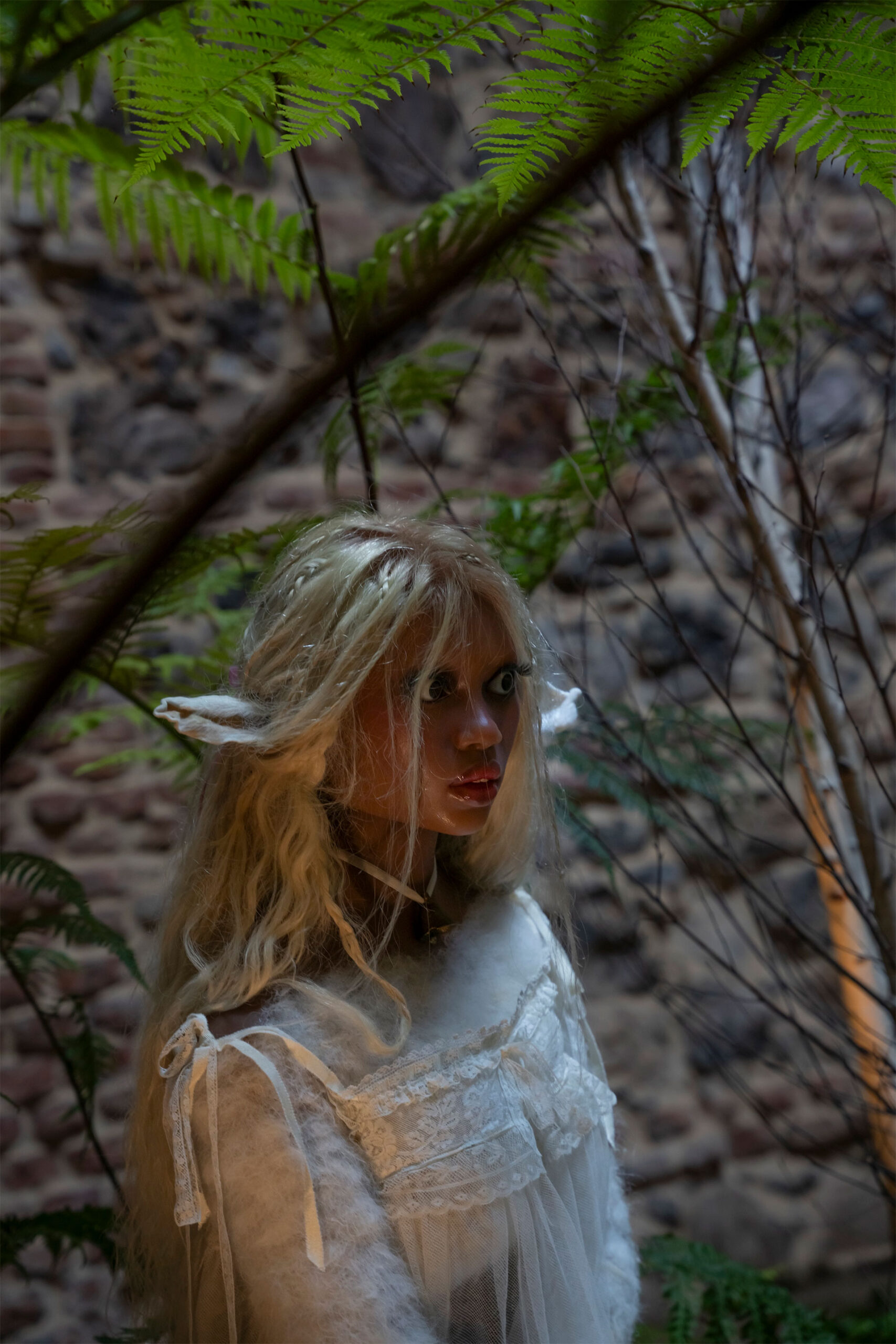
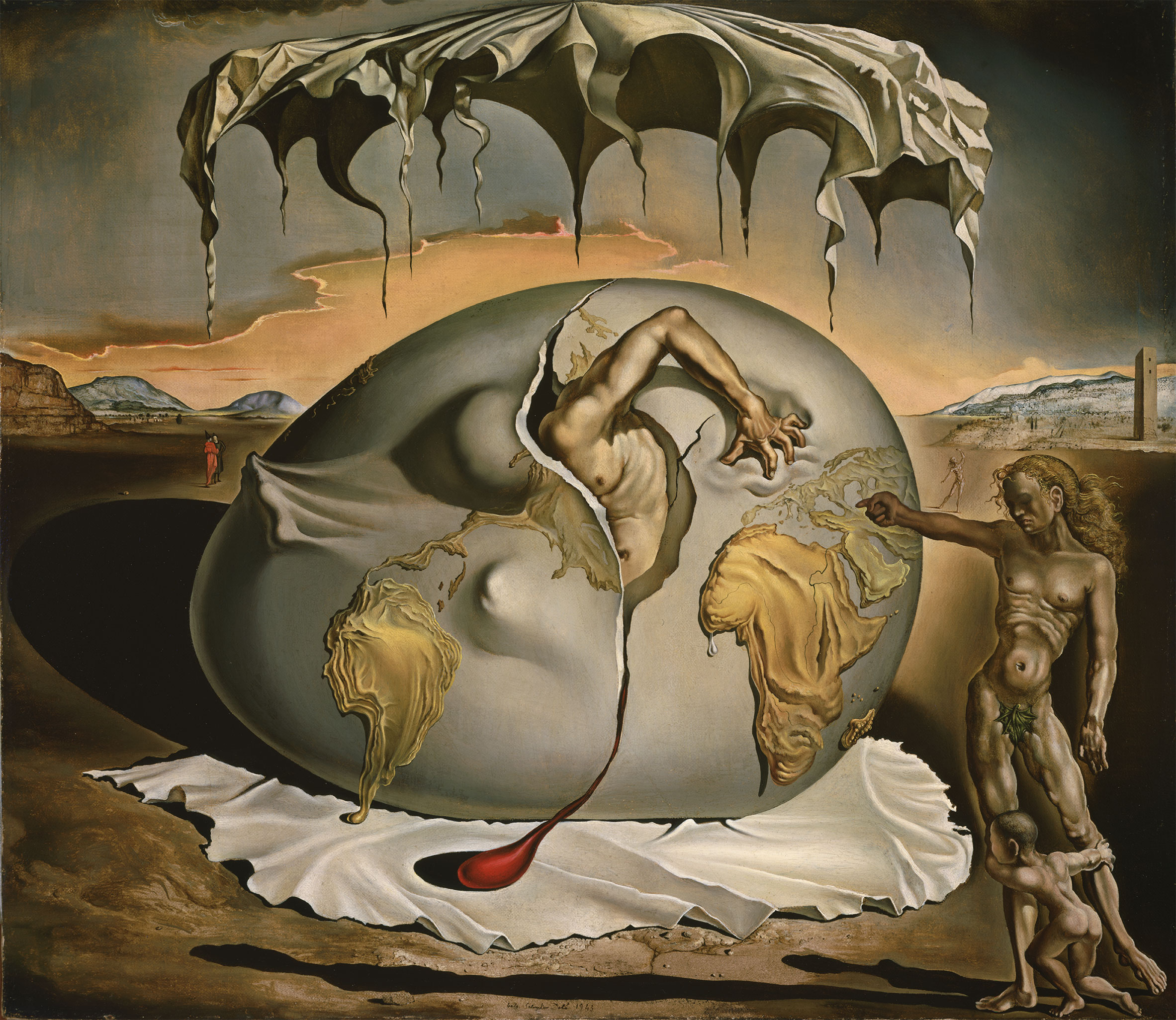
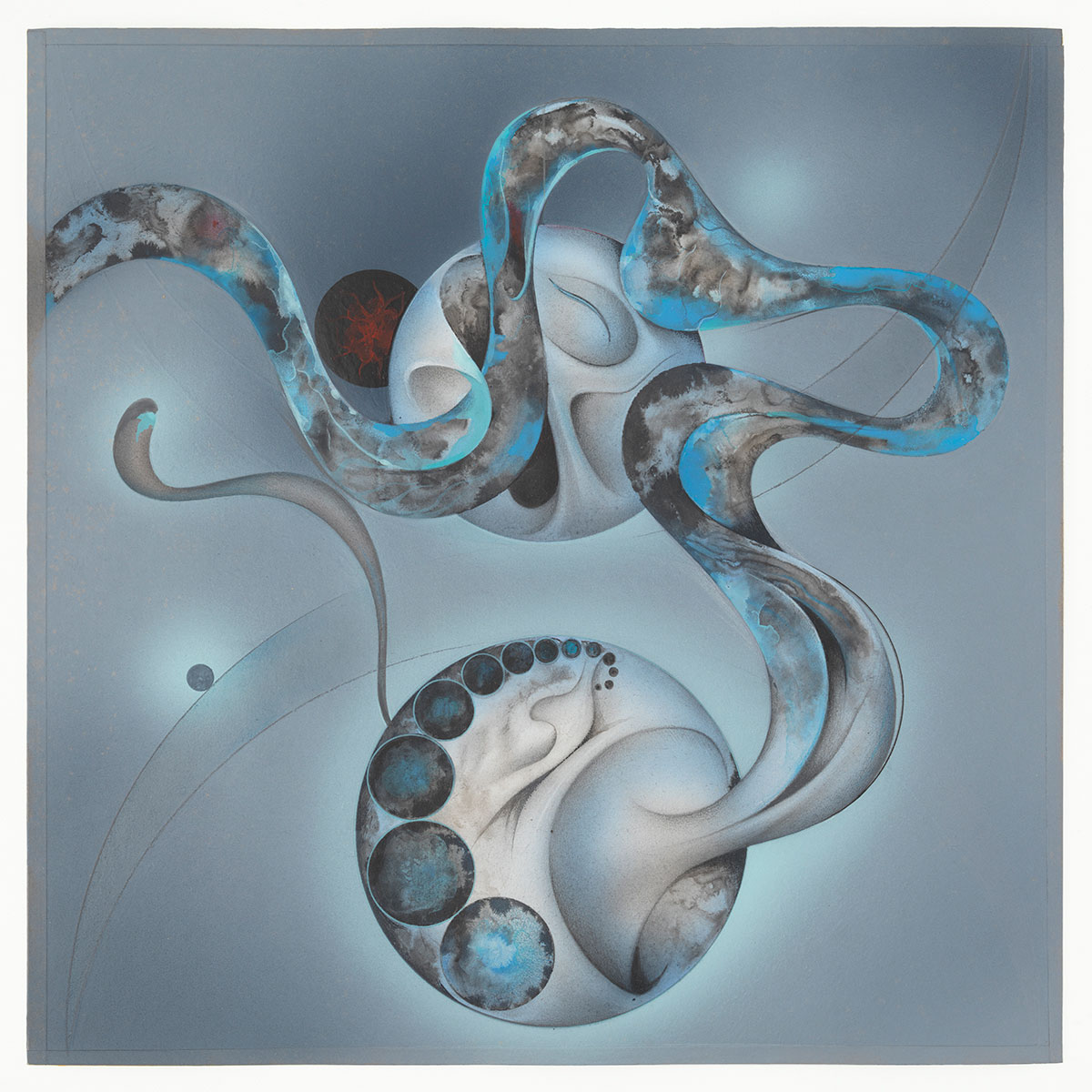
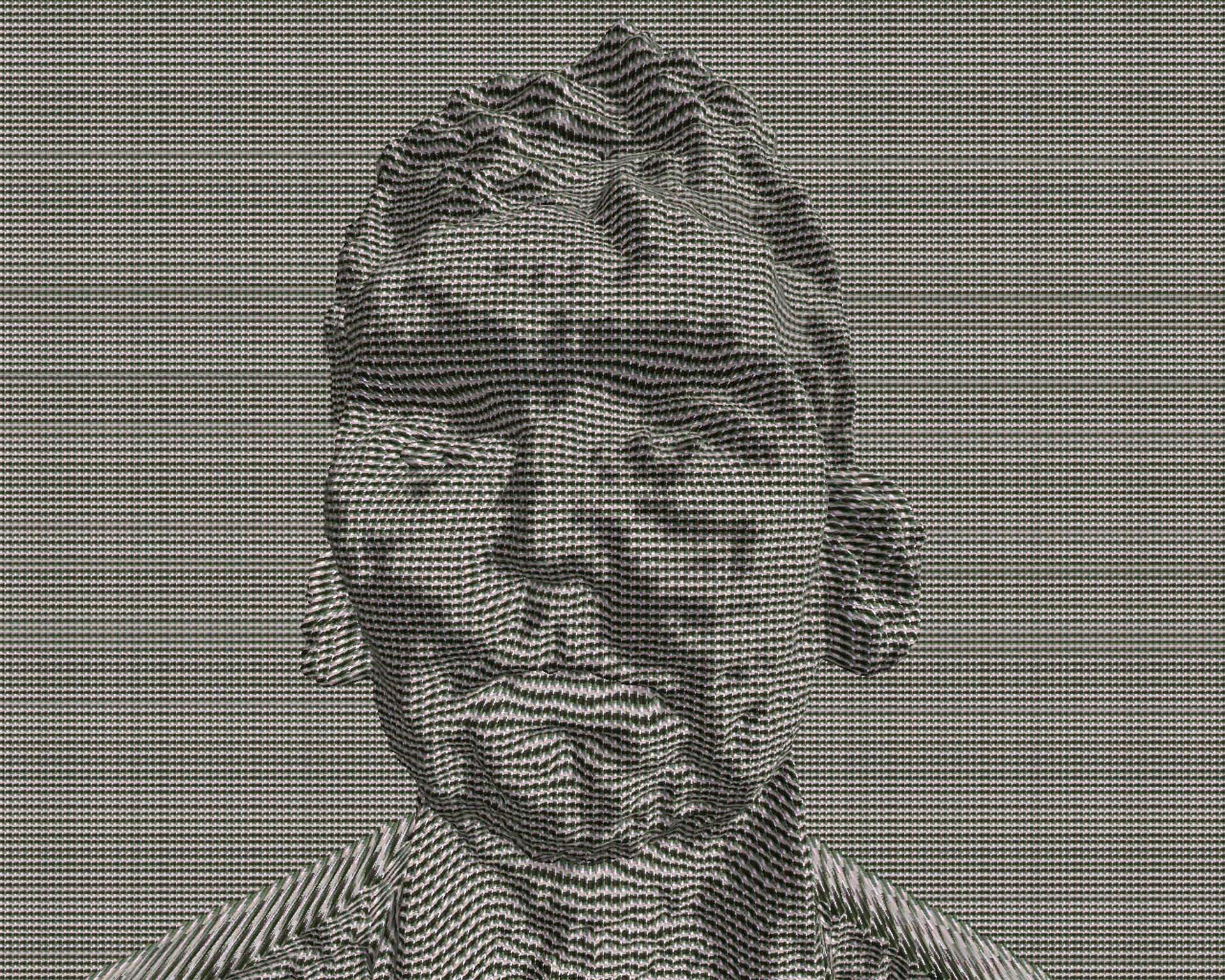
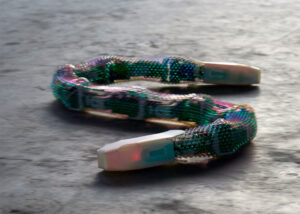
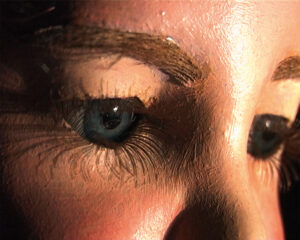
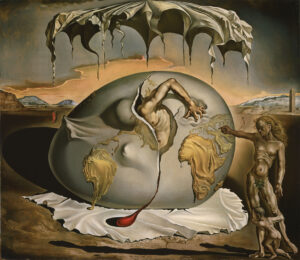
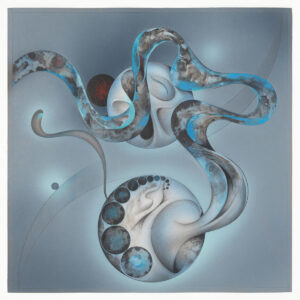
Throughout the exhibition, the human body becomes the terrain upon which technological transformation is negotiated. This is evident in Lennart Nilsson’s pioneering photographs of embryos, Hannah Höch’s hybrid figures, Salvador Dalí’s Geopoliticus Child Watching the Birth of the New Man, and the artificial organisms imagined by Anicka Yi. Separated by decades, these works nevertheless ask the same question: how does humanity change when the tools through which we interpret and transform the world also change? From the earliest scientific studies of human reproduction to contemporary explorations of artificial intelligence, genetics and biotechnology, the body emerges as the place where every technological innovation becomes tangible experience. For this reason, many of the works explore the blurred boundaries between human beings, living organisms and technological systems. The figure of the cyborg – short for ‘cybernetic organism’, a being enhanced with synthetic limbs and organs to augment its physical and cognitive capabilities –, a recurring symbol throughout twentieth-century culture, is presented not simply as a science-fiction character but as a metaphor for understanding contemporary life. Machines no longer appear as external tools; they have become integral to the construction of human identity itself. Alongside this reflection runs a broader critique of the idea of linear progress that has shaped much of modernity: Gioni argues that the exhibition questions both technological optimism and the universal notions of humanity that emerged in the aftermath of the Second World War. Technology undoubtedly creates unprecedented opportunities, but it also generates new hierarchies, new exclusions and new forms of dependency.
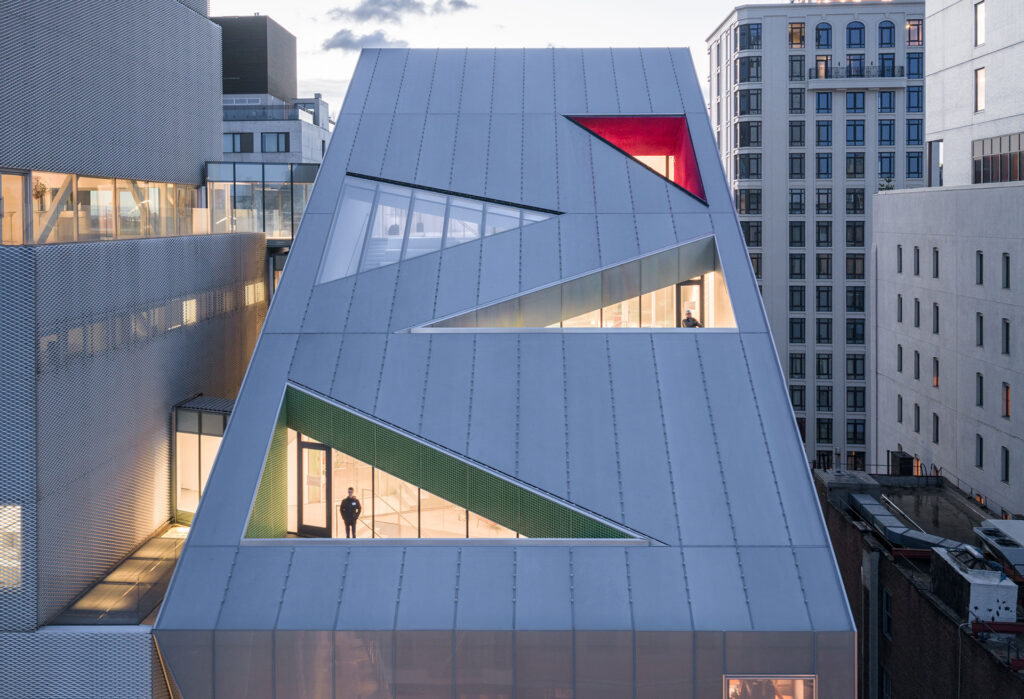
Even the curatorial process itself became an experiment in human-AI collaboration: Gioni recounts asking Gemini to assemble a selection of images around the theme of the uncanny. “The result was a remarkably convincing curatorial essay”, he observes. The experiment was never intended to replace the curator’s role. Instead, it demonstrated how AI can become another tool for research, comparison and critical inquiry, perfectly aligned with the spirit of the exhibition. Throughout New Humans, technology is neither celebrated as an inevitable destiny nor condemned as an existential threat. Instead, it is presented as a field of experimentation capable of opening new ways of thinking. Through robots, automatons, synthetic organisms, utopian cities and new forms of intelligence, the exhibition reminds us that the relationship between humans and machines has shaped modernity for more than a century and continues to redefine how we understand ourselves and inhabit the world.
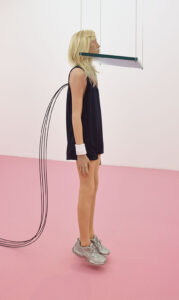
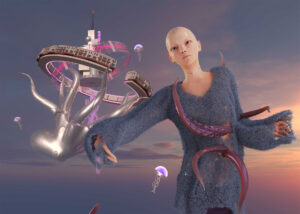
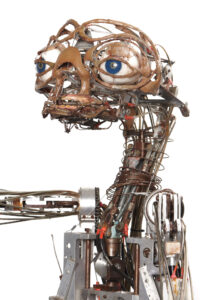
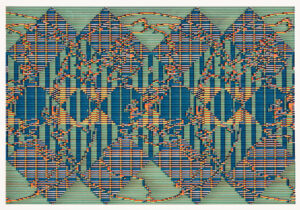
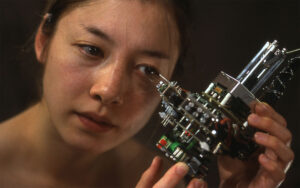
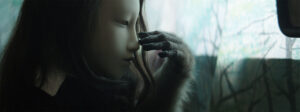
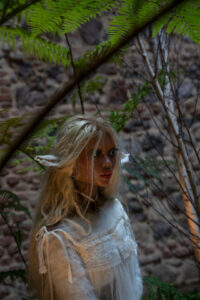
The works reproduced in this article are part of the exhibition New Humans: Memories of the Future, curated by Massimiliano Gioni, which has been on view at the New Museum in New York since March 21, 2026.