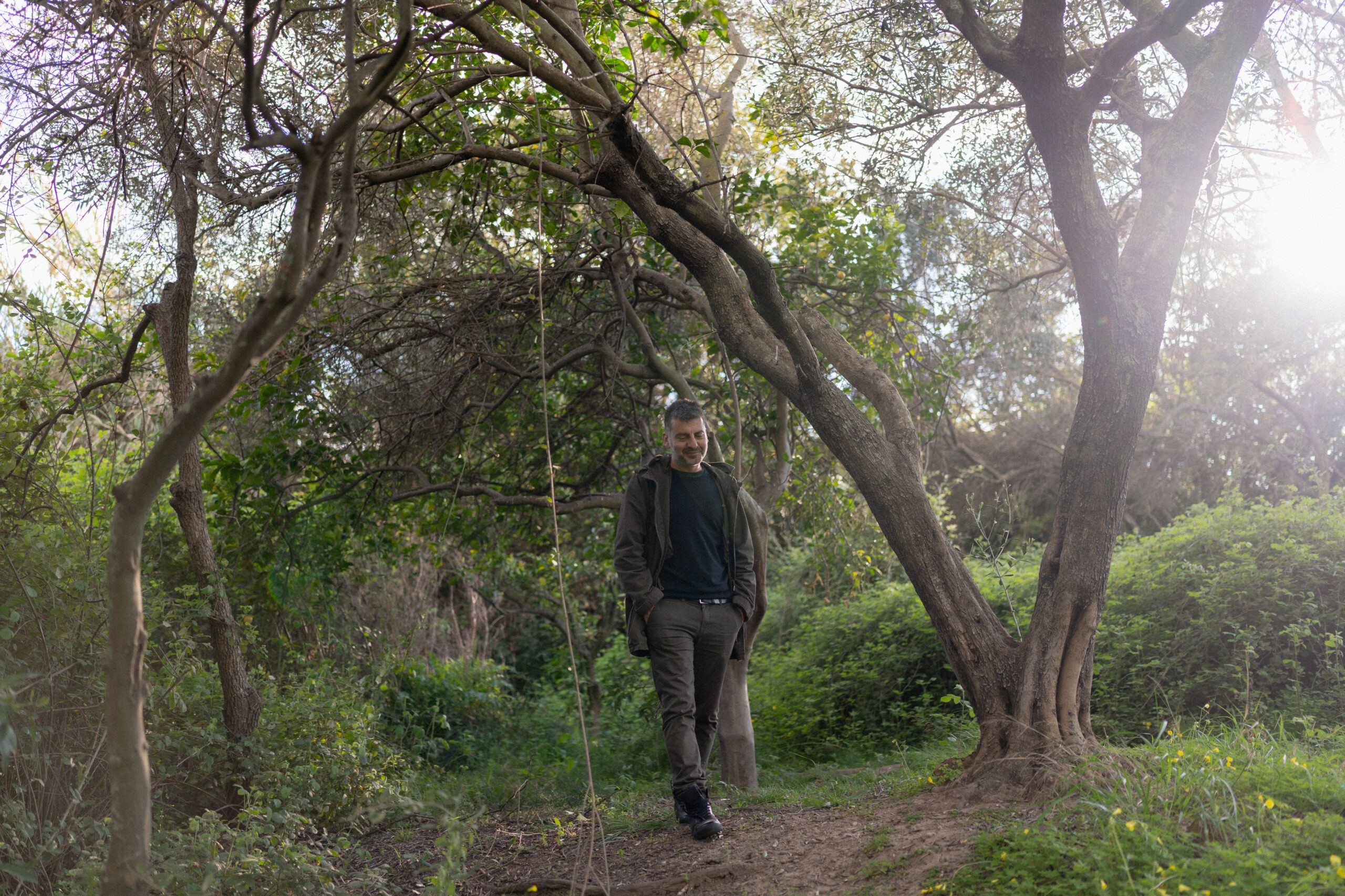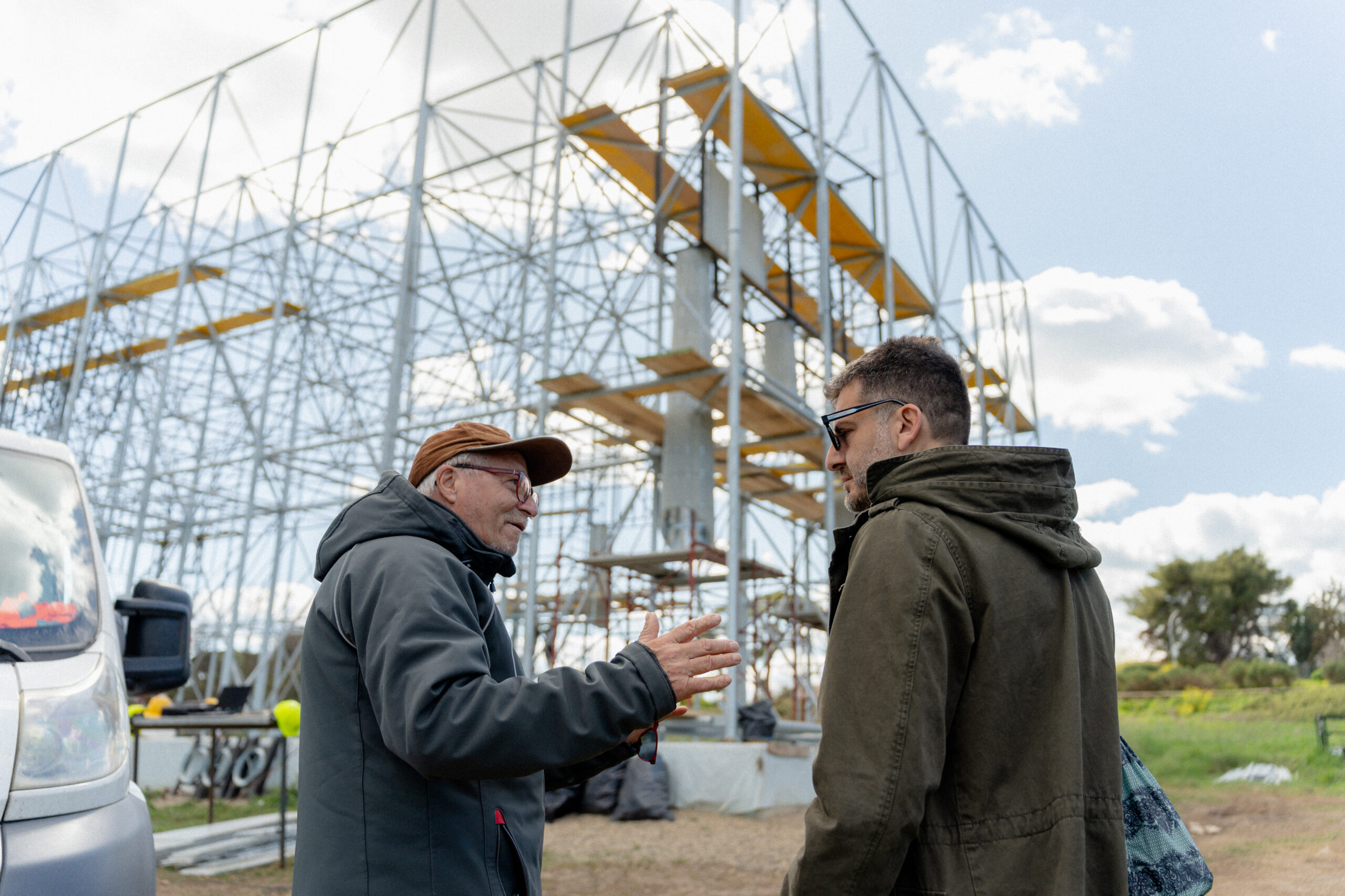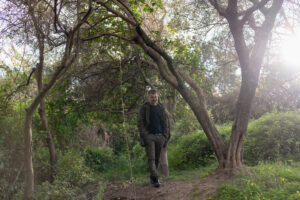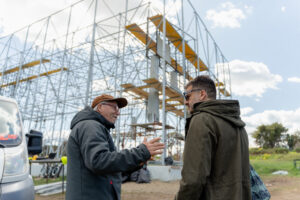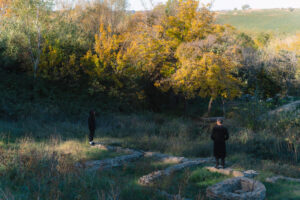


“If paradise existed, I would imagine it to be pretty much like this,” Antonio Oriente replies when we ask him to tell us how the Vallata Mediana at the Herakleia Archaeological Park, in Basilicata, was when the first inspections were carried out to define the art project Siris. He worked on the intervention, a stone’s throw from the sea near Policoro, with Studio Studio Studio, the interdisciplinary laboratory founded by the artist Edoardo Tresoldi. At the time, at the Herakleia Archaeological Park, the ruins of the homonymous 7th century BC Greek city that went on to become a major Roman city known by the name Heraclea, was overgrown with vegetation. The hustle and bustle of life in its streets could only be imagined. The site was fascinating, but there was a need to make it legible also to a lay audience, seeking “a far from easy balance between the desire to build and the worry of not significantly changing a place so steeped in history.” And he adds: “Our working group spent weeks fully immersed in the local culture, trying to draw a time line starting from Magna Graecia up to modern times.”
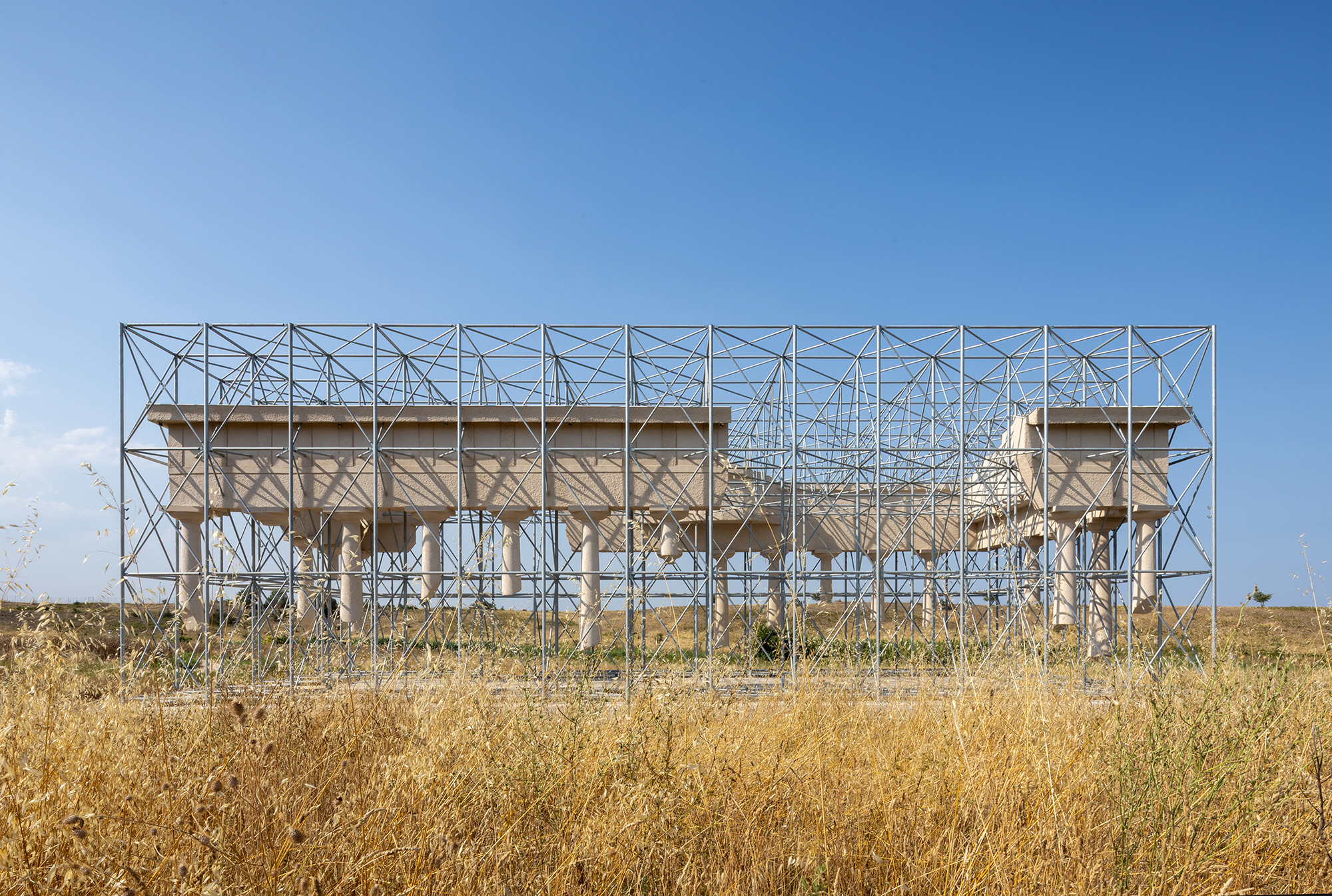
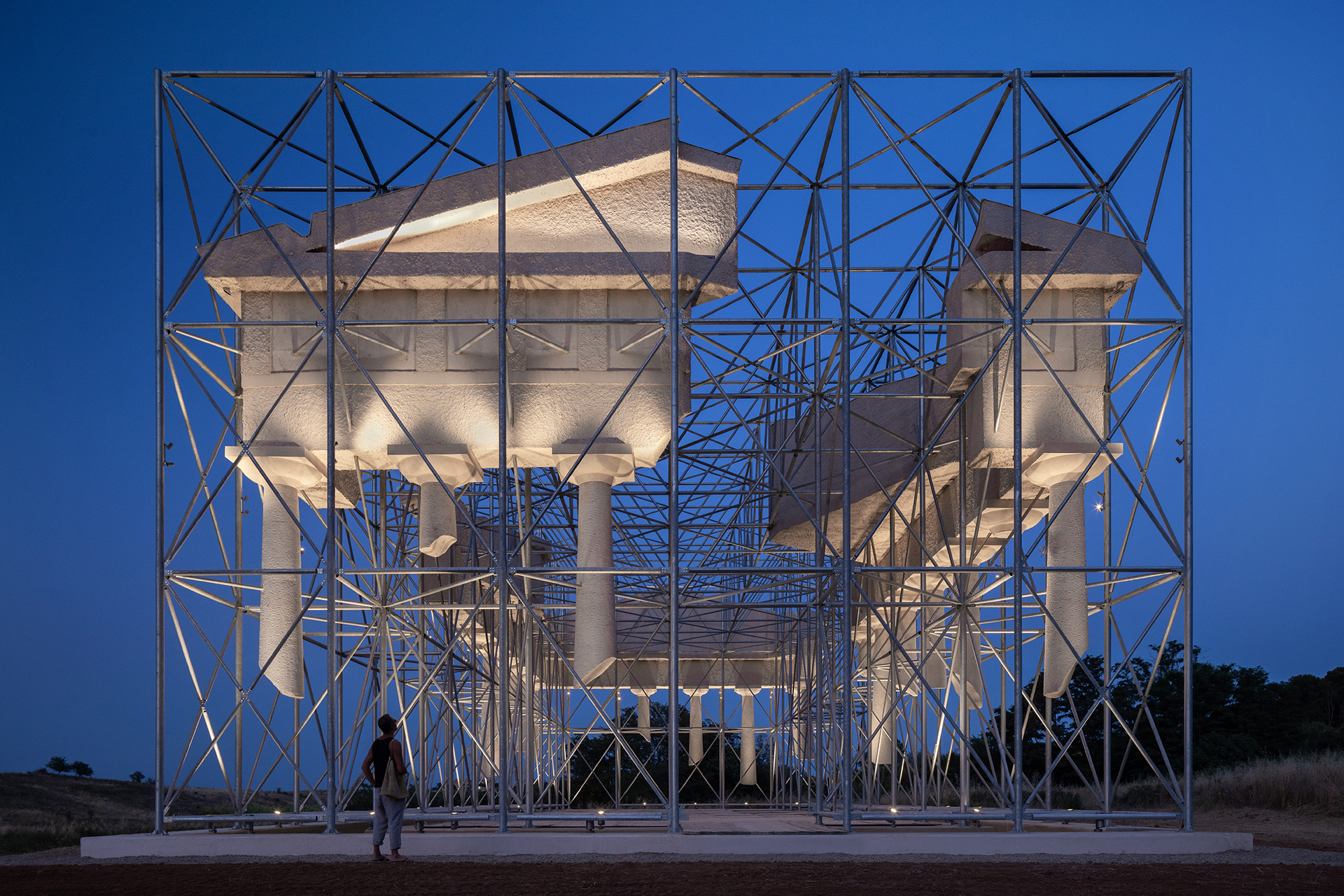
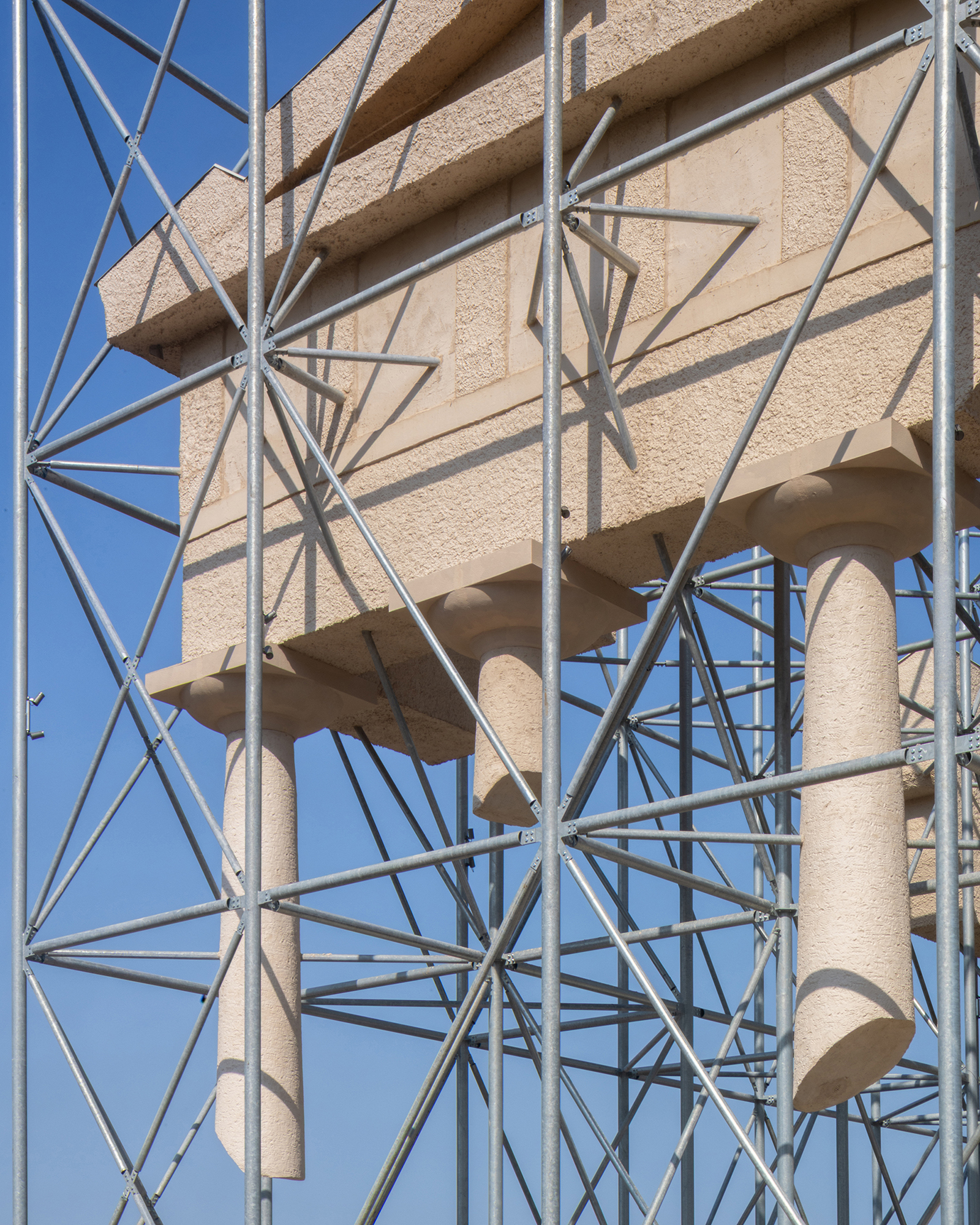
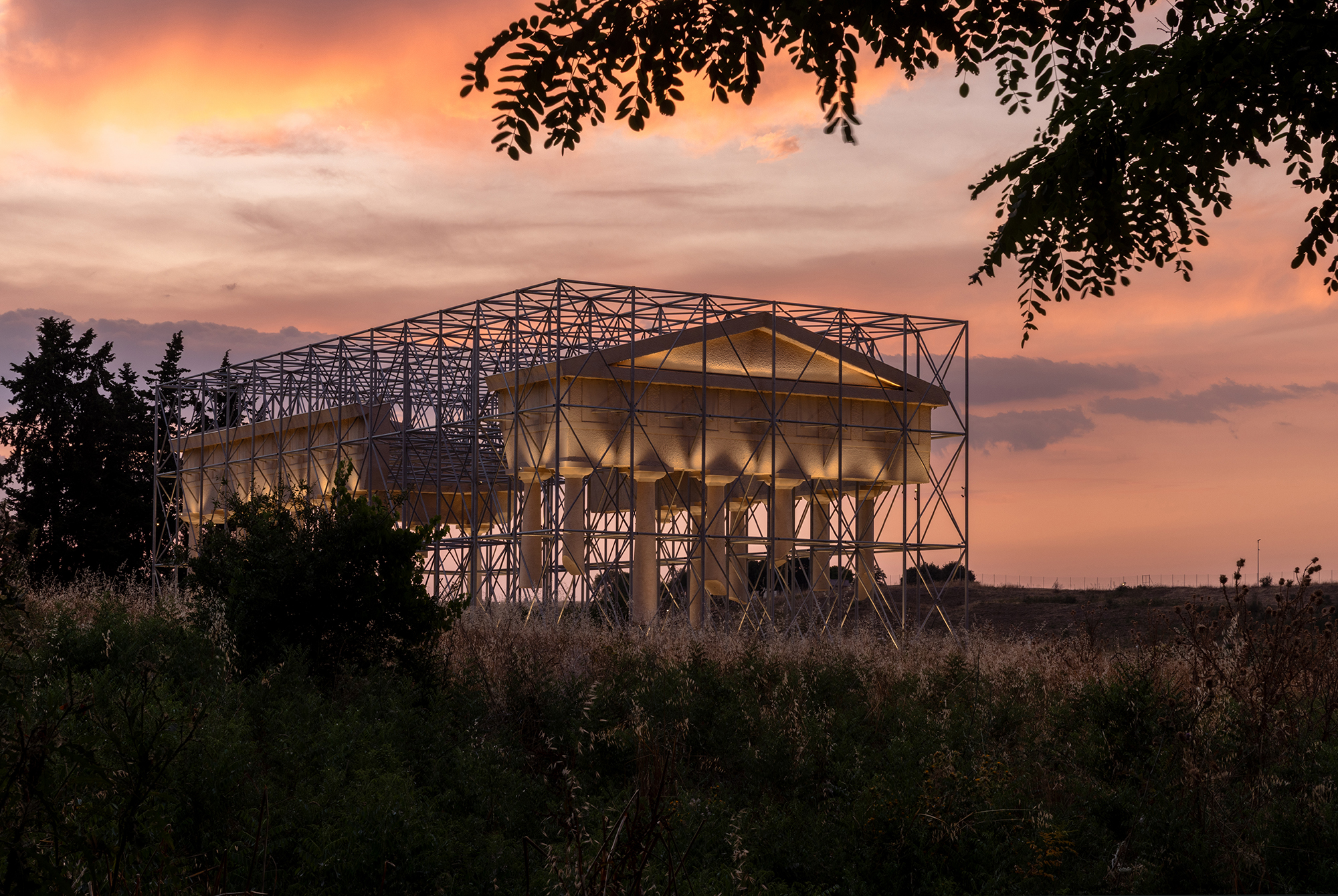
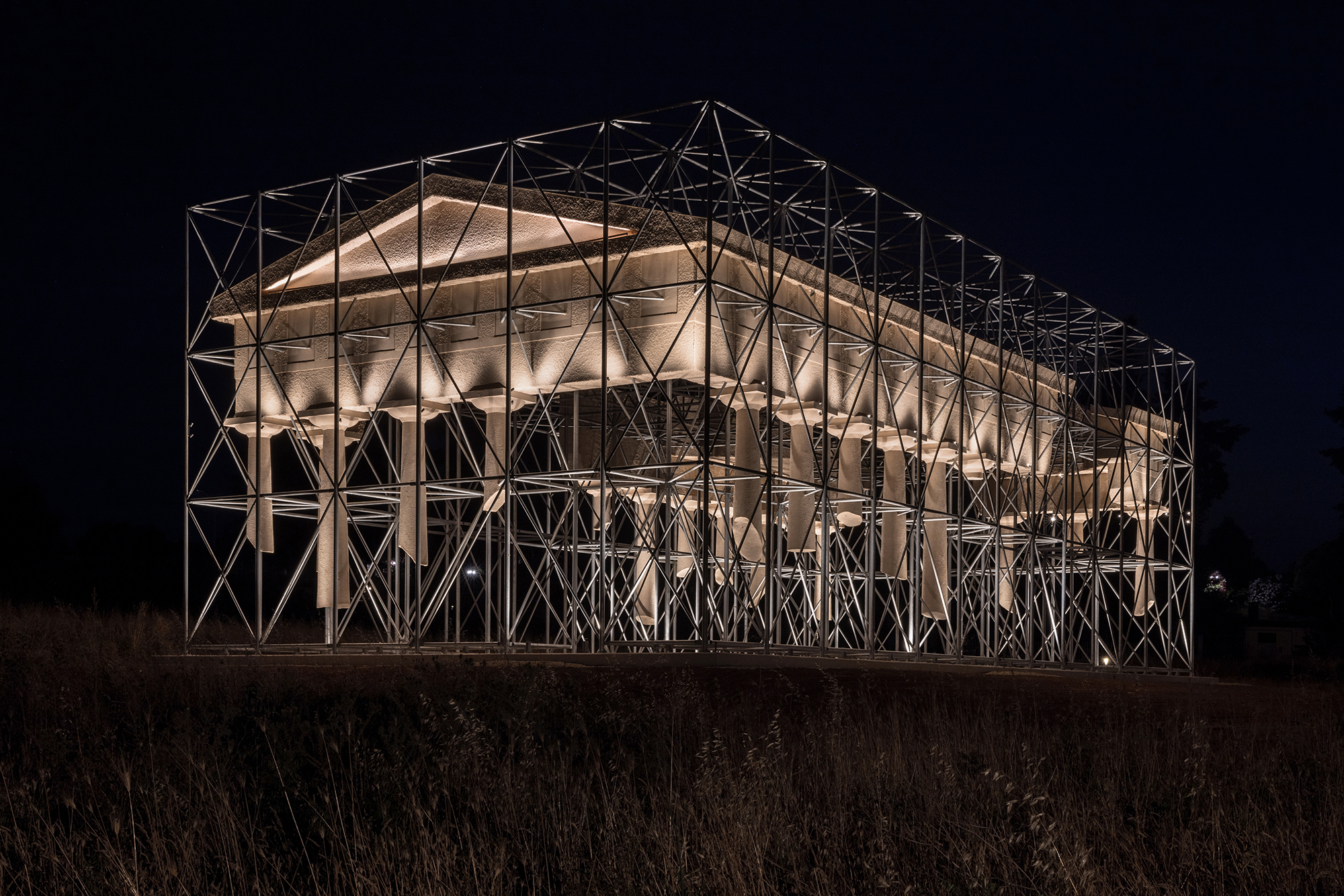
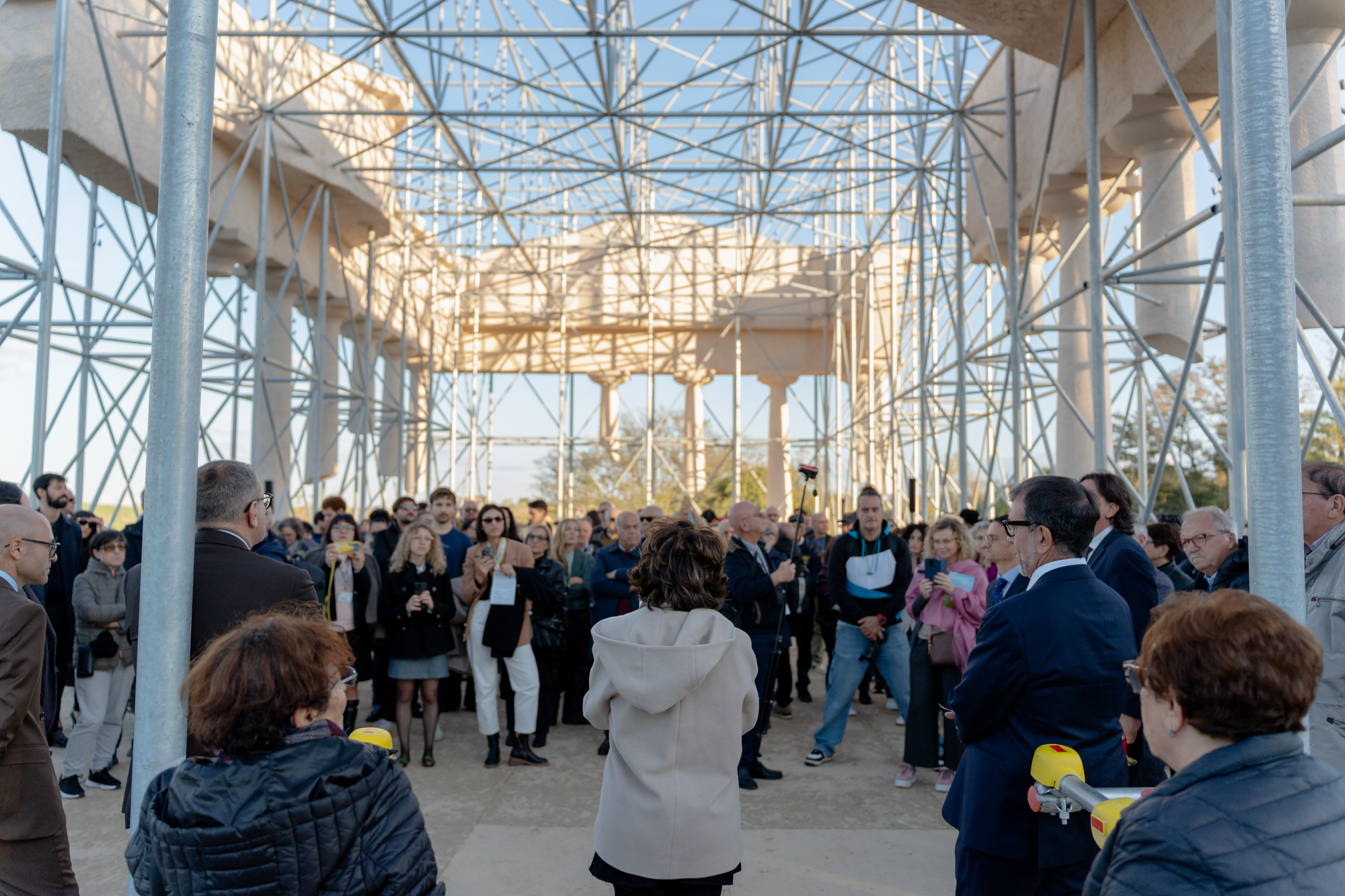
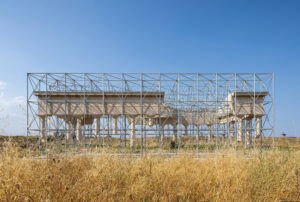
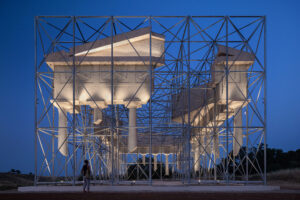
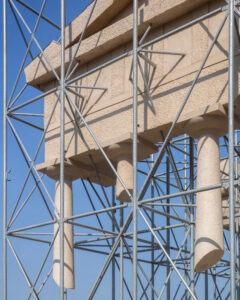
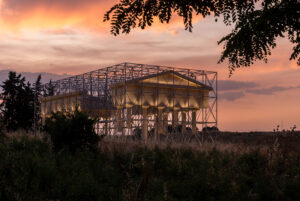
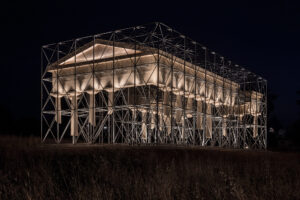
Making the invisible visible was contemporary art, with the velvet glove of the Siris project, through which the archaeological remains of the Park, including the Archaic Temple and the Sanctuary of Demeter, were showcased by three site-specific installations by the international artists Gijs Van Vaerenbergh, Selva Aparicio and Max Magaldi, unveiled to the public for the first time in November 2025. In the first, Inverse Ruin, by the Belgian architecture firm belonging to Pieterjan Gijs and Arnout Van Vaerenbergh, the Archaic Temple, of which only the foundations could be seen, was restored to its monumental origins with a ‘phantom presence’: a twelve-metre-high wire mesh structure that keeps the reconstructed fragments of the tympanum, cornices and other architectural elements suspended from above, leaving us to imagine what the building looked like.
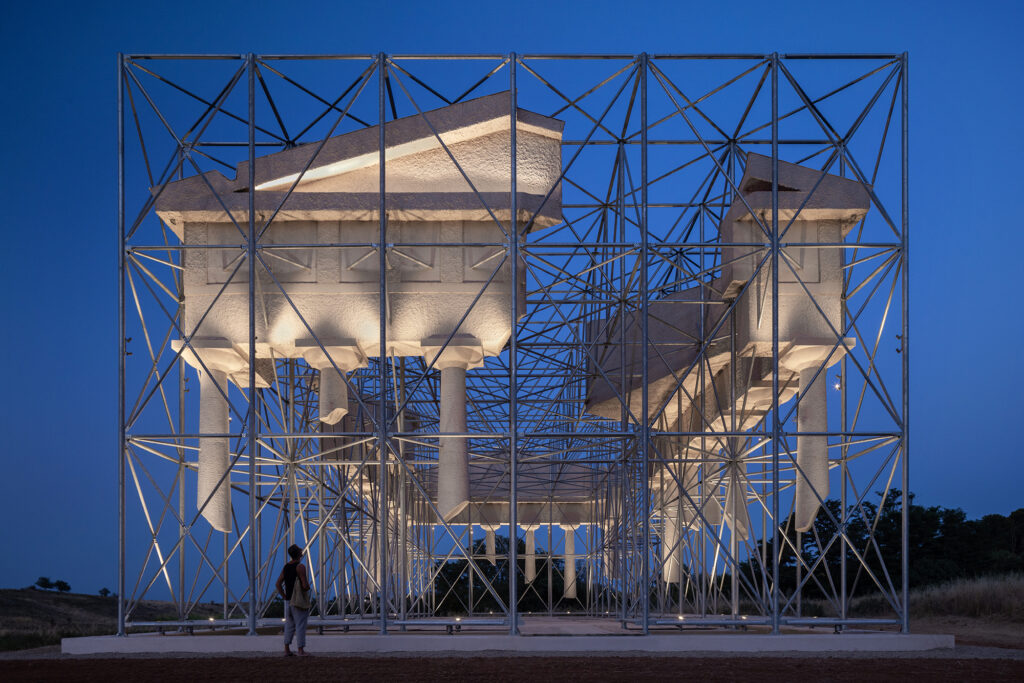
“This choice underlies all our archaeological interventions,” Oriente explains. “Tresoldi’s Absent Matter(the artistic concept based on the evocative power of wire mesh, ed.) paved the way: this is a tool for reading the heritage, not merely a formal choice. The original volumes of ancient buildings act as guidelines for the design, but the aim is not reconstruction, as these would become historical fakes. Marc Augé, the anthropologist of ‘non places’, defined reconstruction as the “illusory evidence of the present”; every era had its own contemporary period and must be expressed clearly and legibly, with no ambiguity, while respecting the archaeological evidence and the natural context.” Augé led the operation with his thoughts, particularly those found in a fundamental text like Ruins and Rubble (Bollati Boringhieri, 2004). “Augé’s philosophy led us to interpret ruins not as mere remains but as places charged with time and active absences. The book explains how ruins are not just loss but an open condition able to produce meaning in the present. This approach guided the whole project: not restoring an ideal image of the past but rather working on what remains, the gaps, the stratifications and the possible relationships that these generate today.”
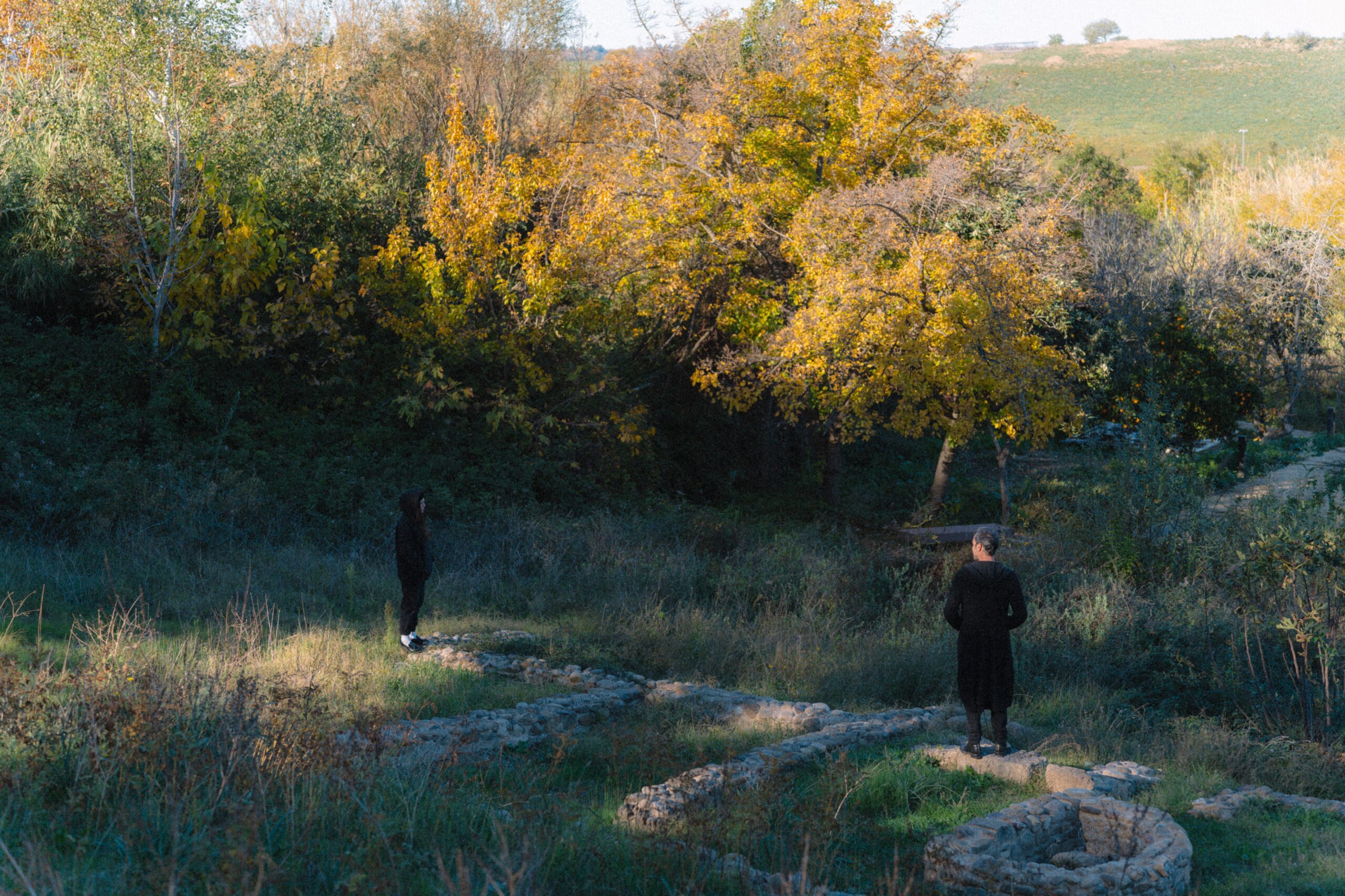
Natural elements are underlined in two other installations in the Siris project and are charged with new meanings: the Sacred Wood, in which seven sculptures inspired by rural votive shrines, created by the Spanish artist Selva Aparicio with patterns taken from plants found locally during botanical surveys, create a path that leads to the Sanctuary of Demeter. Finally, Max Magaldi’s sound accompaniment, available on an app, which adds a fourth dimension to the park ecosystem, using the voice of the singer-songwriter Daniela Pes and the lyrics of the poetess Claudia Fabris, who “has been working in Basilicata for some time,” Oriente states, “and who played a key role in our understanding of and approach to the site.”
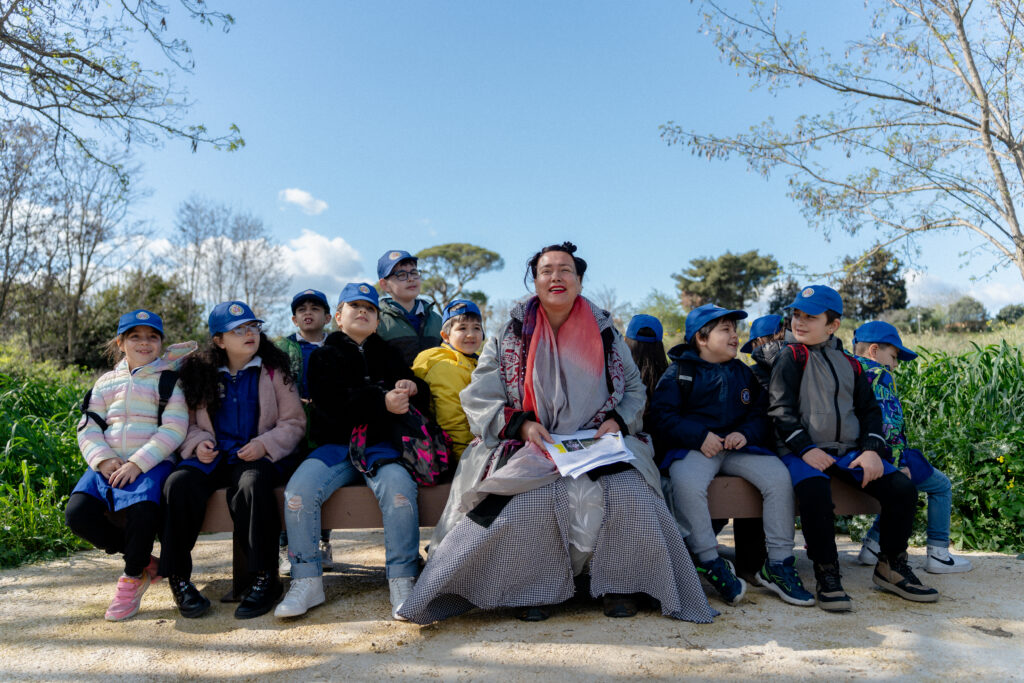
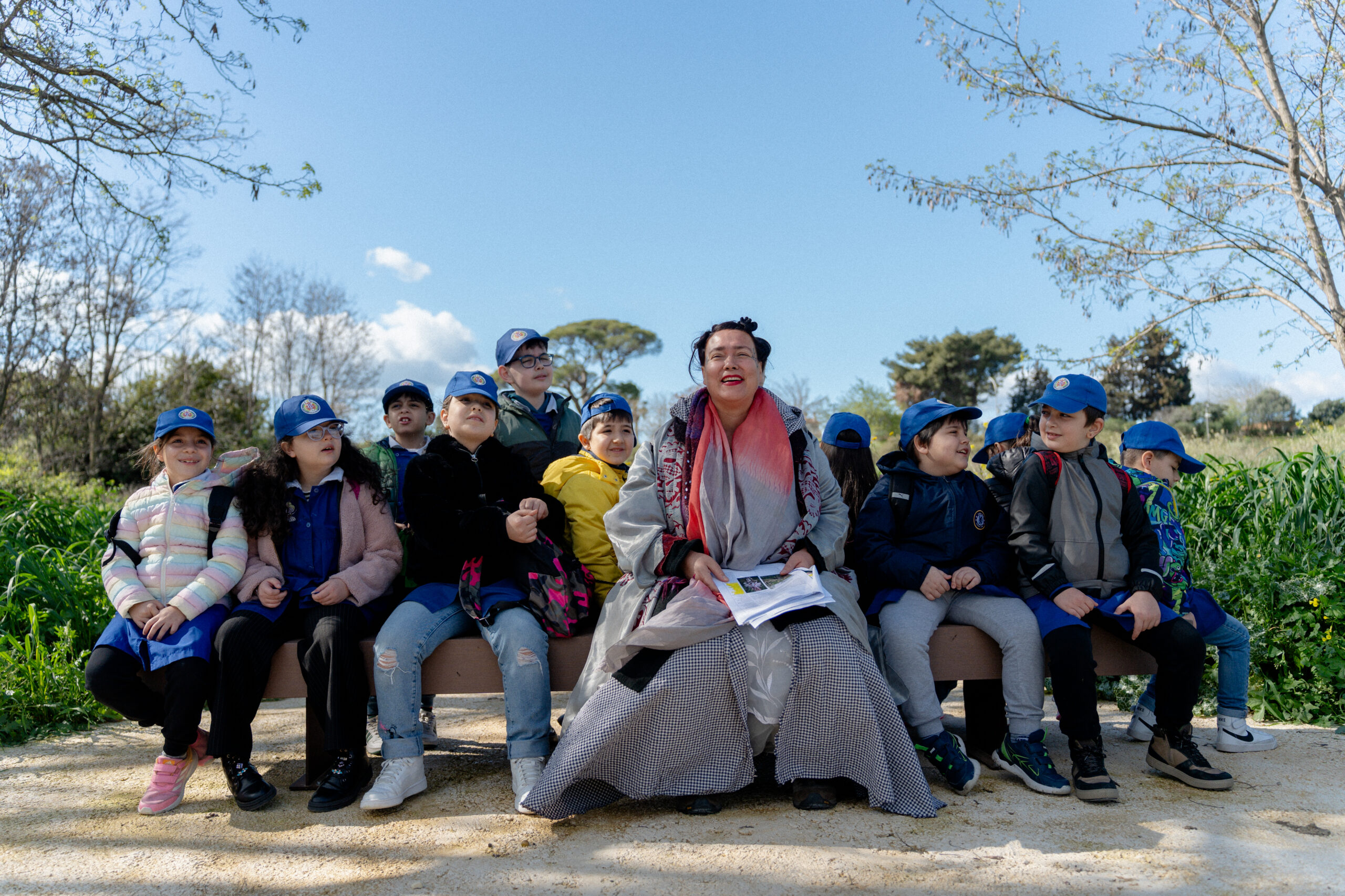
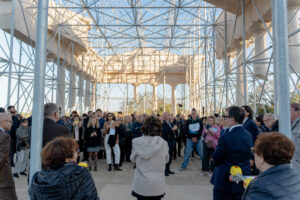
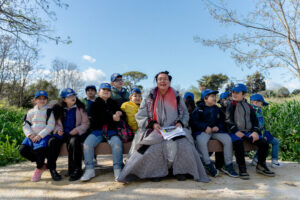
“We and the artists investigated the Demetran rituals, the heritage of the ex-voto and how over time these practices were transformed up to modern times,” Antonio Oriente continues. “We took part in local tree rituals such as the Maggio di Accettura (marriage of trees), to learn about and experience the Basilicata territory as much as possible, also because I was born in Policoro and have always felt the honour and duty to complete a work that lived up to the history of this place.” The knowledge of Lucania and all its special features turned out to be a fundamental advantage for a project that, despite the international renown of the artists involved, focused on the local dimension. “Public art must have its incipit in its reference communities: Siris is, first and foremost, the expression of a territory, and was designed for schools and associations, as well as for tourists. But above all for the local population.”