

Since 14 June of forty years ago, when the representatives of five European countries met in Schengen, the Luxembourg village with around 5,000 inhabitants looking over the River Moselle, to sign the international agreement that laid the foundations for a common space in which people and goods could circulate freely, the name Schengen has been the byword for a ‘borderless’ territory.
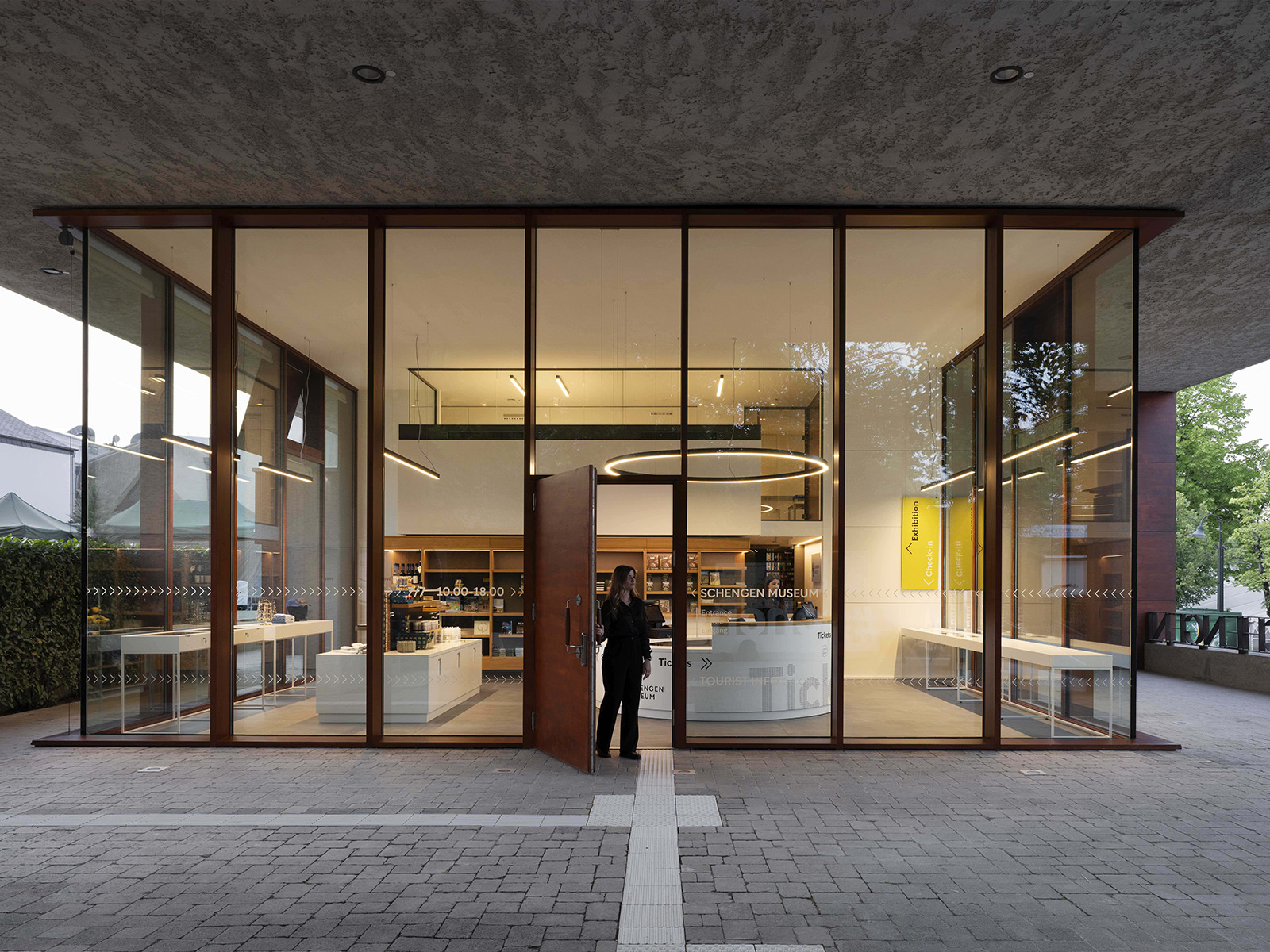
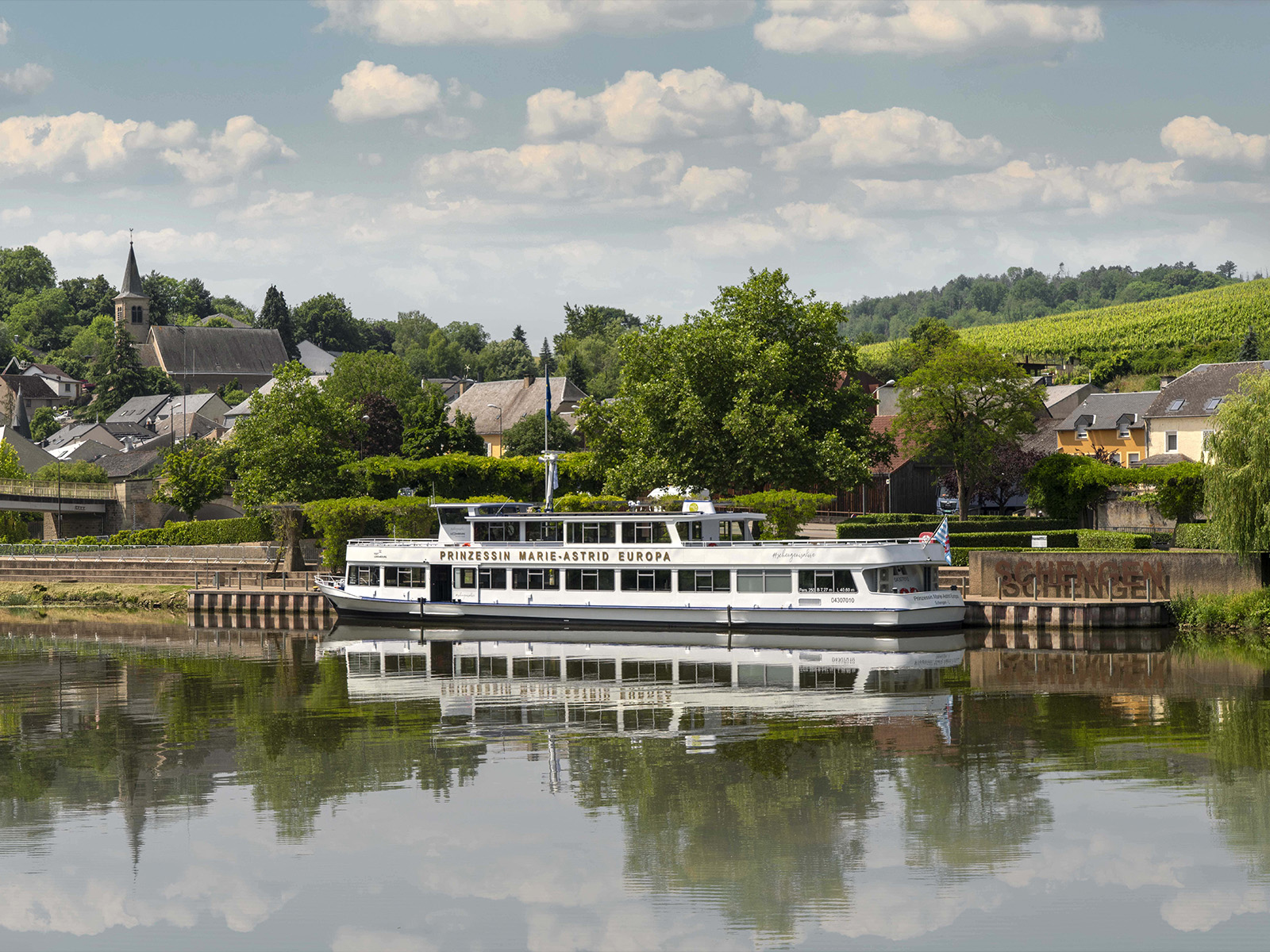
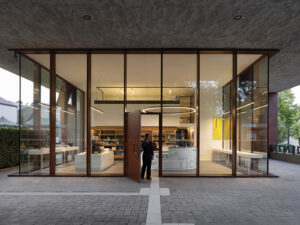
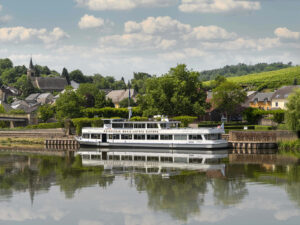
The backdrop for the historical meeting in 1985 was actually a river boat, the Prinzessin Marie-Astrid Europa, which has been completely restored and is now moored in front of the building renovated by Forma Architects that hosts the new Schengen Museum. Inaugurated on the fortieth anniversary of the signature of the agreement that significantly affected the lives of the inhabitants of the Schengen Area (which today is much larger, covering the 27 member states), the museum also explains what borders are to the young Gen Zs, who are so used to moving between European countries without even noticing.
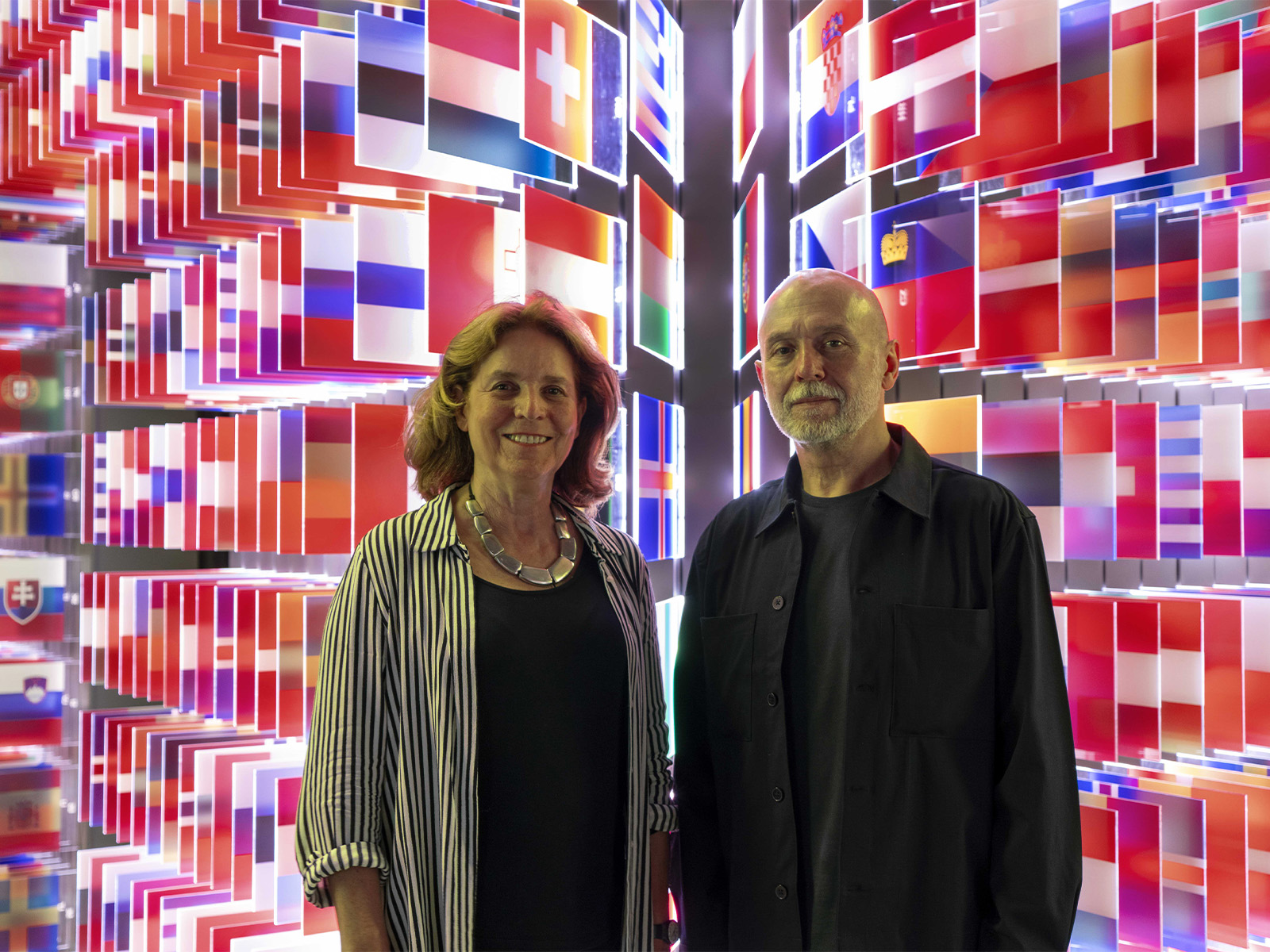
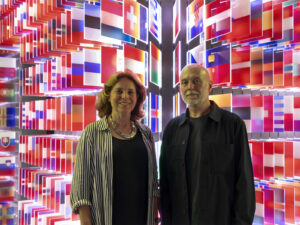
The new permanent museum set-up is an all-Italian design, by the firm Migliore+Servetto in partnership with the multimedia design company Karmachina. “We worked closely with the museum curators right from the start,” the architect Ico Migliore explains to humusÒ, “and with them we built a journey around the idea of border, which is not only a hot topic today – what with 56 wars underway around the world – but also fascinating because of its anthropological implications. Thinking about this topic allows us to investigate the physical metamorphosis of places, especially where a country fades into another, and on the positive transformation of people who encounter diversity. We may be tempted to close up within our borders thinking we will be safe, but we shouldn’t forget that contact with others is the only way to evolve. Nobody ever changed by staying alone in a room.”
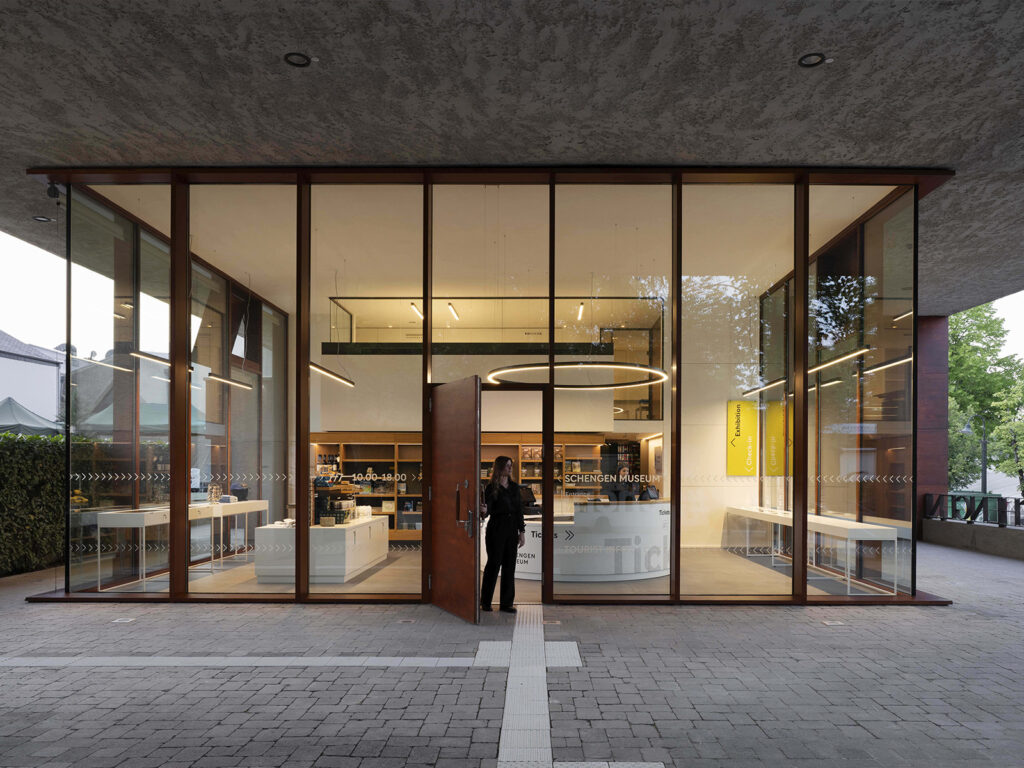
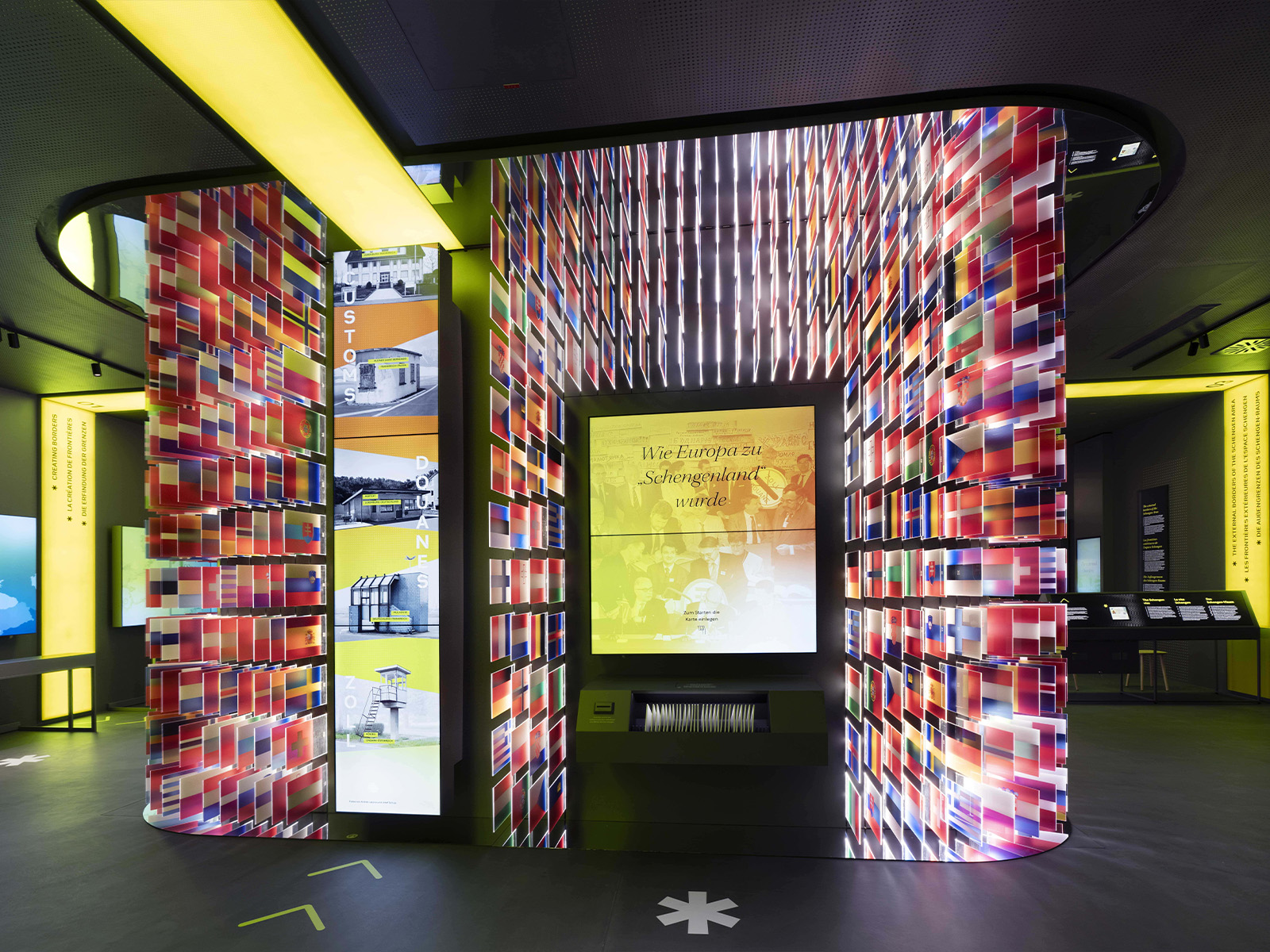
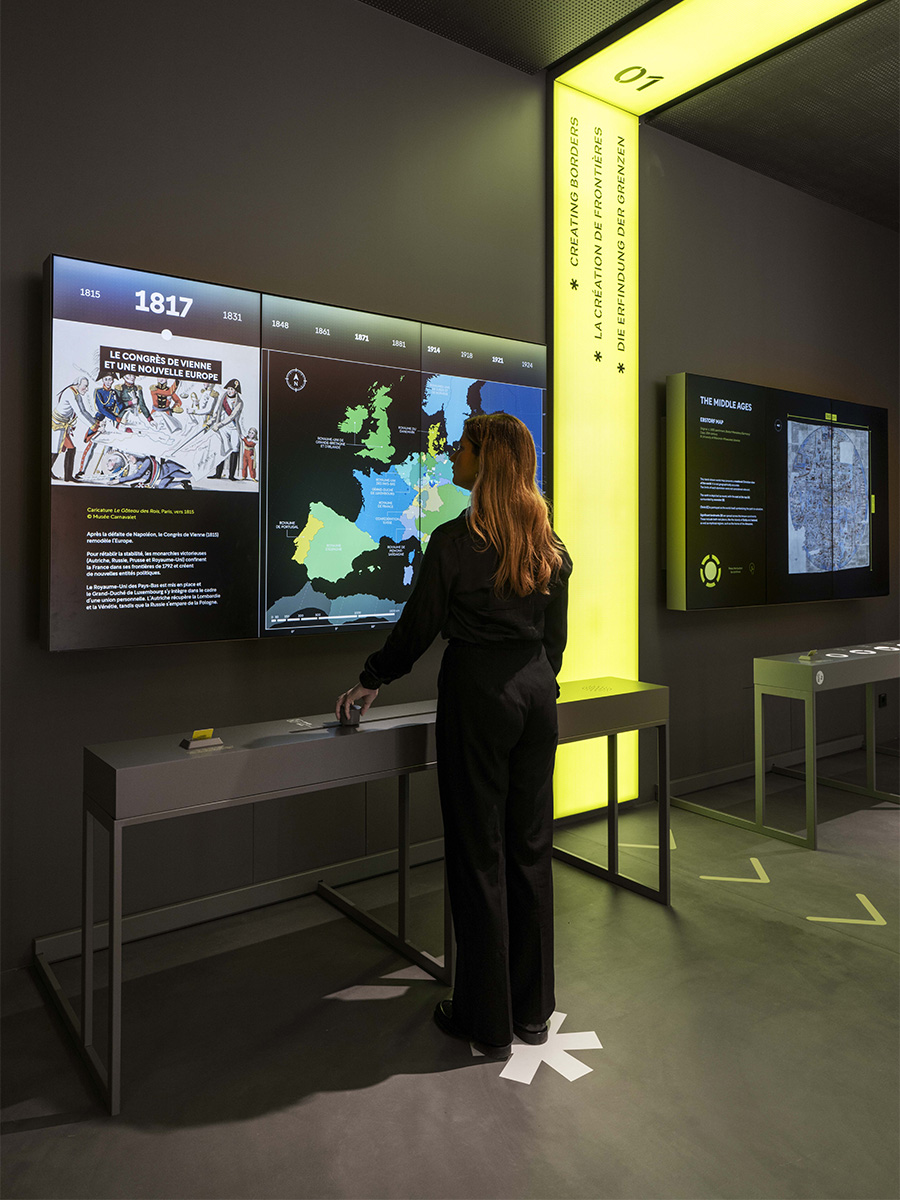
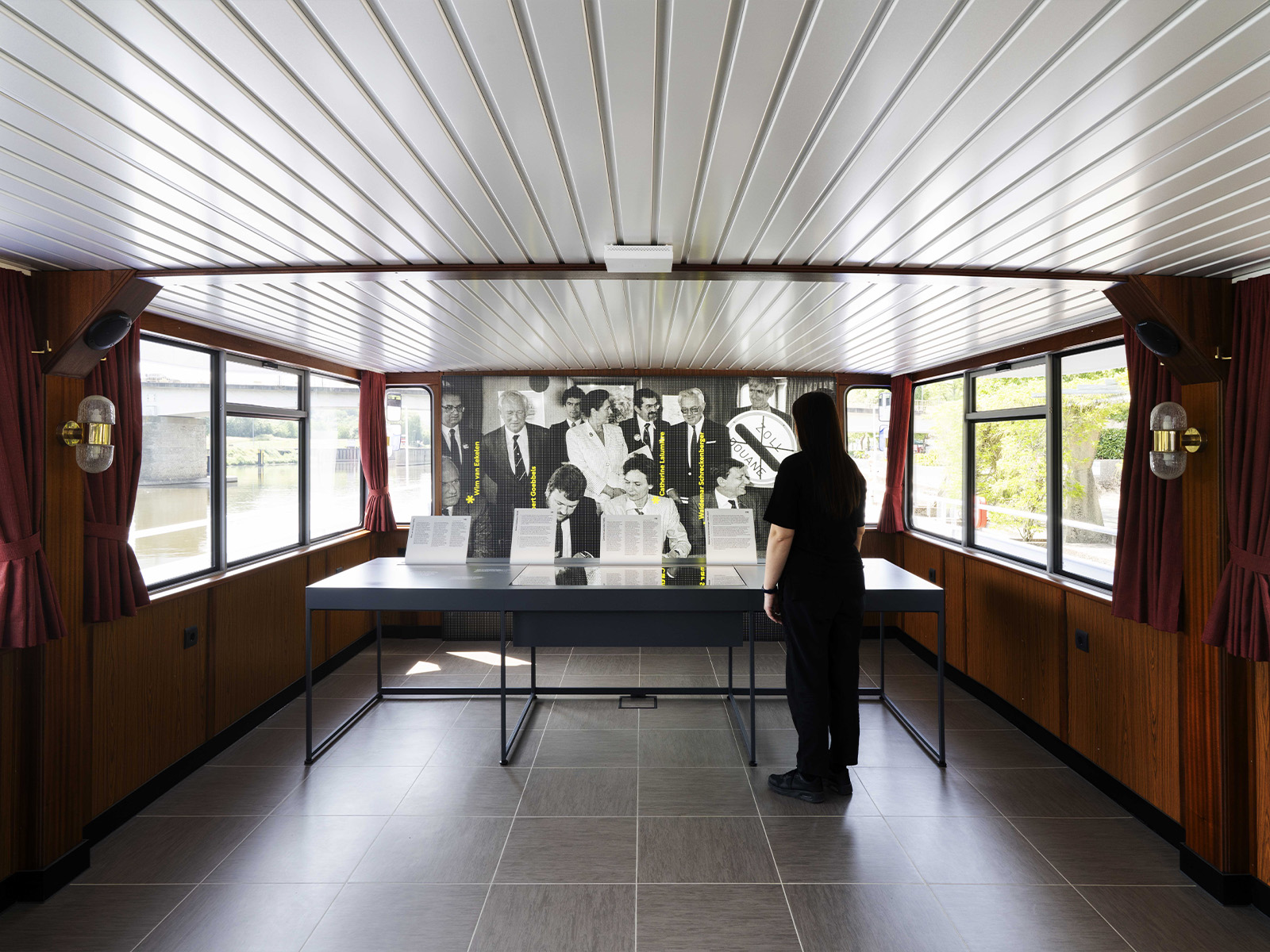
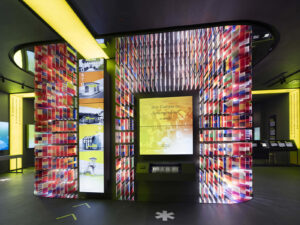
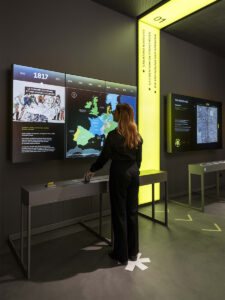
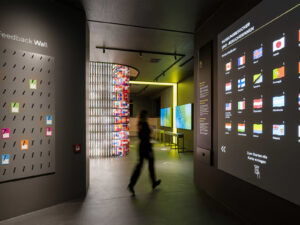
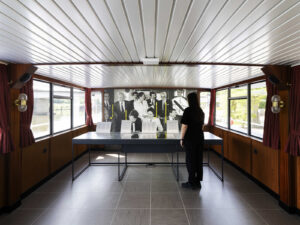
In a 400-square-metre space in the main body of the Schengen Museum, Ico Migliore and Mara Servetto developed a circular experience-based path focusing on overcoming barriers between eras and languages. As in any traditional display, visitors can learn more about historical topics through the texts and collections of objects and photographs. “For example, there’s a series of beautiful photos of border guard stations, very similar in style and atmosphere to the works of Wes Anderson,” Migliore recalls, or they can investigate the matter using more playful and interactive tools like interfaces and gaming. And in the centre of it all stands the Cube, made of many overlapping flags that beats like a heart and contains the testimonies of people from different European countries. The experience is completed with a visit to the boat, which floats on the river like an unconventional exhibition, the original furnishings recalling the style of the mid-Eighties and the reality of the ‘Signature Room’, where the agreement was actually signed, while a modular space has been set up to host temporary exhibitions.
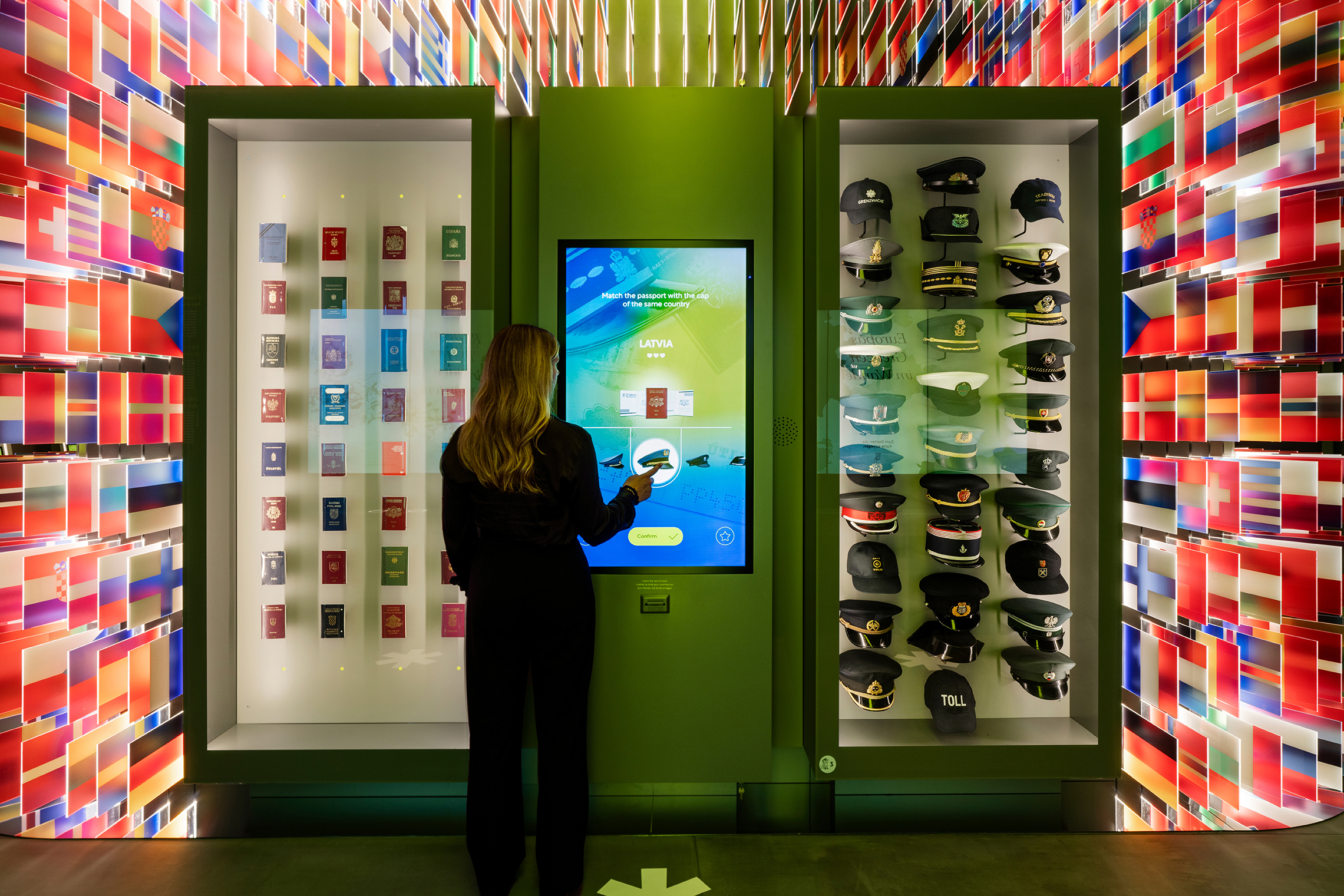
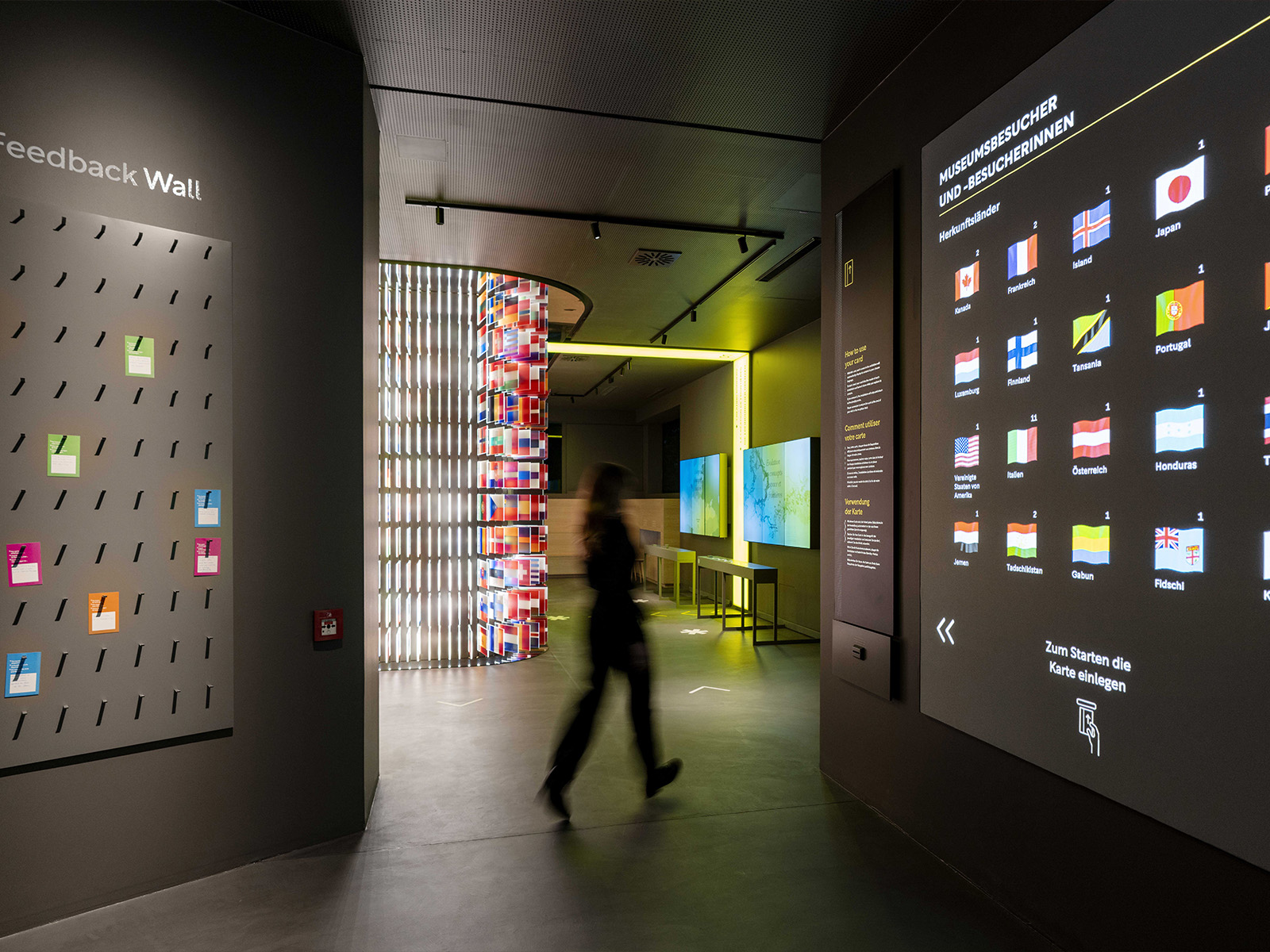
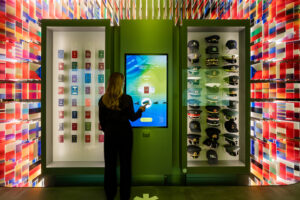
Interaction with visitors is a key element and starts as soon as they get on board and register by declaring their country of origin. They then receive a card that acts as a badge, used to dialogue with the museum. “We have been working for some time on design applied to cultural communication, and we have seen how people usually tend to remember not so much the contents they have read or the objects they have seen but more the emotions they experience; and this is why we aimed for a talking set-up,” Ico Migliore continues. Together with Mara Servetto, he has expressed his own vision on places of culture in a book entitled Museum seed. The futurability of cultural places (Electa, 2024). “One of the games proposed is a maze where you have to choose a character and put yourself in their shoes, then crossing a series of borders. Doing this, you realise that the difficulty of the exercise changes depending on the nationality of the character: in some cases, leaving the country demands a huge amount of paperwork. We were born in a certain part of the world and we have great freedom of movement. But not everyone is so lucky.”
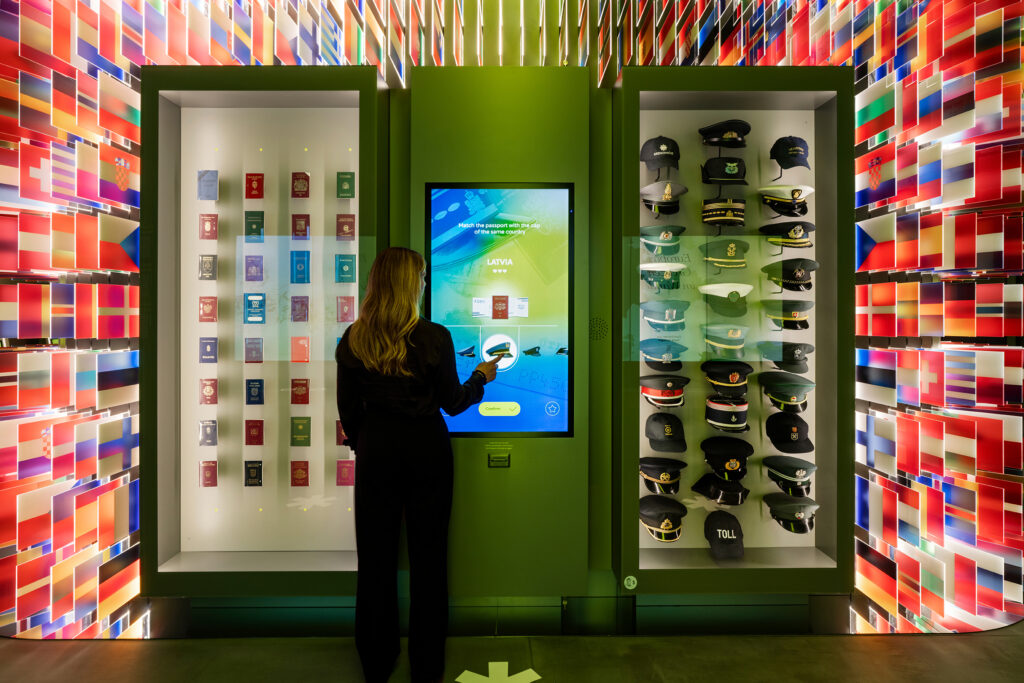
Much of the Schengen Museum path is digital, while always balanced by an analogue part. At each step, visitors are requested to perform small tasks in the physical world: turn pages, move cursors or touch screens and buttons. “All this can only be done on site; it’s not an experience that can be done at home. Technology must enhance the visitor’s perception, but must not be an attraction unto itself,” Migliore explains. With Servetto, he supports a third way for creating educational and experience paths: an alternative to the so-called aseptic ‘white cube’ method, and the ‘funfair’ method, with its excessive and at times irrelevant special effects. “For us, the museum is a laboratory of the future, which must offer food for thought and drive us all to question how to use the new knowledge we come into contact with to change the world. As architects and designers, we have a huge responsibility in ensuring that aesthetics can be transformative for people. We do not design things – or rather, we do not design only things – but especially behaviours.”