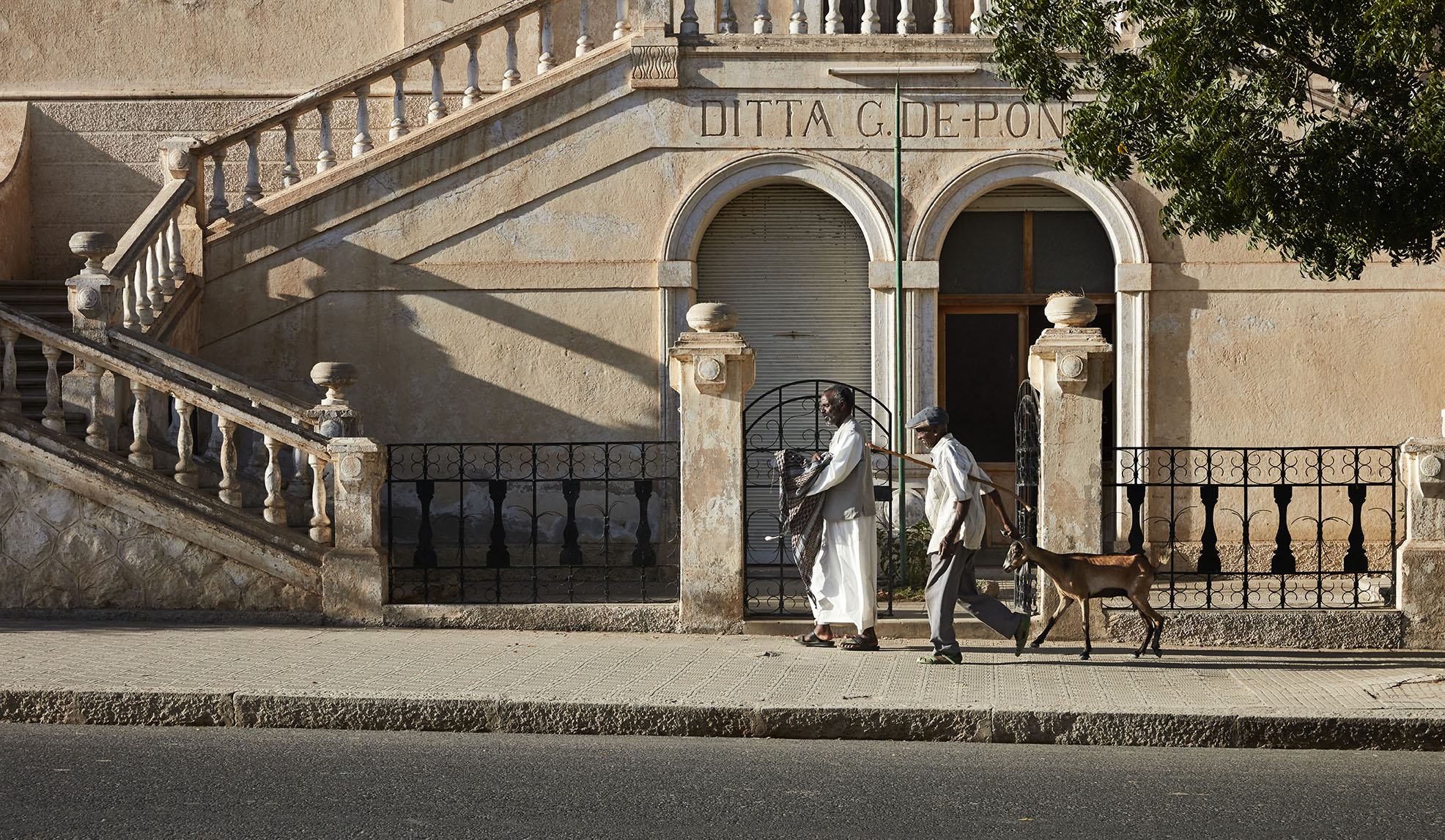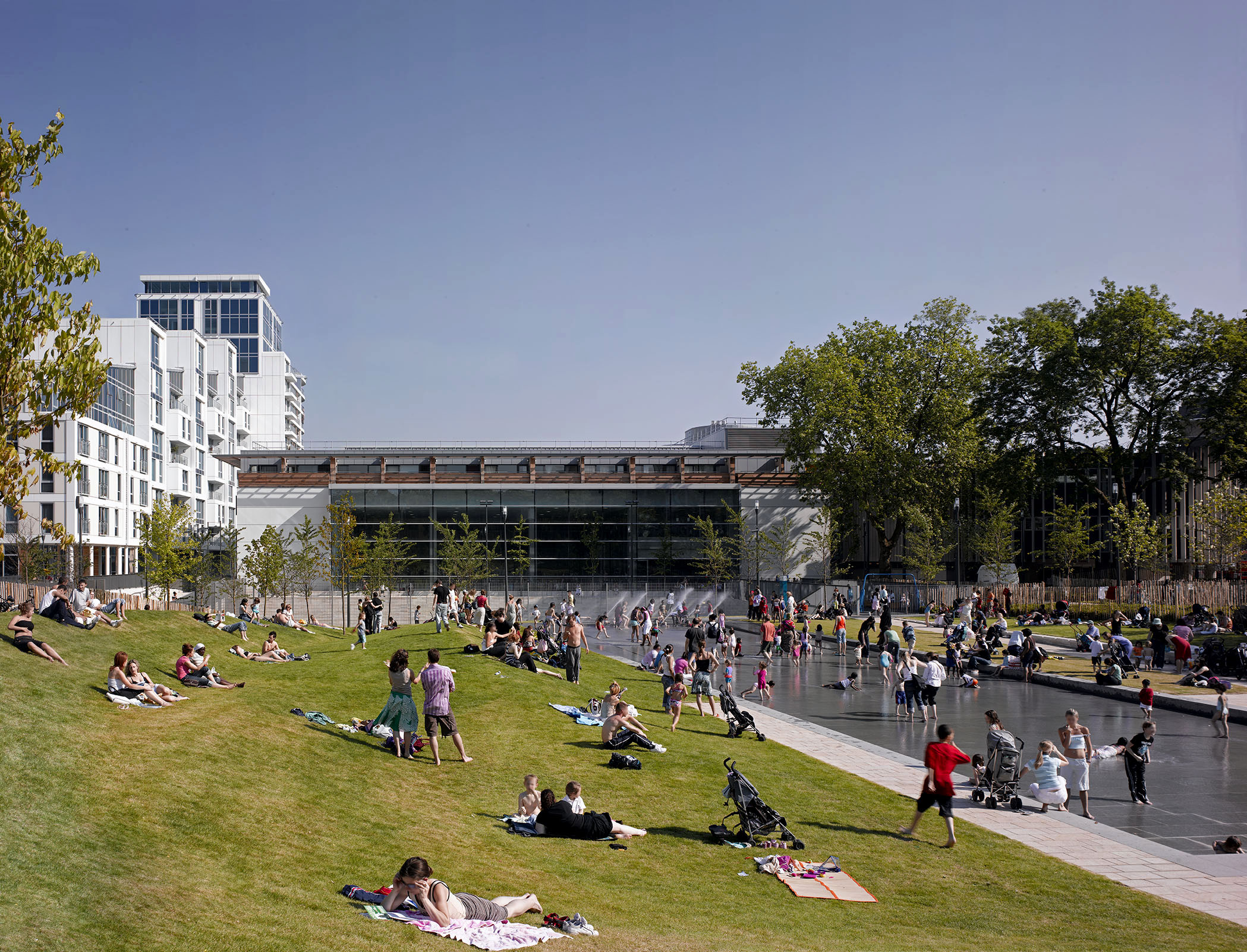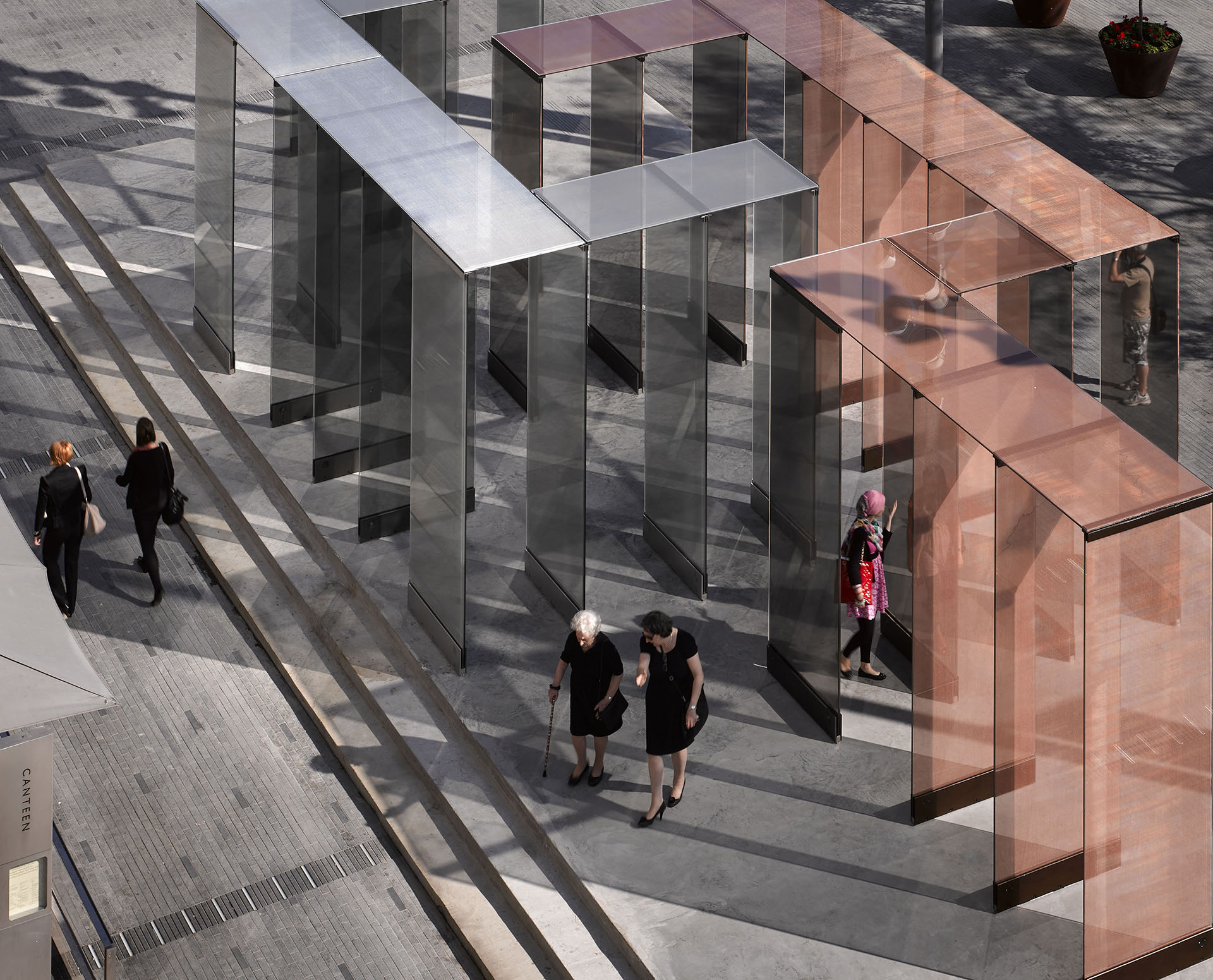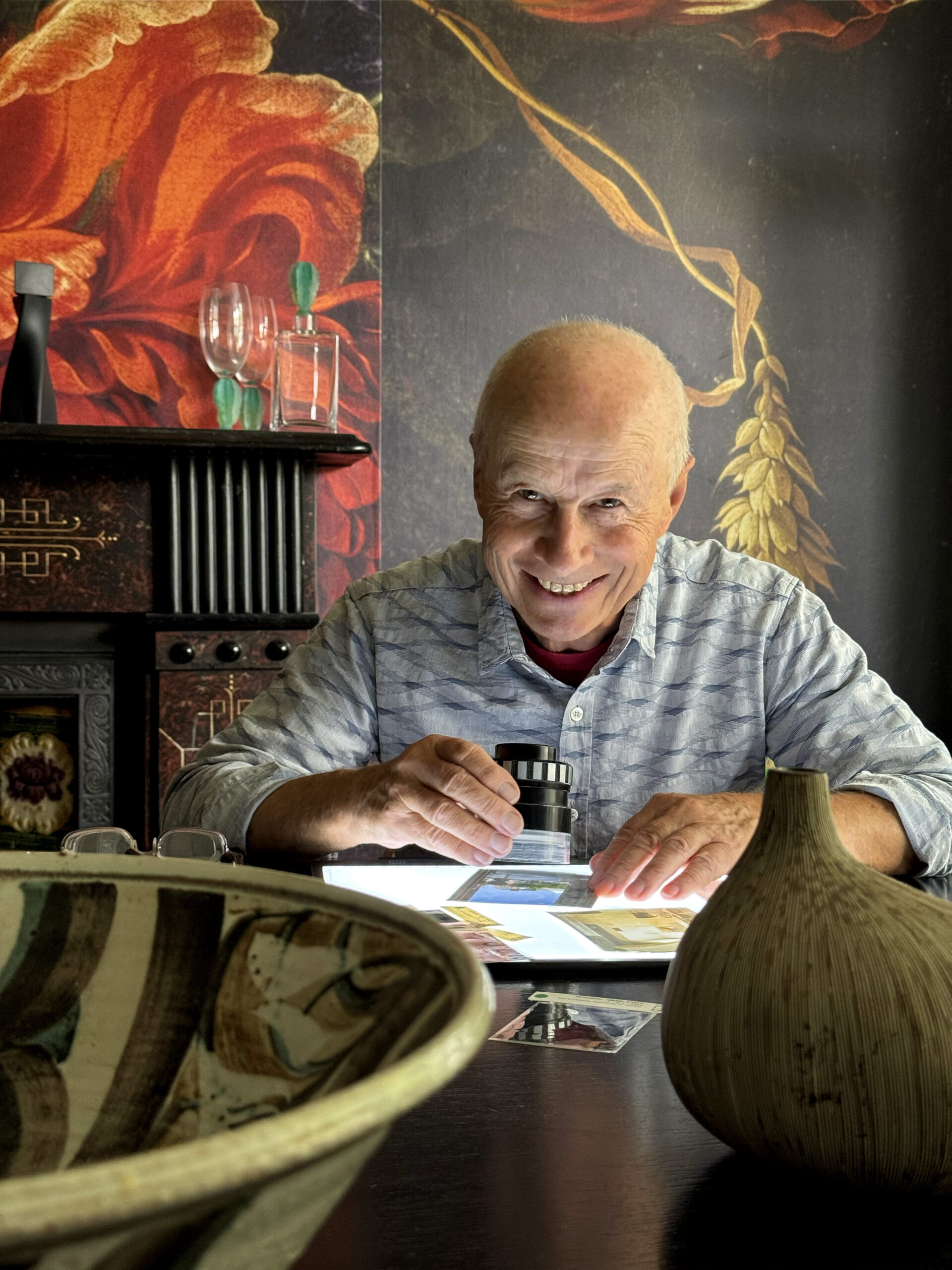


Telling stories through photography is an art that renowned architectural photographer Richard Bryant has been perfecting since he was 10 years old. And from the beginning of his career in the 1970s Bryant has shot for some of the world’s most prestigious institutions, publishers and architects. The UK-based photographer managed to capture the form of each structure while evoking emotional sensations from the historical layers that have built them. His images try to record how he felt upon entering these spaces and reflects how architecture, intuition and history shape his work. At 78 years old his latest book – Richard Bryant published by Lund Humphries – is a retrospective that reveals how Bryant has navigated the shift from black-and-white to colour in a world that was also moving on from analogue to digital.
Has your architecture background contributed to the way you understand a place and capture it?
Studying architecture at Kingston University is partly responsible for the direction I took in life. I started photography as a child and was completely besotted with it from about the age of 10. I even started the first photography club at my school. I was told that I probably wouldn’t make it through the architecture course because I was spending too much time taking photographs and not enough time drawing.
I did get my degree in architecture, but one of the tutors at Kingston used to take students around in an old, rusty Volkswagen bus to look at buildings – and of course, I would take photographs. I worked as an architect for a couple of years, and all my friends who were architects would say, “Oh Richard, we’ve just finished this project. Could you take a few photographs?”
Who did you photograph for that you knew early on?
I had some very lucky, serendipitous meetings with people, and they still stand out to me. I remember a visit to Cambridge History Library, which was in the last stages of construction, designed by James Stirling. We were wandering around the site and, lo and behold, James Stirling was there. He took us around the building, and of course, we were in awe of this great man. Little did I know that I would become his favourite photographer ten years later.
What cities did you shoot for him?
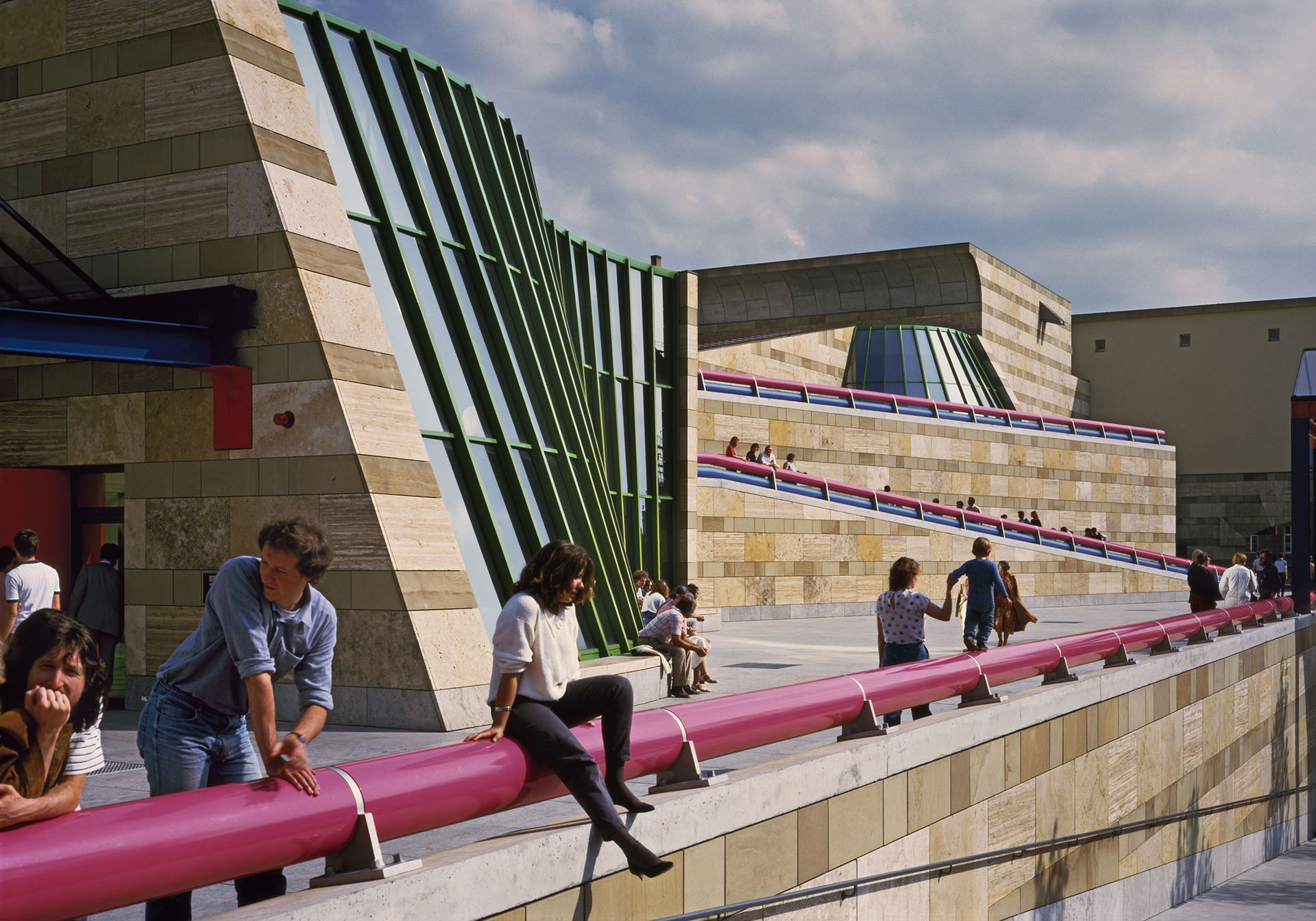
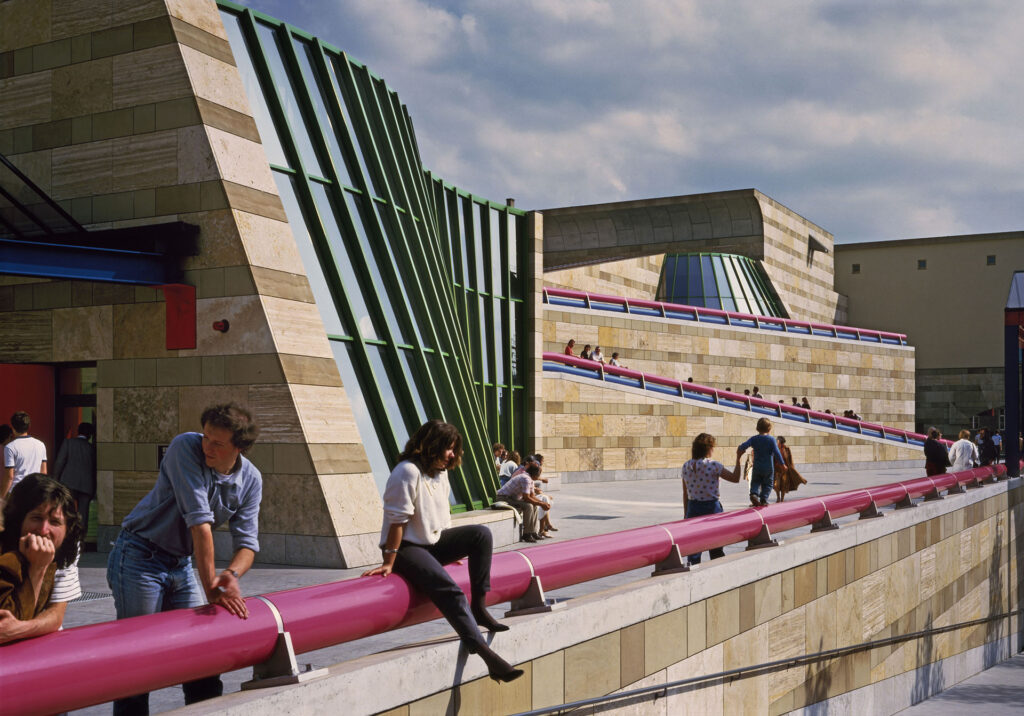
The first big project I did for James Stirling was the Staatsgalerie in Stuttgart, which was a fantastic building to photograph. The cityscape was particularly interesting because the building is an integral part of the city, with a pedestrian route running through it. Even when it’s locked up, you can walk in and around the building and come out at the top of the hill. It really becomes part of the city of Stuttgart itself.
And which place closer to home has had a lasting impact on you?
The Soane Museum in London designed by Sir John Soane and opened in 1837 after he died. When I first visited it, I fell in love with it. I was photographing it for World of Interiors, and it was an incredibly difficult place to shoot – but great fun. By the end of that project, almost every magazine in the world wanted to publish it. That was a huge stepping stone for me.
Why was that place so difficult to photograph?
The spaces are so complex and interconnected, and it’s full of mirrors. Soane had an incredible ability to introduce light into space, using small roof lights and mirrors to reflect it throughout the building. It reminds me a little of Carlo Scarpa in Italy, who is another great love of mine.
Have any of these places changed in your memory since?
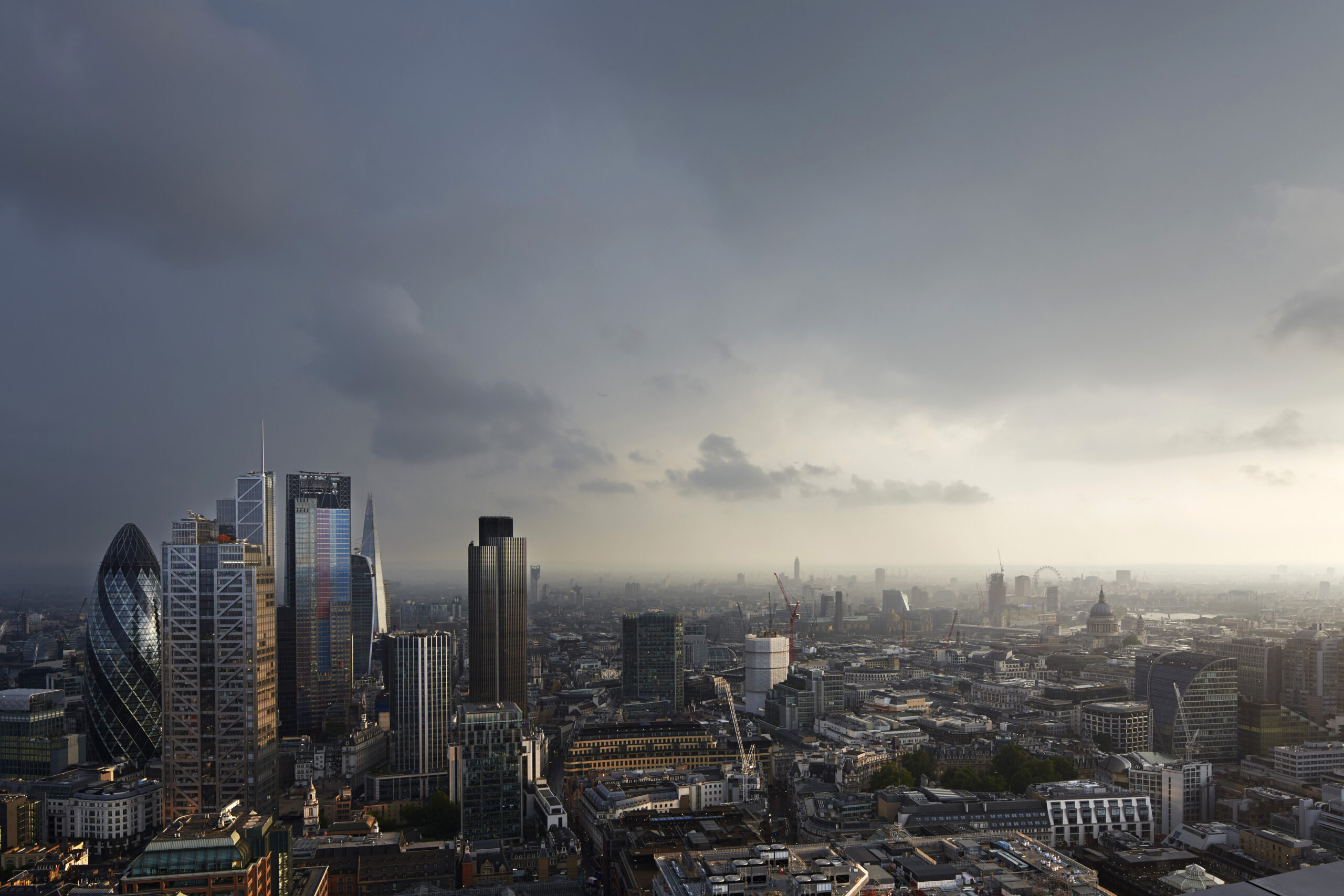
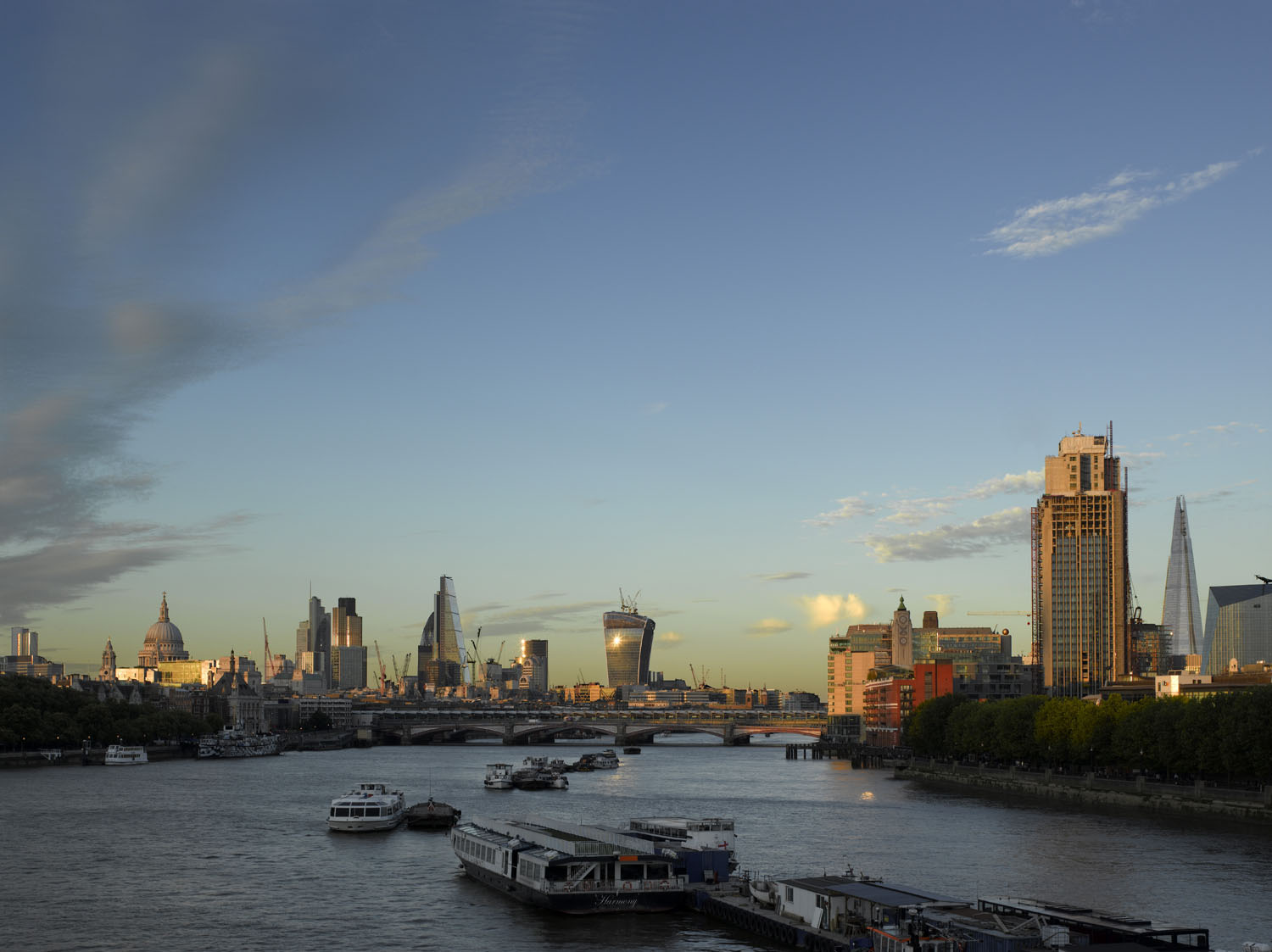
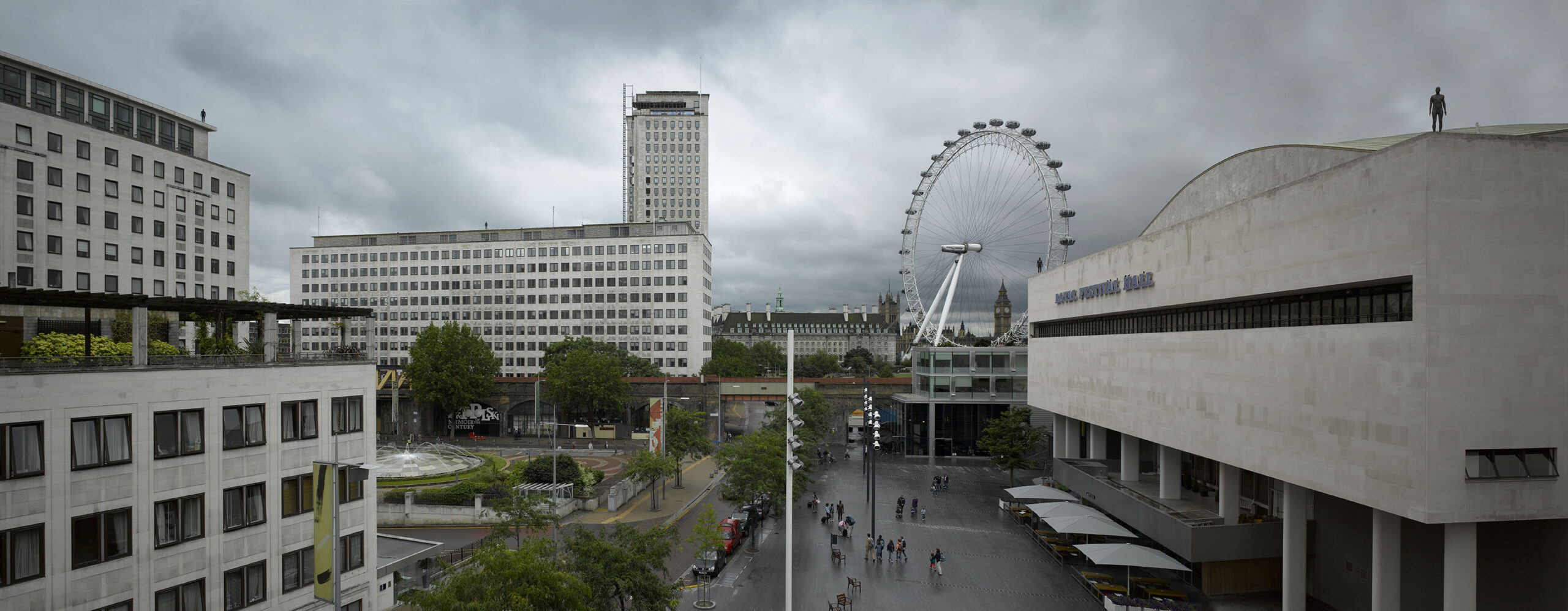
I published a book on London in 2006 for an American publisher. It was a coffee-table book that you could hardly lift. It took two years to complete and was great fun to do. But when I look at it now, I think “Oh my God, London isn’t like that anymore”. I’ve lived through the change, and it’s extraordinary. Other cities don’t seem to change quite as dramatically.
Do you think that speaks to the mentality of London as a city?
I don’t know if it’s a collective mentality. Maybe European cities have more controlled development. Our cities in the UK were so devastated during the Second World War that there were many building sites, and a lot of questionable architecture filled the city centres. Perhaps we never retained historic centres in the way some cities did. London is so dispersed that it has changed enormously, everywhere.
What about the removal of statues of questionable figures?
I think it’s rather sad to try to wipe out history. History should be told and remembered. Even if people were bad, then let’s talk about that; don’t make them disappear. Trying to rewrite history feels very Eastern Bloc. Everyone knows that terrible and good things happened.
Your photographs encourage viewers to engage deeply and notice everyday details, even consider the time of day. Do you ever plan to evoke a certain emotion when you shoot?
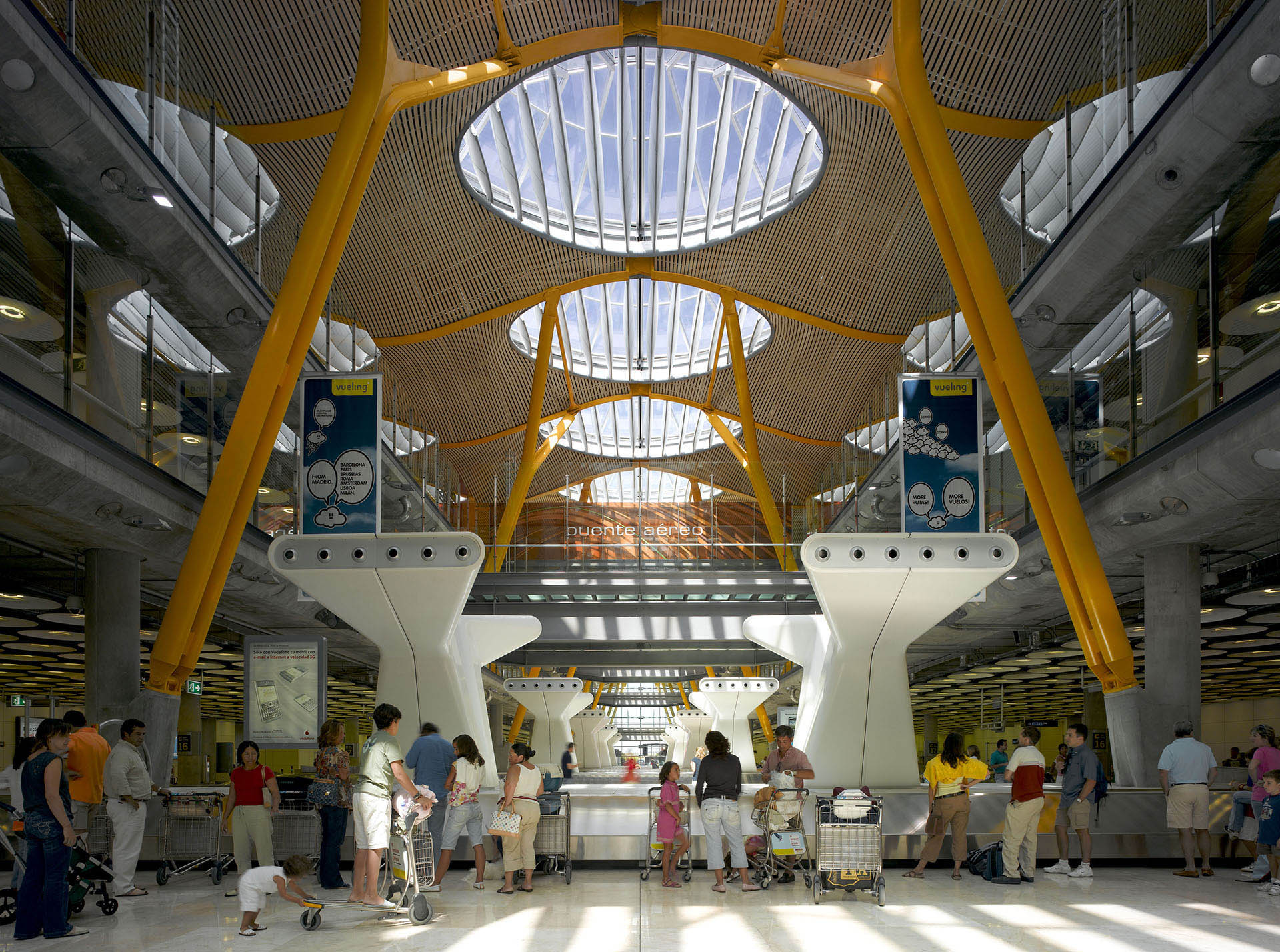
When I walk into a space, I feel it first and that’s what I try to communicate, which is completely impossible with photography. When I’m photographing, it’s very intuitive. I try to photograph my feelings. I try to lead people into a space, through it, and onwards into another space. That’s how I tell the story of a building, by inviting people in. It only really works for people who are willing to spend time looking at the photographs.
Knowing this, how does it affect the way you capture your subjects?
Even if you’ve seen lots of photographs of a building, they don’t show what it’s like to walk through the spaces. It’s always a surprise when you actually do and depends on a number of things when you actually go to shoot. And I’ve had a lot of problems with the weather over the years. One magazine in New York even nicknamed me Cumulus Bryant.
Does it always rain when you’re around?
Everywhere I went, it rained.