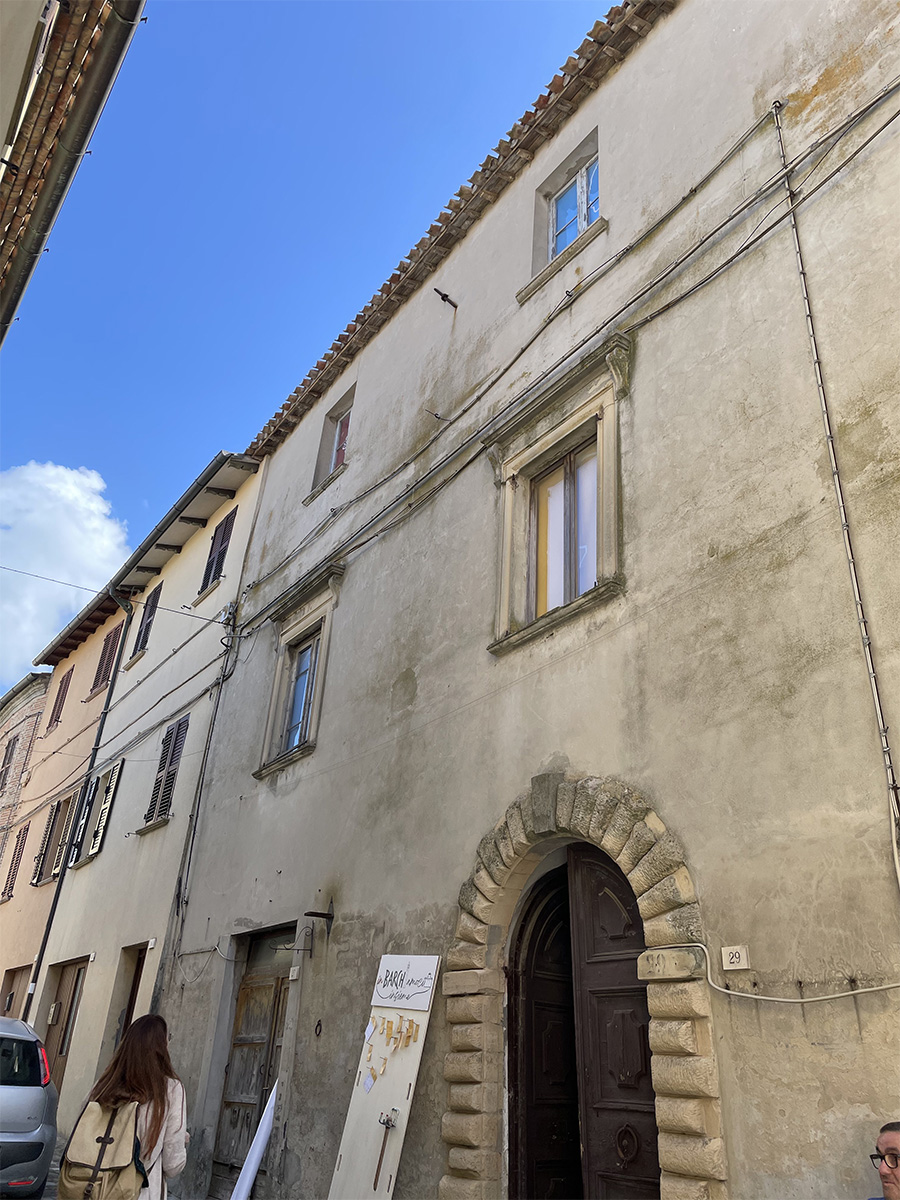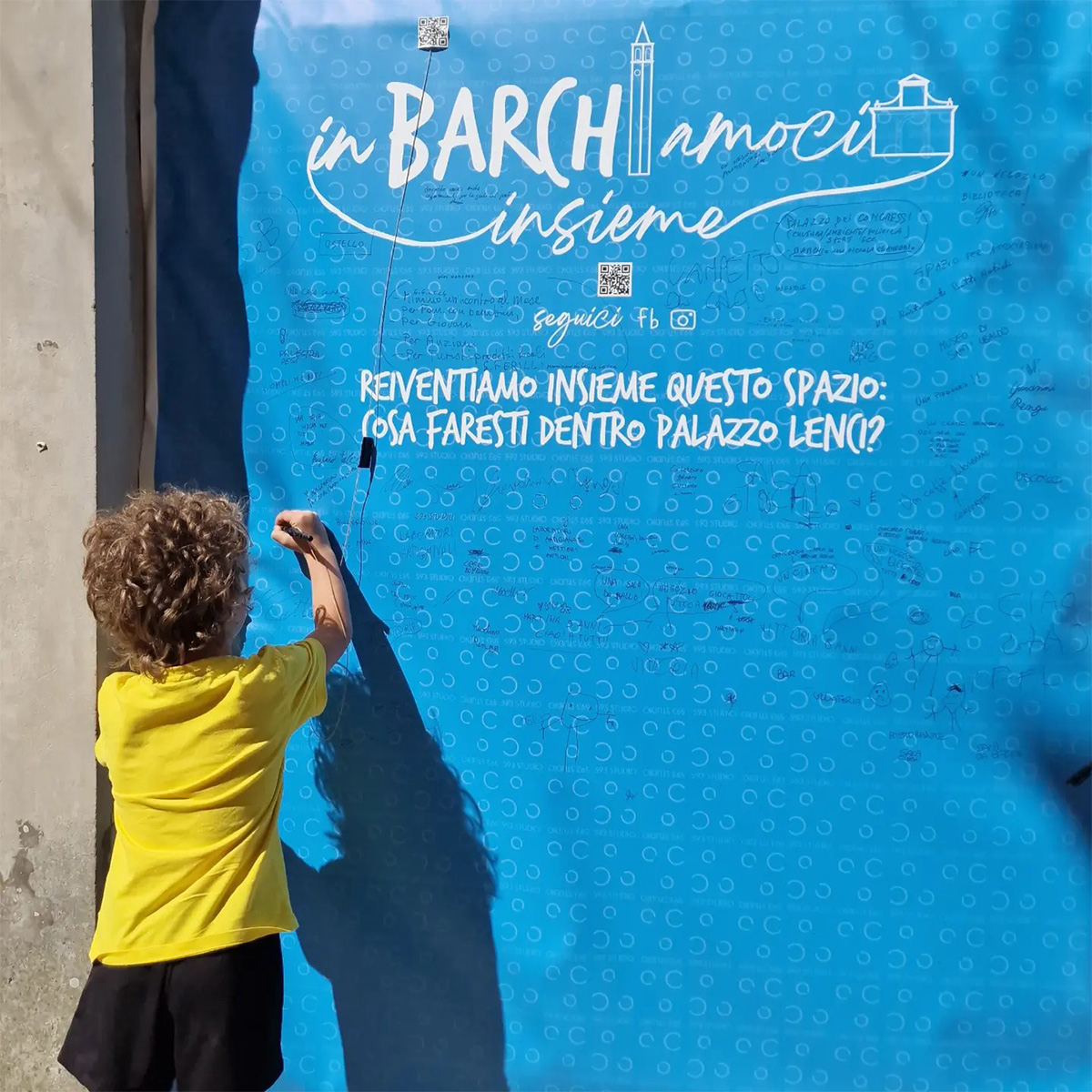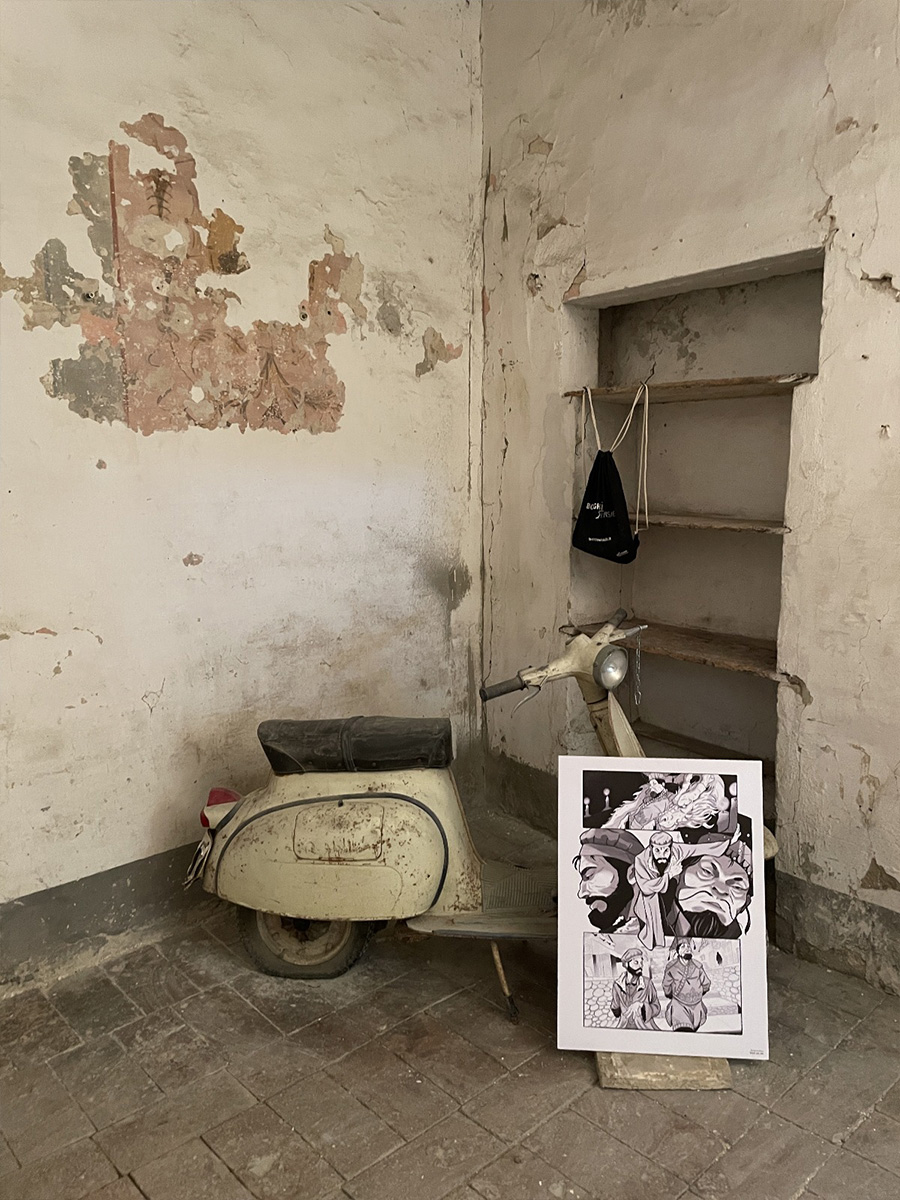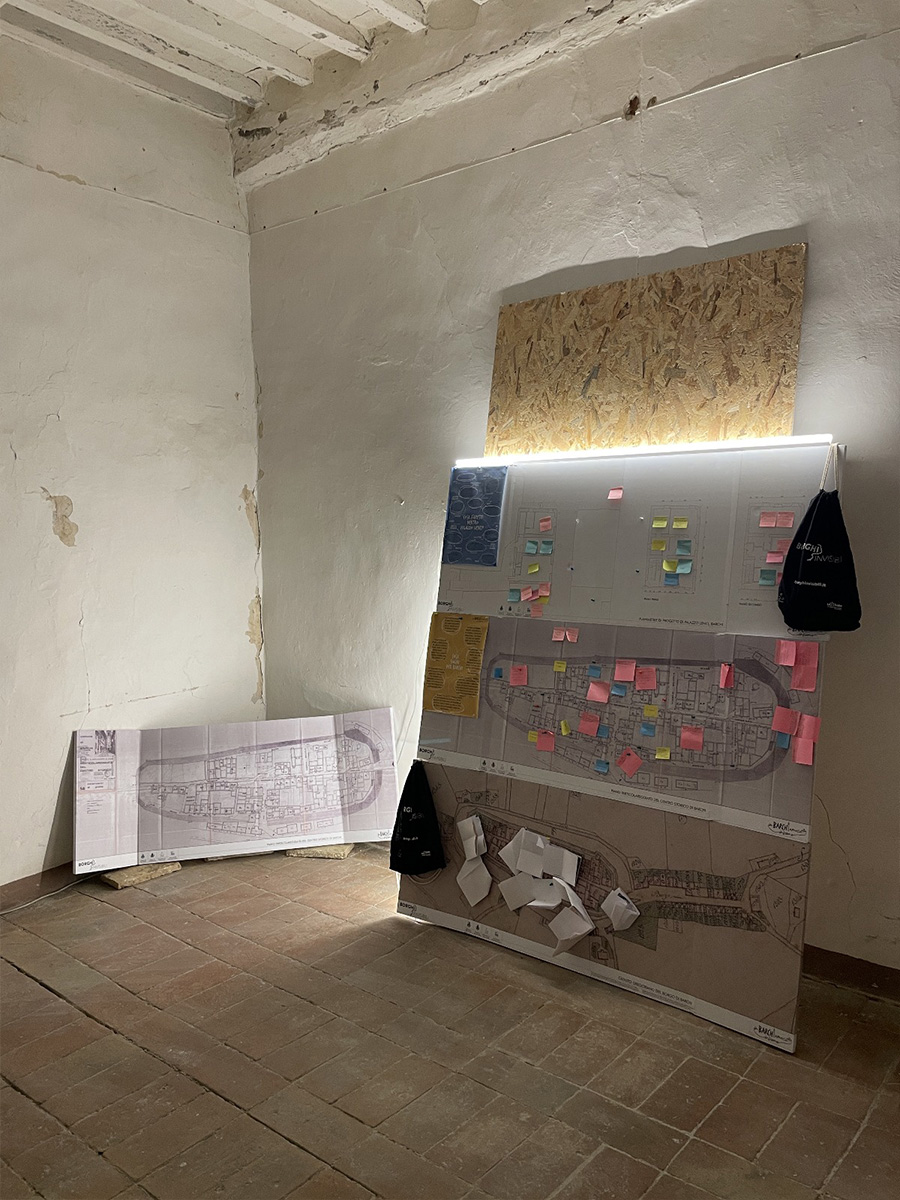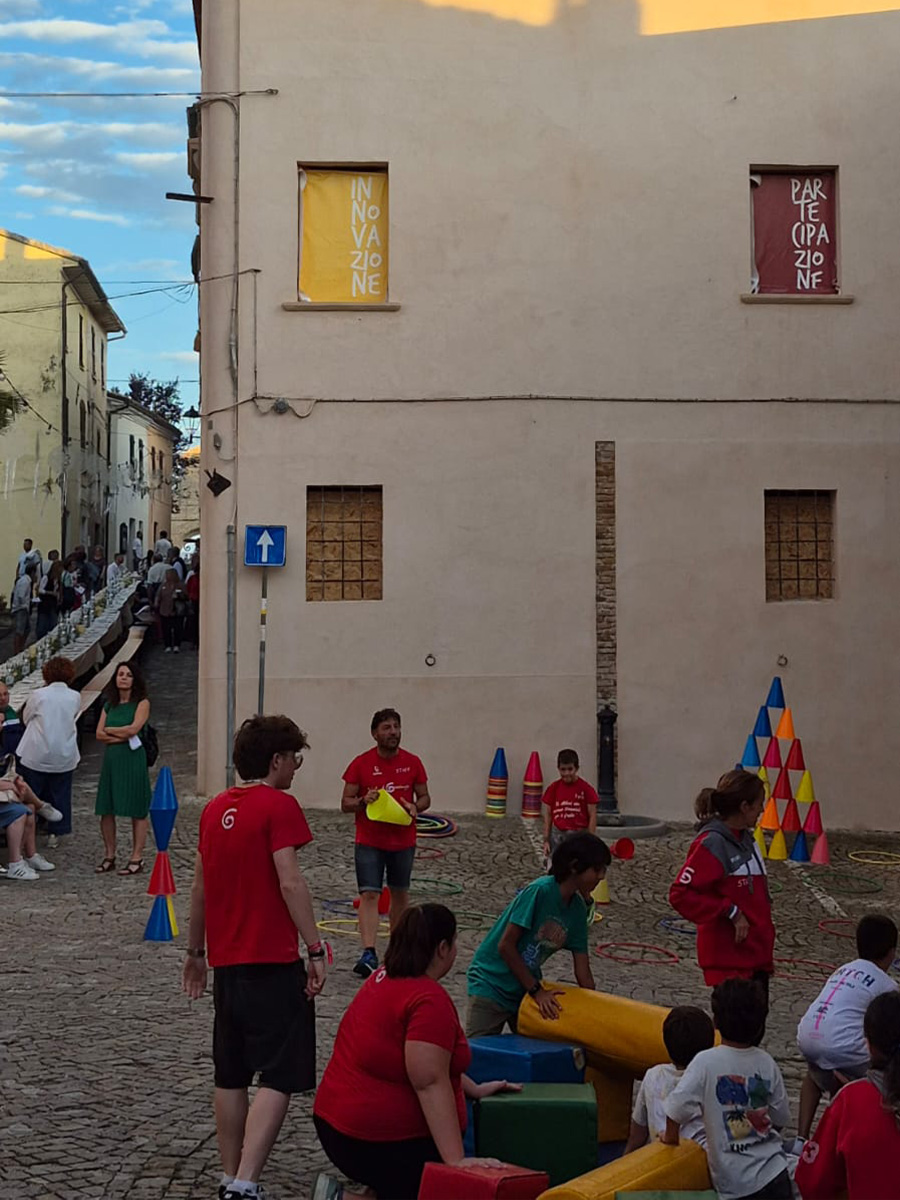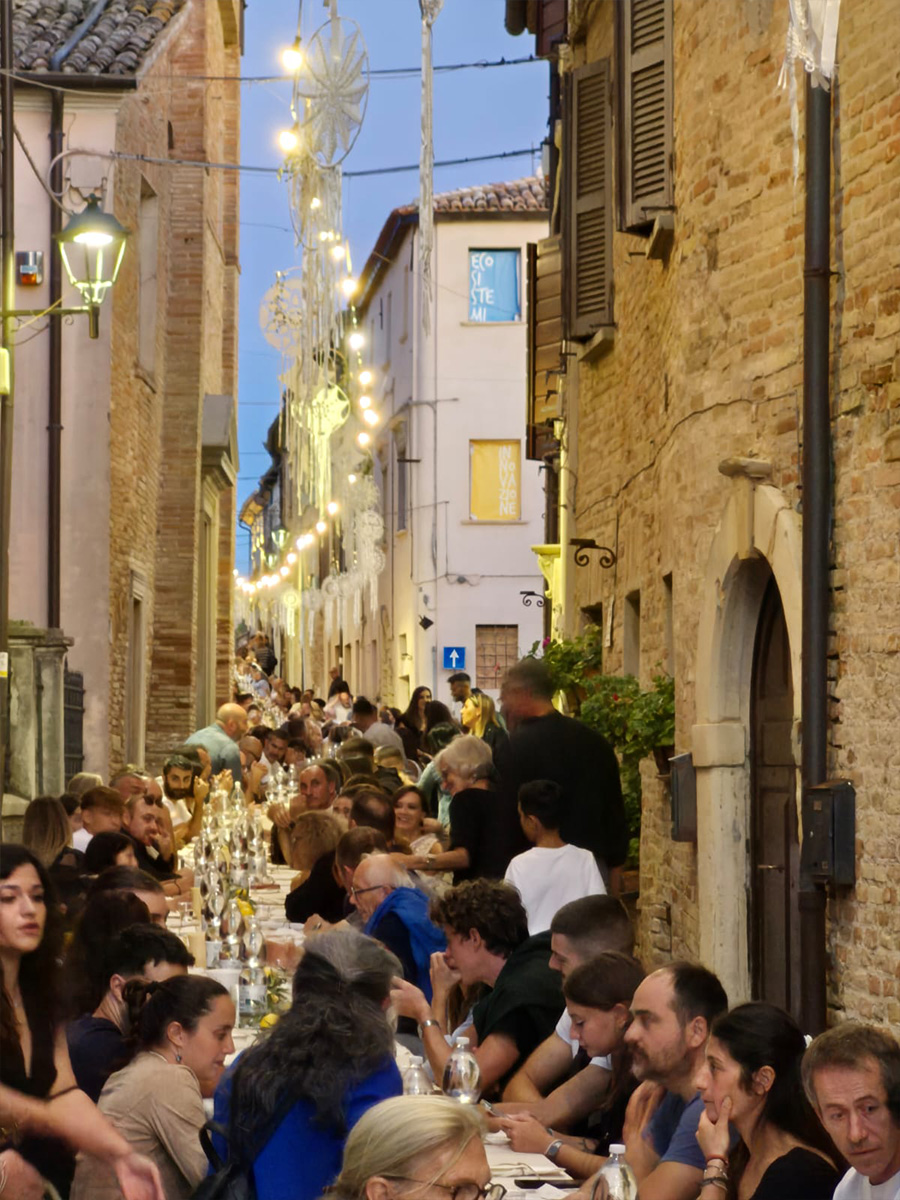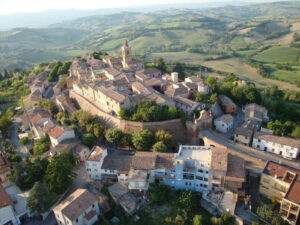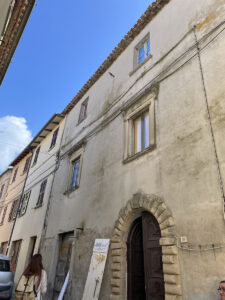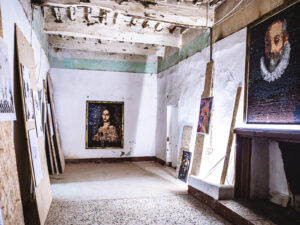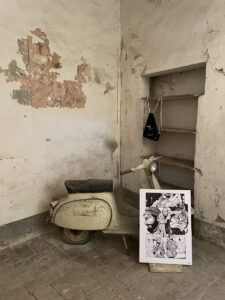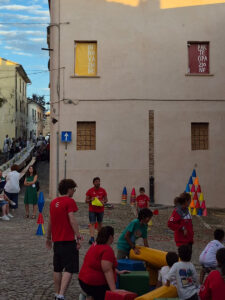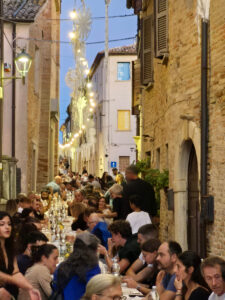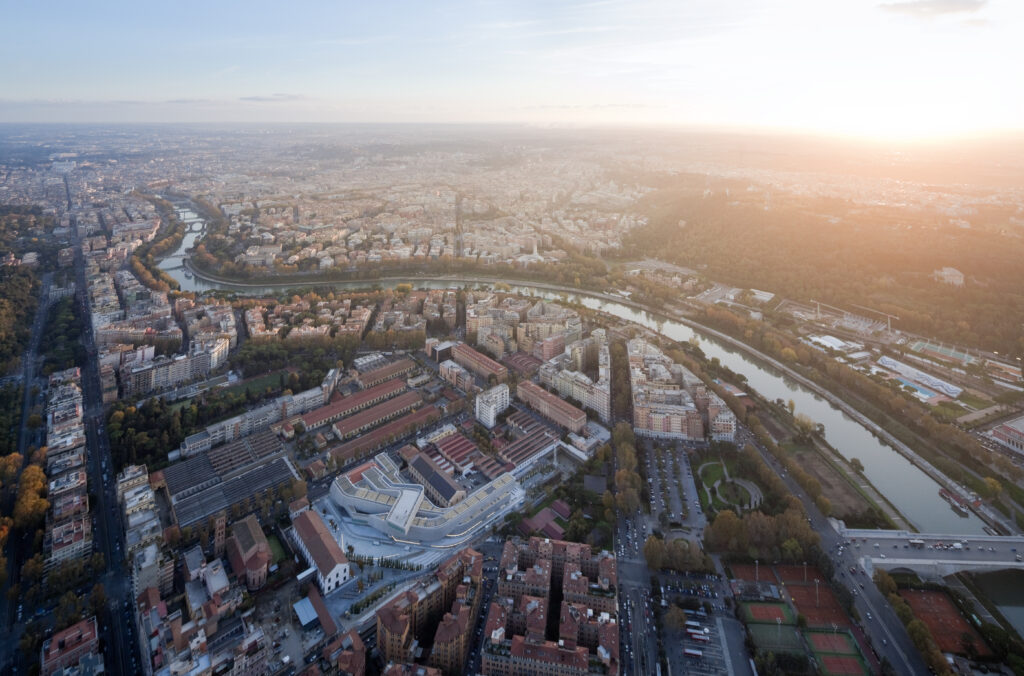


If we asked an artificial intelligence app to draw a worksite, in all probability the resulting image would be a fenced-off place accessible only to workers, with tidy piles of bricks, metal beams and a signpost indicating the start and end dates of the works. In the case of Palazzo Lenci, an architectural gem in the town of Barchi, the renovation site was very far from this image. Indeed, the site set up in the town, designed in the 16th century by the architect Filippo Terzi, a little over a year ago, is very special: the works at Palazzo Lenci, in a state of abandonment for decades, were defined by the Treviso-based company 593 Studio based on participatory architectural design criteria, using an approach that starts by listening to the future users of a space or building to ensure that their needs and desires are taken into consideration. The aim, explains Michele Sbrissa, CEO of 593 Studio, is to use the recently acquired historical building as a permanent laboratory open to all the local people, a “place to do things, but also a place for socialising, rebuilding the community, innovating from small things, developing economic initiatives and tourism.”
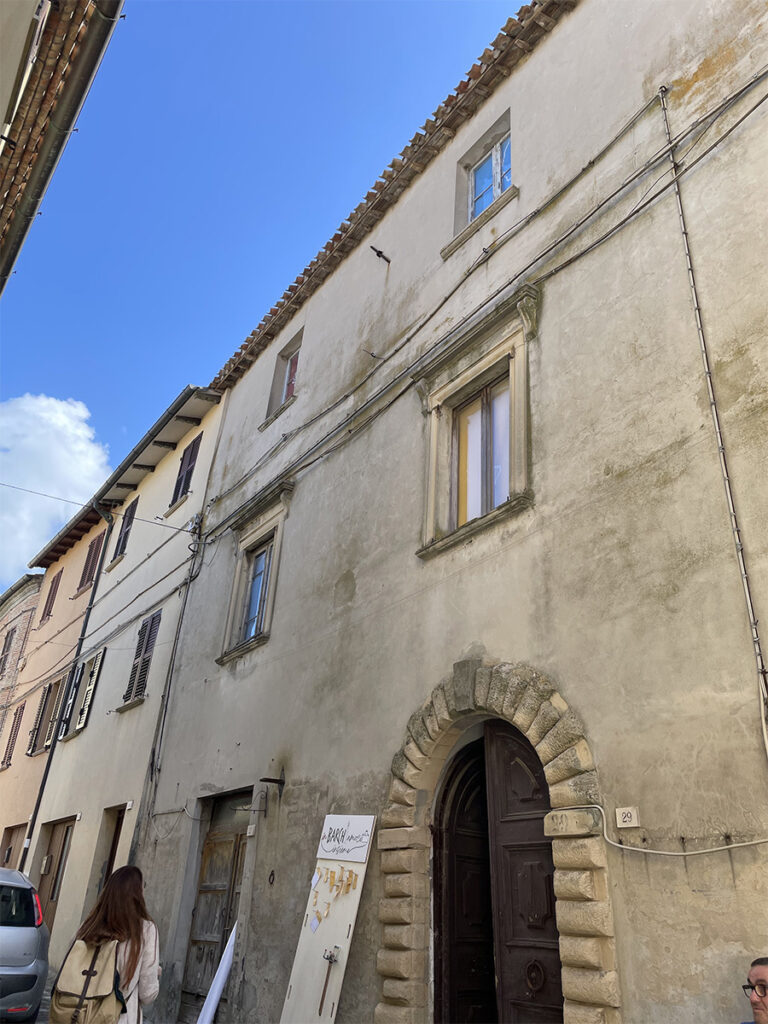
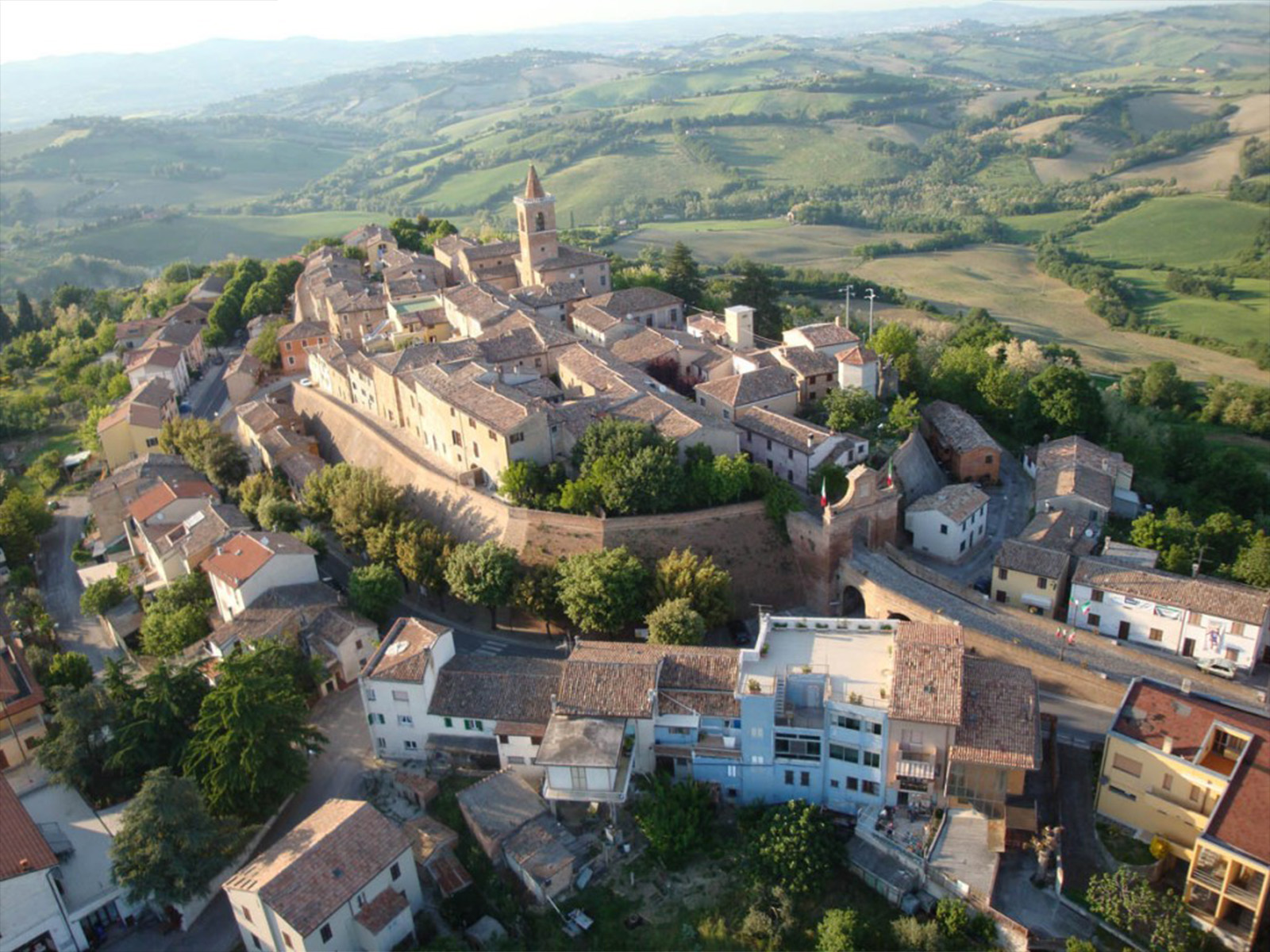
Almost five hundred years after the Renaissance glories that saw its birth, today this small town, in the province of Pesaro and Urbino, suffers from the typical ills of many inland areas in Italy: depopulation, with less than one thousand inhabitants who still live in the centre and outlying areas, the progressive closureof shops and neighbourhood activities. During its first year, the site worked on the priorities of repairing the façades and roof of the building, and reconnecting it to the historical centre by creating a new urban and architectural passageway. “Our first symbolic act was to reopen the ‘vicolo degli ebrei’, a blind alley hosting Barchi’s Jewish ghetto until the mid-19th century, knocking down a wall between the alley and the building’s inner courtyard. This way, the arcade, which still conserves the original flooring, will become a passageway open to the public with a rather Venetian atmosphere,” Sbrissa states.
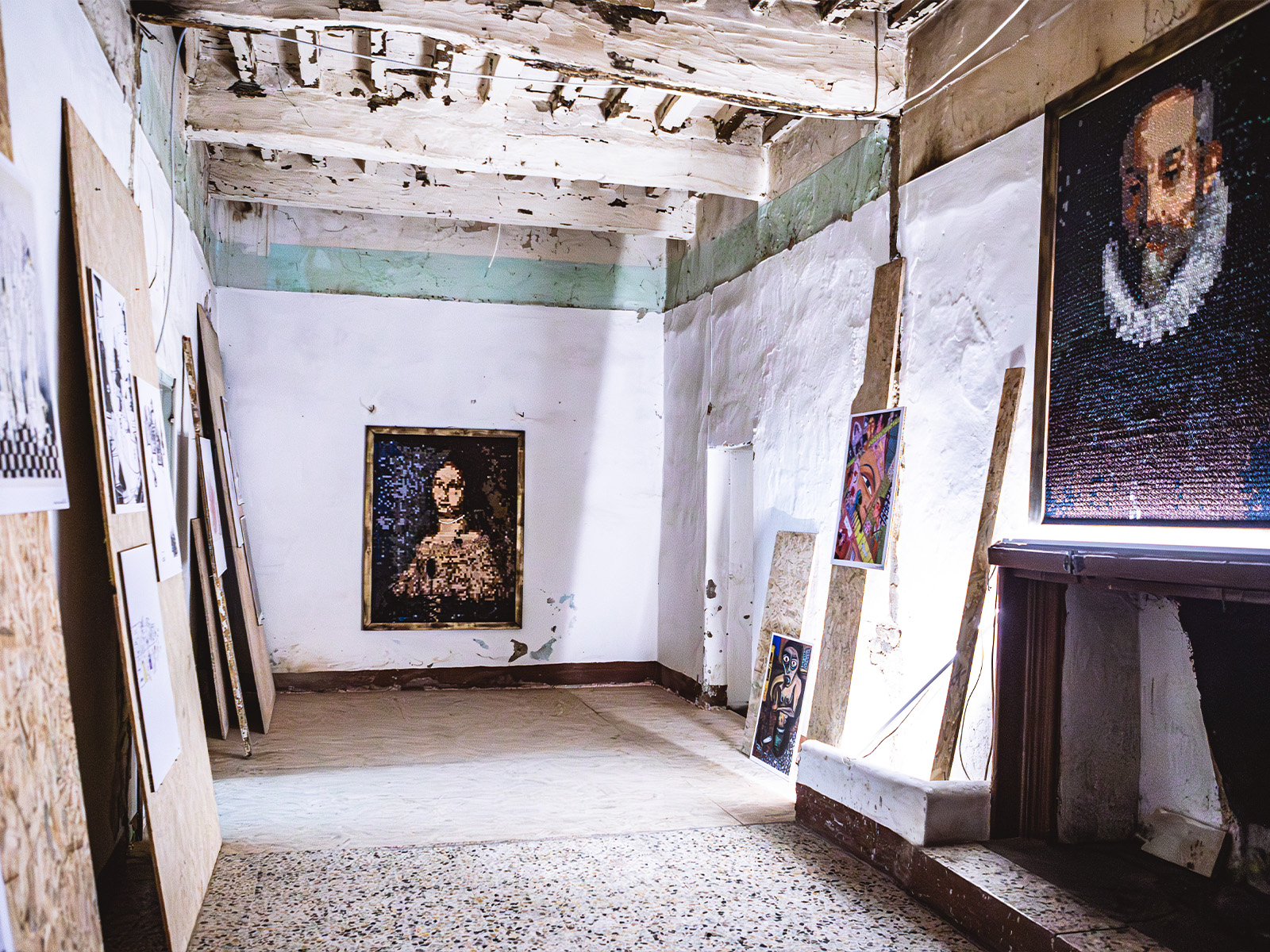
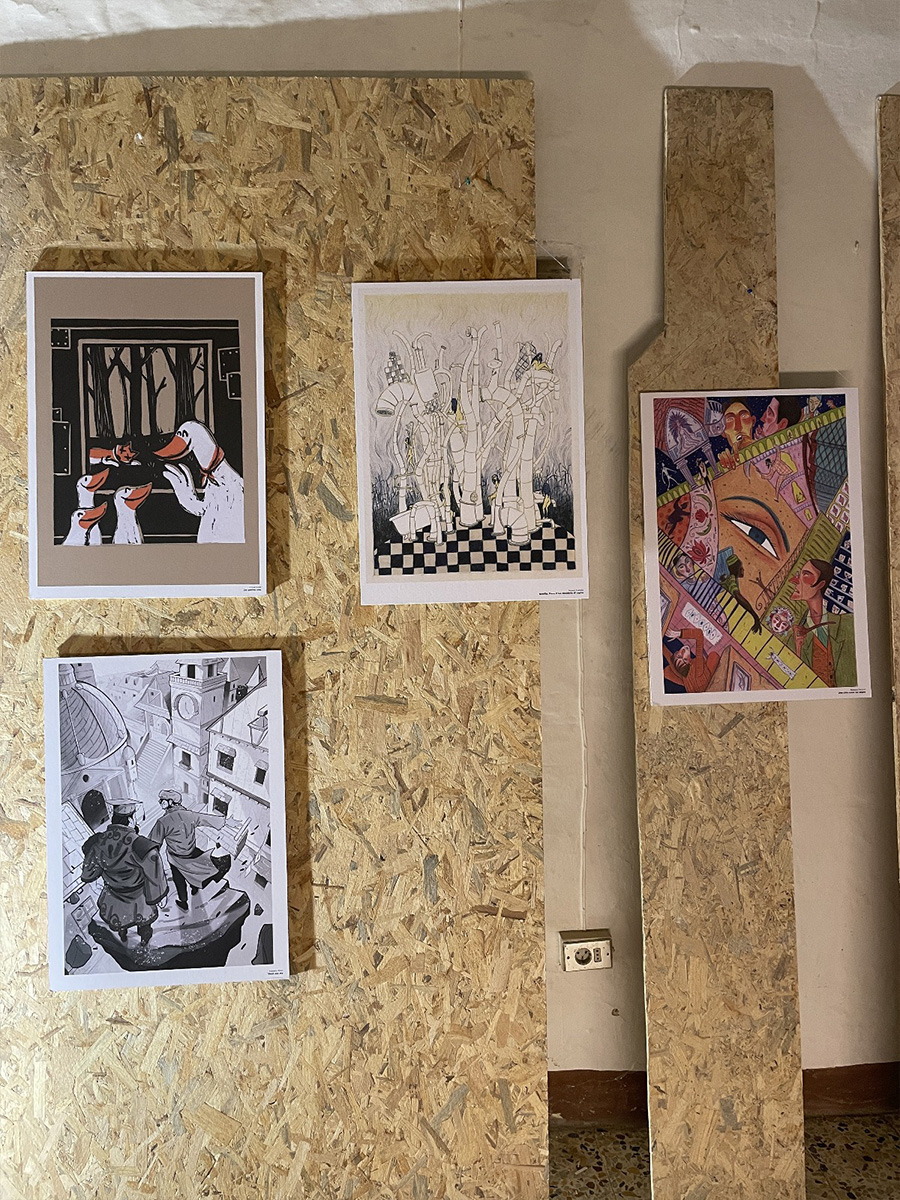
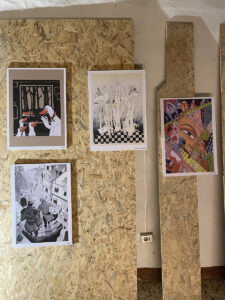
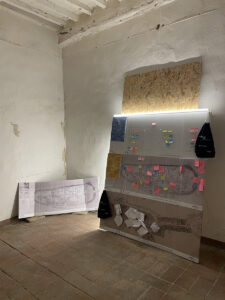
The next step, by the end of the year, will be to complete the renovation of the interiors, inaugurating two spaces: a commercial activity on the ground floor – “in a hall with beautiful herringbone brick floors that will be rebuilt during the summer by a group of fifteen German students taking part in a residential workshop to discover a forgotten practice with a local craftsman and historian” – and an interactive art gallery on the mezzanine floor, where in August 2025 an exhibition was hosted on Italo Calvino’s Invisible Cities produced by the Fine Arts Academy of Palermo and the Elmad school in Paris.
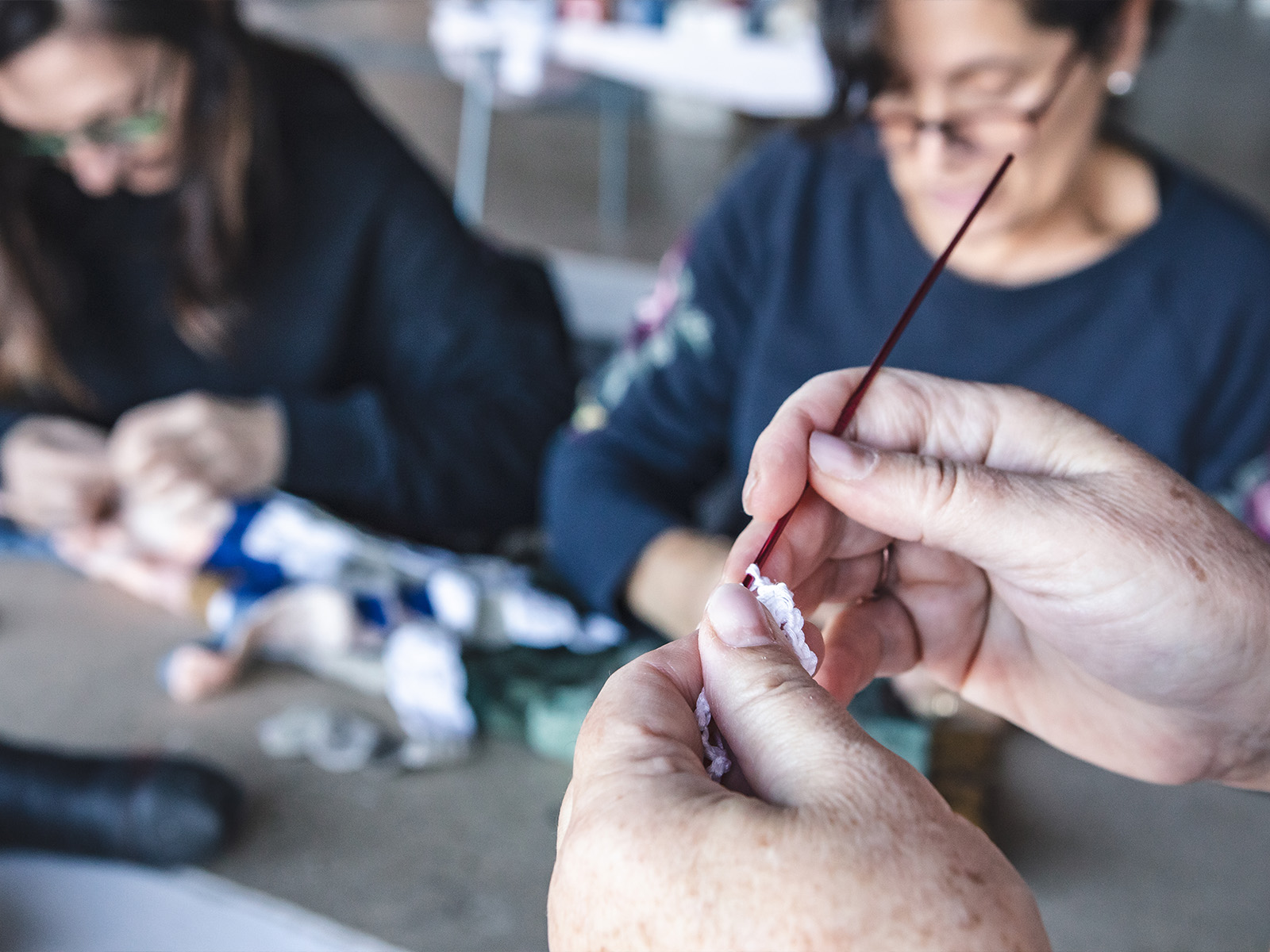
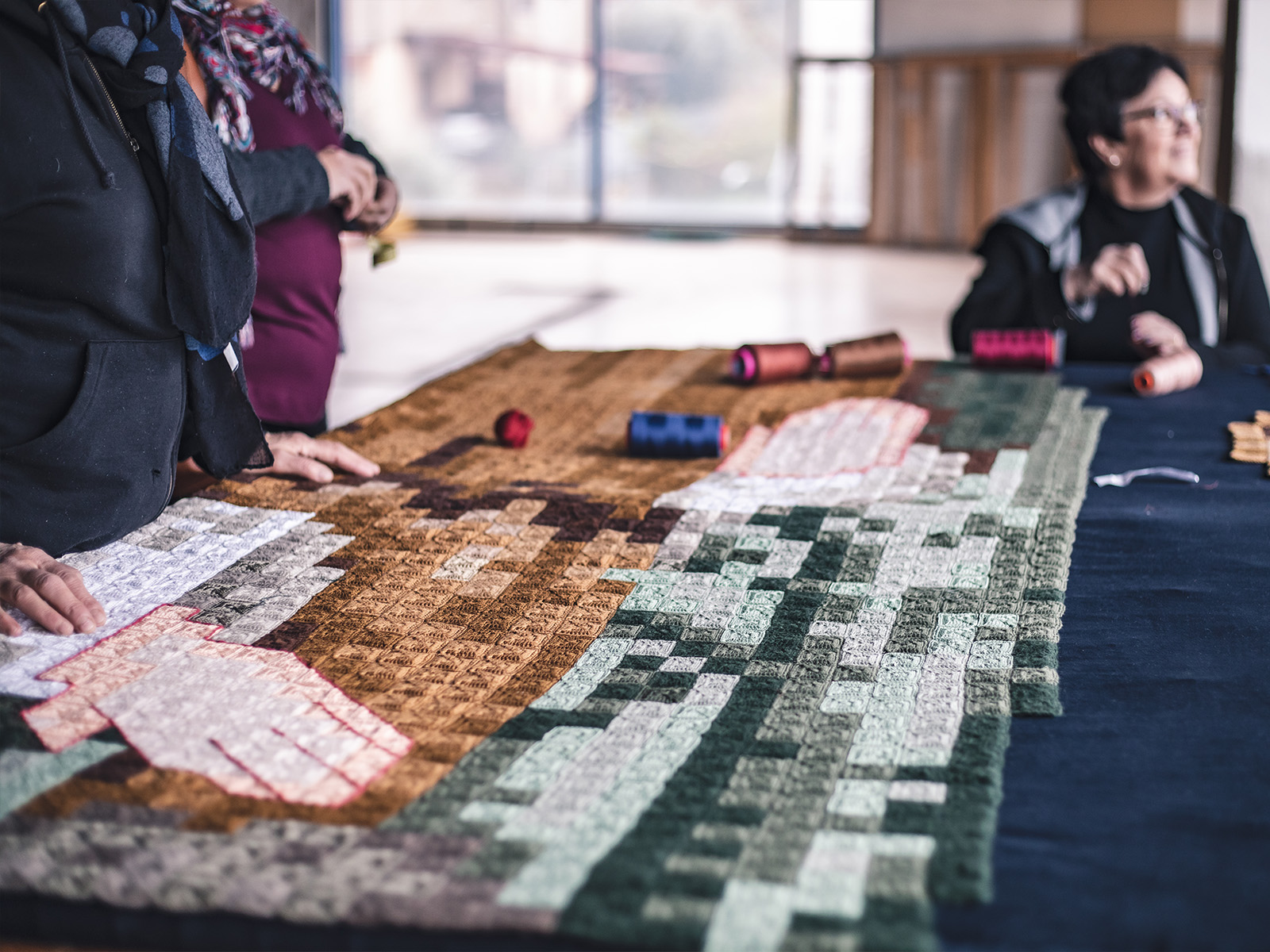
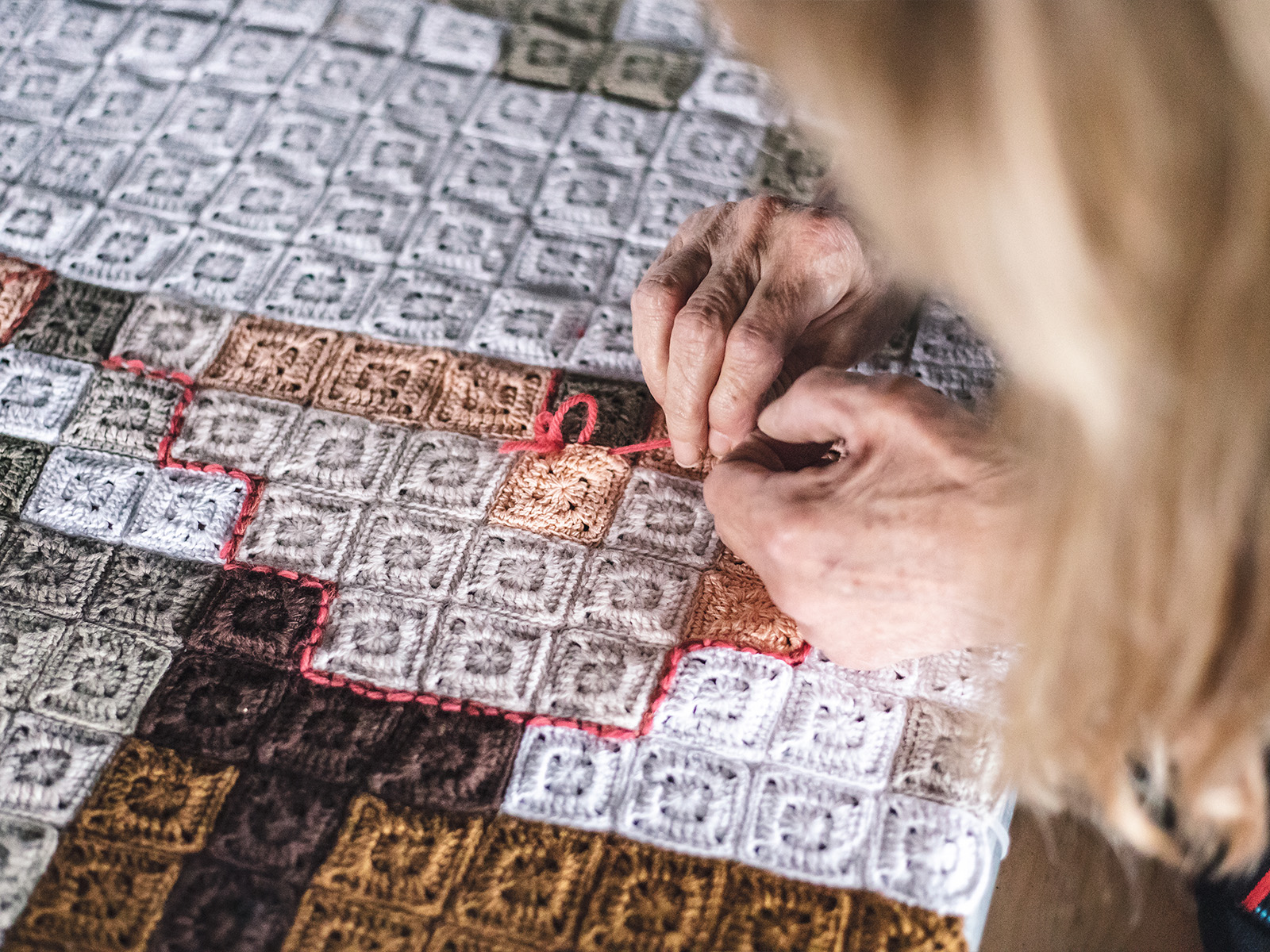
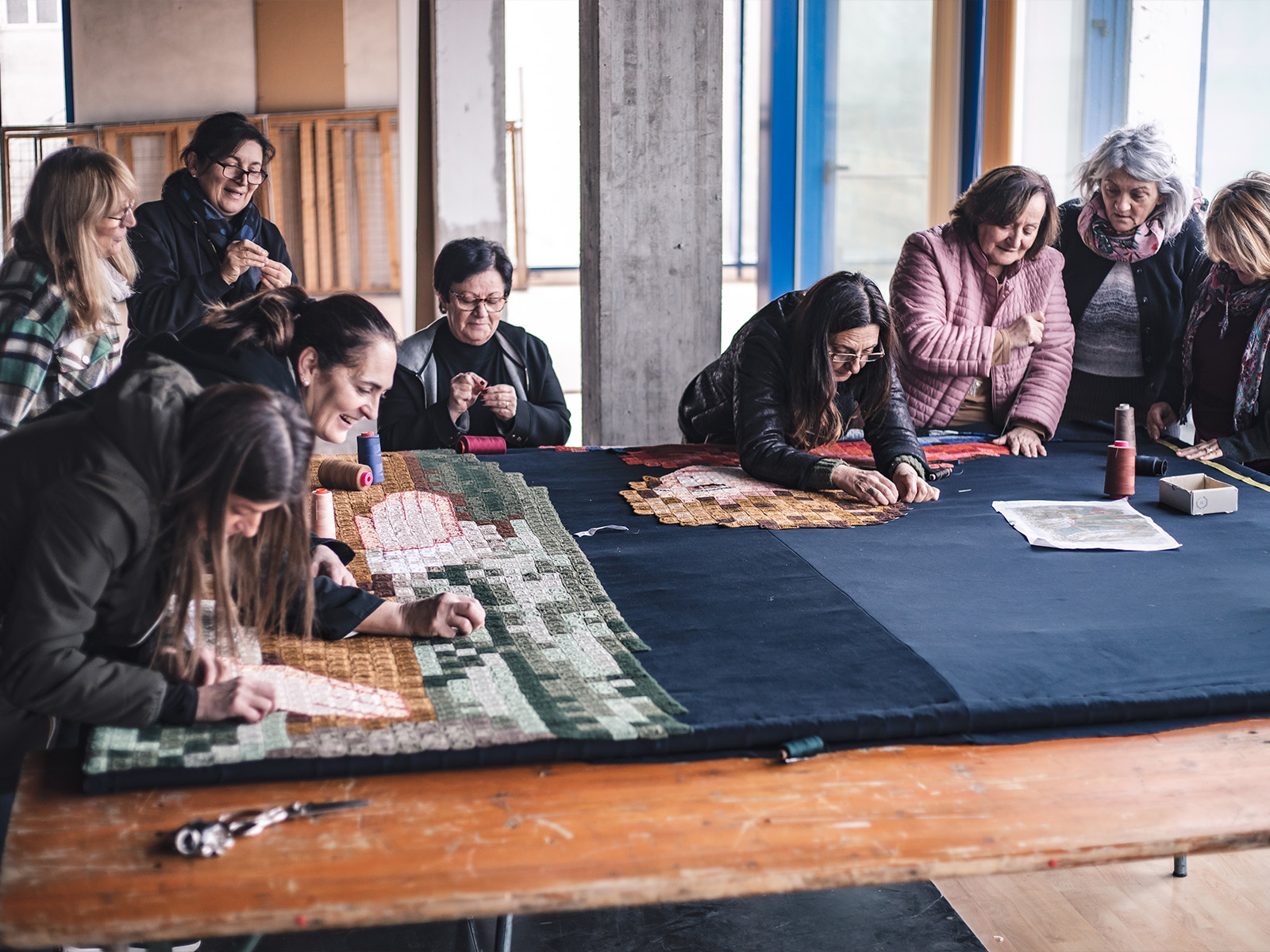
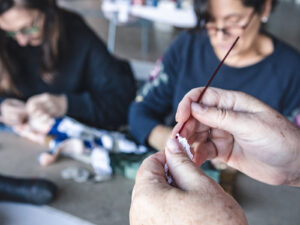
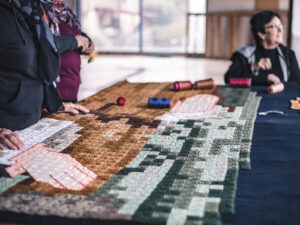
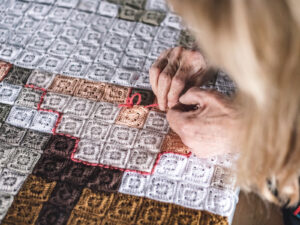
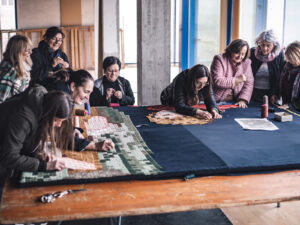
In the halls of the palace, the works have already revealed many surprises: “Patiently and carefully, also through workshops organised together with the Filippin-La Salle Italia institutes, we are bringing to light the elements we discovered along the way: walled-in doors, staircases and beams previously covered in concrete that reveal traces of paintings and floral decorations hidden for centuries. These were not documented, and we weren’t expecting such a high quality, such elegance and craft beauty,” the CEO of 593 Studio confirms. Meanwhile, the building has been brought back to life with the works of the Compagnia delle Catenelle in Barchi, a local group of embroiderers who pass on the ancient art of crochet through artistic installations. Measuring three metres by four, one of their murals dominates the main façade.
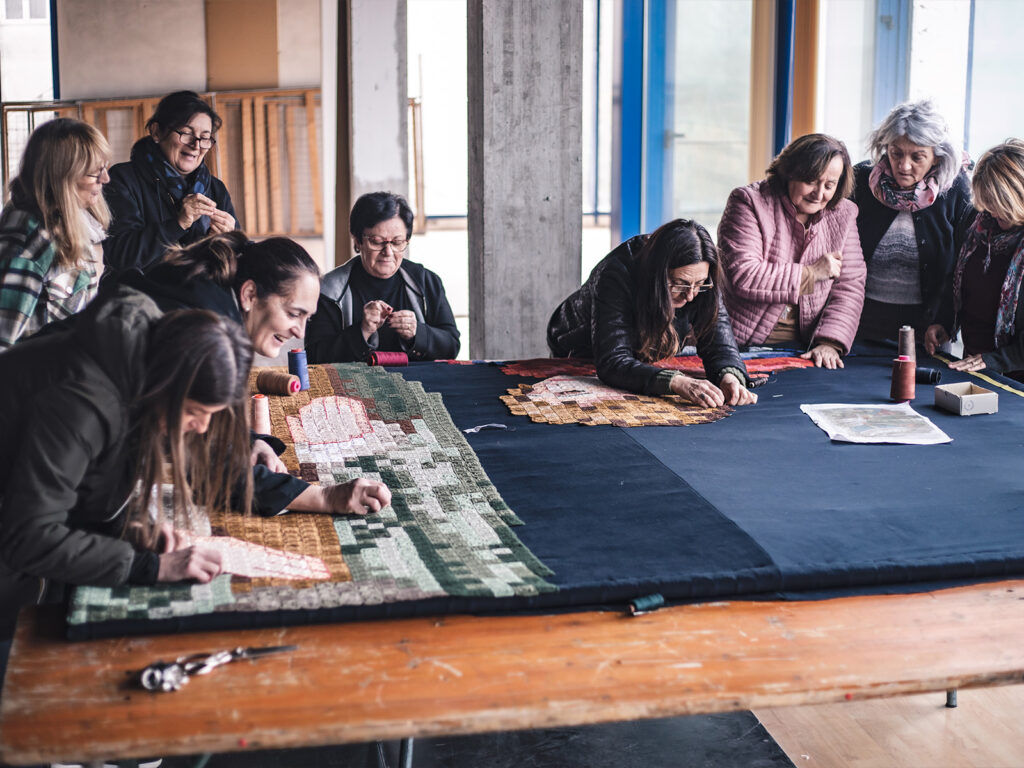
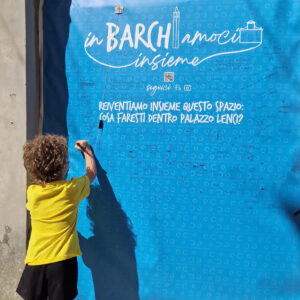
While the physical site proceeds smoothly, the greatest satisfactions have, from the very start of the project, come from the relational site, with a hugely enthusiastic response from the local inhabitants, also spreading beyond the town’s borders. From Imbarchiamoci, the first slogan launched in 2024, they now talk of Borghi Invisibili, including both the municipality of Terre Roveresche (which Barchi belongs to along with three other municipalities), and San Costanzo, closer to the sea.
“We have been working in the field of participatory design for twenty years, and we know how difficult it is to make headway in a local context, because people often tend to follow consolidated practices,” Michele Sbrissa explains. “We wanted to run an all-encompassing experiment, and we accepted the risk of not being understood in the right way. Even before we started the works, we met with associations and small local businesses. In just a short time, other players joined the project and a fantastic network was created. Team work allowed us to create exciting new ties at various levels, for example a major partnership with Meccano (the Marches region research and innovation centre) and, beyond all our expectations, the signature of a fully-fledged cooperation agreement between the “Pro Loco” (local tourism associations) in Orciano and Barchi, along with 593 STUDIO and Istituti Filippin, giving the whole project an even more participatory and structured impetus and making local stakeholders the true drivers of the processes we are helping to generate. These towns are extraordinary places, but everyday life there is very tough. A group of young people from both municipalities will come to us in Veneto for training on the topic of participatory design in the context of historical towns, in order to be able to manage a series of activities in a methodologically correct manner in future.”