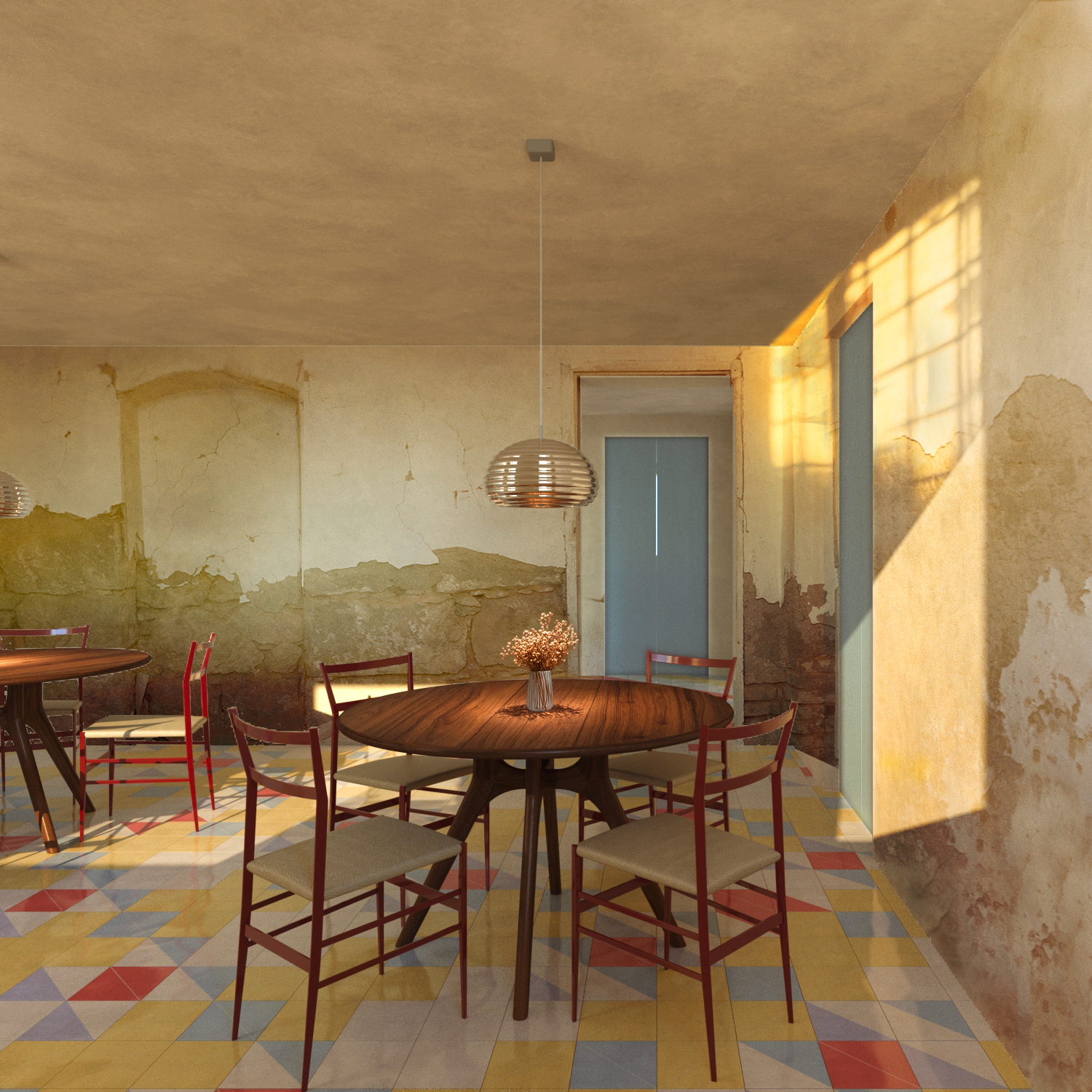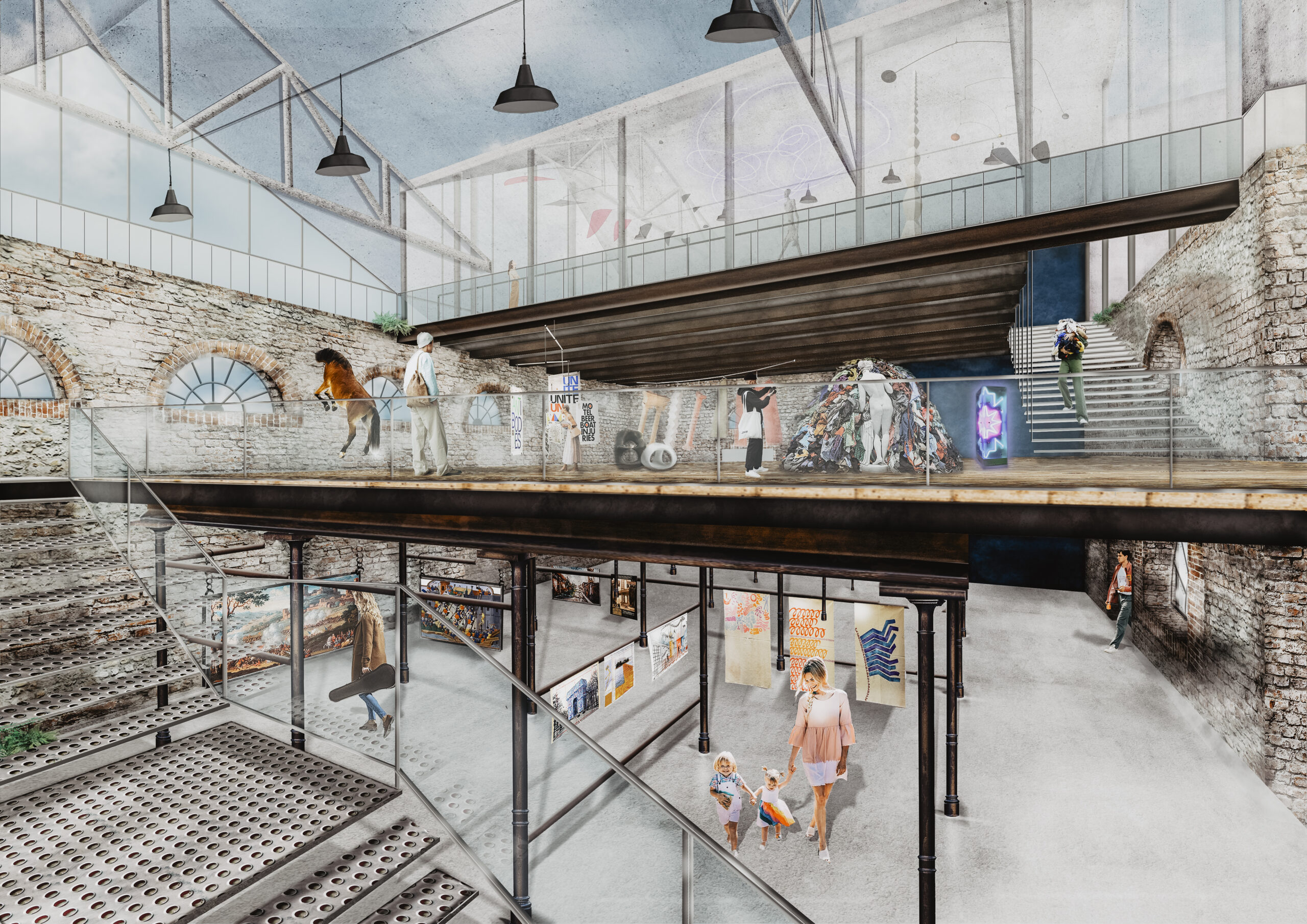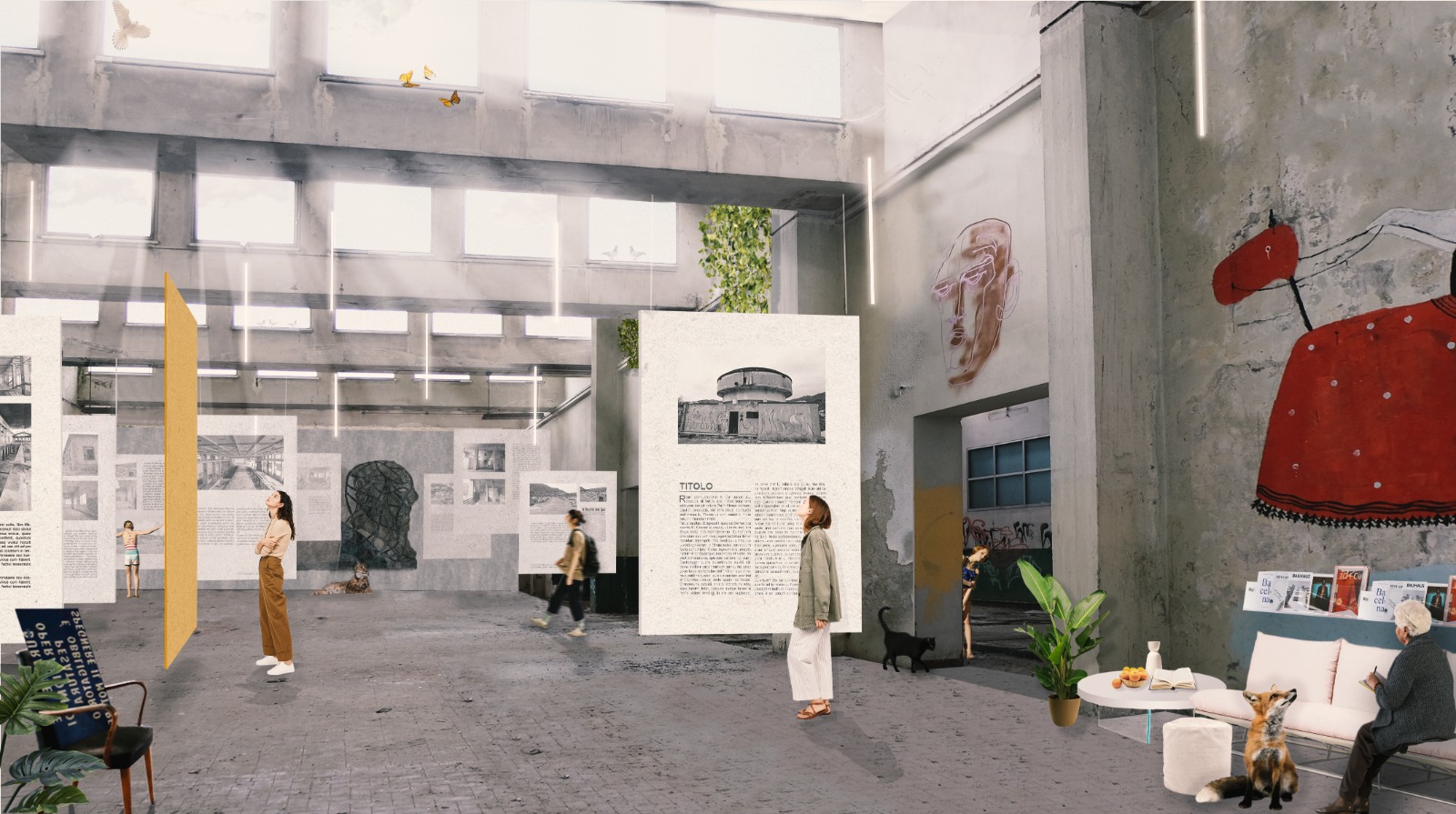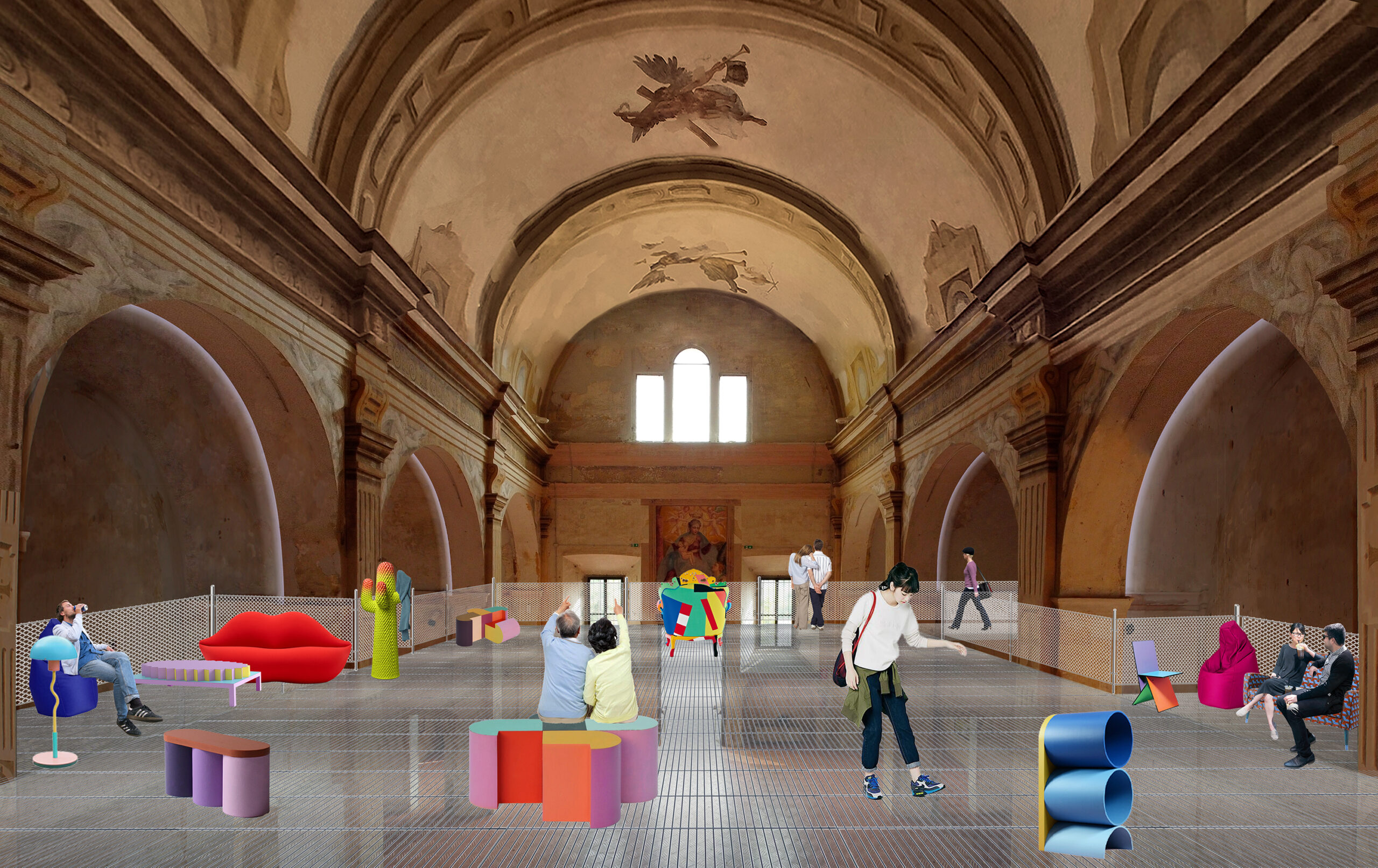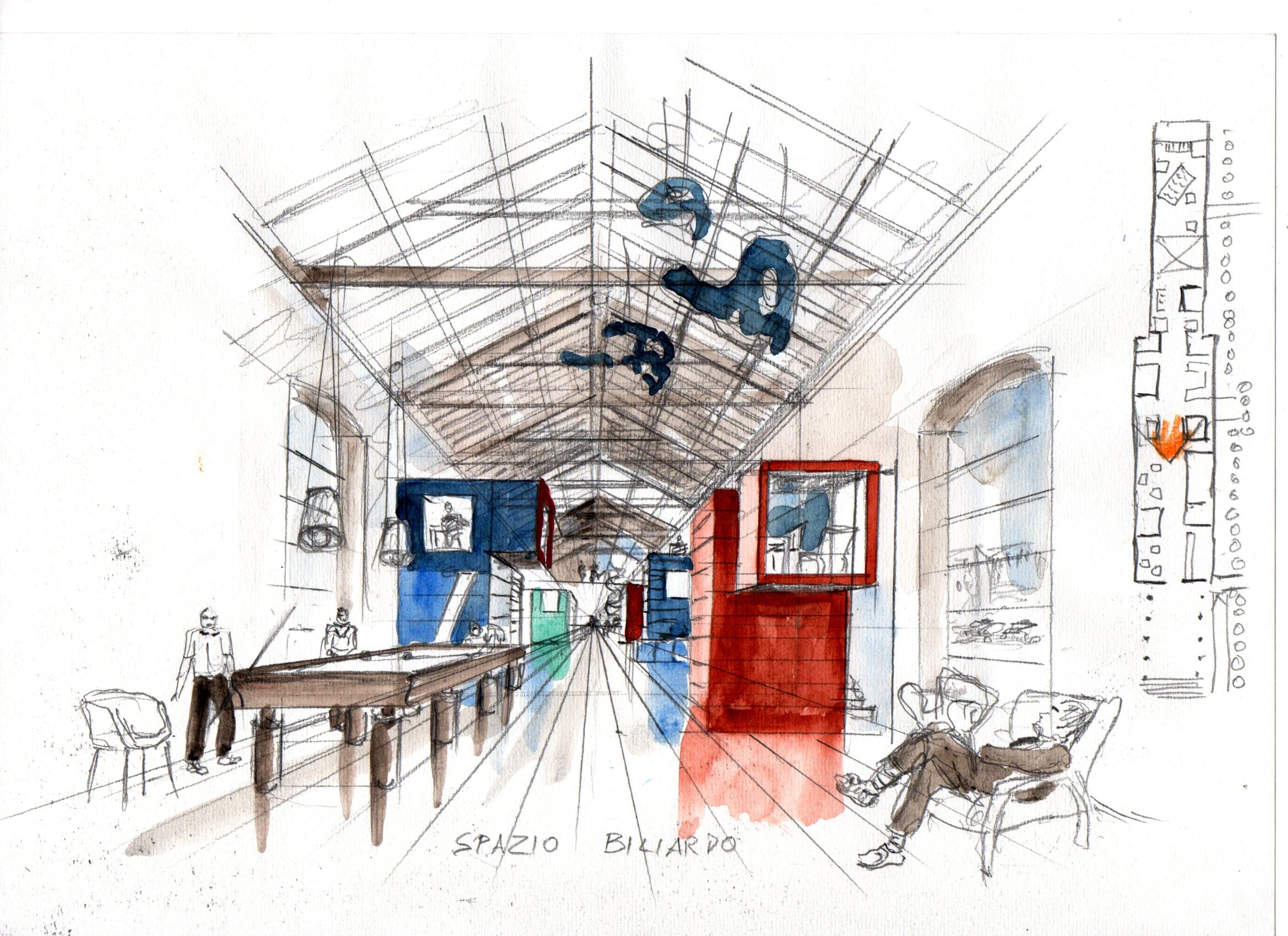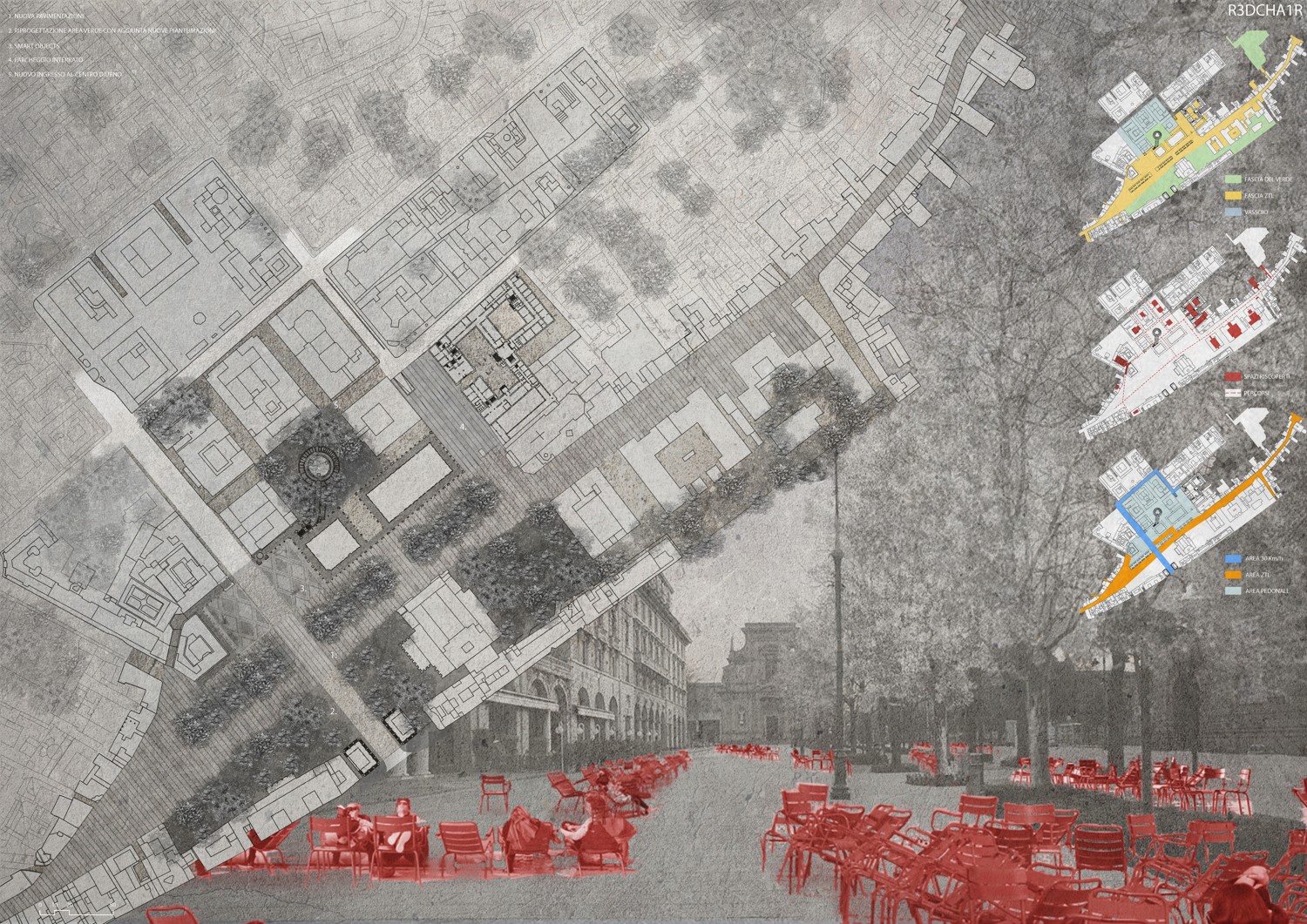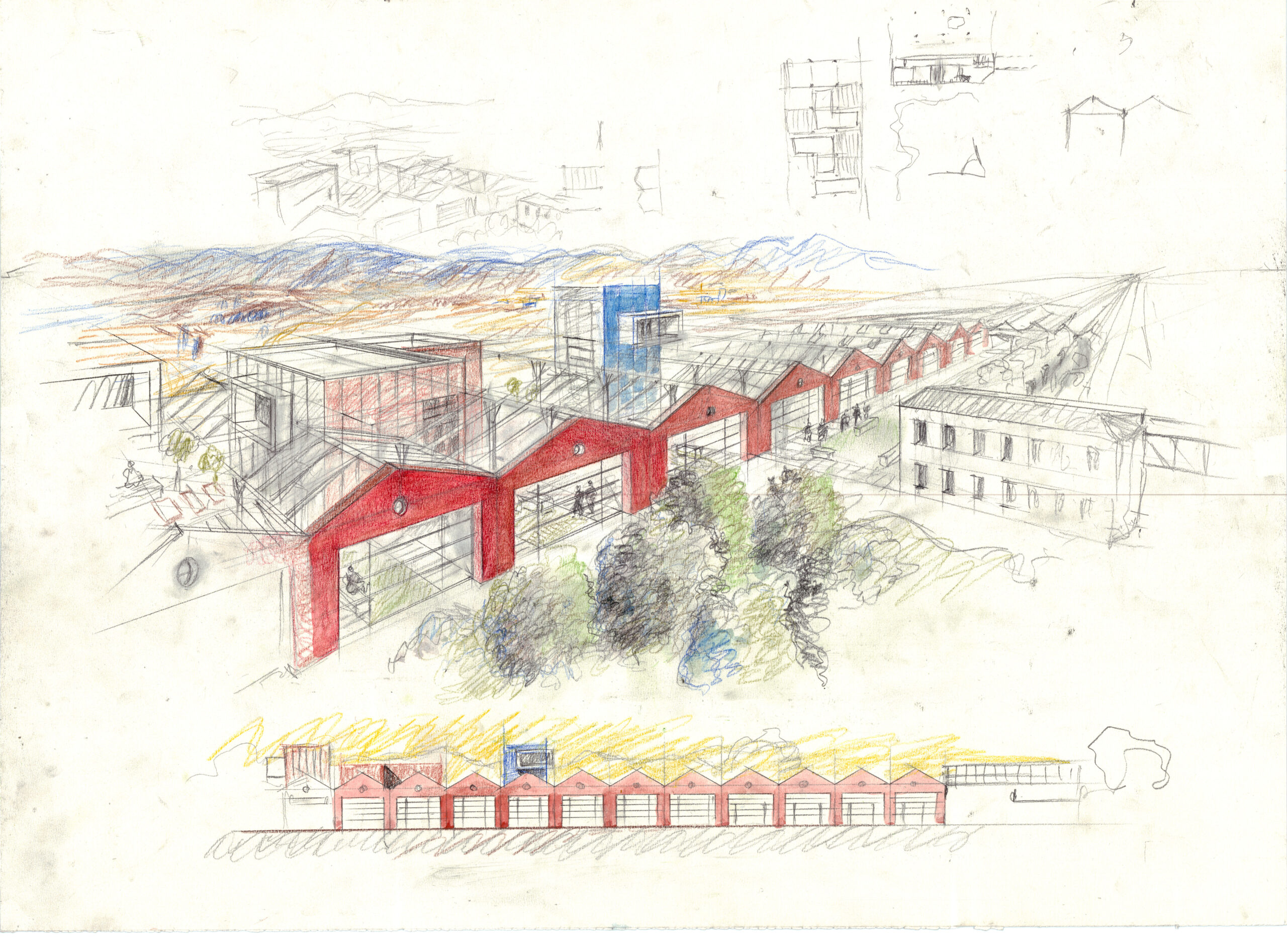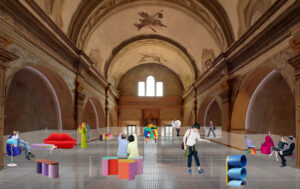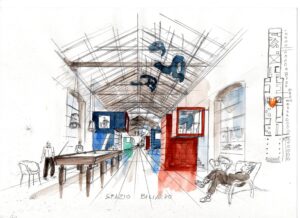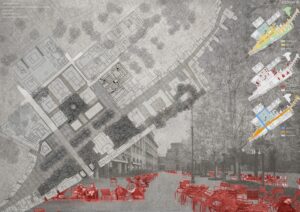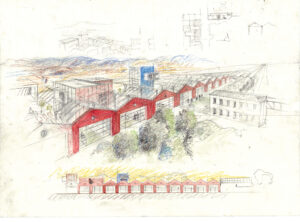


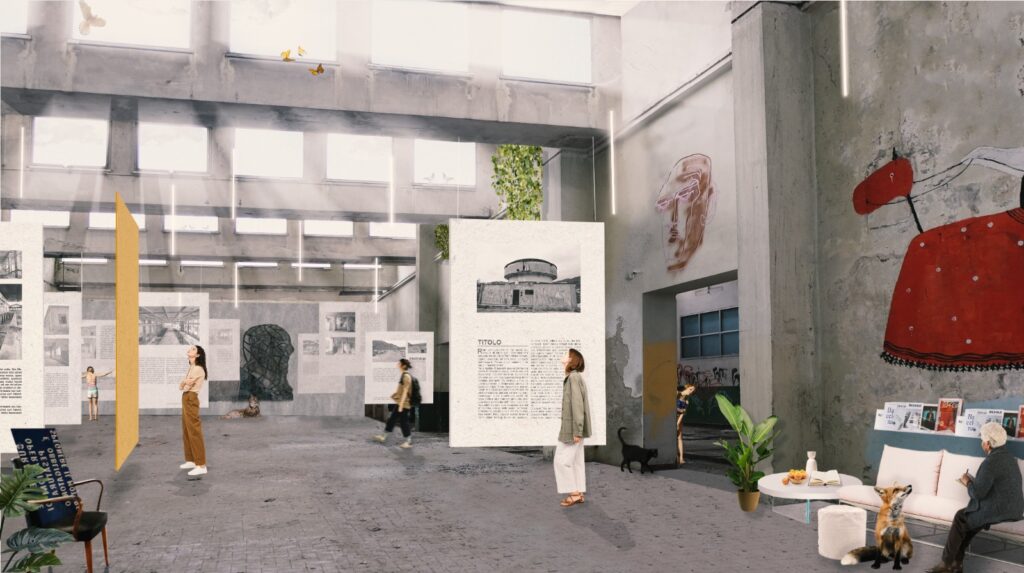
Some places stop performing the function for which they were born, but never stop existing. They remain leftovers: spaces that have had a history and which, in their sedimented memory, still hold potential. The architect Luciano Crespi, one of the founders of the Interior Design degree programme at the Politecnico di Milano, has been watching them for years, not as waste to be cancelled out but rather as resources to be interpreted and rethought. In his research, design does not apply to the new but to the dated. And, over time, this attention has become a precise approach to design: unfinished design, a practice that recognises the impermanence of the contemporary city and seeks to imagine new uses for abandoned spaces, without restoring them or turning them into museums.
Starting from this approach, Crespi wrote Stop City Now! Progetti di architettura dal finito al non-finito, a manifesto book published by LetteraVentidue in 2025 that brings together thoughts, research and case studies of existing cities and their architectural leftovers. Not an abstract theory but a first-hand practice built over time. “Waste is what is eliminated, leftovers conserve memory: they have already had a history.” This distinction may seem subtle, but is not. With waste, nothing is deemed to be worth saving; with leftovers, there is some residual value – material, symbolic, affective – that the city has still to process. This memory does not ask to be conserved as archaeology, but rather translated into use. This is also why Crespi keeps his distance from the rhetoric of the unfinished, which has recently led even to attempts at stylisation. The unfinished is something that has never been completed; leftovers, on the other hand, have already finished a first cycle and today are awaiting another.
For years, architectural design has worked in the opposite direction, chasing permanence and self-representation. “Repair, replace, connect: these operations were designed to last. Then the world changed, and design had to investigate the design of the unfinished.” There is a turning point between the long 20th century and the new century: global urbanisation, climate, economic uncertainty, intermittent infrastructures, nomadic mobility have made it clear that not everything we build can be expected to last. In the design of the unfinished, there are no aesthetics of the rough but rather ethics of use: “Today we cannot think of designing something that is destined to last forever”. Contemporary design is not measured against eternity but long impermanence: not an ephemeral event but an interval between one function and the next. Today it is supported by some local laws, such as in Lombardy, a region that offers the possibility of “temporary uses” for the abandoned heritage, a way of setting up events in abandoned spaces, pending decisions on their final destination. It is a possibility, but it differs from Crespi’s ideas.
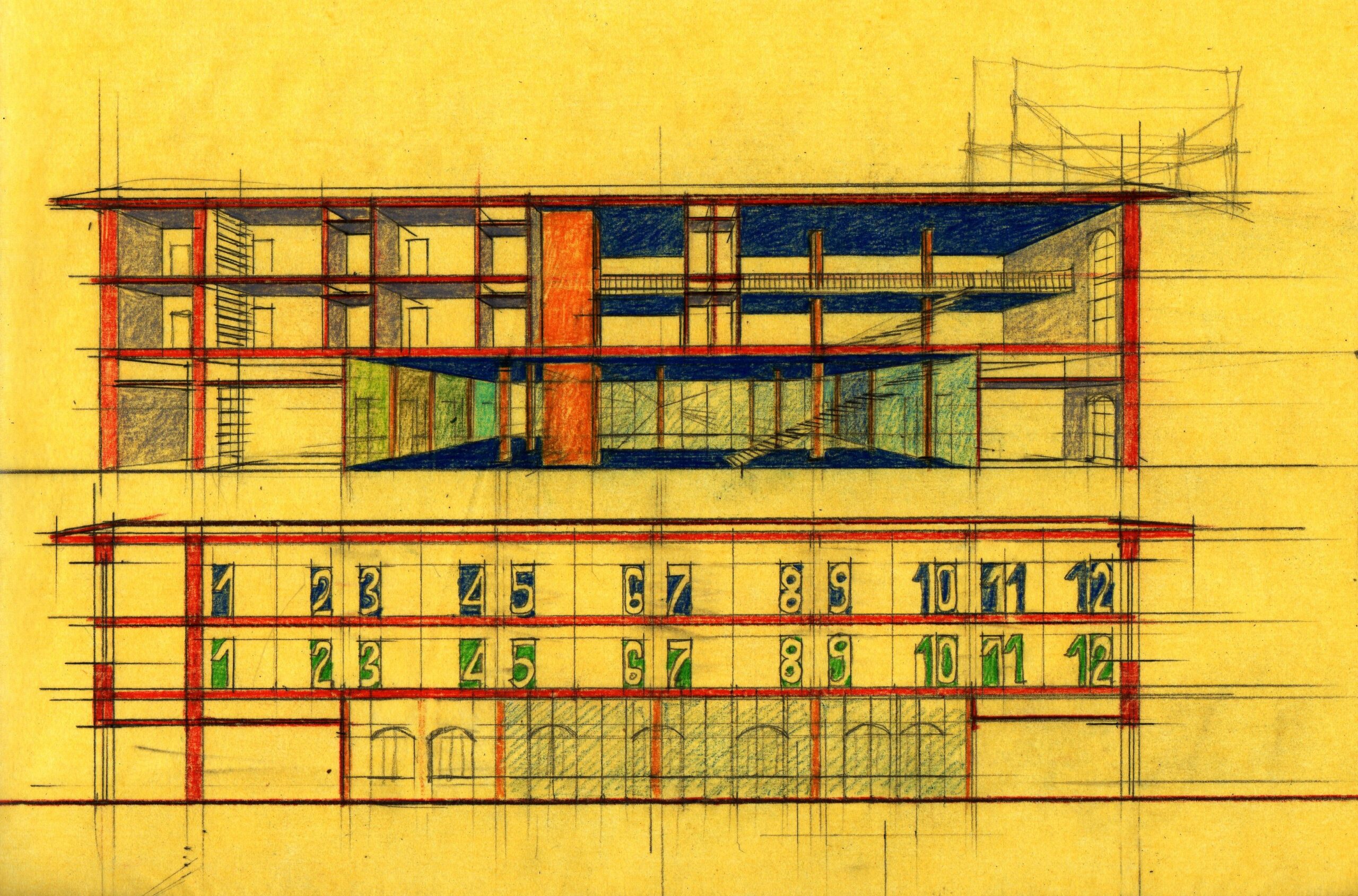
Before experimenting the design of the unfinished as a potential ‘temporary set-up’ design approach to the renovation of abandoned architectures, Crespi devoted many years to training and practice in long-term design. Because “the design of the unfinished is not improvisation, it is not a style: it is a language,” he states. To adopt this, we need a broad baggage that goes beyond architecture and design to include cinema, figurative arts, literature. The design of the unfinished uses new aesthetic codes and forgoes the polished image to shape the bold and the unexpected, in a dimension that may even border on the disturbing. More than a free gesture, it seems like jazz music, which is “not only improvisation, it uses standards. Standards that, in the case of designing leftovers,” Crespi suggests, “are all still to be defined”.
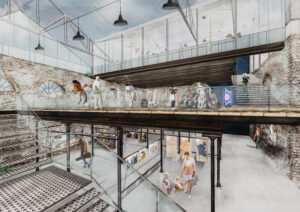
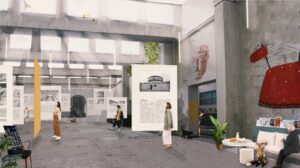
This awareness is not born on site but in the laboratories of the Politecnico di Milano, where Luciano Crespi taught Design and founded and chaired the degree programme in Interior Design. During his career he turned teaching into an observatory of the changes in the city. Students did not work on hypothetical places but real spaces: inspections, videos, renderings, dialogue with the institutions, revision in two semesters — design and development. The course seemed more like a small urban research unit than a university laboratory: in addition to designers and architects there was a director, photographers, graphic designers. “It wasn’t a matter of imagining spaces, but rather interpreting what was already there and understanding how to use it,” he explains. The municipality of Milan began to propose sites: residual areas, vocation-lacking city squares, border spaces. The laboratory responded by proposing temporary, reversible and non-definitive uses. In this sense, teaching was the first real litmus test of the design of the unfinished.
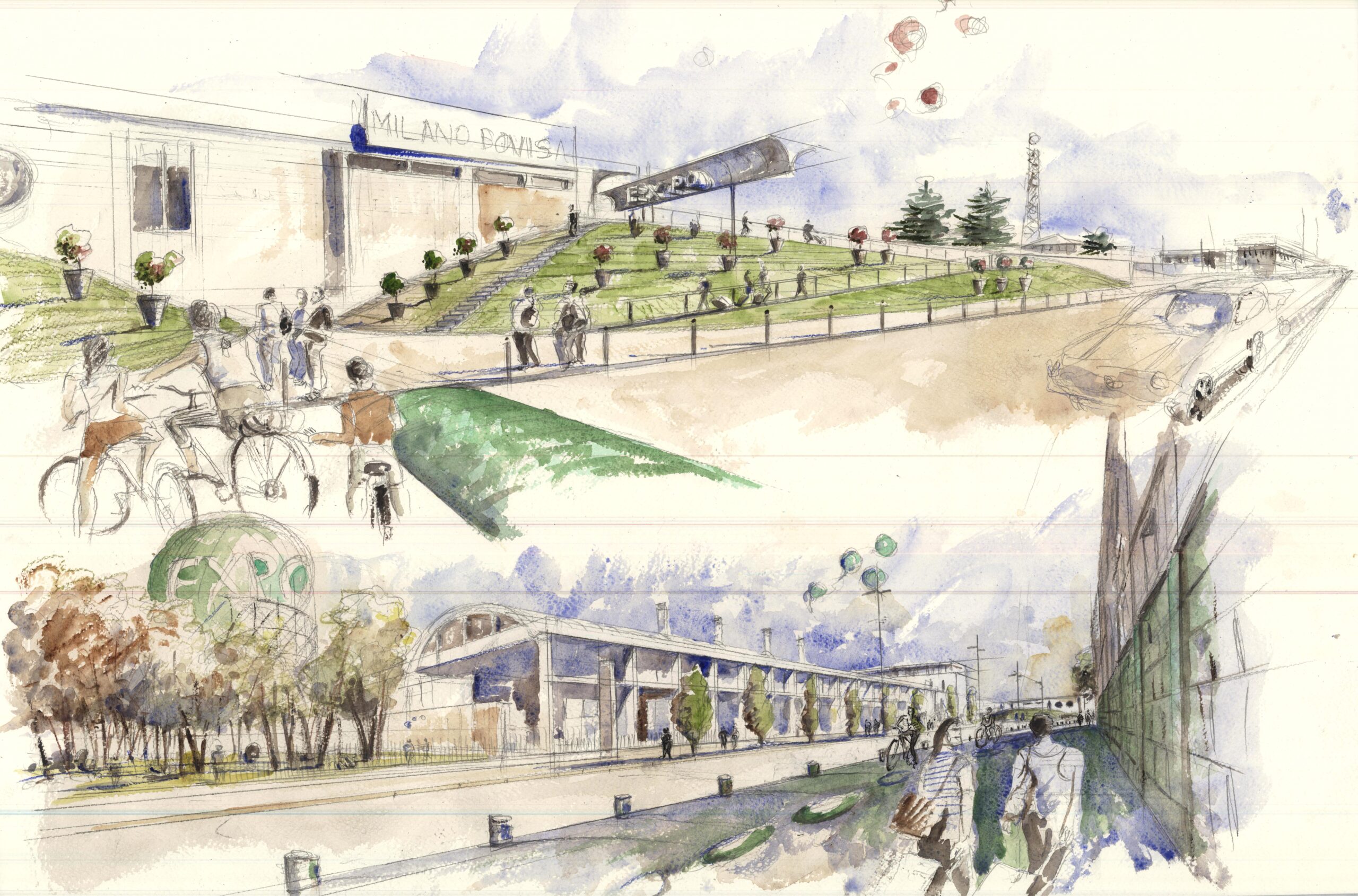
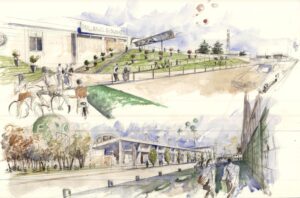
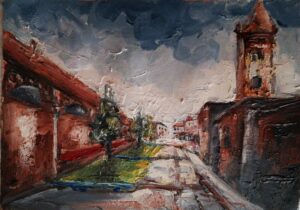
One of the most emblematic cases in Milan was via Lambruschini, between Bovisa and Villapizzone. On the eve of Expo 2015, Ferrovie Nord, the Lombardy Region and the municipality of Milan wanted to turn a minor railway track into a pedestrian access for visitors arriving from Malpensa. The road was run down, dirty, with no function; the design treated it as a leftover: not to be restored but to be made permeable and useful once again. “It was there that I understood that impermanence does not mean temporariness. The Expo lasted a few months, but the city would remain.” Design of the unfinished then shows itself as a way of returning to the city that which is suspended, without pretending that it should last forever.
There are a fair few examples in Europe. In Barcelona, Ricardo Bofill turned a cement works into a studio and home, adapting it continuously without ever restoring it: an open, constantly updated work. In Milan, the former Cristallerie Livellara became Spirit de Milan, a venue with a dance floor and restaurant: the demonstration that a former factory can become a public place without dressing it up to the nines, but by practising a form of reuse that challenges regulations, technical departments and habits. In Belgium, in Melle, the recovery of a 19th century psychiatric hospital building focused on the scars, making them visible like western kintsugi: not restoration to hide, but repair to show. In all these cases, memory is not nostalgia, but an operational material: an archive of possibilities.
One sticky issue remains: how to prevent the design of the unfinished from being engulfed by gentrification or reduced to an aesthetic language? Crespi is clear: abandonment is not solved by turning spaces into cool backgrounds, nor into museums of authenticity. “Gentrification can be avoided if people return to live in places. Exhibiting is not enough, you have to live them,” he says. Living – in the broadest sense of the word – is what adds continuity to the city: not conservation, but shared, reversible and adaptable use.
In the end we are left with a question, more than an answer. It does not concern nostalgia, nor restoration, but the future. “Can the contemporary city be saved?”. Crespi does not reveal what it means to be saved, nor does he indicate a single direction. He merely offers a different way of looking at the neglected parts of the urban landscape: not as failures, but as reserves of meaning.
Perhaps the memory of the city is not what survives time, but what can still be transformed.