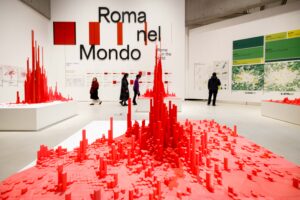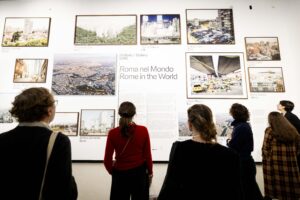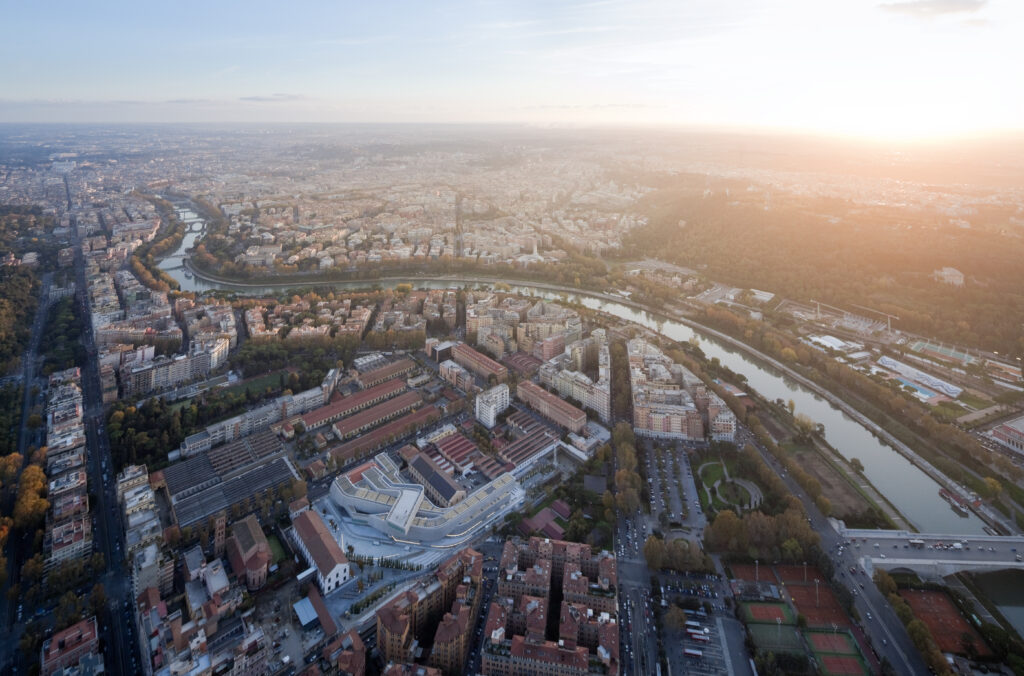


To understand – if ever it was necessary – the importance of Rome in the global collective imagination, we should think only of the role assigned to it by Sigmund Freud: for the father of psychoanalysis, Rome is the “metaphor of human memory, in which all eras coexist”. Rome is the eternal city, the cradle of legend and art, culture and history, but it is also a metropolis like many others, grappling with everyday life made of homes and transport, services and families, immigration and sustainability. Its dual soul is perfectly framed in the exhibition Rome in the World, at the MAXXI in Rome, the National Museum of 21st Century Arts (until 6 April): its three sections tackle different aspects, aiming to understand its DNA because, as the curator, the British urbanist Ricky Burdett, underlines, “there’s no other way of doing this aside from transversally bringing together different disciplines”.
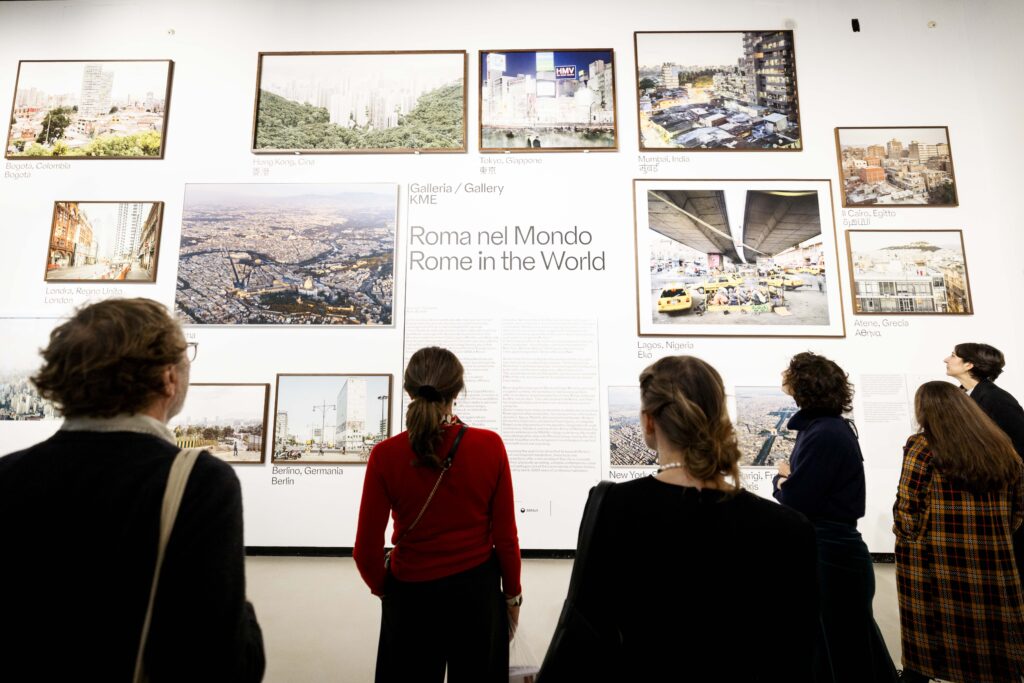
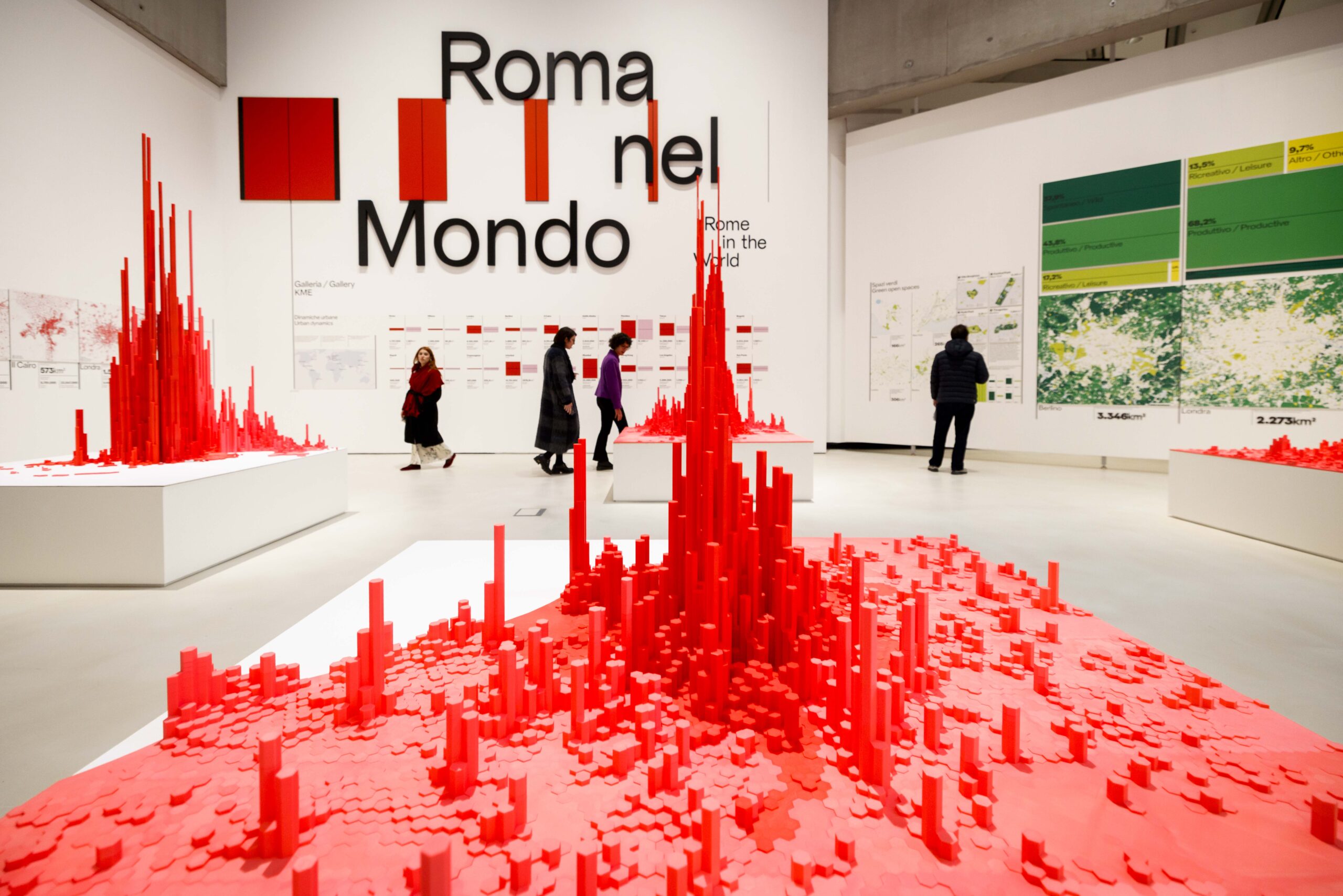
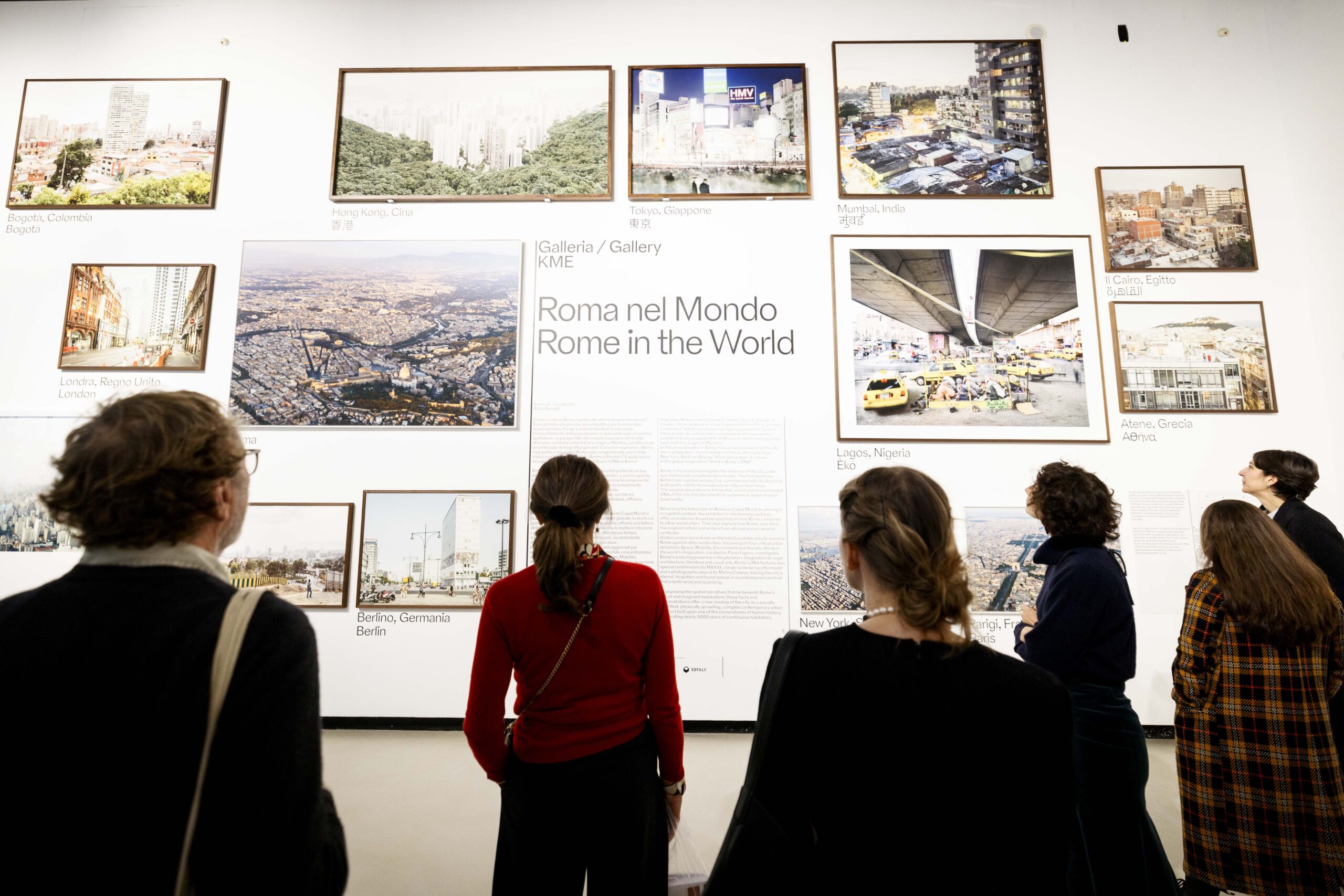
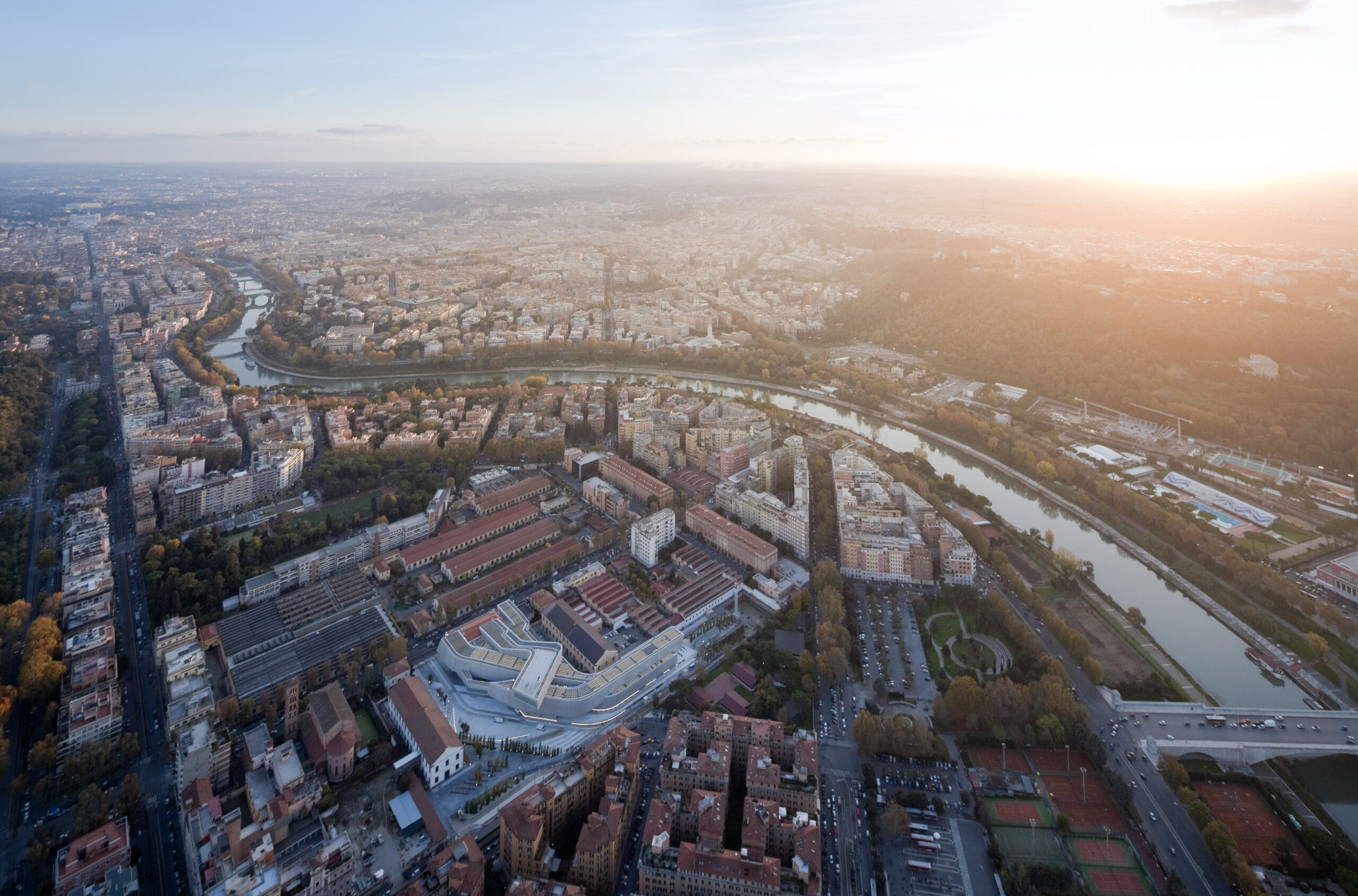
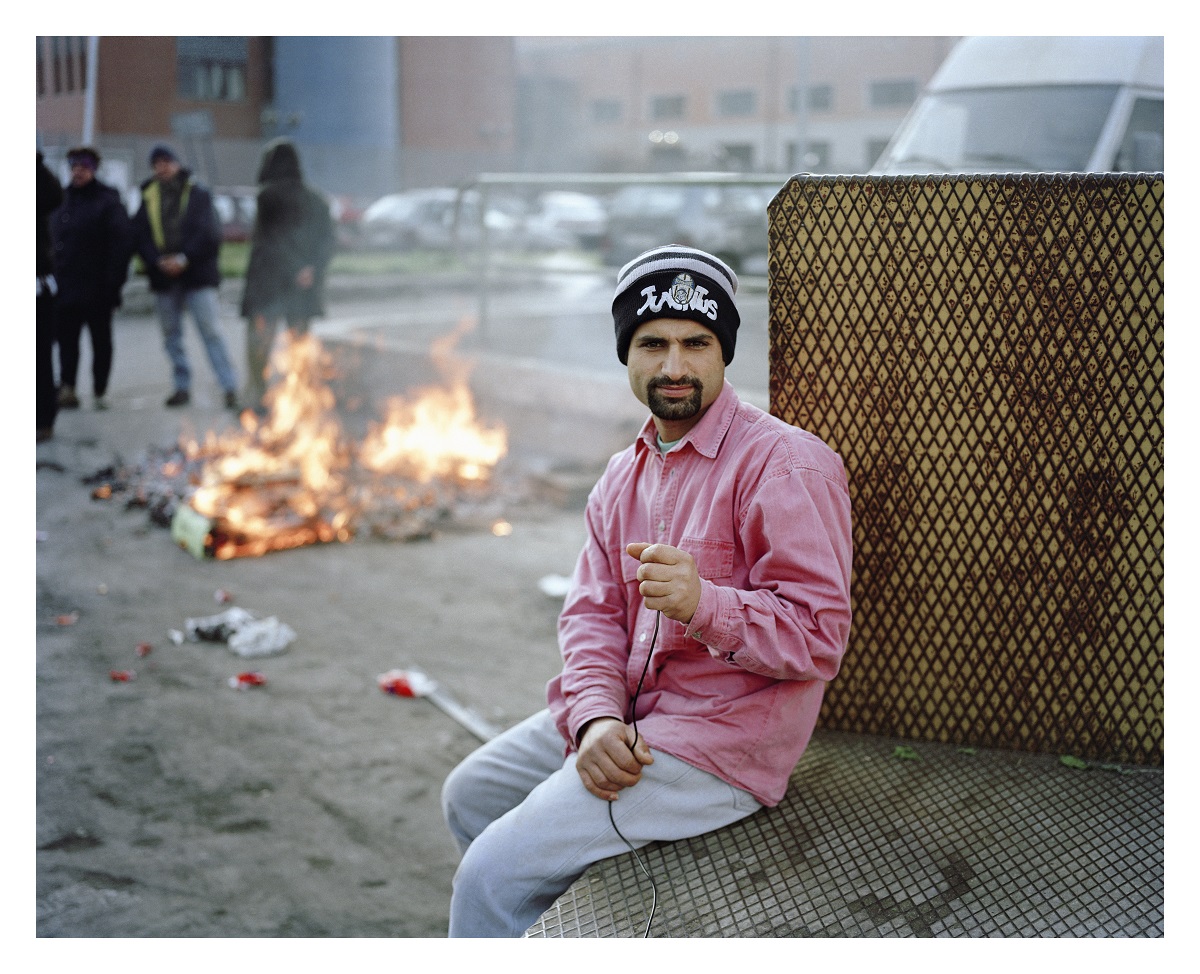
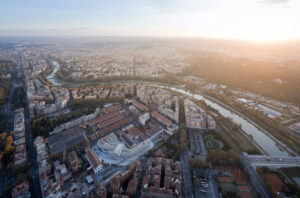
The first section, Global Comparisons, compares Rome to other world metropolises (Paris, London, Berlin, New York, Beijing, Lagos, Tokyo, Mumbai, Bogotá, Addis Abeba and others), using art-house photos and graphs showing data such as demographic growth and mobility flows. “The crucial issue of this research is comparison,” Burdett explains, “the exhibition has lots of data, a series of indicators of everyday life that describe what it means to be a citizen today: this is linked not only to the city’s architectural and artistic aspects but also more complex issues such as traffic, population density, inequalities and demographic growth.” Ricky Burdett has not only enjoyed a major career as an urbanist and professor at the London School of Economics, but also boasts a special connection with Rome, as his great-grandfather Ernesto Nathan was a famous mayor of the Italian capital in the early 20th century. “The first element that emerges is that the municipality of Rome is huge,” he explains, “it’s the second largest municipality in Europe after London, and this difference is dramatic because London is a bit bigger than Rome and has 9 million inhabitants, while Rome has only 2.7, practically one third. This means that the occupation of the territory is far less dense, the city spreads out more, among built and unbuilt areas.” A peculiar conformation, due to the – in some aspects uncontrolled – demographic explosion as Rome became the capital of Italy and led to the birth of peripheral districts in the countryside, far from the centre. “The second key point is that the extent of the non-built and the quality of this greenery is interesting,” the curator underlines, “because much of it is farmed agricultural land and this is an advantage for sustainability, supplying the food the city demands and consumes. This will be an increasingly decisive element in the near future, as other large capitals are forced to have food brought in from far away.”
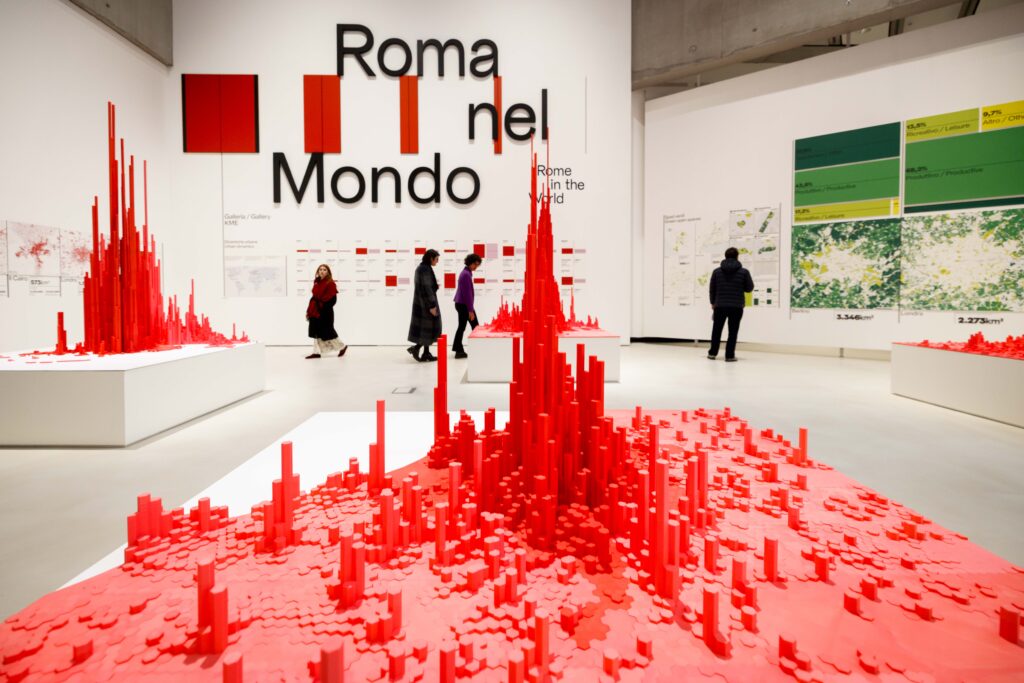
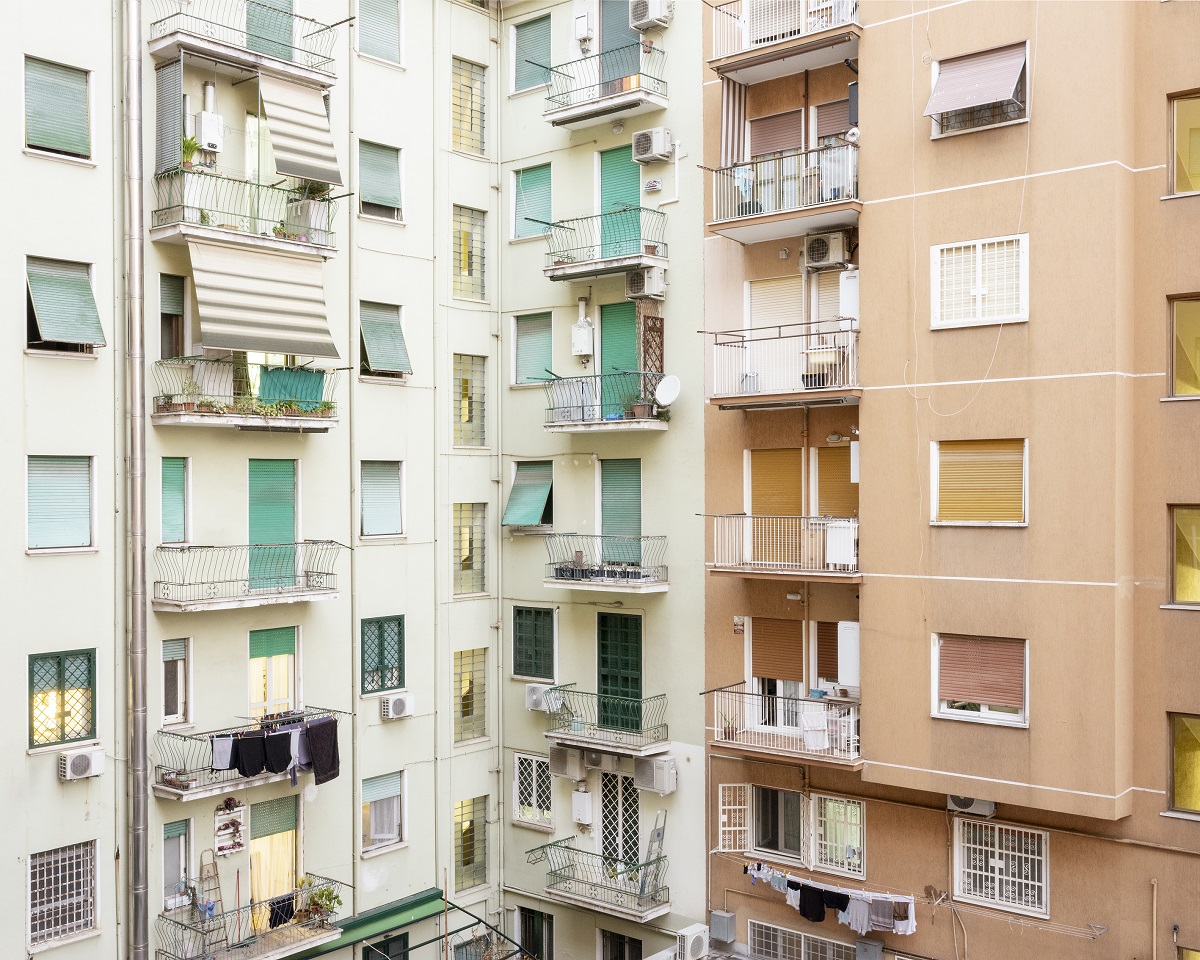
However, to be eloquent and useful, data must not be abstract but contextualised, or, even better, ‘spatialised’, as Burdett specifies: “We have sought to spatialise the data: for example, in relation to the distribution of the various age groups in the city areas, it is fascinating to see how thirty-somethings with children tend to move out of Rome into the peripheral areas with few services in order to have larger homes, or even to rent more central apartments to tourists. As a result, tourists and the elderly, who don’t want to leave their homes, remain in the historical centre. And this explains the increase in catering services and the disappearance of small specialist shops. A spatial reading of the data visibly shows where to target urban policies to improve various aspects: services, transport, social networks”.
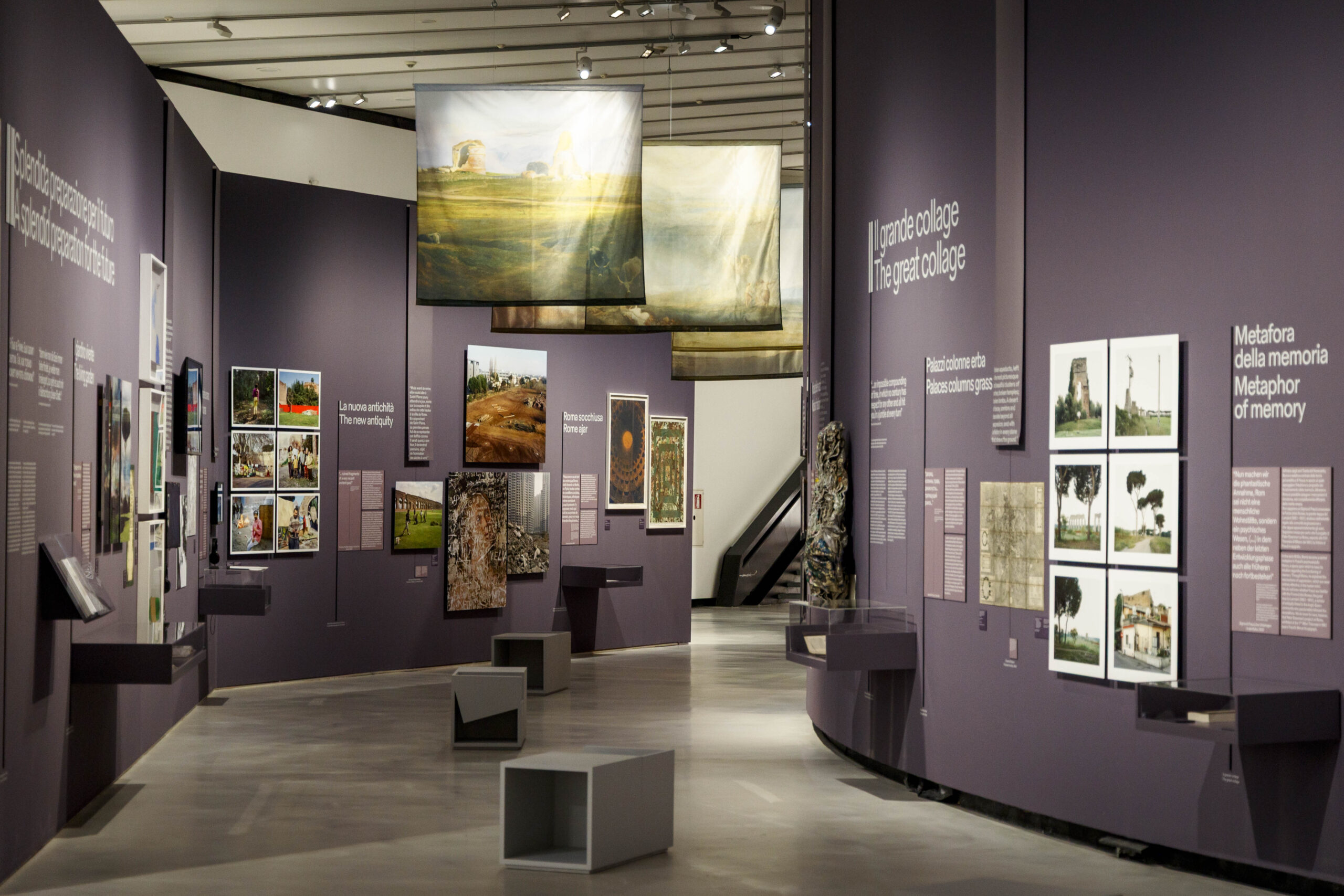
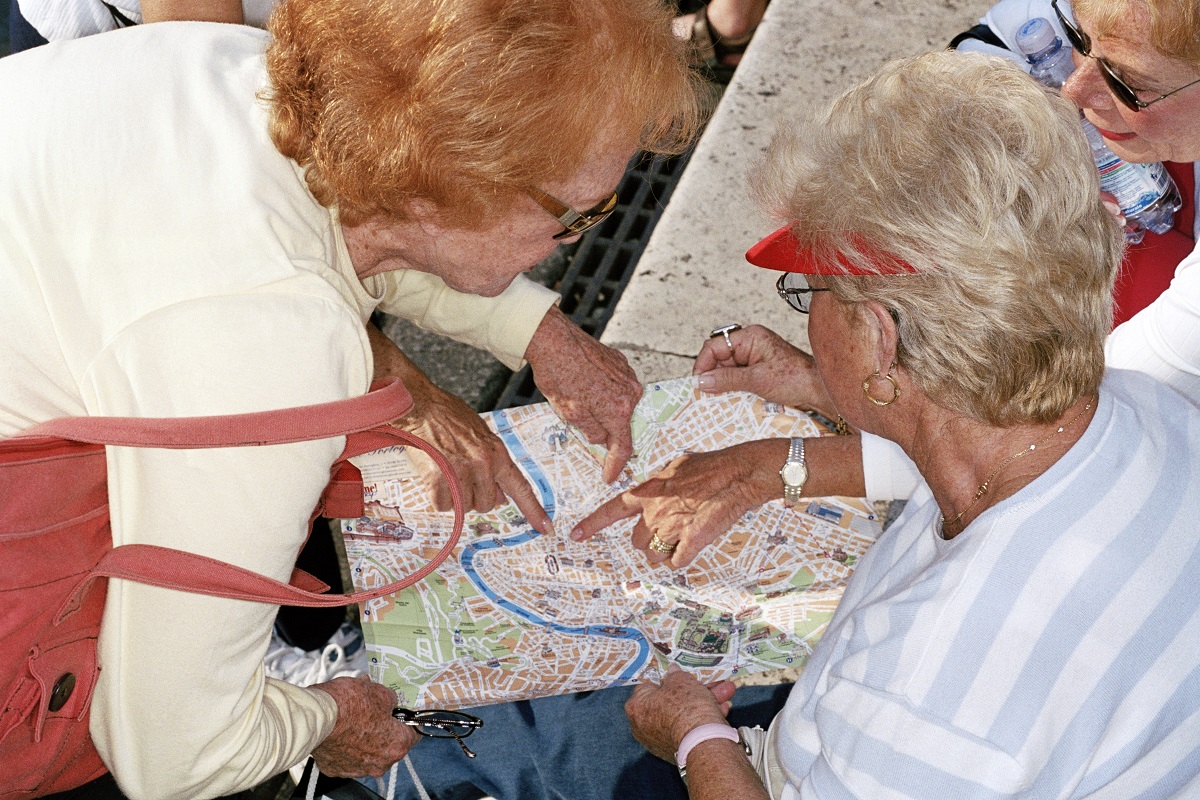
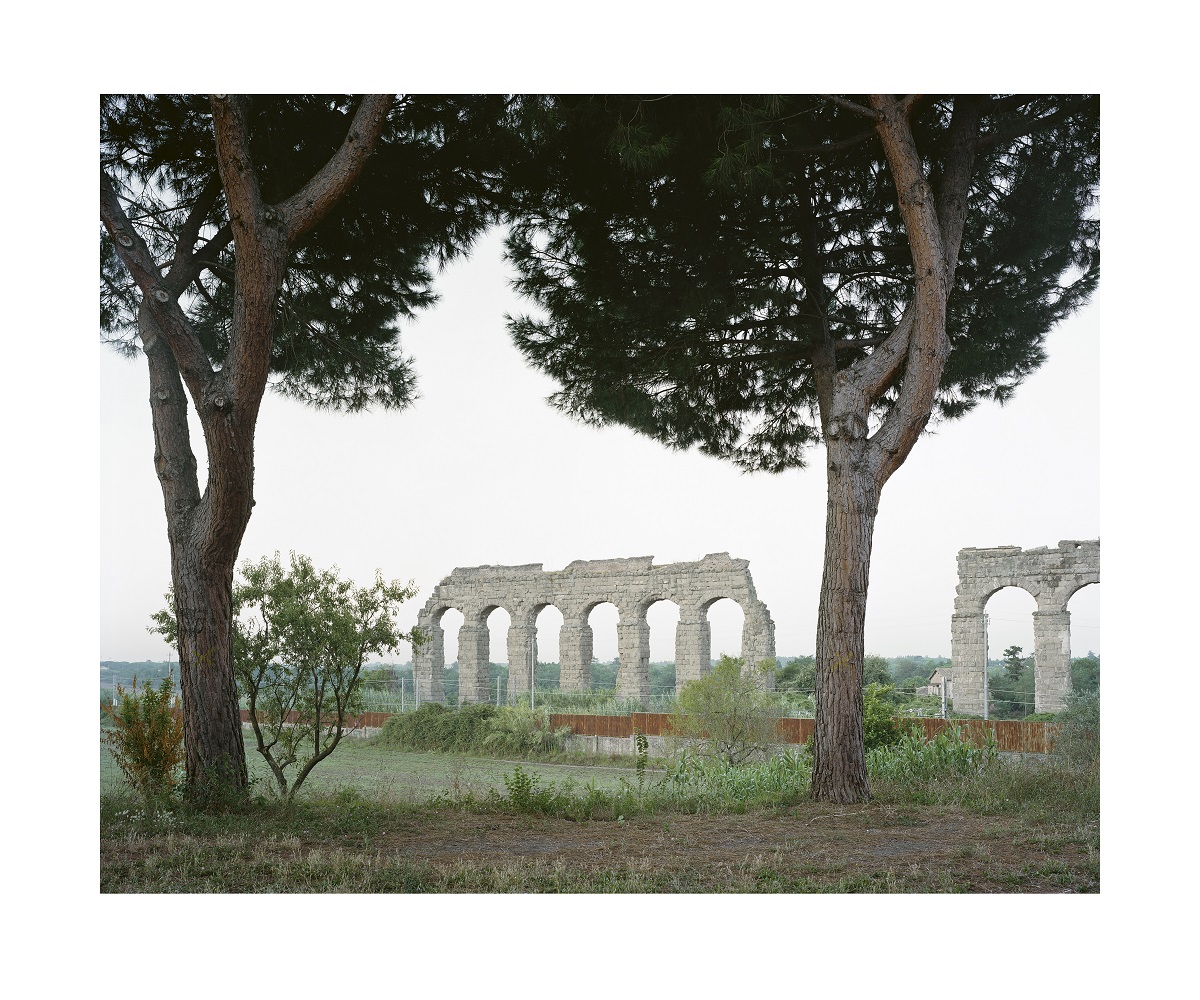
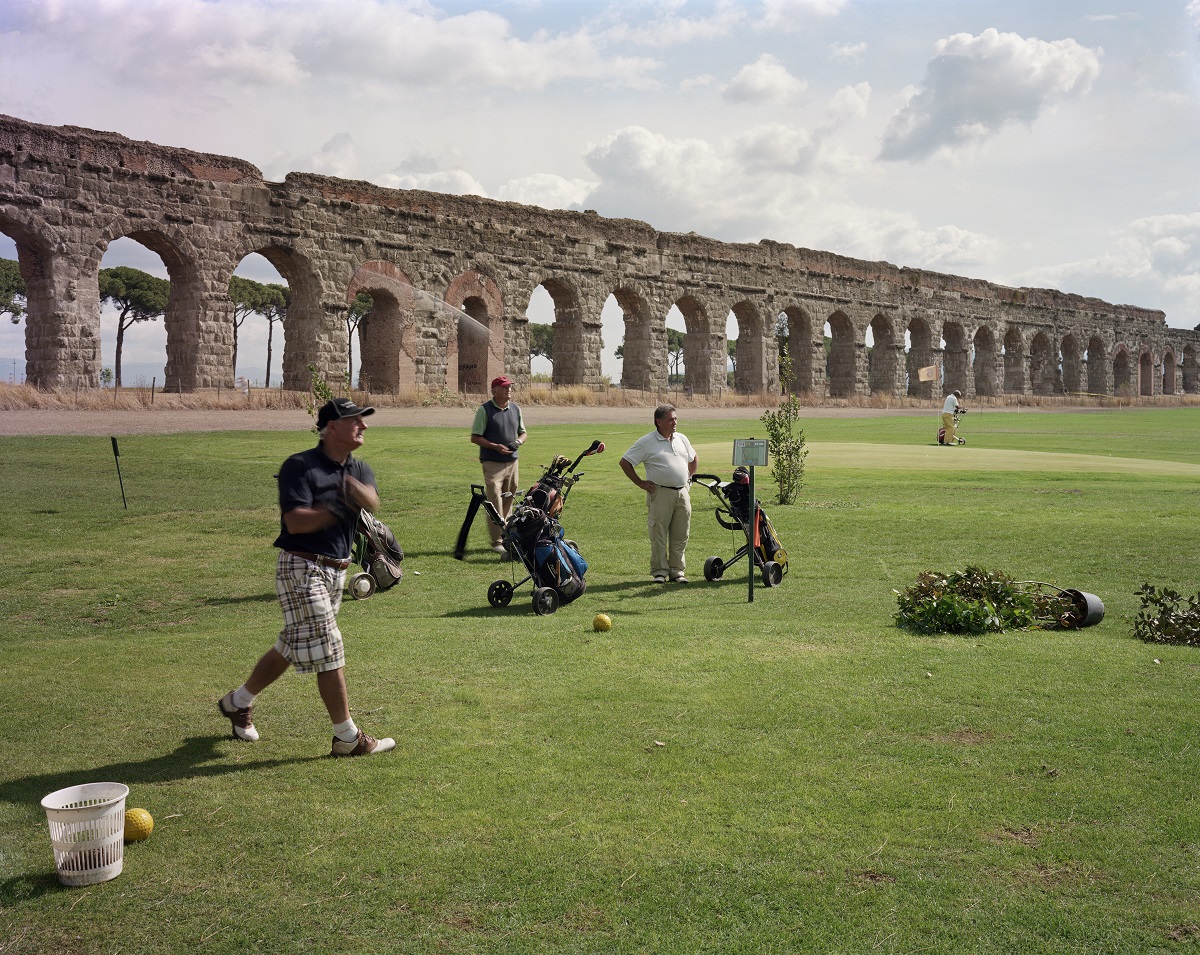
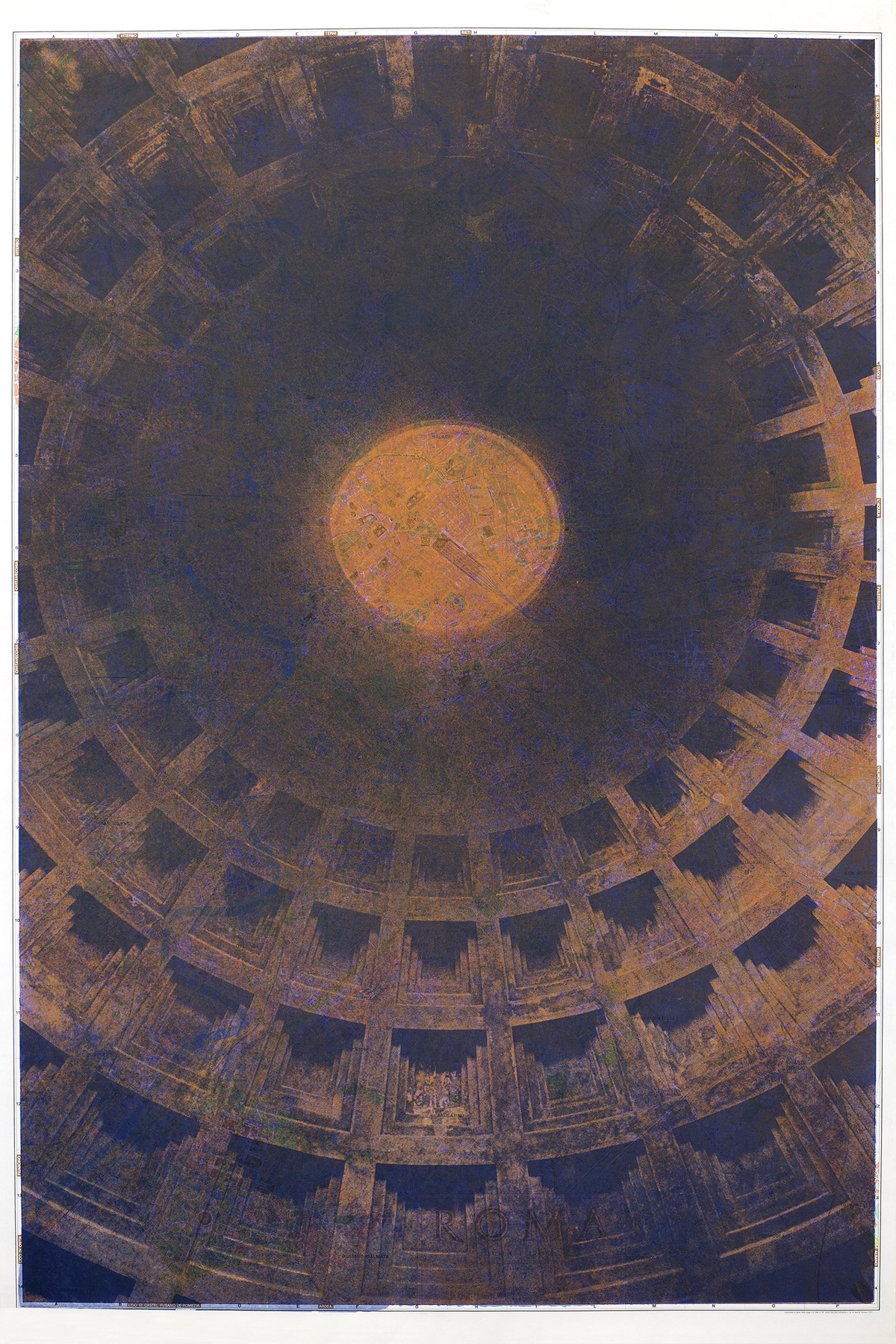
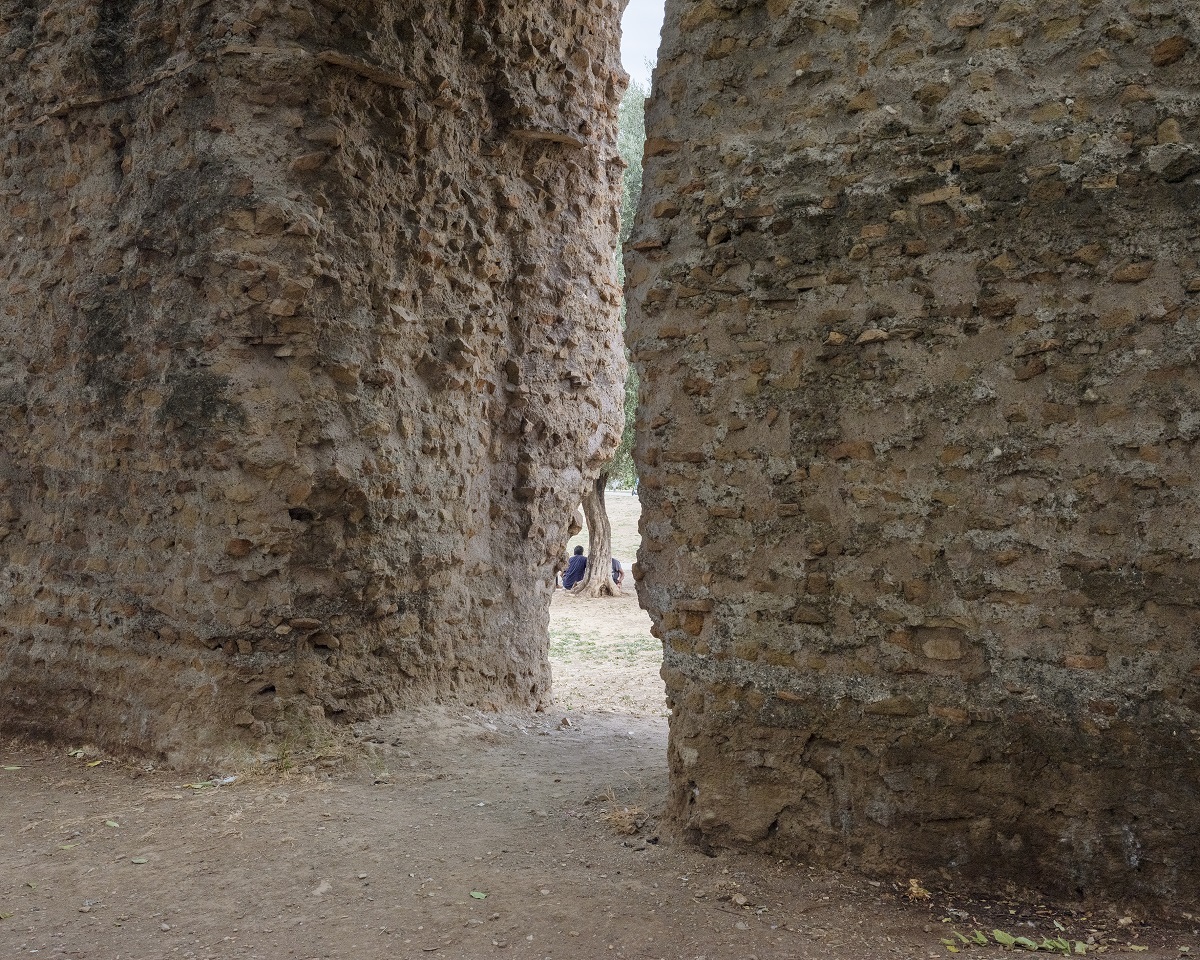
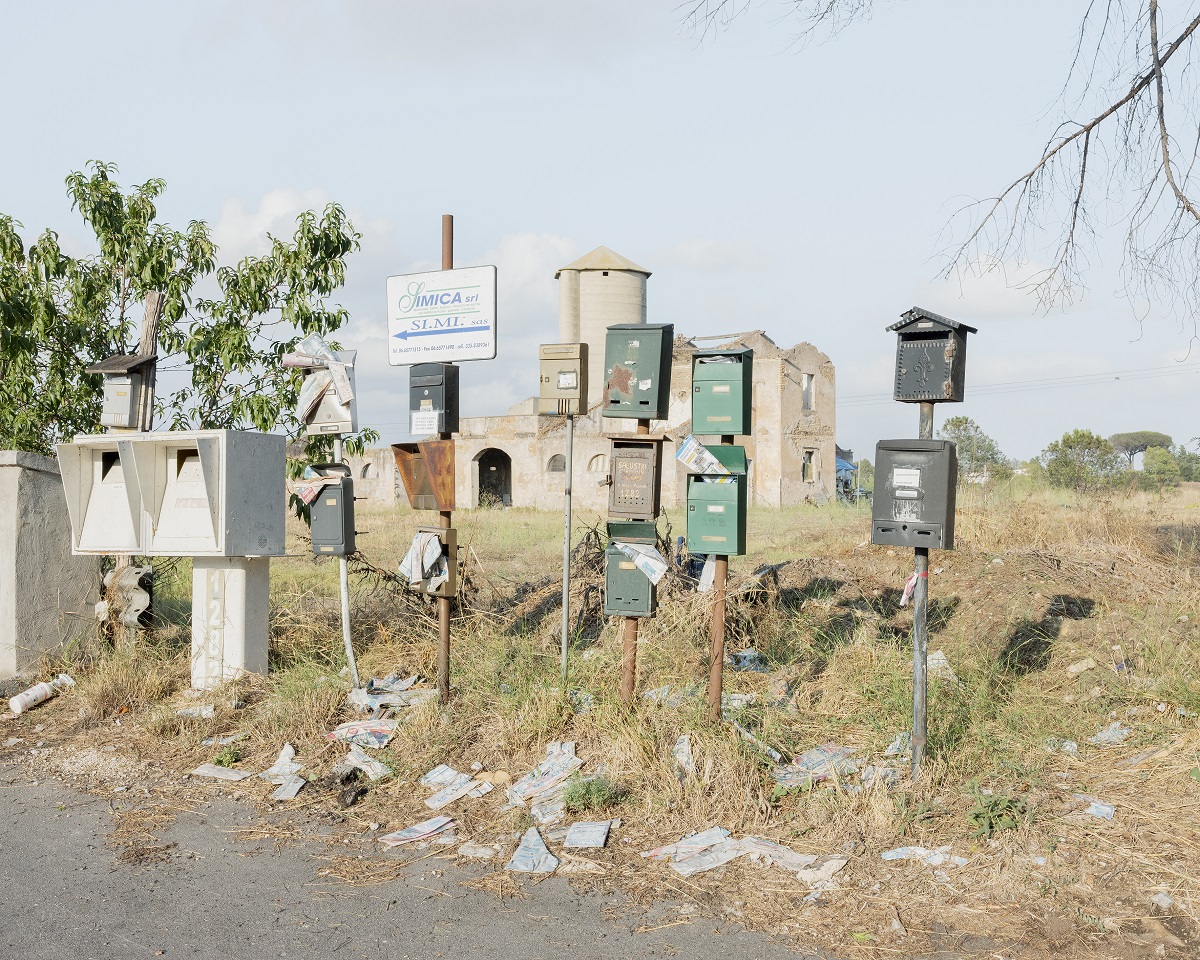
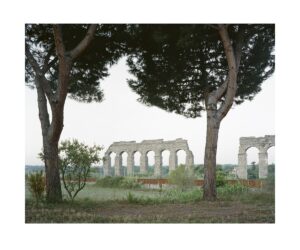
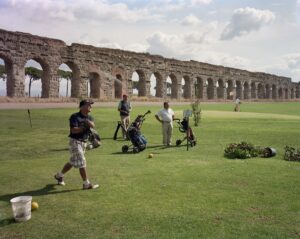
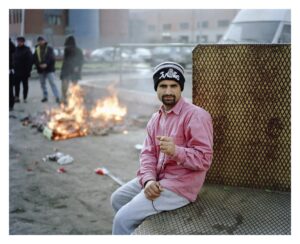
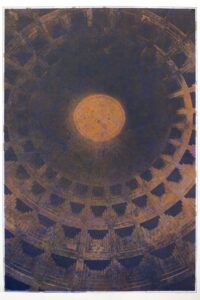
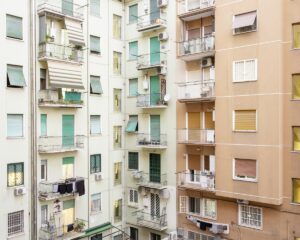
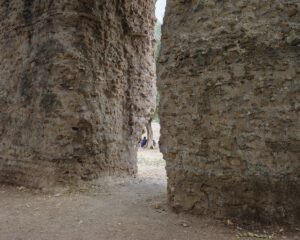
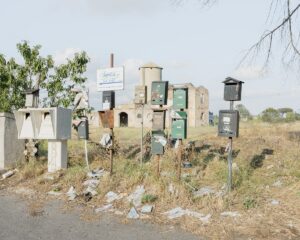
In the second section, Rome in the world’s imagination, the focus shifts to the record held in this sense by the Eternal City. Paola Viganò, the architect and professor who curated the section, confesses: “It was great to work on this section: the Eternal City is not only a constant feature of the global imagination but an important element for understanding our own humanity; as Goethe wrote, only in Rome did he feel ‘truly human’.” The research work developed aims to identify the images of Rome when looking at the city from outside: “This work has only scratched the surface, given the huge number of international artists and writers who have dealt with Rome,” Viganò explains; “we began from the 18th and 19th century Grand Tours, when young aristocrats came to Rome to complete their education. In people’s imagination, Rome was a place of formation, where culture in contact with the ancient world reached unmatched depth. A place for the contemplation of time, in the space of the city. Today, Rome is home to over forty international academies and foreign cultural institutions (the highest number in any capital), offering scholars and artists the chance to spend a year in Rome, conducting research on the city.” The Grand Tour travellers saw the poetic and artistic appearance of a city interspersed by broad sweeps of countryside, as the curator underlines: “Within the walls there was a large green space from which Monumental Rome arose, made of ‘buildings, columns, grass’, as Gogol wrote. Today the Roman countryside is no longer inside the city walls, but continues to exist beyond: and it is an extraordinary resource for the Rome of the future, provided we can regenerate its soil, rivers and forests, to make them permeable and usable.” International artists and scholars observe contemporary Rome, finding and reformulating the great images that have always characterised the city.
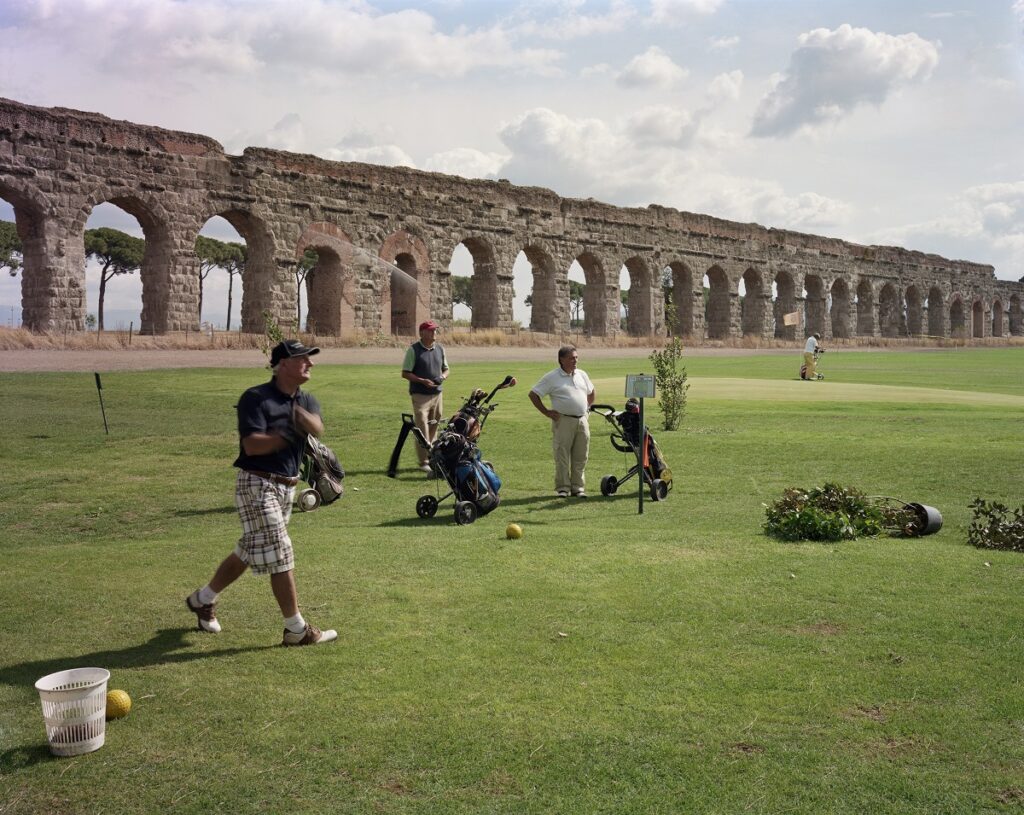
The New Antiquity, Rome, 2009, pigment print on Baryta fine art paper mounted on dibond, ph. Tim Davis
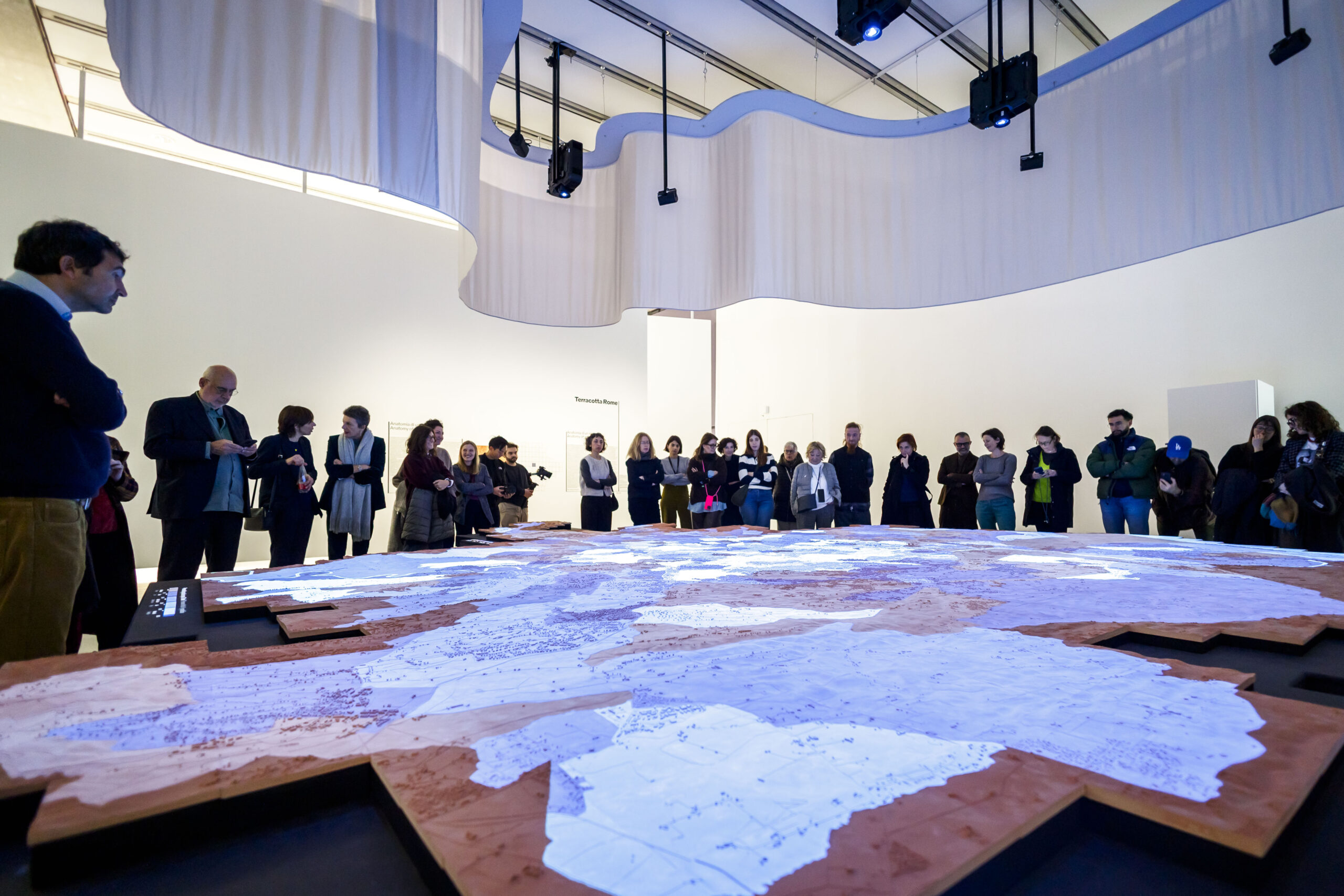
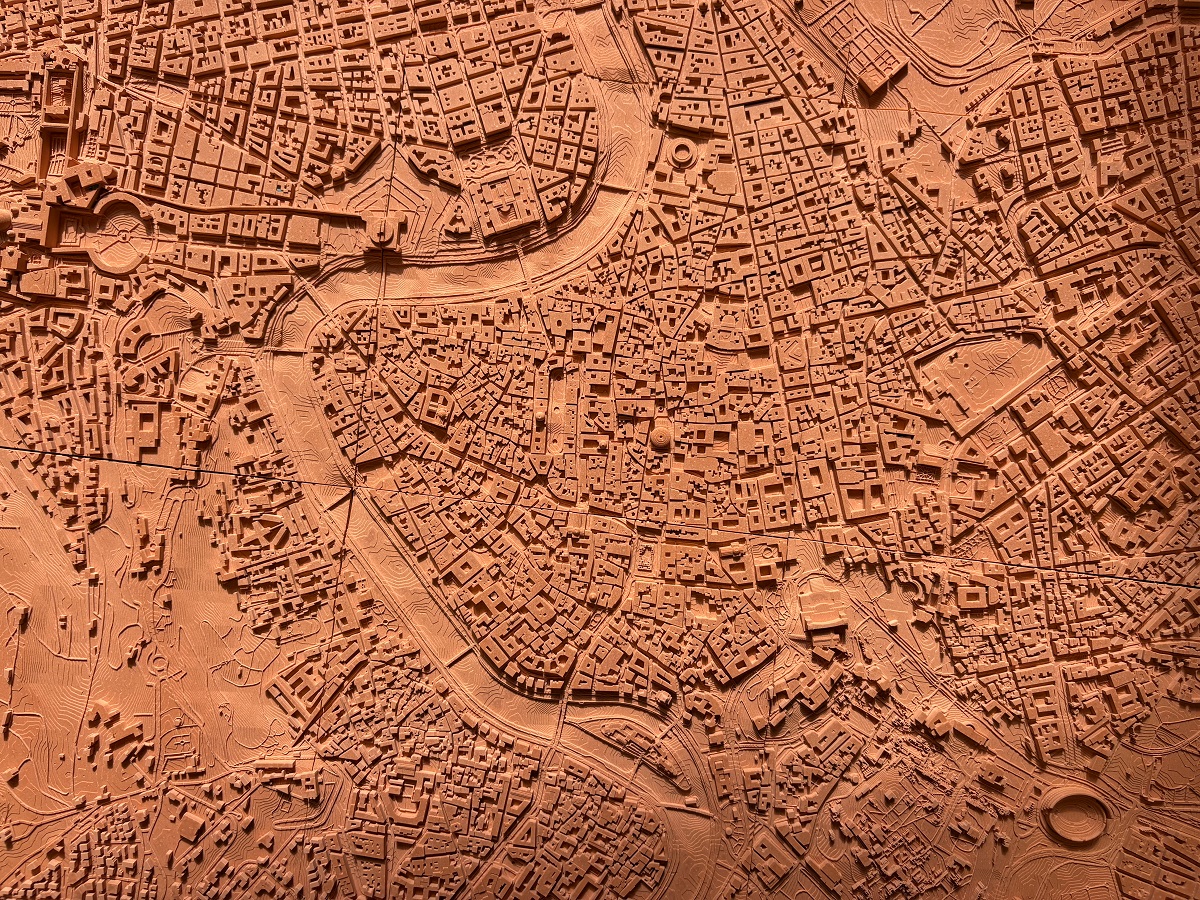
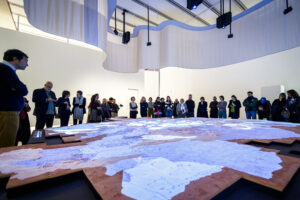
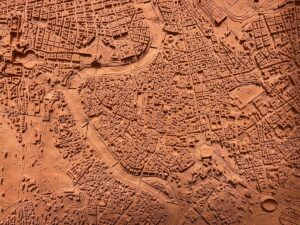
Concluding these reflections is Keti Lelo, territorial analyst and city historian, who curated the research on the data and themes of contemporary Rome for the third section of the exhibition, Rome’s DNA, projected onto a huge physical model of the city in terracotta (6 x 6 m) consisting of 953 tesserae in scale 1:7,500. In front of the model, we can visualise the size and conformation of the city: “Rome is as big as the ten largest Italian municipalities put together, and has grown giving space to everyone: it was extremely welcoming, and requited. Today the – often ‘adopted’ – people of Rome participate actively in the city and have a strong sense of belonging. Rome has spread like wildfire: some neighbourhoods are out in the country, and poorly connected. Consequently, circuits of hardship are created in some places”. The model showcases the relations between city and green spaces: “In Rome there are large parks of all kinds, archaeological parks, nature parks so large that they have private areas, farms and pastures. The city does not advance, but there are also so many areas that are neither cities nor countryside, and are experienced as dysfunctional. Lelo concludes, “It will therefore be necessary to stop the city from expanding and work on the inner spaces, because discontinuity is not good for efficiency.”