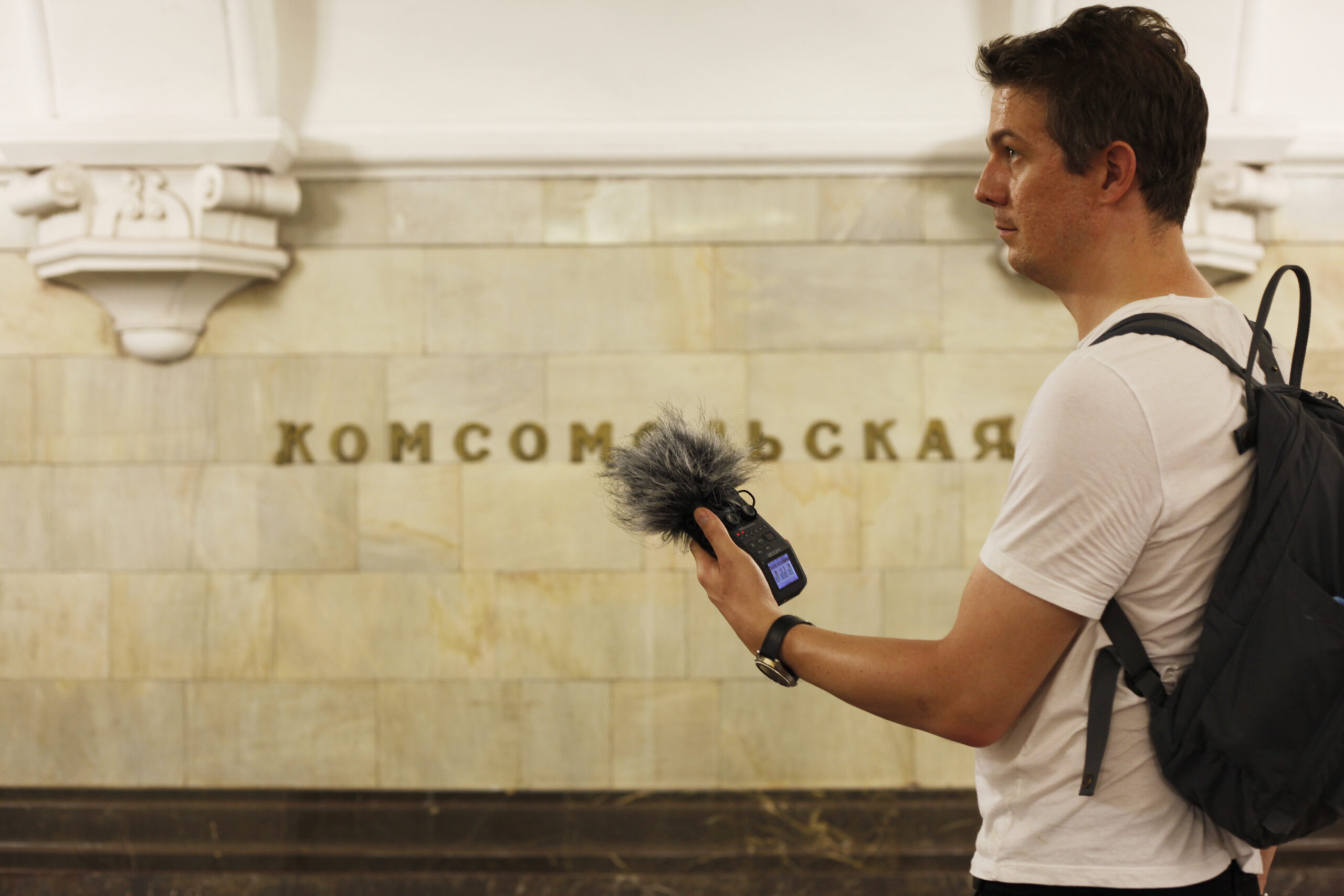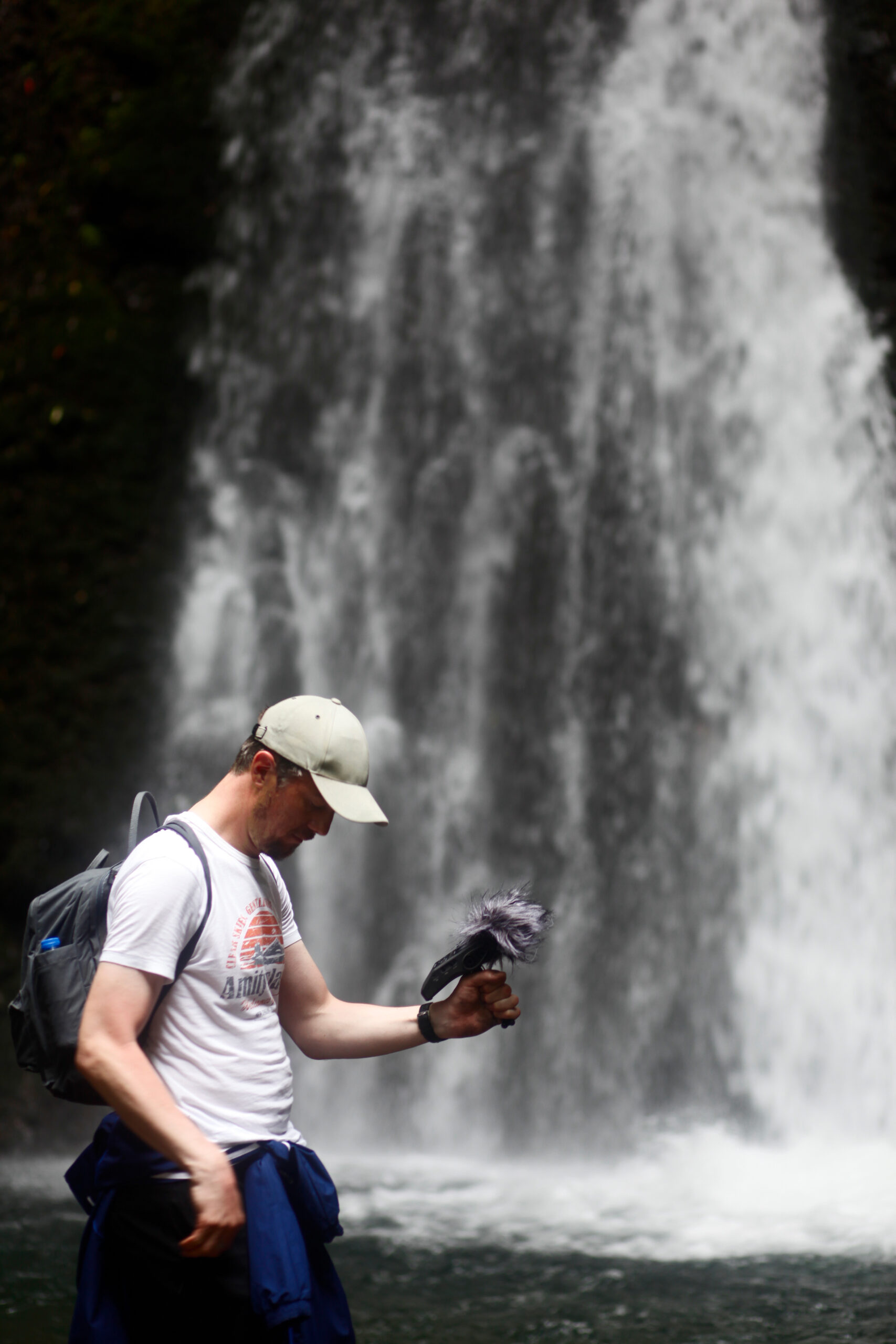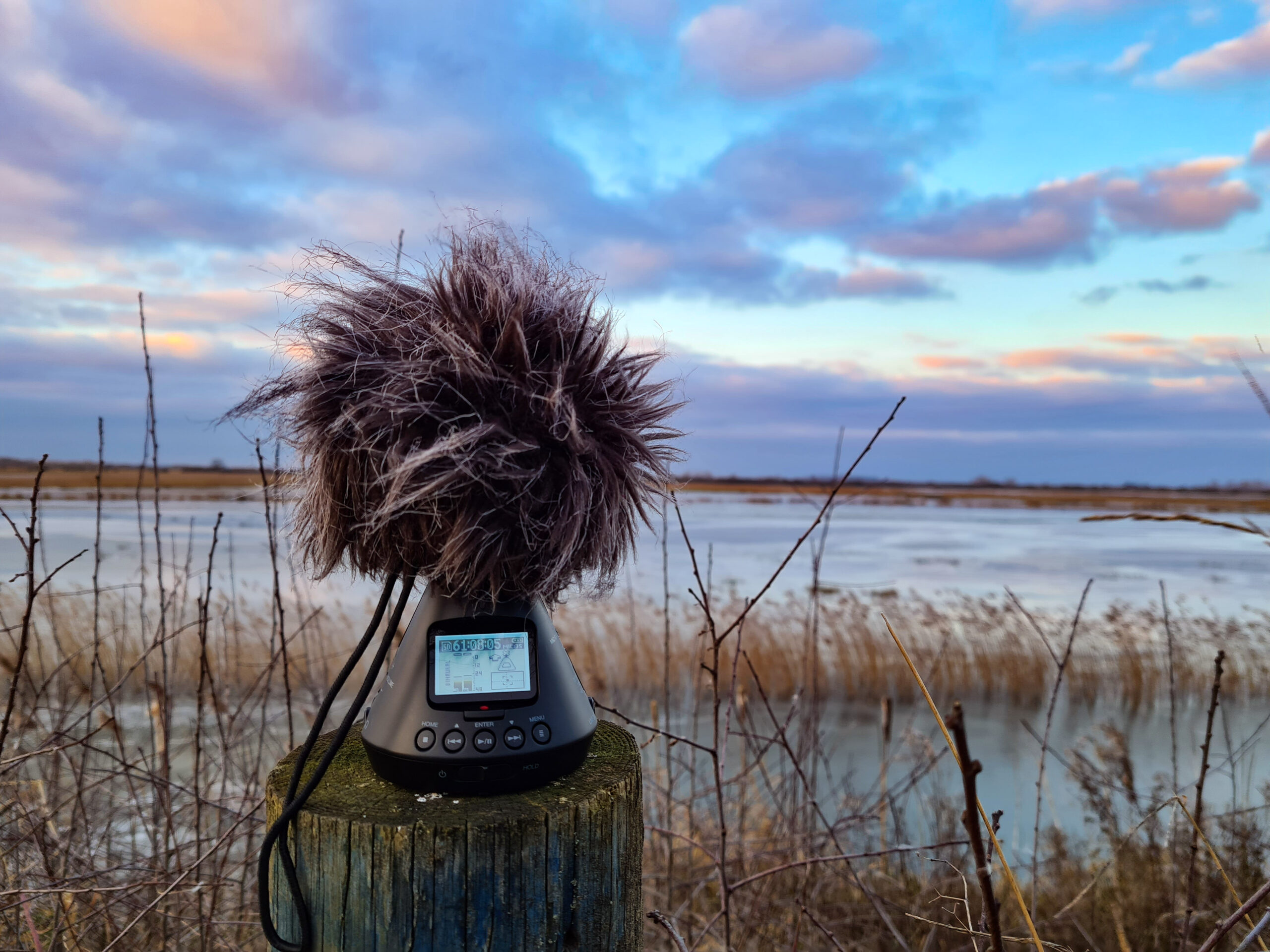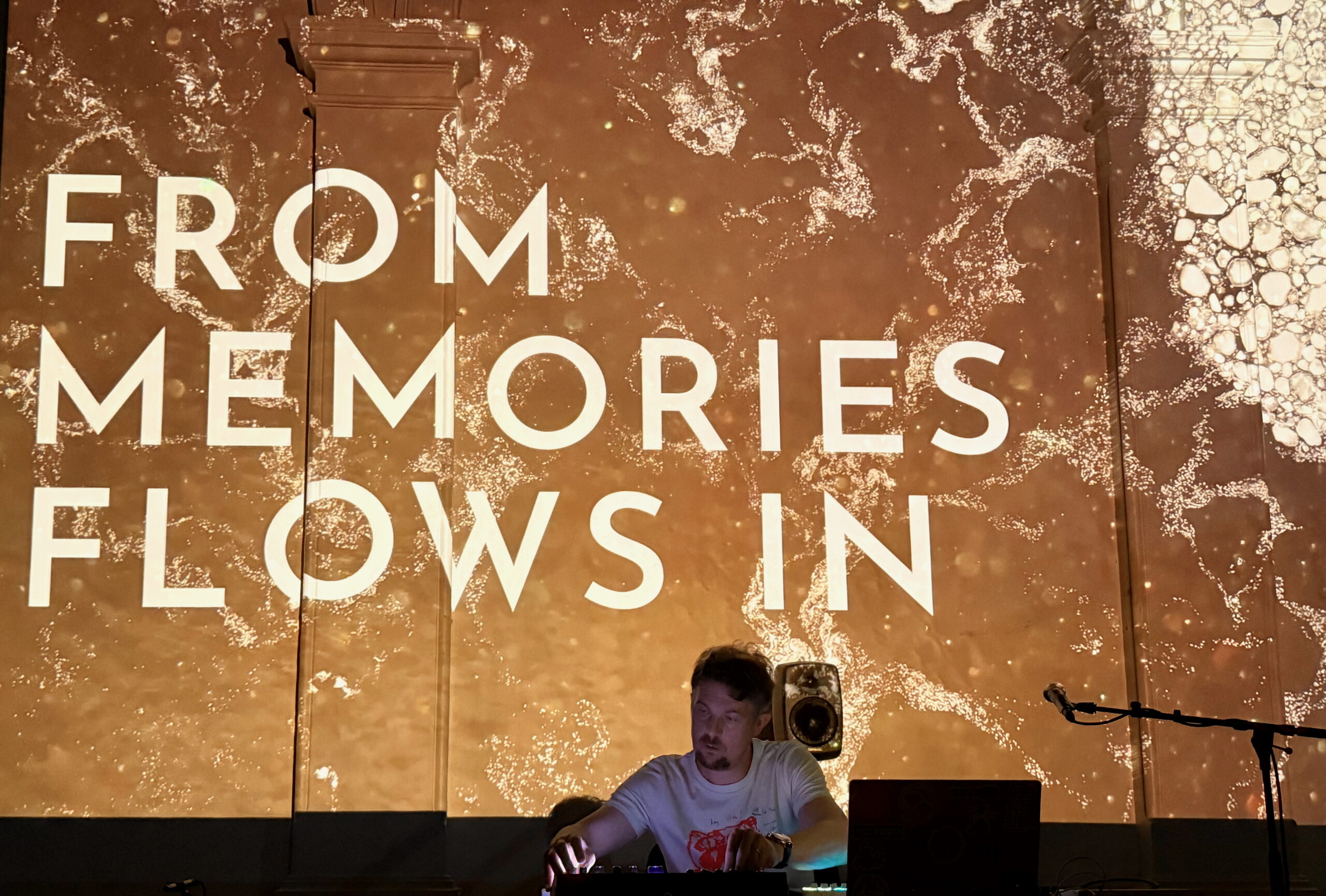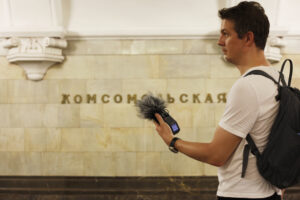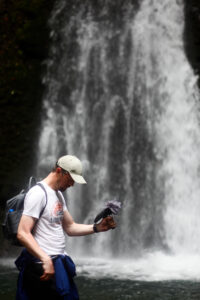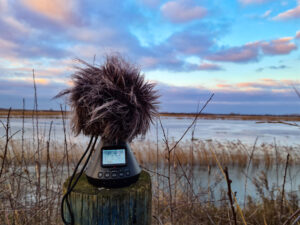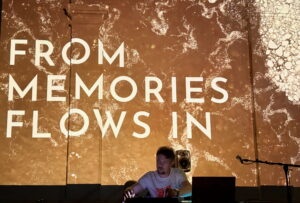


Stuart Fowkes is a sound artist. He has been working with sound and recording for over 15 years, but he initially used sound for music projects. “I’ve always had the perspective that all sound has potential, or can be music”, Fowkes explains. The website Cities and Memory was created in 2015 when he started combining this interest in sound with his passion for maps. “Every map has a particular perspective, whether it’s cultural or political. So I came up with this idea of bringing together the discipline of field recording and remix culture; putting them together in one place.” For Fowkes the memory of a city exists in layers, both of physical space and of time. Sound, he believes, is a fundamental element that tells the story of cities, which change over the course of days, weeks and years. “To me, it’s much more impactful to listen to a field recording of New York City and hear the steam coming out of the pavements and the sirens of the fire engines going past and the noise from the buildings than it is to see a photo of Manhattan.”
Submissions to Cities and Memory via the website have been open to the public from the very beginning. “This means that the project hasn’t become the ravings of a madman on the Internet, it has grown quite organically”, Fowkes says. This strategy also explains the project’s popularity; it’s one of the world’s largest sound and field recording projects with contributions from over 2,000 global artists. “It started off as just like one recording that I made under a bridge near my house in Oxford,” Fowkes remembers. “This very simple thing has expanded to 8,000 sounds.” In the UK people most likely discovered Cities and Memory on the radio, its uniqueness made listeners want to get involved and increasingly word of mouth has helped the project grow. “People have taken part and enjoyed spending time with the project, and then told other people they know about it, and then they come on board as well”, Fowkes explains. “There’s quite a number of us that have been a big part of the project for almost ten years; almost as long as it’s been going.”
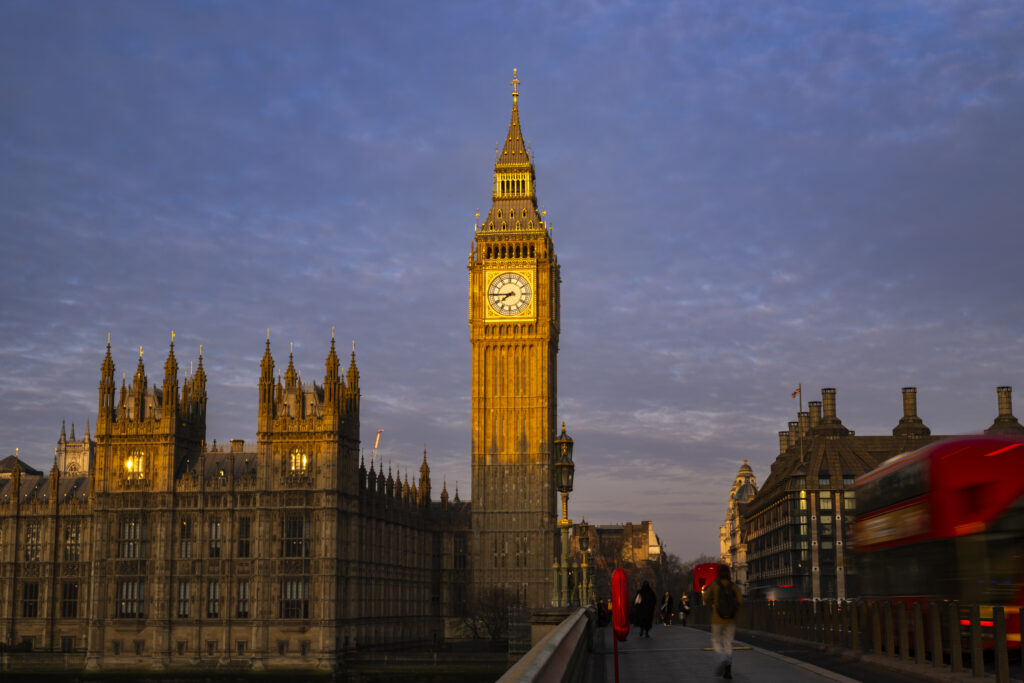
Numerous submissions come from areas where there is a high concentration of artists, musicians and composers and field recorders; and although Fowkes has received many London-focused projects, locations with a thriving artistic community such as New York or Berlin or Tokyo also offer a rich contribution. During the pandemic there was a project called Stay Home Sounds, which documented the way in which the sounds of the world changed during the pandemic. “Primarily, Europe and North America are the places where the most sounds come from; Asia’s doing a little better and then Africa; it has always been, unfortunately, much tougher to get recordings from there because I think it is harder to tap into the network of recordists doing work in Africa.” Aside from more African submissions, Fowkes would also like to see more care and attention taken to sound on a city planning basis: “In most instances, there’s no attention paid to the way that sound plays out across the whole city. One of the things I think is quite interesting in terms of the way things are changing is with the advent of electric cars, so that’s changing the soundscape quite dramatically and it’s changing at different paces around the world. You’ll find that in Scandinavia or the USA there are lots of electric cars starting to come into play, so that noise level is coming down a bit and you’re hearing more of the electric cars in the recordings that are getting submitted.”
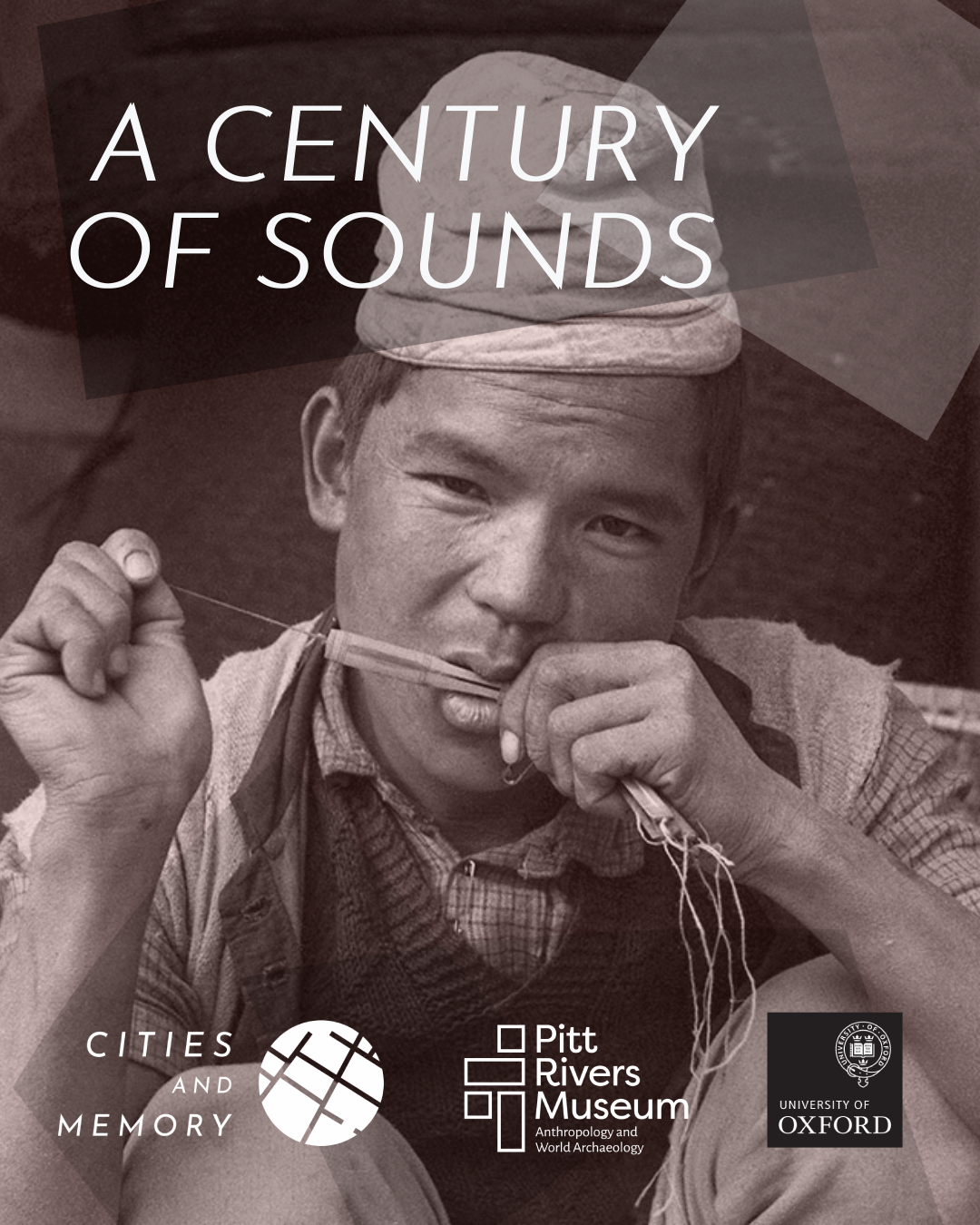
Fowkes’s brainchild continues to grow with a new initiative: it’s Century of Sounds, launched in February 2026, in which Cities and Memory in partnership with the Pitt Rivers Museum, ethnographic museum in Oxford, will be sharing some of its 100,000 sound collection. “They haven’t really done a lot historically, so they’ve picked 100 sounds covering over 100 years, so they go back to 1914.” The recordings include sounds from various cultural groups and indigenous peoples from around the world. “A lot of them are musical and are also song based.”
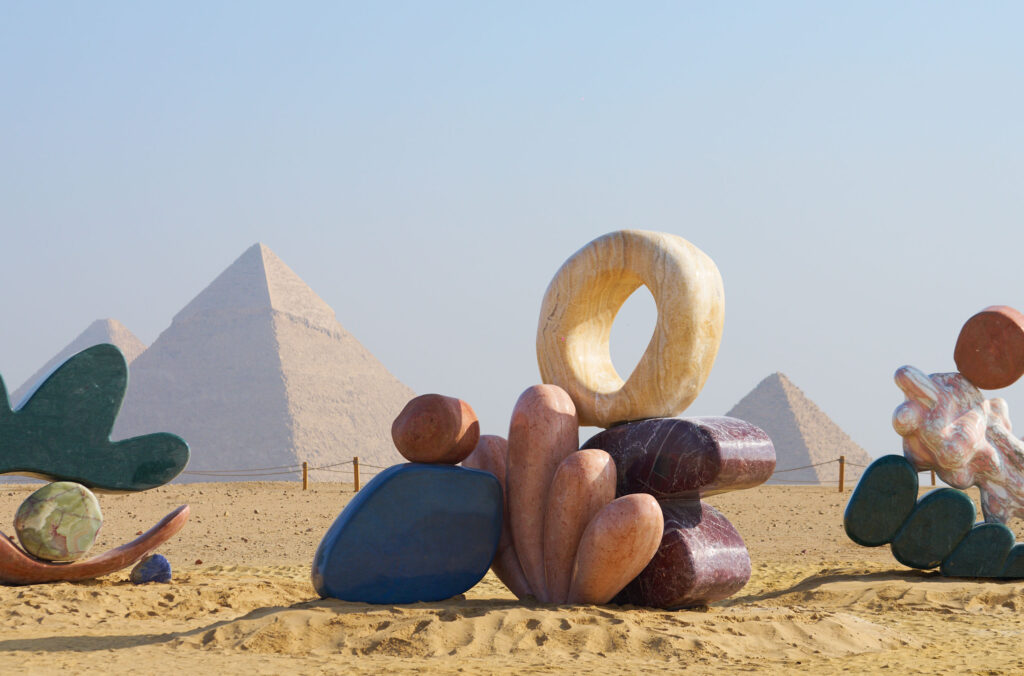
Fowkes recently completed a Sonic Heritage project, which looked at Sonic Heritage sites and the role that sound and cultural practices play there: “Sound is also a very immersive sense. It drops you into a place in a way that nothing else – except maybe smell – can”, Fowkes explains.