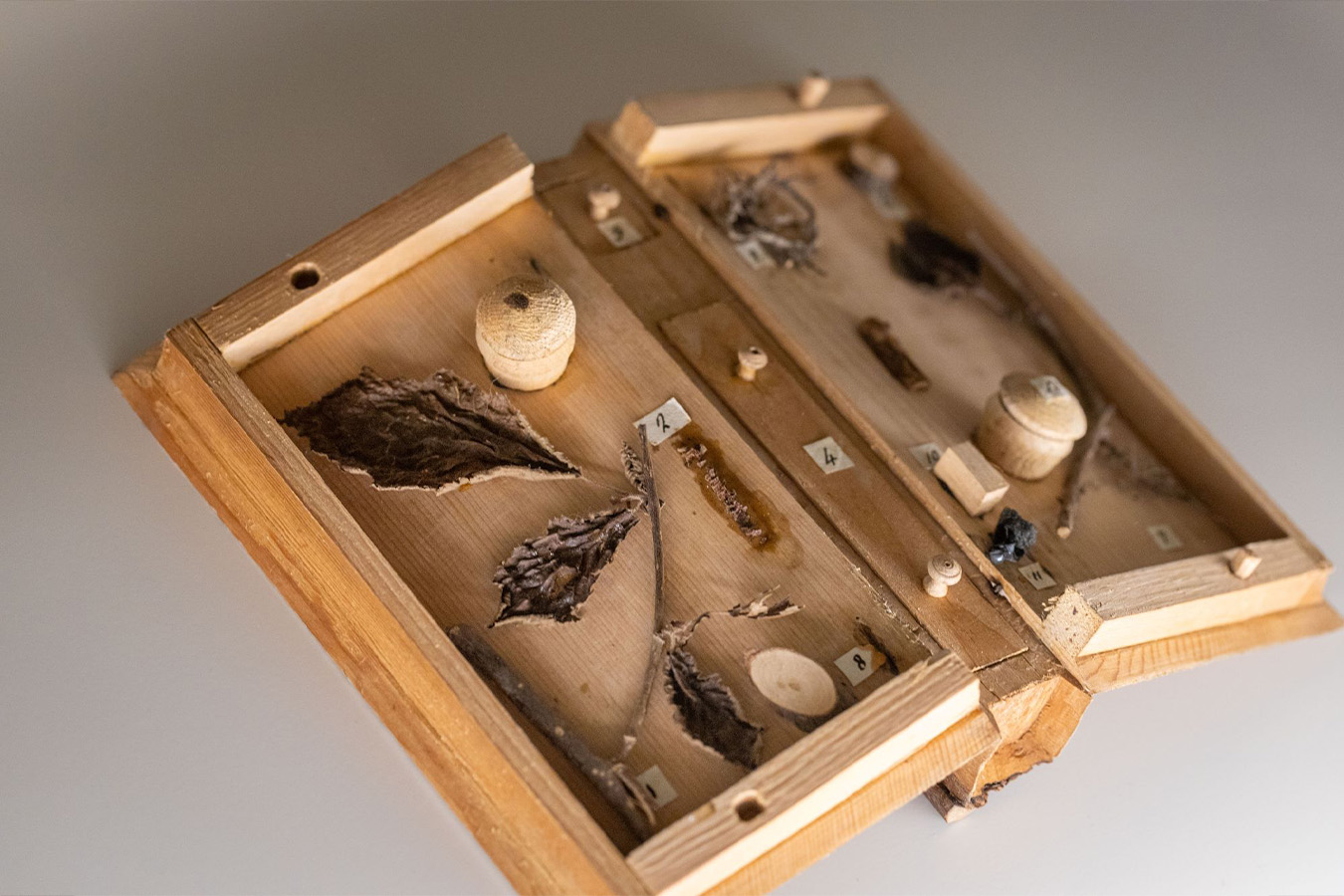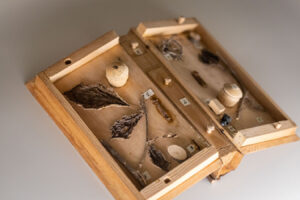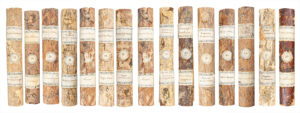


Until a few months ago, the memory of Eugenio Trevisan was lost in the fog of time. We knew nothing, not even the name, of this gardener from Stra, in the Veneto region, and this was quite unusual for the time, as this learned and cosmopolitan man oversaw the vegetable garden in San Vito di Cadore for some years in the first half of the 19th century. In that wonderful place nestling in the Belluno Dolomites, he made a curious collection of wooden books, today owned by the University of Padua.
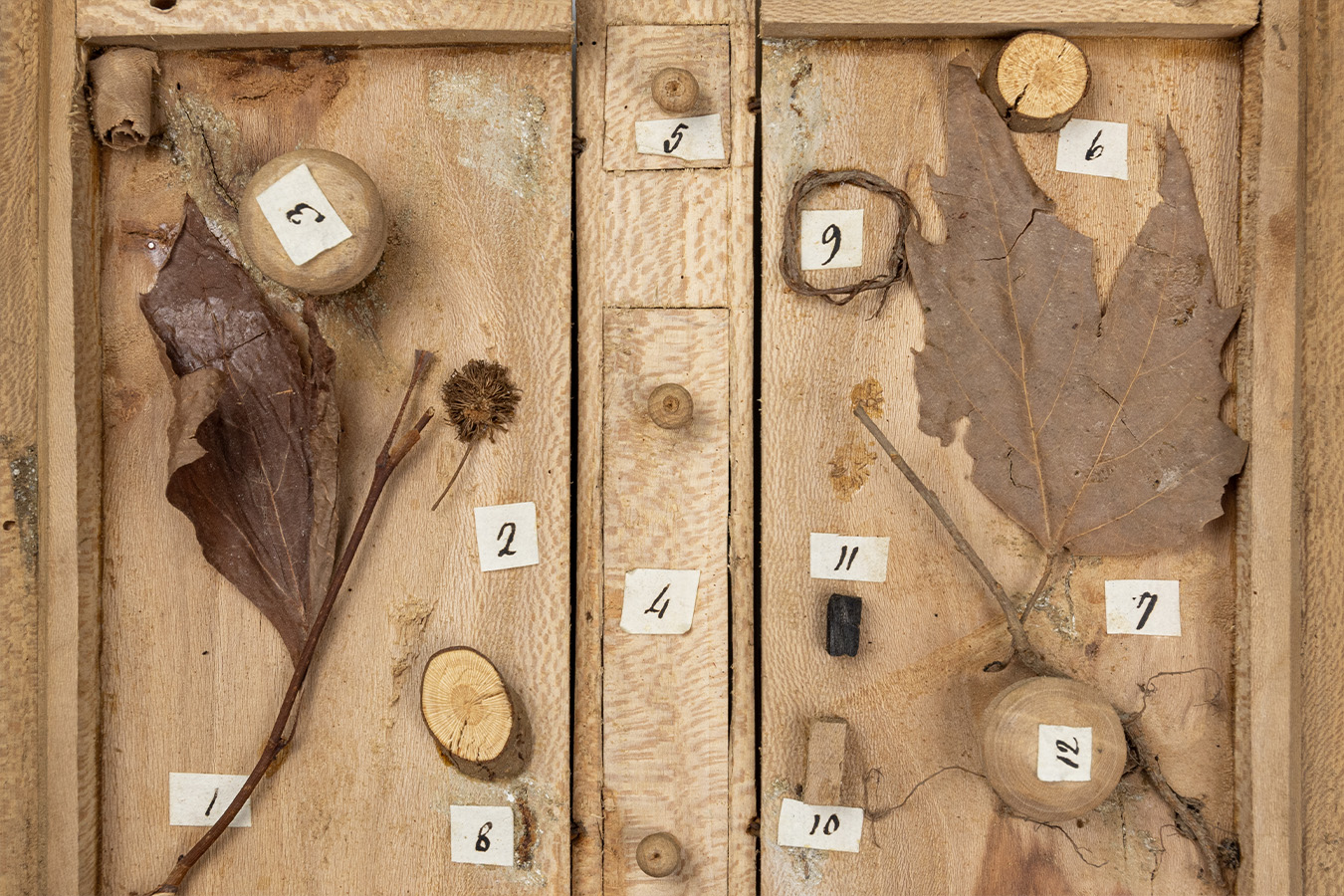
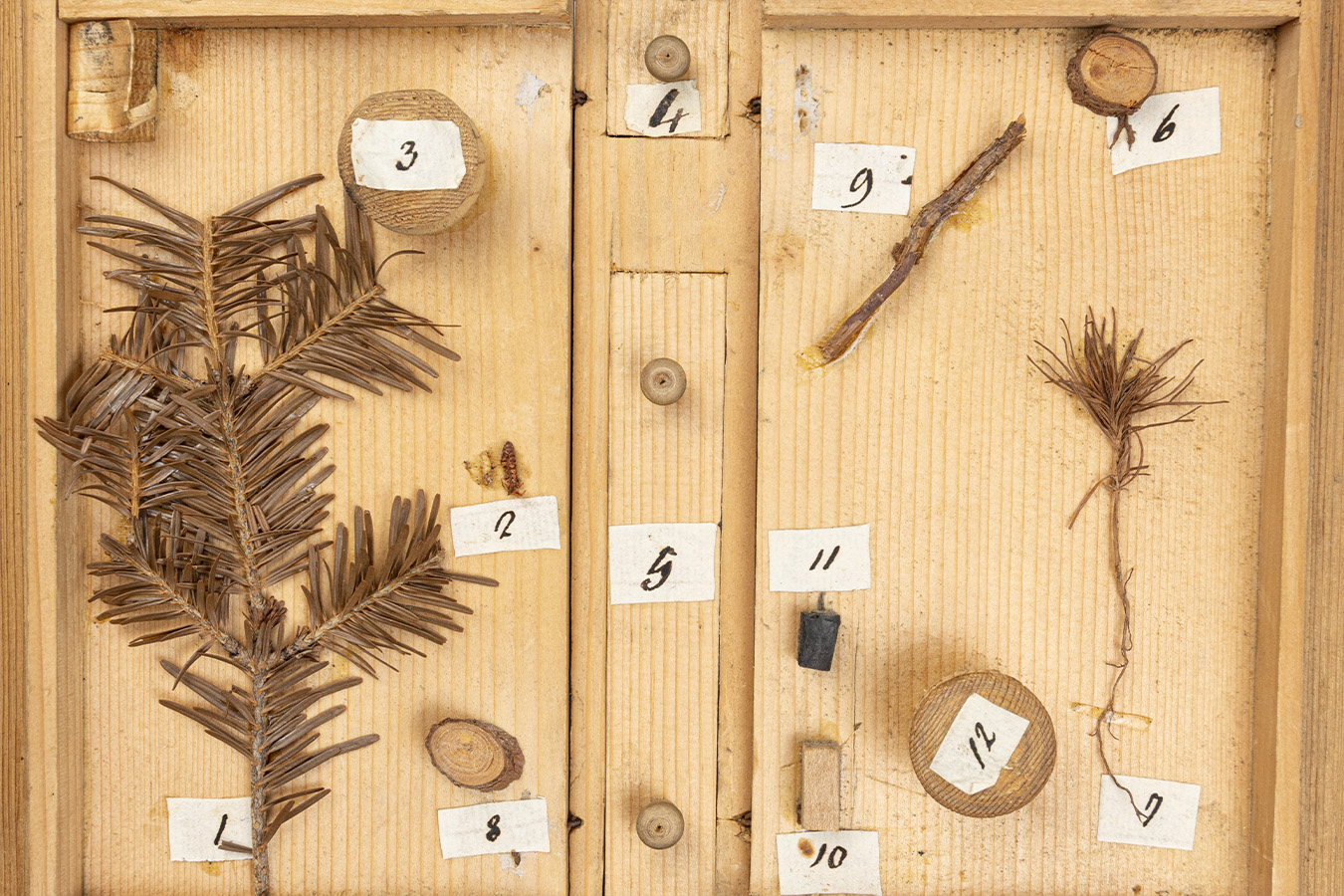
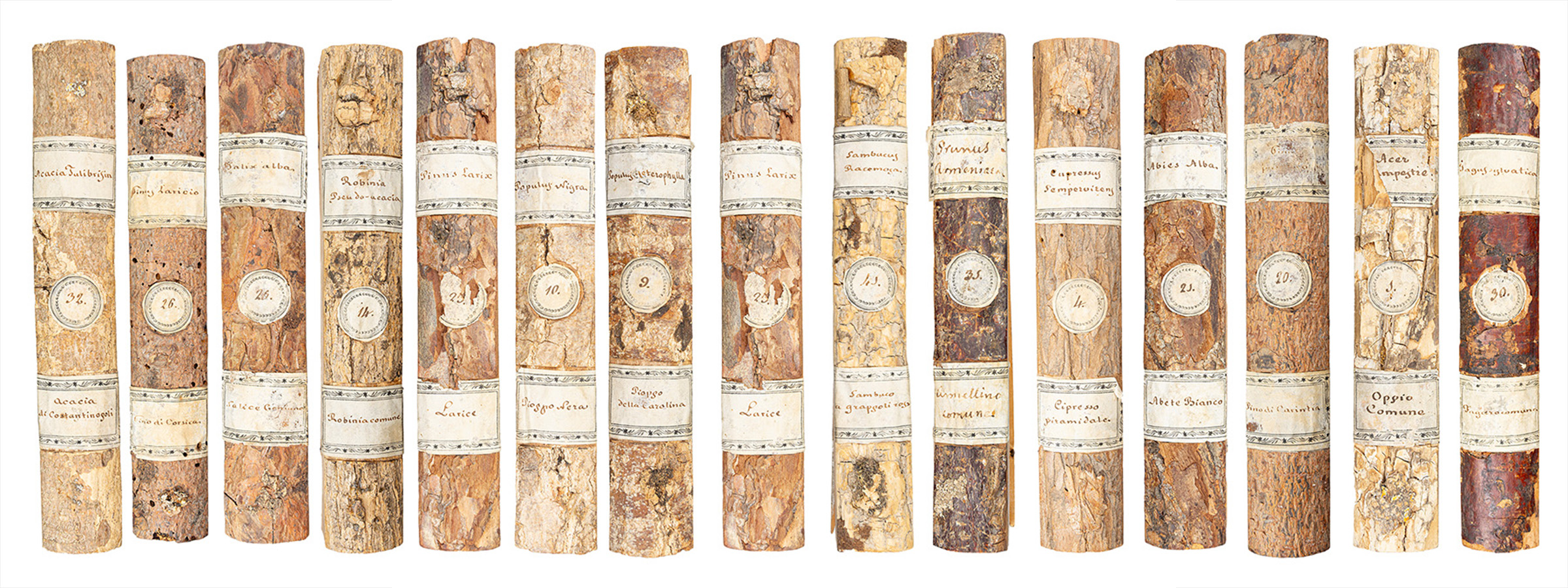
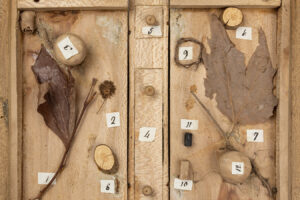
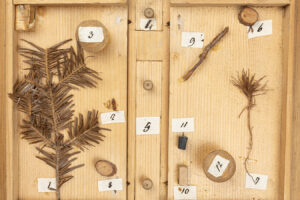
His Xyloteque (from the Greek “xylon” meaning wood) originally included one hundred books: small, skilfully carved hinged boxes – 19 cm high and 12 wide, and 3 ½ cm thick, each one devoted to a different tree species, the spine covered by the bark of the respective tree. Inside, the books had drawers to contain samples taken from the tree: “A twig, along with a transversal section, a seedling, that is, a small plant, the flower, the root, also in this case with a transversal section, a block of wood for technical use,” explains Professor Tommaso Anfodillo, coordinator of the Lucio Susmel Alpine Environment Study Centre at the Department of Land, Environment, Agriculture and Forestry (TESAF) of the University of Padua in San Vito del Cadore. “And then we have the containers: one contains the seeds, another the sawdust, the third its ash, obtained from combustion, alongside a small piece of charcoal. All these parts are indicated in a small sheet kept in the centre of each book, with a description of the characteristics of the species: for example, for the silver fir, ‘evergreen tree with high-quality wood.”
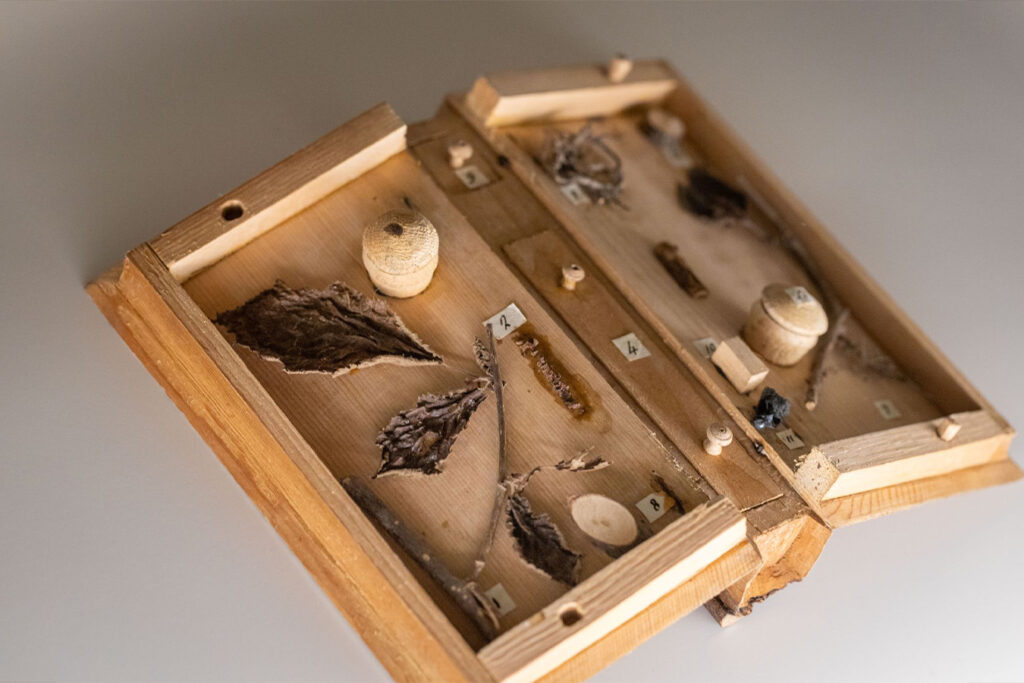
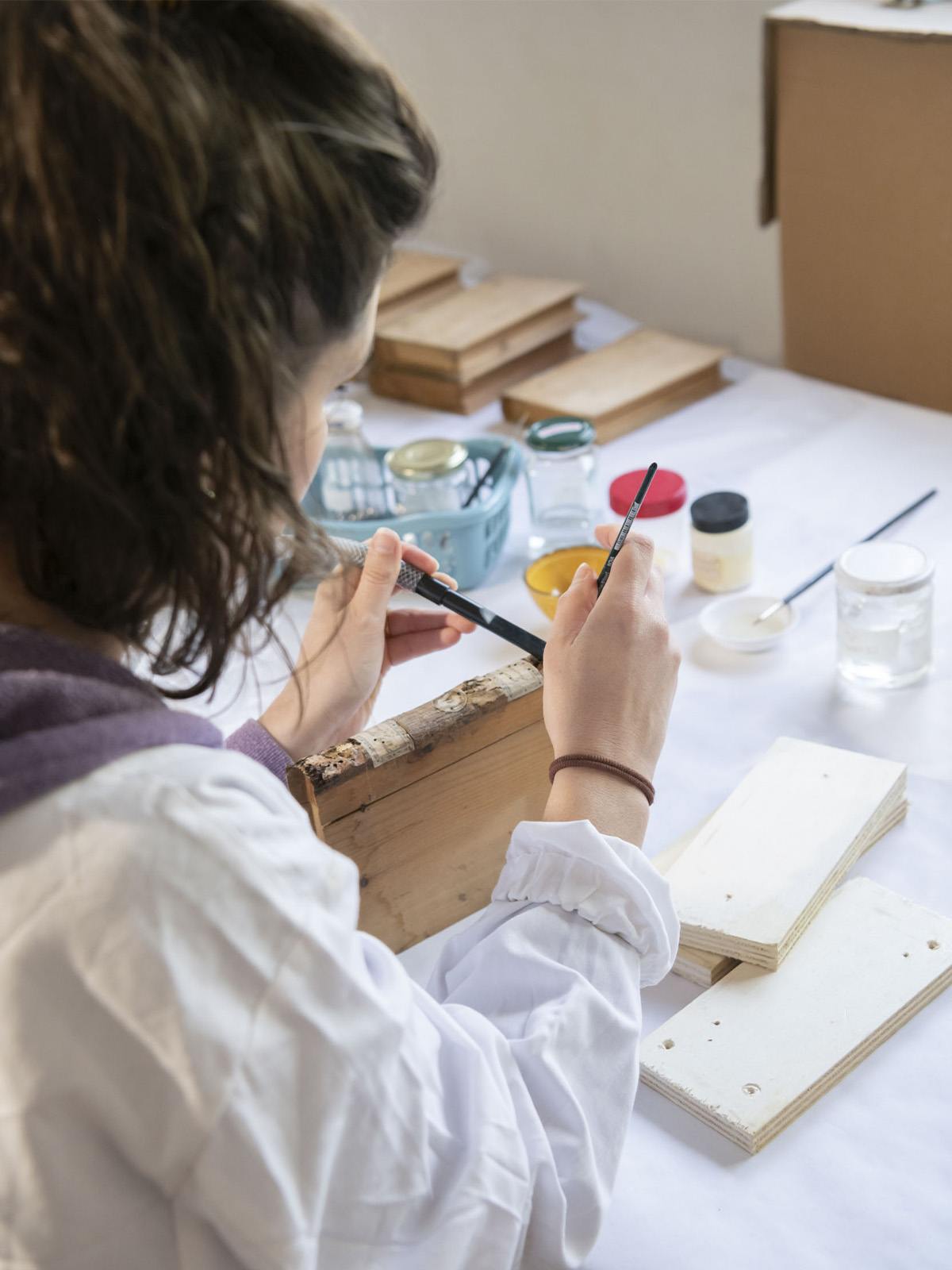
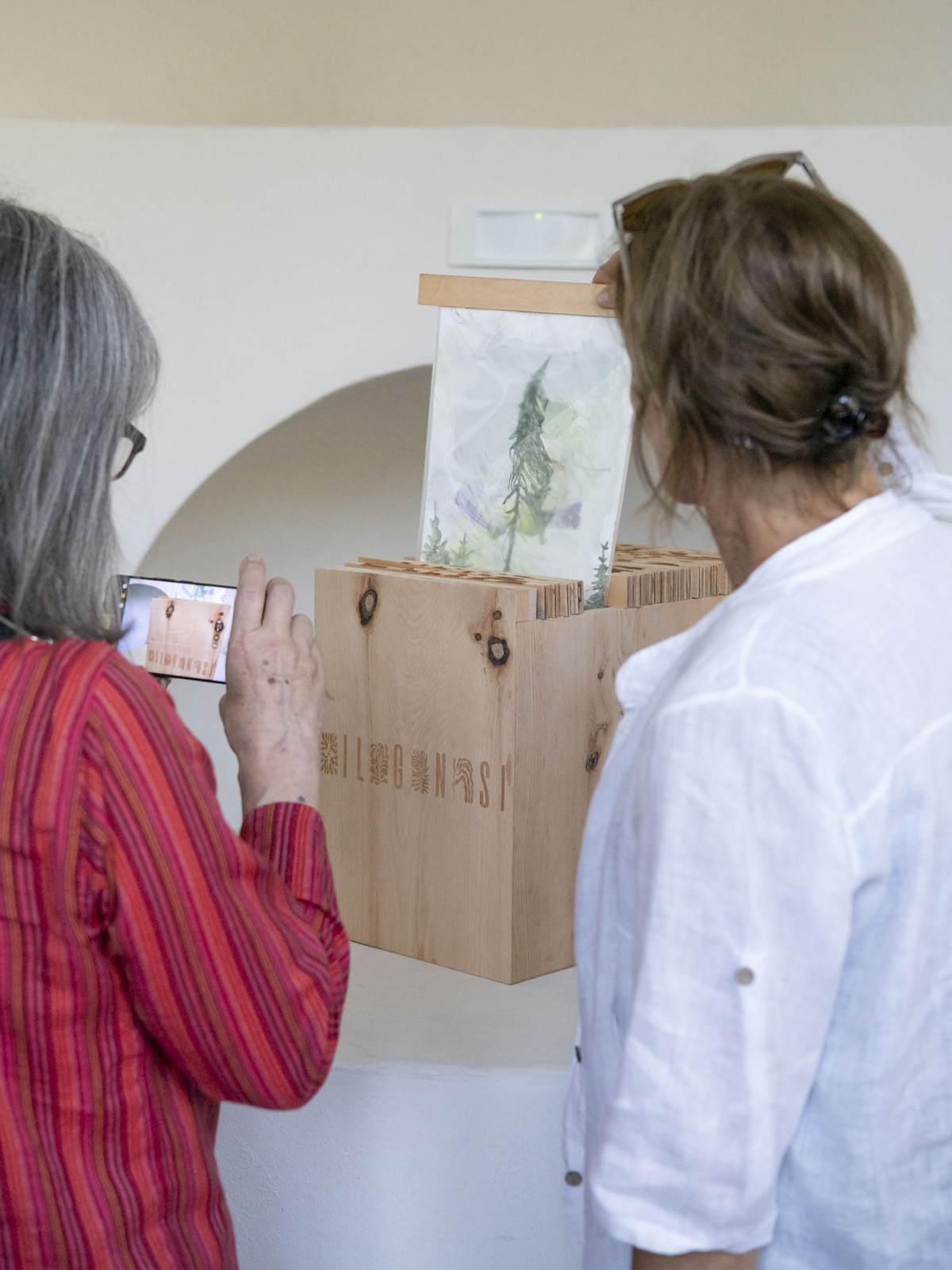
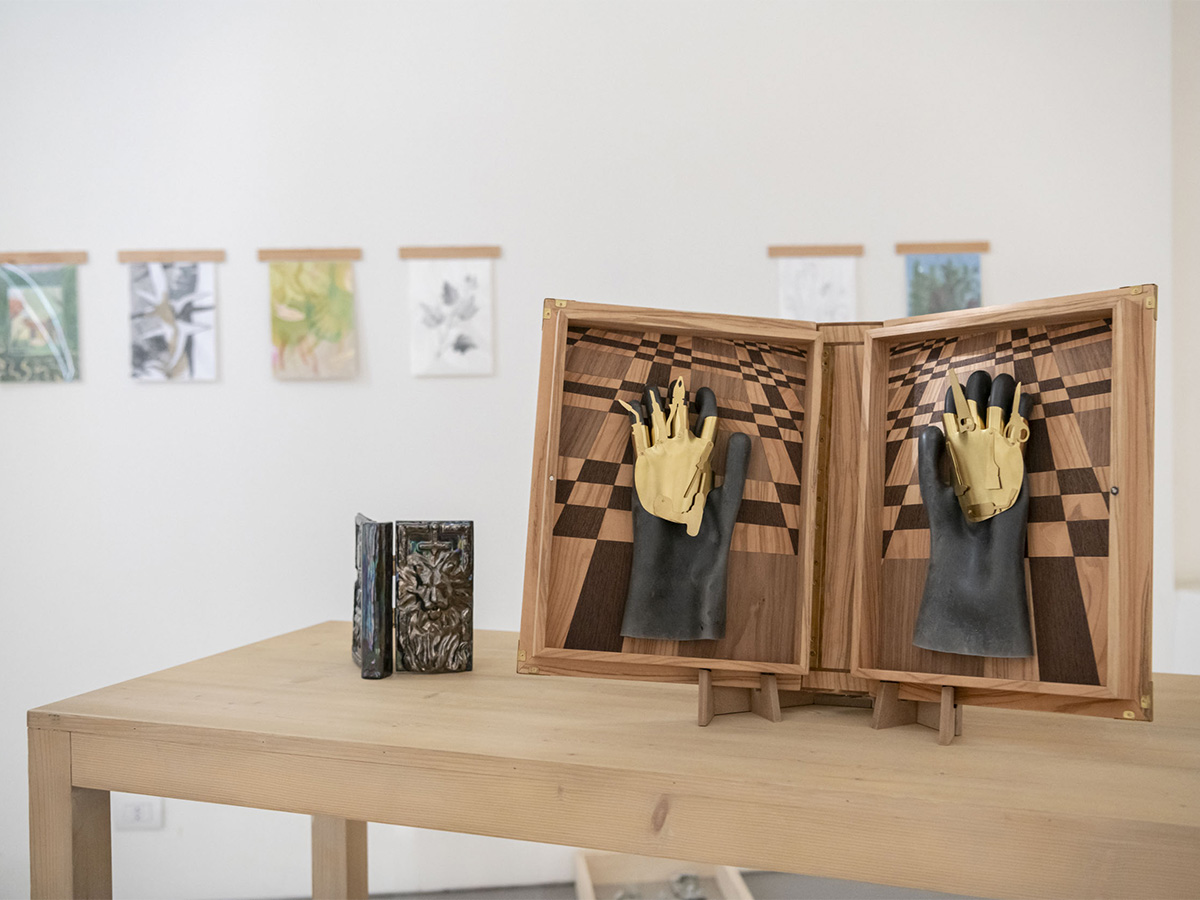
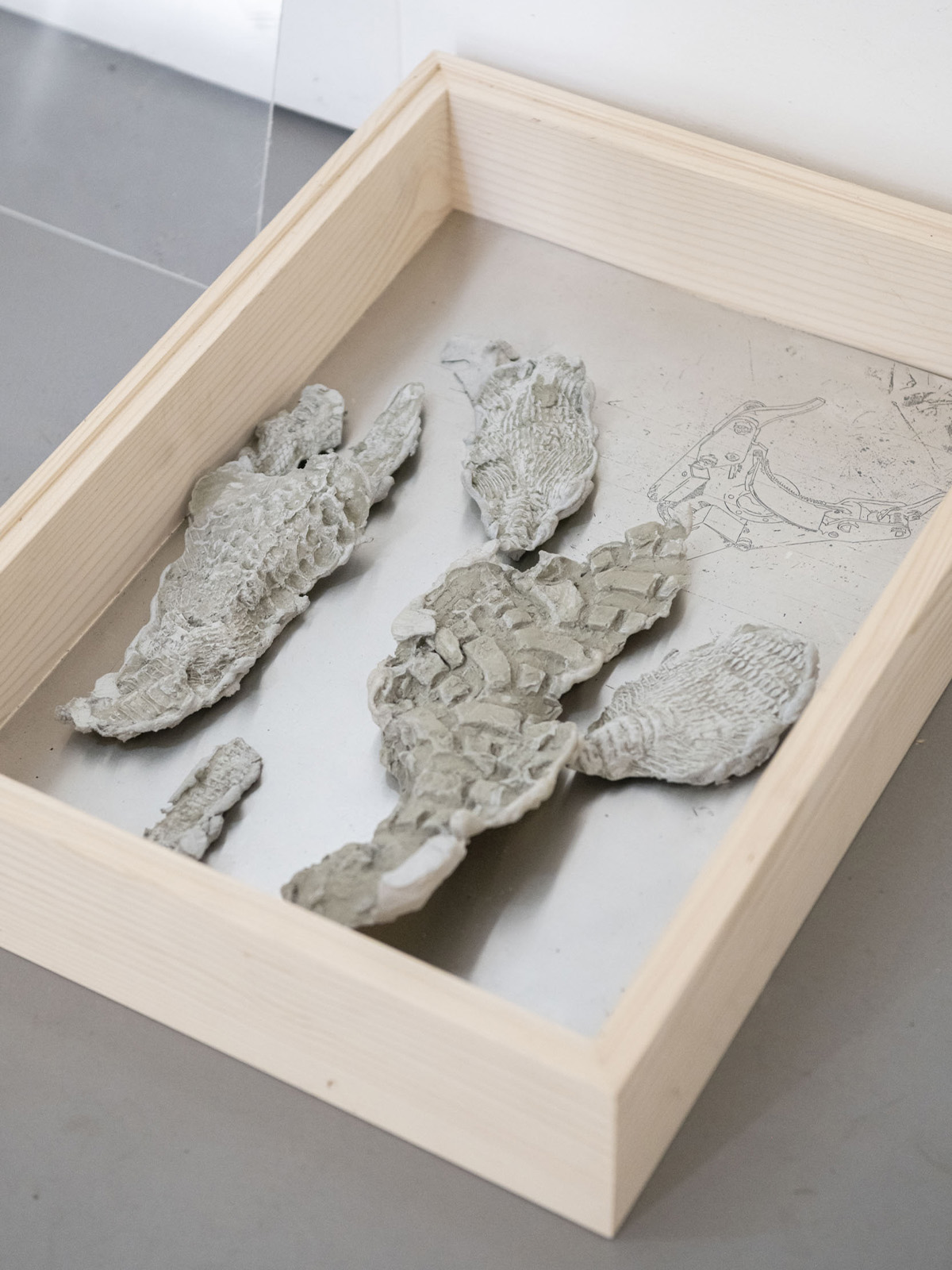
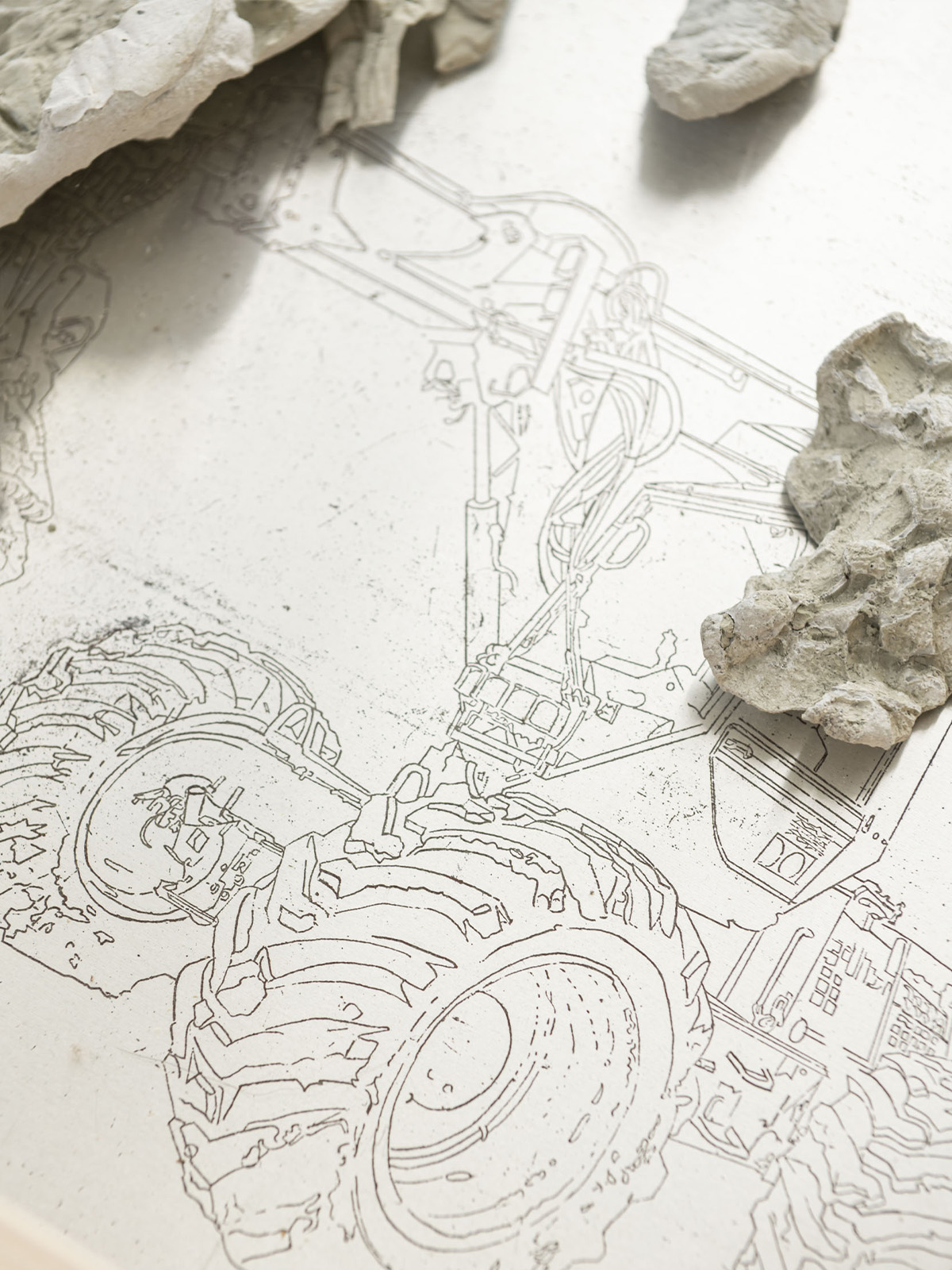
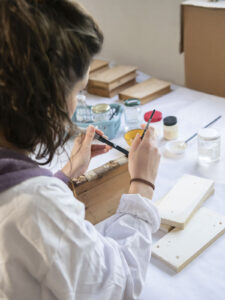
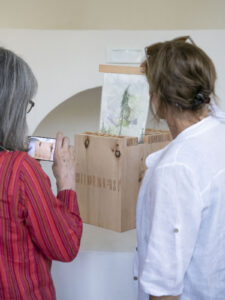
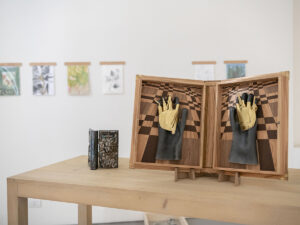
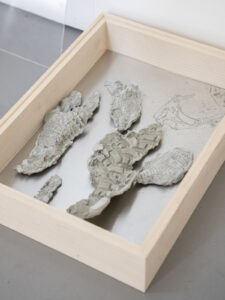
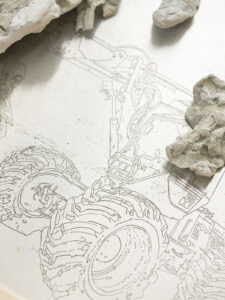
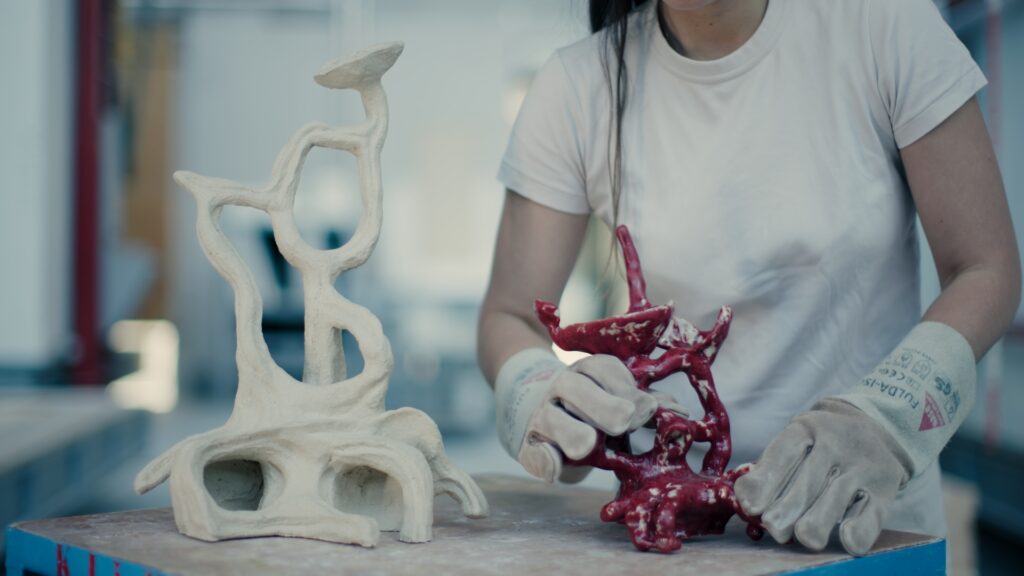
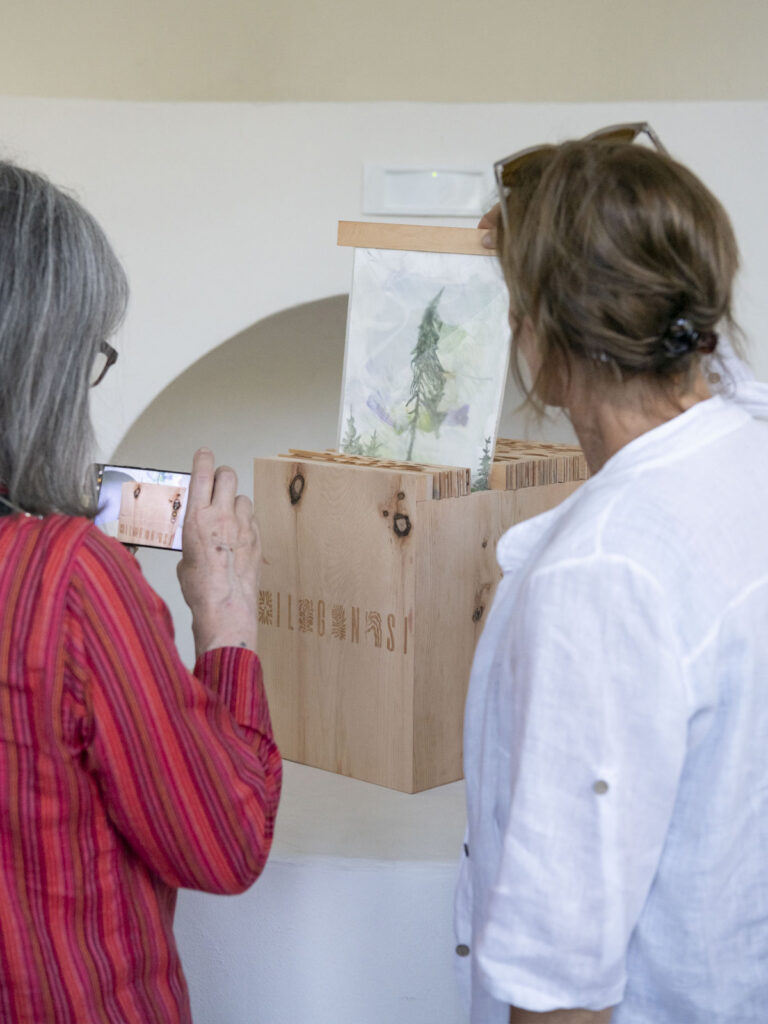
Only fifty-six books have survived until today. Despite their great historical and documentary value, they were found hidden in the Study Centre directed by Professor Anfodillo, until a project, run with ‘Borghi’ funding from the Ministry of Culture and run by a local network of institutions and local authorities, led to their restoration and enhancement. The first phase of Xilogenesi – this is the name of the operation, indicating the biological process through which wood gives life to new cells – coincided with the restoration of the books to their ancient splendour, following conservation works that were completed in May this year. The second phase led to the creation of works of art inspired by Trevisan’s wooden books and signed by artists selected by Dolomiti Contemporanee, the artistic and cultural laboratory that works to transform the Dolomites, a UNESCO World Heritage site, in a place of contemporary research. The result is three installations using different materials by David Casini, Kristian Sturi and Giuseppe Vigolo and forty-four A4 drawings by as many creative artists under the guide of Ariele Bacchetti, gathered in a Swiss Pine case made by students from the Artistic High School in Cortina d’Ampezzo.
These works, along with four of Eugenio Trevisan’s original wooden books, were displayed to the public in three exhibitions organised in 2025 respectively in Borca di Cadore (June), Perarolo di Cadore (August) and the Botanical Gardens Museum in Padua (open until 6 January 2026). “The geographical location of the exhibitions follows a precise criterion,” Anfodillo explains. “We came down from the heart of the Dolomites to the valley and then to the plain, symbolically following the path of the timber, for centuries one of the most flourishing industries in the area. In Perarolo the trunks were delivered to an artificial lock on the river Piave to be sorted. The final destination was Venice, where wood was widely used, especially in the Arsenale.”
As charming as an ancient herbarium, Trevisan’s Xyloteque also shows how humans perceived and represented the diversity of flora almost two centuries ago. “Many species weren’t known yet in that era, and different types of wood were sold; therefore, a classification of this type had a very practical as well as cultural use. Today there are many other methods for investigating biodiversity, and for us this collection is above all of historical interest. It can however give us useful scientific information: having dated some books, for example, we can see how the plants grew back then, compared to the growth they have today,” the professor concludes.
Information on Eugenio Trevisan, the Xyloteque and its restoration, as well as the Xilogenesi project, can be found on the website xilogenesi.net