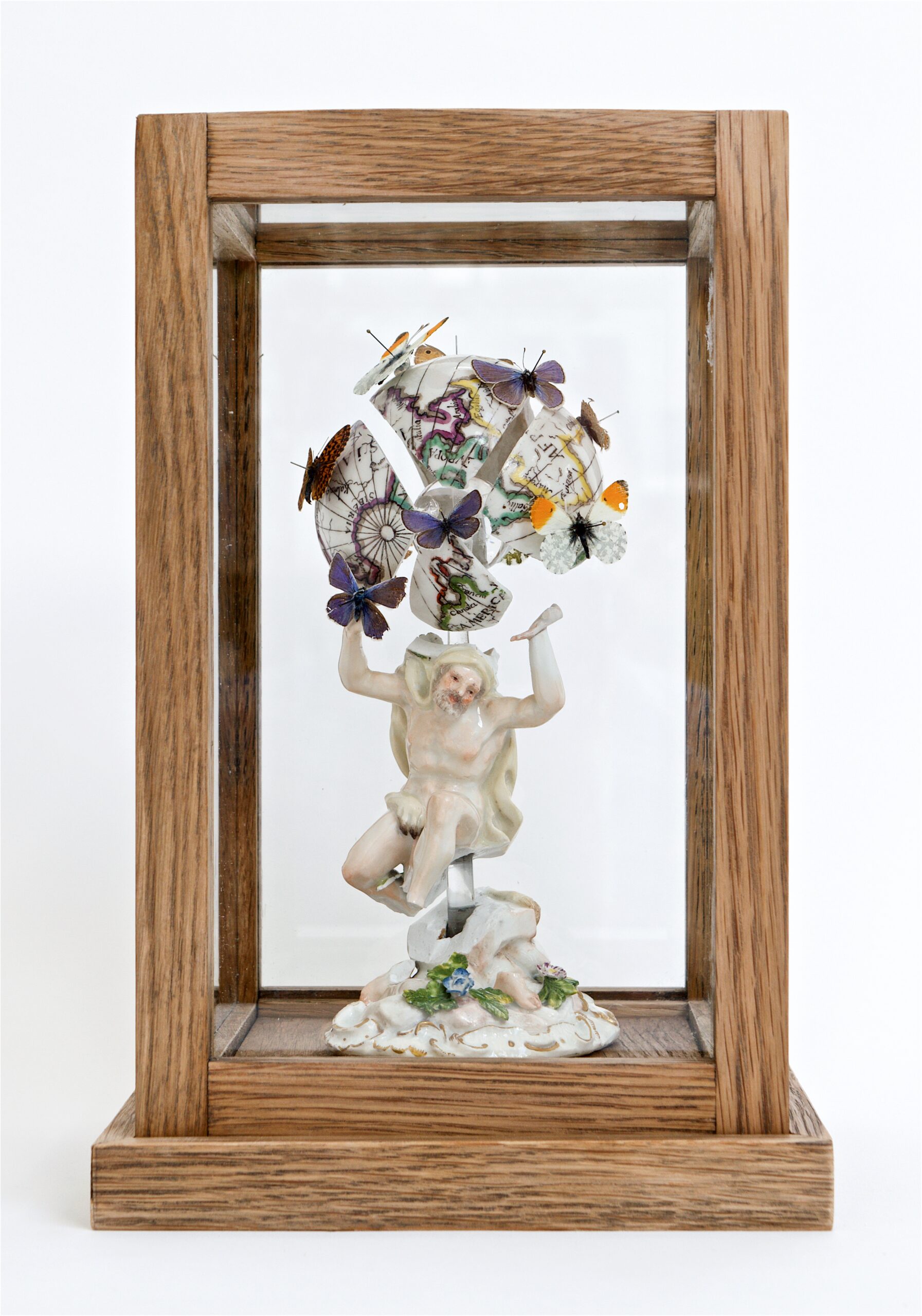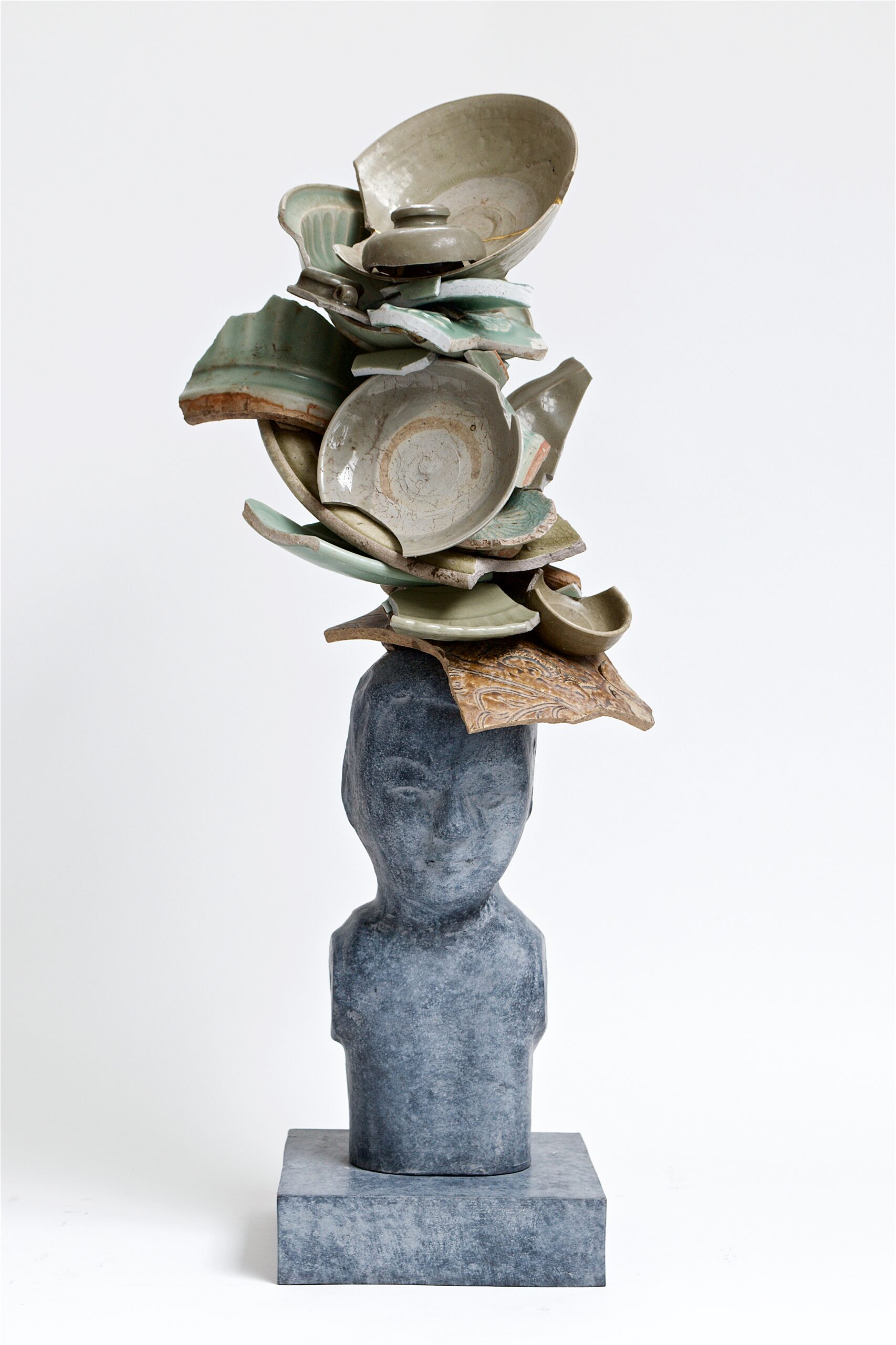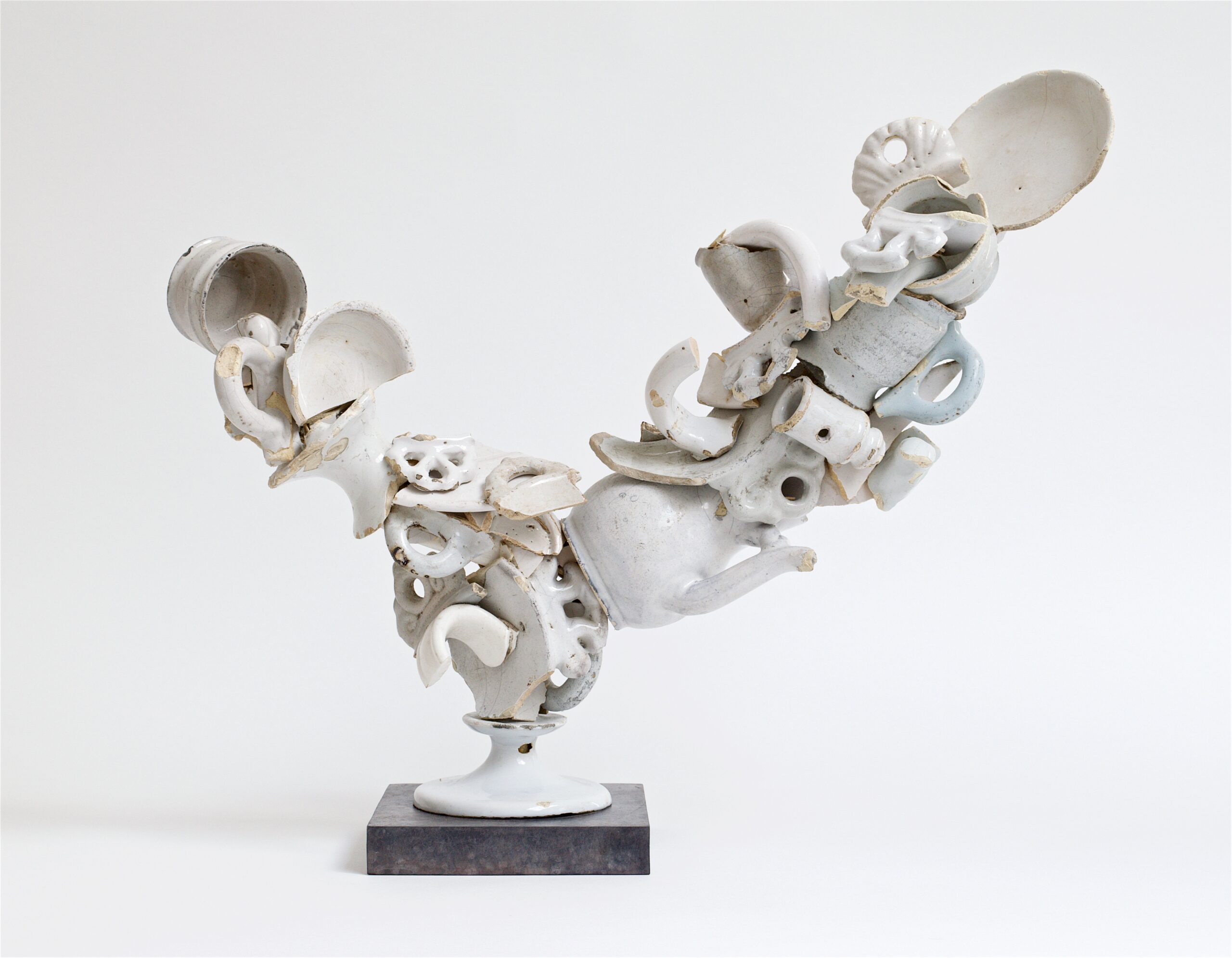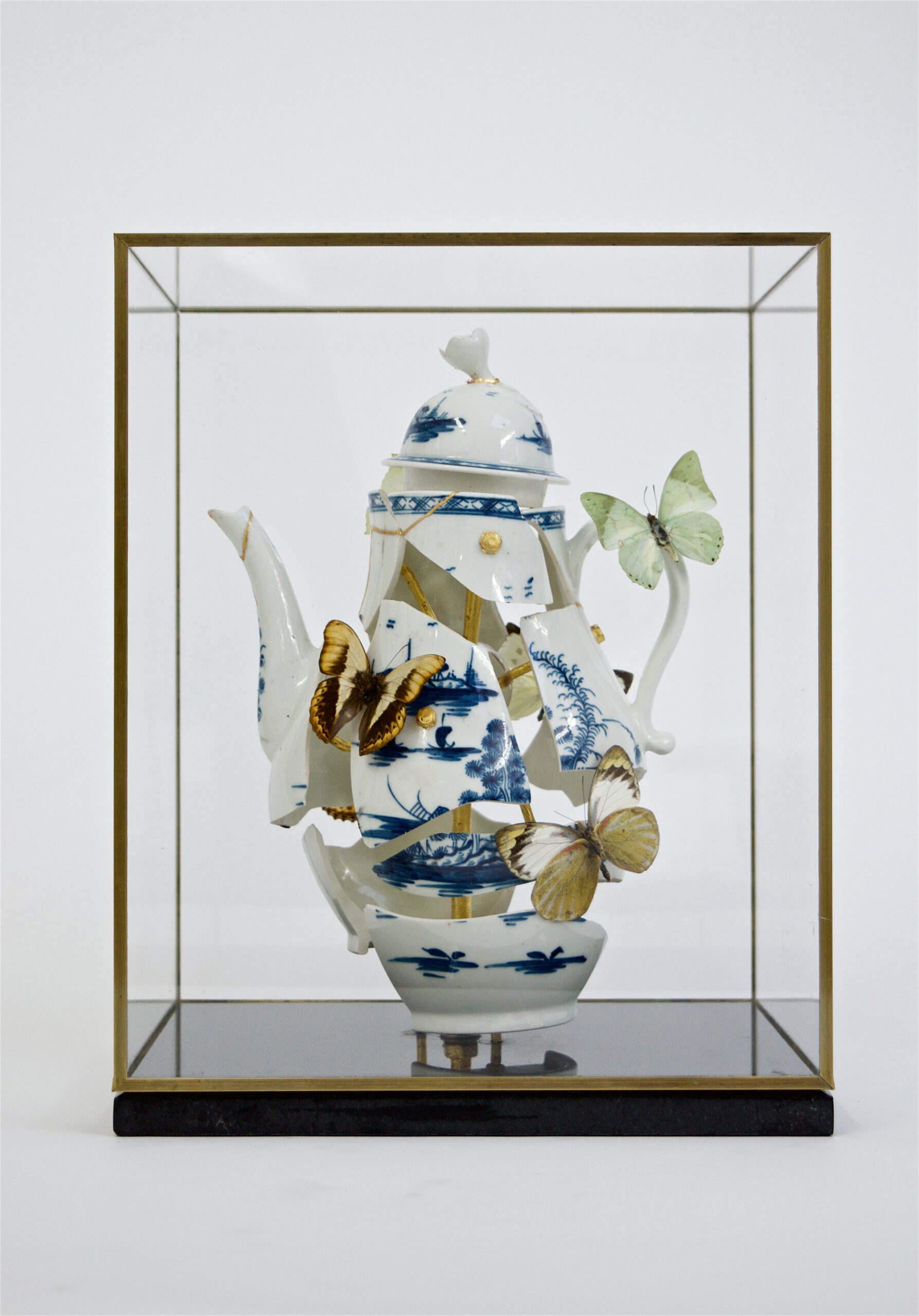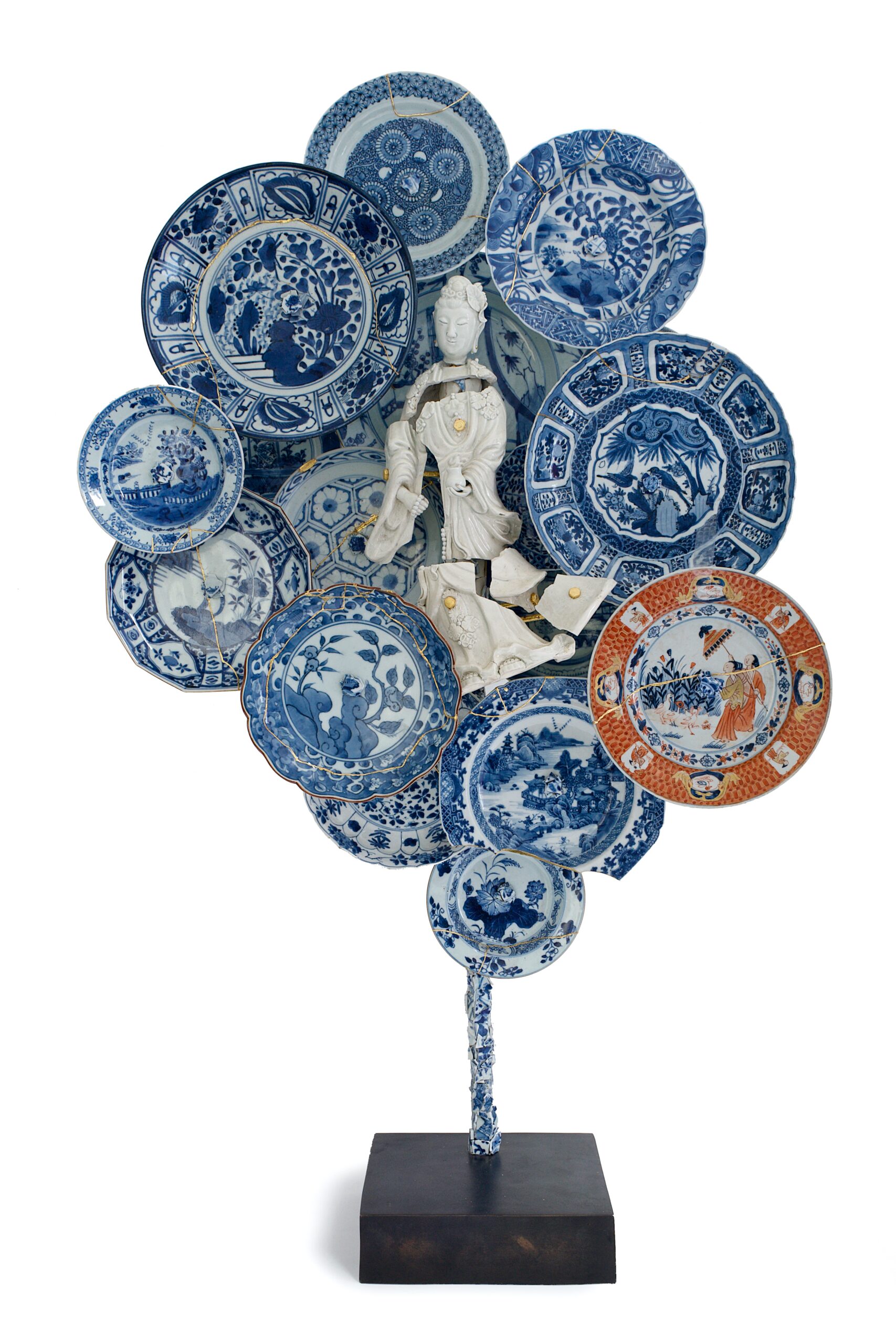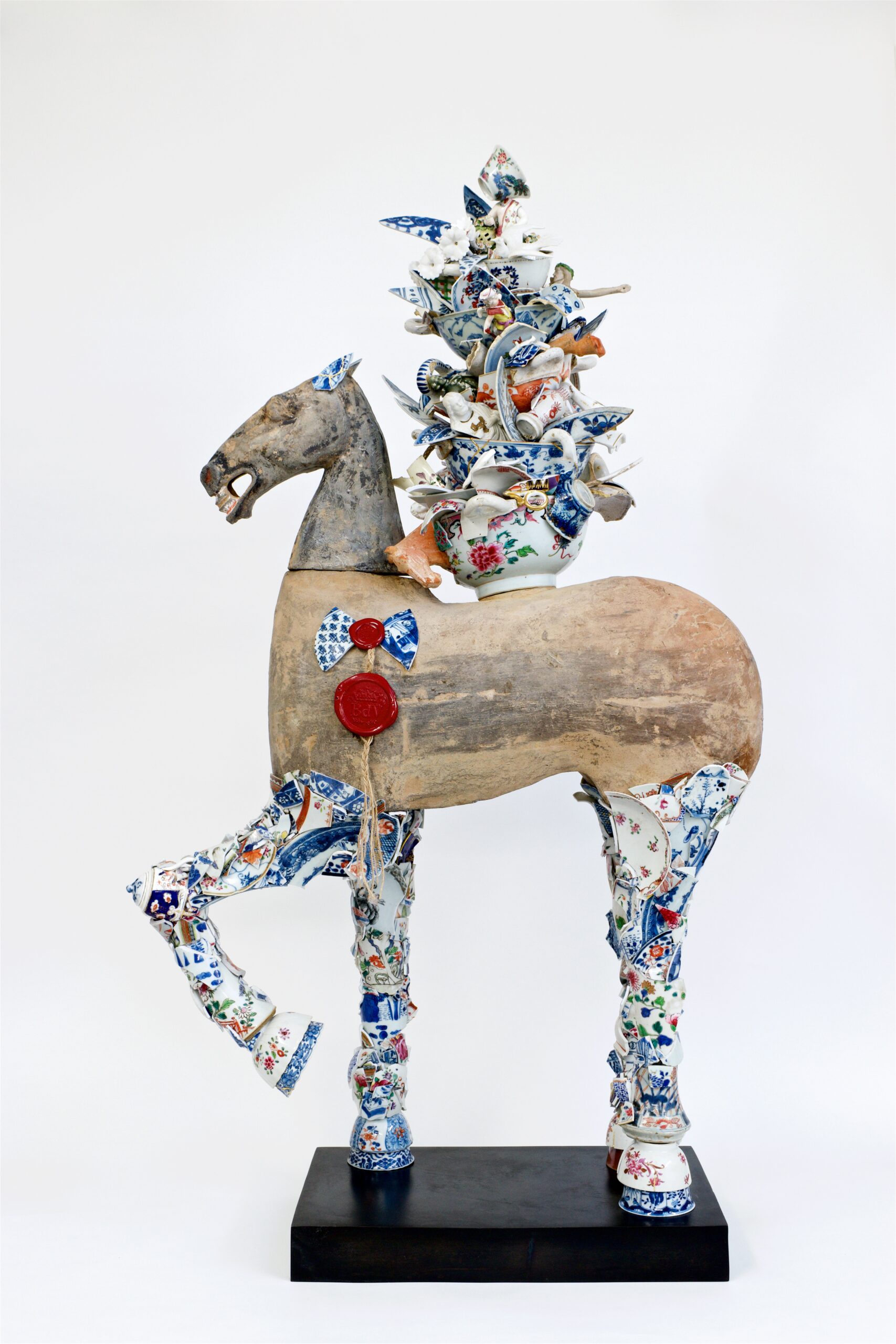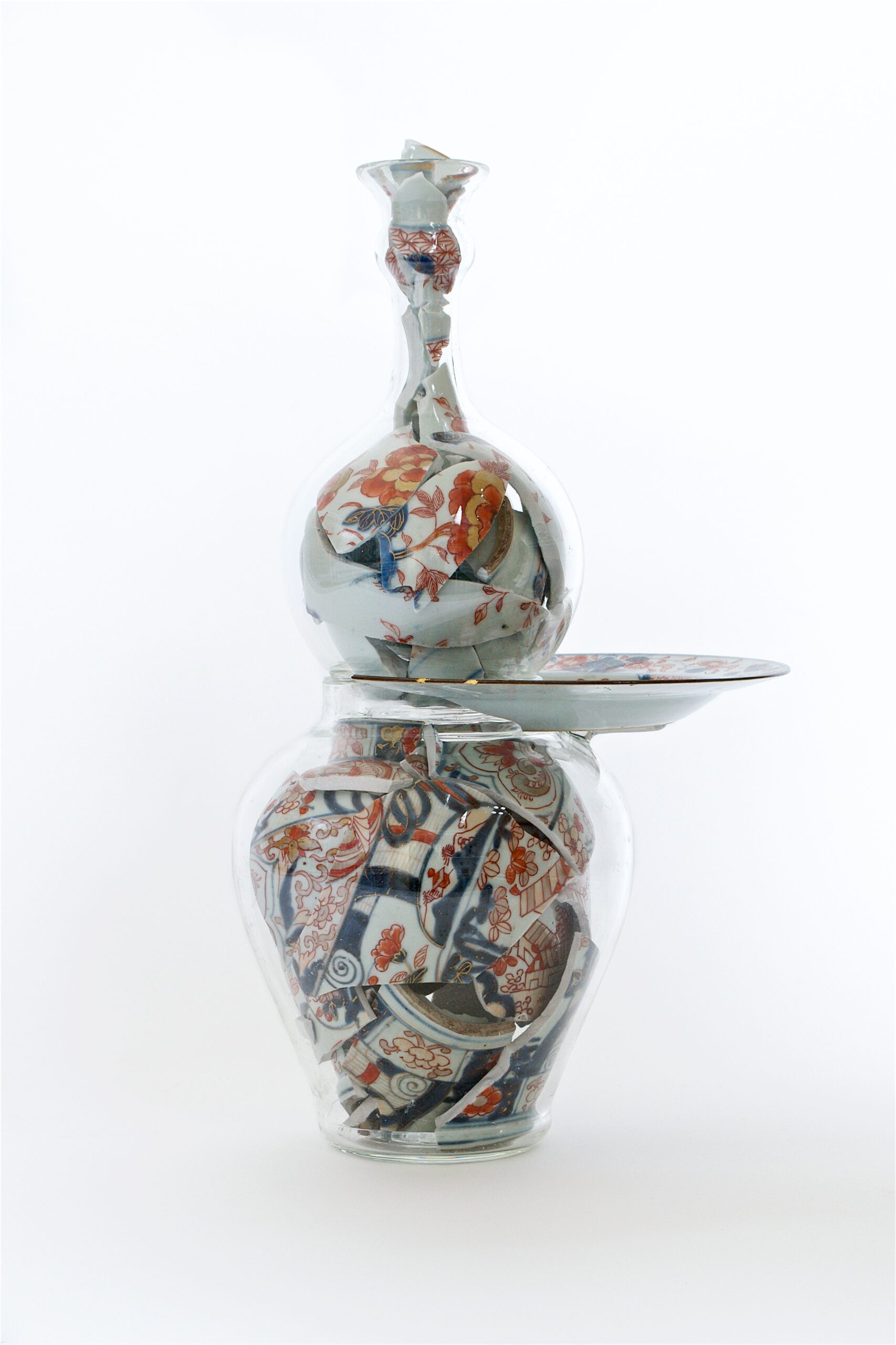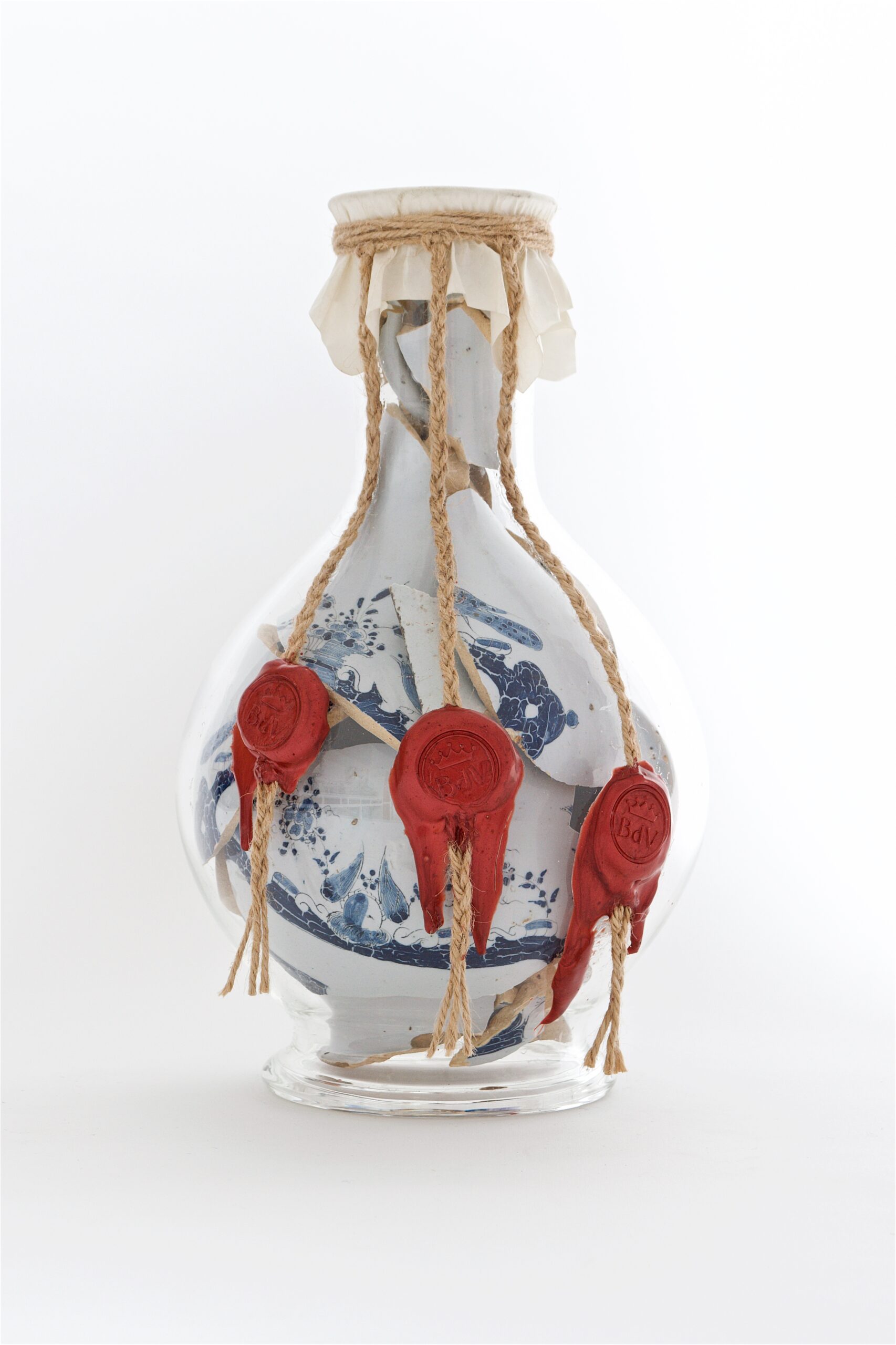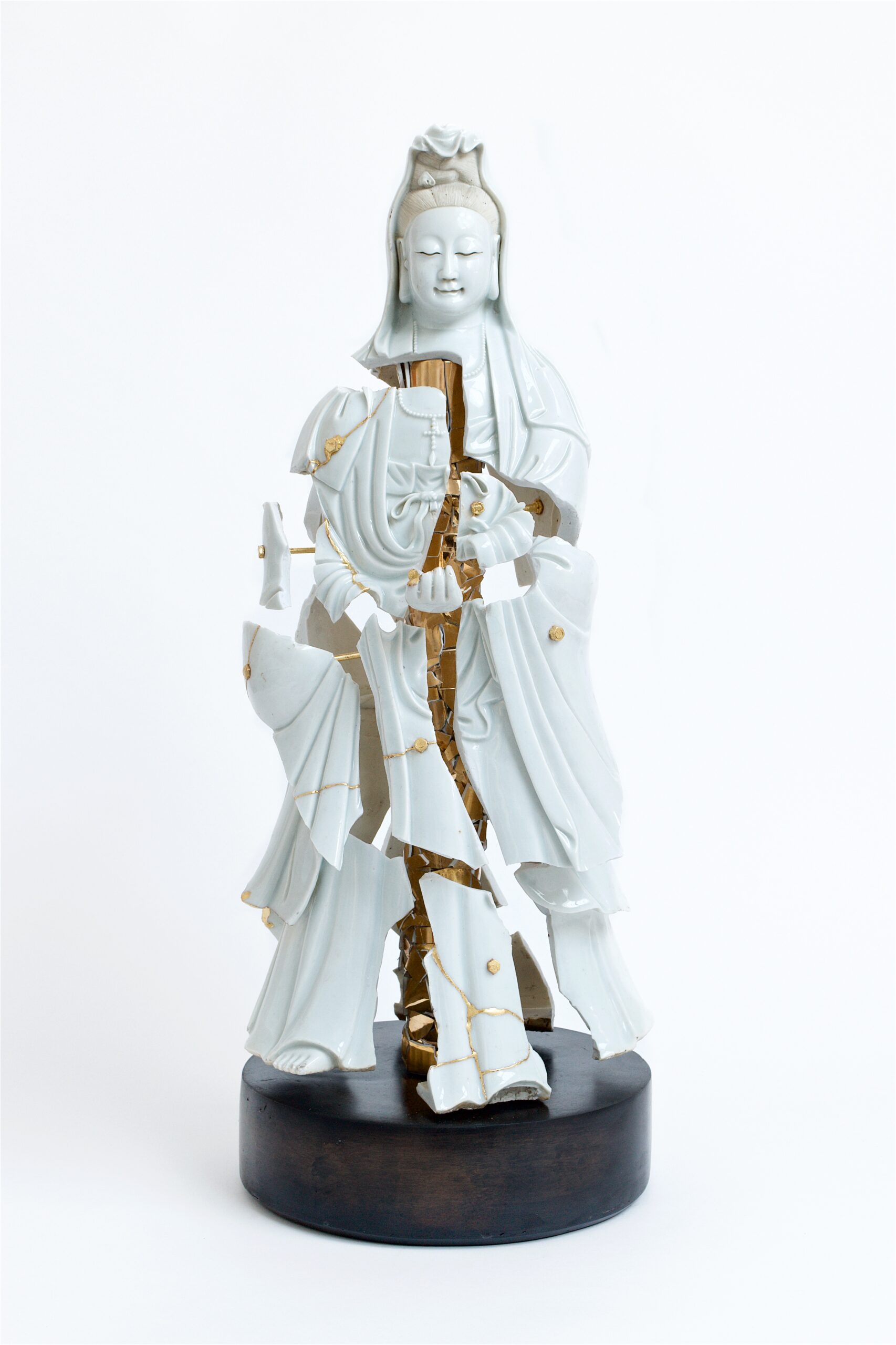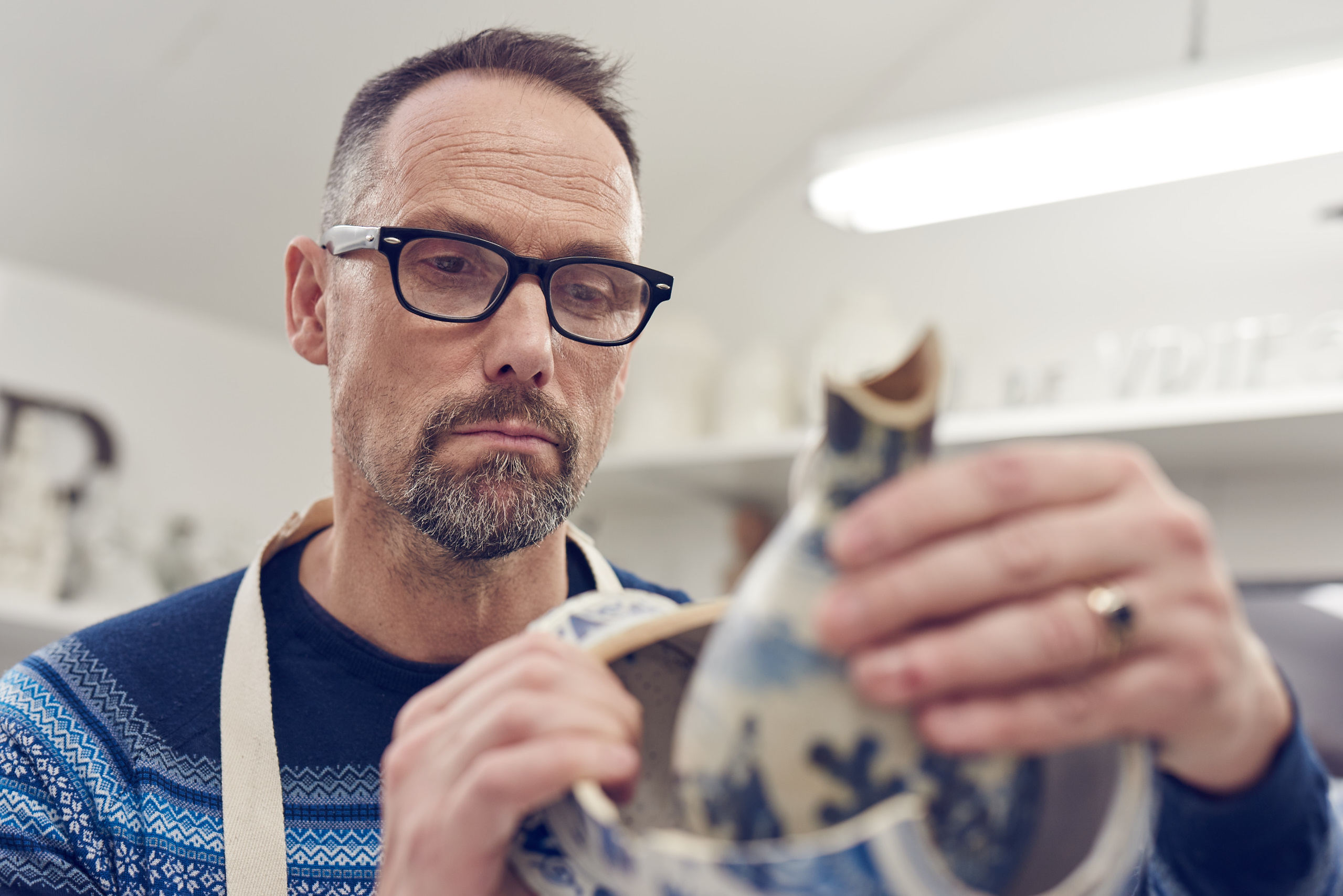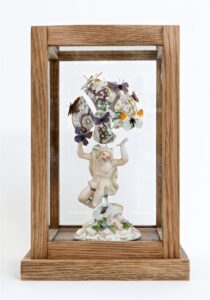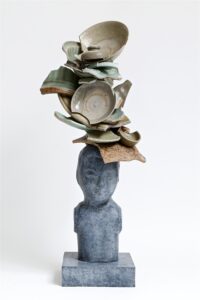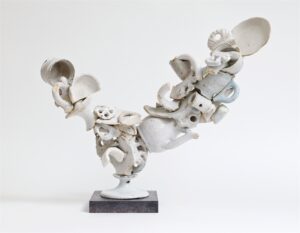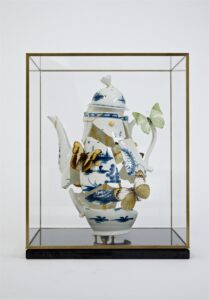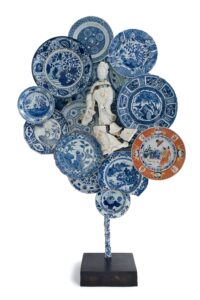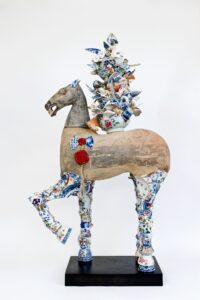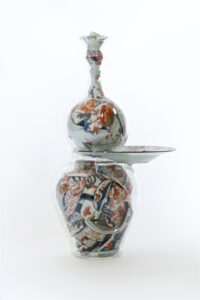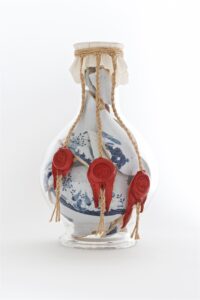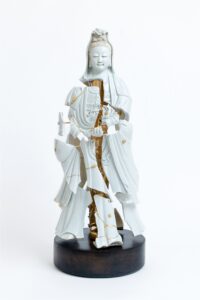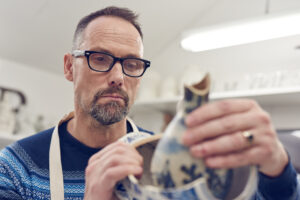


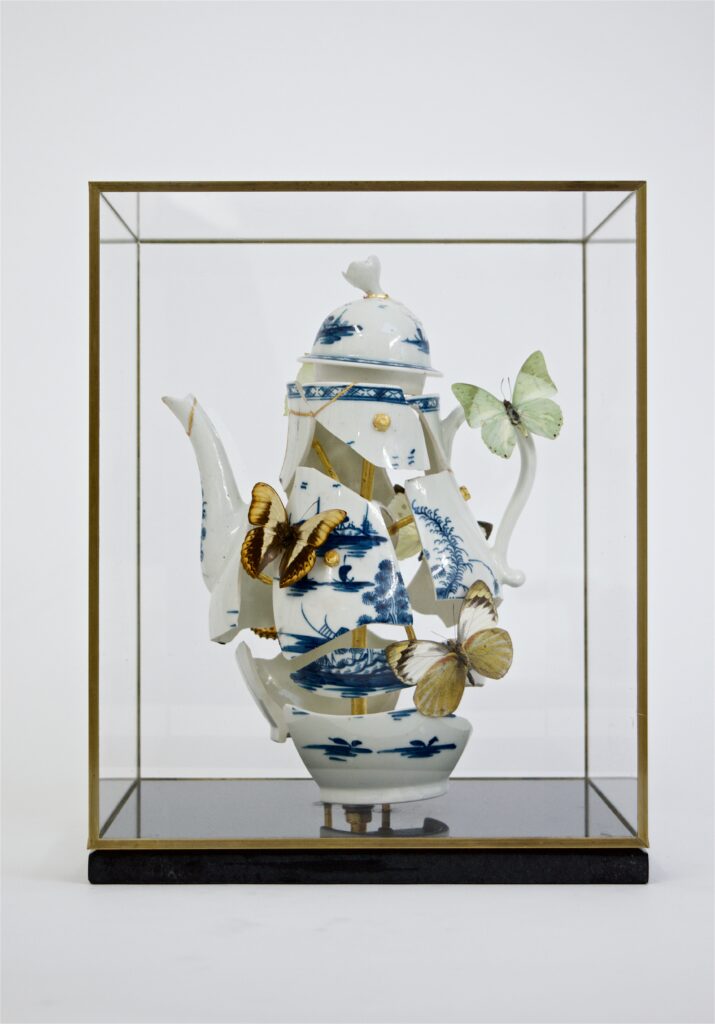
Like Bouke de Vries’ ceramics, cities are “vases of memory”, shaped by time and by wounds. Having trained as a ceramics restorer, the Dutch artist, born in Utrecht and today based in London, turned his technical skill into an artistic career using fragments as the material for his creations. A large retrospective exhibition of his works is being held at the Princessehof National Museum of Ceramics in Leeuwarden, in the north of the Netherlands, until 26 August 2026. The title Unbroken plays on the concepts of fracture and recomposition, decay and rebirth behind the 95 monumental and other works on display.
In this interview, the artist tells how his work turns fragments into maps and restoration into regeneration, revealing how the soul of a place lies precisely in its most fragile stratifications: the true reflection of the city’s genius loci.
Like ceramics, cities are shaped by use, by possible fractures, by restoration and by time. In your practice, fragments bear traces of past life. If broken objects are urban metaphors, how do cities tell of their memory through parts that are damaged, discarded or neglected?
I would offer an extension of your analogy: precisely as ceramics relate to cities, cities relate to nations. Ceramics are some of the most lasting and recognisable archaeological materials, through which cultures can be identified in time and space. After being used, objects are often buried and, in the end, return to the earth they came from. This cycle has inspired Homeland, a map of the Netherlands, my country of origin, made with fragments of 17th and 18th century Delft majolica. Although broken, the surface reveals familiar home decorations and forms. Excavated centuries later and re-assembled, these pieces once again form the surface of the nation. Then I applied this method to other countries and cities, each one shaped by its own ceramic history and geography.
Many of your works combine materials from different places, periods and cultures. When you work with fragments with specific historical or geographical origins, how consciously do you think of cities as a stratified archive of collective memory rather than a fixed image?
Much of my practice is based on the understanding of dualism, transformation and reconciliation of opposites. I think cities are a lot of things for a lot of people, and as you said, they are archives of collective memory, but they are also fixed images, shaped by culture and history. One practical example is my work Wall. In the mid-90s, my attention shifted towards archaeological fragments. At the time, the pieces found in the Netherlands during building excavations or in the canals could still be kept by the person finding them, and I began to collect them intentionally. Many of the pieces I found were everyday white Delft ceramics. In contrast to more expensive white and blue tableware, these were ordinary objects and were often thrown away, and yet they survived incredibly well in the waste dumps. I did my first experiment in 1997: a wall collage of broken white Delft objects, shaving dishes or kitchen sieves. My interest lay in the contrast between luxury and everyday life in the 17th and 18th centuries, when porcelain was a status symbol and utilitarian ceramics were ignored. Inspired by the historical wall works by Daniel Marot (a French architect and designer who lived from 1661 to 1752, ed.), this first installation celebrated ordinary life, enhancing the things that people used every day. As you can see, elements of everyday life and high culture can exist side by side.
Your approach challenges the idea of cancelling out imperfections, in favour of conservation through transformation. In an era of rapid urban regeneration, where cities often risk losing their own identity, what role do you think artistic works can play in safeguarding – or reactivating – the memory of places?
Artistic practice works on many levels: on independent scenes, in galleries, museums and public commissions. An artist can find their own dimension by working alone in a studio or being part of a group, a scene or a movement. Each of these environments prospers in its own way, with unique dynamics and its own raison d’être. What really drove me down my own artistic path was a visit to the exhibition Artempo in Venice, curated by Axel Vervoordt at Palazzo Fortuny, in 2007. Seeing figurative arts, different media and craft objects from different periods and cultures all together in an ancient Venetian palace was enlightening. It revealed the depth, wealth and transformative power of beauty. The relationship between that fundamental exhibition and its context – Palazzo Fortuny and Venice – was not philological but aesthetic. Venice’s beauty lies in its layers of wealth, and the exhibition reflected this aspect, creating a dialogue between indoor and outdoor space. Every place has its own genius loci.
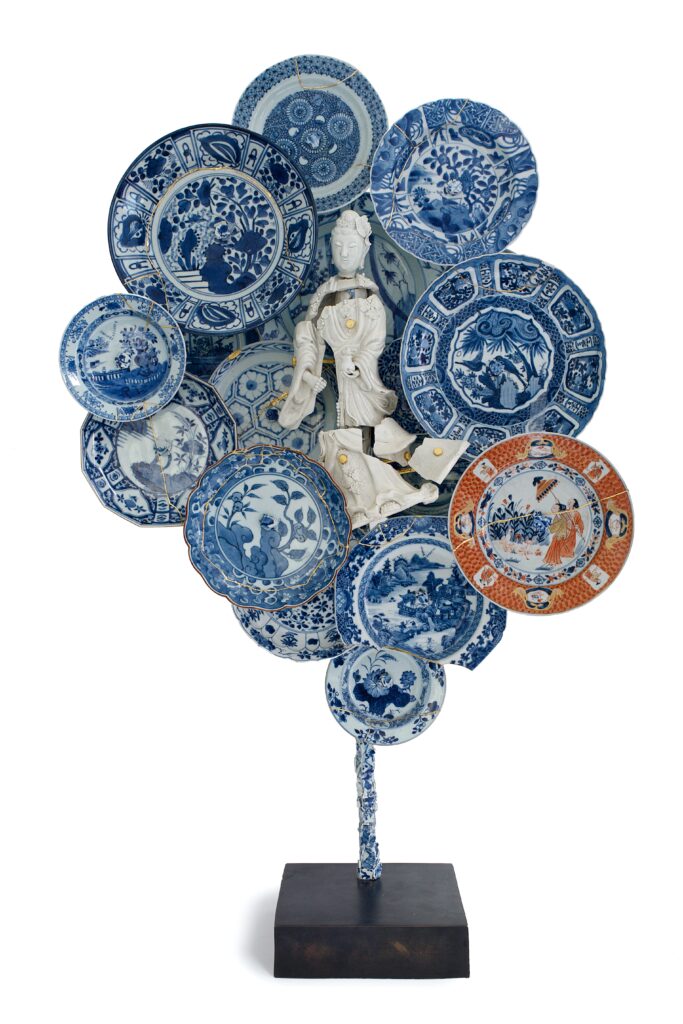
Several of your works are acts of commemoration, turning fragments into containers of memory. If cities could be understood as “containers of memory”, what types of stories do you think deserve greater visibility today?
My largest installation, War and Pieces, interprets an 18th century banquet, with the table covered by a vast array of porcelain fragments, like a desolate nuclear landscape. Today more than ever, I think we should all remember the consequences of war. I often think back to my early days, a young Dutchman in London in the early ‘80s, where the destruction was still too visible to be forgotten. Today, our society as a whole should do more to preserve the memory of war and give value to peace.