

Like people, buildings hold memory, made of materials, energy, work and time. Identifying the criteria and techniques for enhancing that memory, rather than wasting it and turning it into rubble, is the task of the researchers of the GXN strategic sustainability consultancy. Founded by 3XN Architects, the global design firm co-founded by Kim Herforth Nielsen in 1986 with headquarters in Copenhagen, GXN works as an independent design-driven research studio connecting stakeholders across the building industry with cities and local communities, transforming sustainability visions into concrete processes and projects. The research activities focus on two main fields: Behavioural Design, investigating how spaces influence behaviour and well-being, and Circular Design, rethinking life cycles, materials and economic models beyond the linear “build-use-demolish” logic.
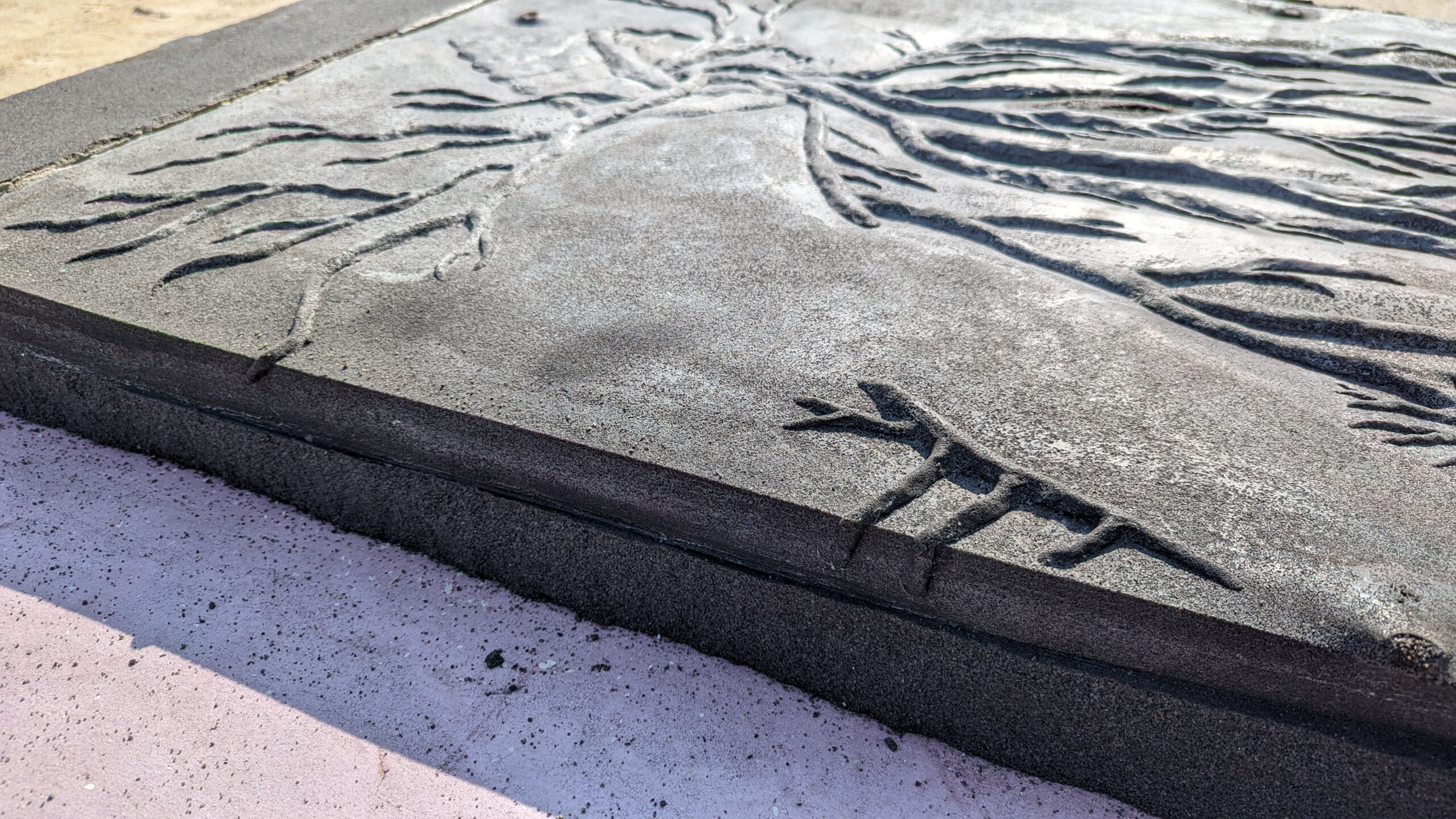
Within this framework, the city is never a blank canvas. It is an archive of structures and infrastructures, buildings that are loved and others perceived as obsolete, but which concentrate huge amounts of energy, materials, work and memories. This is where the work of Mattia Di Carlo, Circular Design Specialist, who at GXN works on reuse strategies, design for disassembly and material research, fits in: from circular social housing at Circle House in Aarhus to the BioConcrete prototypes, made from an experimental organic concrete obtained from bacteria, and on to projects focusing on the structural reuse of concrete.
We met to talk about adaptive reuse as a structural condition of contemporary design, and to understand how the ‘building memory’ of cities can lay the foundations for a new and more circular imagination that is less inclined to easy demolition.
If we think of adaptive reuse as a structural condition of contemporary design, which changes of mindset are urgently needed to ensure that this approach becomes the norm?
First of all, we have to accept that the way we have built until now is no longer compatible with the speed of the world. It takes between 5 and 10 years to move from the concept and the site; meanwhile, working models, technologies, regulations and even everyday habits change. If we design buildings that are hyper-optimised to just one programme, we risk them being obsolete by the time they are inaugurated.
I like the words of Stewart Brand: “All buildings are predictions; all predictions are wrong – design so it doesn’t matter”. For us, this means detaching a building’s life cycle from its planned use, thinking of architecture as a relatively stable ‘hardware’ that can host various types of ‘software’ over time. This requires generous structures, legible systems and accesses, reversible linkages.
The change in mindset is two-fold. From the bottom up, for architects and industry, stopping considering the “new” as a progressive gesture by definition, and starting to see as truly innovative all that consumes as few resources as possible.
We often see the concept of embedded value in your work: what changes for the architect when design no longer starts from a blank page?
For us the concept of embedded value is the material memory of buildings: decades of energy, resources and work incorporated into structures that we are often tempted to demolish merely because they no longer correspond to the aesthetic or functional diktats of the present. In Europe, around 97% of the built heritage needs to be refurbished to meet the climate targets of 2050: we cannot think of replacing it simply with a new and “more efficient” building.
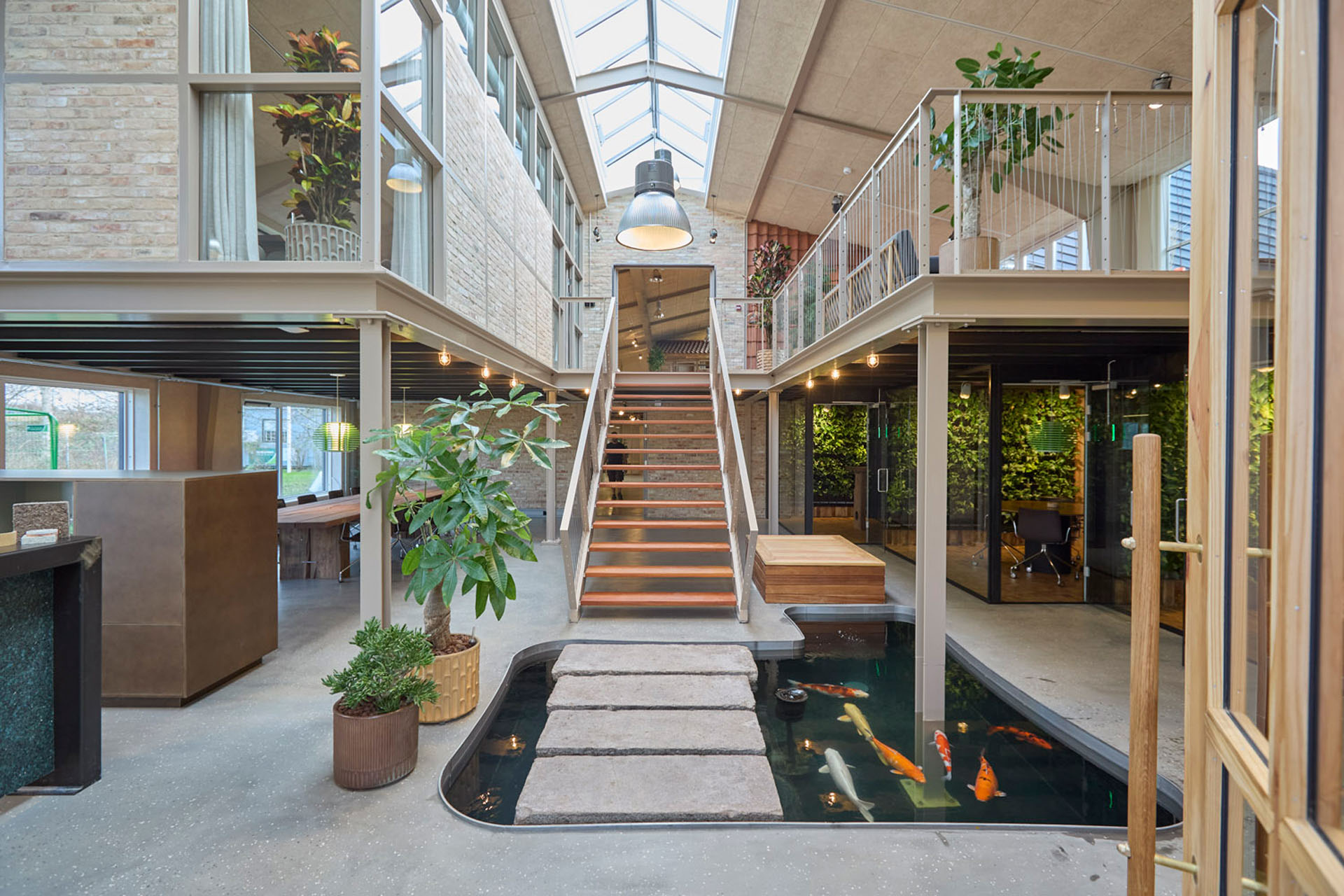
For the architect, this means becoming less an author and more an orchestrator. Design does not start with a form to be imposed but rather an interpretation: structure, materials, urban relations, social use. In many cases we work on unloved buildings dating back to the 1950s and ‘60s, which do not fit with the criteria of traditional protection but which hold huge value in terms of resources and transformation potential. The task is to understand how to preserve, what to transform, and what to add in order to extend their life.
There is also a narrative dimension: we must translate this memory into a language that can be understood by investors and inhabitants. When we talk of a lower risk of obsolescence, longer asset life, quality of space, we’re not only doing financial calculations: we are defining new design metrics, where time becomes a part of the project.
Designing buildings that can be dismantled and transformed implies a very different vision of time to what we are used to. What type of responsibilities does this perspective introduce?
It means designing for lives we will not see and users we will never know. Durability no longer coincides only with the solidity of the structure but also its usefulness throughout more than one cycle of use. We think in layers: structure, envelope, systems, internal layout, furnishings. Each one has a different life cycle, and the design must allow these to change without affecting the rest. From here comes the ideal of design for disassembly: not everything has to be disassembled, but what really counts, in order to reduce costs, risks and future waste.
And then there’s the issue of social responsibility. Architecture has often crystallised relations of power, single-purpose uses and rigid hierarchies. Designing for transformation means accepting that roles, economies and communities change. A building that can be adapted – for example, turning offices into laboratories, as we are doing now in London – is more honest for the time we live in and reduces the risk of becoming an empty space in the fabric of the city.
Many of your projects are born as research works even before built architectures. How does research make the idea of reuse implementable on an urban scale?
For us, research is not a separate chapter but a way of working. Every project has a question phase: what theories can we test? What don’t we have at our disposal for taking better decisions in future? Then there is an experimental phase – often in the form of demonstrators, mock-ups, prototypes – and finally we systematically return to what we have learned.
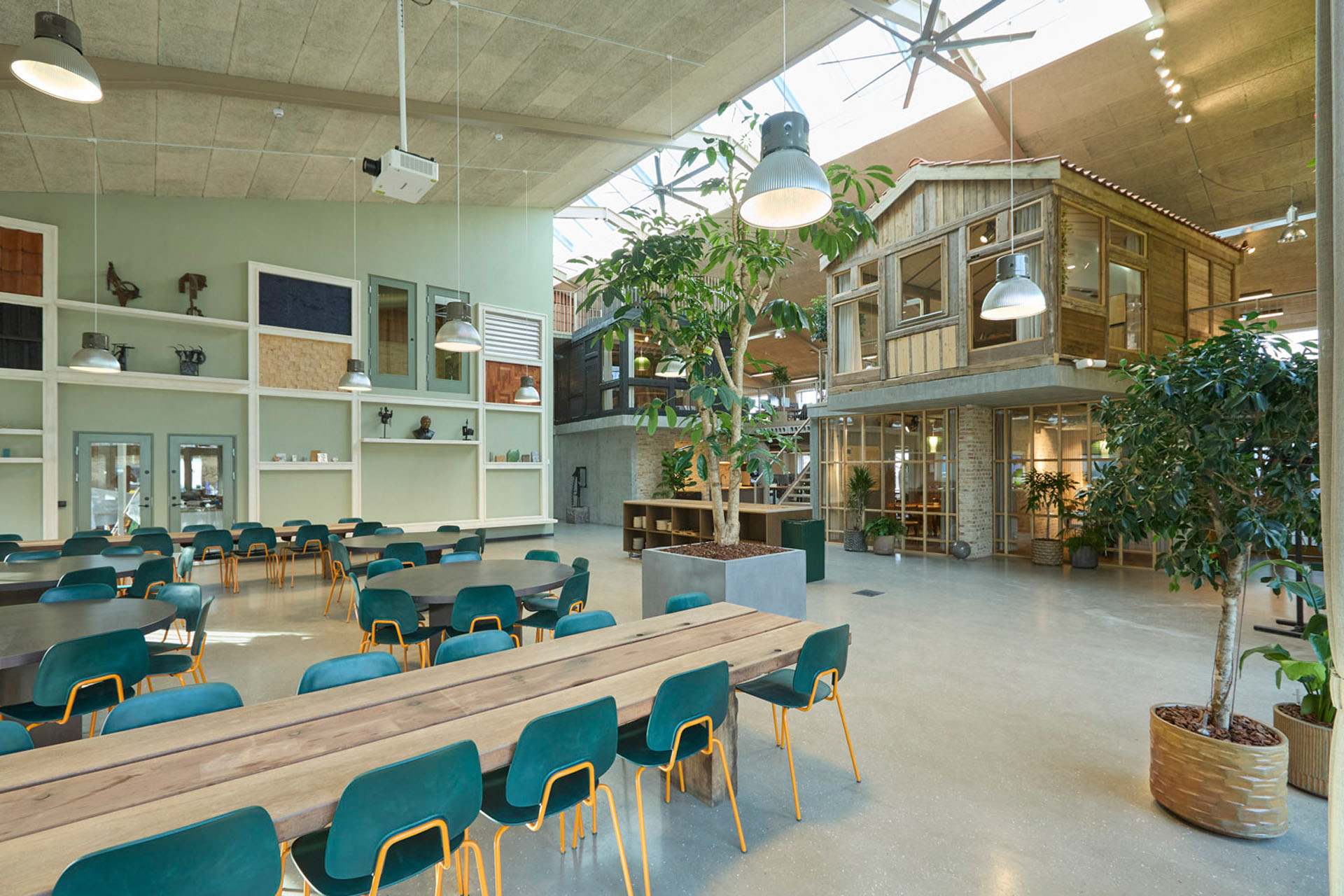
For example, Circle House is the first Danish residential complex designed right from the start to be disassembled, aiming to ensure that 90% of the materials can be reused without losing their value. There, we worked on principles, construction systems, disassembly logistics, and the documentation of components. The Circle House Demonstrator, mock-up 1:1, became an open laboratory on this topic.
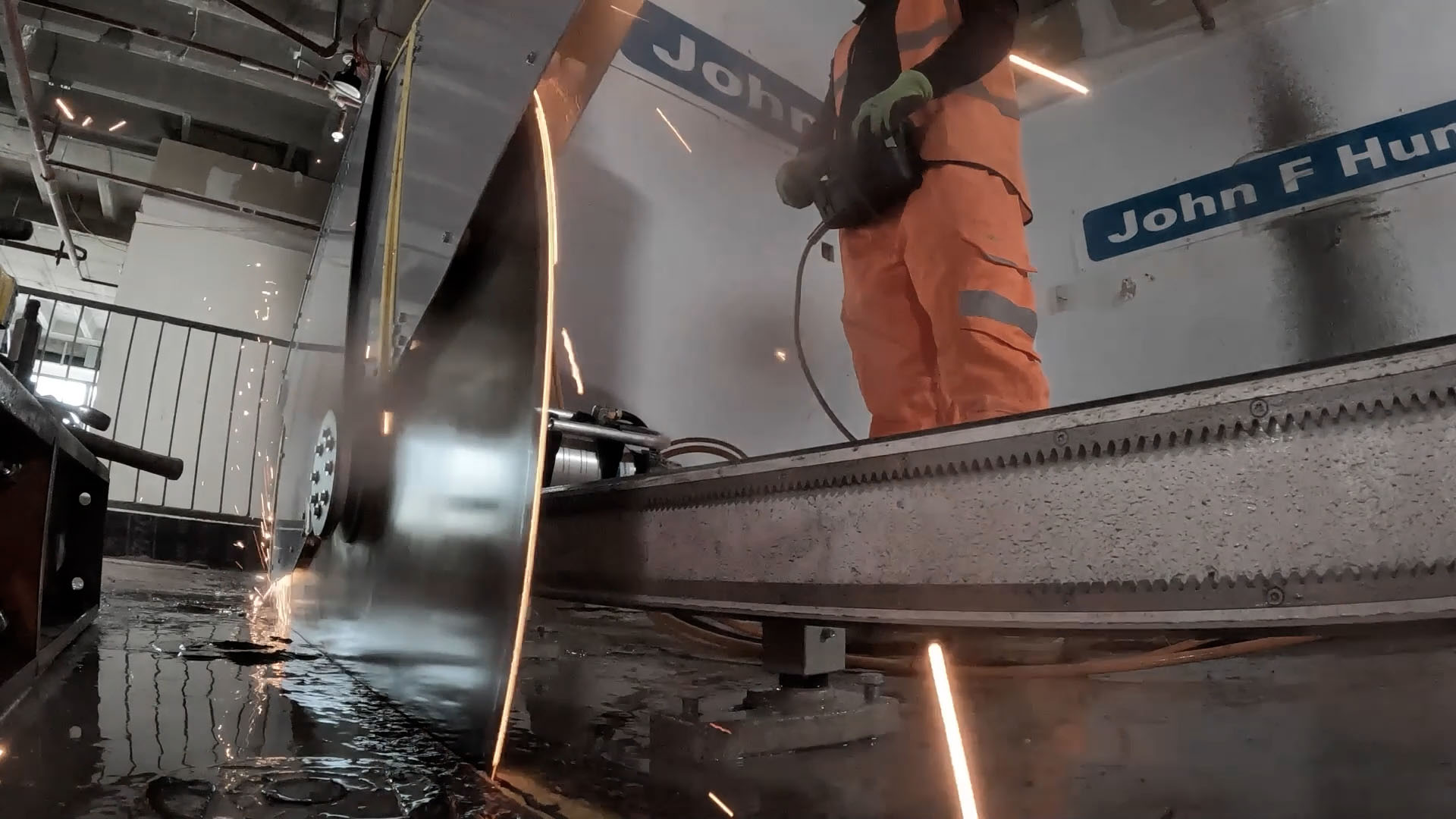
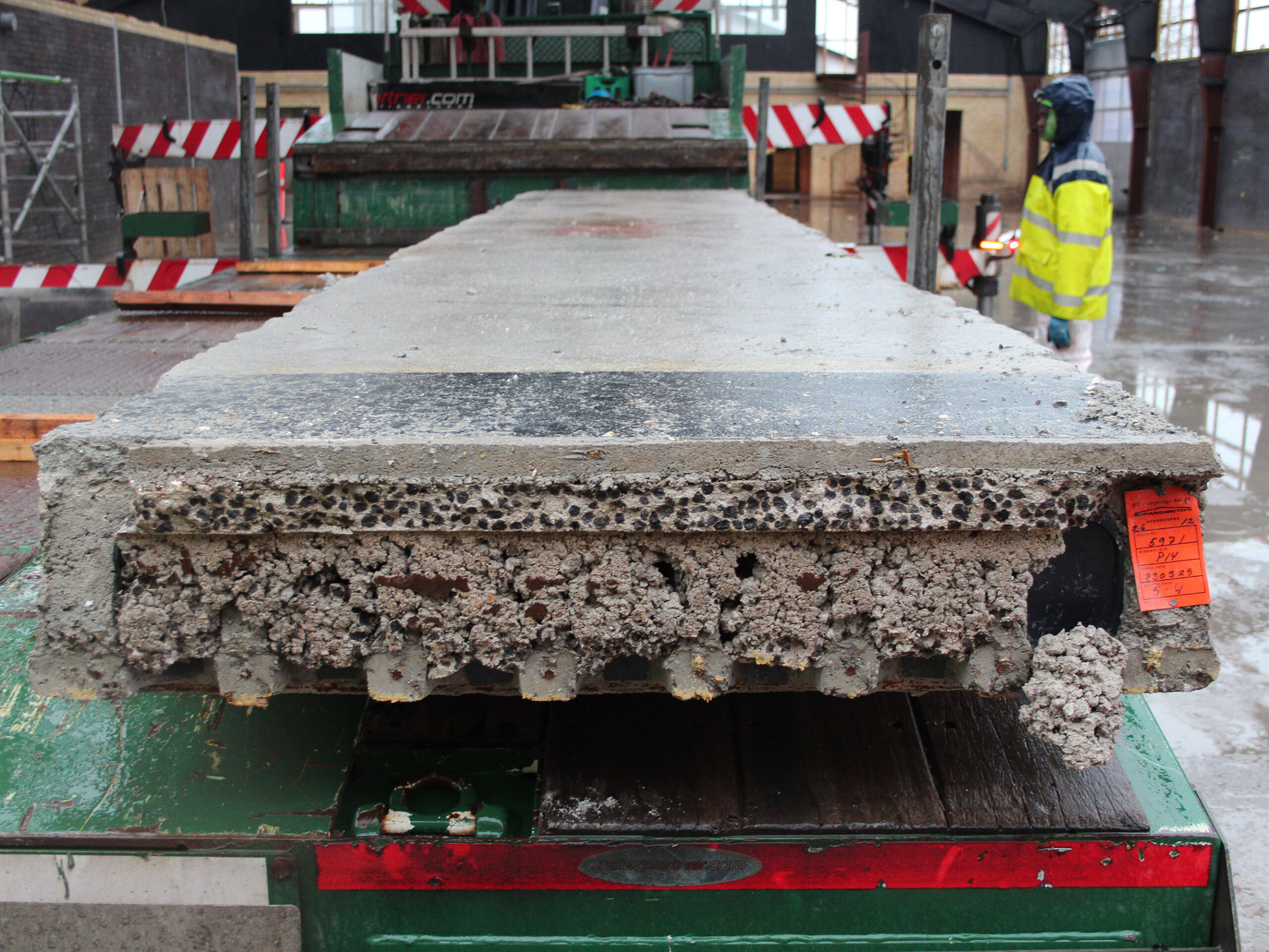
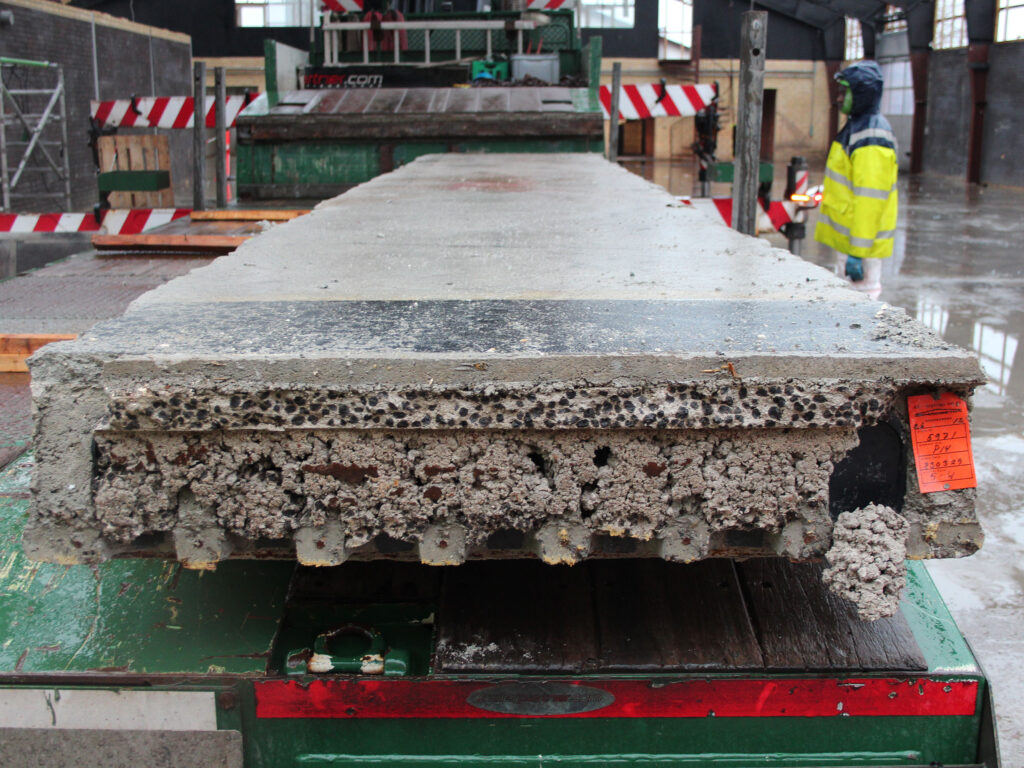
With (P)RECAST, through the direct reuse of prefabricated concrete elements sourced from demolitions, we tested disassembly methods, new linkages and certification criteria. The aim was to build a chain in which demolition companies are not considered only at the “end of life” but rather as suppliers of high-value structural components.
On an urban scale, projects like these produce tools: guidelines, digital workflows, pre-demolition audit strategies that can be adopted by cities and investors. Not only one-off solutions but building blocks for future policies.
If demolition is a loss of material, environmental and cultural value, which design tools can bring reuse back to the fore of decision-making, especially in complex urban contexts?
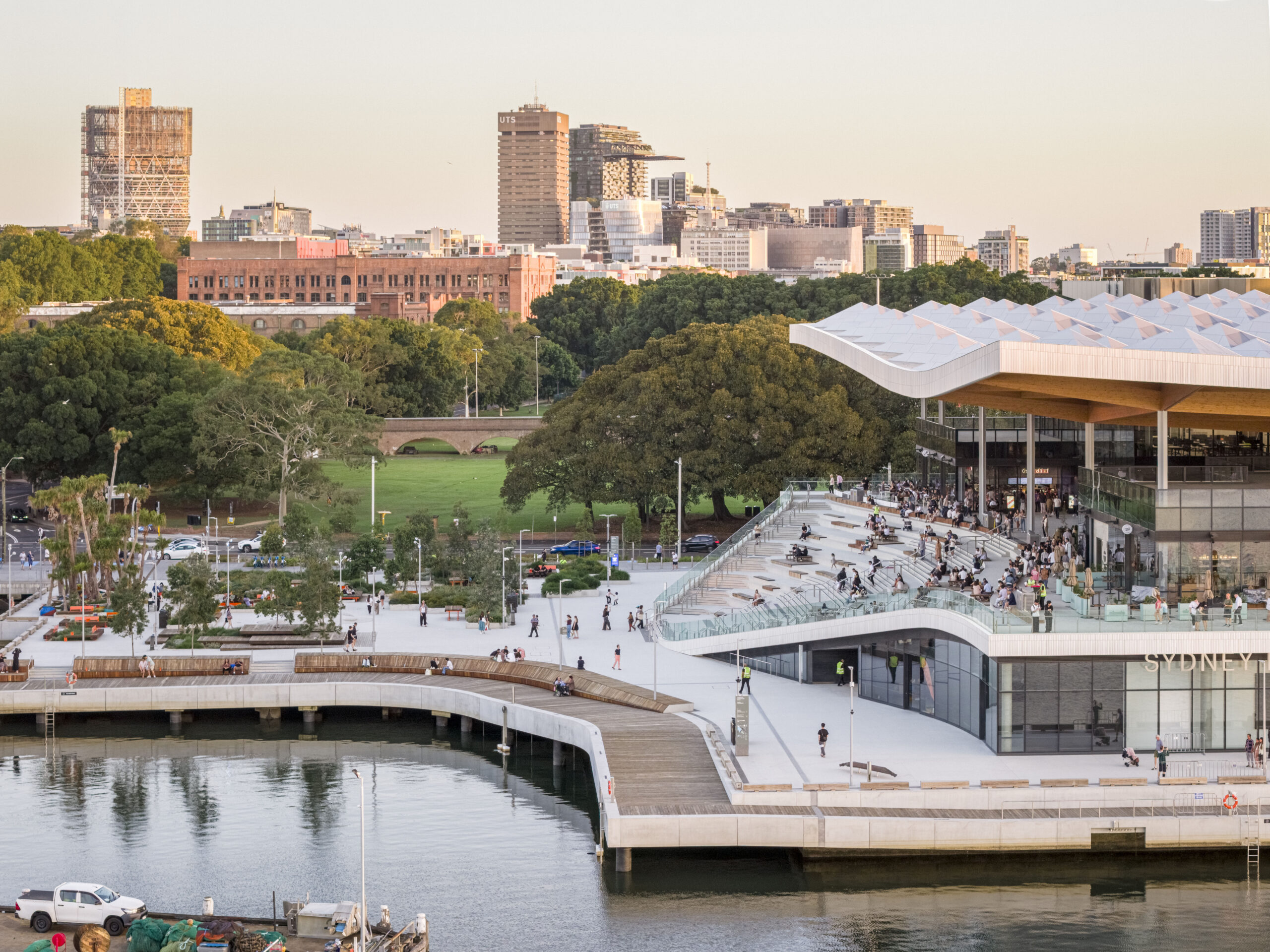
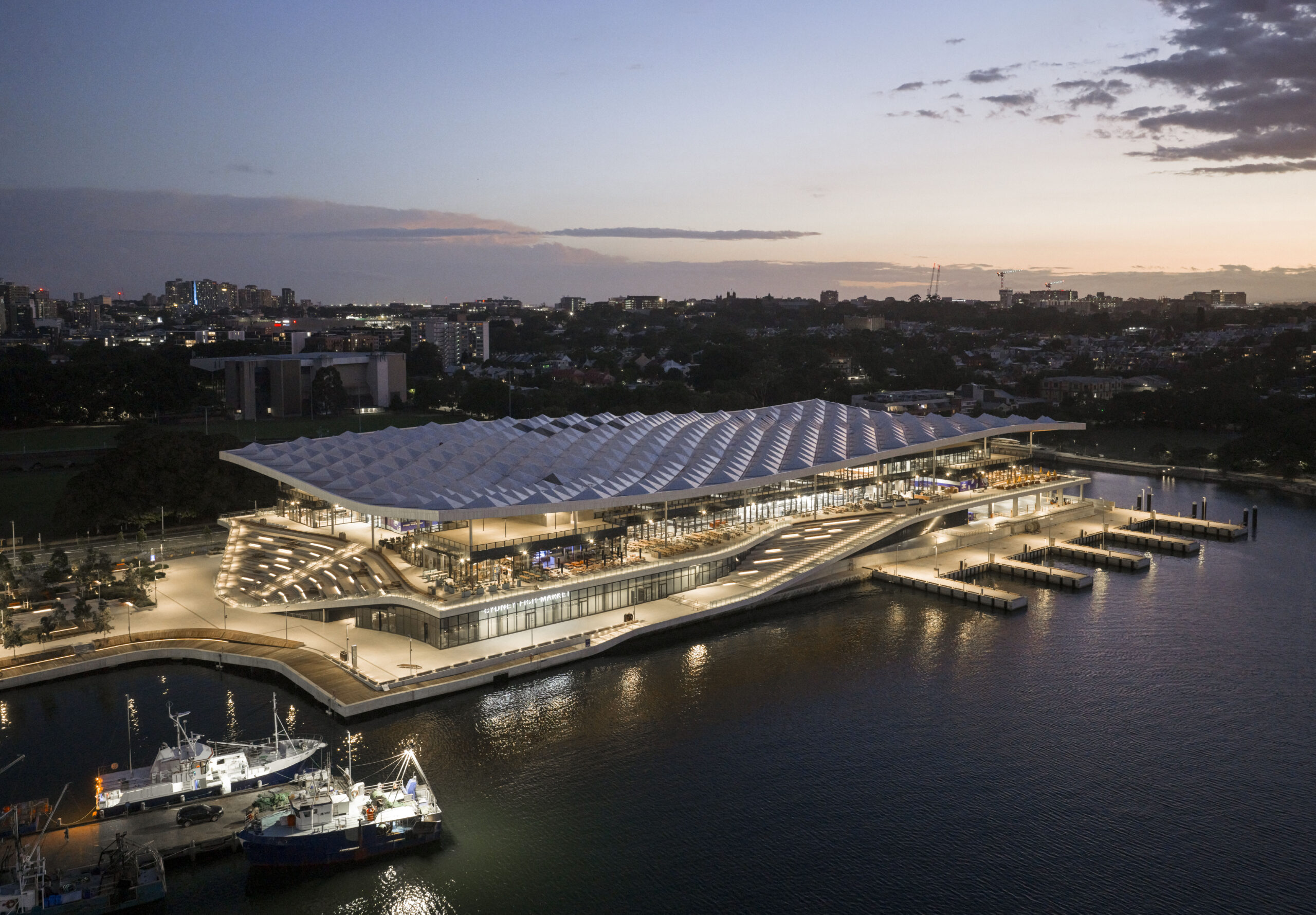
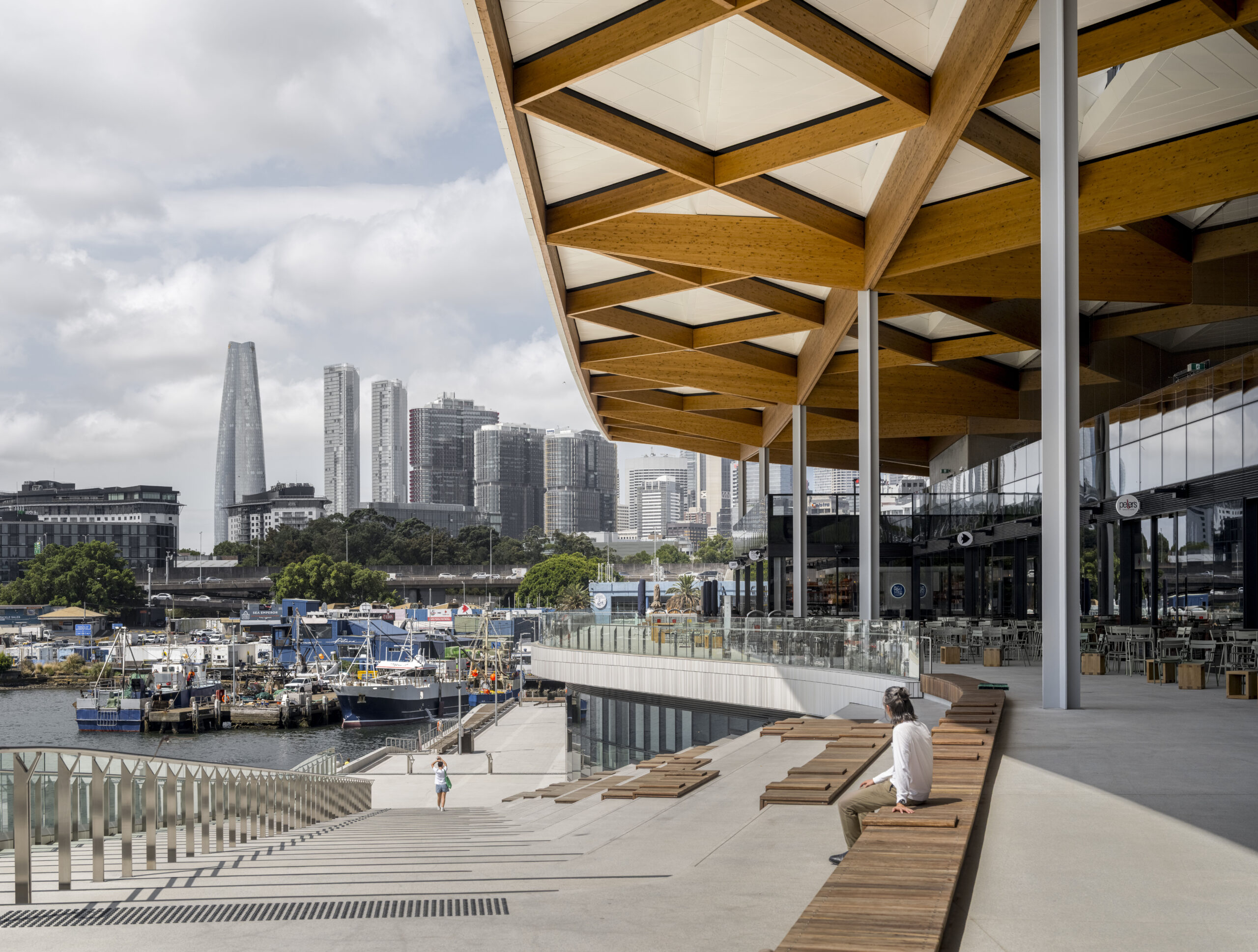
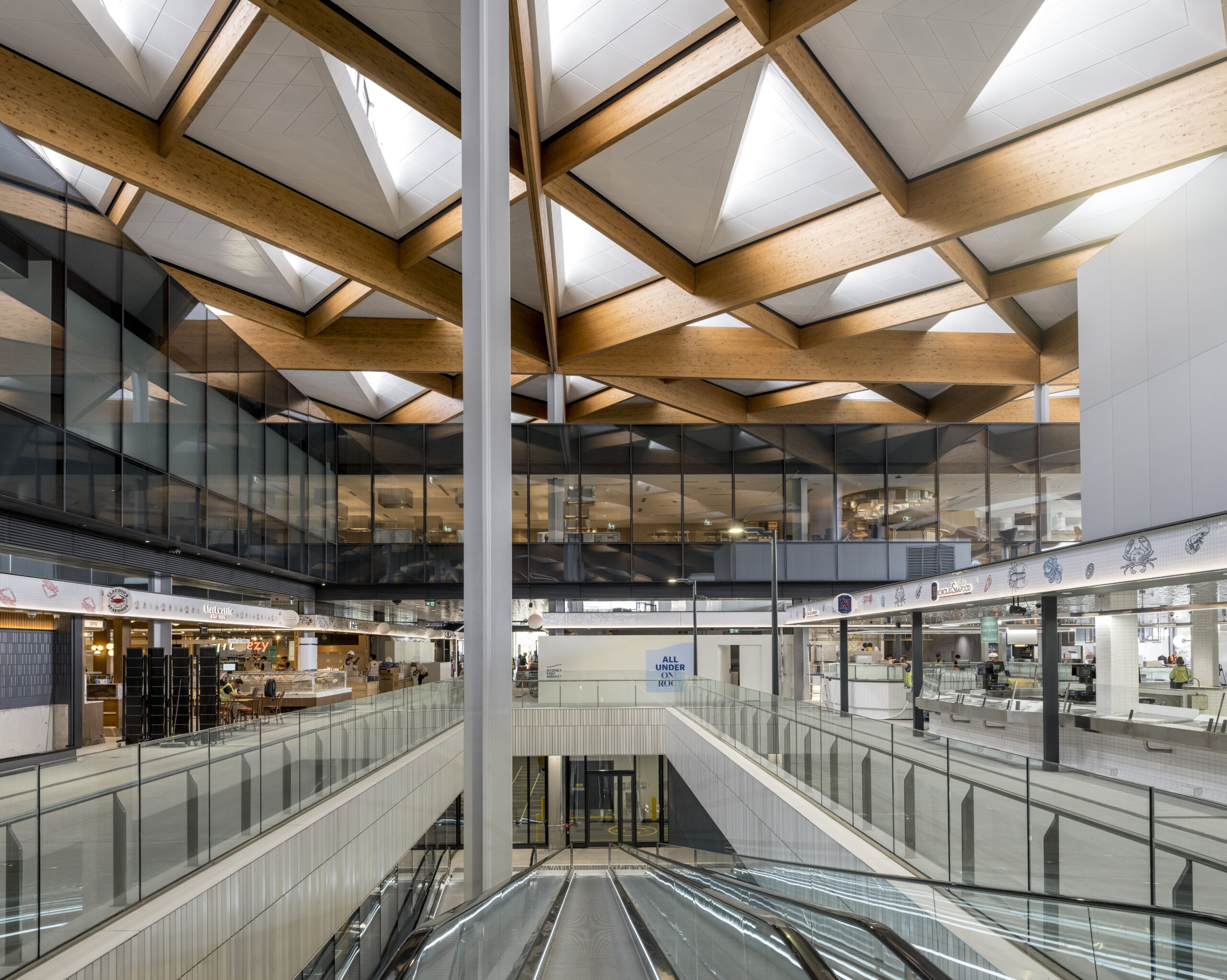
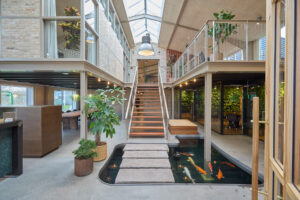
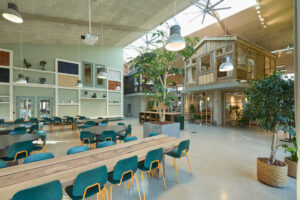
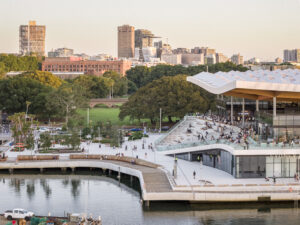
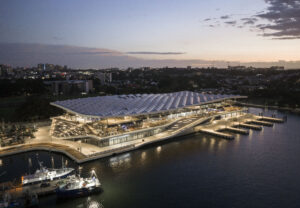
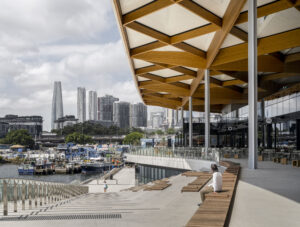
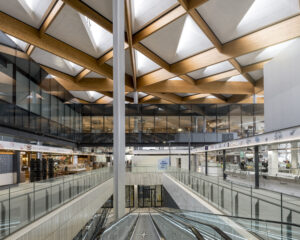
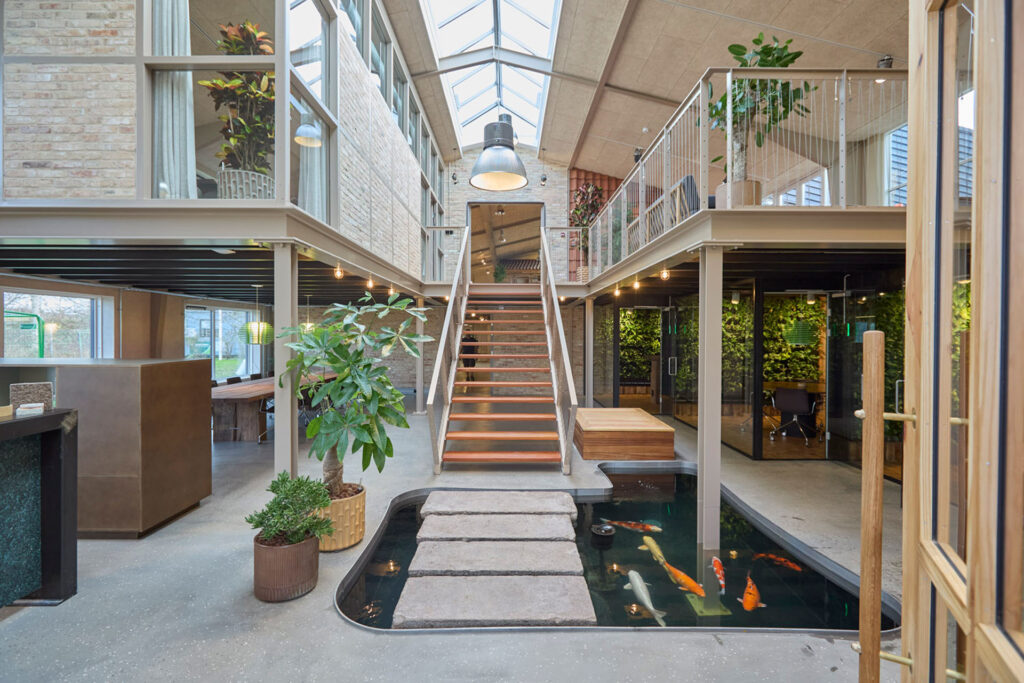
I see at least three. The first fundamental aspect is to start by mapping the existing heritage, the Pre-Demolition Audit. This tool analyses the features of the building, identifying its unexpressed potential in order to propose alternative scenarios – transformation, disassembly, reuse – assessing the pros and cons from the beginning. This approach reduces the design risks even before acquiring the site. When we show that reuse can reduce the impact of CO2 by 50-60% over a 50-year cycle, as in the Tscherninghuset project, or reduce the total costs by around 80 million EUR (including materials and construction times), maintaining 65% of the existing structure as with the Quay Quarter Tower in Sydney, the conversation changes.
The second aspect concerns the identification of the “human” value, using tools such as the Behavioural Brief and Sensorial Mapping used to investigate human activity in spaces, analysing the actual behaviour of the users, as well as their sensory experience: light, acoustics, materials, atmospheres. This approach starts from a fundamental principle: no building is less sustainable than one that is not loved. The aim is to capture the human qualities of a site or building, understanding what doesn’t work and identifying why certain spaces are avoided or underused, to avoid the same design errors and create settings that people really want to live in.
The third aspect is to make even the most technical information available. Views like maps of local supply chains, scenarios of extended useful life and simulations of comfort translate complex data into understandable narrations, building political and social consensus around the idea that existing structures can become infrastructure for the future.
Looking ahead: do you think that adaptive reuse will become normal practice or will it remain a virtuous niche? And what does this imply for city memories?
I think it will become the norm because we have no credible alternatives. Economic, social and climate constraints are in any case leading us in this direction; the question is whether we will get there among chaos or with suitable instruments. Three conditions have to be in place for reuse to become mainstream: a design culture that recognises the value of existing buildings, regulations that make reuse more competitive than new builds and an industrial chain that is able to manage materials and components with the same efficiency with which it manages new products today.
As for city memories, I think it’s more than just a matter of aesthetics or nostalgia. Every building that is conserved or transformed is a piece of material history that continues to produce climatic, economic and social effects. When we demolish, we don’t only lose energy and resources, we cancel out these stratifications and reduce urban complexity. Working on reuse means accepting that the city is an organism in which the past is not a backdrop but a structural condition for the future.
If we manage to do this well, perhaps next century cities will not be museums of the modern nor districts of scrap, but places in which the traces of the past lives of buildings become an active form of collective memory – a memory that can change and adapt, but that does not disappear with each real estate cycle.