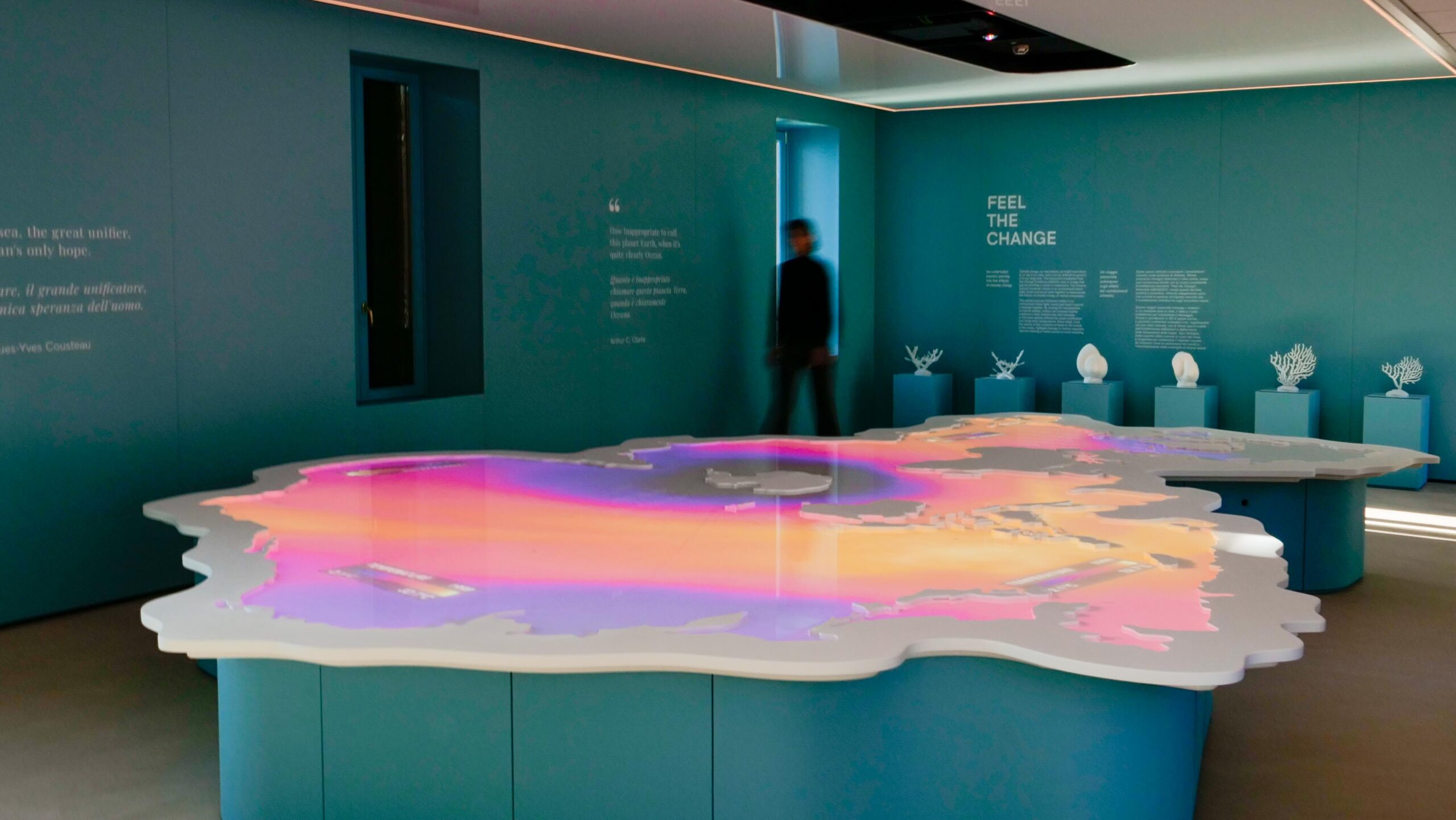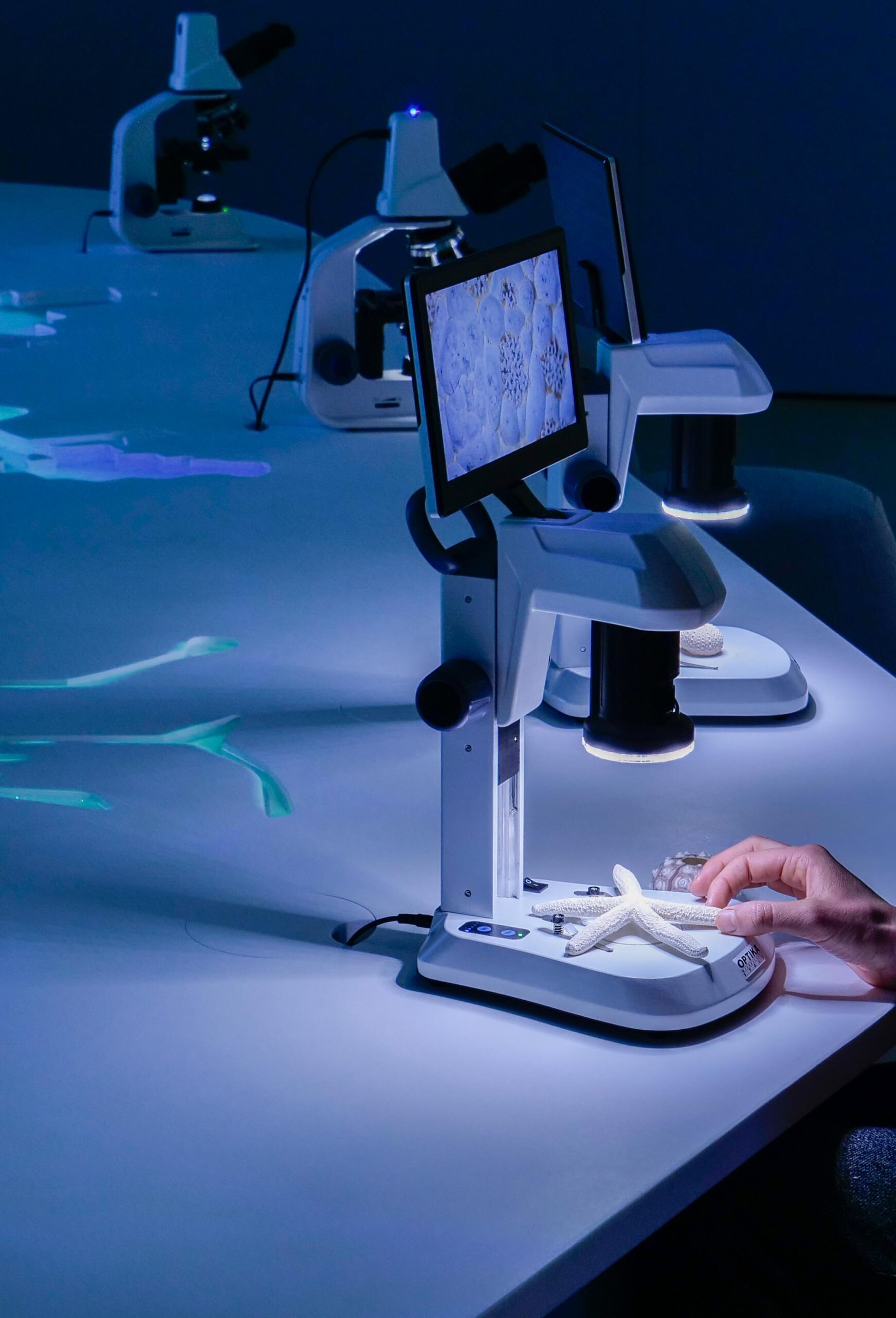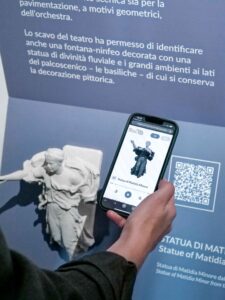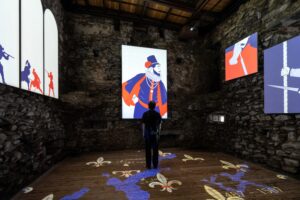


A drawer opens to reveal a personal story. A folder pulled from a shelf brings order to a cloud of archival documents projected onto a wall. A replica of an ancient coin, placed in a visitor’s hands, unlocks a narrative about maritime trade routes and commercial exchanges. In the museum experiences designed by Dotdotdot for cultural institutions, it is almost always a physical object – or a simple gesture performed in a tangible space – that opens the door to immersive digital environments filled with images, colour and sound.
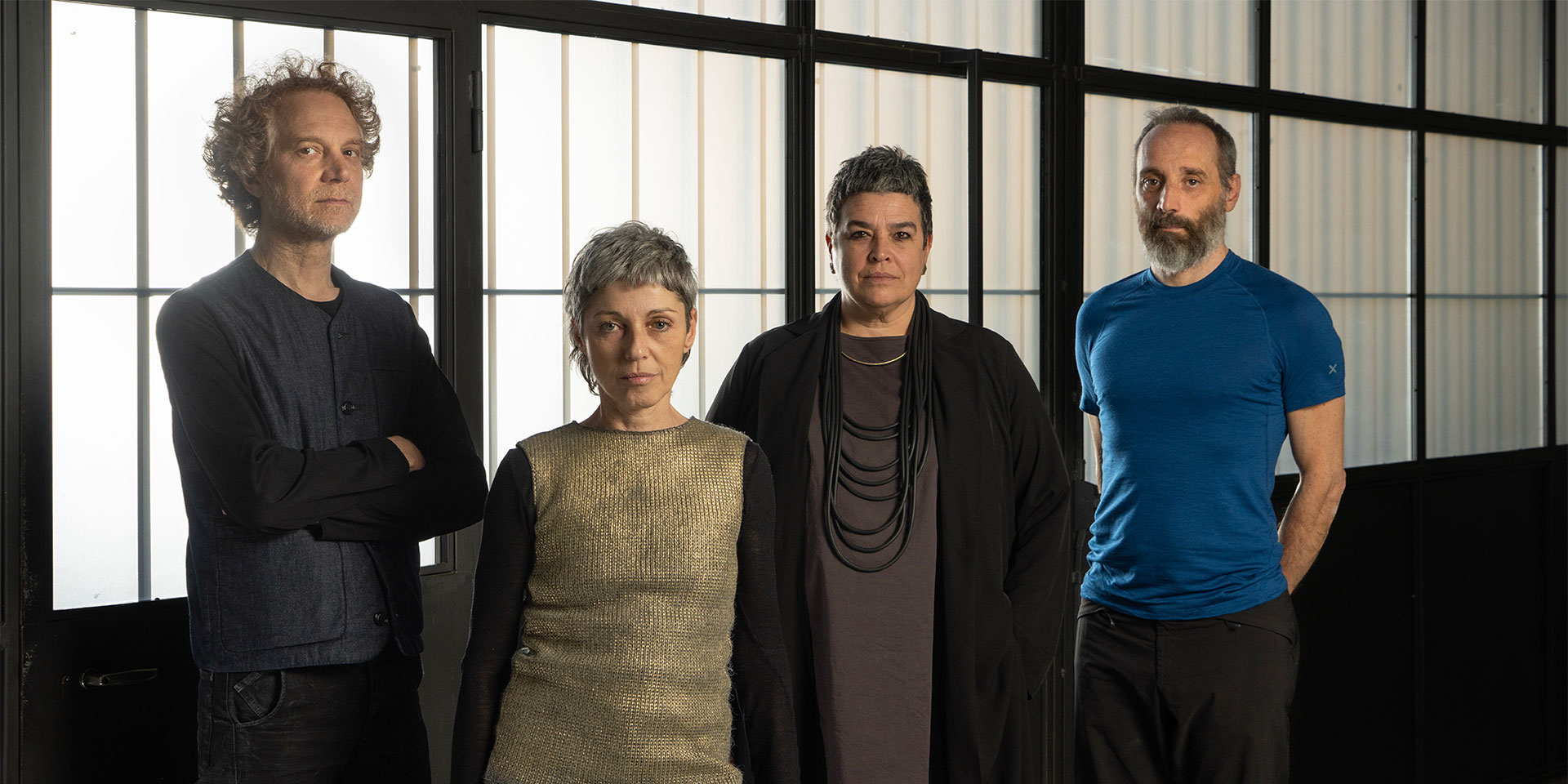
Founded in Milan in 2004 by philosopher-programmer Alessandro Masserdotti, architects Laura Dellamotta and Giovanna Gardi, and designer Fabrizio Pignoloni, Dotdotdot was among the first studios in Italy to specialise in interaction design – a discipline that emerged during the 1970s and 1980s at the intersection, or perhaps the collision, between humans and software.
Since then, the studio has grown steadily, collaborating with museums, public institutions and companies seeking technological expertise to communicate their content more intuitively, tailoring each experience to audiences with different backgrounds, levels of knowledge and abilities.
“It all began with a simple intuition: making technology more accessible required a human dimension,” Alessandro Masserdotti tells Humus®, reflecting on the studio’s pioneering beginnings. Today, Dotdotdot has grown to a team of around fifty people. “One aspect that is often overlooked is that the world’s first school dedicated to interaction design was founded here in Italy, in Ivrea, under the direction of designer Gillian Crampton Smith, one of the pioneers of the discipline. The Interaction Design Institute Ivrea was closely connected to Olivetti, sharing its culture of research and experimentation. Another fundamental turning point came from the art world during the twentieth century. Beginning with the Dada movement, and later through artists such as Piero Manzoni and the Fluxus movement, visitors were no longer expected to remain passive observers. Instead, museums became places of participation and interaction. Artists including Nam June Paik, Bill Viola and many others later embraced technology as a storytelling and audience-engagement tool. That’s the legacy we try to build upon every day: creating experiences in which content responds to the visitor’s presence.” Even the name Dotdotdot reflects this philosophy. Like the three dots that leave a sentence unfinished, it suggests that every project is completed only through the visitor’s participation.
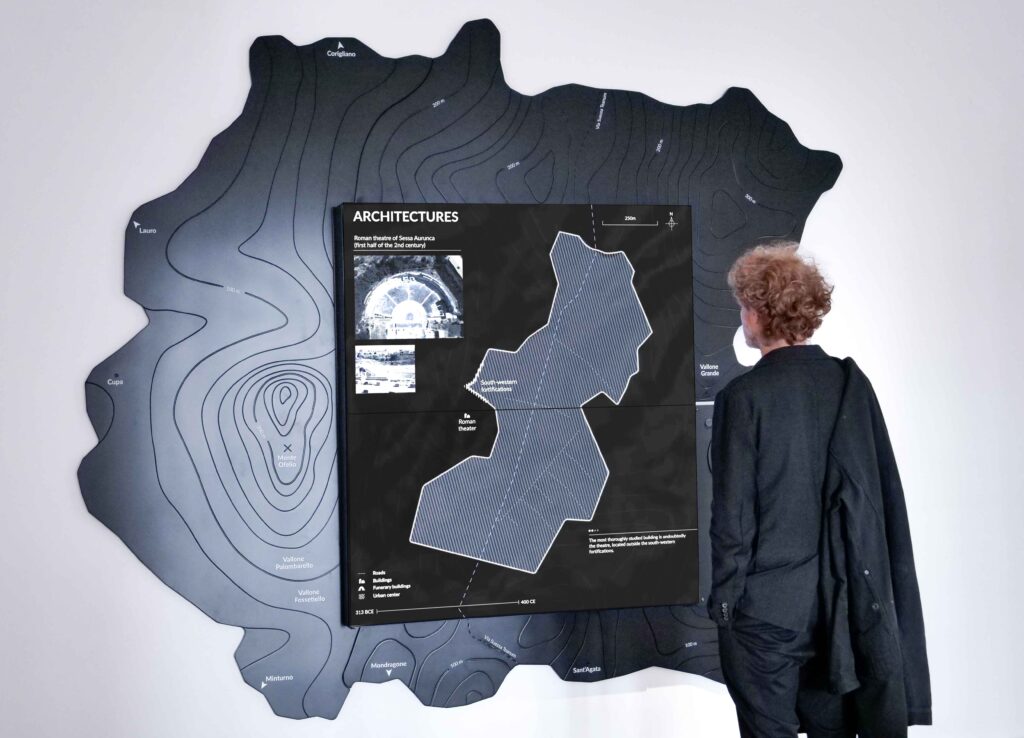
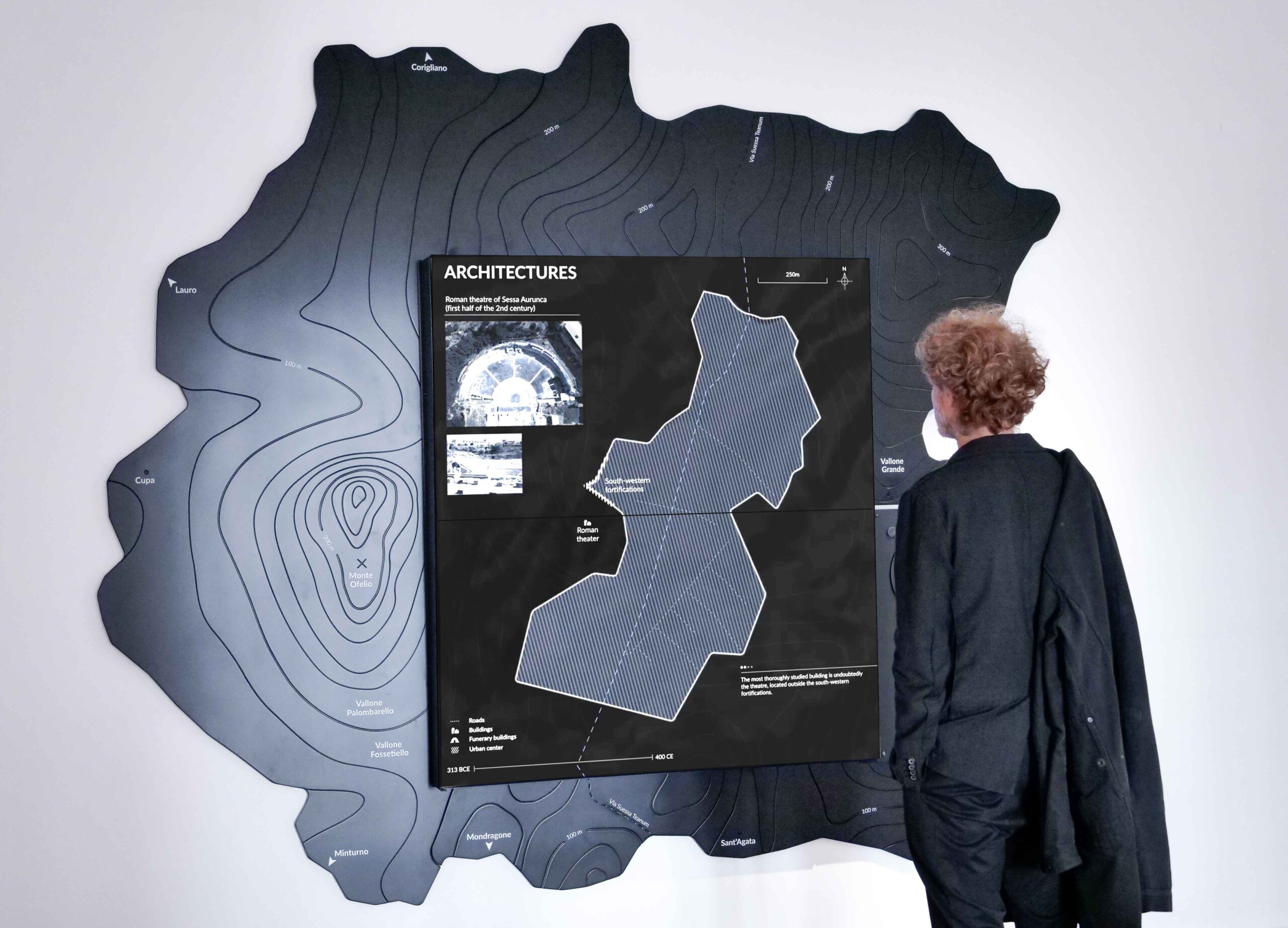
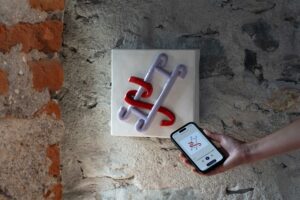
The concept of the “strangely familiar” lies at the heart of Dotdotdot’s approach: everyday objects—a lever, a magnifying glass, a drawer – act as gateways into unexpected experiences, such as a diary speaking through the voice of an actor.
One of the studio’s best-known projects is the Piccolo Museo del Diario in Pieve Santo Stefano, Tuscany, whose permanent collection preserves more than 6,500 diaries, letters and memoirs held by the National Diary Archive. Here, opening a simple drawer triggers the story of an ordinary person’s life, woven into the broader fabric of history through narrated audio excerpts accompanied by digital reproductions of handwritten pages. “When we revisited the museum years later, we realised how well the experience had aged,” says Masserdotti. “The computers had naturally been replaced to address technological obsolescence, but the way visitors interact with the content remains exactly the same—and it still works. For us, that’s extremely encouraging. It shows that projects incorporating digital technologies are not necessarily destined to become obsolete quickly. If they do, it’s usually because they weren’t good projects to begin with.”
One of the easiest ways to create a “wow” effect in museum design would be to rely on spectacular animations and immersive digital experiences. For Dotdotdot, however, that ambition must always be balanced against respect for the places themselves and the architecture that defines them.
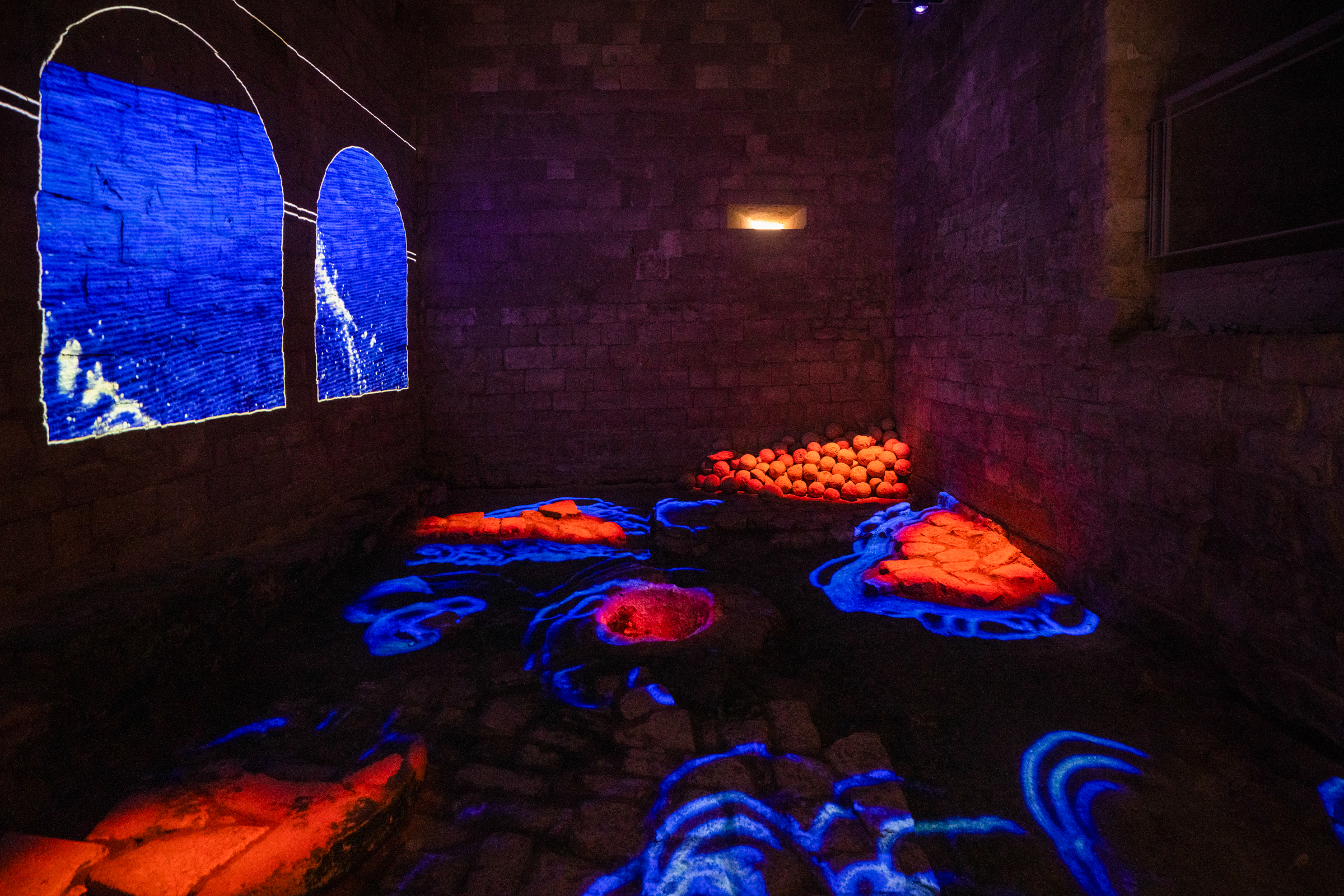
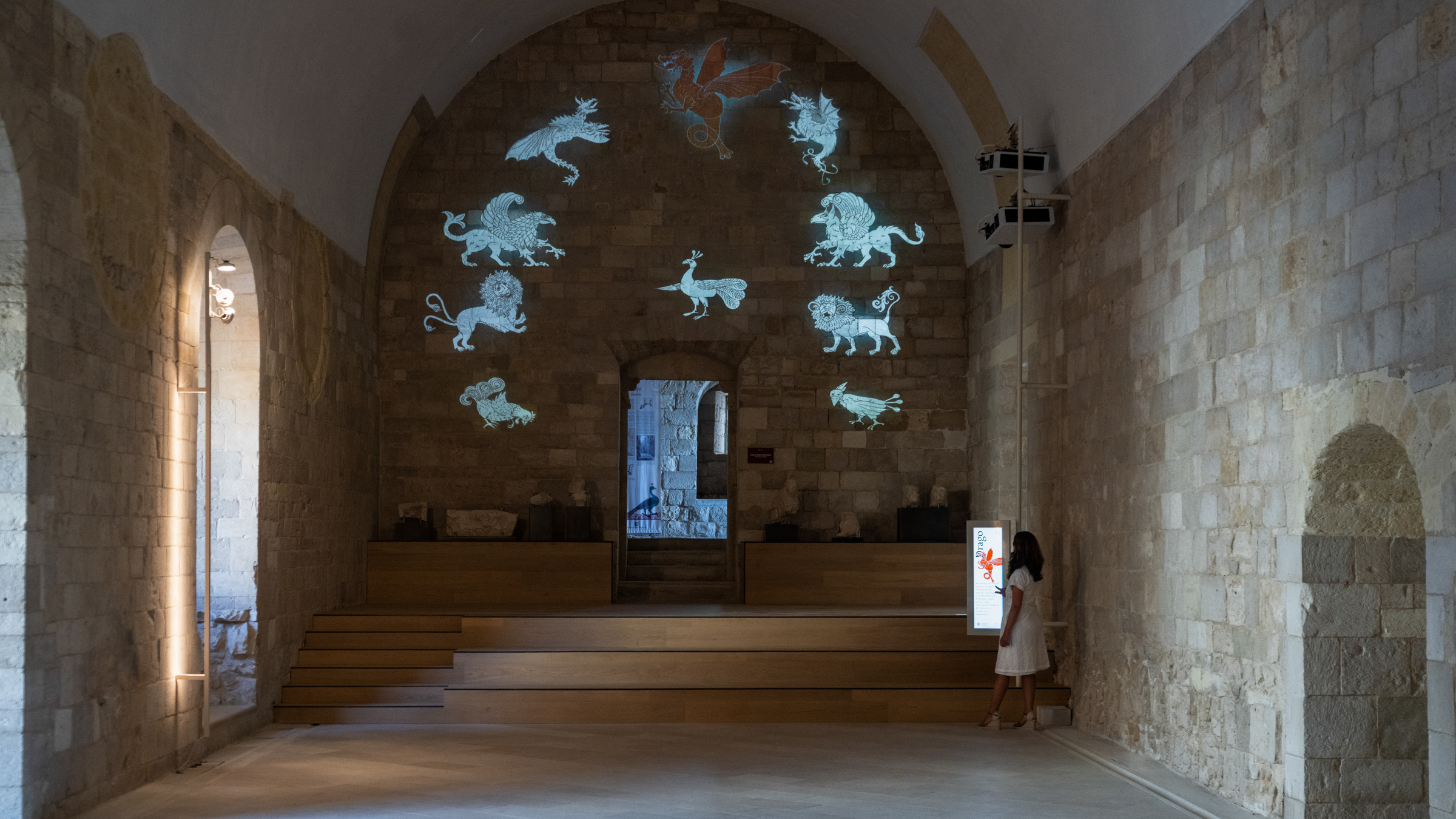
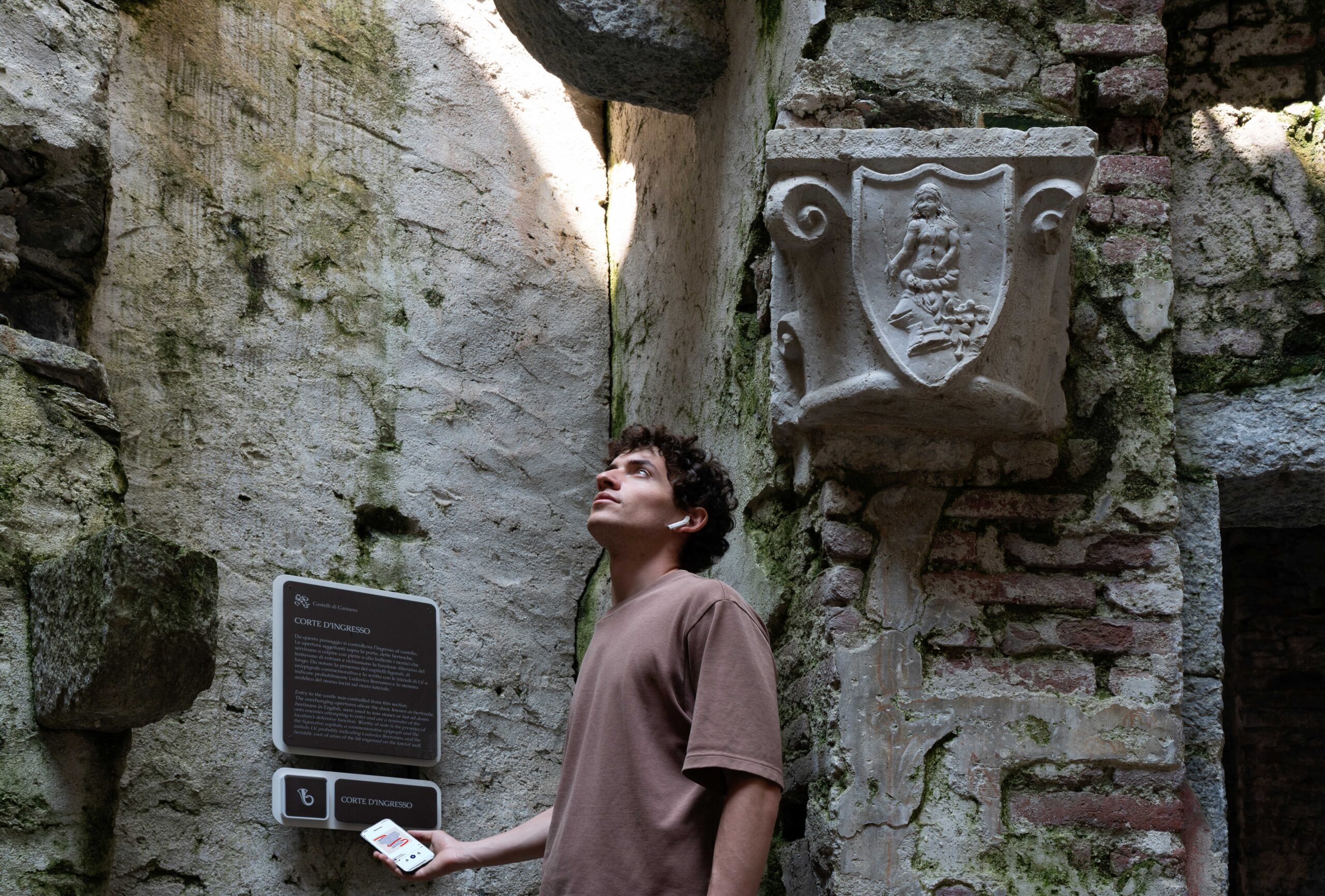
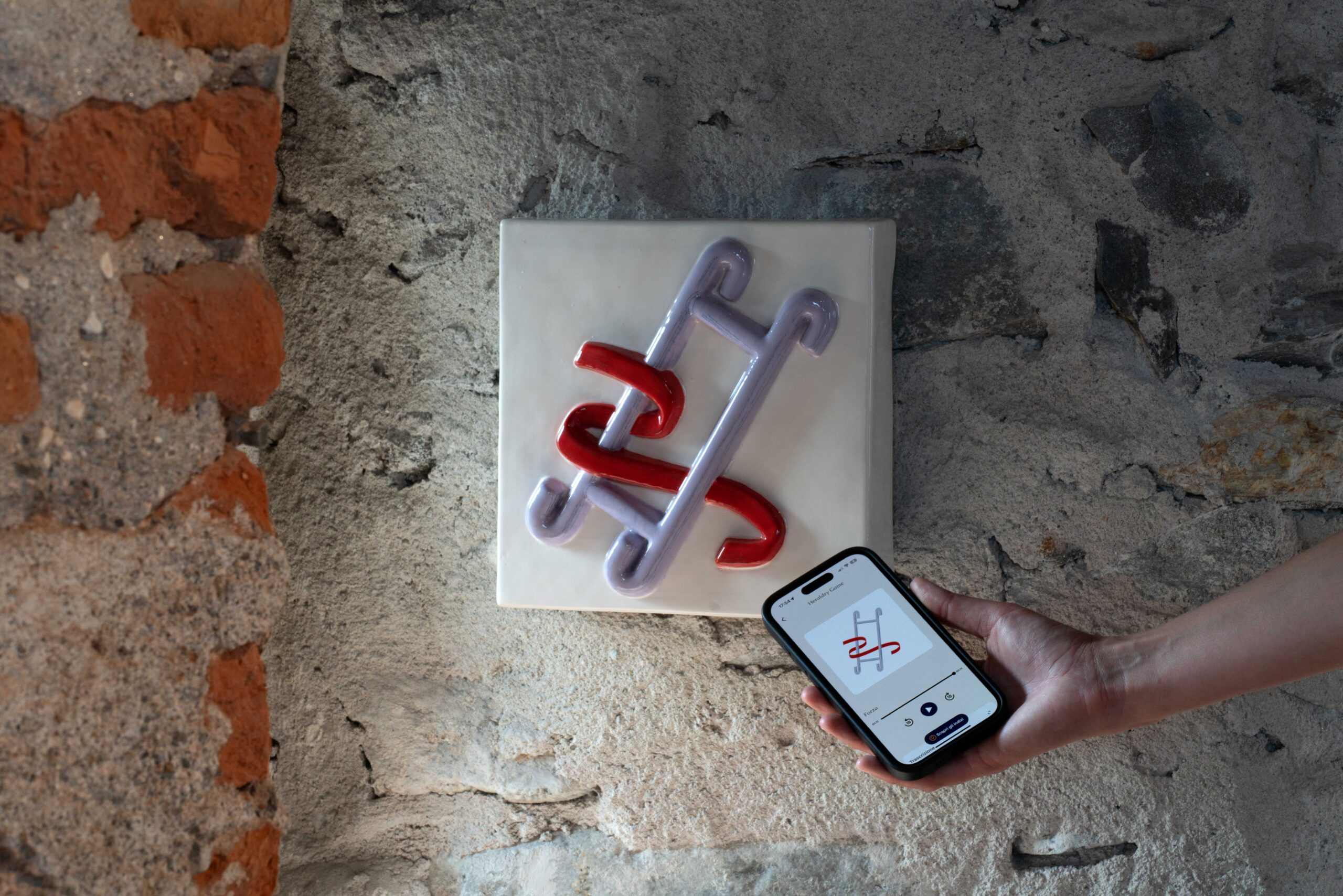
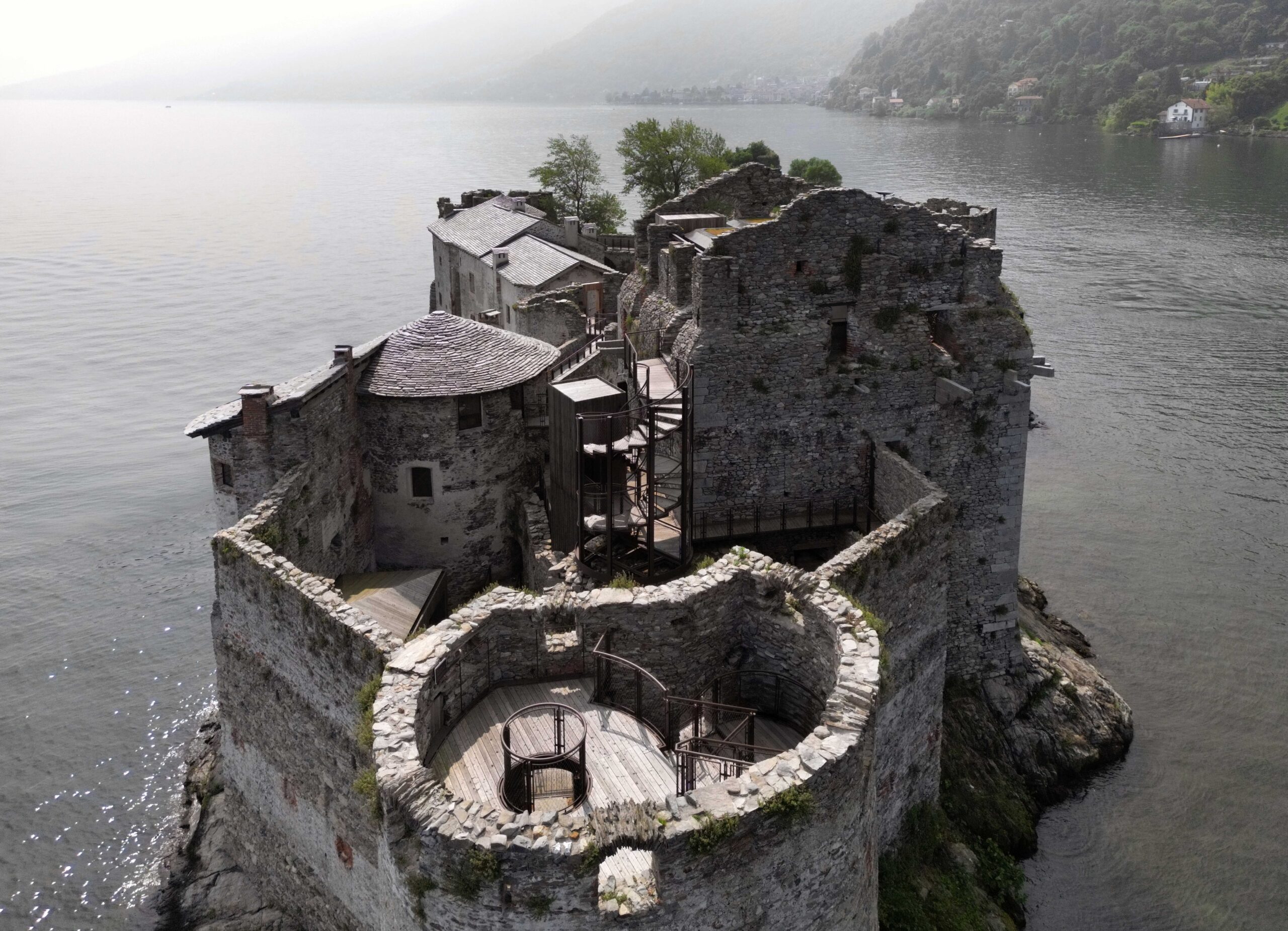
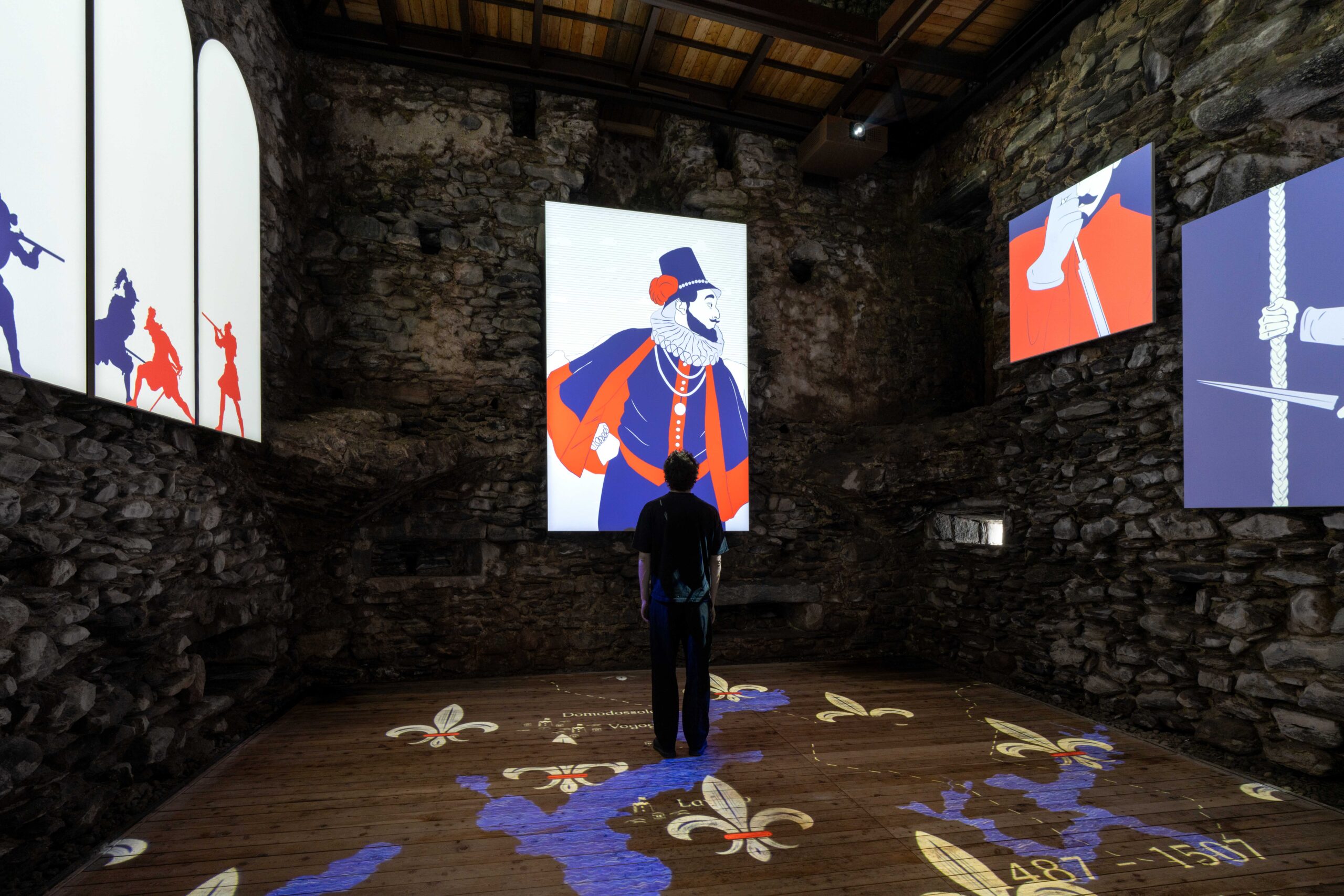
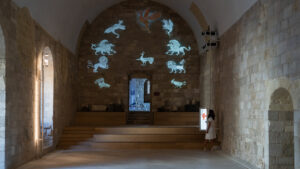
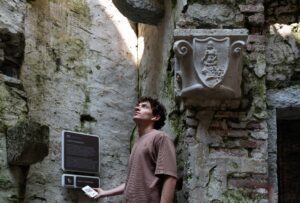
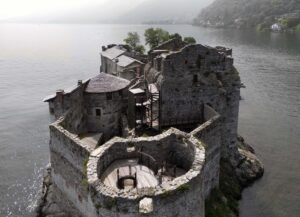
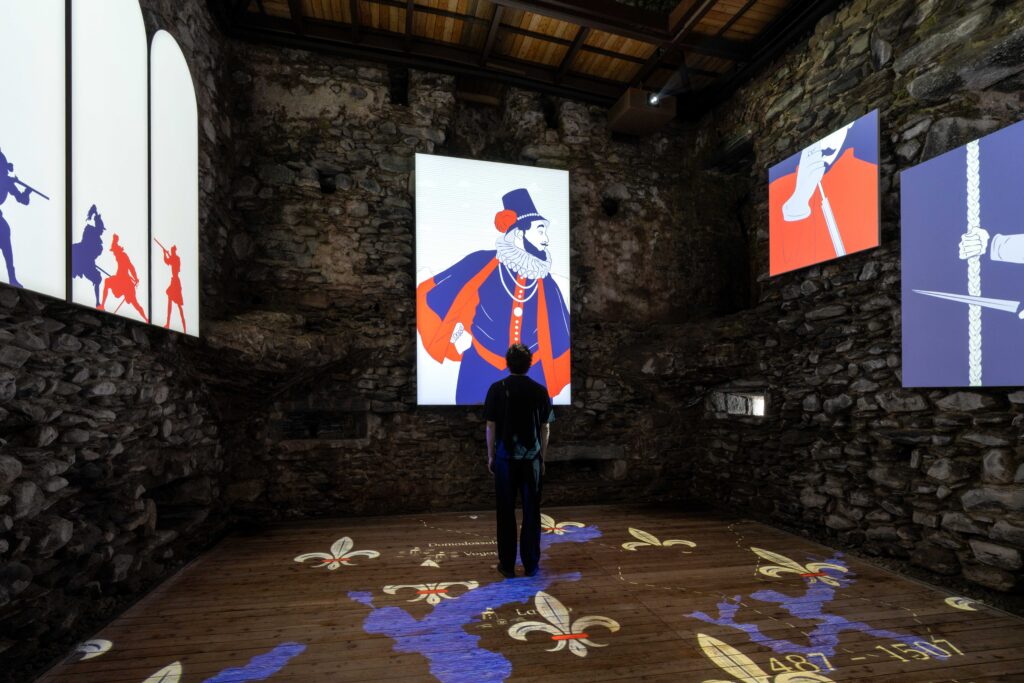
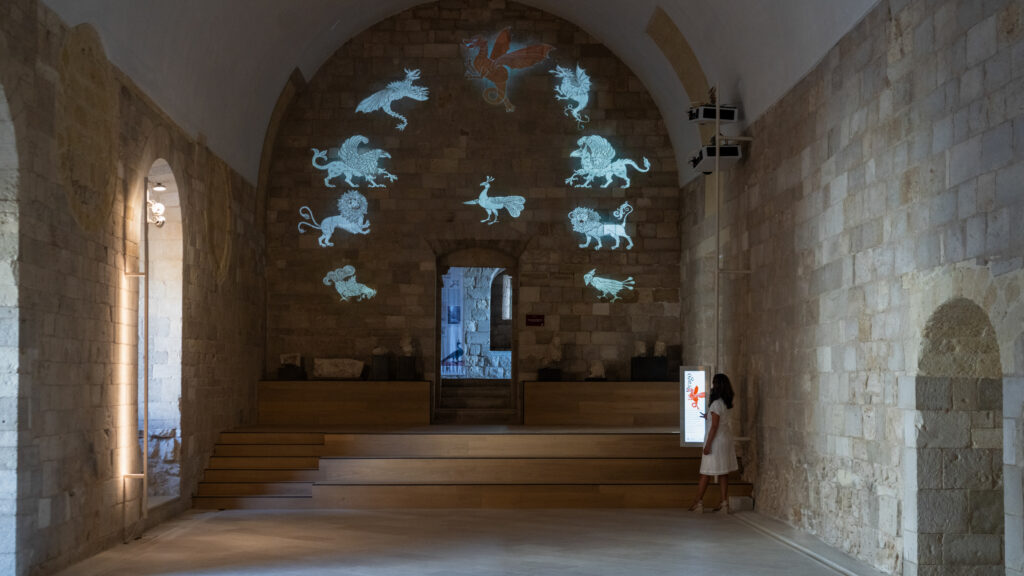
At the Castelli di Cannero, a group of medieval fortifications rising from the waters of Lake Maggiore and recently restored by the Borromeo family, the studio deliberately chose not to reconstruct the fortress as it once appeared at the height of its splendour through augmented reality. Instead, visitors explore the site using headsets that weave narrative elements into the ruins as they exist today, allowing the architecture to tell its own story rather than replacing it with a virtual reconstruction. A similar philosophy informs Dotdotdot’s work at the Castello Svevo in Trani, where a new experiential visitor route – opened on 19 June 2026 as part of a wider restoration project coordinated by architect Anita Guarnieri – introduces interactive installations that sit harmoniously within a site layered with centuries of architectural and historical significance.
Over the years, Dotdotdot has also turned its attention to what visitors never actually see, but which plays a crucial role in the way museums operate: data. Information about visitor behaviour, movement through exhibition spaces and audience engagement has become the basis for a new generation of digital tools designed not only to enrich the visitor experience but also to support museum management.
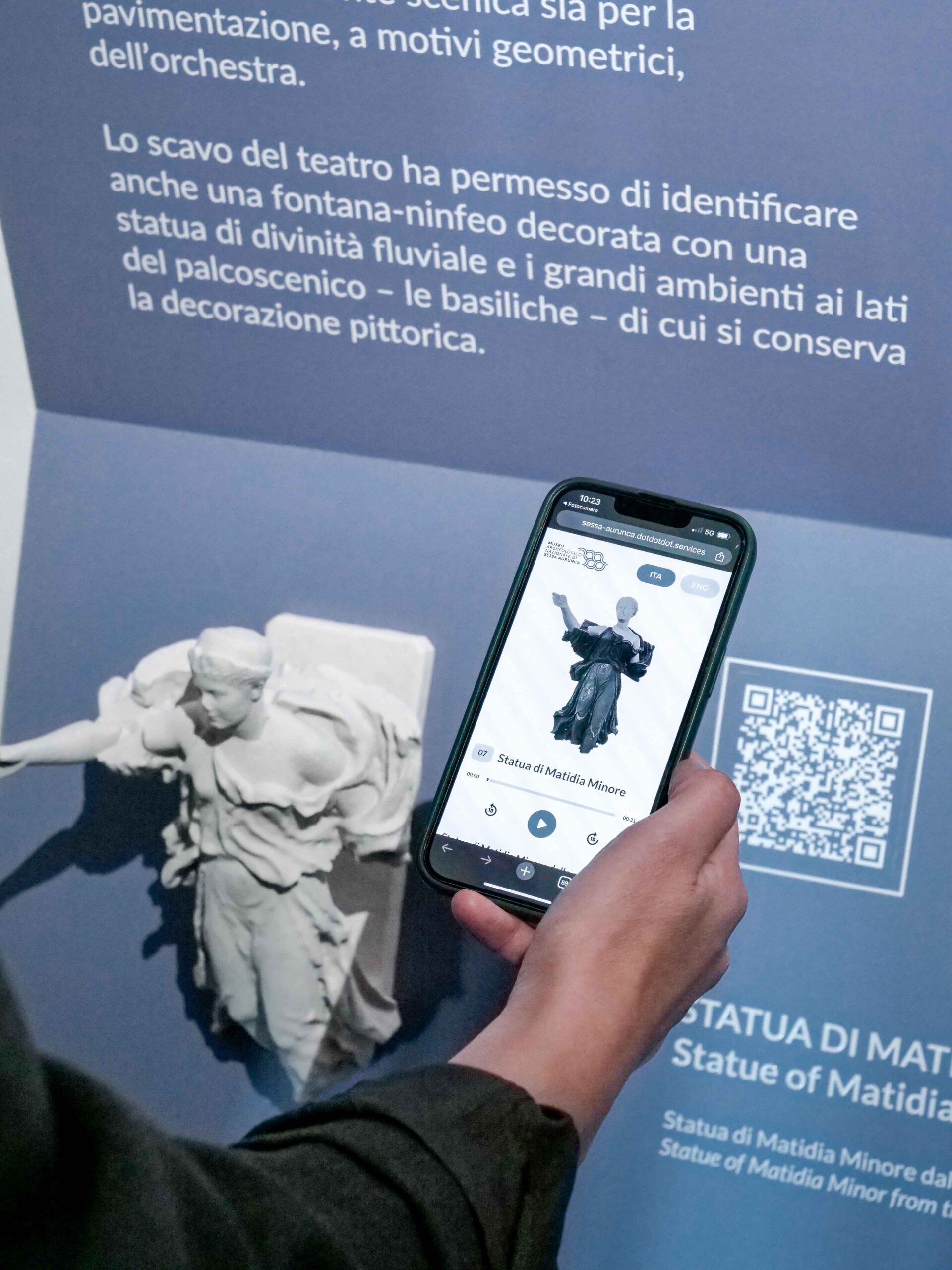
This research led to the development, in collaboration with Fondazione Luigi Rovati in Milan, of a digital infrastructure that received both the IF Gold Award and the Red Dot Award in 2024. The platform has since been selected as the foundation for the Italian Ministry of Culture’s Musei Italiani app. The system consists of two complementary components: the first is a back-office platform – similar to the management software commonly used in the corporate world but still relatively rare in the cultural sector – which enables museums to organise content and analyse visitor data; the second is an adaptive digital guide capable of tailoring information and navigation to individual users, creating a more personalised museum experience. This approach will soon find application on an even larger scale in the BEIC – European Library of Information and Culture, currently under construction in Milan’s Porta Vittoria district. “For us, technology can be designed from scratch just like any other architectural artefact,” says Masserdotti. “Artificial intelligence certainly has a place. We already integrate it into some of our products and services, but it should never become the default answer to every problem. Technology only has value when it genuinely serves people’s needs.”