

Nearly 70% of the world’s mid-end to high-end bicycles are produced by Taiwanese companies. Now the industry is entering a phase that demands both manufacturing excellence and greater responsiveness to diverse and highly customized market needs. The Taiwan Design Research Institute (TDRI) and the Cycling & Health Tech Industry R&D Center (CHC) have designed a platform to support the broader design thinking process. By integrating large-scale industry data with AI-driven analysis, it enables designers to move more efficiently from research to concept development and evaluation.
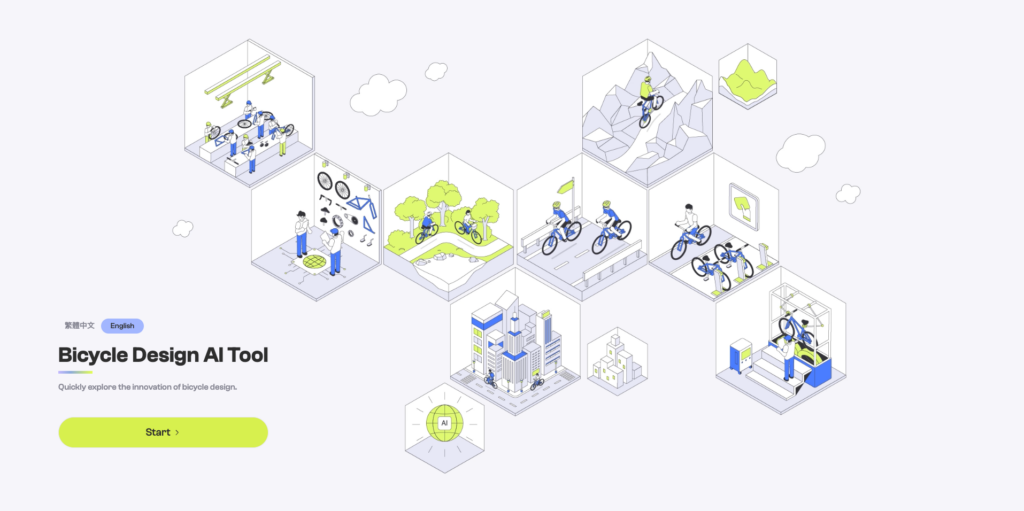
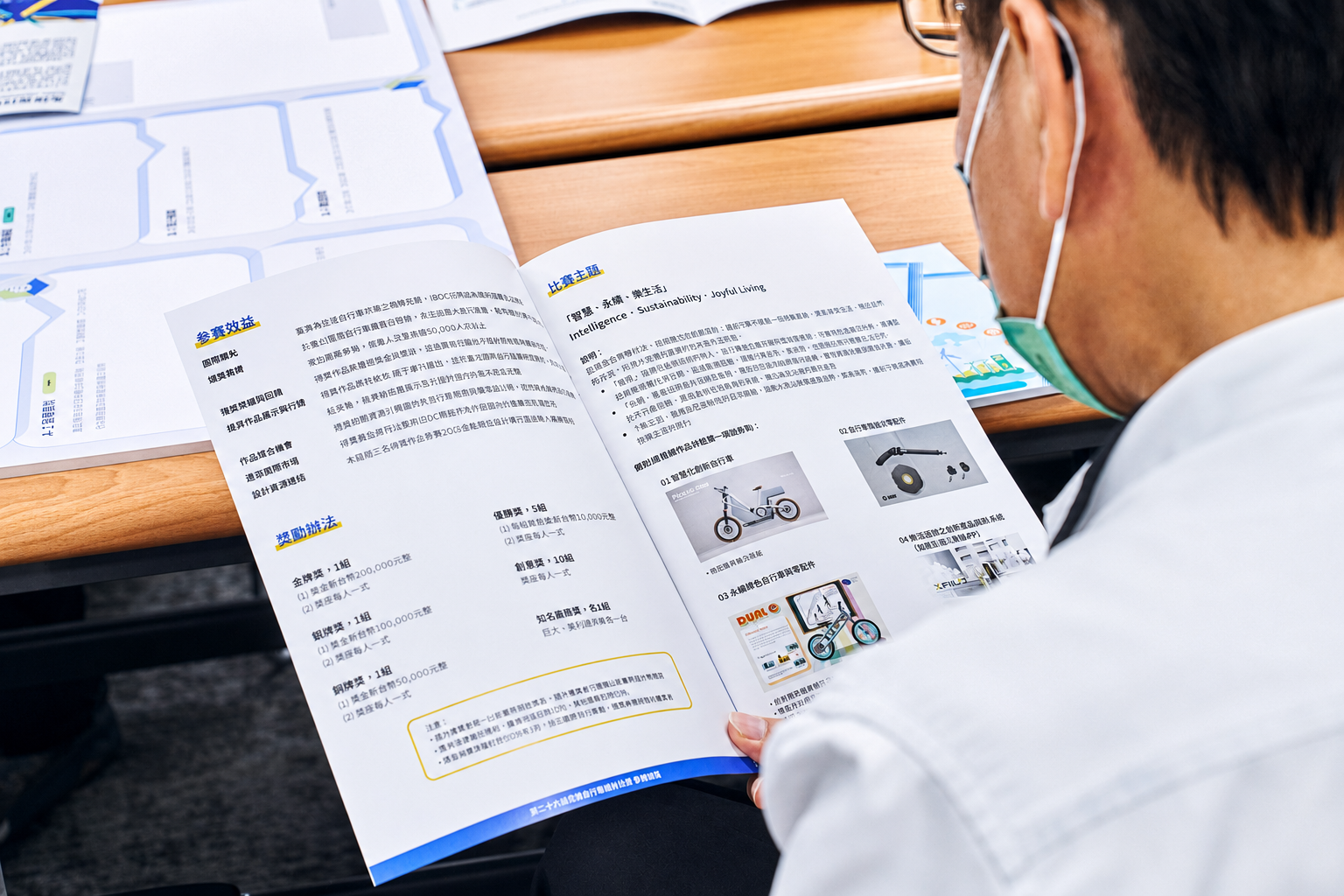
In the 1980s the global bicycle manufacturing hub of Taiwan shifted from mass production to design-led offerings. Competition from China has led to more creative and distinctive outputs. To further encourage a culture of design thinking the International Bicycle Design Competition was launched in 1996 with the support of the Ministry of Economic Affairs. Now in its 26th edition it has attracted more than 14,700 entries from 87 countries. With the realization that designers continue to face time-consuming issues during the initial creative phase, the TDRI and the CHC have developed an AI tool that brings the accumulated knowledge of an entire industry into the earliest, most uncertain moments of the process. Drawing on PESTEL analysis (a tool used to identify the macro-forces – Political, Economic, Social, Technological, Environmental and Legal – facing an organization, ed.), competitive data, regulatory constraints and emerging trends, the tool is built to sharpen the questions a designer needs to ask when designing a bicycle.
We spoke with TDRI and CHC teams about what it means to build AI that amplifies judgment rather than overrides it.
You describe this as a design thinking tool, not a generative AI tool. How do you ensure the system amplifies a designer’s judgment rather than replace it?
When we spoke with designers about their actual workflows, we quickly understood that the most valuable part of their process is not the research. It is instead the judgment they exercise after absorbing information, that moment of deciding that a direction is worth pursuing. That is precisely what we did not want AI to replace. So we designed the tool so that every suggestion the AI provides can be traced back to its source. The AI is not simply generating plausible-sounding answers. Each response can be verified and questioned. In the bicycle industry especially, where products involve intricate questions of component integration, an unsourced AI response loses trust immediately. The answer has to come with credibility to be useful.
Did everyone use the tool in the same way?
Senior and junior designers used the tool very differently, but both got something from it. Experienced designers used it to compress days of market research into hours. Newer designers used it as a thinking framework for structuring a complex problem. Both uses are about amplifying what designers can do.
Does revealing manufacturing constraints earlier in the design process limit the designer?
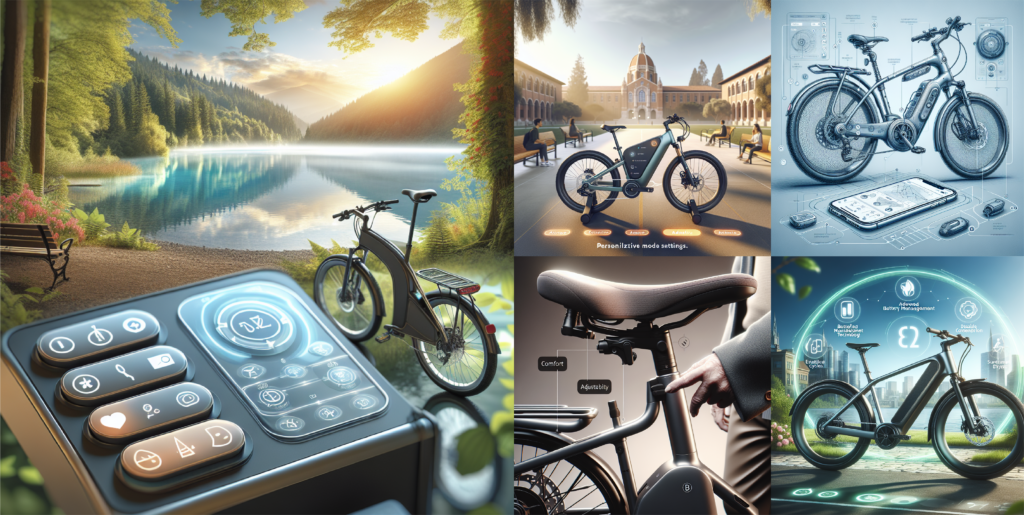
Once constraints are visible from the start, designers gain a more practical form of creative freedom. In a traditional process, designers new to the industry often begin by expanding ideas before key information is clear. They may not know whether a component exists, whether a specification is manufacturable, or whether a material cost is realistic. This can appear to be freedom, but it often ends in frustration: a design that looks promising on paper is declared unfeasible at the engineering stage. What our tool does is make tacit knowledge explicit and systematic, so that even novice designers can develop this kind of judgment early. It narrows the gap between senior and junior designers and allows the industry’s collective design capacity to be spent on real possibilities rather than on repeated dead ends.
The platform was validated through 300 real-world scenarios. What did that process teach you about the difference between what AI thinks designers need and what they actually need?
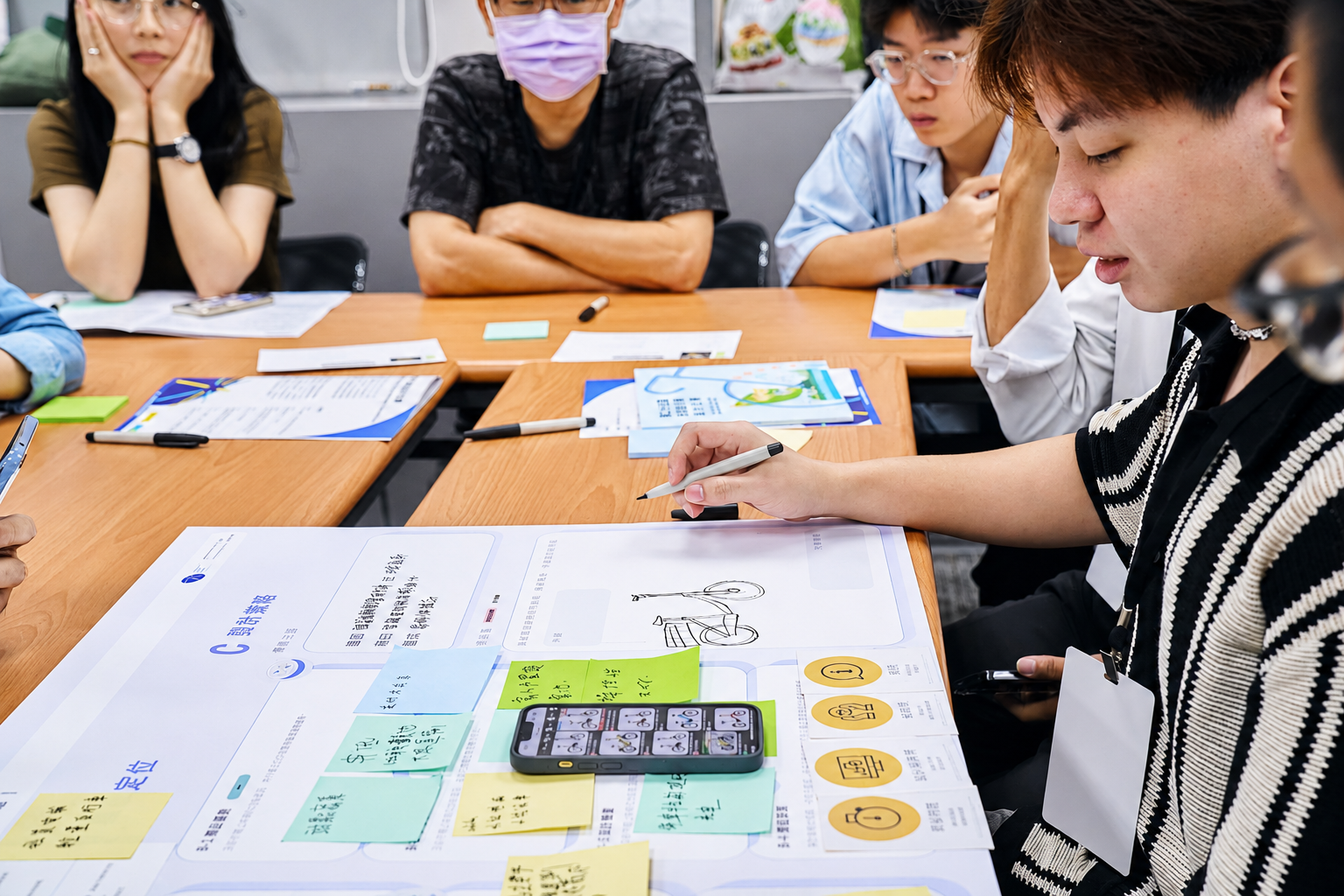
At the beginning, from an engineering perspective, we assumed that a sufficiently powerful model could generate complete design strategies and make judgments on behalf of designers. Once we entered real design workflows, we understood that things do not work that way. What designers need is not the answer itself. It is a way to move their thinking forward, to build context, to understand the problem more clearly. Design is not a straight line from problem to solution. It is a continuous process of exploration and revision.
AI could quickly produce market analyses and user personas that looked very much like a consultant’s report, but much of this remained at the level of information organization. The real design work happens in how designers interpret a situation, build consensus with stakeholders, and translate vague observations into actionable directions. That realization changed our engineering approach entirely. We stopped treating AI as a tool for generating solutions and started designing it as a collaborative system that could accompany designers in their thinking.
How does the tool work?
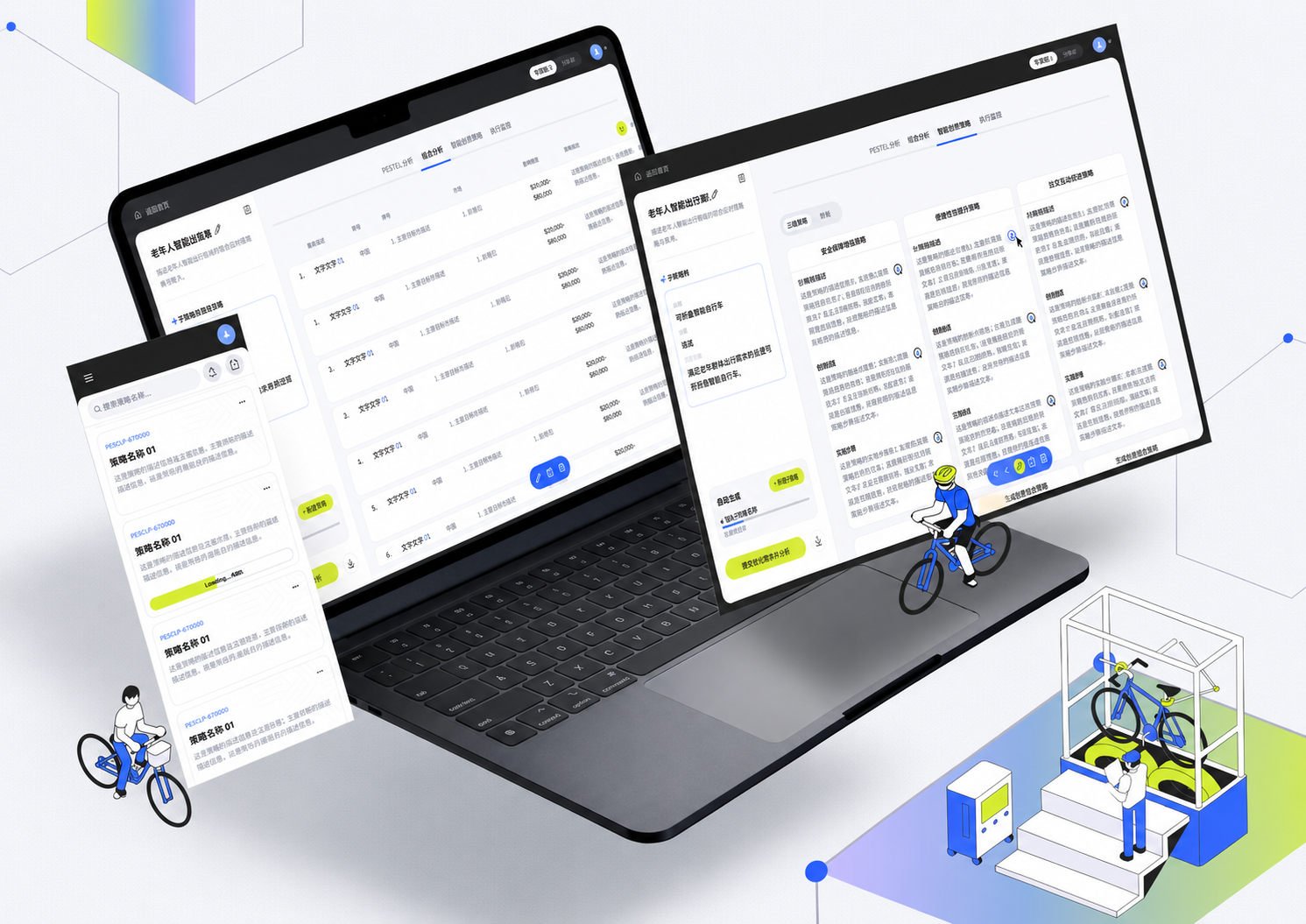
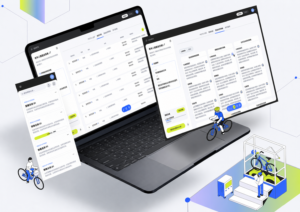
Once users log in, they can access the ‘Strategic Analysis’ section to create a new project, import an existing project or view past projects. To start the analysis, each project requires users to enter the bicycle type, region, and, optionally, the target audience.
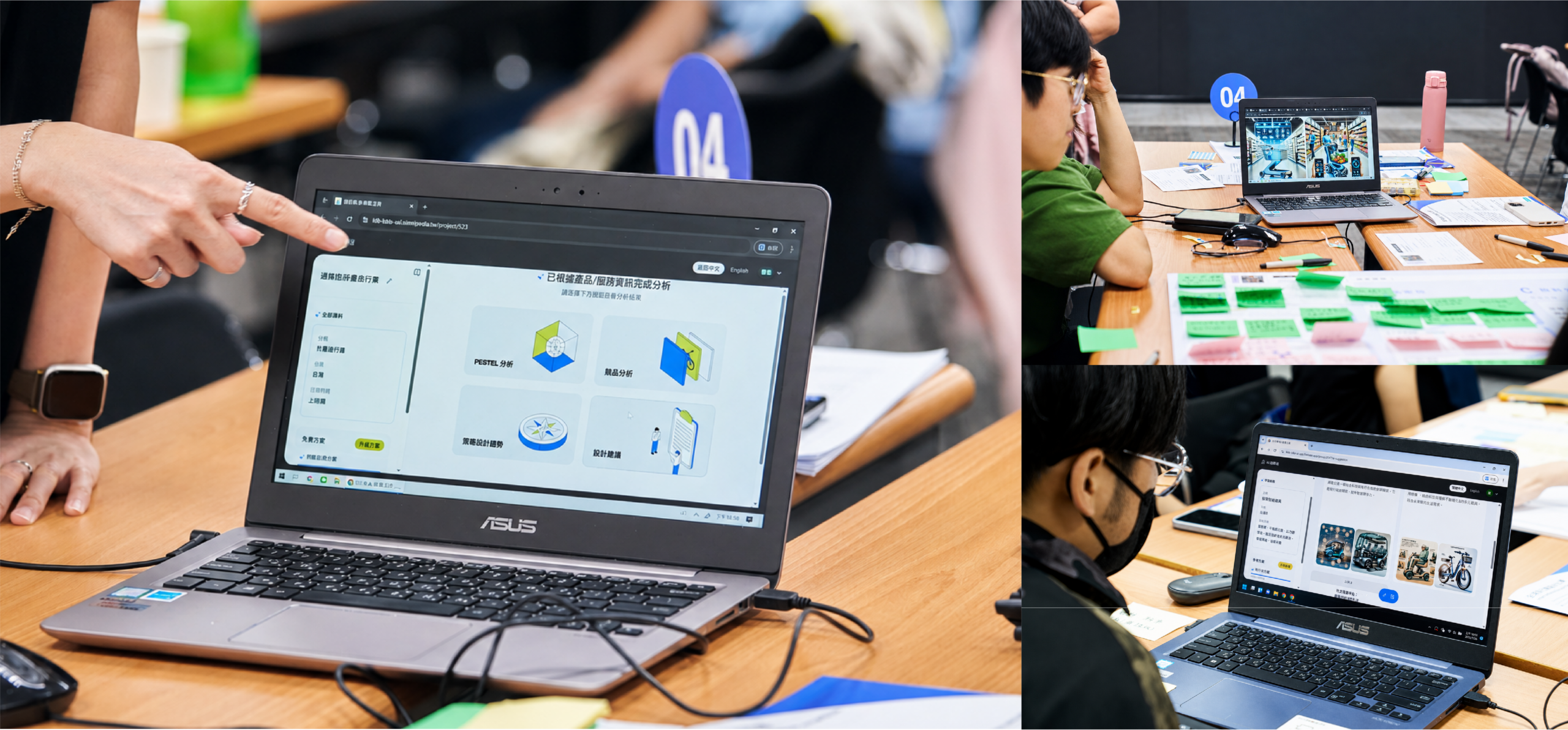
The system then supports analysis through four modules: PESTEL Analysis, Competitor Analysis, Explore Design Trends, and Design Recommendations. Together, these modules help users examine political, economic, social, technological, environmental and legal factors; compare pricing and specifications; and review patents, materials and aesthetic directions related to product and service innovation.
Users can switch between tabs to view different insights. All AI-generated content can be edited and organized as needed. If users want to adjust project details and run the analysis again, they can click on ‘Partial Regeneration’.
Has the tool revealed unexpected potential?
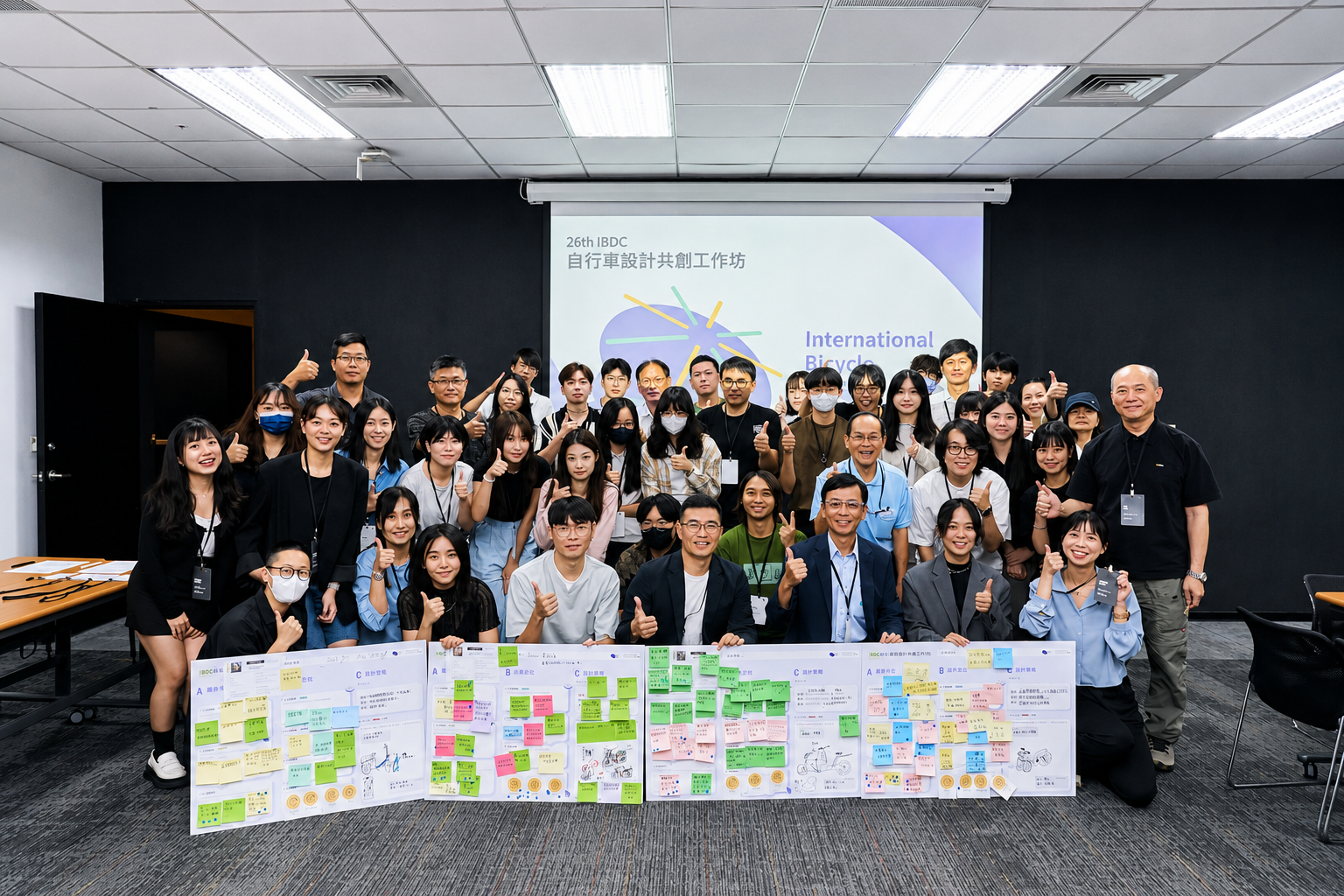
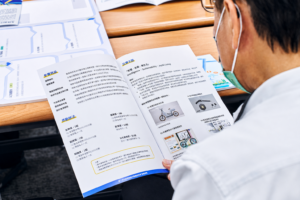
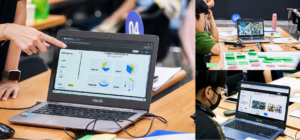
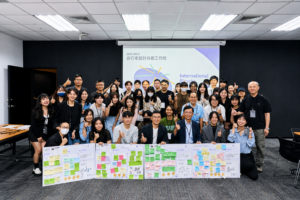
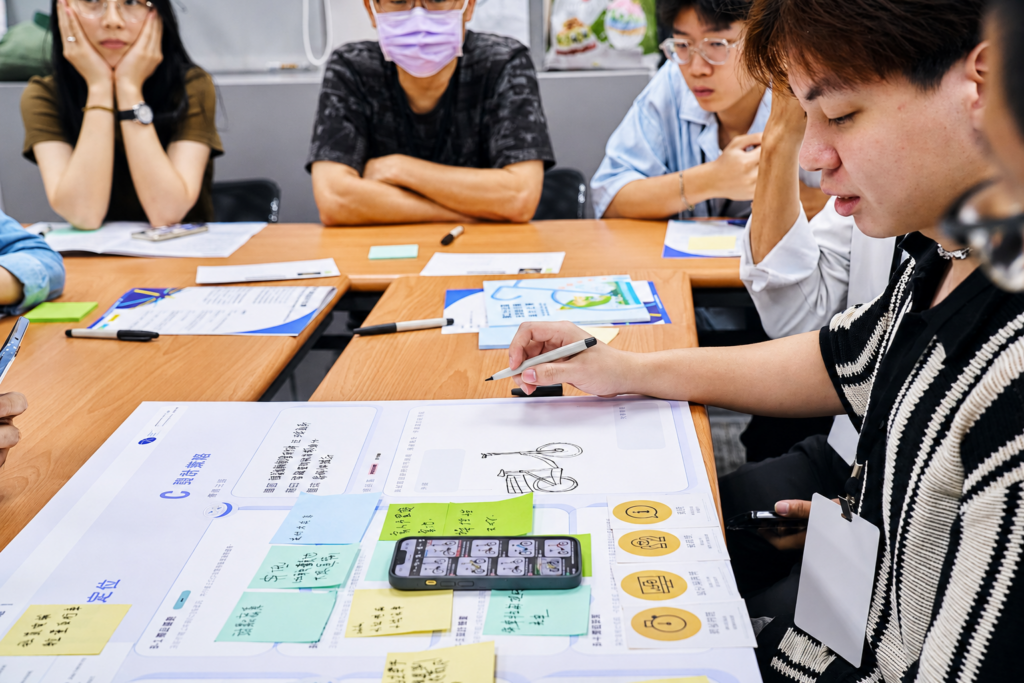
Bicycle design has always had a high knowledge barrier. What surprised us most was the tool’s capacity for what we would call industry knowledge translation. We expected it to help designers move faster. What we did not anticipate was how effectively it lowered the barrier for people coming from entirely different backgrounds. In workshops and engineering training programs, participants without any bicycle industry background were able to quickly understand market structures, user scenarios, and feasibility constraints.
What is the larger vision for this tool, beyond bicycles?
We chose the bicycle industry as a first demonstration because it concentrates so many design dimensions at once: materials, ergonomics, structural and aesthetic design, branding, regulation. But the real goal is to build an AI Design Strategy Framework that can move across industries. Many sectors face the same underlying problem: valuable design knowledge is scattered across departments, supply chains and individual experience, and when people leave, that knowledge disappears with them. What we are building is a system that can preserve this knowledge as an organizational asset, keep it current and make it available at the moments when it is most needed – the earliest, most uncertain stages of design. We have already begun building a database for the healthcare sector. Fields such as smart mobility, furniture, and public services could follow.