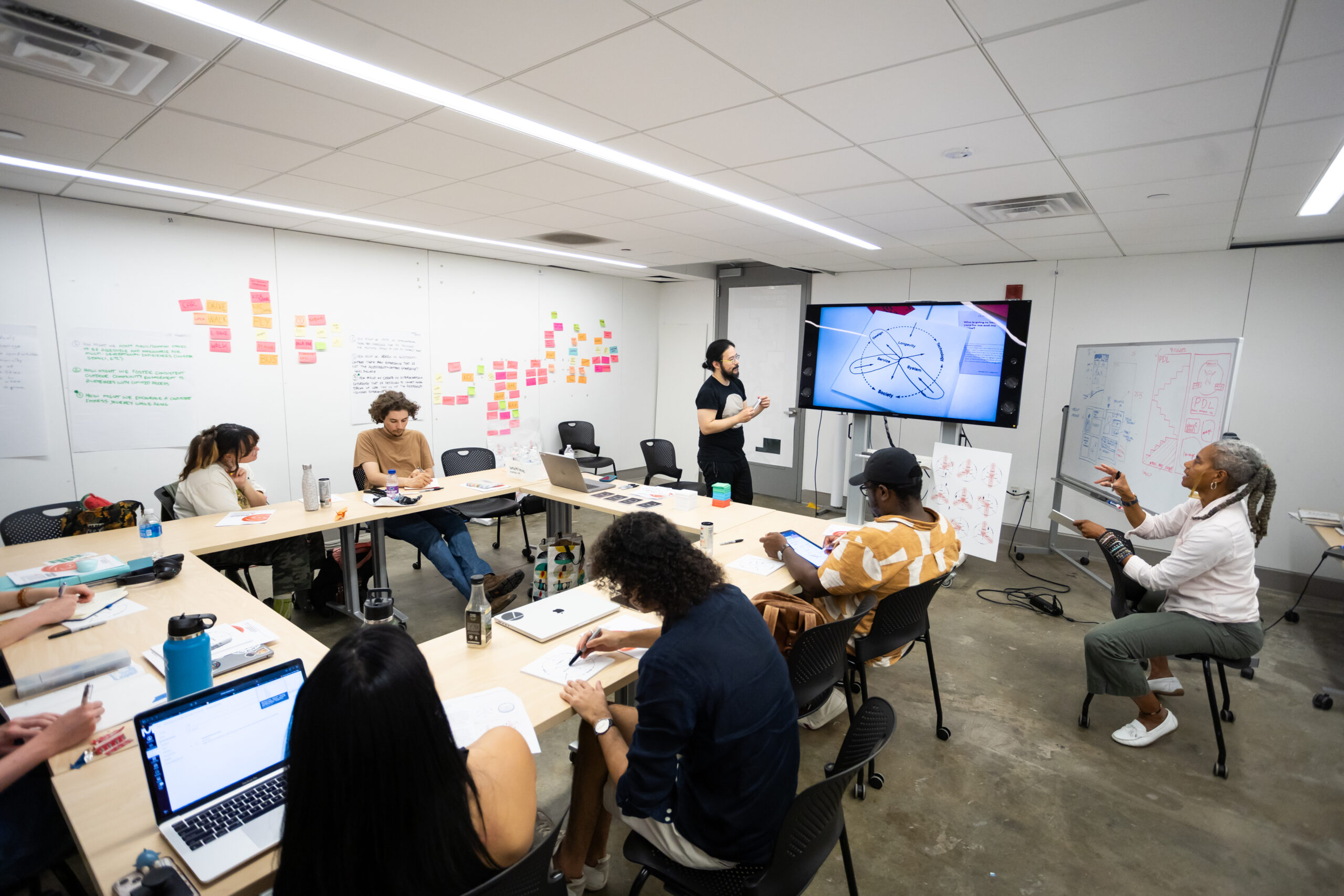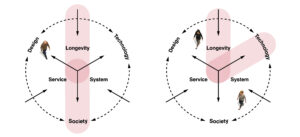


Assistant Professor of Urban Technology at the University of Michigan Sheng-Hung Lee explains to humus© why looking at slow data can help us create the designs that meet the needs of the many, as humans continue to live longer. Professor Lee has formulated Design for Longevity (D4L), a lens for identifying longevity-oriented design opportunities and envisioning products, services, and experiences that enable people to thrive across their lifespan in the context of shifting age demographics. Distinct from design for linearity (purchase-use-dispose) or design for circularity (resource optimization within closed loops), D4L emphasizes the co-evolutionary relationship between service providers (e.g., organizations), service recipients (e.g., users), and design systems across life stages and scales—from products to services to cities.
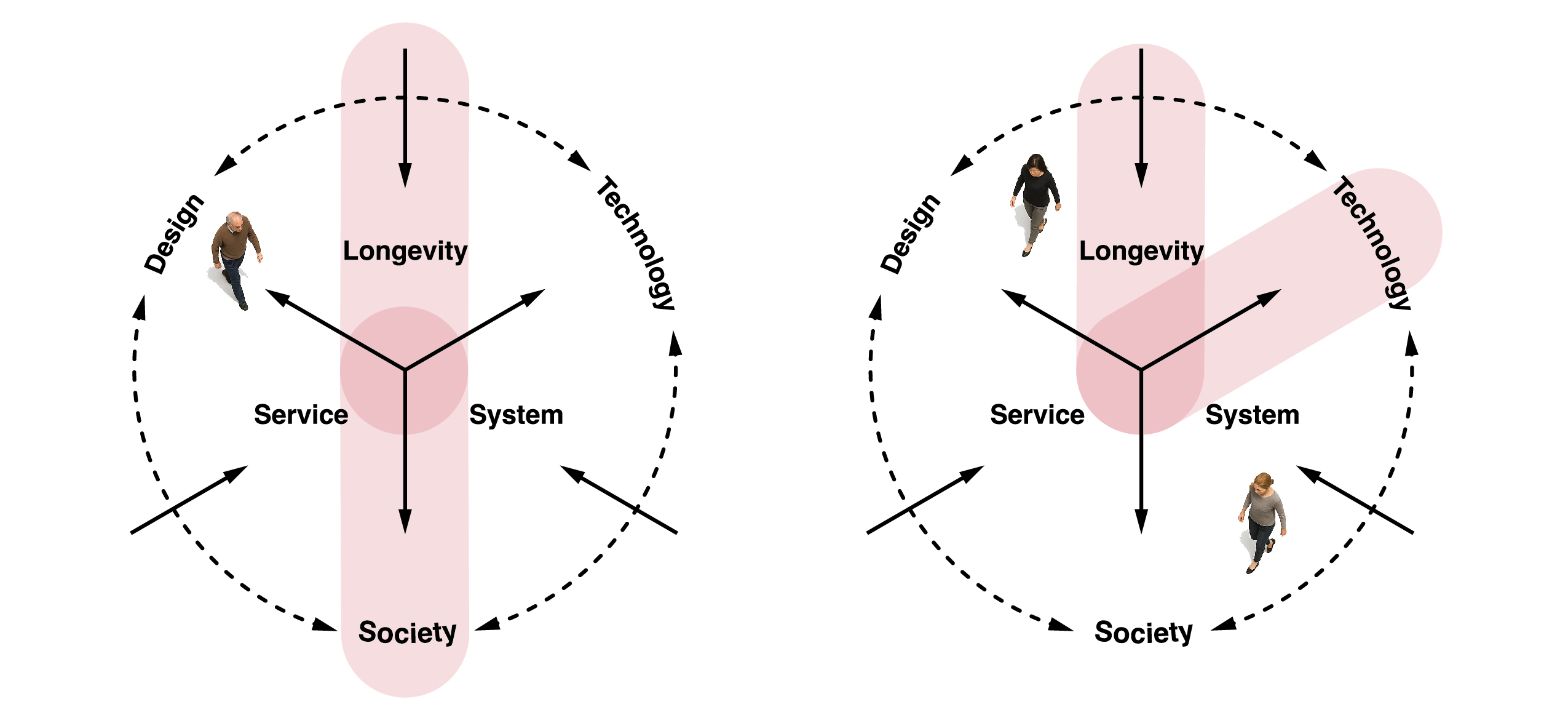
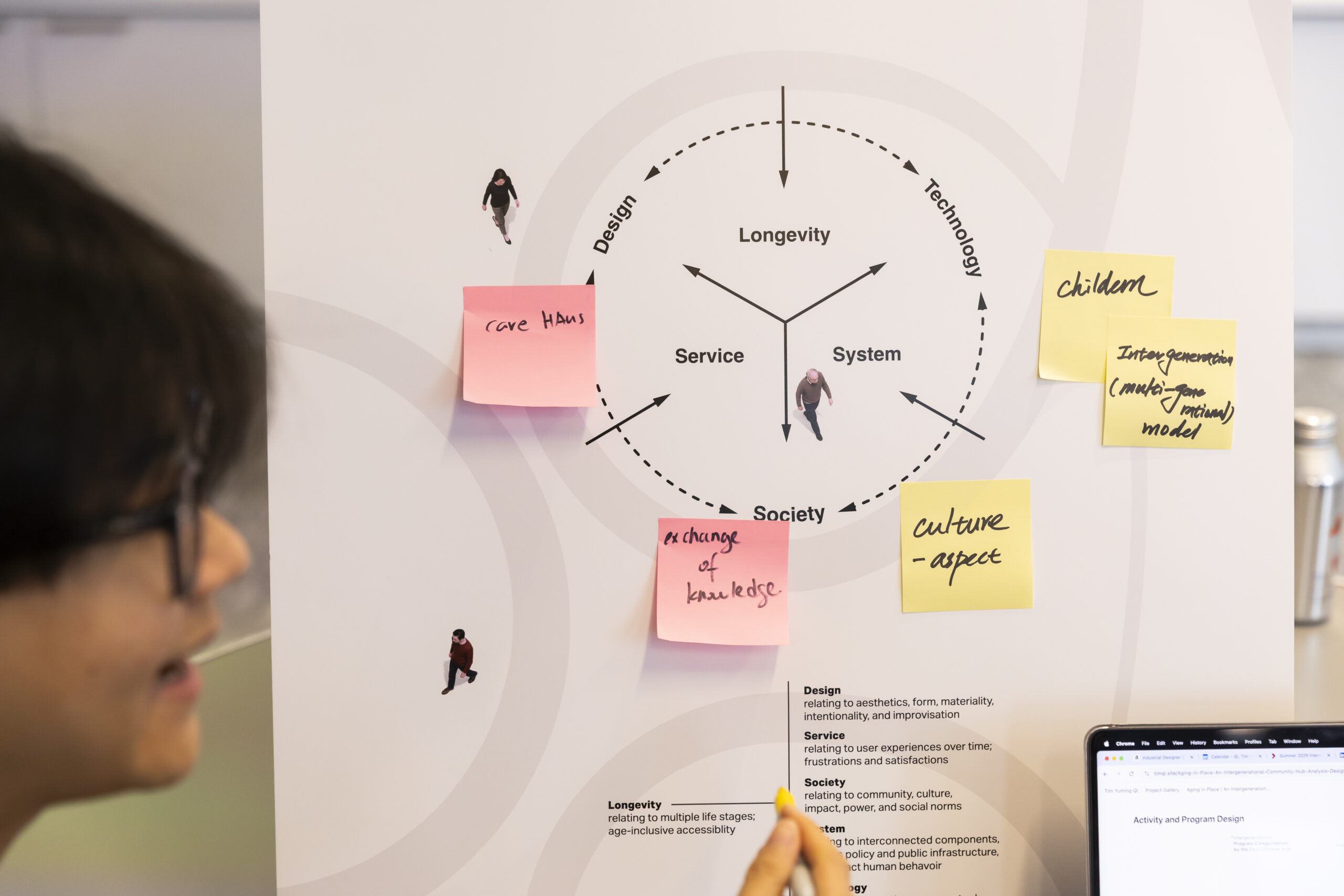
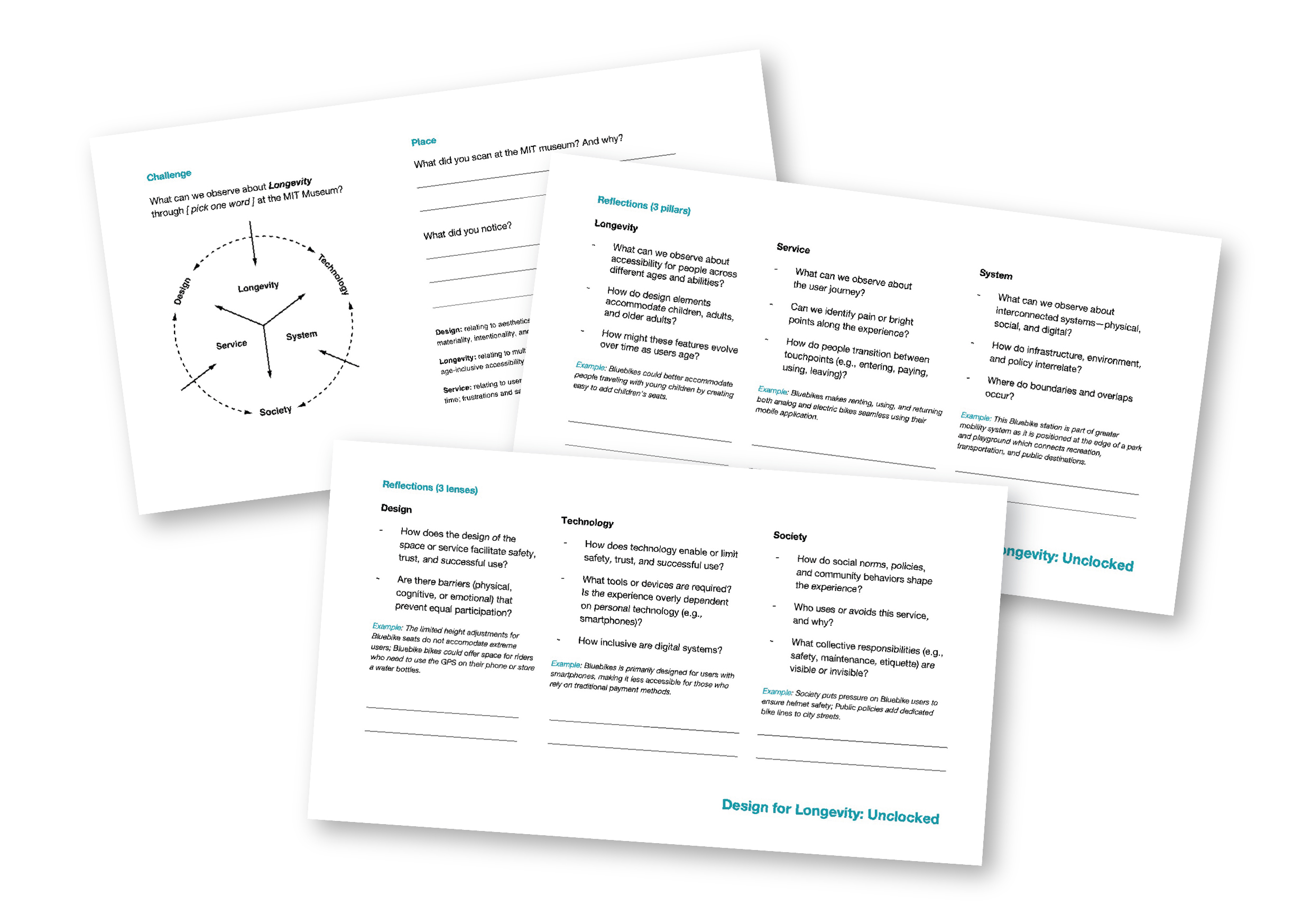
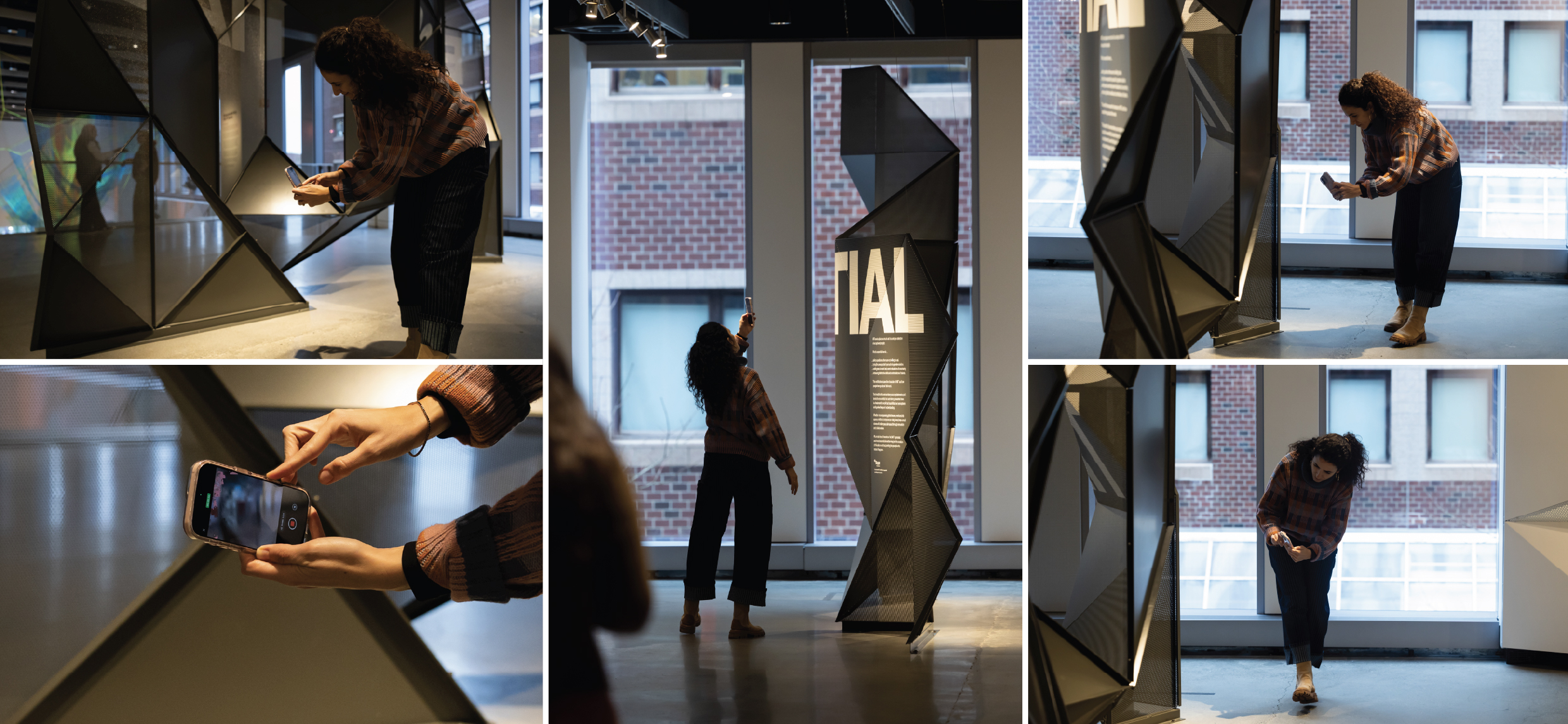
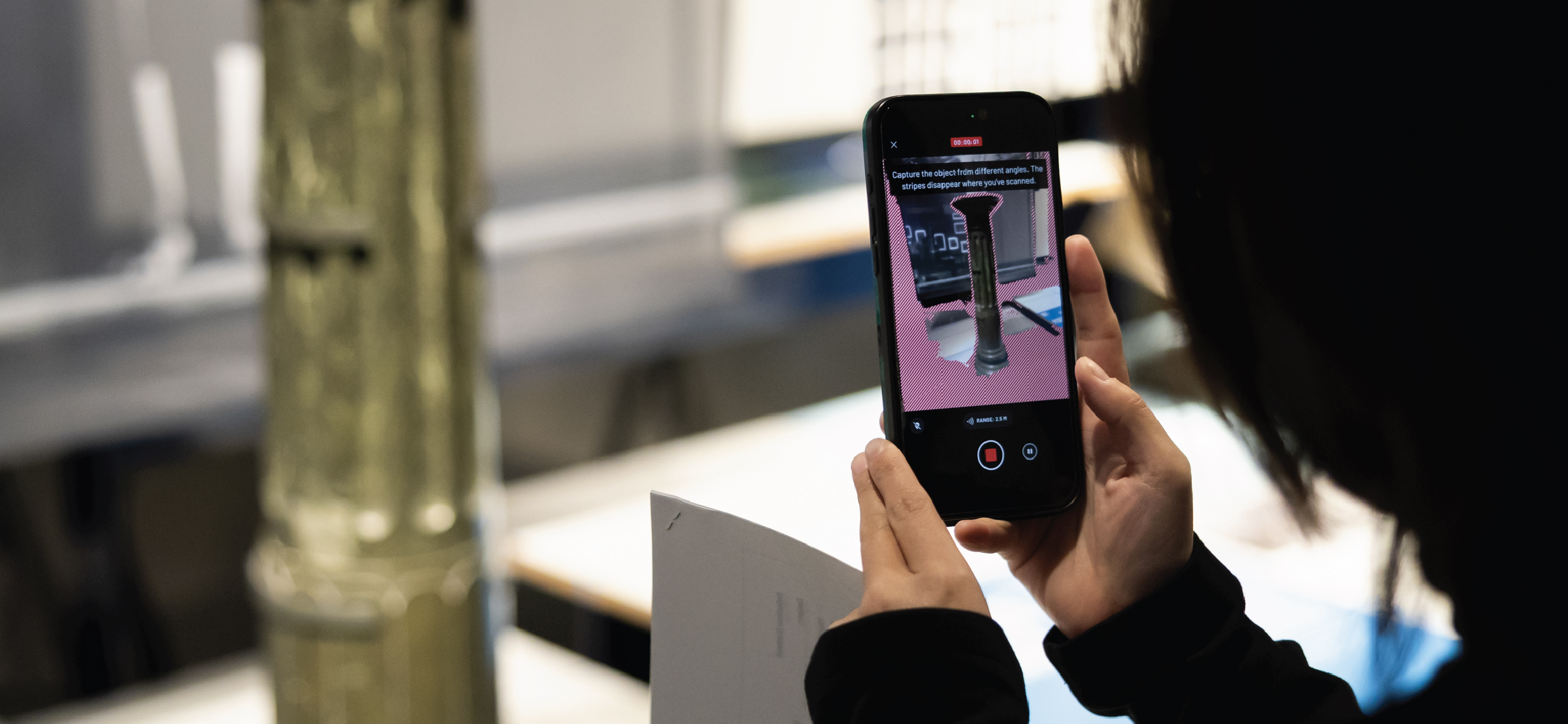
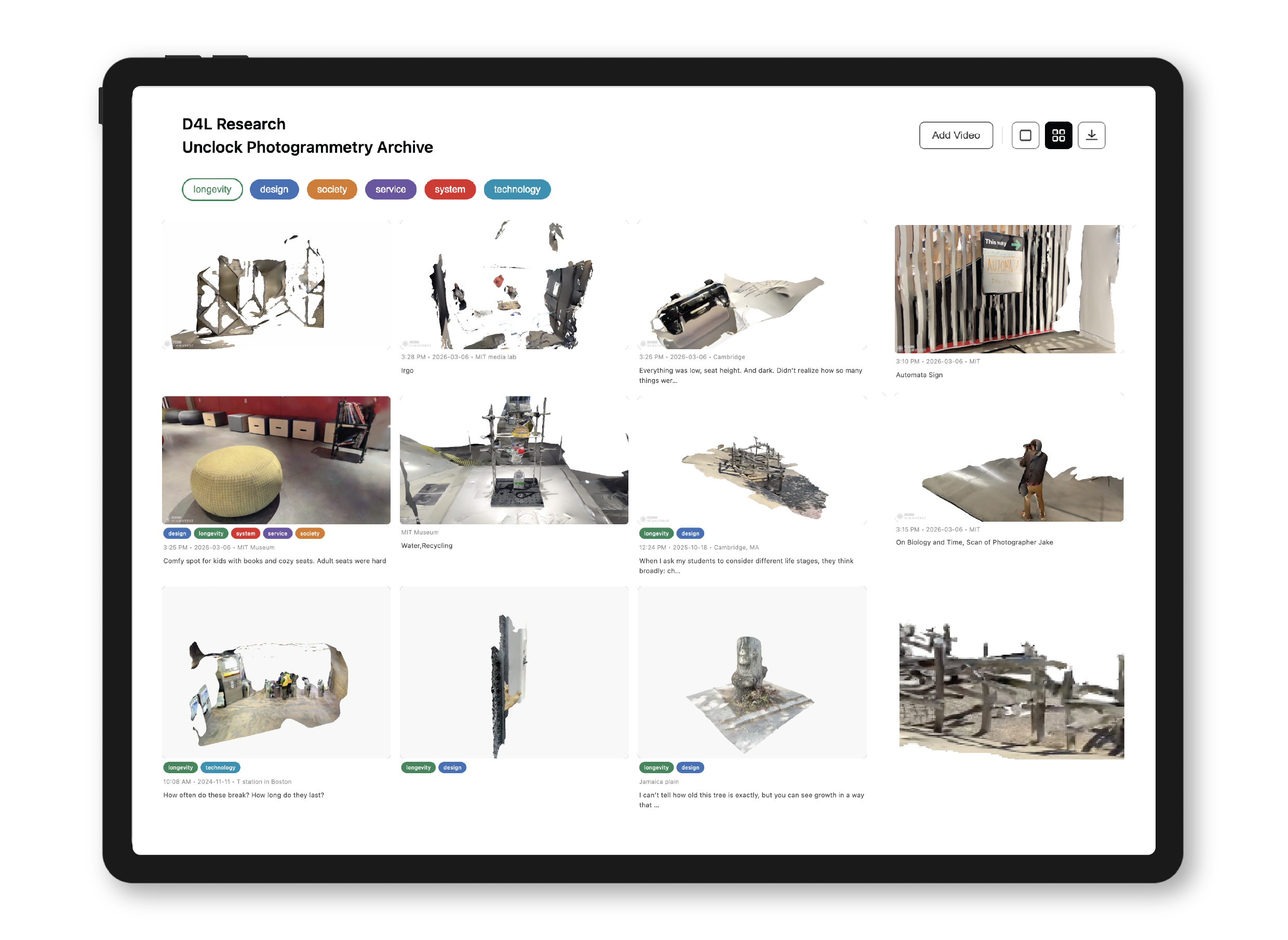
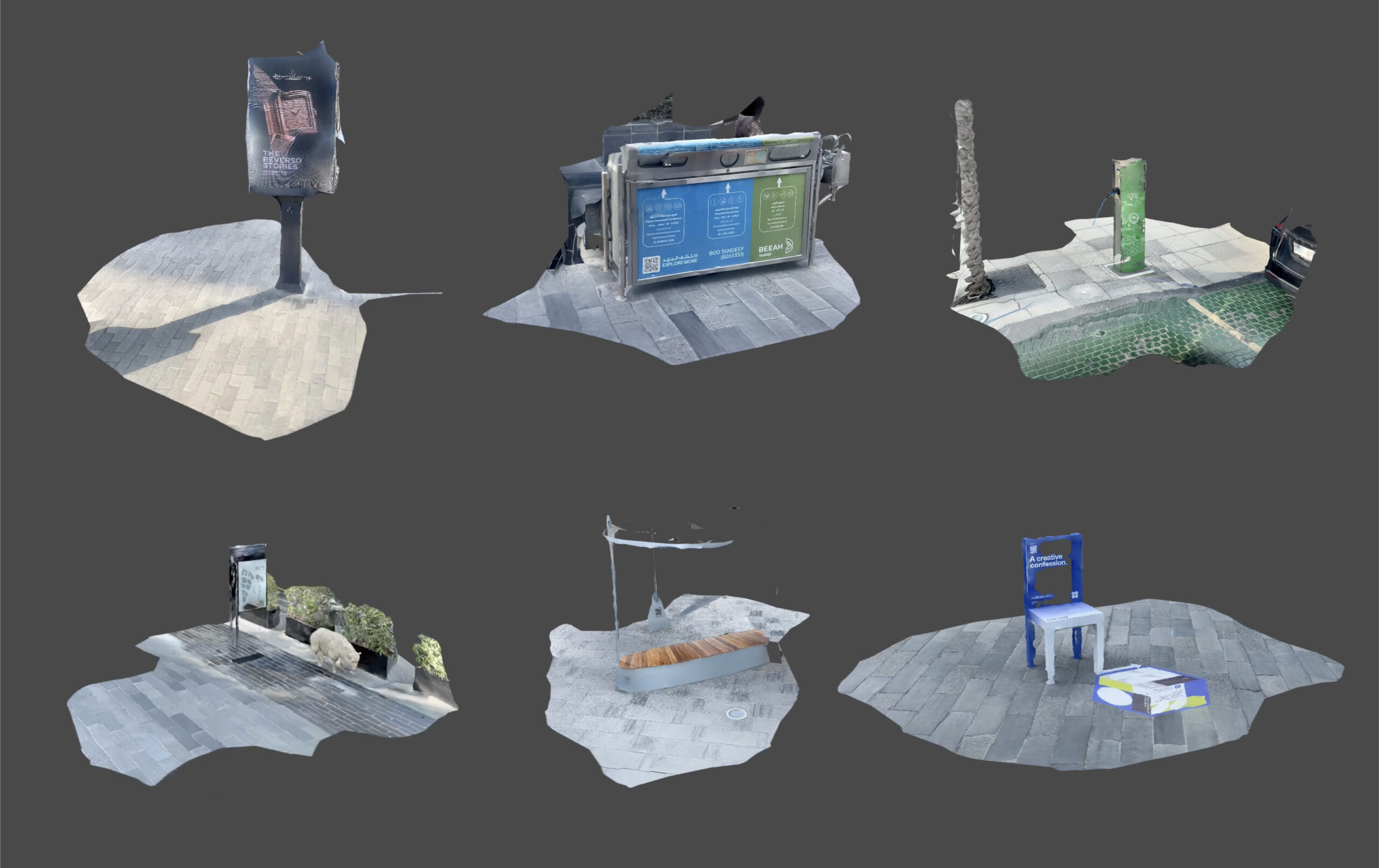
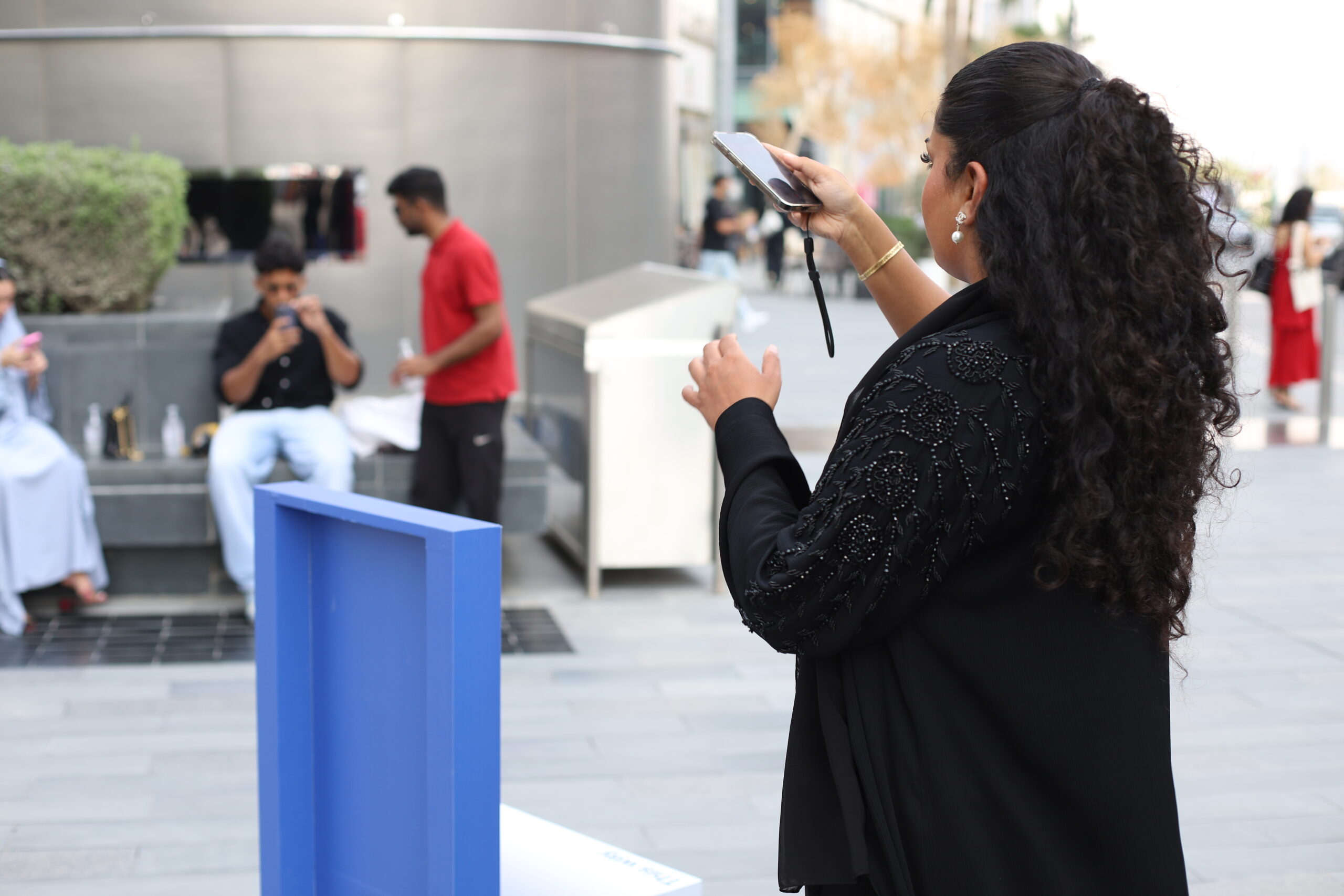
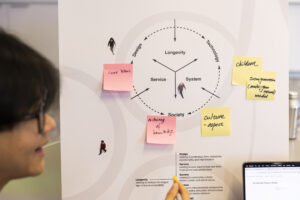
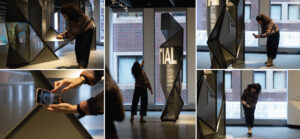
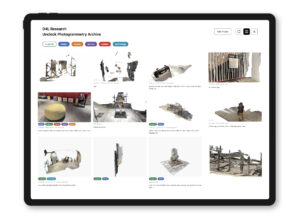
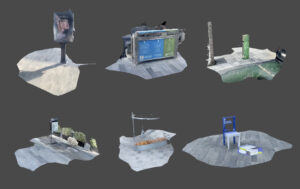
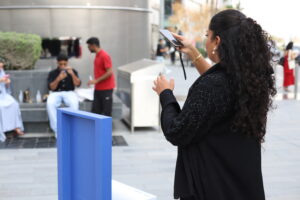
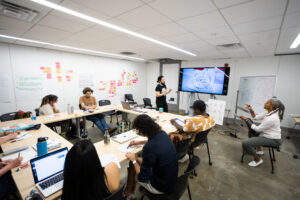
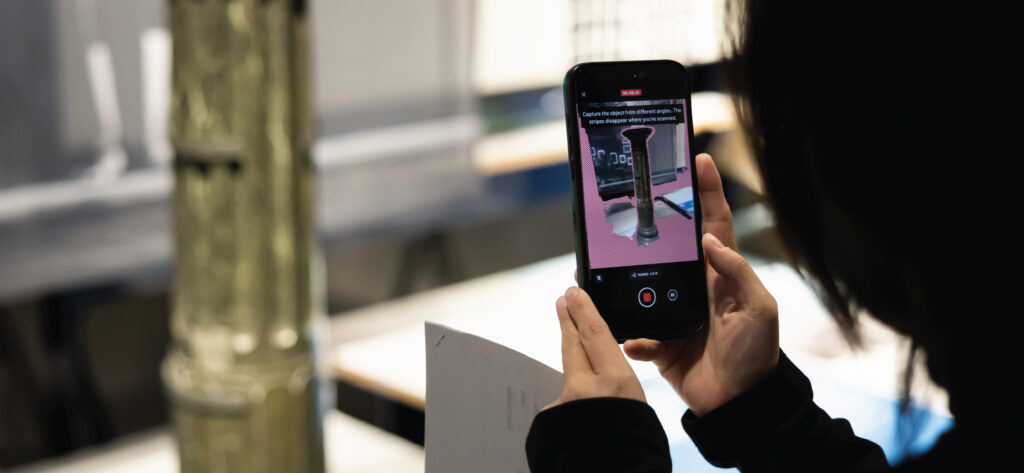
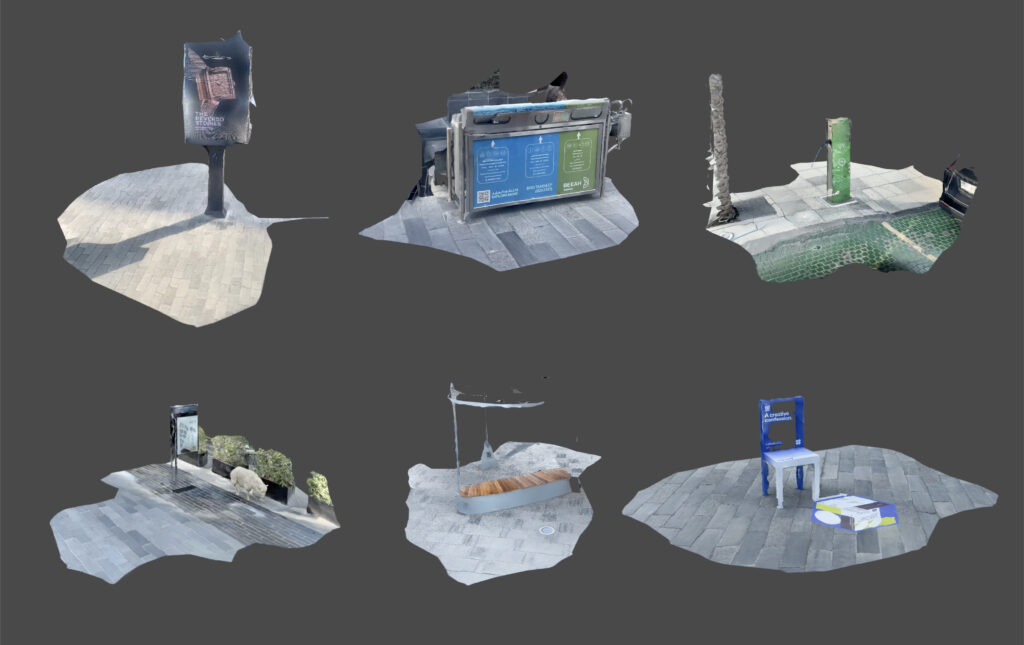
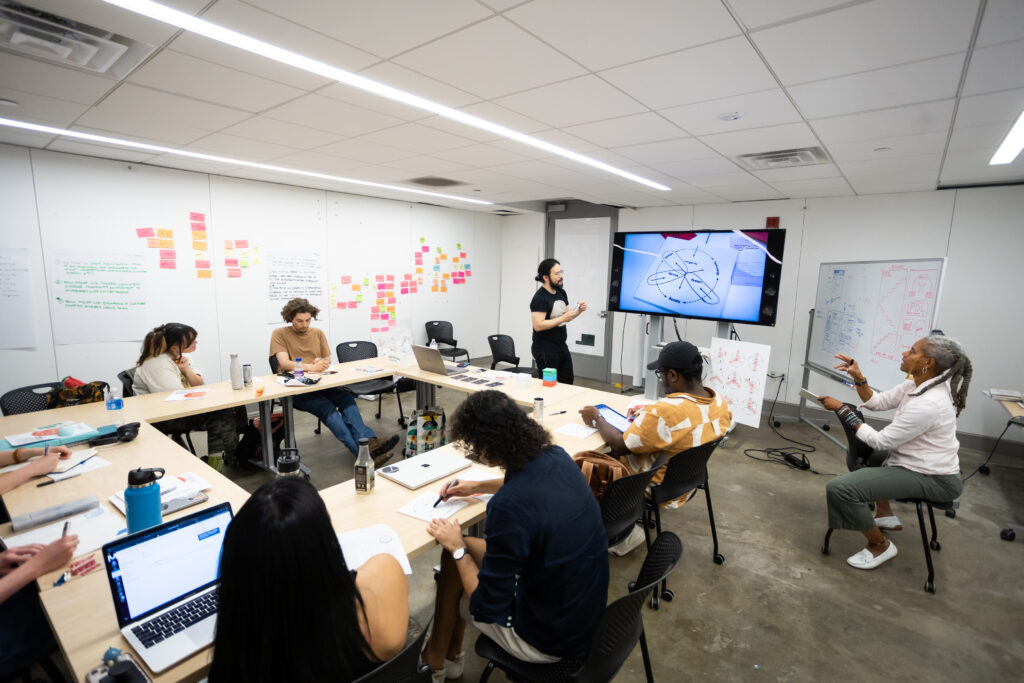
Professor Lee conducts workshops where participants use the D4L Unclock Framework’s three pillars (longevity, service, system) and three lenses (design, technology, society) to structure their scanning and reflection process. Using smartphone-based photogrammetry – the process of creating 3D models from overlapping images – with the Design for Longevity (D4L) Unclock Framework, users can document and interpret spatial details relevant to ageing. They go on to produce 3D models that can be further analysed to see how we can design and build better.
Why is it important to design for longevity?
For much of the twentieth century, design focused on making products, services, and systems more efficient, accessible, and desirable. Today, however, we face a different challenge: people are living longer, yet many of our institutions, technologies, and social systems were not designed for longer lives. Designing for Longevity (D4L) is about helping individuals and communities navigate an extended life course.
How?
It extends beyond healthcare and retirement planning to include questions of purpose, relationships, mobility, education, caregiving, financial wellbeing, and civic participation. I see longevity not simply as living longer, but as living better. Designers have a unique opportunity to help people imagine, discuss, and prepare for increasingly complex and uncertain futures. Through design, longevity can become something tangible, personal, and actionable rather than an abstract demographic trend.
How does the D4L Unclock Framework function?
It is both a conceptual framework and a design tool that helps participants explore longevity from multiple perspectives. Rather than viewing ageing as a linear progression, it encourages people to understand life as an interconnected system shaped by personal choices, social relationships, technologies, services and cultural values. The framework is organised around six interconnected dimensions: three pillars – Longevity, Service, and System – and three lenses – Design, Technology, and Society. Together, they help participants identify relationships, opportunities and tensions between individual experiences and broader societal structures. For example, a participant may begin with a personal reflection about ageing and then connect it to mobility services, caregiving systems, emerging technologies or public policy. By moving across the three pillars and three lenses, participants can uncover insights that are often difficult to see through a single disciplinary perspective. The framework functions as both a reflective and generative tool. It supports dialogue, critical reflection and future-oriented thinking while helping participants develop concepts and strategies for longer and more fulfilling lives.
What backgrounds did the participants have? Did they require prior knowledge of the project?
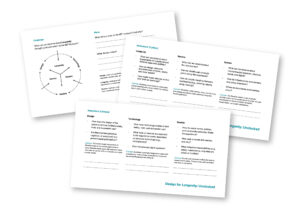
One of the strengths of the D4L workshops is the diversity of participants. Workshops have included undergraduate and graduate students, designers, researchers, educators, community members, older adults and professionals from healthcare, technology, public policy, business, and the nonprofit sector. No prior knowledge is required. In fact, many participants encounter the concept of longevity for the first time during the workshop. The D4L tools, including the Unclock Framework, are intentionally designed to be accessible and engaging, enabling participants to contribute through their lived experiences rather than specialised expertise. We often find that personal stories become the most valuable source of insight. Conversations about family, caregiving, future aspirations, community and life transitions resonate across cultures, generations and professional backgrounds.
How do participants respond to using photogrammetry and slow observation?
Participants are often intrigued by the combination of photogrammetry and slow observation because it encourages a different pace of engagement. In everyday life, we tend to move quickly through environments and overlook subtle details. Slow observation invites participants to pause, notice and reflect. Photogrammetry adds another layer to this process. By carefully documenting and reconstructing objects or environments in three dimensions, participants begin to see familiar things from new perspectives. The process draws attention to materiality, texture, context and memory. Many participants describe the experience as both meditative and revealing. It shifts the focus from simply collecting information to cultivating deeper awareness and understanding.
What challenges did participants face?
One challenge is learning to slow down. Many participants are accustomed to fast-paced digital interactions and initially find reflective observation unfamiliar, whether during scanning or while reviewing the resulting models. Another challenge is embracing ambiguity. The D4L Unclock Framework does not provide predefined answers; instead, it encourages participants to explore open-ended questions about the future. While this uncertainty can feel uncomfortable at first, it often becomes a catalyst for deeper reflection and discussion. Technical challenges may also arise when using photogrammetry, particularly for participants with limited experience in digital tools. However, these obstacles frequently become valuable learning opportunities and encourage collaboration among participants.
Were there any surprising results from your workshops?
Conversations move beyond ageing as a healthcare issue. Participants consistently connect longevity to topics such as friendship, belonging, purpose, mobility, housing, education and identity. Another unexpected outcome is the emotional depth of the discussions. Participants often share personal stories about family members, future hopes and major life transitions. These conversations reveal that longevity is not simply a technical or policy issue – it is deeply human. We have also found that tangible tools, physical artefacts and visual frameworks often generate richer dialogue than conventional presentations or surveys. When abstract concepts become something people can see, touch and discuss together, they become more willing to imagine alternative futures and possibilities.
Do you encourage participants to use the app and continue uploading their findings to D4LResearch.com?
Yes. We view the workshops as the beginning of an ongoing conversation rather than a one-time event. The platform developed by Sofie Hodara allows participants to continue documenting observations, sharing discoveries, and reflecting on how longevity-related issues appear in everyday life. Over time, these contributions create a growing archive of stories, observations, and perspectives from diverse cultural and geographic contexts. Participation is entirely voluntary. Our goal is not simply to collect data, but to foster a community of inquiry where people can learn from one another and contribute to a broader conversation about designing for longer lives.
What are your long-term aims for D4L and the Unclock Framework?
My long-term vision is to establish longevity as a meaningful area of design practice, research, and education. I hope the Unclock Framework can function as a boundary object (Star & Griesemer, 1989) a shared platform that brings together designers, researchers, policymakers, technologists, educators, healthcare professionals, and community organizations to address complex longevity challenges collaboratively. Ultimately, I would like D4L to evolve into an open platform for teaching, research, public engagement, and policy innovation. Rather than viewing longevity as a problem to solve, I hope we can embrace it as an opportunity to redesign systems, services and communities that enable people to thrive throughout longer and more diverse life journeys.
Visit d4lresearch.com to learn more about Design for Longevity.