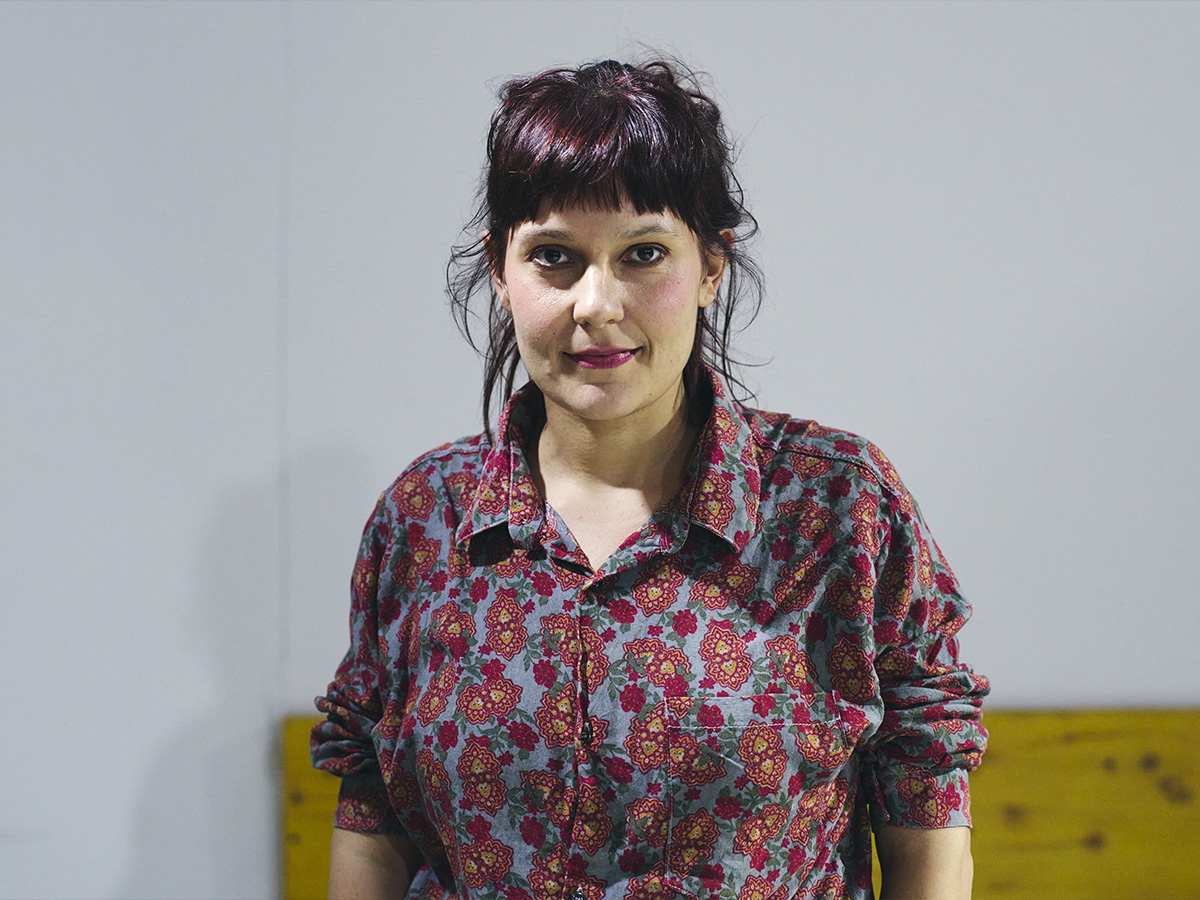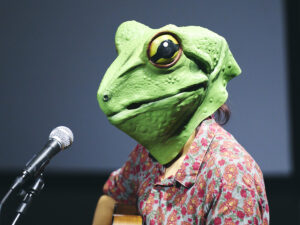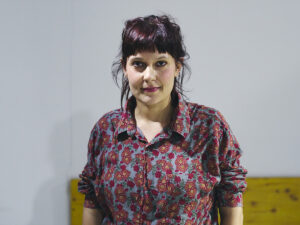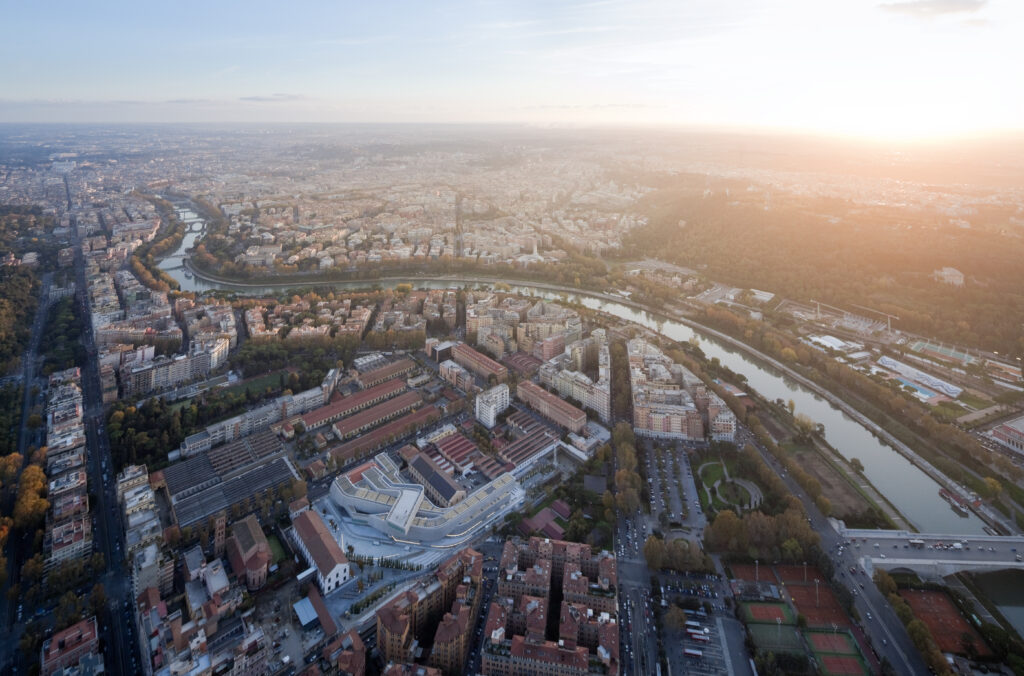


A singer, multimedia artist and PhD student in New Media, Giulia Deval explores the politics of the voice with rigour and delicacy. Winner of the 2024 Lydia Prize, her practice crosses languages and formats, often pushing herself beyond the human threshold, where even the woods speak. With Deval we discussed animal and human voices, frequencies that reveal power or vulnerability, and the transformative power of plant silence. Hers is a careful listening, which reminds us how sound – and its absence – can become the first step for (re)entering into relations with forest life. And with ourselves.
Everyone has their own relationship with the forest, which since childhood has been narrated in fairy tales as a place of magic, the unexpected, the other. What does the forest mean to you?
I have a lovely memory of the forest… indeed so lovely that sometimes I wonder if it’s true. I must have been around six, and I was with my grandfather. We were sitting in the shade in his vegetable garden, near the orchard that marked the end of the crop field near some purplish trees that I can’t remember the name of now. For me, everything ended at that dark line, as I wasn’t allowed to cross over the edge of the field on my own. As we were sitting there, in a dense silence, a baby deer came out from beneath the purple foliage. An impressive creature that turned our breathing into an animal breathe, charged with expectation, wonder, fear… and gratitude, all at the same time. A respectful exchange of gazes between the animal and my grandfather… his wrinkled face appeared like that of a tired mammal… and a glance at me, as inadvertently I crushed a few dried leaves in my hands, sure that I could stand up and touch it… and then it disappeared into the nothing it had come from. My grandfather and I never spoke of this, we merely treasured the silence and our shared breathing.
So why have you decided to go back?
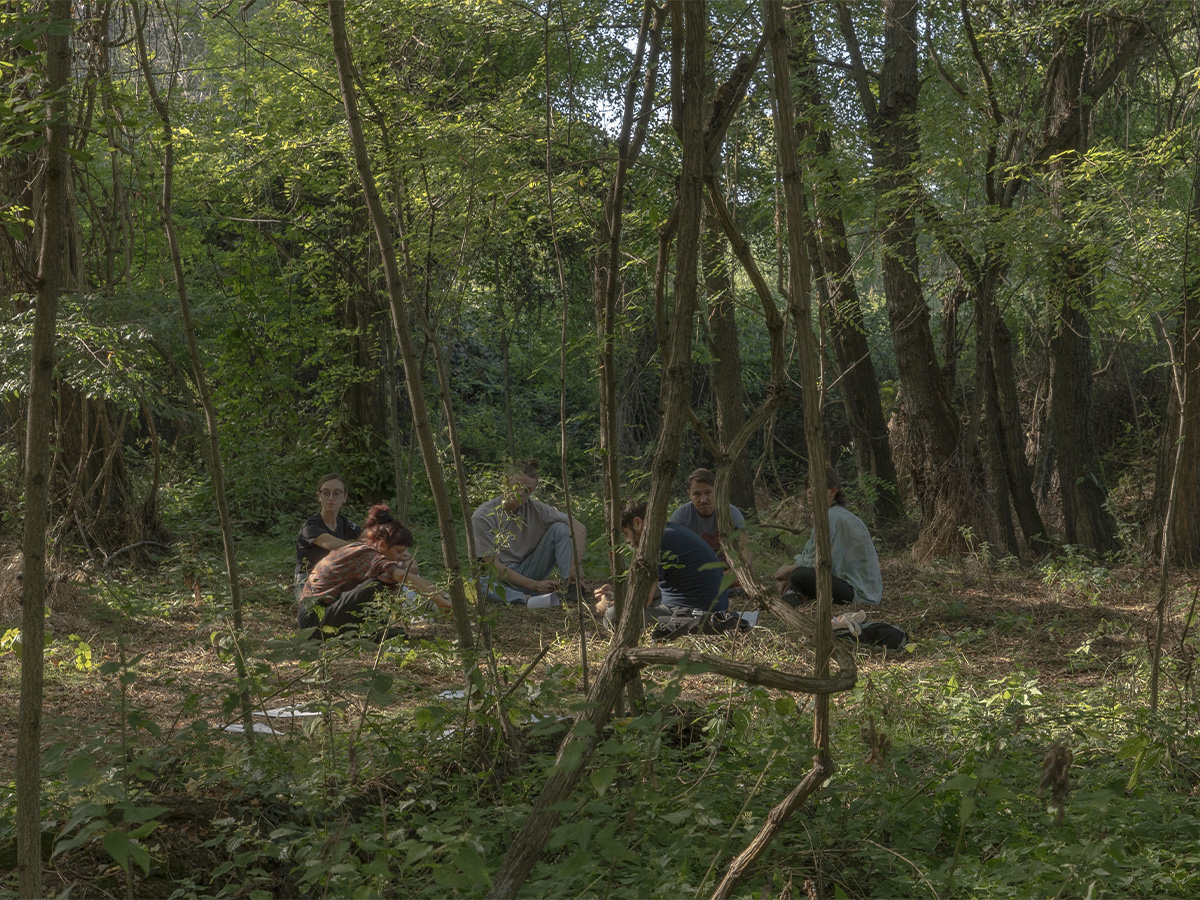
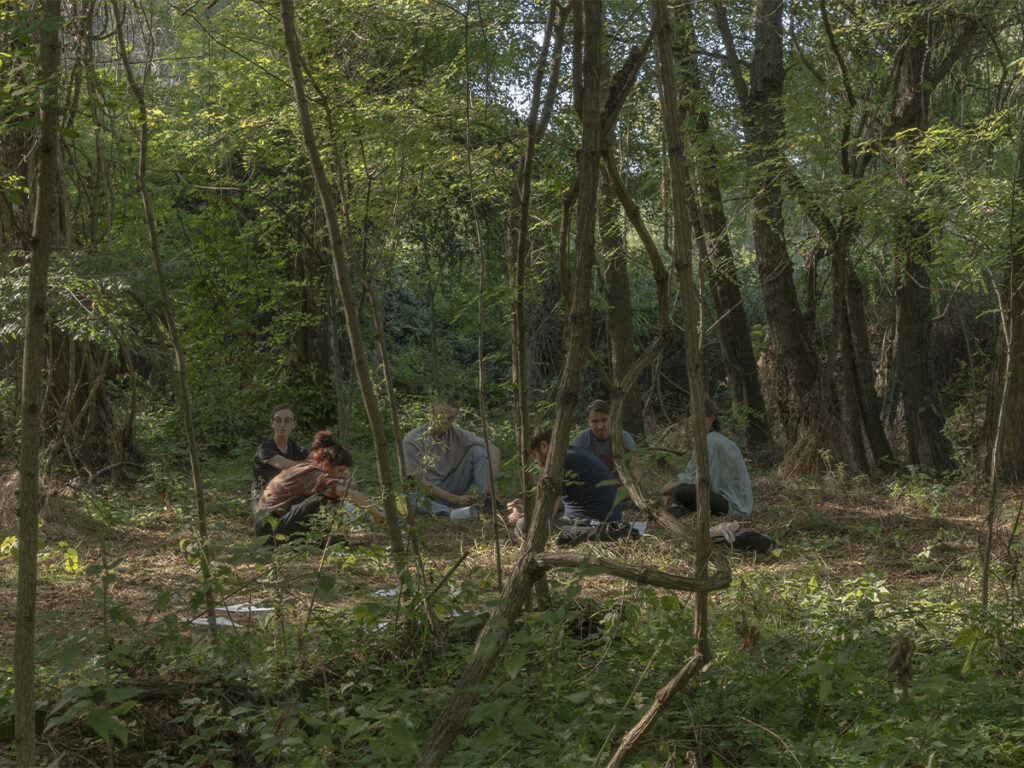
I love the power the woods have to change our language. I often look for this: at least for a few hours, it is a kind of cleansing, wiping away those noisy habits that mark the time we spend in bars, institutions and all those places where humans are the only ones who talk.
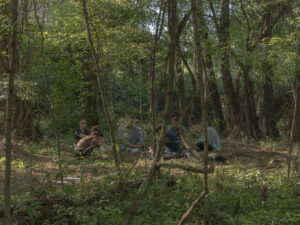
In some places, the body has to listen, and the woods are one of these places. They are permeated by sounds, smells, temperatures that demand us to be alert, and changeable; inevitably these factors change our thought flows, the density of our interior and exterior discourse. It is important to take the time to listen to that living grammar we find in the woods: I like to be in a dimension that takes me far away from my usual blah-blah, that makes me less talkative and more attentive to my surroundings.
Is this experience also valid for your alter egos?
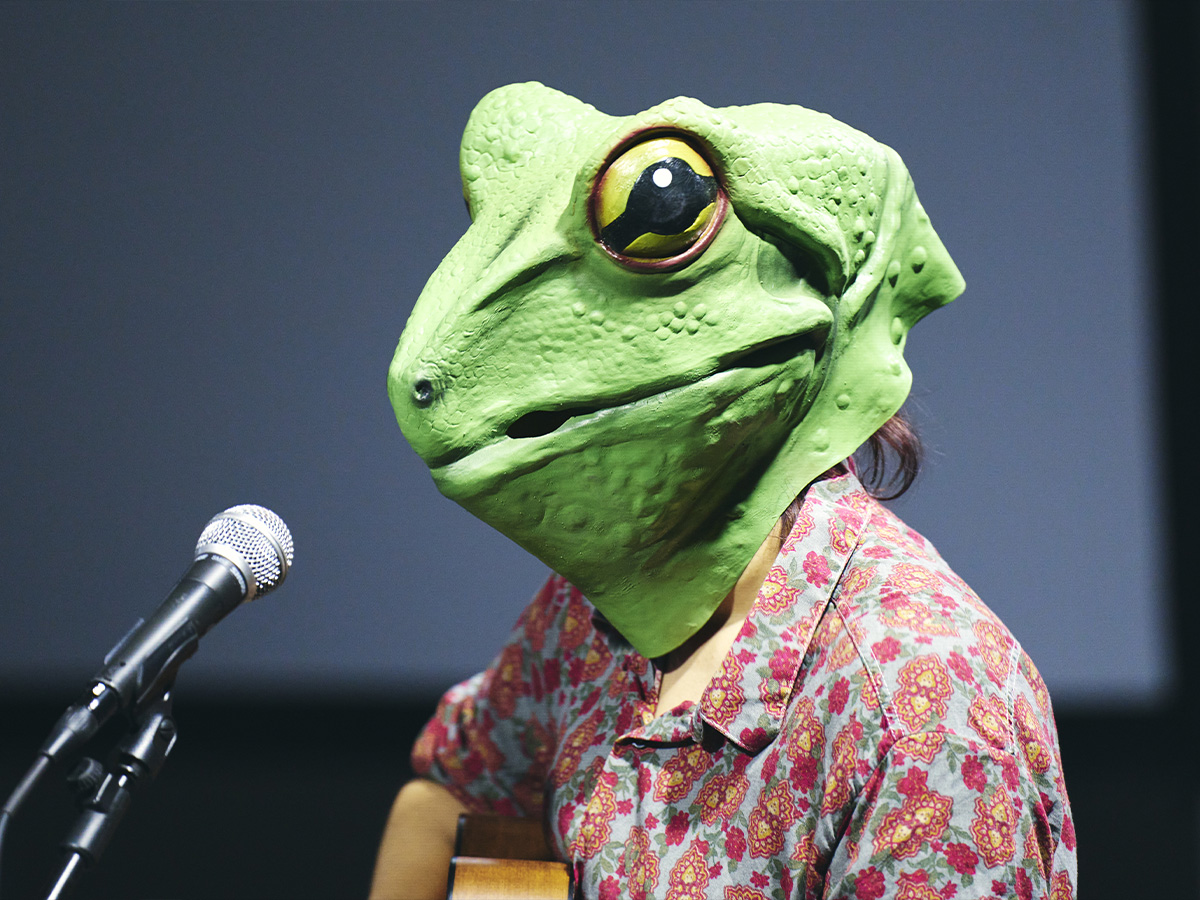
In fact, I “allowed” my alter ego Nino Gvilia (Georgian singer-songwriter with his own biography and musical style) to talk of forests and woods in some folk songs, some of which include field recordings and other recorded voices. There is one particular track called Forests, quatrain (in the album Nicole / Overwhelmed by The Unexplained, Hive Mind Records, 2024, ed.). This song is built around a quatrain inspired by Eduardo Kohn’s book How Forests Think (UoC Press, 2013). The quatrain says: Forests are forests for those who come / Forests are forests for those who live through signs / Forests made those who live through signs / Forests made signs for those who call them forests.
Can you tell us about your project Pitch, presented at the PAC in Milan, and how animal and human voices, communities and forests blend?
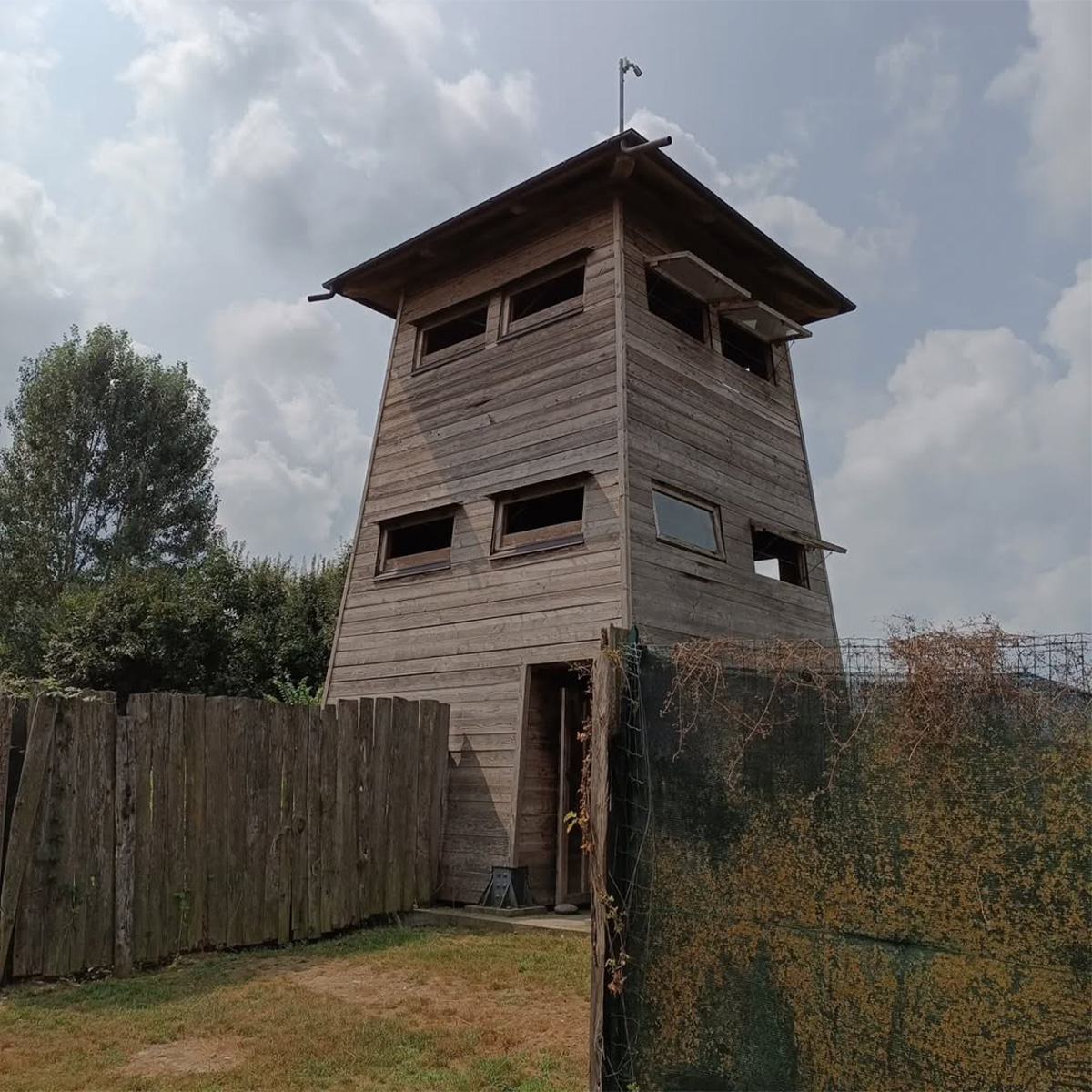
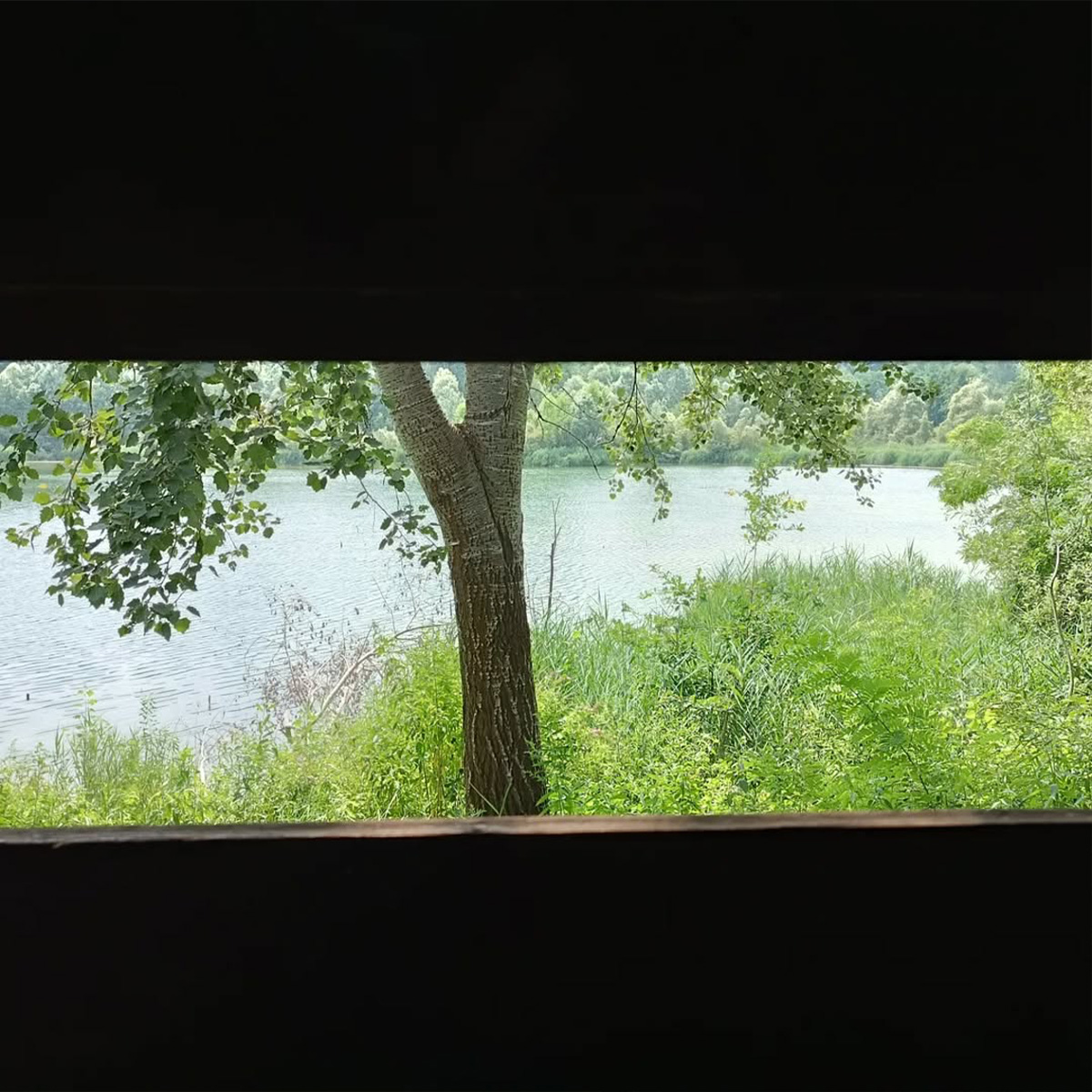
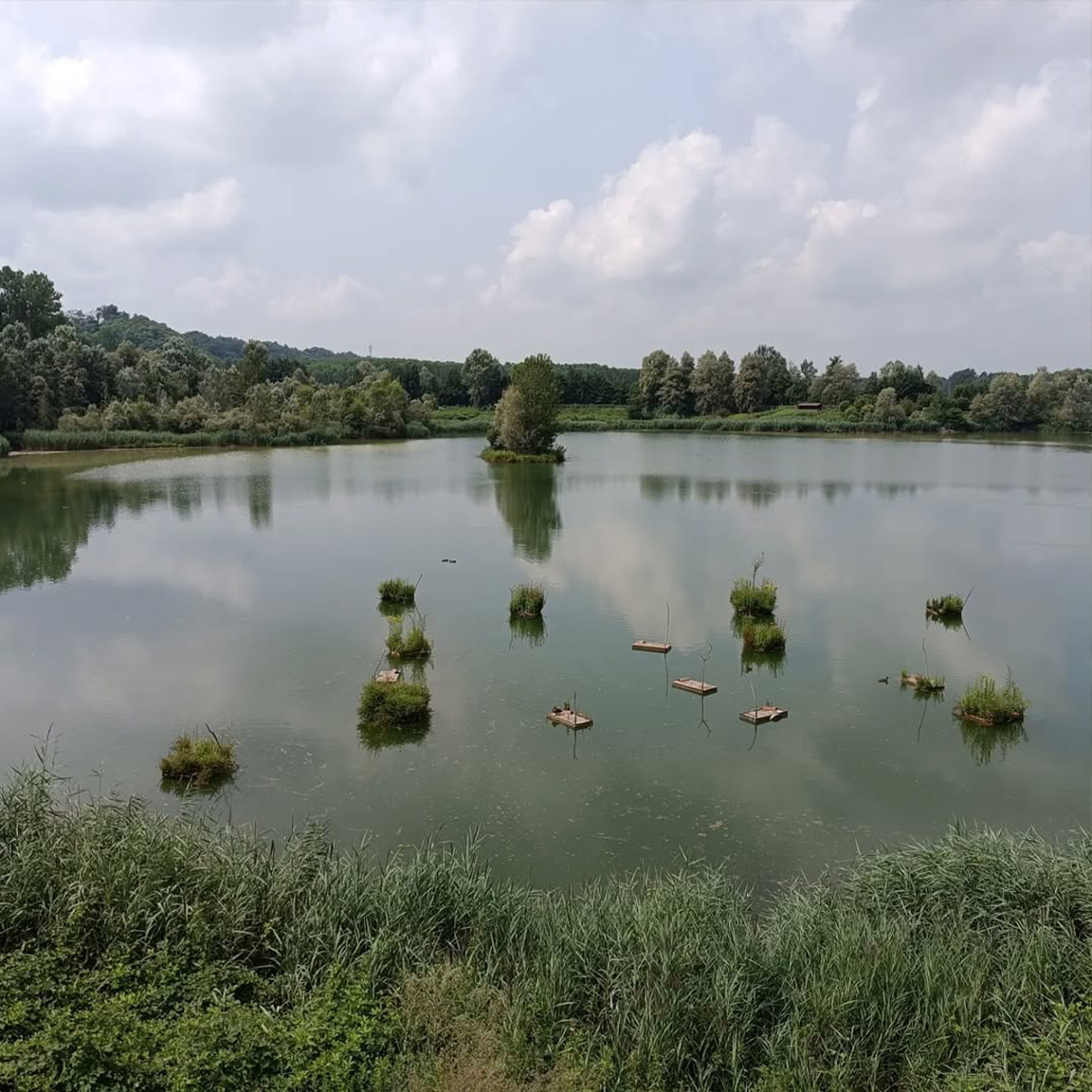
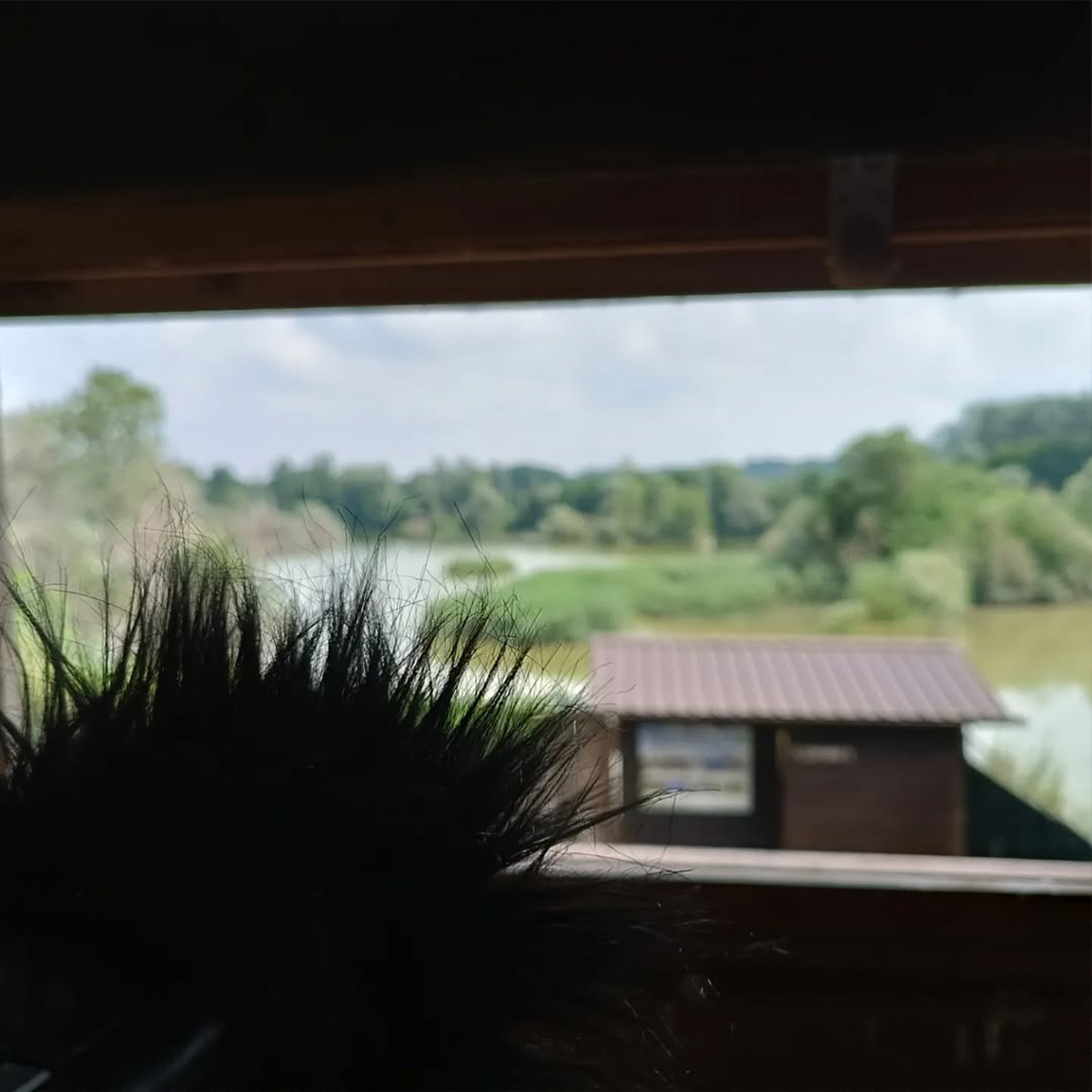
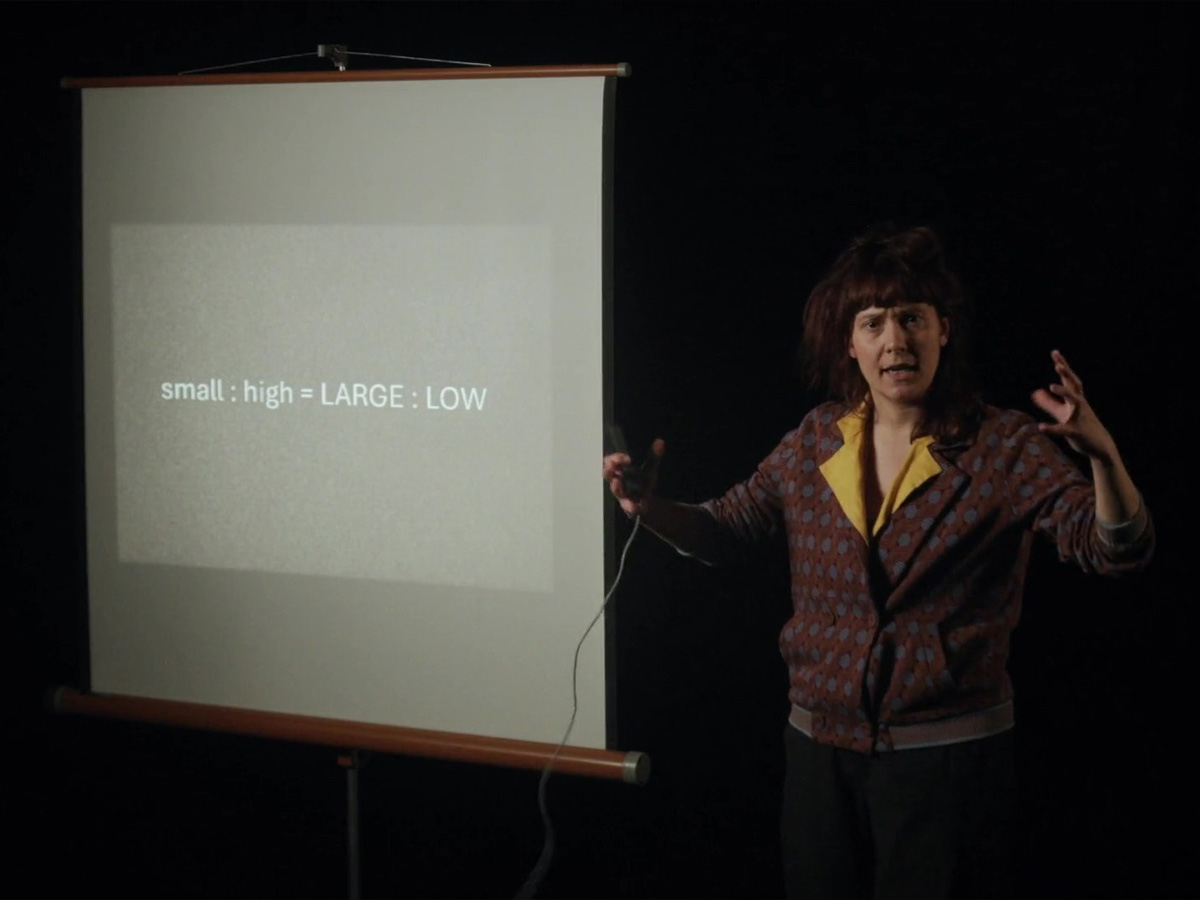
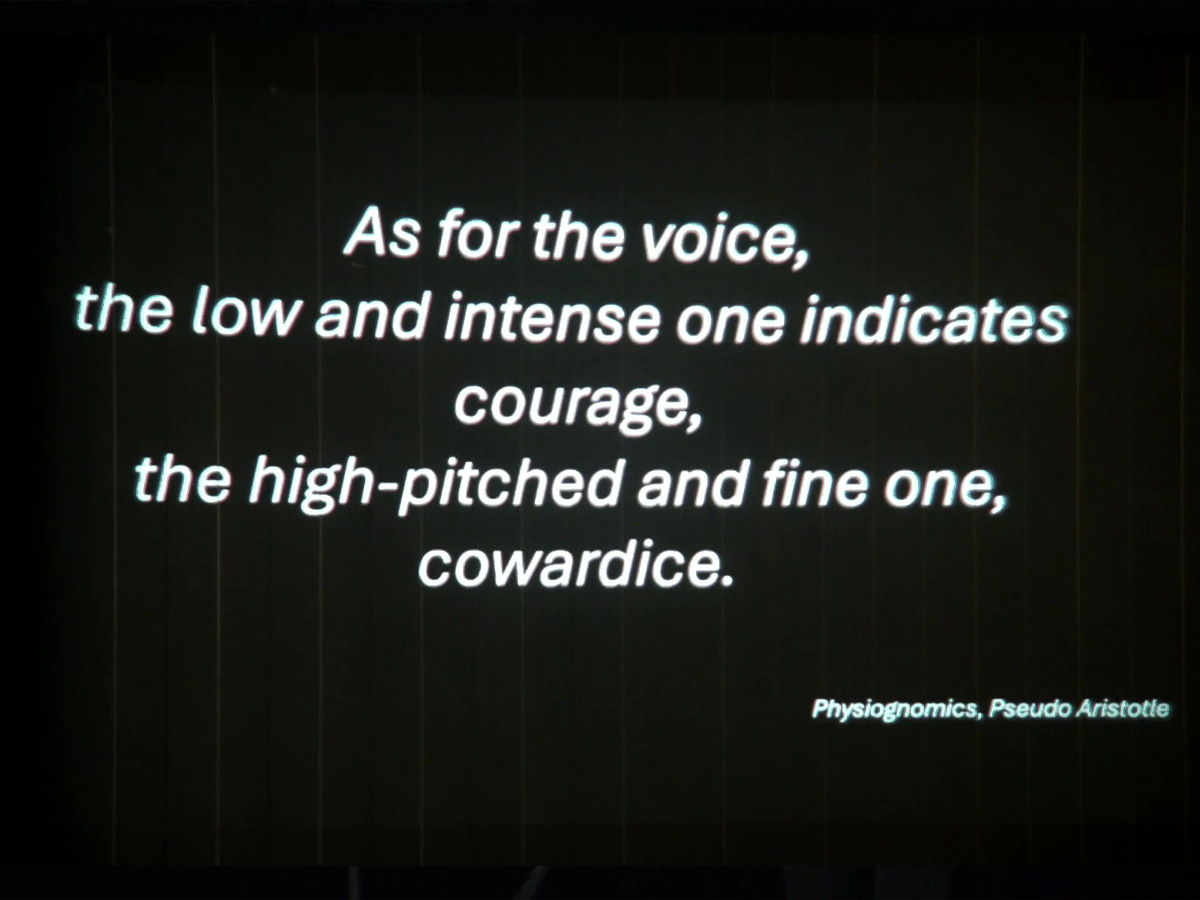
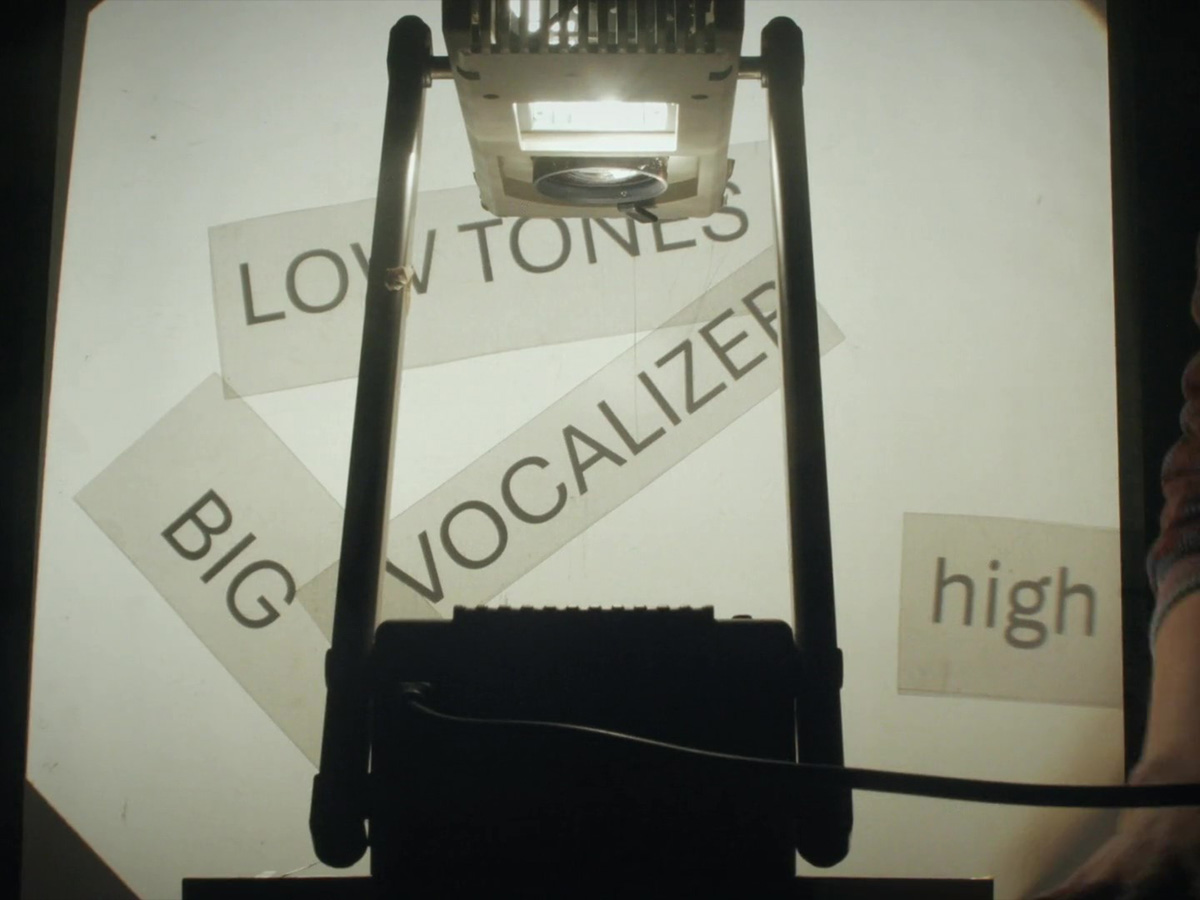
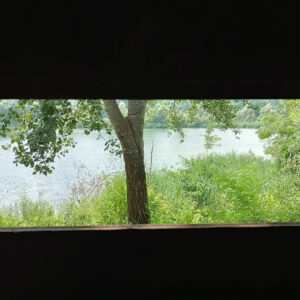
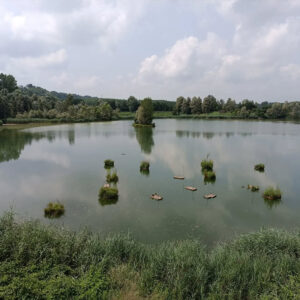
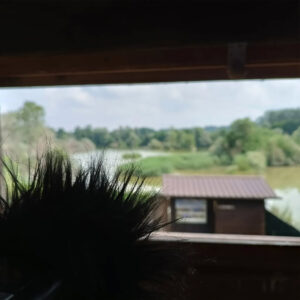
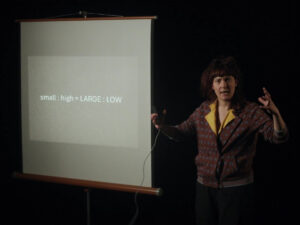
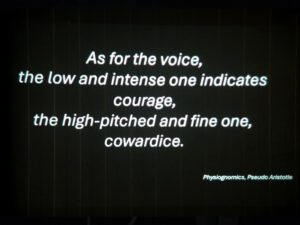
Pitch. Notes on vocal intonation (produced thanks to the Lydia Prize of the Fondazione Il Lazzaretto in partnership with PAC Milan and curated by Claudia D’Alonzo, ed.) is a project developed during a residence at the Nub Project Space and presented at the Periferico Festival in Modena in 2023. I wondered about and investigated that peculiar yet common annoyance of high-pitched voices and the mechanisms we find in various languages and species in relation to the use of lower and higher pitches. For the investigation, I used sources in different formats, from the pop culture and the voice of Serge Gainsbourg to texts and images crossing ethology and phoniatrics. Part of the soundtrack are field recordings made in the nature oasis ‘La Madonnina di Sant’Albano’ in Stura, Piedmont, a magical place along the migration route connecting Africa to Scandinavia which sees many different visiting bird species every month. Pitch originated from the reading of some studies by the zoologist and ornithologist Eugene S. Morton on the use animals make of high and low pitches in situations of conflict. According to these studies, the voice is a fundamental means for projecting our (real or apparent) dimensions in space: ‘talking loud’ helps us to seem potentially victorious in the event of a battle, but showing ourselves to be ‘small and defenceless’ can also be useful at times.
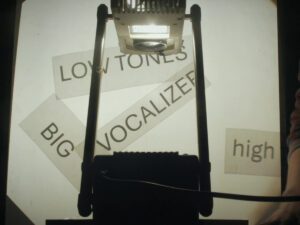
The phonetician John Ohala used this ethological perspective to develop the Frequency Code theory, an innate code – also observed in humans – that associates higher-pitched voices primarily to ‘small vocalisers’ and lower-pitched tones to ‘large vocalisers’.
Did you also draw on your personal experience for this study?
As far as I am concerned – and I don’t think I’m alone in this – I realised that whenever I have to be authoritative and credible, I automatically tend to speak in a lower pitch. Why? Why type of environment pushes me to do this? And substantially, what I am defending through my voice?
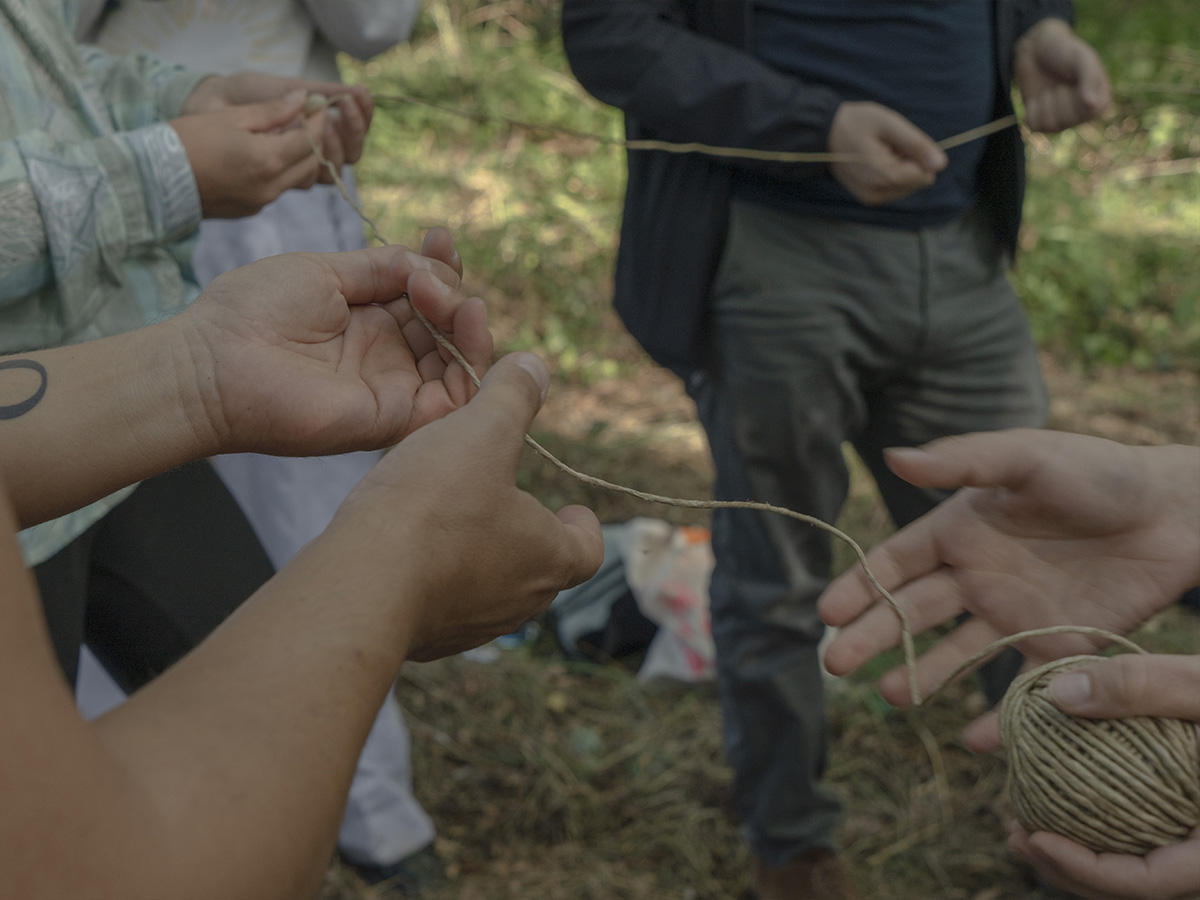
It seems that the sonic entity of credibility, legitimate knowledge, and even a pleasantness that I can’t describe, corresponds to a distinctly hegemonic vocal profile. What lies beneath these orientations? Anne Carson’s essay The gender of sound, another fundamental source of Pitch, is an incredible text for investigating the historical process of the stigmatisation of high-pitched voice and the rules set for voices in public spaces. Pitch was developed in parallel to Reasons Why I Hate My Voice, a collective workshop exploring the opinions we have of our and other people’s voices through exercises blending voice overs, dubbing and brainstorming sessions.
Pitch. Notes on vocal intonation was produced thanks to the Lydia Prize of the Fondazione Il Lazzaretto in partnership with PAC Milan and curated by Claudia D’Alonzo