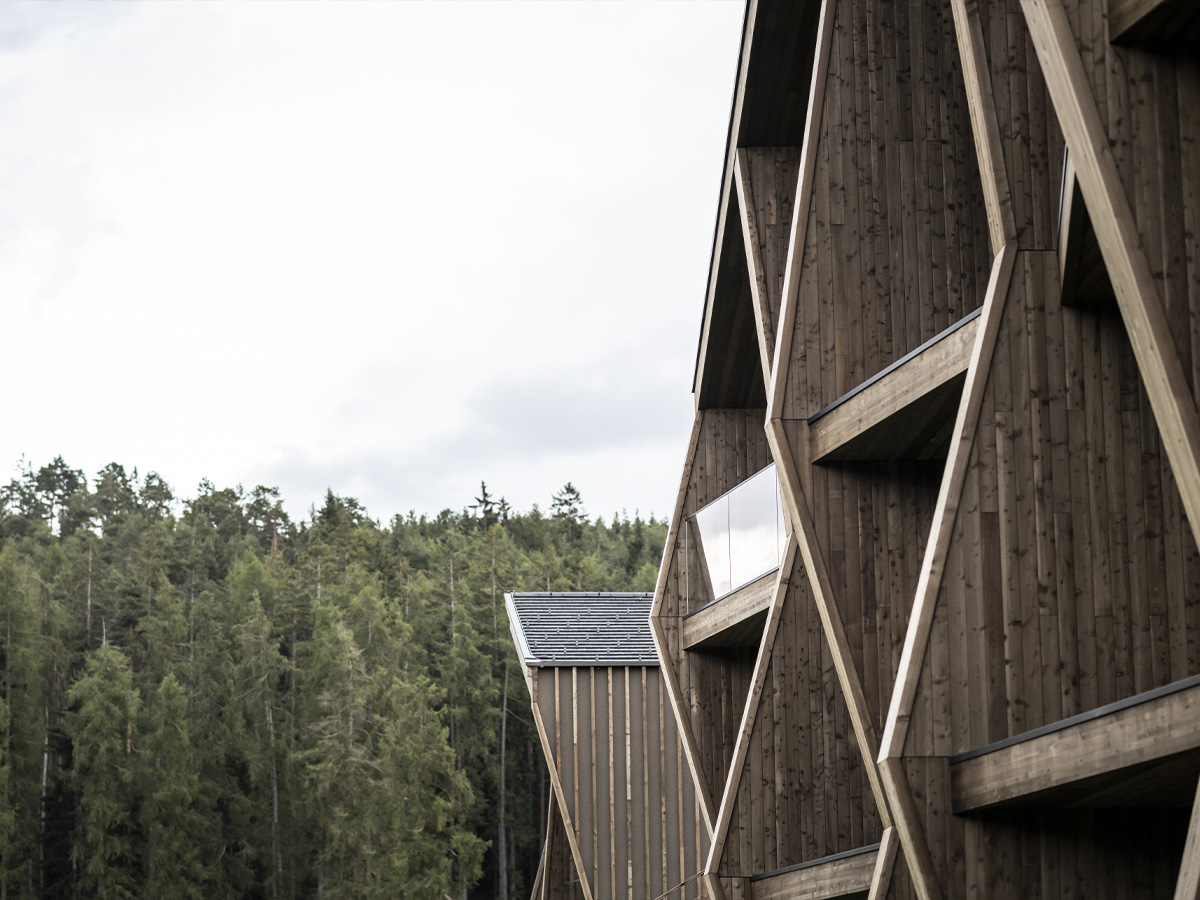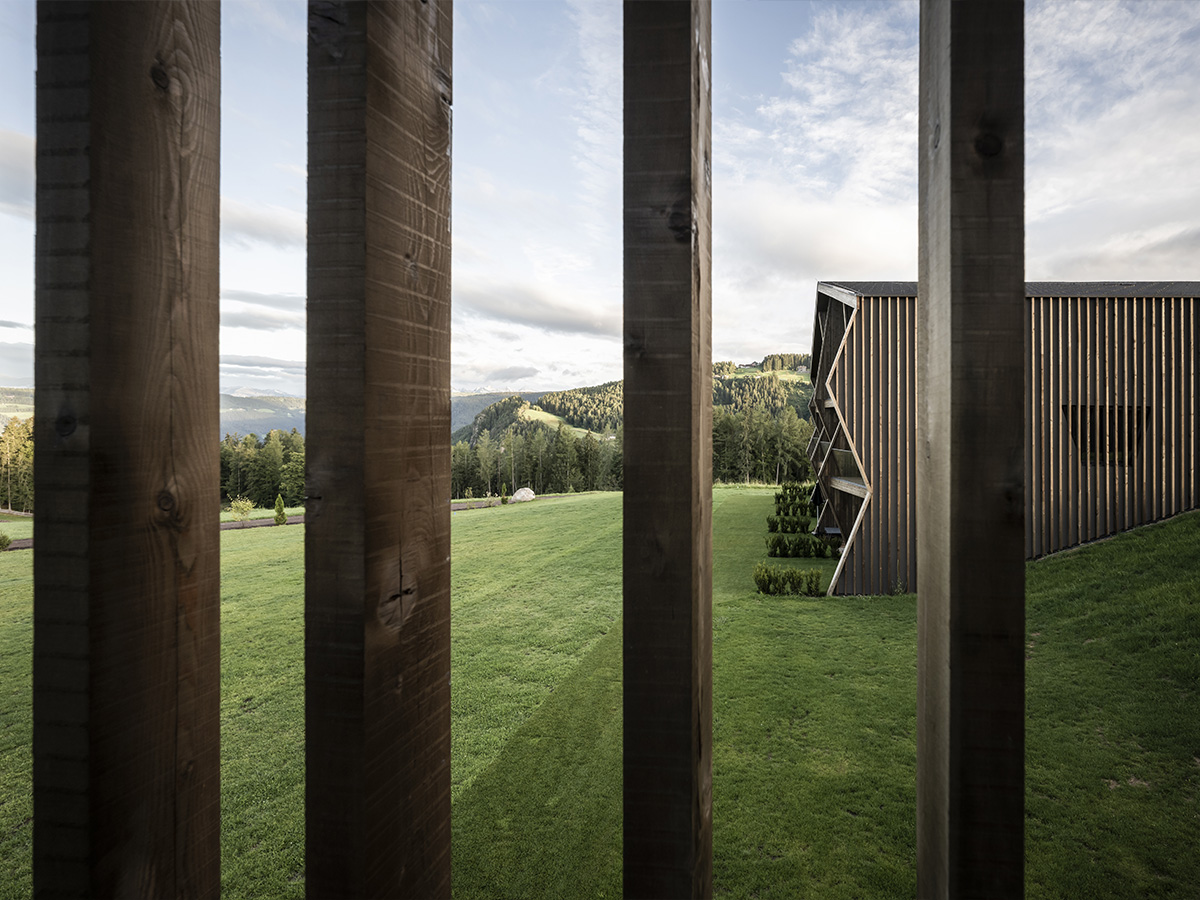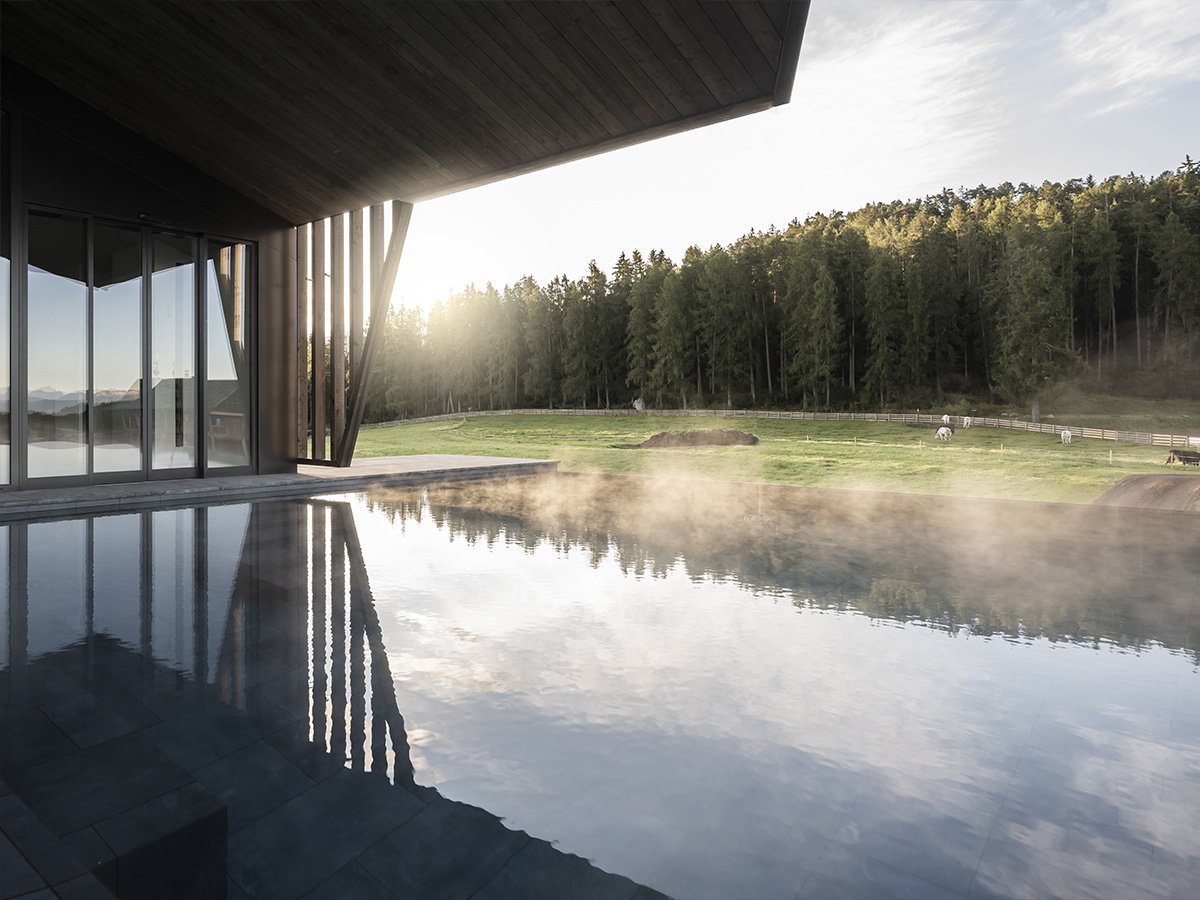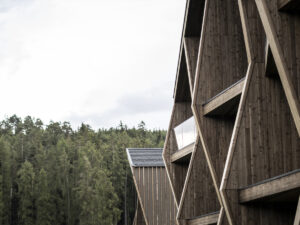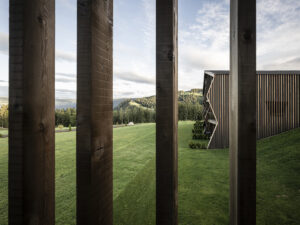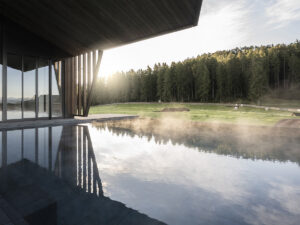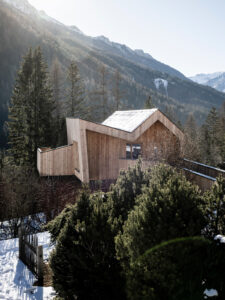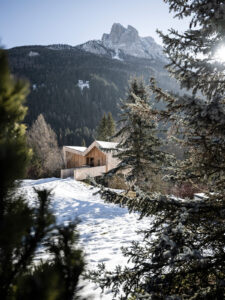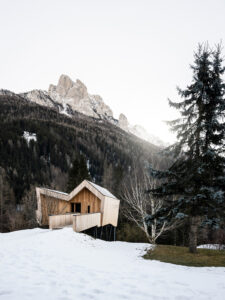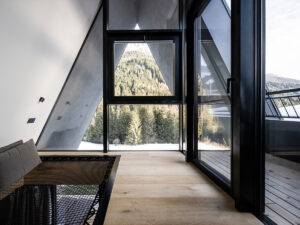


Combining the respect for woods and forests with hospitality and tourism is a delicate and tricky task, because – if we are not willing to compromise – we should simply keep the two separate. But there are some original experiences that can offer interesting food for thought, especially when talking to those who create architecture in mountain settings, like the award-winning firm Noa. Francesco Padovan, the architect behind numerous projects in natural settings, is quite frank in his opening statement: “To be honest, forests have no benefits from being inhabited. But there are some positive effects, including the fact that guests develop sensitivity towards caring for the territory and take this home with them after a holiday in the mountains. In addition, forests bring benefits to our mental well-being, as they are places where we can take a break from the hustle and bustle of urban life. Some hotels are absolutely shelters for the soul; one example is our Zallinger project in the Seiser Alm. Here there is no Internet connection, so you can immerse yourself completely in the wonders of the natural surroundings; the guests enjoy some beneficial isolation.”
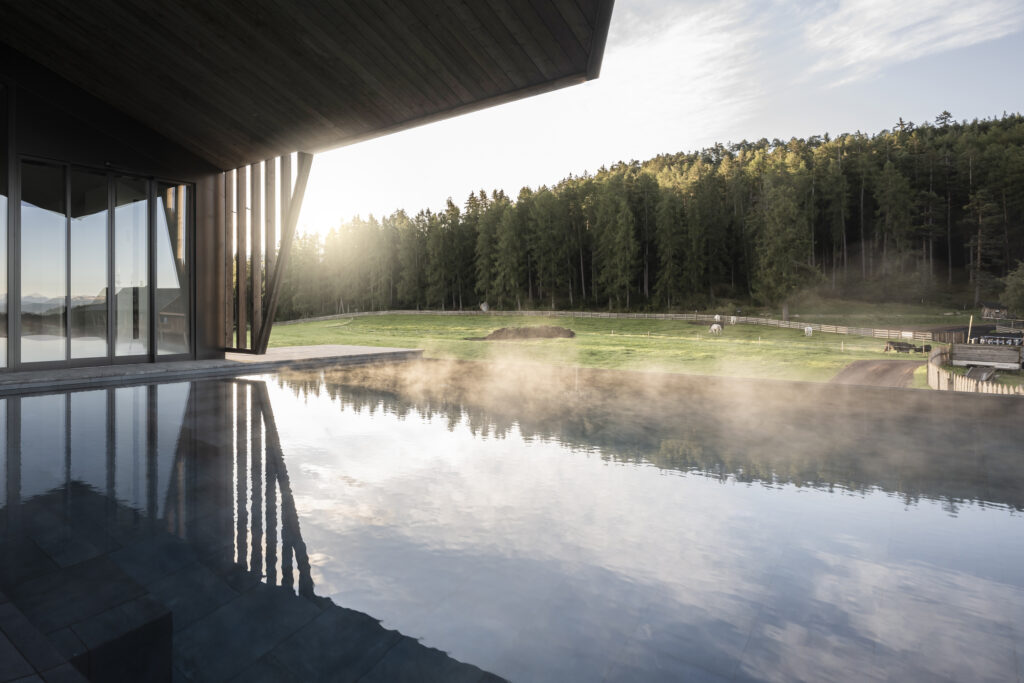
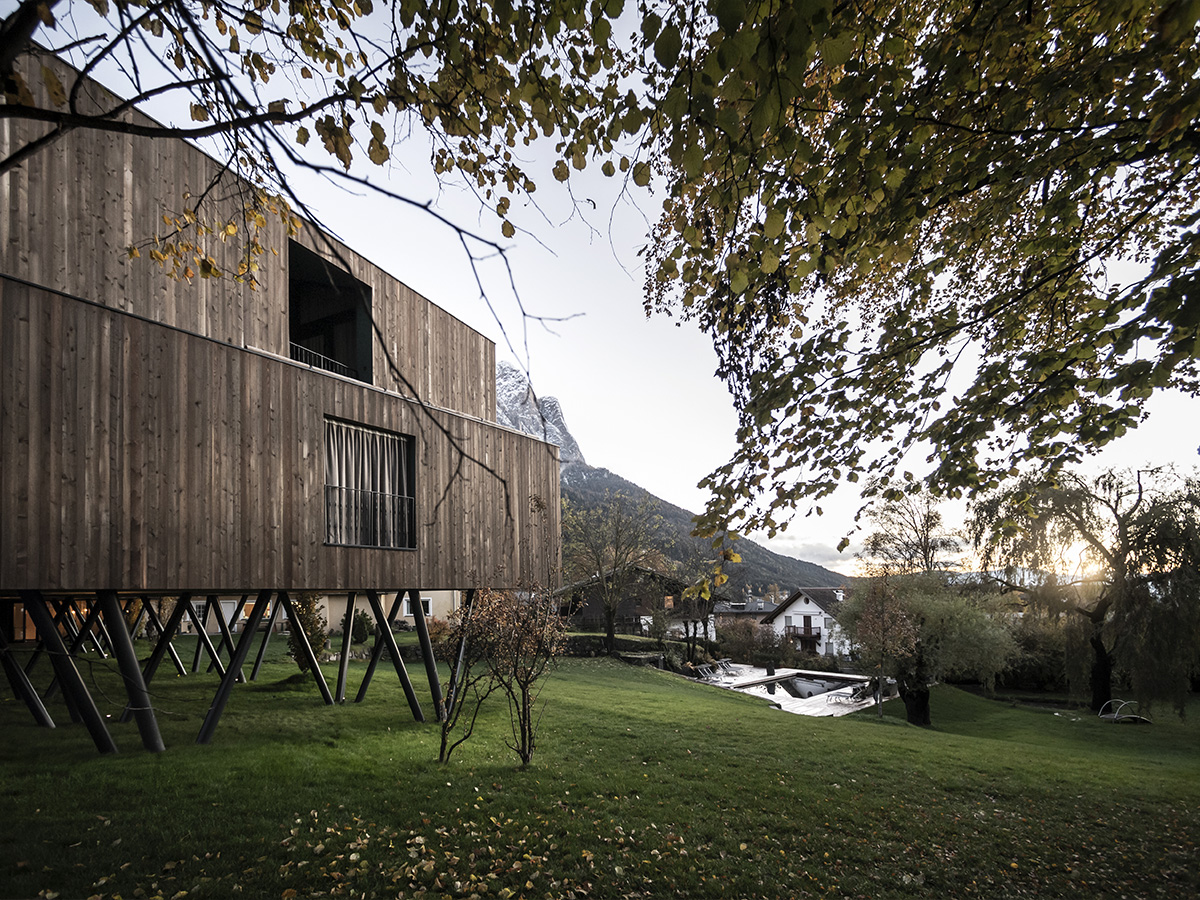
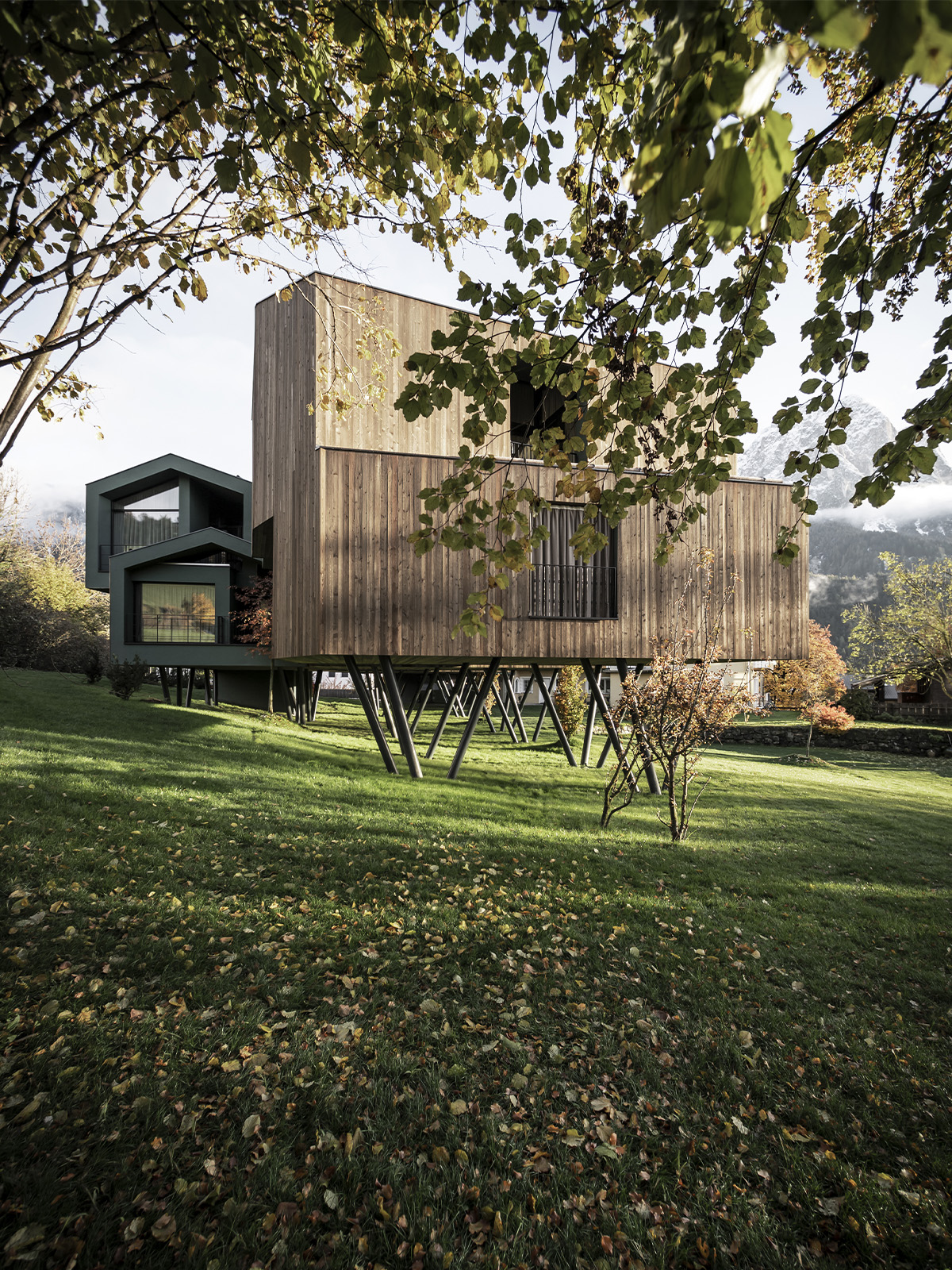
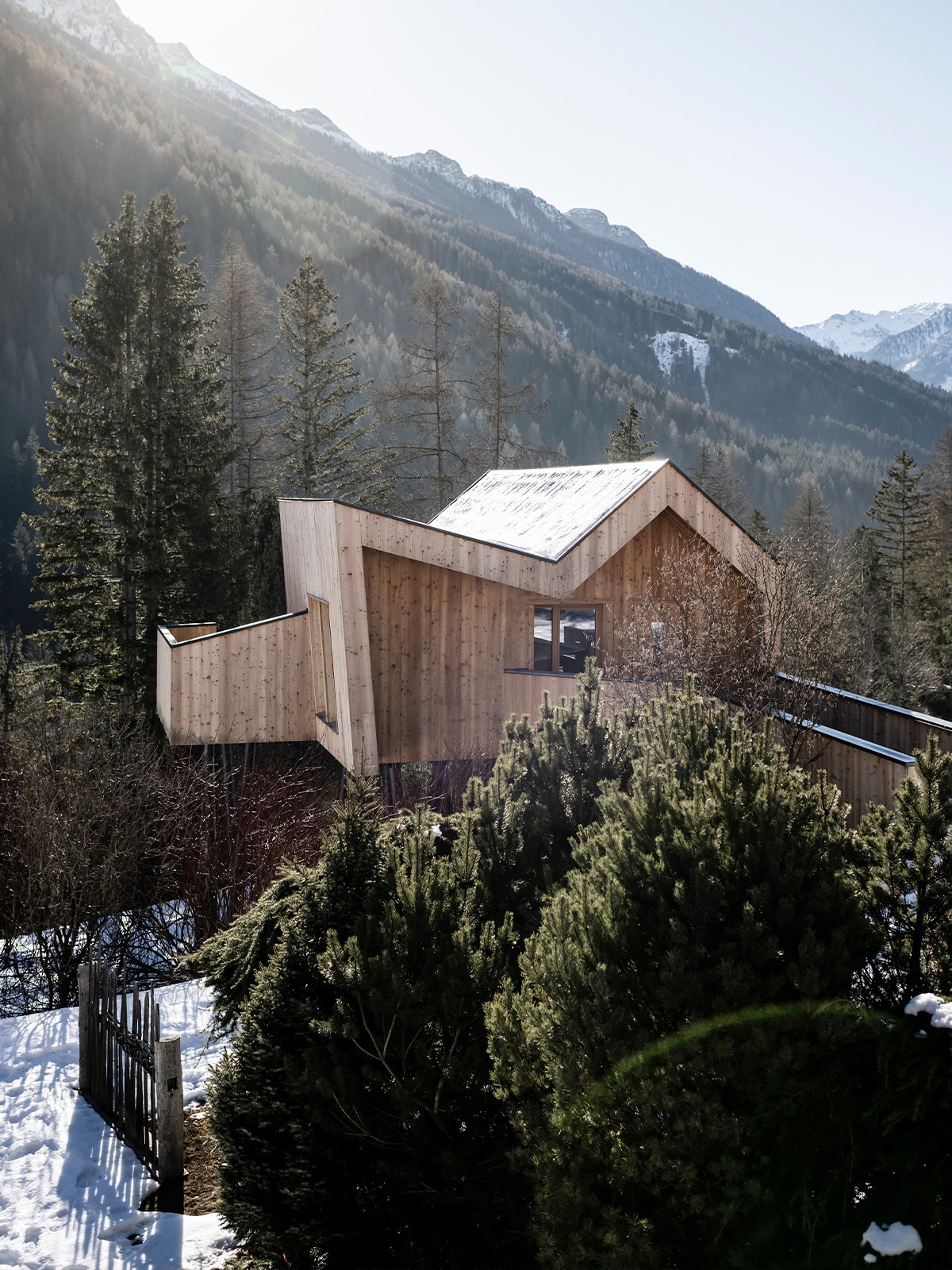
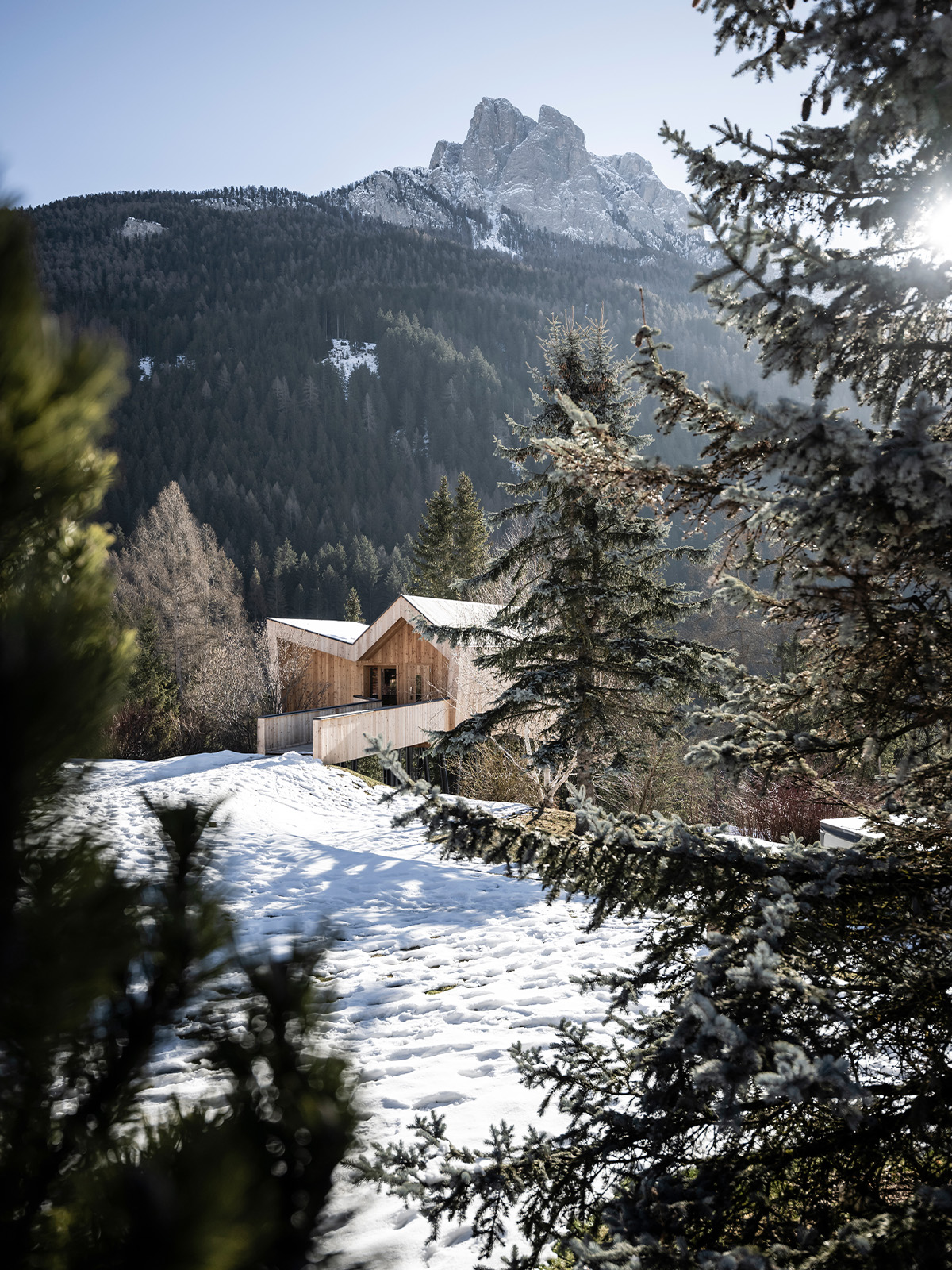
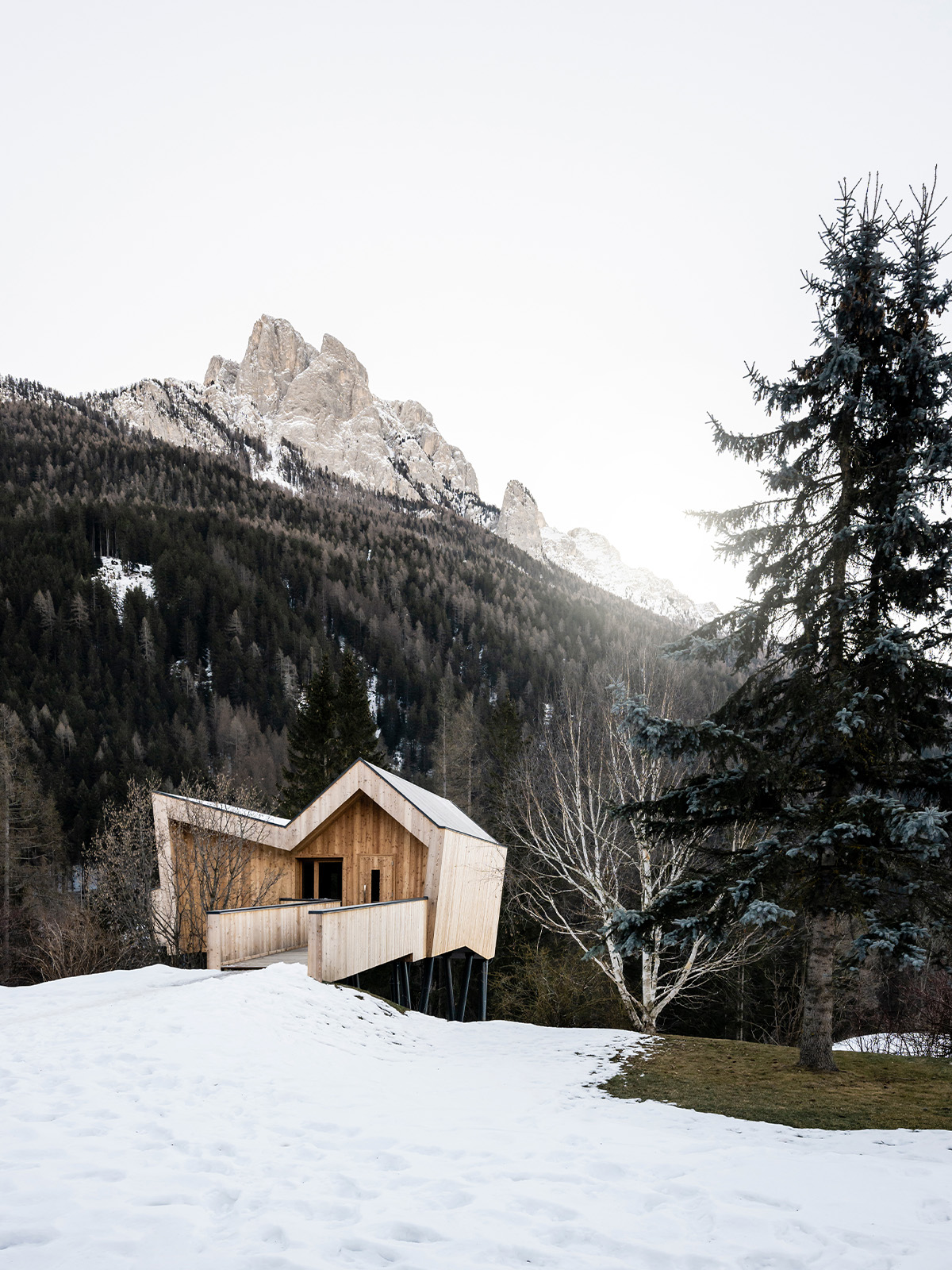
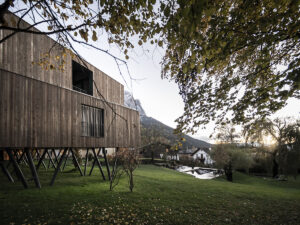
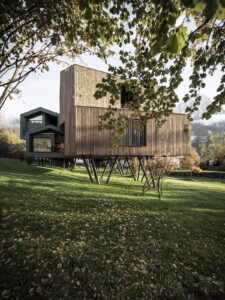
Mountain hospitality is therefore an opportunity to take advantage of the charm of the forests, and at the same time understand their fragility, in a kind of environmental education that helps us to act consequently. In terms of built architecture, however, how can we correctly balance woodland life and hospitality? For Noa, the underlying philosophy is to never sacrifice any existing trees; building takes place in clearings or on piers, next to the woods and only after in-depth studies and research. Francesco Padovan offers other details and practical ideas: “You really need to take all ecological precautions, limiting the invasiveness of the building. For instance, our projects on stilts use less land. And all the technical systems must ensure full emission reductions. Local building materials, the use of wood and reversible technologies, and no basements are all factors that allow the hotel and the forest to live together. In some cases, to give some concrete examples, with the cool summer temperatures in the mountains around Bolzano, at an altitude of 1,200 metres, it was decided not to install an aircon system, reducing the energy impacts where natural ventilation is more than enough.”
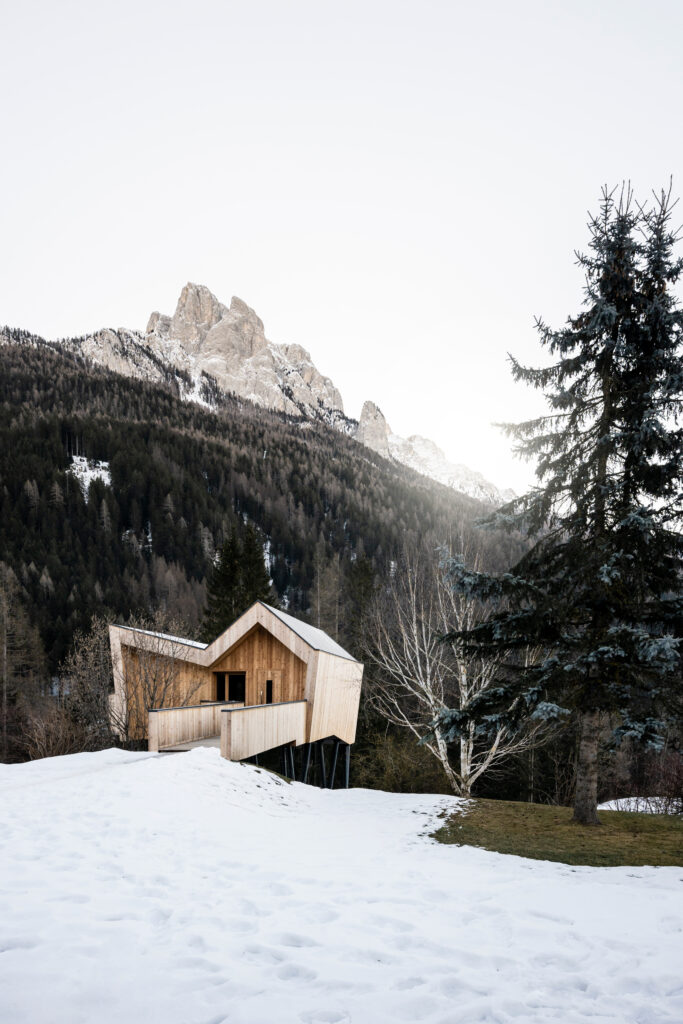
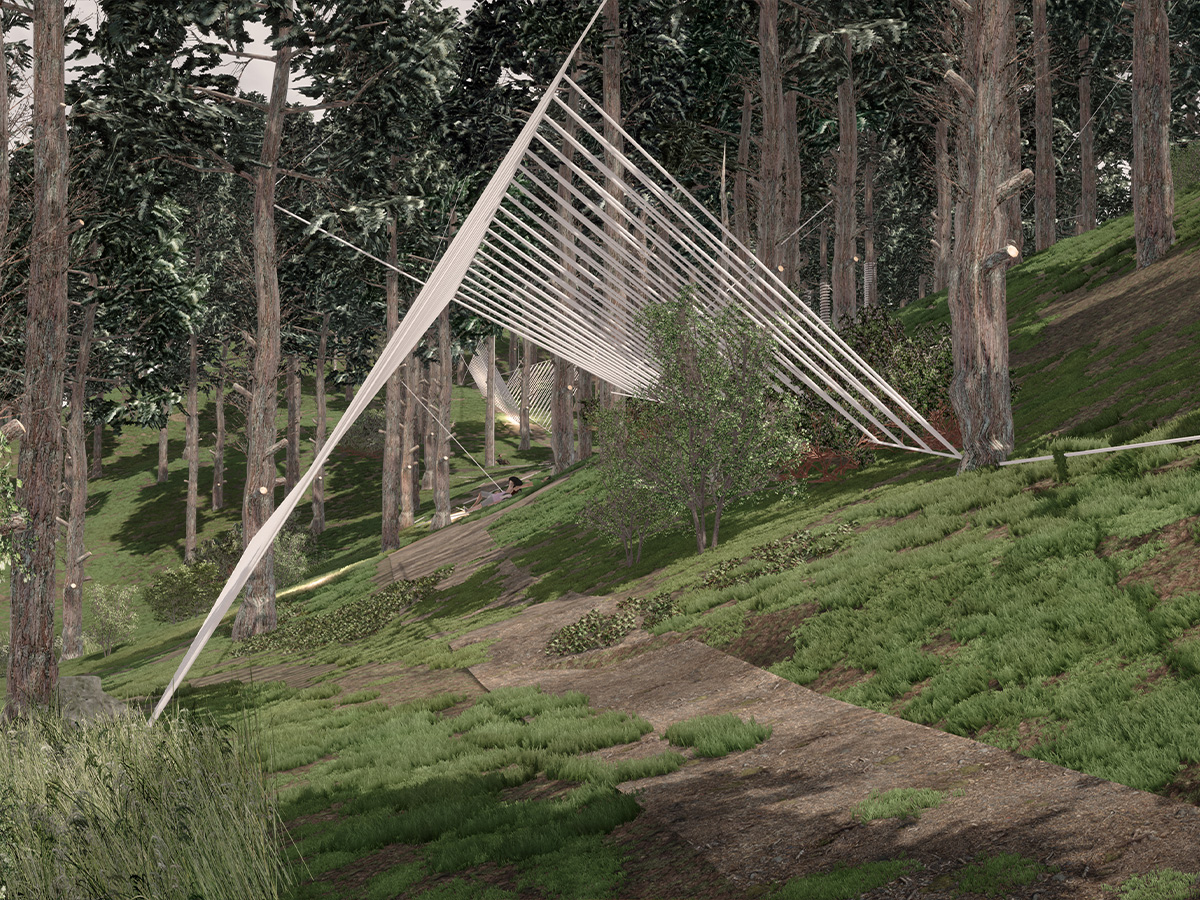
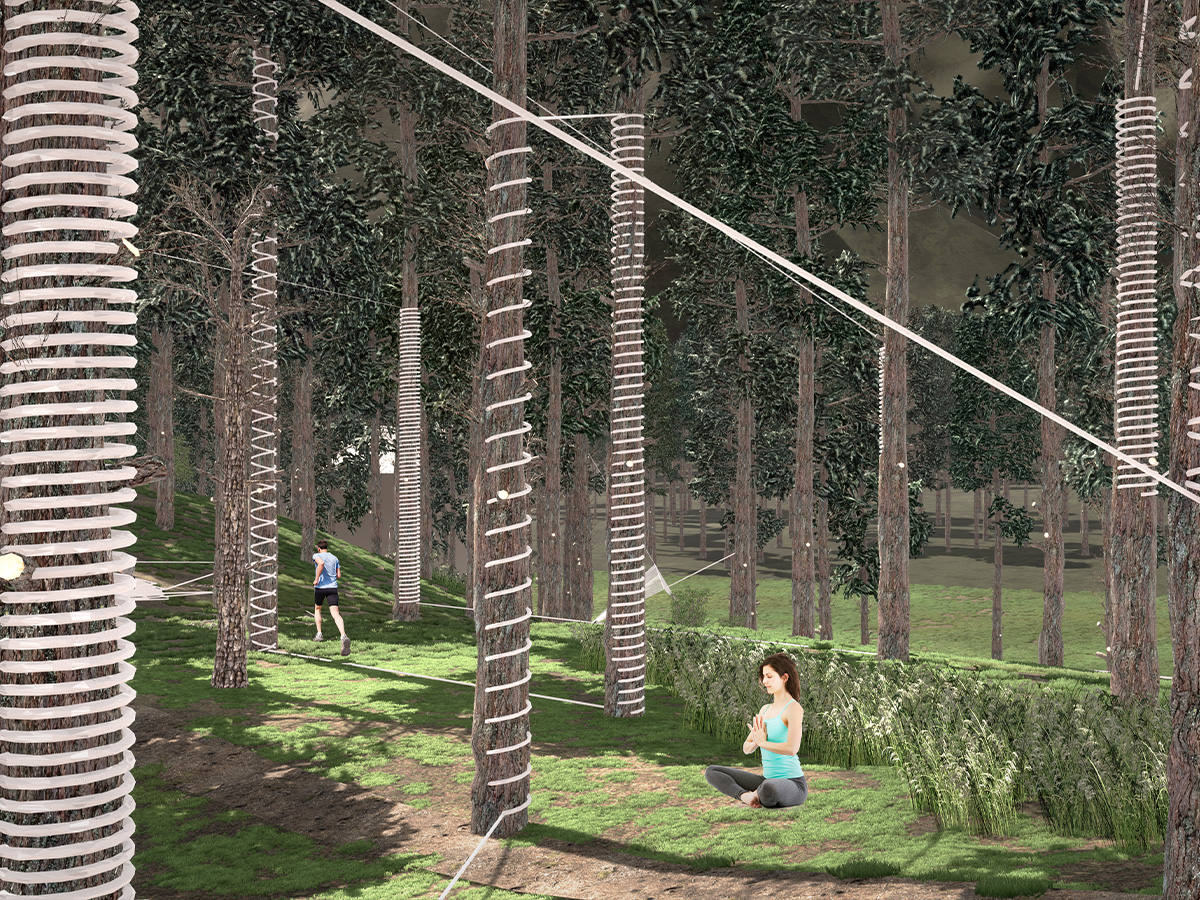
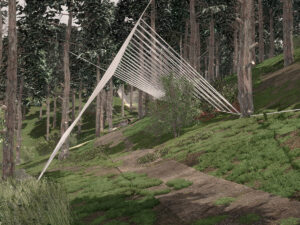
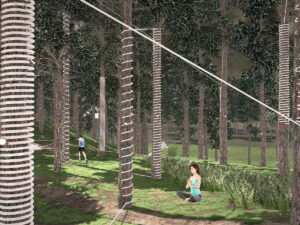
One of the strategies referred to is the proposal for temporary solutions, designed to tip-toe into the woods: “Where possible, we work on the ephemeral, with reversible, skeleton architectures. One example is an artistic project designed but not implemented on the Braies Lake, where visitors were invited to follow a path through the forest with installations made from rope. Another similar example is the scenic platform installed on the glacier in Val Senales: a Corten steel structure that only touches the rock in the points in which it is statically necessary, and can be dismantled more easily. The hospitality field is also being affected by temporary architecture trends: we have several mobile-home projects, with small, prefabricated structures that can be positioned with no foundations, with a strong accent on design. These are hybrid situations between camping and glamping, new solutions that meet the tastes of Millennials and Gen Z, who are looking for increasingly full immersion in nature but without compromising on architectural quality. But critical thinking drives us to ask: how is the temporary disposed of? Research into sustainable architecture is more complex than ever, and is continuously evolving.”