

A city, the idea of a city, embraces three aspects which, together, are rather an oxymoron: the infinite border; united diversities; problematic solutions.
The infinite border
Cities tend to grow continuously. Even since the beginning of this century, the number of people living in cities has exceeded those who live in rural areas, and by 2050 this number is expected to reach 70-75% of the world population. A sign bearing the crossed-out name of the city is not enough to tell us that this is exactly where the city ends. In fact, it goes way beyond, in an urban continuum that holds together thousands of individuals and territories within production activities, mobility flows and life styles. The resulting administrative boundaries of the city, and therefore the local policies, struggle to understand the complexity of urban issues, and lead to the need to build puzzles in which each single piece makes sense only when connected to the others. Many hinterland municipalities have found themselves doubled in size almost overnight, because every day they are visited by commuters, city users, tourists who use and consume the city, returning home in the evening. For these reasons, the city becomes an infinite and multiple space, and even more so in its identity.
United diversities
The second question calls into play the characteristics of the city, with its clear social and economic polarisations found in the – often unreconcilable – divide between the wealthy and the weaker segments, between generations bearing new interests and ageing populations, between people of different ethnic groups and religions: people, therefore, who live side by side, at the same time asserting different cultures, needs and expectations that can lead to conflict. Imagining a city in which diversities live with each other in a kind of mixité that represents as much the fear as the saviour of the urban genre – the “other” frightens us, but it is hard for us to avoid more or less virtuous reciprocities and cross-contaminations – offers food for thought, ideological positions, everyday stances characterising the dynamics of cohabitation and the sense of belonging to the neighbourhoods where we live our lives.
Problematic solutions
The third and last point concerns the environment. The highest levels of pollution, contagion and physical unease have always been manifested in the city. It has always been this way, precisely because, as mentioned above, different forms of humanity are concentrated there, living in close contact: inhabitants, students, workers, the permanent and the passers-by. This creates urban spaces and circumstances that are challenging for citizens, who bear the weight of social isolation, a sedentary lifestyle, population density, questionable dietary habits, socio-economic progress generally, with all the related contradictions and responsibilities. At the same time, however, the city is a privileged context in which research is done, diseases are cured, health emergencies are managed, new energy and transport solutions are experimented in order to tackle environmental issues. Cities bring together the evils of the world, but serve the world in order to fight its disamenities.
Showcasing identity
These three issues become the reason why cities, the funerals of which have been celebrated several times – especially by the supporters of the digitalisation of work activities that have emptied the central parts of metropolitan areas of meaning, in favour of “electronic cottages” distributed across the countryside, as the misguided Alvin Toffler stated in his 1980 book The Third Wave – on the contrary today seem more alive than ever. They continue to put themselves on show, inviting everyone to visit, for an incredible experience that cannot be found elsewhere, despite the standardised contexts today. Yes, because while it is true that cities look increasingly alike, it is also true that one of the fundamental industries of the modern age is tourism, which cannot afford not to arouse interest and curiosity among the public in relation to the special features of the chosen destinations. While Paris is no longer the old Paris, it is also true that it still has to make its mark over London, Rome, Berlin and so on. This is not a simple operation: just look at the city skylines, which resemble each other more and more. What often happens is therefore that many cities, in a manner that is as brazen as it is necessary, tend to artificially enforce their distinctive features. Some examples are the menus in tourist restaurants that underline their authentic local cuisine, yet are written in several languages. The paradox is that of the conservation of a certain originality of places and products which are however substantially “showcased”, to the advantage of visitors rather than citizens. The latter seek refuge in the simple re-evocation of the past, or go in search of circuits that are truly alternative to those offered to tourists. All in all, the identity we feel in certain places is in fact a sentiment that today is increasingly problematic, precisely in relation to the rapidity with which these are transformed and the increase of our own mobility in terms of frequency, range of action and motivation. Indeed, in the post-modern era, individuals belong to more than one world, more than one circle, and as such their bonds with each of these are weaker. In other words, being born, living and dying in the same place is increasingly rare. Rather, we spread our existence over multiple, uncertain geographical horizons.
The flâneur, priest of the genius loci
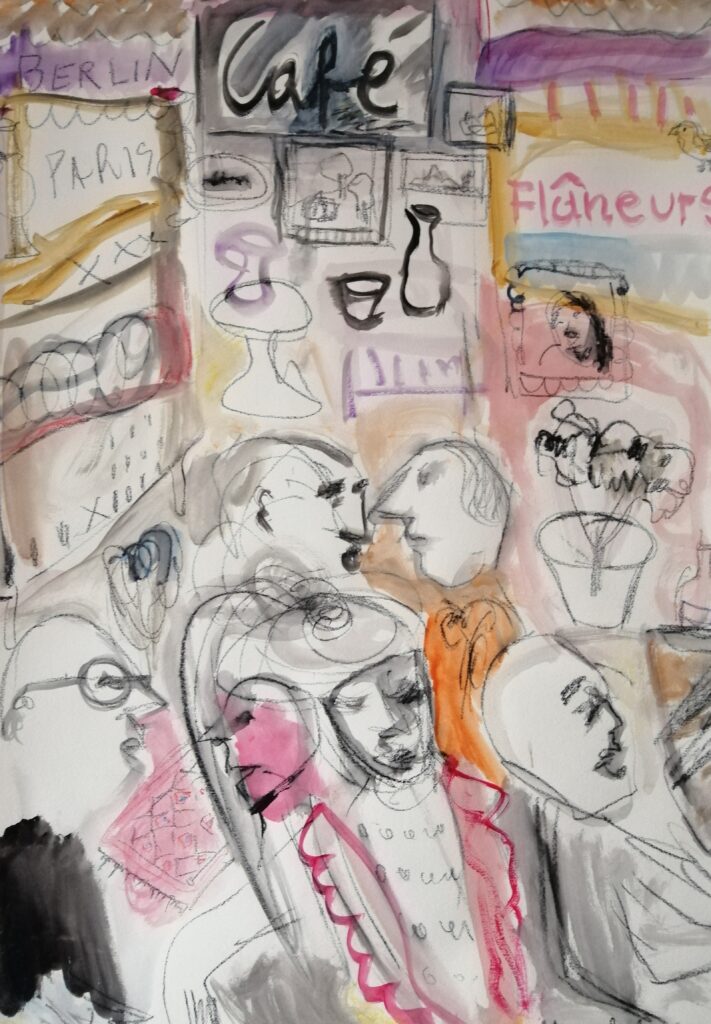
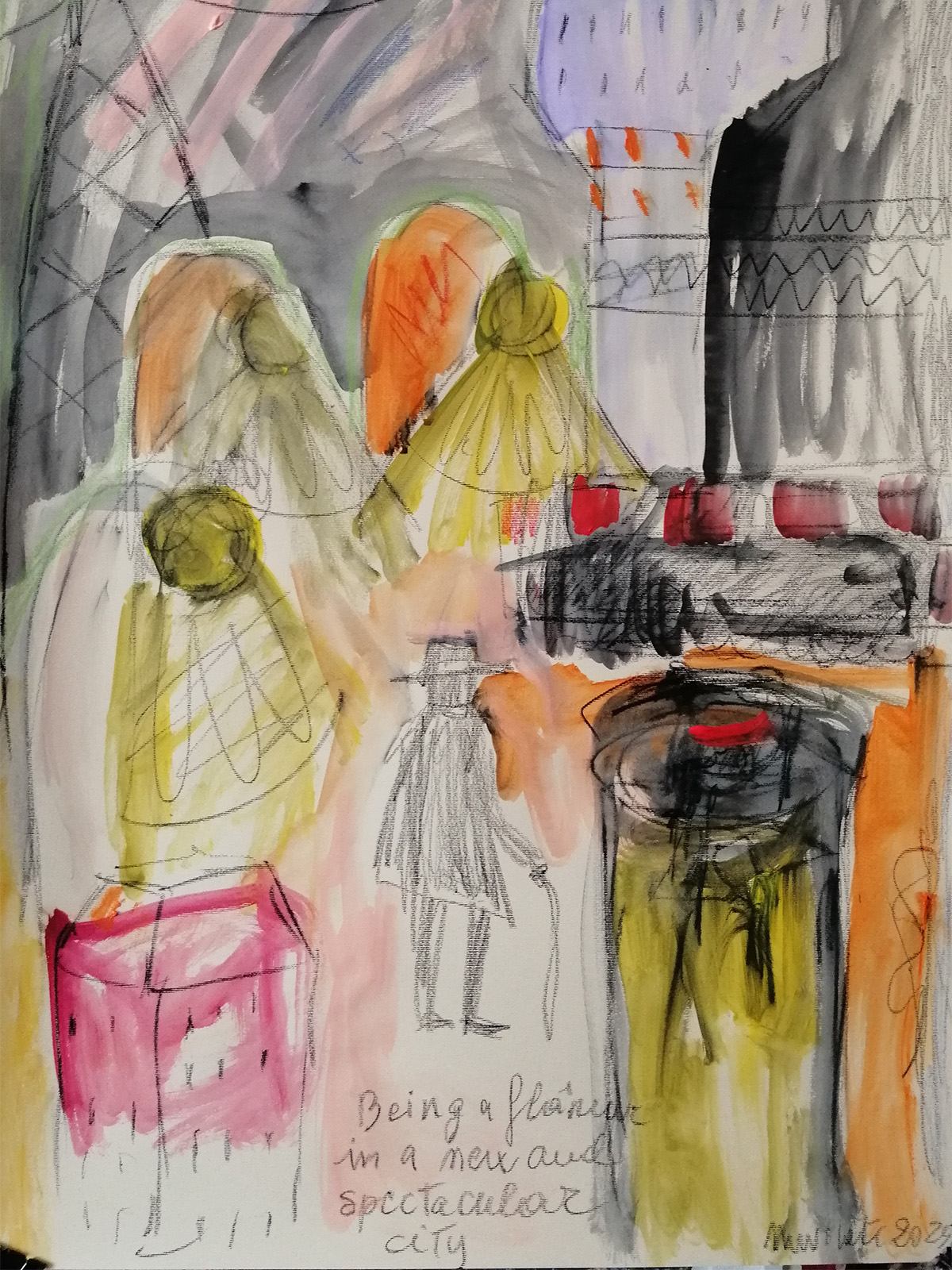
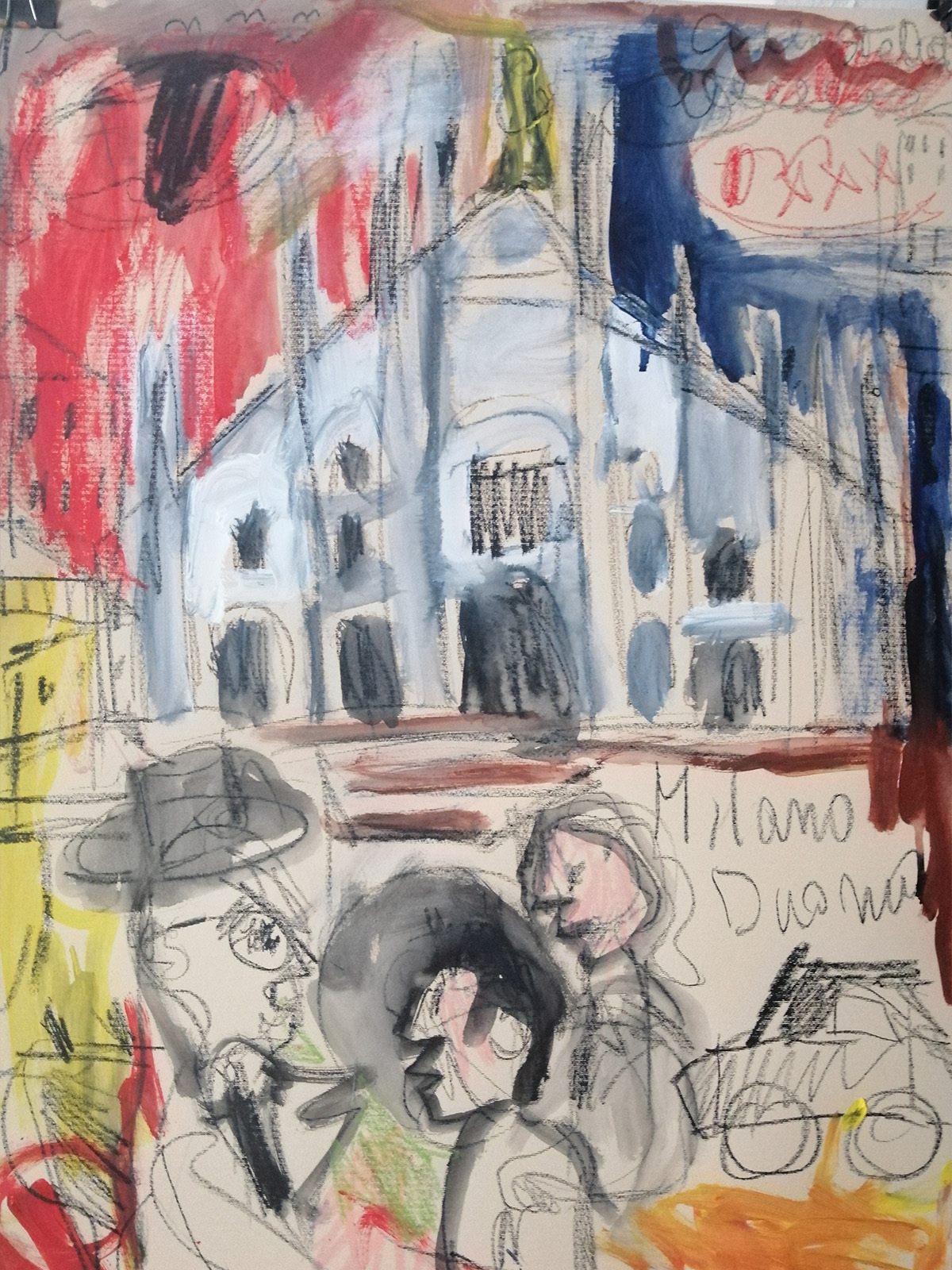
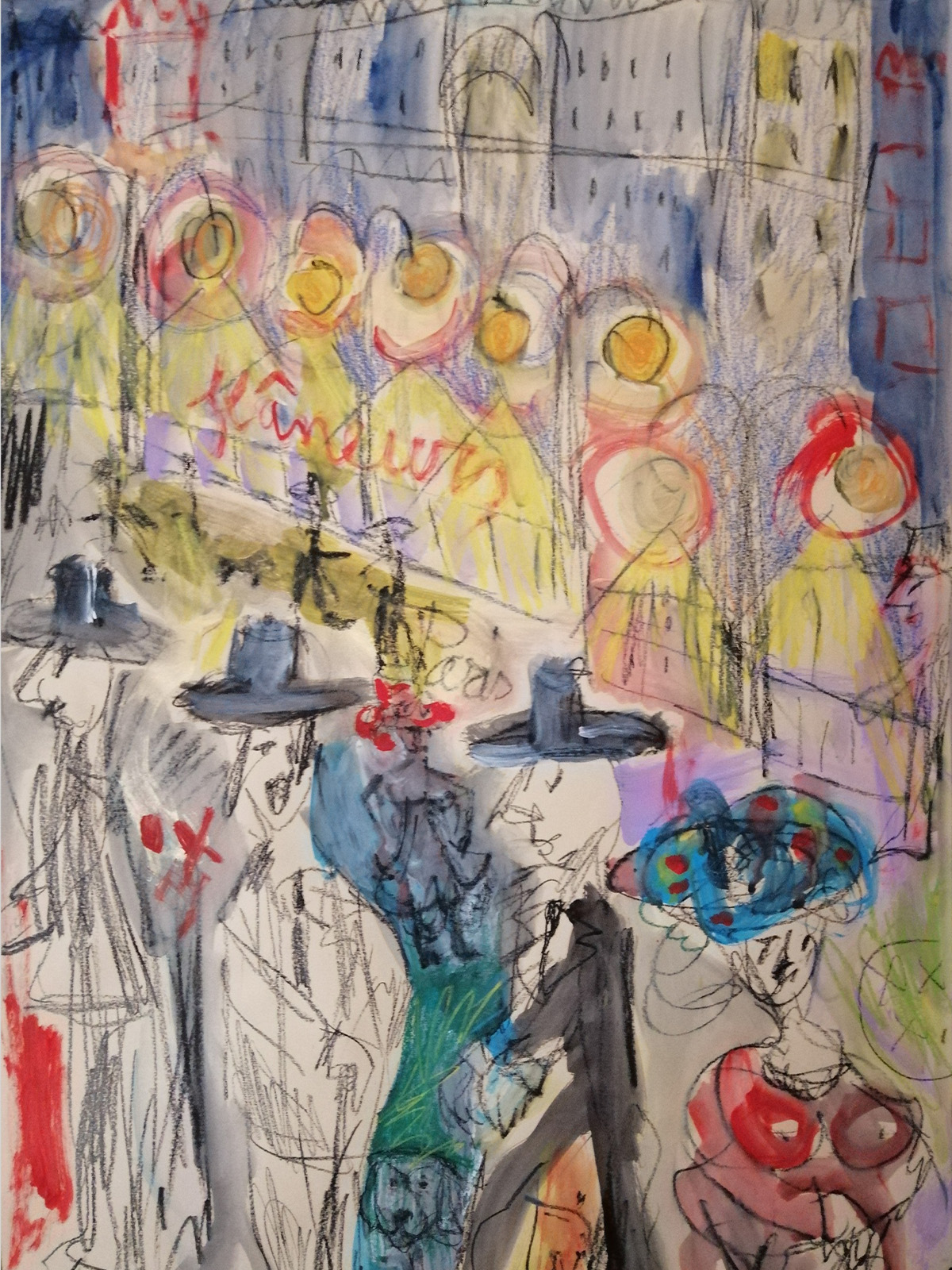
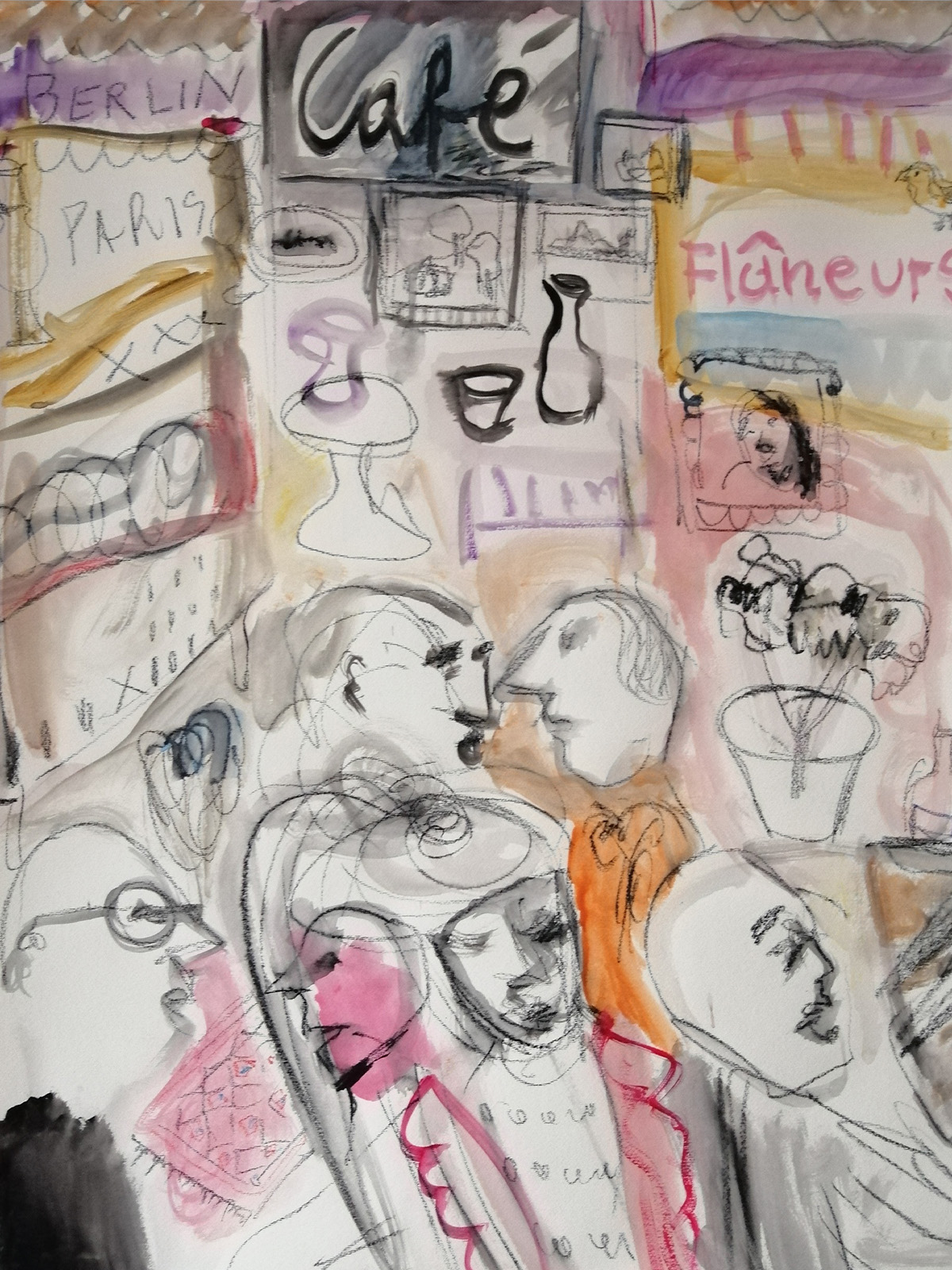
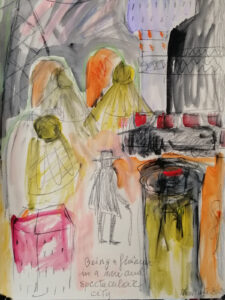
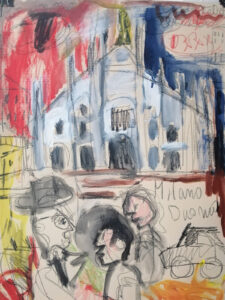
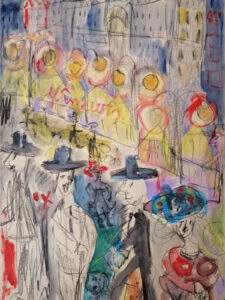
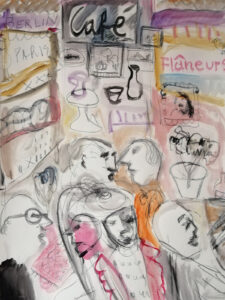
While the issues illustrated here remain the central focus of the research conducted by urban planners, sociologists, epidemiologists (among others), identity, attachment and the sense of belonging to places are of interest above all to psychologists, and particularly environmental psychologists. But there is another analytical perspective that I would like to focus on in these remaining lines, referring to a figure that began with Charles Baudelaire in the 19th century and was coded by Walter Benjamin a century later. We are talking of the flâneur, another oxymoronic figure (puer-senex, alone in the crowd, the idle-creative) who, with his slow stride perceives the city and interprets its genius loci like a priest. He (but also “she”, as there is also a female version: the flâneuse) is not exactly a social scientist, more an intellectual, a writer, a poet but also a photographer, an artist who quenches his own curiosity by seeking cracks and hidden corners in the urban landscape that allow him to understand and represent the true soul of the city, for what it was and what it is, beyond the touristic hypocrisies and falsehoods of today, instead developing a critical approach.
Sense and sensibility, memory and the present
While intangible – or perhaps precisely because they are intangible –, urban atmospheres become a source of emotions binding us to spaces, the feelings we have of our cities due to the memories they conjure up and the impulses they arouse in us. Seeking to translate these considerations into simple questions, we naturally wonder: what do we feel when, like contemporary flâneurs, we walk through a city that is new or even familiar to us? Does it attract us, repel us, or do we remain indifferent? Do we feel part of it because we feel culturally and physically close to it, or excluded, far from it in both material and symbolic terms? Looking at cities today perhaps means bringing together all of the above, in terms of socio-economic problems, with all that emerges from more intimate, personal and literary perspectives, in that fabric of meaning that takes shape between the individual and the community, between our own existence and the part of the world that hosts us each time.
Cities cannot be just smart, the result of rationalisation processes and technological devices that guide humans towards their most efficient use; and neither can they be the final result of moral visions (however desirable) that tend to reduce situations of inequality and increase the quality of life of their inhabitants and visitors. The city, any city, has its own spirit, its own story, its own soul that we have to accept, knowing that it is not always easy to tame it, that it confronts us like a person, with all their virtues and vices. We can observe from the edge, or – with a little courage – we can dive in and live it to the full. We can even design it, without losing sight of its past and its character and, finally, we can recognise it as the inescapable backdrop of our life spent around other people. Adopting this perspective allows us to work on memory, but at the same time avoid easy rhetoric (and nostalgia), that sees the past as the city’s lifeline. And, meanwhile, fully embrace the changes in progress.
References:
Giandomenico Amendola (edited by), La città vetrina. I luoghi del commercio e le nuove forme del consumo, Liguori, 2006
Charles Baudelaire, Lo Spleen di Parigi. Piccoli poemi in prosa [1869], Feltrinelli, 1992
Walter Benjamin, I “passages” di Parigi [1927-1940], Einaudi, 2002
Stefano Cascavilla, Il dio degli incroci. Nessun luogo è senza genio, Exòrma Edizioni, 2021
Giampaolo Nuvolati (edited by), Camminare la città. Manuale per la flânerie, il Mulino, 2025
Alvin Toffler, The Third Wave, William Morrow, 1980
Serena Vicari Haddock (edited by), Questioni urbane. Caratteri e problemi della città contemporanea, il Mulino, 2013
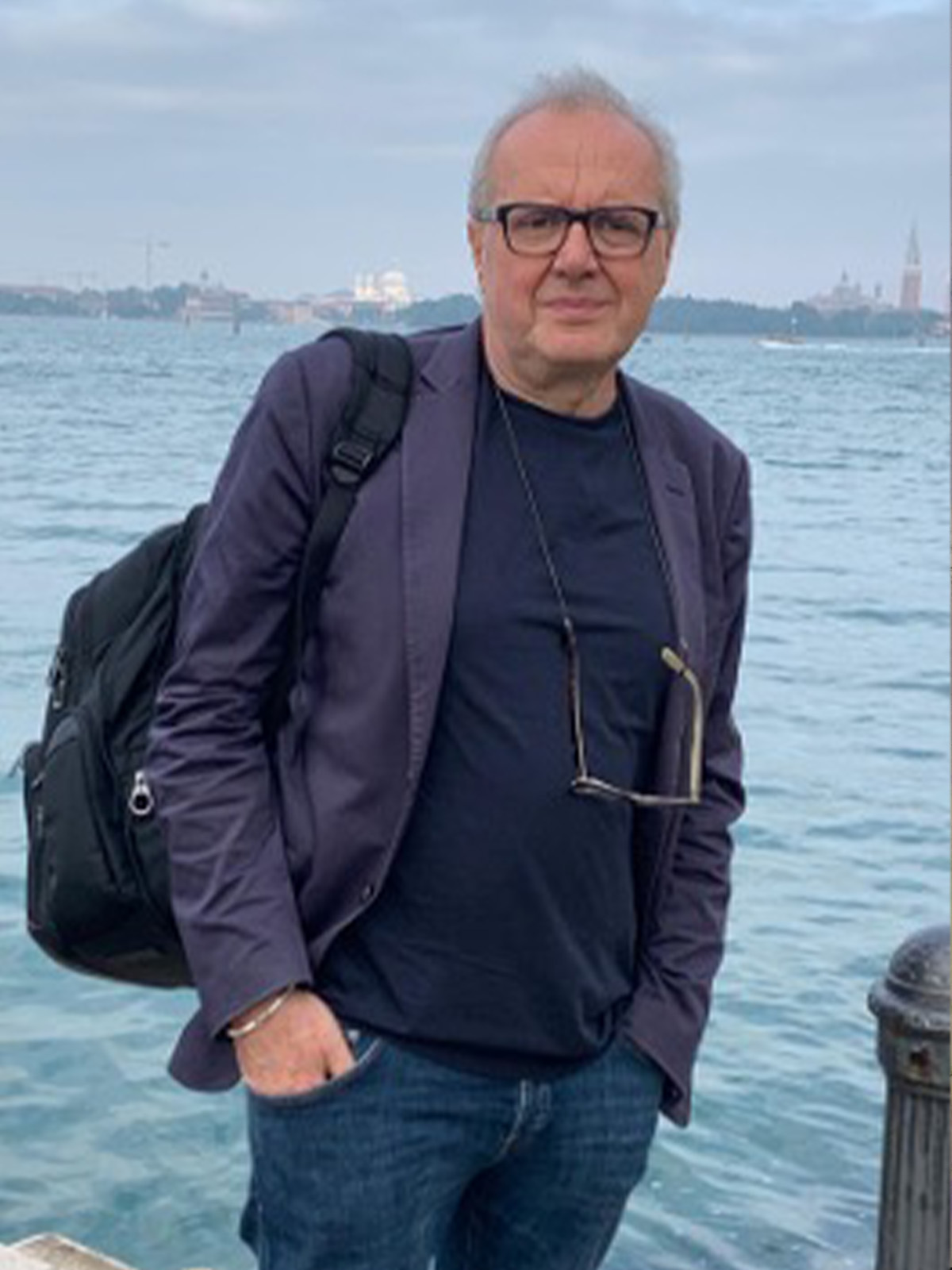
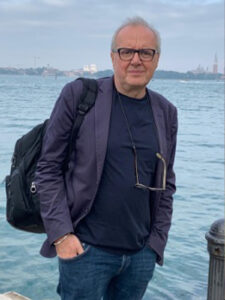
Giampaolo Nuvolati
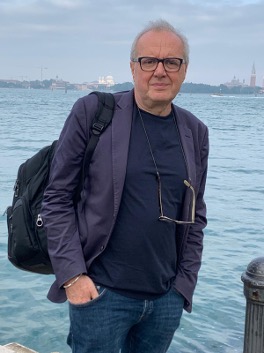
He is a full professor of Sociology of environment and territory at the Bicocca University in Milan, where he teaches Urban Sociology. At the same university, he has been chair of the Master’s programme in Sociology, holding the position of Head of the Sociology and Social Research Department as well as that of vice-rector for relations with the territory. His research focuses on the quality of urban life, living, conflicts between resident and non-resident metropolitan populations, relations between cities, sociology and literature of the flâneur.