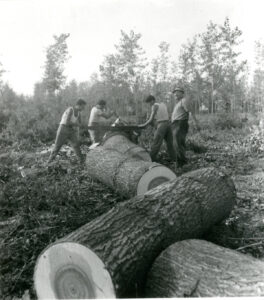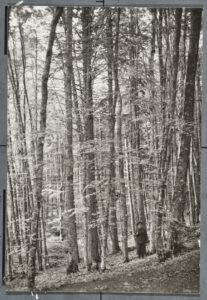


The connection between forests and material production is often noisy. Cutting machines, trunks rolling on the sawmill rollers, passing through huge saw blades, planks turned into packs, and pallets of timber moved across yards by powerful, noisy fork-lifts: when the forest becomes a mine of resources and raw materials, the silence disappears. Apparently, trees appear immobile, until that moment just before they are hit by the coloured spray used by forestry workers to mark the trunks of the trees to be felled. But the truth is that forests move, act and transform their own habitat to make it more hospitable. As for the many scientists who have been studying these topics for decades, for designers too, the life of plants has become an increasingly fascinating topic.
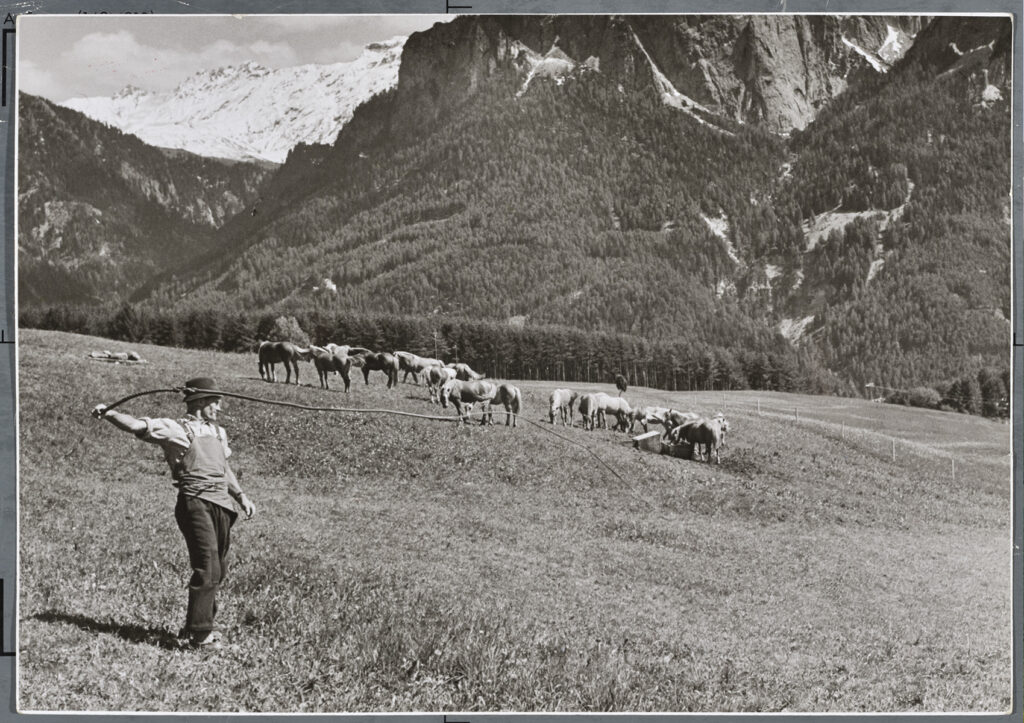
Forests have been part of the great design world since humans shaped their first objects, inventing (or designing) their civilisation. The history of the relationship between human manufacturing and woodland is age-old. We are used to studying the history of the phases of evolution of our society, defining it as the “stone age”, the “bronze age” or the “iron age”, periods named by the materials used to produce artefacts in each specific era. These materials have lasted over time, but the first objects – which came about much earlier than those in stone or metal – were made from wood, a biodegradable material, so these items have very rarely been found. One exception were the Schöningen spears found in Germany, wooden hunting weapons used by Neanderthal Man 300,000 years ago: the first large-scale testimonial of wooden tools made by humans. This discovery has questioned the history of material production and the understanding of early human behaviour. These spears – lightweight and easy to carry – were made from branches of red pine, the bark removed, cut and left to age, to create an aerodynamic, ergonomic instrument, demonstrating the in-depth knowledge of the wood properties and hand-crafting skill.
In the woods, humans discovered a material that they then built close ties with, continuing to transform it over the millennia, empirically understanding its bio-mechanical properties and using it according to its specific characteristics, which change from region to region, altitude to altitude – properties that metals and other inert materials do not have. Still today, much of what we produce comes from the forests: a practice of transformation expressed in the production of objects with very different types, scales and functions. In a context in which we are driven to think about our relationship with what we produce, due to the raw materials they produce and their general spread, woods are one of the realities on which we should focus a magnifying glass. These ties, mediated by production, can be seen in our everyday lives: the presence of forestry products can be seen as much in day-to-day disposable objects as in the skeletons of houses and urban structures.
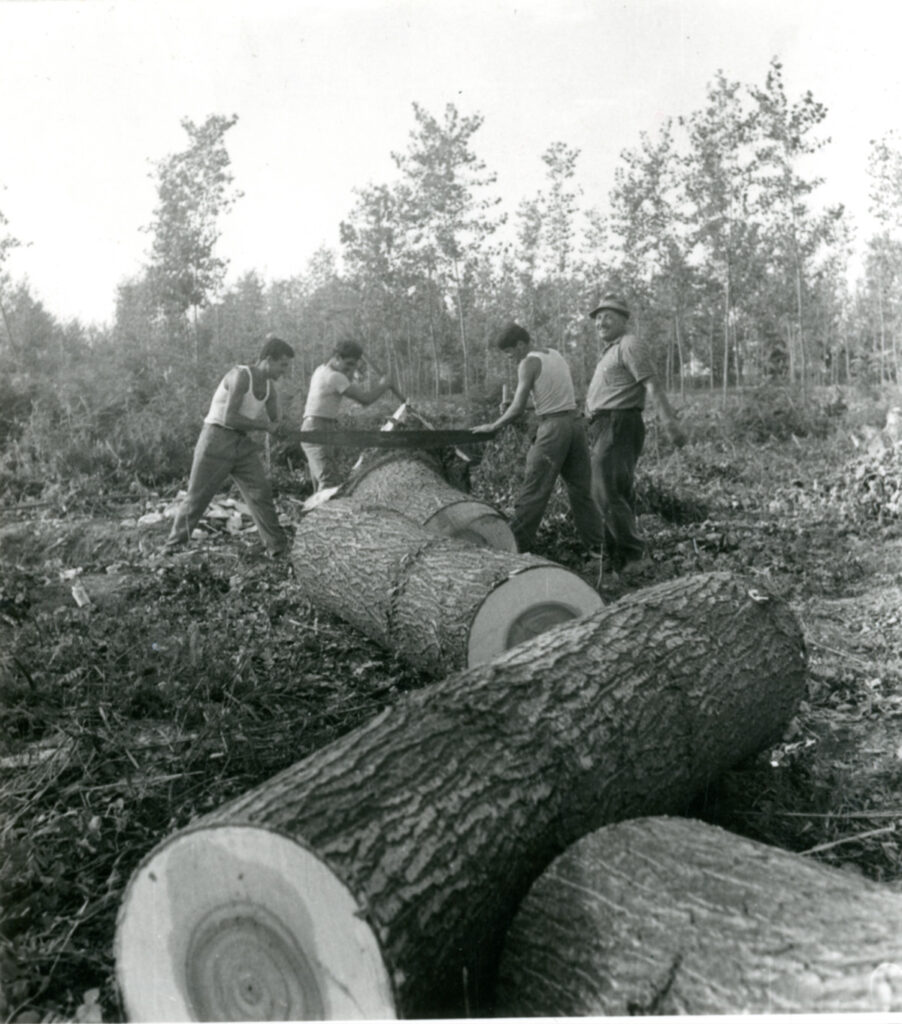
Today we know that using wood to replace certain materials reduces the impact on global warming; in buildings, for example, the use of laminated timber reduces CO2 equivalent emissions by 20 to 50%. Much more rarely, however, we think about which objects we use every day that have been produced using materials found in the forest ecosystem, from the most common to the most technological, such as cellulose aerogel or biofilaments for 3D printing. Considering the widespread and pervasive presence of tree-derived materials in objects and structures, the work conducted by the forestry researchers is very important for continuing to fuel the bond we have with wood, but also and especially to understand the impact of the use and extraction of this resource on the ecosystem, understanding how to best use these materials but also how and where to source them. Great synergy is required between those who design objects, those who organise and manage the supply and production chains and those who provide indications on how to relate to these places in order to safeguard them.
However, the new millennium seems to have brought greater awareness of our debt with the forests for our survival, thanks to the significant popularisation and information by these experts. To give but a few examples: the books of the plant neurobiologist Stefano Mancuso – which, with La Nazione delle Piante (Editori Laterza, 2019), also became part of the contents created by Paola Antonelli for the 22nd Triennial International Exhibition of 2019 in Milan, Broken Nature, on the role of design in the relationship with ecosystems; the scientific research on the amazing world of mycology revealed by the best-seller Entangled Life by Merlin Sheldrake (Random House, 2020): the engaging exhibition Trees held in 2019 and 2020 at the Fondation Cartier (curated by Bruce Albert, Hervé Chandès, Isabelle Gaudefroy), with the significant contribution of the philosopher Emanuele Coccia, starting from his own quote:“There is nothing purely human, the vegetal exists in all that is human, and the tree is at the origin of all experience”.
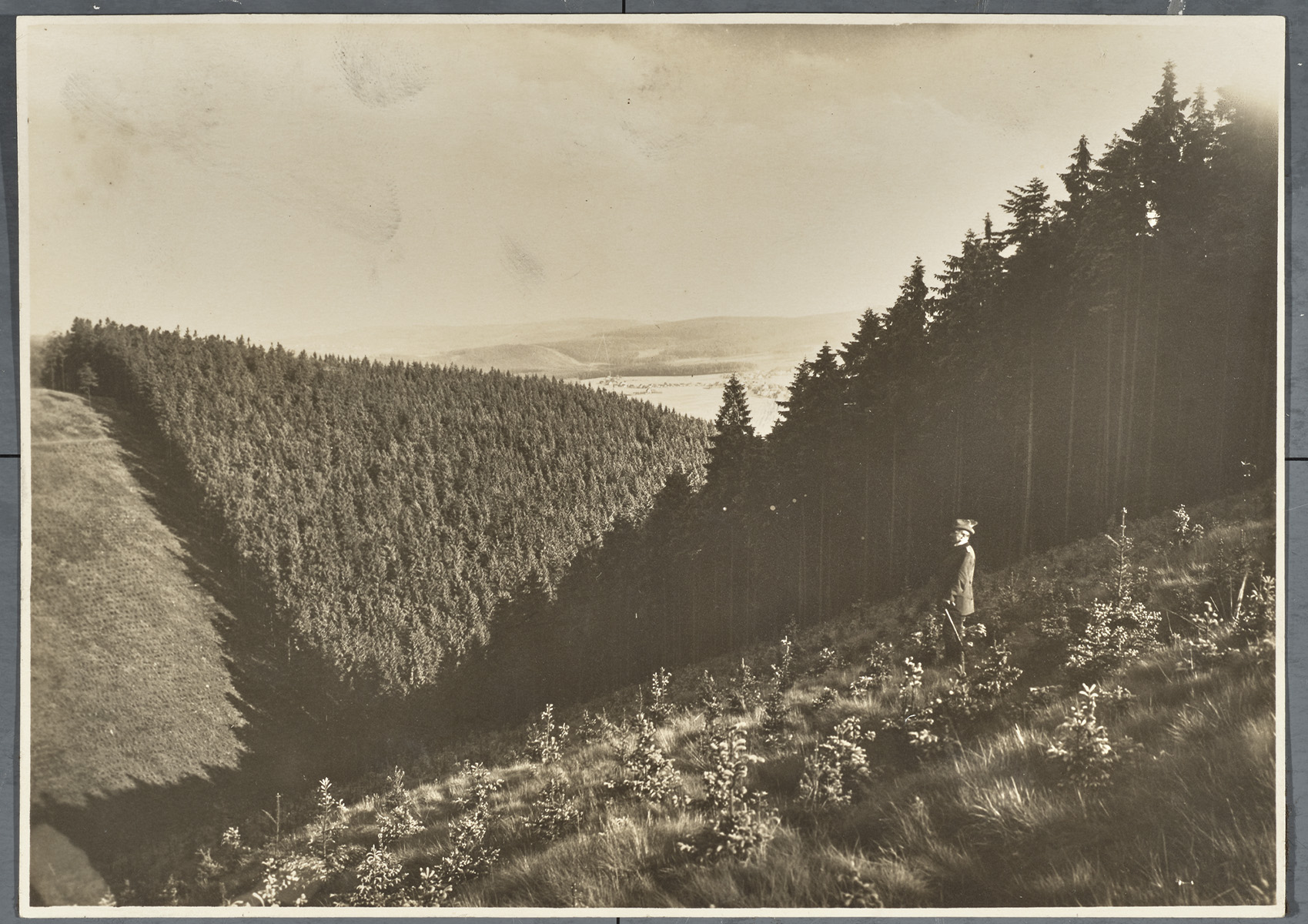
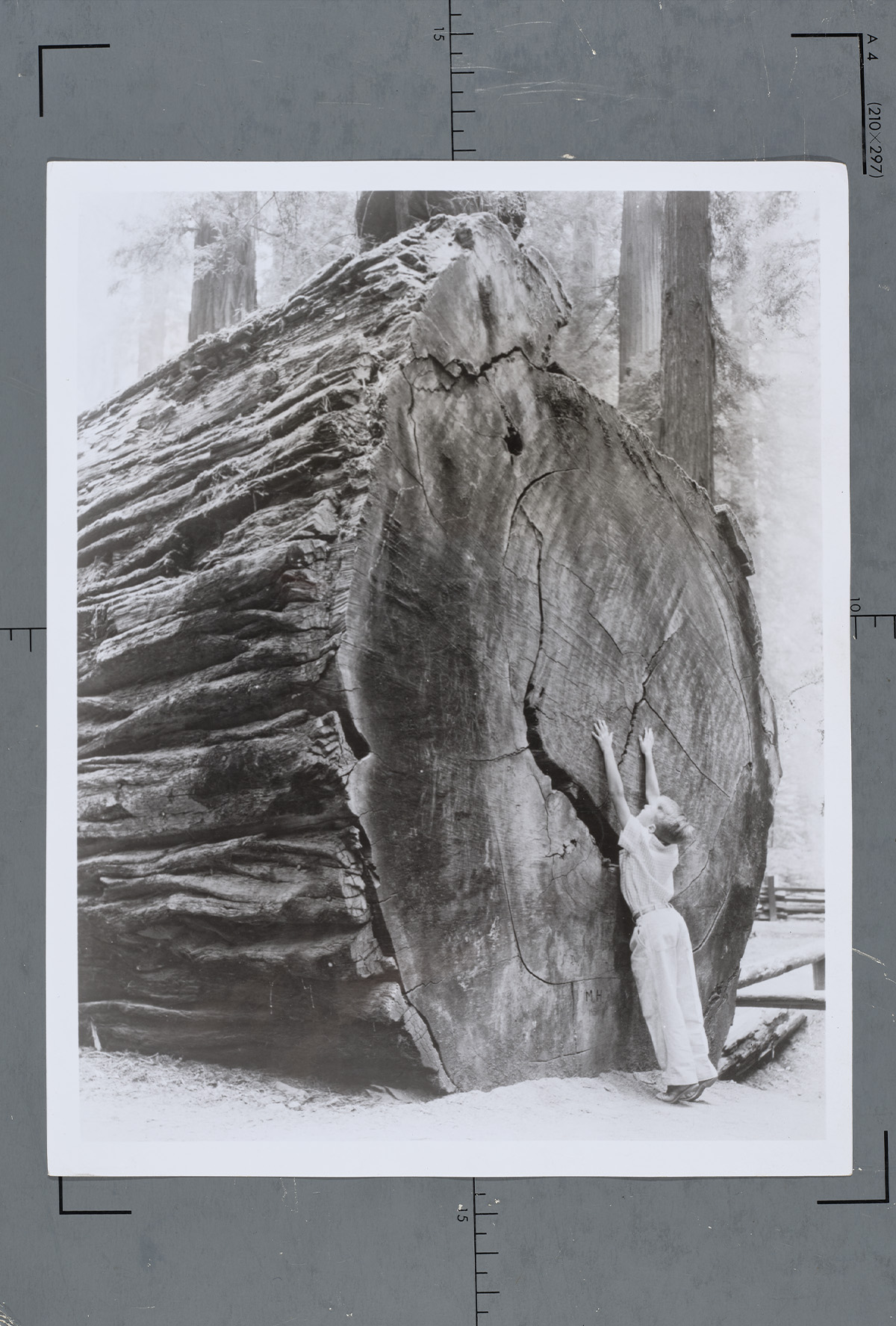
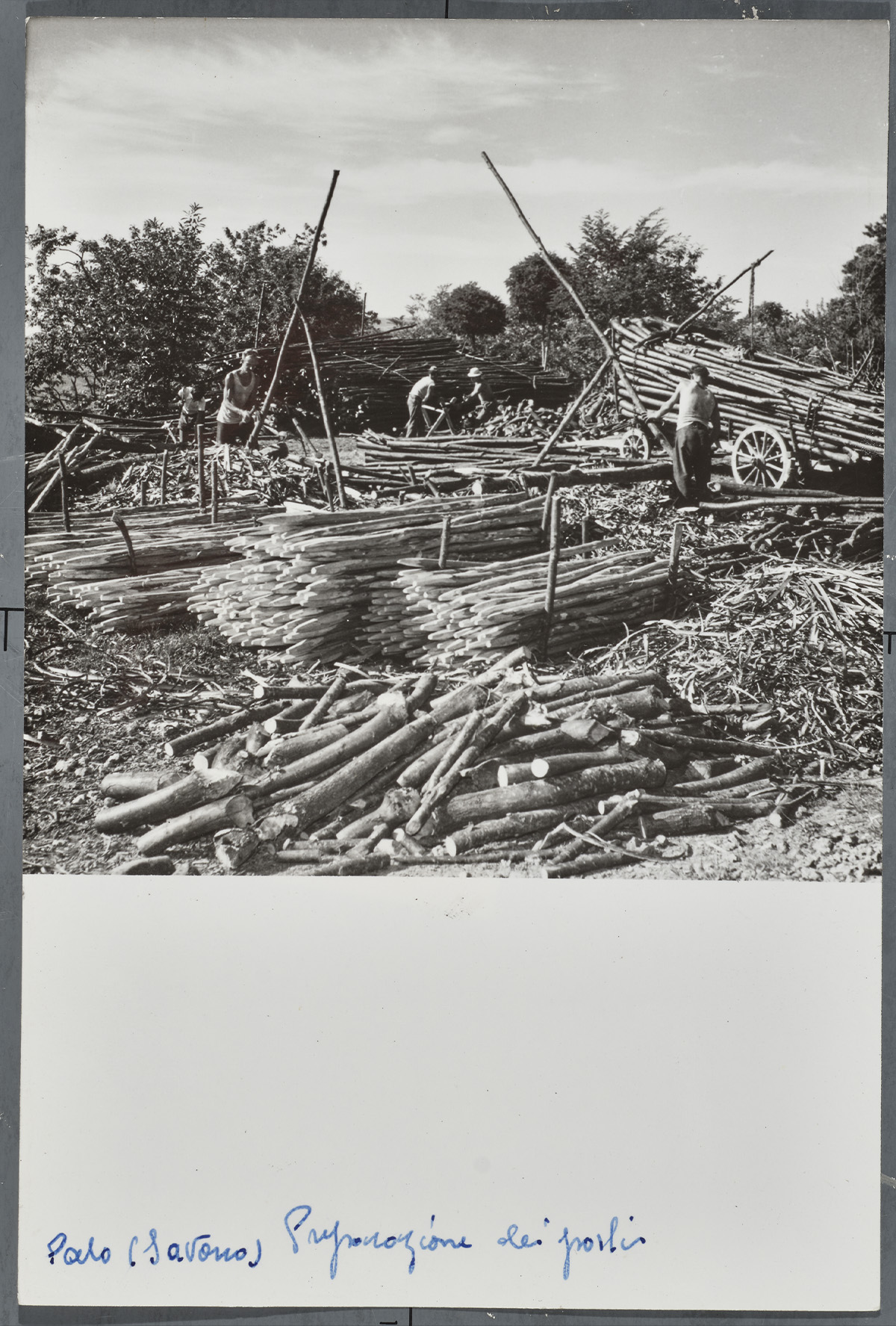
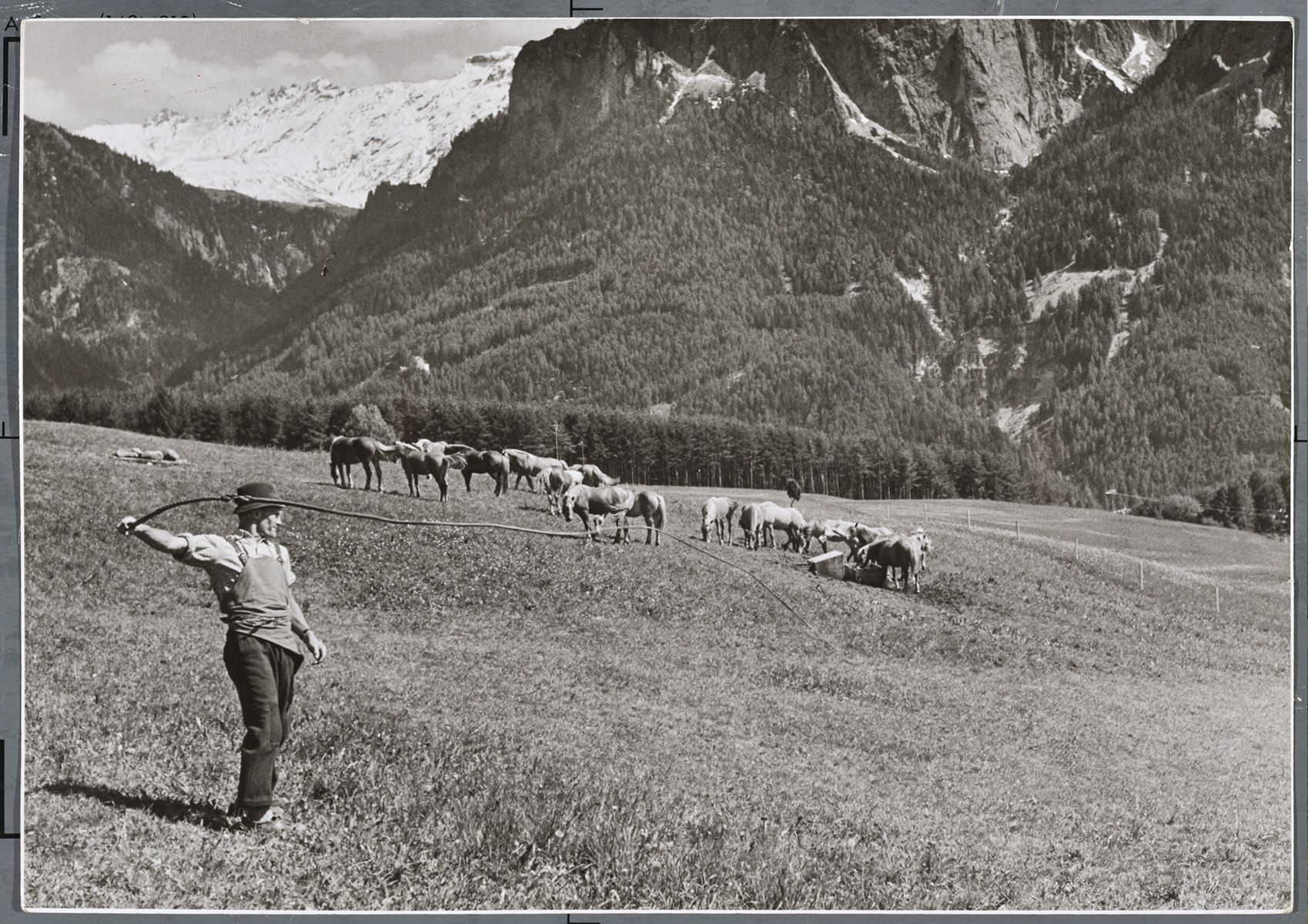
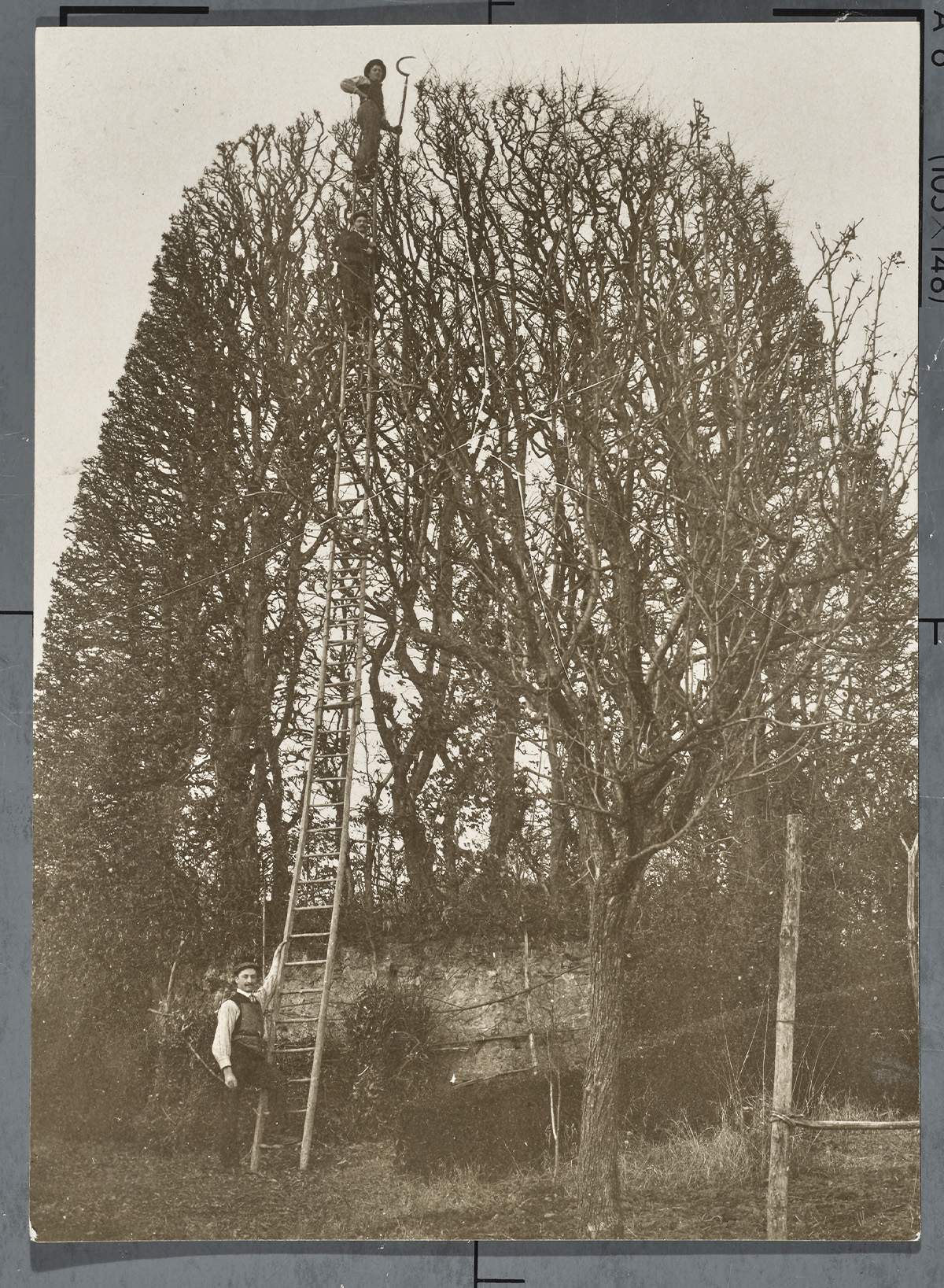
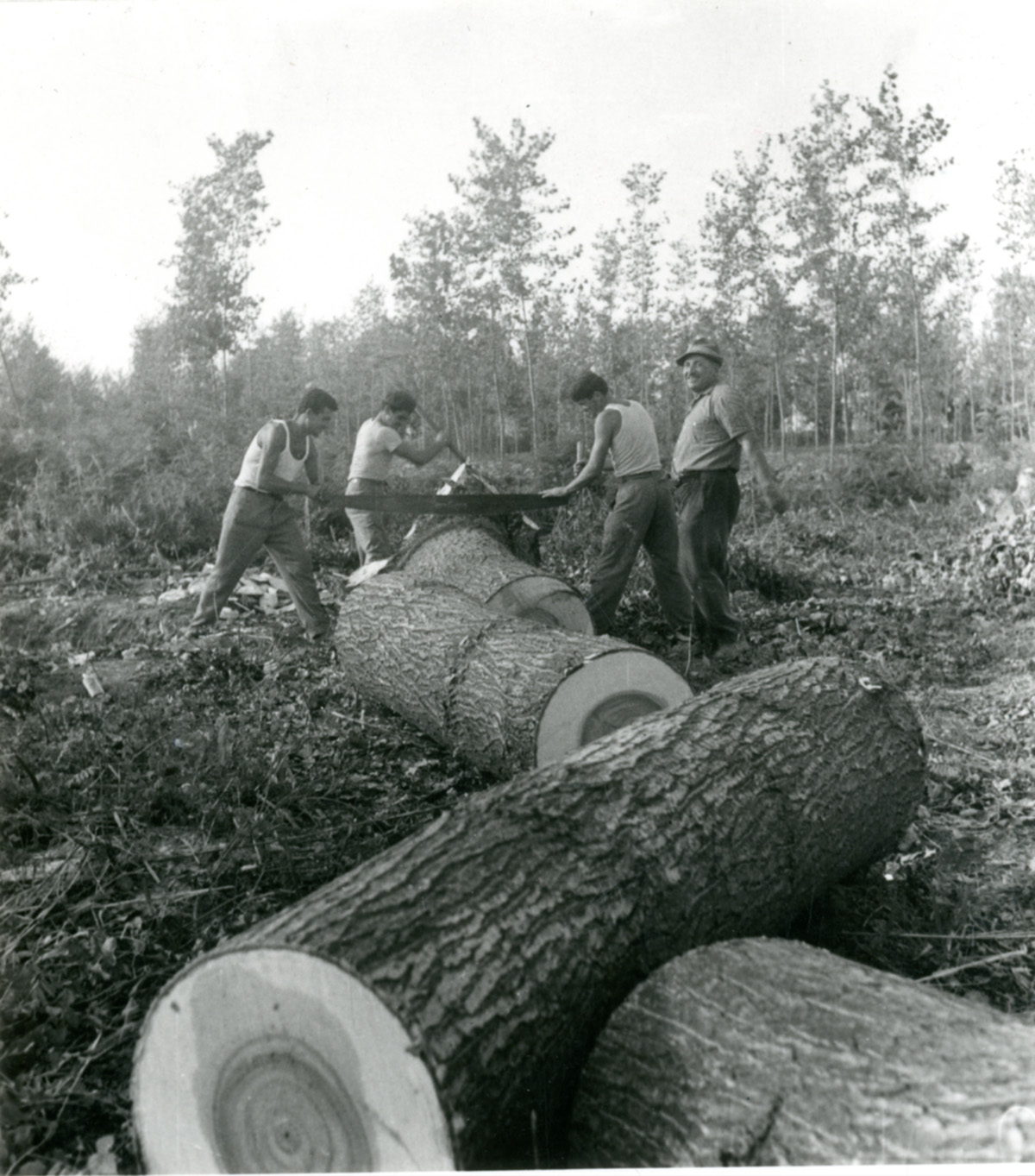
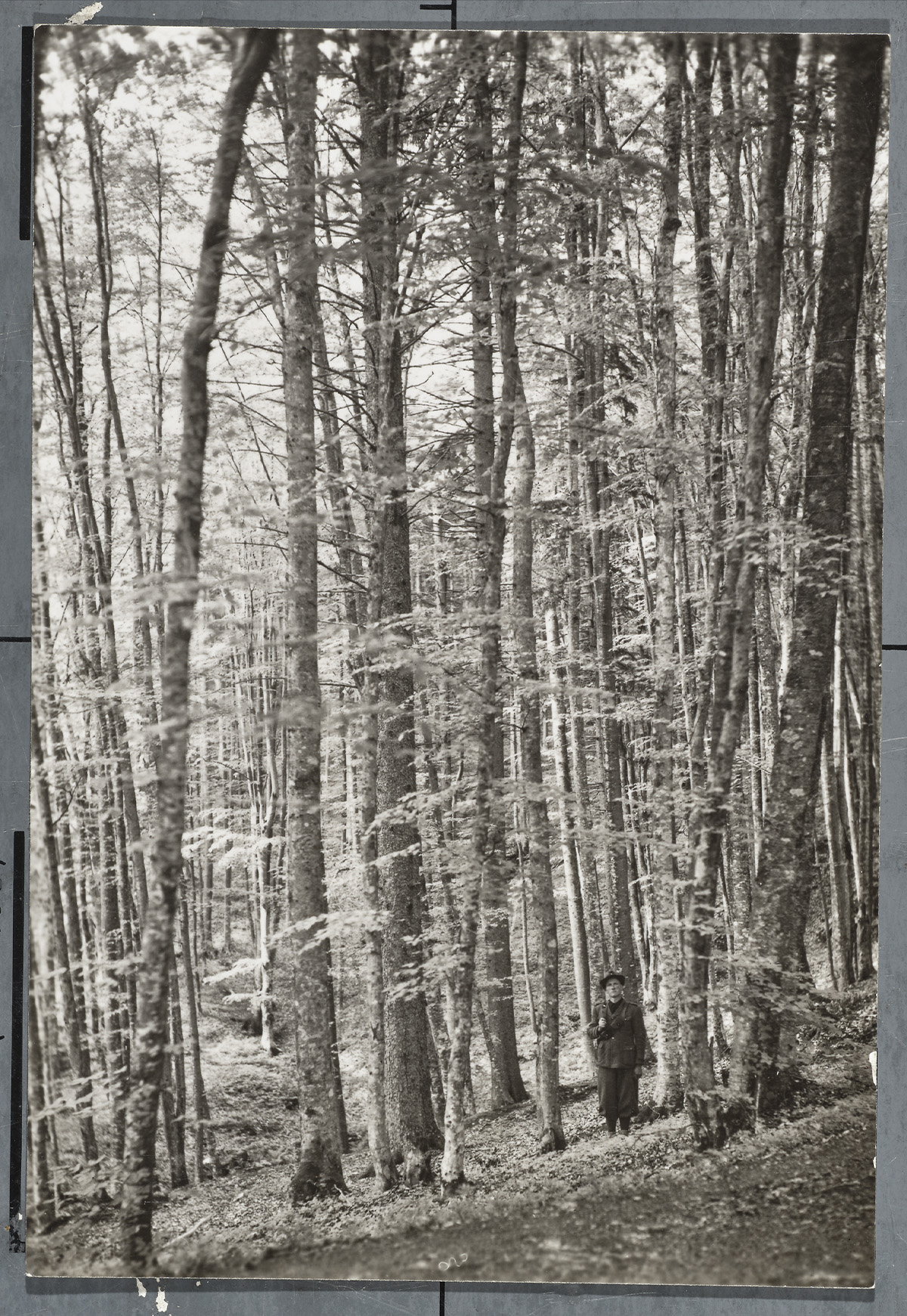
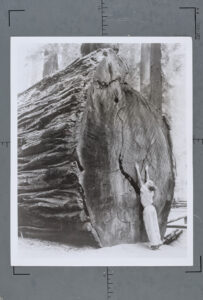
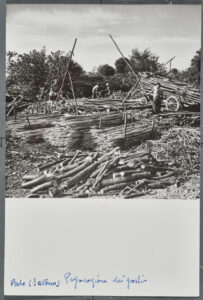
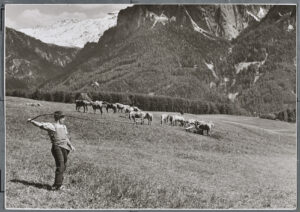
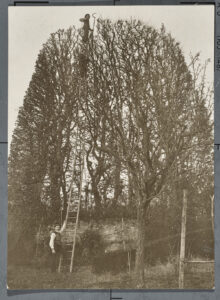
The photographs accompanying this article are taken from the exhibition “Forest, Tree, Man”, currently on view at the Accademia dei Georgofili in Florence (Logge Uffizi Corti, until 18 December 2025).
Curated by Davide Fiorino and Daniele Vergari, the exhibition explores the relationship between the entity Forest and Man, without overlooking the Tree as a distinct unit. It is conceived and realized using photographs from the archives and historical collections of the Accademia, offering a reflection on the history and nature of the challenges this relationship has faced from the early 20th century to the 1970s.
Founded in Florence in 1753, the Accademia dei Georgofili is the world’s oldest institution of its kind devoted to agriculture, environment, and food, and to promoting the advancement of knowledge (georgofili.it).